
For Nazi Germany, the primary goal of its military operations in WWII was to defeat the Soviet Union, as the Nazi ideology saw “Bolshevism” as the biggest threat. Germany also required resources and Lebensraum (“living space”), of which the Soviet Union had an abundance.
On June 22, 1941, Germany launched Operation Barbarossa against the Soviet Union. It was the biggest invasion in history, and the Soviets were taken by surprise. Whole Soviet armies were surrounded and destroyed while Stalin shut himself in his room, drinking heavily and trying to come to terms with what was happening.
Four years later, however, the Soviets were in Berlin, and Hitler was dead. How and why this happened is due to numerous factors.
1. The Germans Were Unprepared for the Russian Winter
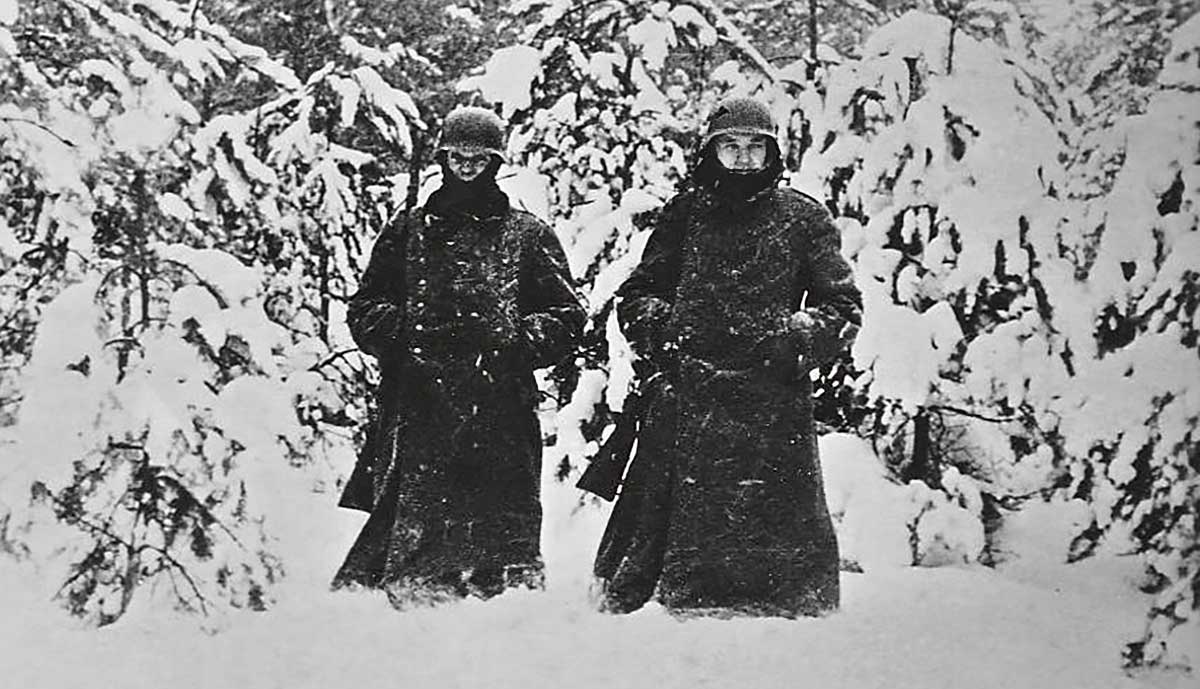
Often referred to as “General Winter” or “General Frost,” the Russian winter is well-known for being extremely harsh. Over a hundred years before the Germans invaded, it had been an important factor in helping the Russians defeat Napoleon and his Grande Armée.
In 1941, the Germans launched Operation Barbarossa, and in the first few months, the Germans achieved stunning success, driving deep into the Soviet Union. Despite these earlier victories, the vast quantities of resources required had already put the German invasion in danger. By the time the winter set in, the Germans had already suffered 734,000 casualties (23% of the initial invasion force).
Hitler had expected a quick victory and had not envisioned the Wehrmacht having to battle through the Russian winter. As such, German forces were ill-equipped to deal with the extreme cold. The Soviets, on the other hand, were used to their own harsh winters and were far better equipped to deal with the sub-zero temperatures.
By the time the Germans reached Moscow, the initial shock of the invasion was over, and the Soviets had rallied behind their leader, determined to drive back the fascist invaders. Winter arrived early in 1941 and turned out to be one of the coldest winters of the 20th century.
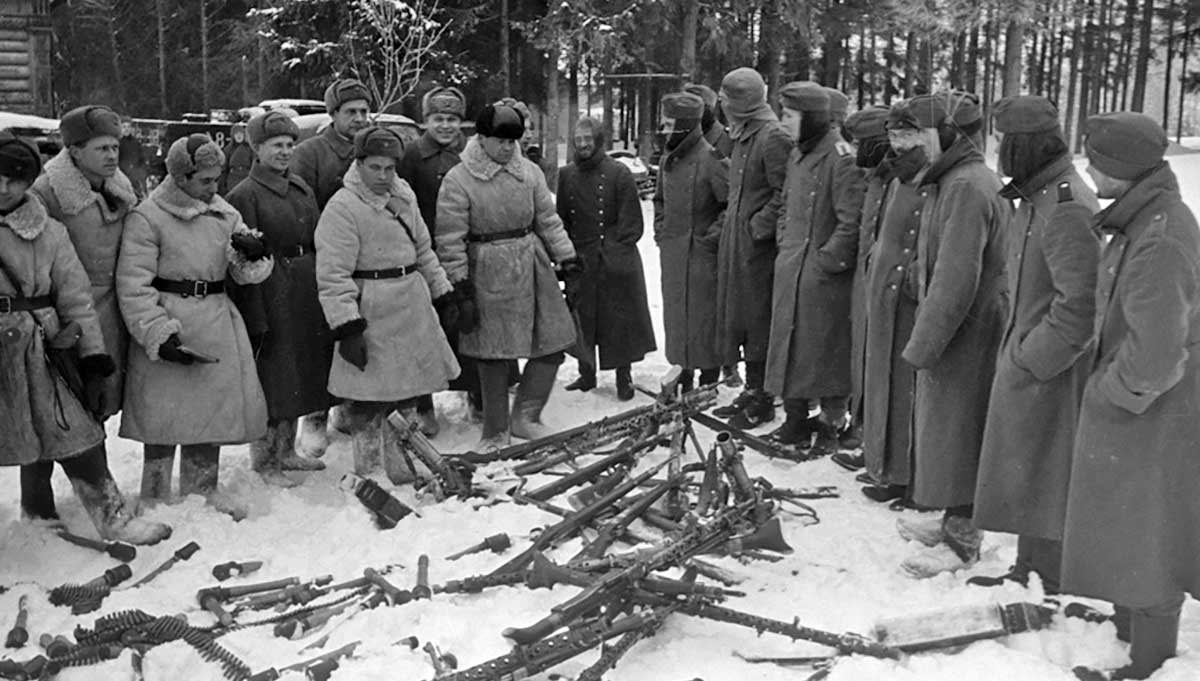
Coupled with heroic Soviet resolve, logistical issues, and other factors, the winter helped put an end to Operation Barbarossa. The German invasion stalled, and the Soviets rallied. This meant the war would drag on for several more years. The following year, Hitler’s hopes were pinned on securing oil fields in the Caucasus and defeating the Soviets at Stalingrad (present-day Volgograd). Once again, the Germans were ill-equipped for the Russian winter, and underestimated the resolve of their foe.
Starved and freezing, the German Sixth Army led by Field Marshal Friedrich Paulus was surrounded and defeated in February 1943 in Stalingrad. The Battle of Stalingrad represented a major turning point in the war and one which handed the initiative to the Soviets.
2. Issues With Logistics on the Eastern Front
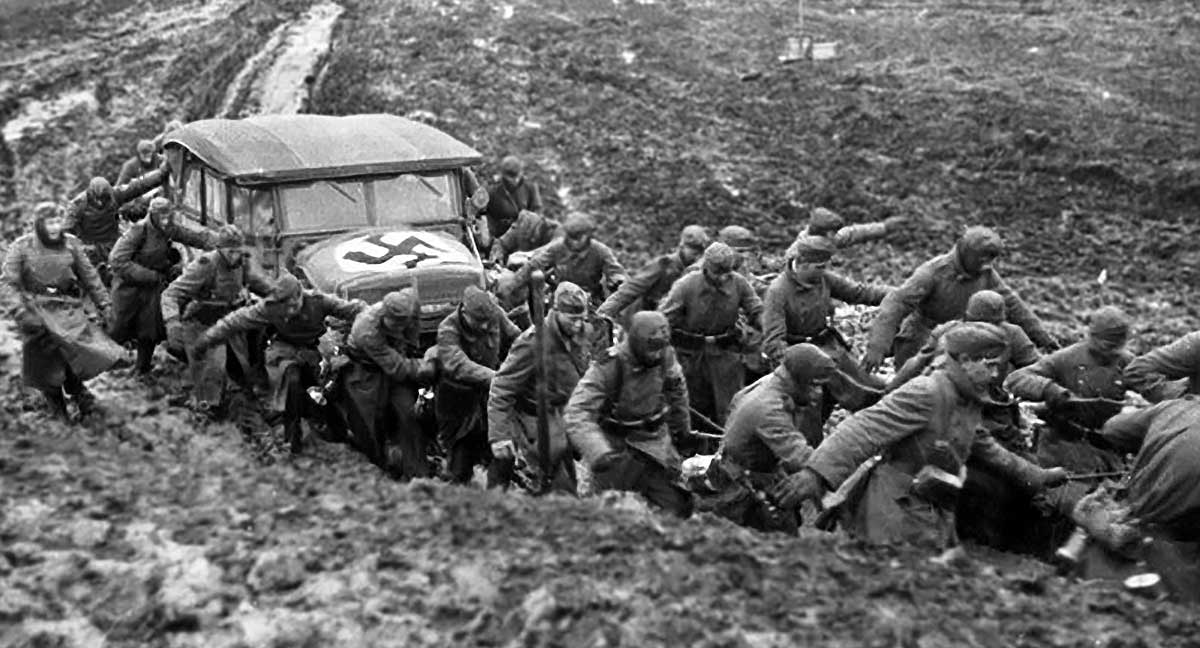
Unlike fighting in Western Europe, operations across the western part of the Soviet Union covered vast distances that required more intense logistical considerations. Major issues with logistics would plague the Germans throughout their entire miserable time on the Eastern Front.
Supplying the armies at the front was an endeavor that had many obstacles to overcome. One such obstacle was the effect of the weather on either side of the bitter winter. The rainy seasons, as well as the spring melt, caused the roads to become very muddy, bogging down vehicles and slowing supply and support. The rasputitsa (literally “season of bad roads”), as these months are known, created myriad problems for the Wehrmacht.
Another factor was the railway gauge. Russian railways played a vital role in evacuating entire towns and factories to the east, beyond the Urals, where they continued to aid in the war effort. The gauge of the railway lines, however, was wider than that used in Germany, and as such, presented a challenge to the Germans who had to invest time and resources changing tracks in order to ship supplies to their armies on the front.
3. Lend-Lease
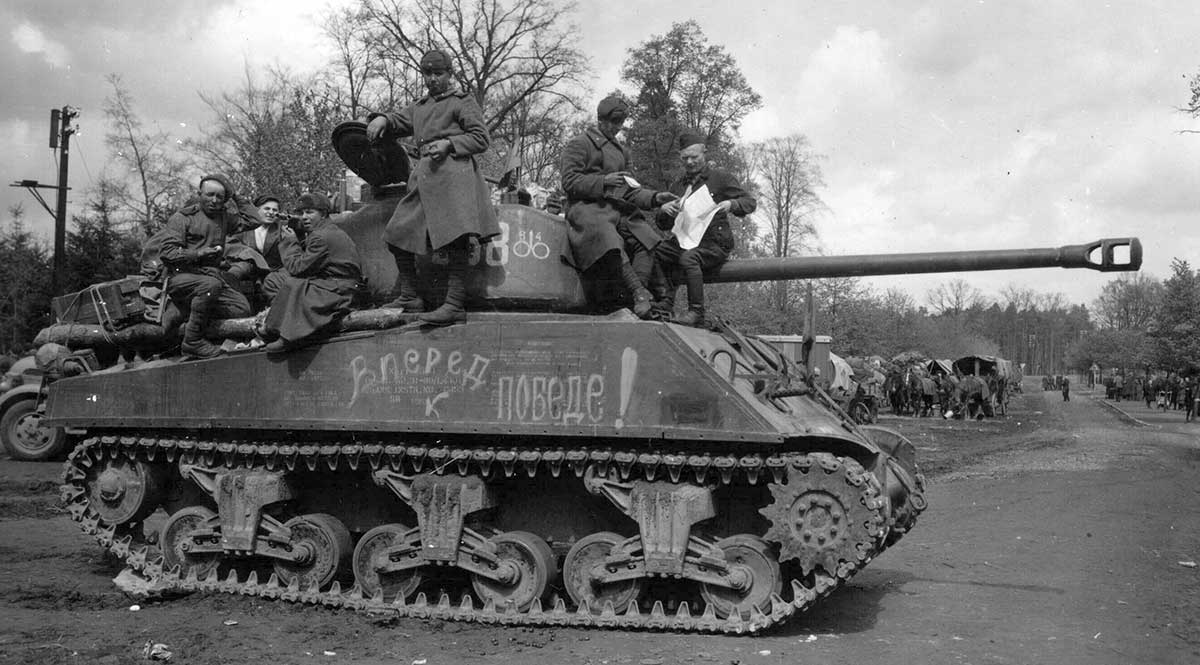
A significant factor in the war on the Eastern Front was the Lend-Lease program, whereby the Western Allies, particularly the United States, supplied the Soviets with much-needed equipment. From October 1941 to July 1945, the Soviets were a huge beneficiary of Lend-Lease.
Of major value were the vast numbers of trucks, aircraft, and canned food. The German invasion had devastated agricultural production in the USSR, and even when the Soviets were on the offensive, feeding liberated people required significant amounts of food. The Lend-Lease program helped feed millions, equipped armies, and eased the burdens of logistics and supply.
Nikita Khrushchev, who served as an intermediary between Stalin and his generals, wrote in his memoirs that Stalin stated that if the United States had not helped the Soviet Union, then the Soviet Union would have lost the war.
Nevertheless, the impact of Lend-Lease is still very much a topic debated on an academic level. While many American sources claim that the program was critical to the Soviet war effort, Soviet sources tend to downplay its effect.
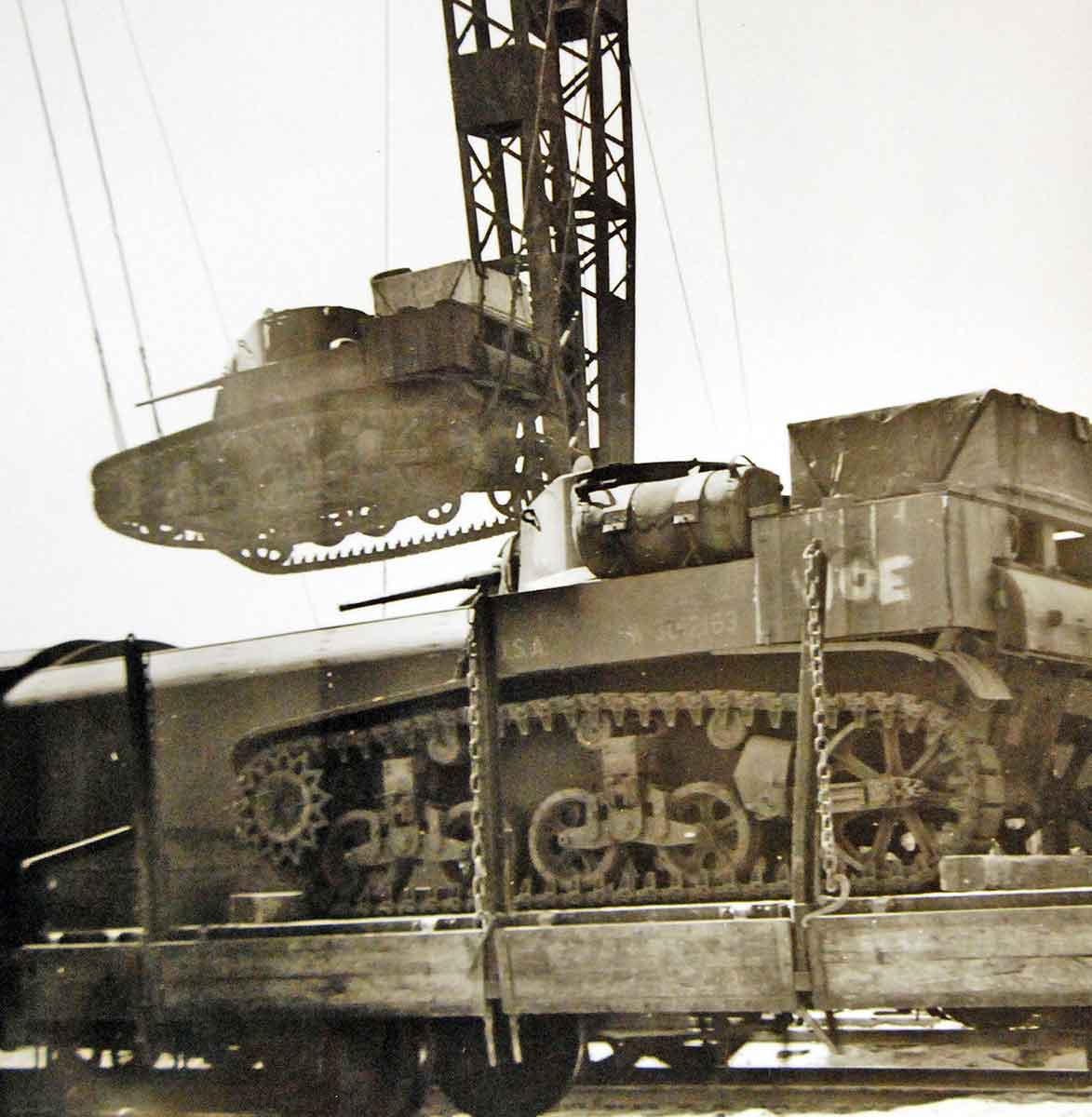
American historian David M. Glantz, known for his books and expertise on the subject of the Eastern Front, challenges the idea that Lend-Lease was the vital determiner of who ultimately triumphed on the Eastern Front. He states that Lend-Lease did not save the Soviet Union from 1941 to 1942, as supplies did not arrive in sufficient quantities.
As the war dragged on, however, Lend-Lease provided equipment that helped the Soviets become far more effective in supplying their armies and fighting the Germans. Glantz notes that without Lend-Lease, the results would have been the same. The Soviet Union would have still beaten the Germans, but the final victory would have taken 12 to 18 months longer to achieve.
This argument is supported by statistics of total tonnage received by the Soviet Union, which show the vast majority of Lend-Lease aid only arrived after the Soviets had won at Stalingrad and turned the tide of the war.
4. Soviet Industry
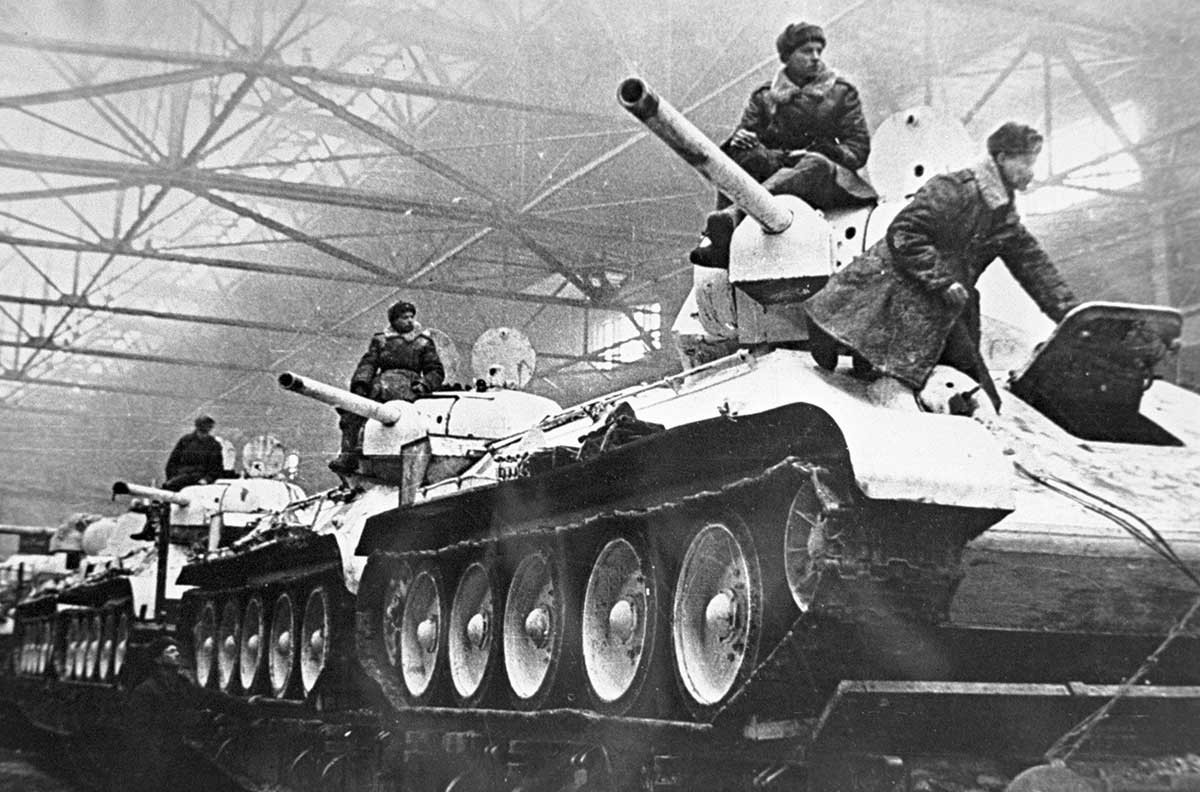
A huge factor in the course of the Second World War was that of industrial capacity. The ability to outproduce their enemies was key to the eventual Allied victory. When the Germans invaded in 1941, the Soviets lost access to huge quantities of their agricultural and industrial base, as the western portion of the country was by far the most developed in these areas.
The Soviets switched to a war economy, evacuated their factories and production capabilities to the east, and focused on producing military equipment en masse. In the years that followed, the Soviets outproduced the Germans in virtually all types of front-line military equipment, with the notable exception of naval assets. Tanks, aircraft, artillery, mortars, and small arms were absolutely crucial to the Soviet war effort, and the Soviets simply had more.
They also had advantages in oil supply, which was of vital importance to the war effort. Without it, mechanized units, tanks, trucks, cars, aircraft, and self-propelled guns would not move. By comparison, the Germans relied on imports, mainly from Romania, and synthetic oil derived from coal. As the war dragged on, supplying the German forces with oil became more difficult. The Allies bombed German oil facilities and caused a critical shortage.
The Nazi Minister of Armaments and War Production, Albert Speer, recounted in his memoirs that he told Hitler, “it would be pointless to have tanks if we could not produce enough fuel.”
5. Soviet Resolve
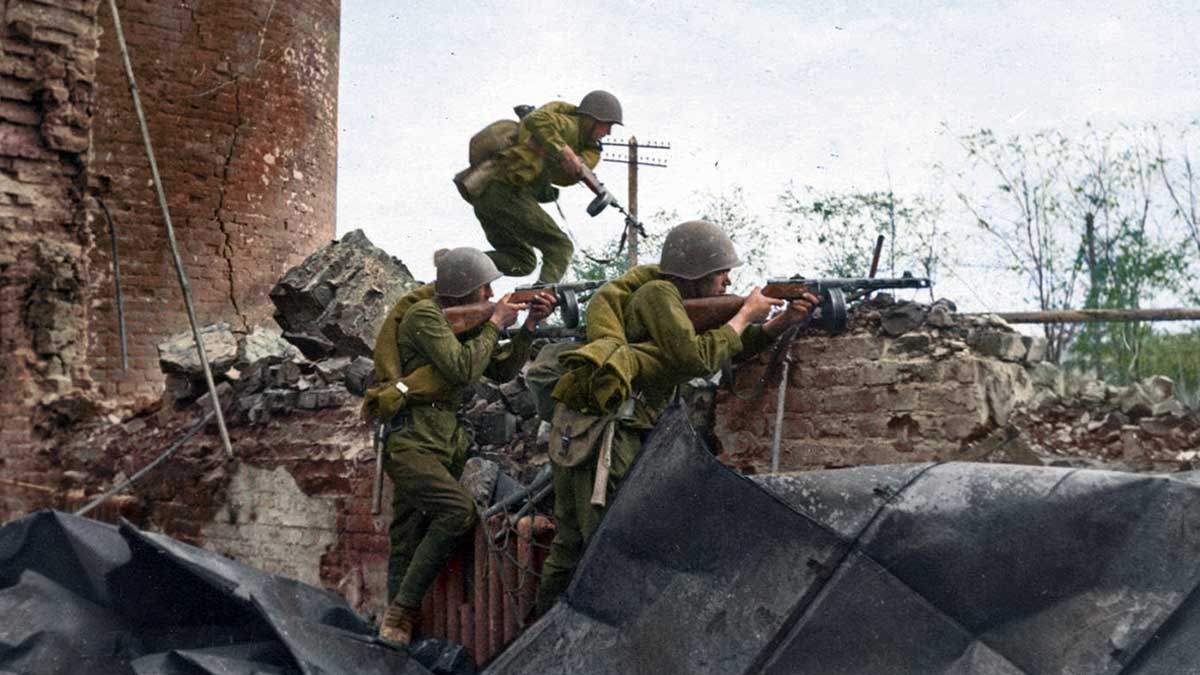
Hitler is famously quoted as assuring the German High Command, “We have only to kick in the front door and the whole rotten edifice will come tumbling down.” In the first few months of Operation Barbarossa, his words seemed to be ringing true. By the end of 1941, however, as the war dragged on, it became clear that Hitler could not have been more wrong.
The reasons for the ultimate Soviet victory are legion, but what cannot be underestimated is the iron will of the Soviets and their resolve not just to survive the invasion but to drive the Germans back and deal a death blow to the Nazis.
Given the nature of the war, it is hardly surprising that the Soviets fought so hard. The fighting on the Eastern Front was some of the most brutal combat ever endured in human history. It was a war of annihilation, and the usual rules of war were disregarded entirely in most circumstances.
The Soviets were aware of what defeat meant, not just for the Soviet Union but on an individual level. They did not expect to survive if taken prisoner. For all Soviet soldiers, defeat meant slavery or death. The war was an existential threat for the Soviet Union as well as for the Soviet people—soldiers as well as civilians.
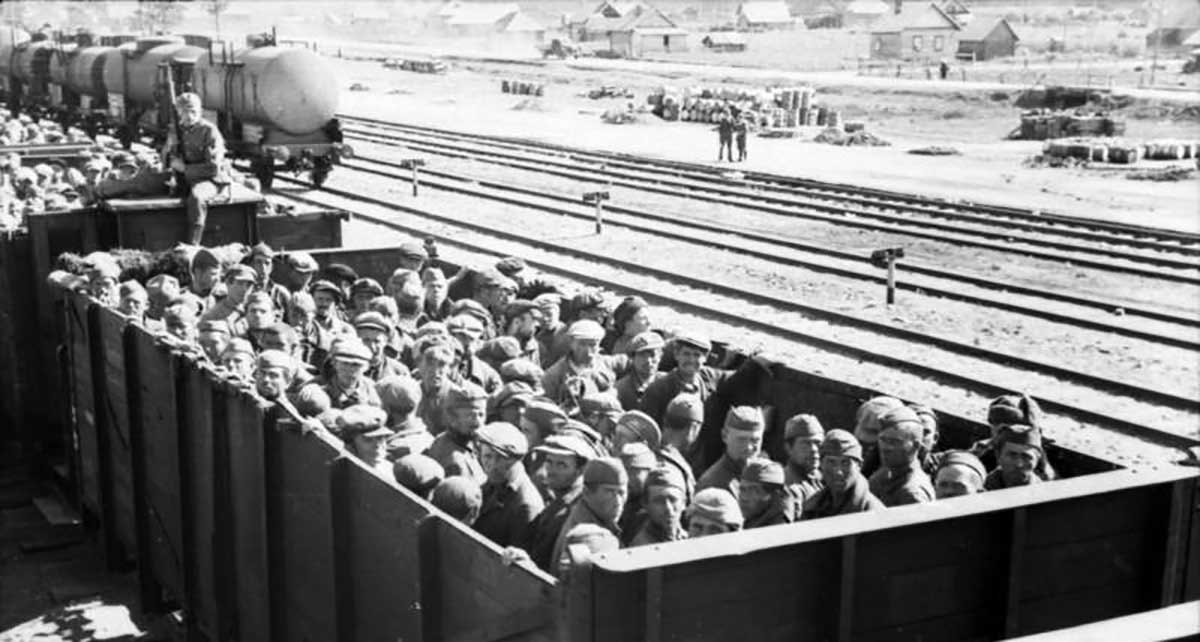
This belief was not just propaganda. The Germans proved their intent through some of the most brutal and horrific acts of war. Villages were burned, and acts of defiance by the civilian population were dealt with collectively. Following the German Wehrmacht into conquered territory were the Einsatzgruppen, task forces commonly referred to as “mobile killing squads.” These groups were part of the SS and were tasked with exterminating threats to German control in occupied territories.
The Einsatzgruppen were central to committing genocide on the Eastern Front, targeting Jews, Communists, and anybody else that was seen as a threat. Meanwhile, Soviet POWs were subjected to mass murder.
Enduring the hardships meant mobilizing the entire population for war. This wasn’t just a war between armies. It was a “total war,” meaning that all aspects of society joined the war effort. It is understandable that the motivation for complete mobilization and defeating the Germans was founded not just on a desire to survive but also on a desire for revenge.
When the Soviets had liberated their homeland and were driving into areas populated by German civilians, there was a certain amount of violent reciprocation. Having endured genocide and the loss of around 25 million people, the Soviets were in no mood to show mercy.
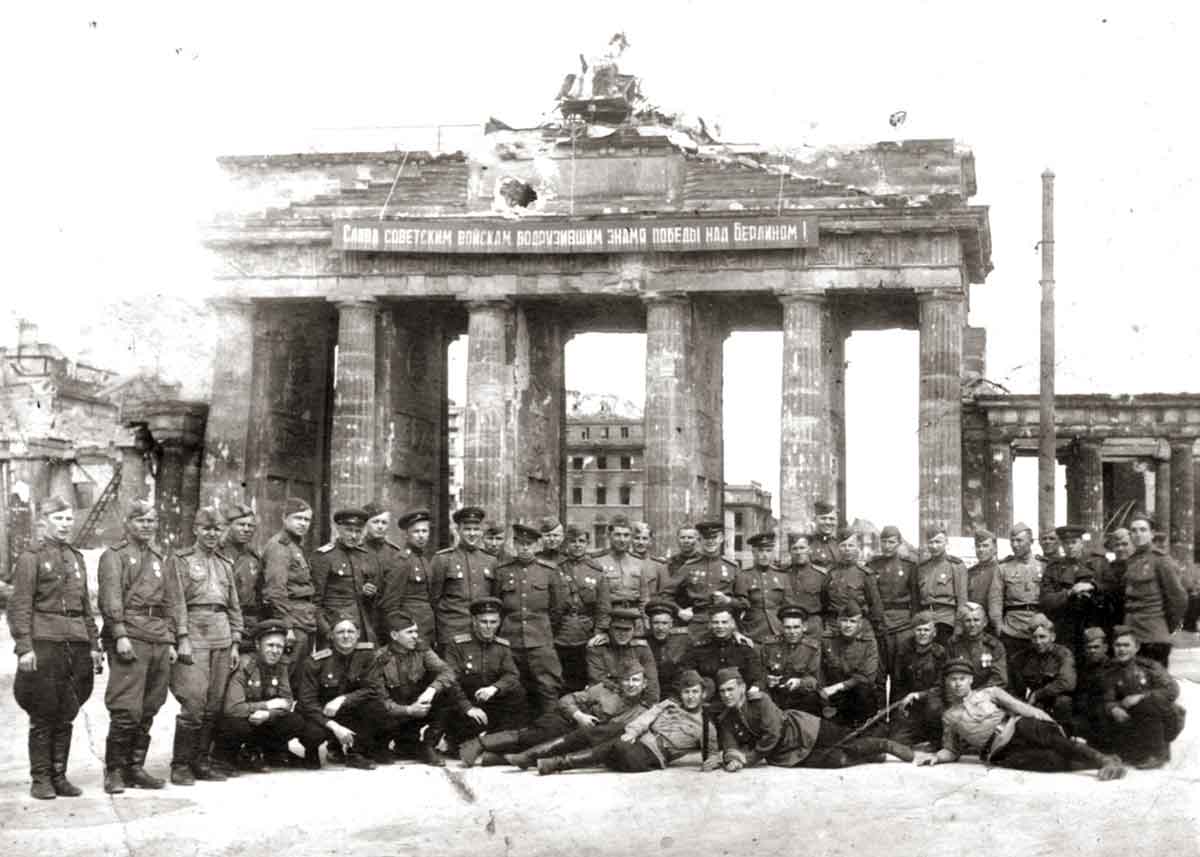
Academic arguments over the most important factors leading to the Soviet victory are far from over, but the main trends can be easily identified. The fighting spirit of the Soviets, coupled with innovations in industry and access to resources, cannot be underestimated. On the battlefields, the legendary T-34 made its mark, while in the air, the German lack of long-range bombers hampered efforts to stem the march of Soviet industry.
Ultimately, it can be said that victory was due to multiple factors, not just from Soviet advantages but from German shortcomings.