
Compared with many of its neighbors on the continent of Africa, Botswana is a peaceful and relatively stable country that has become comparatively wealthy over the decades since its independence in 1966.
Central to the growth in wealth has been Botswana’s mining sector, particularly the extraction of diamonds, which has formed the backbone of the country’s economy.
From one of the poorest and undeveloped nations to a model for African success, this is how diamonds have transformed “The Peaceful Nation.”
The Bleak Outlook for Botswana in 1966
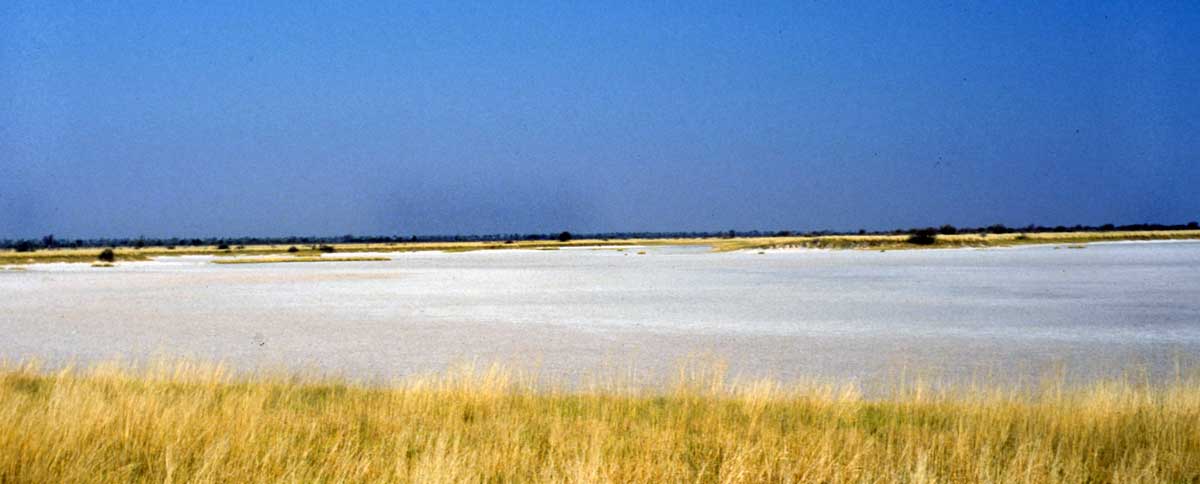
In 1966, the outlook for Botswana was bleak. The newly independent nation relied on aid, and many people were facing starvation due to two years of drought, which had led to crop failure and wiped out 30 to 50 percent of the country’s cattle population.
According to the Köppen–Geiger climate classification, the entirety of Botswana is classified as an arid desert or arid steppe and, therefore, very susceptible to the effects of drought.
A landlocked desert country with limited resources, Botswana was not in an enviable position. To make matters worse, at the time of independence, it was completely surrounded by the minority white regimes of South Africa, South West Africa (administered by South Africa), and Rhodesia (now Zimbabwe). Botswana was almost completely reliant on aid from Britain.
There was virtually no infrastructure. Only 7 miles of tarred road existed in the entire country—an area larger than California. And the only formal industry was an abattoir that had opened in the 1950s.
In a population of well over half a million, there were just 40 university graduates and 100 secondary school graduates. Across the entire country, there were just nine schools, and the economic situation was so bad that the average annual income per capita was the equivalent of just $70.
A Reversal in Fortune

In 1966, Botswana gained its independence from Britain. Although diamonds had not been found in any quantity, for many years, De Beers had been prospecting in the country which was at the time the Bechuanaland Protectorate.
Prospectors had found small numbers of tiny diamonds, but the lack of any significant discoveries caused concern for De Beers, and the company had tentative plans to abandon its efforts. However, Lead geologist Dr Gavin Lamont convinced his seniors to continue exploring. This decision would alter the future of Botswana forever.
In 1967, on the edge of Makgadikgadi Pans and the Kalahari Desert, a dramatic discovery changed everything. The Orapa kimberlite pipe, a geological formation containing diamonds, was discovered, and exploration began in earnest.
Buoyed by this discovery, prospecting began in other parts of the country, leading to more discoveries. De Beers signed an agreement with the government of Botswana, representing the birth of “Debswana” in 1969, a joint venture between the two entities.
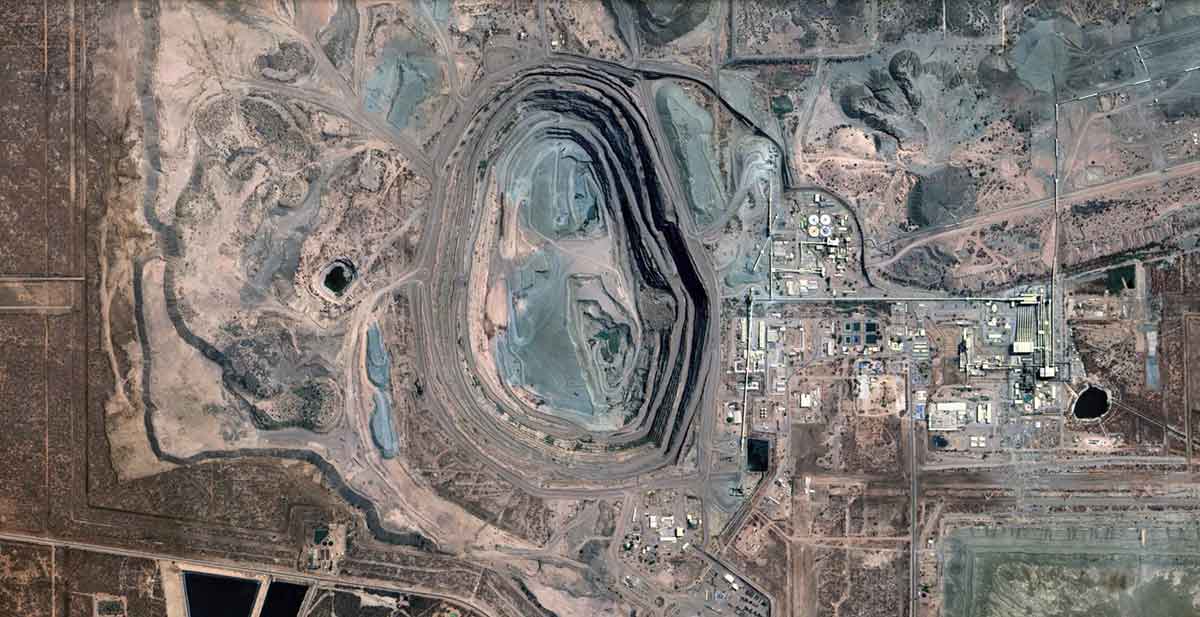
In 1971, the Orapa mine opened and has continued to operate to this day. To date, it is the biggest open-pit diamond mine in the world, and it produces more diamonds by volume than any other diamond mine in the world. Of course, Orapa was not the only diamond-producing mine in Botswana. Over the years, more mining operations began under the guidance of Debswana.
The Letlhakane mine, in the east of the country, became operational in 1975, while the nearby Damtshaa mine began operations in 2003. The Jwaneng mine in the south of the country became operational in 1982 and is the single richest diamond mine in the world. Diamonds at Jwaneng, nicknamed the “the Prince of Mines,” were discovered when termites, searching for water, brought diamond grains to the surface. Today, Jwaneng is the second-largest diamond mine in the world, and there are plans to extend its operations.
The Economy Grows
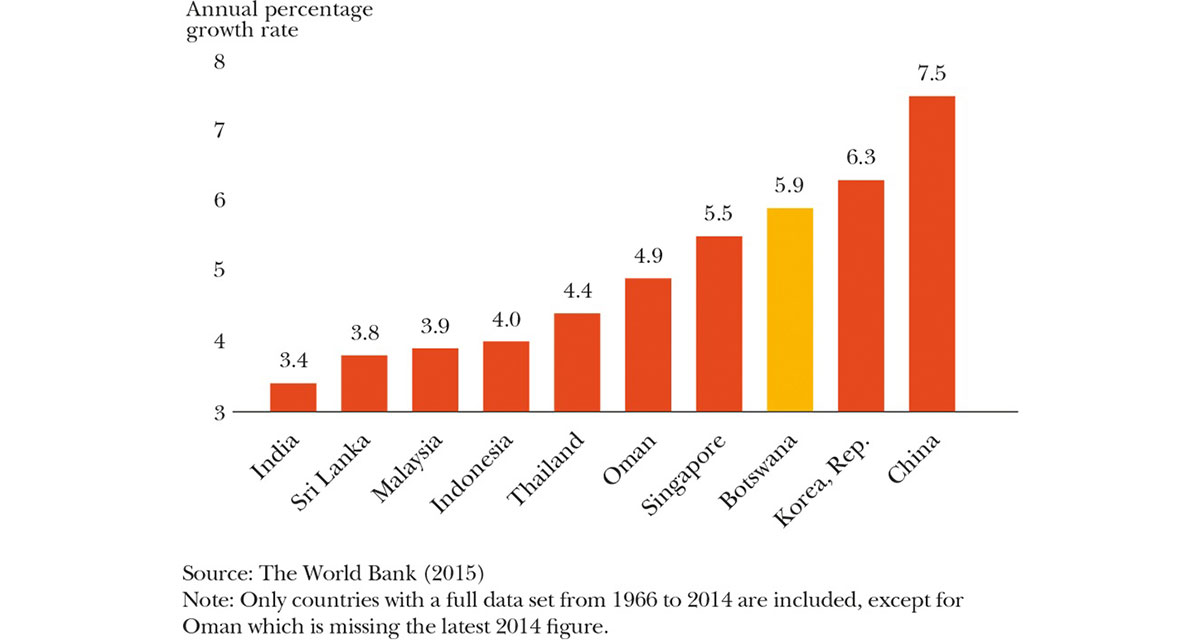
The success of the diamond mining industry allowed Botswana to pour resources into other industries, kickstarting phenomenal growth across many sectors. Construction, financial services, and transport all benefited greatly from the economic foundation provided by diamonds, as did education and healthcare services. Access to education is free at primary and secondary levels. Healthcare is also free, including antiretroviral therapy, to all citizens in what has become a successful bid to combat the effect and spread of HIV/AIDS.
Today, the diamond industry in Botswana remains the backbone of the economy and is the primary driver for the country’s growth and development. Fifty percent of the government’s revenue comes from the diamond industry, representing 30 percent of Botswana’s GDP.
Diamonds Are Not the Only Minerals in Botswana
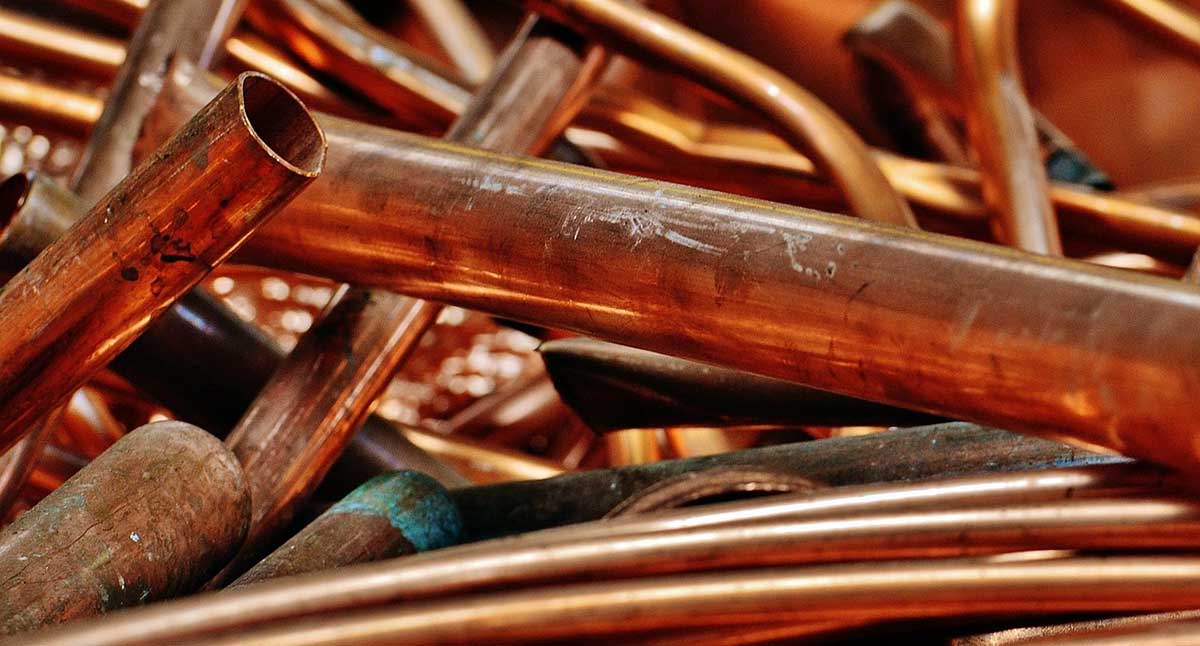
Despite the importance of diamonds to Botswana’s economy, they do not represent the entirety of Botswana’s mineral commodities. Apart from diamonds, nickel is of significance. It is a growing sector and is based around the Selebi-Phikwe region in the far east of the country. The exploitation of this commodity has led to increased economic opportunities and created jobs for thousands of people.
Coal is also a significant resource, with major reserves also located in the east of the country. Botswana’s coal serves both domestic and international markets. Spanning parts of Botswana and Namibia, the Kalahari Copper Belt is a major source of copper, while Botswana also has gold reserves in the eastern region.
A Culture of Peace and Respect
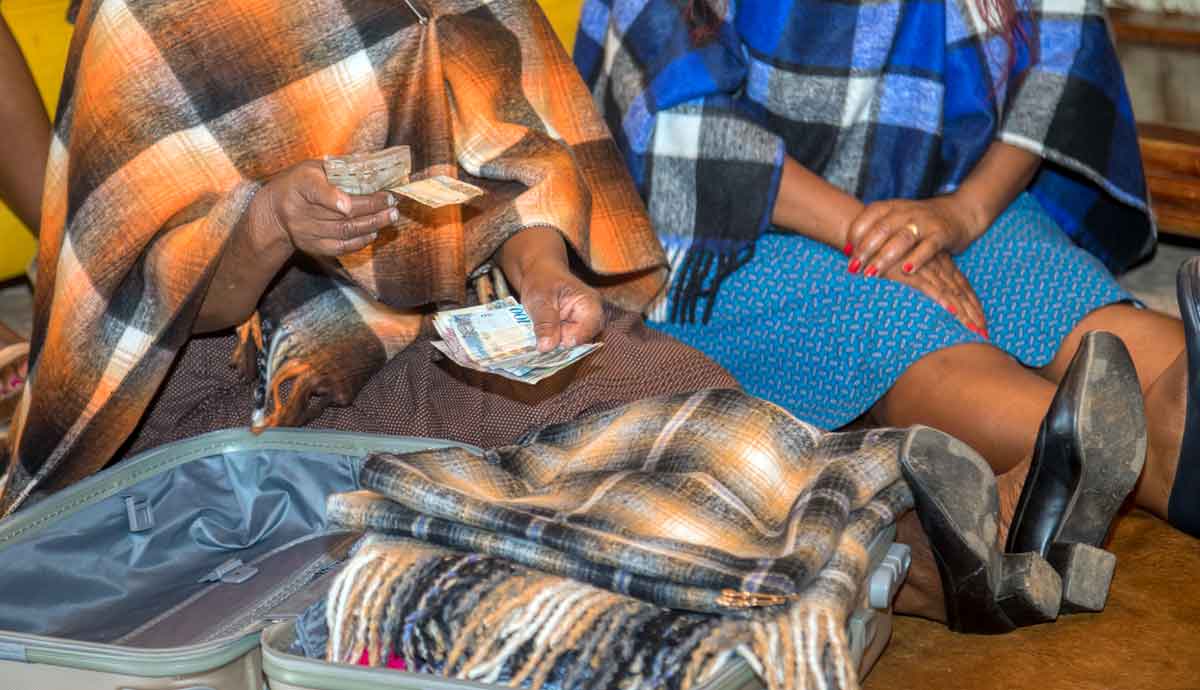
With the huge windfall at its feet, the government of Botswana was aware of the dangers it could cause. Diamonds are a volatile industry that is subject to great fluctuations, especially on a continent where political and factional disputes often lead to armed conflict for control of such resources.
Through prudent and pragmatic planning, the government of Botswana managed its new industry with forethought of what has become exemplary of good governance and economic practice. The way in which the resources were managed included, and still includes, the perception that there is much respect for the people of Botswana in a culture that places great value in consensus-seeking and discussion on significant issues.
Despite this perception, however, some problems need to be addressed.
Botswana’s Diamonds: A Foundation of Ethics?

With so many of the world’s diamonds coming from unethical sources, Botswana has managed to avoid such “blood diamond” dynamics. It is hailed as a model for ethical practices in which the rule of law and respect for democracy prevail. While this may be true in general, there are always challenges that arise from a socio-economic standpoint, and the industry in Botswana has not been entirely free of negative consequences.
Most major industries around the world run the risk of incorporating unethical business practices, and the diamond industry is certainly no exception. While Botswana might be mostly free of the diamond mining dynamics that exist on much of the rest of the continent, there are other challenges. One such example is the diamond polishing sector, which mainly employs women.
In an article from Freedom United published in October 2024, Botswana’s good reputation on the world stage has led to issues around safety, exploitation, and corruption being overlooked, according to Hans Merket of the International Peace Information Service. Polishers are hired on short-term contracts and have few rights. Thus, they have little recourse if they fall victim to abusive business practices.
They are paid little more than minimum wage, but it is not enough to live on, and their jobs include the handling of unsafe chemicals, as well as the danger of black dust from polishing diamonds, and the constant presence of rats and the feces they leave behind. As a result, many people in the industry experience ongoing health issues.
The mining industry has also raised environmental concerns—an especially pressing matter in an arid country with little water facing the prospect of the effects of climate change. Mining practices lead to soil erosion and water pollution, threatening the health of Botswana’s environment and local communities.
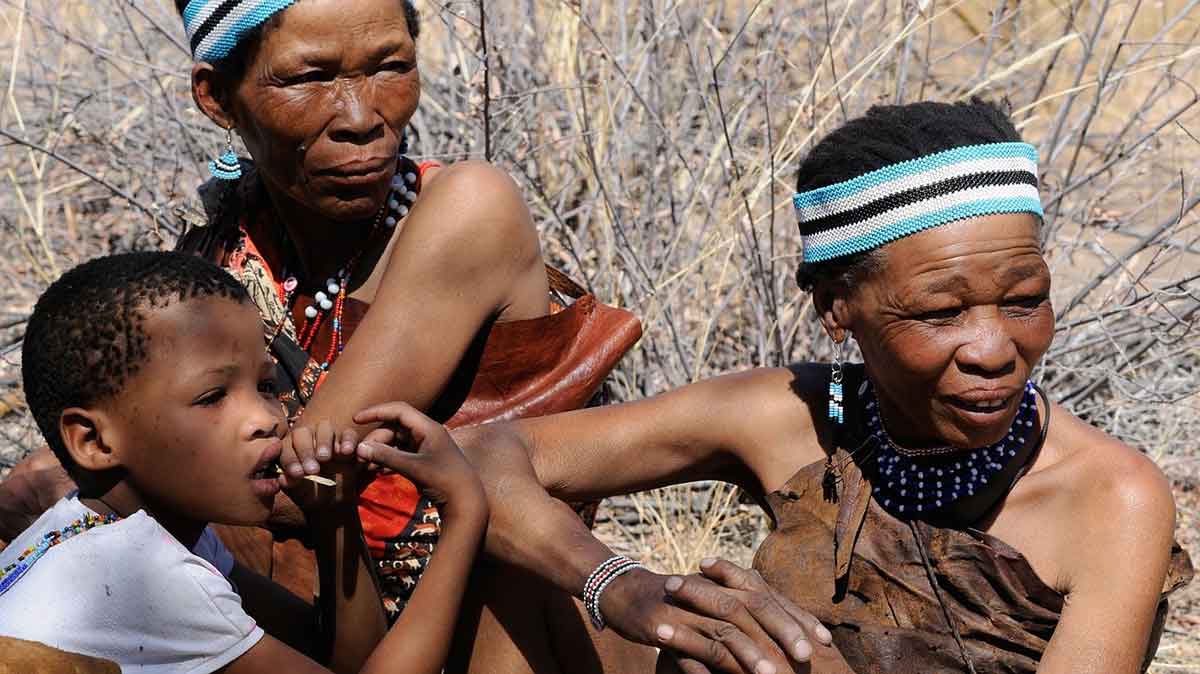
Of note are the San people, who are native to an area that represents the world’s richest diamond field. The San were forcibly relocated in the late 20th and early 21st centuries for diamond exploration to occur. The government, however, claims the San were moved out of concern for the preservation of wildlife and the ecosystem.
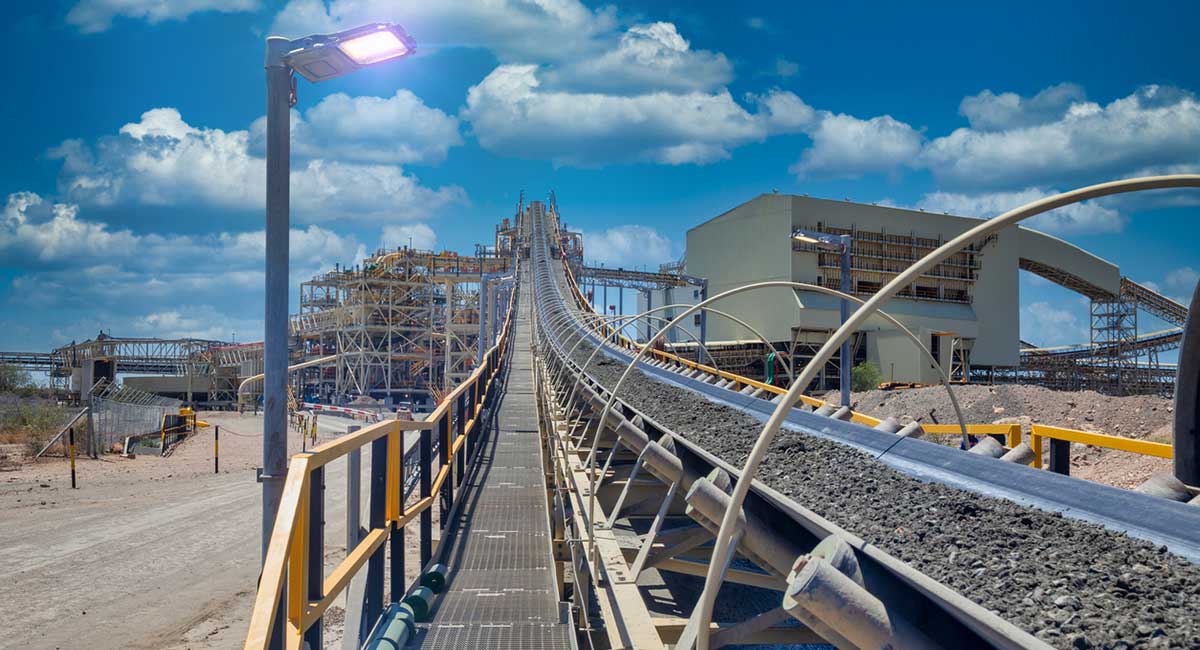
Today, there are eight large diamond mines in Botswana, and the industry continues to expand, fueling healthy economic growth. While diamonds have formed the foundation of the country’s economy, there is a process of diversification, as the government has been acutely aware of the dangers of an economy based on a single commodity. Through this, it is hoped that the economy will be as stable as the people it represents.
There is no doubt that diamonds have transformed “The Peaceful Nation,” and brought success to a country that, six decades ago, had extremely poor prospects.