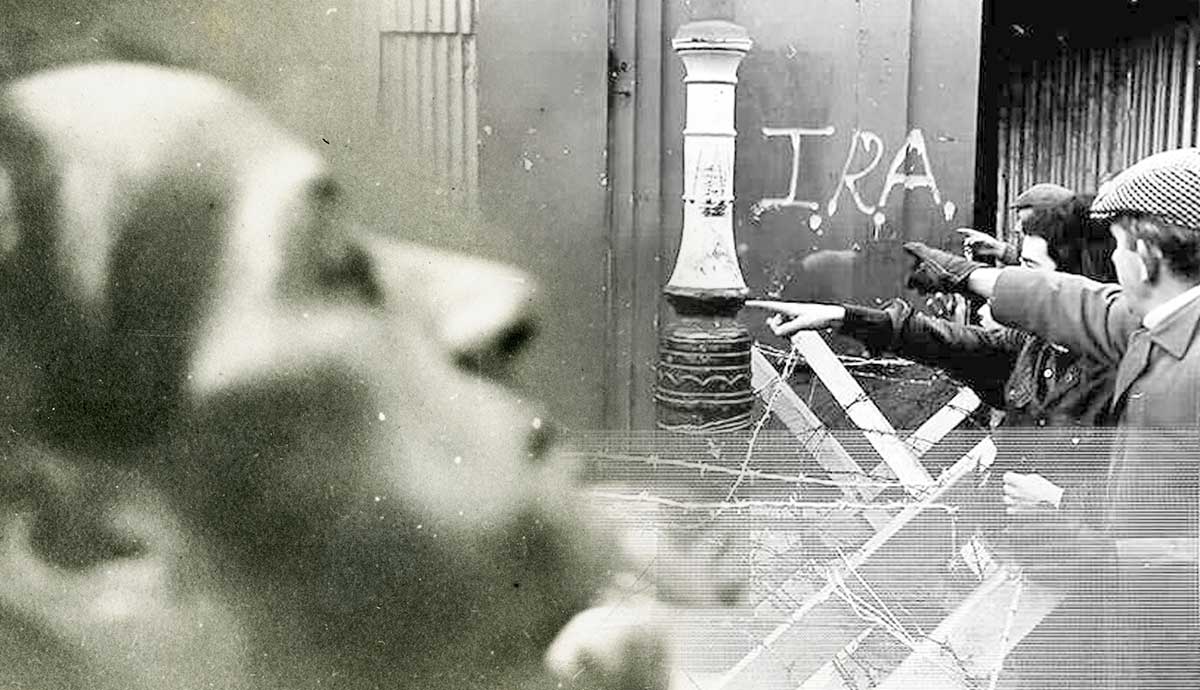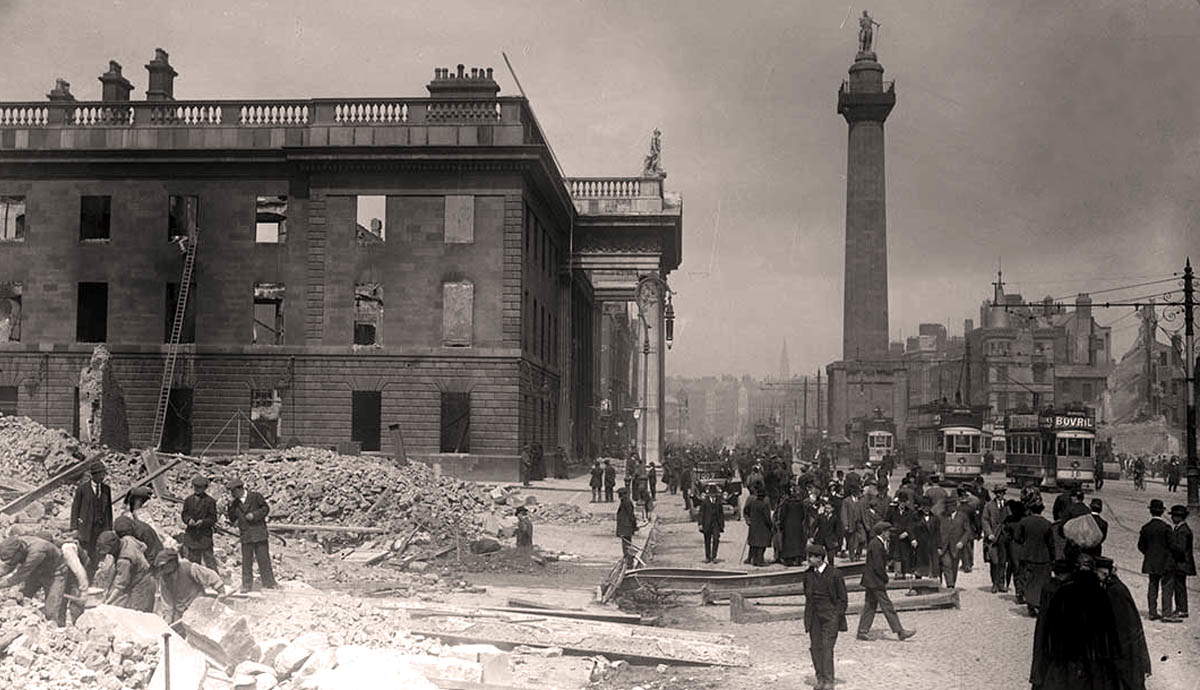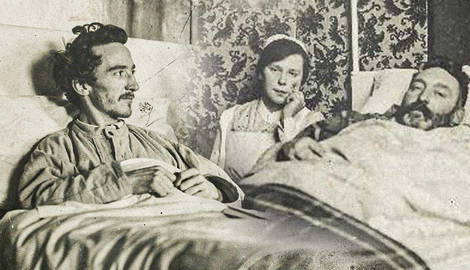

The hunger strikes of 1980-81 were a defining moment in the history of Irish Republicanism. When ten young Catholic republican hunger strikers died in the Troubles in 1981, people and political groups in Northern Ireland and abroad reacted in radically different ways. On the one hand, the Catholic Church in Ireland refused to condemn the hunger strikers. Protestants, on the other hand, insisted that the strikers should be condemned by the Catholic Church, not only because, in their view, they had chosen to take their own lives, but also because they were terrorists first and foremost. This split perfectly illustrates the sectarian nature of the Northern Ireland conflict.
“Biological Time Against the Institutional Time of Modernity”
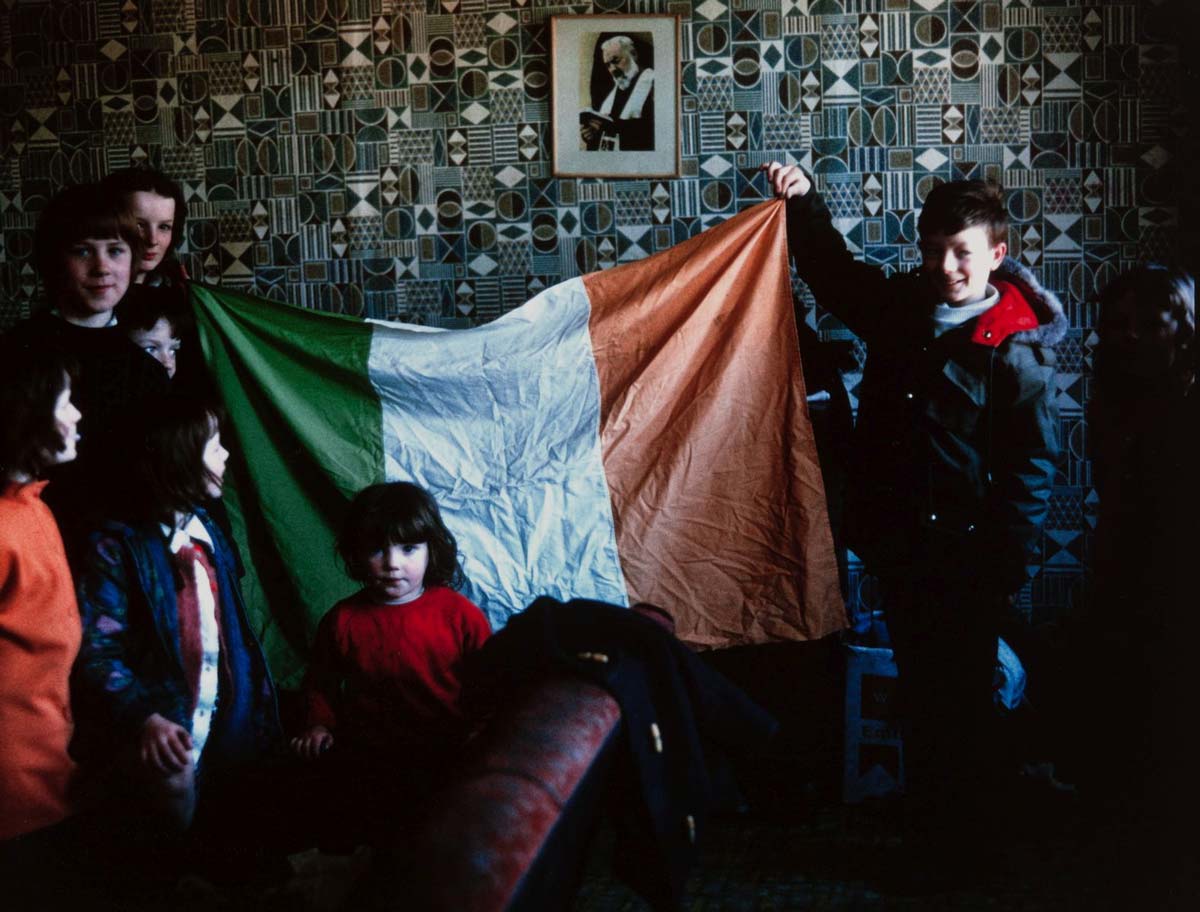
The Irish Republican Army (IRA) and many Republicans and Republican sympathizers saw the hunger strike as a legitimate form of struggle, an extension of the armed struggle that had begun on the streets. By pushing their bodies to the limit of endurance, by stubbornly denying themselves any form of food, the strikers kept the world, and not just the British government, on its toes and catalyzed worldwide attention to their demands and the (often intransigent) treatment they received from the prison authorities and the British government.
The countdown began when the strikers refused food for the first time. Hunger strikes are indeed an effective—perhaps the most effective, if macabre—way of attracting the attention (and potentially the sympathy) of a large audience. By locating the struggle within the body itself, hunger strikes ironically bridge political positions by appealing directly to the spectator’s sense of humanity, with the one thing we all have in common: our bodies.
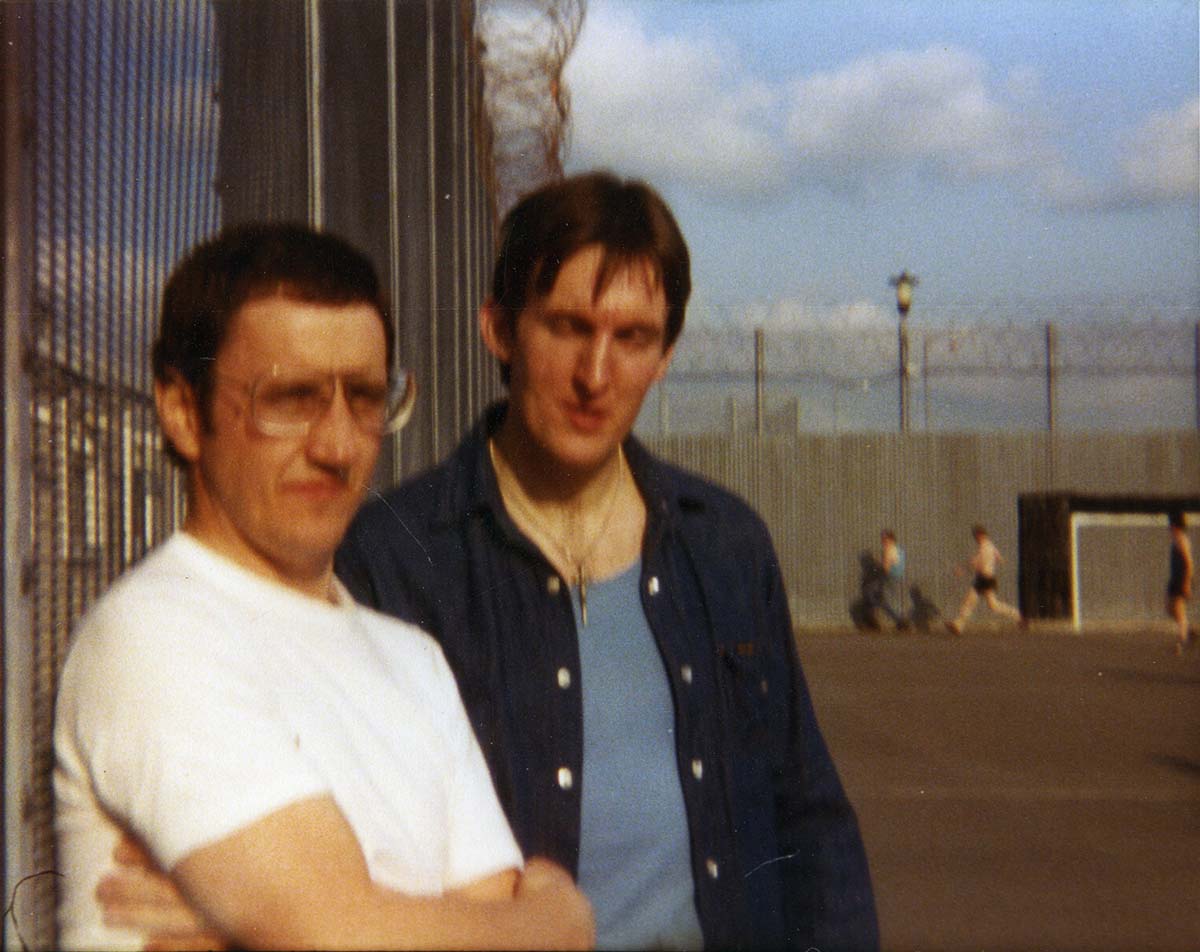
The body becomes both a stage and a weapon. As the hunger strikers’ bodies slowly shut down, as the strikers begin to have difficulty breathing and gradually lose their sight and hearing before slipping into a coma, journalists, politicians, and ordinary people are transformed into spectators who can only watch and wait (and sometimes hope). Remembering the 1981 hunger strikers in her Nor Meekly Serve My Time, Irish Republican activist Bernadette Devlin McAliskey writes: “I wonder sometimes how many people stop to count how many seconds make up the minutes that made up the hours of the 66 days of Bobby Sands’ dying, or the 73 of Kieran Doherty’s, or the 46 of Martin Hurson’s. How many seconds did it take all 10 to die?”
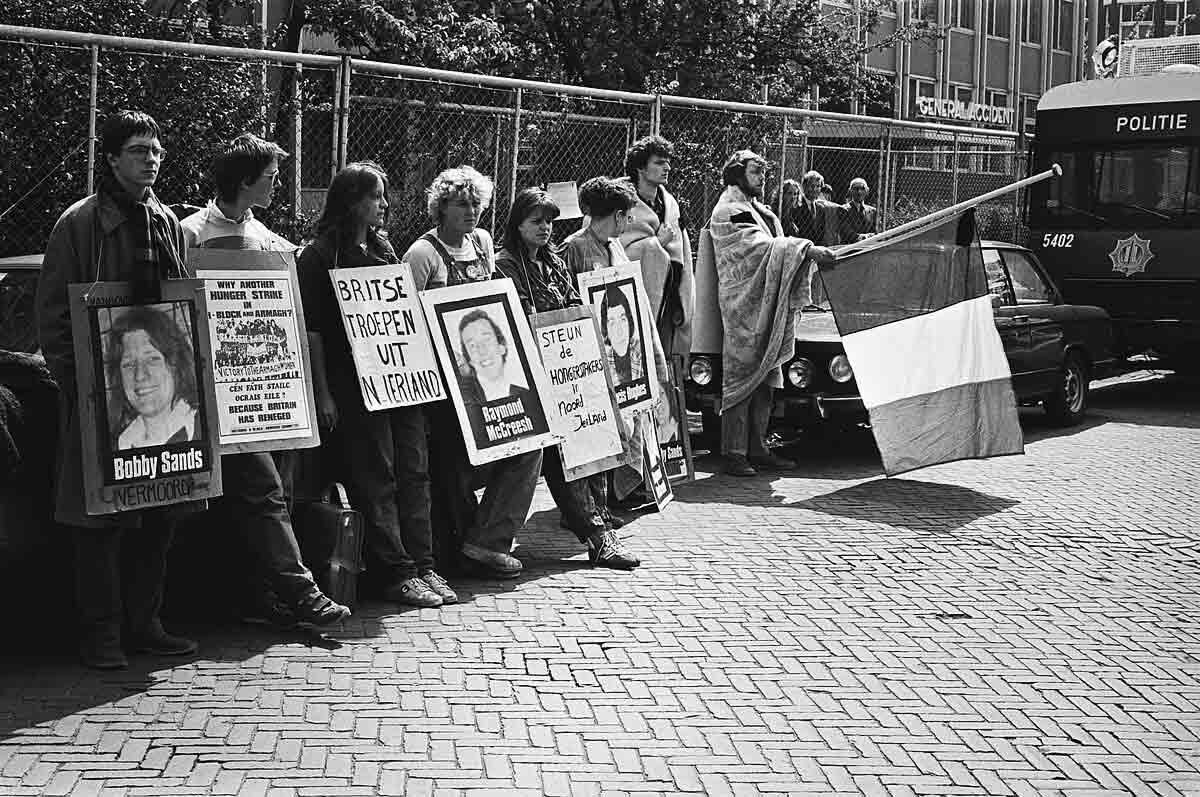
Once it is clear that strikers are prepared to die for what they believe in, time becomes a double-edged weapon. The success of a hunger strike ultimately depends on the successful manipulation of time. While in the early 1920s, it was believed that hunger strikers would die within a month, we now know that hunger strikes can last up to two months. Bobby Sands died after 66 days on hunger strike. Kieran Doherty, who died on August 2, 1981, was on hunger strike for 73 days, as was Terence MacSwiney (1879-1920) in 1920. Francesca Petrizzo, author of Dead Faces Laugh, interestingly notes how “At the focal knot of hunger strike and ongoing struggle, two streams of time came together: one precisely and nearly unbearably pinpointed in immediate events, and one sinking into the deep past and reaching into the far future.” Hunger strikers position themselves at the intersection of past and present.
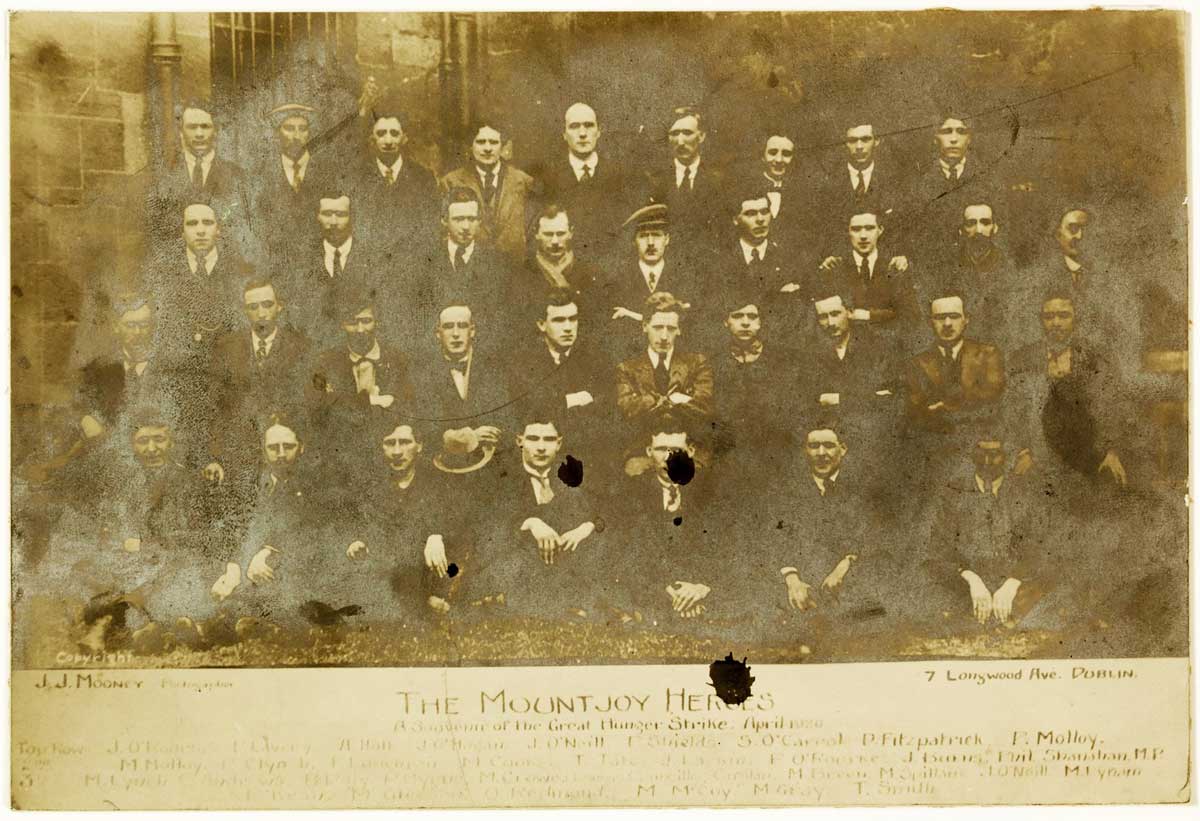
Their bodies become emblems of the unbroken continuity and the legitimacy of Irish identity and culture in the face of British imperialism. Petrizzo describes these two currents or streams, which are essential to understanding the importance of hunger strikes in Irish history, as “Two strong chronological claims: a claim on the immediate, visceral, carefully measured time of the hunger strike (…), and a claim on the perceived continuous chain of time from the Middle Ages to the present day.”
Another interesting point about the importance of time in a hunger strike is made by Niall Ó Dochartaigh, Professor of Political Science at the University of Galway, in his book Deniable Contact: Back Channel Negotiations in Northern Ireland. Ó Dochartaigh portrays the determination of hunger strikers as both an ongoing dialogue with their ancestors and a form of escape from the physical limitations of their starving bodies. Hunger strikers, he argues, pit “biological time against the institutional time of modernity.”
The Body as a Weapon
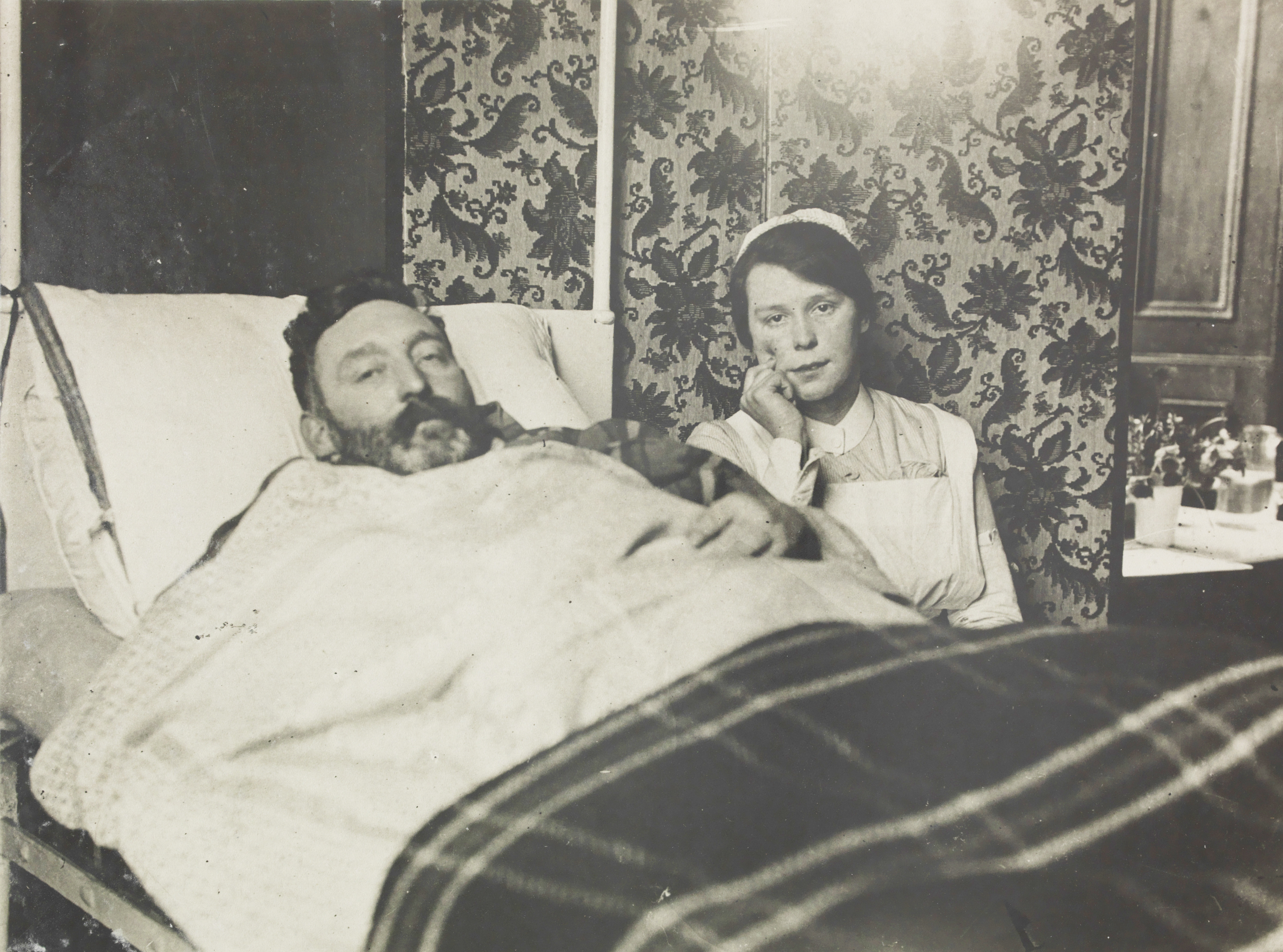
The World Medical Association defines a hunger strike as “food refusal as a form of protest or demand.” There are three different types of hunger strikes. The first, and most dangerous, is called dry fasting: in this case, the striker does not ingest any kind of food or liquid. Deterioration of the internal organs is extremely rapid and death usually occurs within a week of the start of the strike. Another type of hunger strike is the so-called total fasting, in which the striker drinks liquids, including water, but refuses solid food. In this case, the striker can survive for 2 and sometimes even 3 months.
The third type is known as partial fasting, in which the striker refuses solid food, but takes fluids, including sugar and vitamins. When a hunger strike undertakes the so-called dry fasting, hunger pangs tend to disappear after a few days.
At this point, the liver starts to process body fat to make glucose. Once this fat is depleted, the body goes into what doctors call a “starvation mode”: it turns to muscles and vital organs for energy. After a few weeks, dizziness, generalized weakness, and loss of coordination set in. The body is losing fat and muscle mass at an accelerated rate. The striker will feel increasingly cold and may experience hallucinations.
Patrick Quinn, one of the 1981 hunger strikers, went on a hunger strike on June 15. After 47 days he fell into a coma and his mother allowed medical intervention to save his life. Laurence McKeown, who was in a room next to him in the medical ward, later recalled the “terrible hallucinations” Quinn experienced during the strike: “He would even start making inhuman sounds, break into sobs and high pitched yells. He’d had enough and was just deranged.”
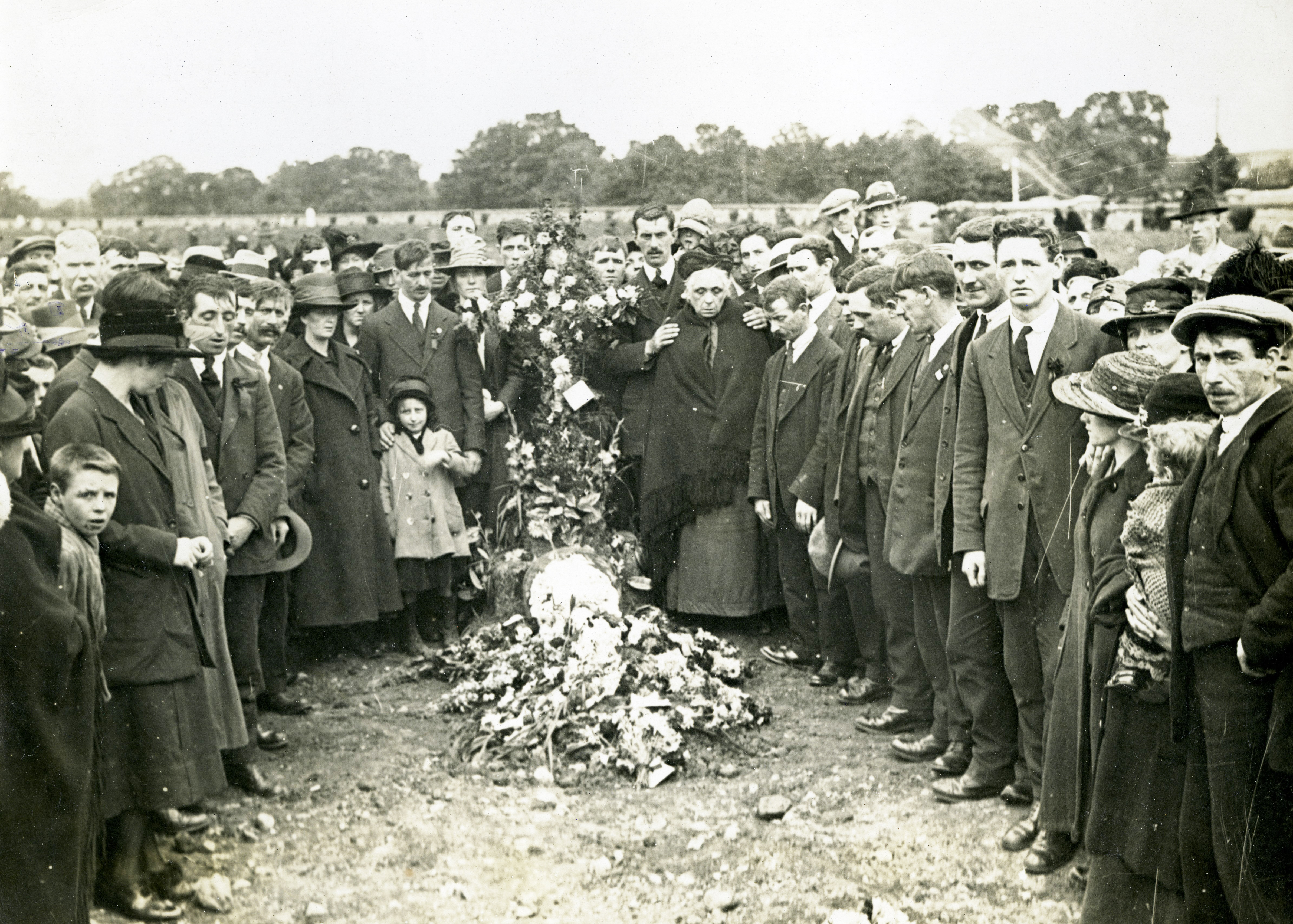
McKeown himself survived the hunger strike only because his family authorized medical intervention after the deaths of six other strikers. When vitamin B1 levels drop significantly, the hunger striker can lose sight and hearing. Breathing becomes increasingly labored. Organs start to fail.
McKeown later described the final days of his hunger strike in these terms: “You’re very sleepy and very, very tired and you’re sort of nodding off to sleep but something’s telling you to keep waking up. This was the thing that kept everybody going through the hunger strike in trying to live or last out as long as possible. I knew death was close but I wasn’t afraid to die—and it wasn’t any sort of courageous or glorious thing. I think death would have been a release. You can never feel that way again. It’s not like tiredness. It’s an absolute, total, mental and physical exhaustion. It’s literally like slipping into death.”
Republican Hunger Strikers
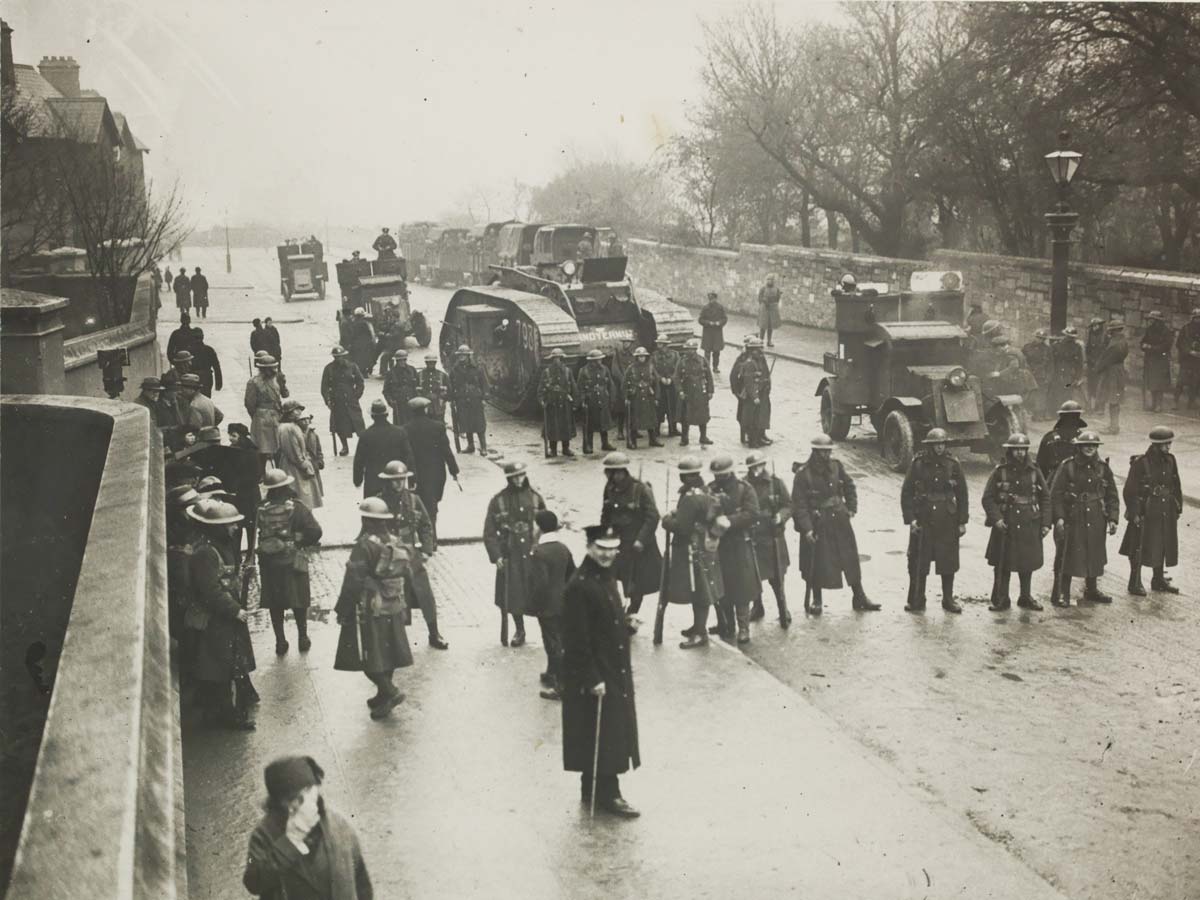
In a sectarian society like that of Northern Ireland during the Troubles, where everything was (and could be) a symbol when places are given different names (Long Kesh for Catholics, the Maze for Protestants; Derry for Catholics, Londonderry for Protestants), even death is put under scrutiny. This is what happened in Northern Ireland during the hunger strikes. It is also what happened, with due differences, in Ireland in the 1910s and 1920s.
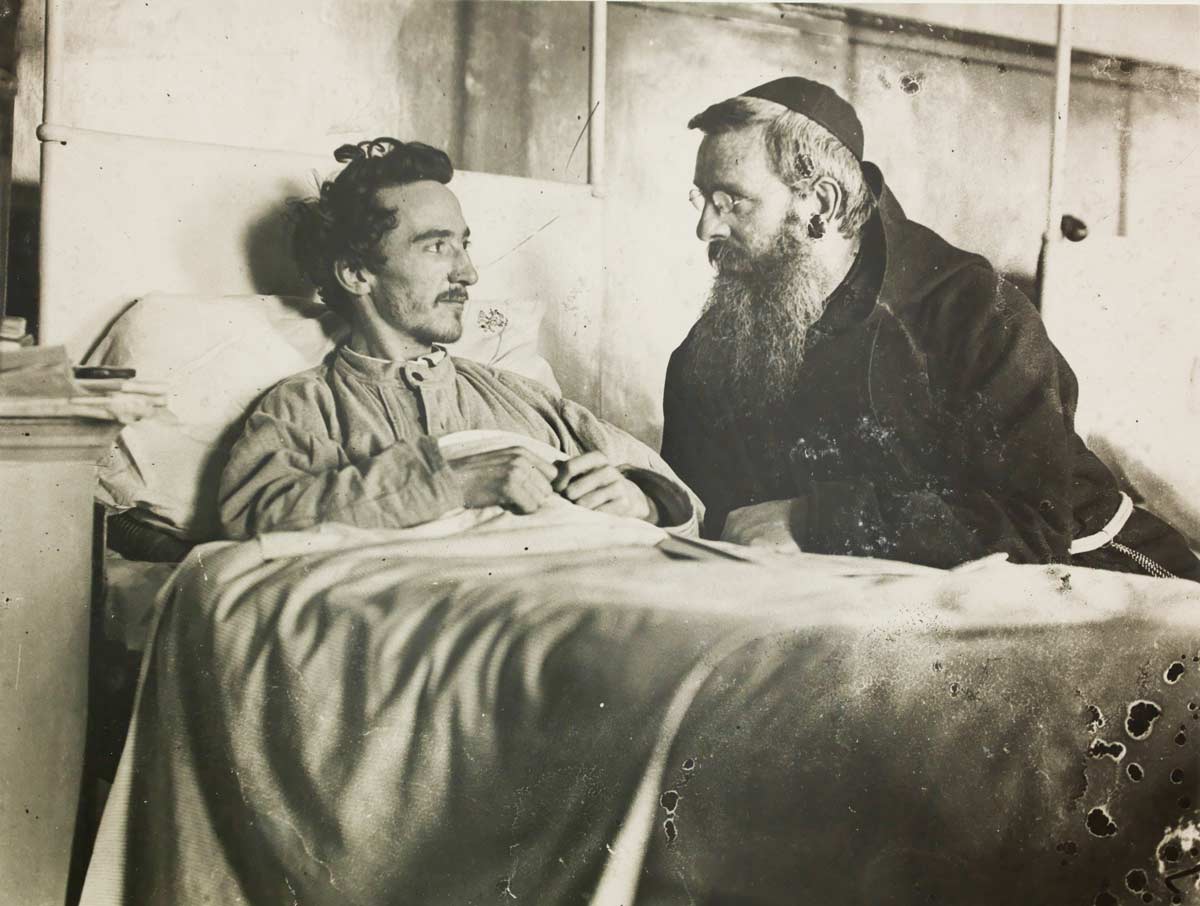
Between 1917, after the Easter Rising, and 1981, the year of the Maze/Long Kesh hunger strikes, thousands of Irish republican prisoners used their bodies as weapons to defy the British government and protest against the prison system and their status. 22 of them eventually died on hunger strike. One was Thomas Ashe—Tomás Pádraig Ághas in Irish—an educated, fluent Irish speaker from Co. Kerry, and a member of the Irish Volunteers since 1913, died on September 25, 1917, while on hunger strike.
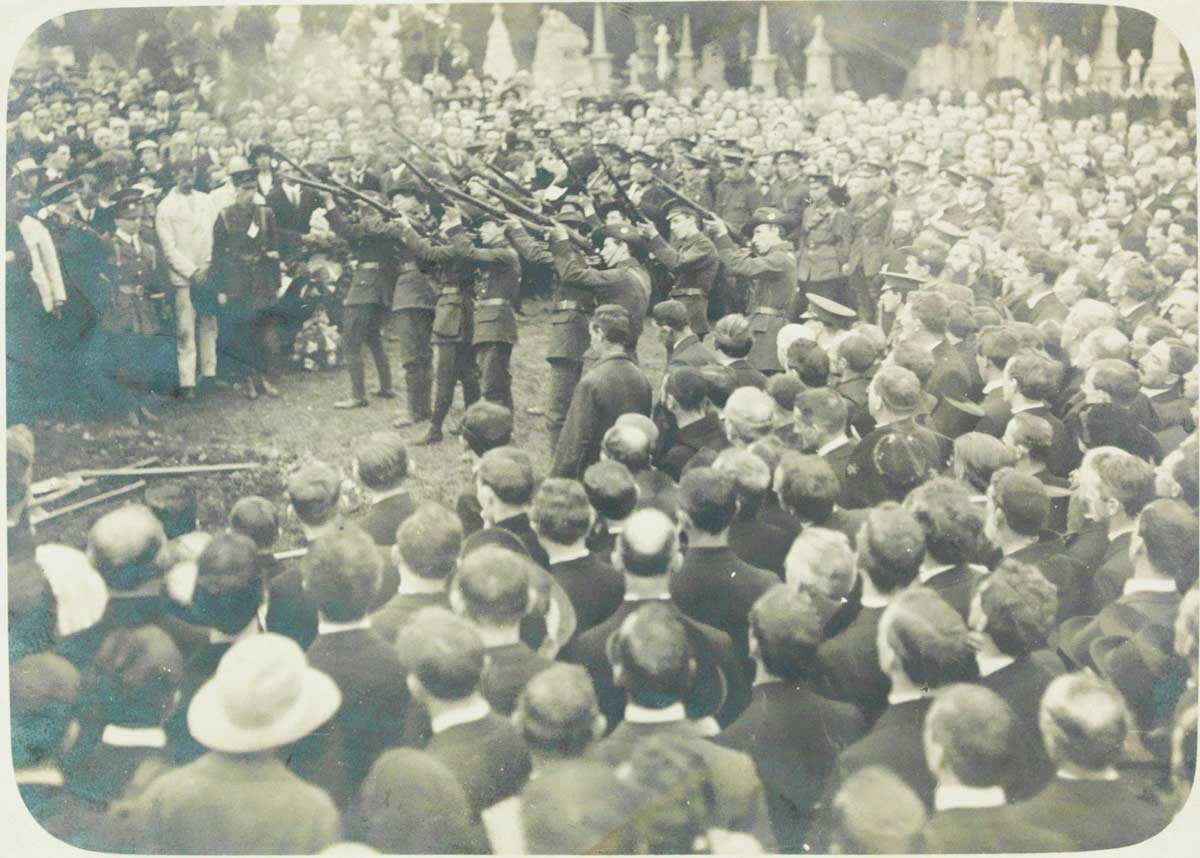
Force-fed by the prison doctor, he collapsed and was rushed, unconscious and blue in the face, to the Mater Misericordiae Hospital. He died within hours and became an instant martyr. His death—murder, as many Republicans saw it—was a rallying cry to the Irish Republican cause. Ashe was buried in the Glasnevin cemetery. Over 30,000 people attended the funeral procession. Michael Collins (1890-1922) delivered the eulogy, first in Irish and then in English.
Three of the 22 hunger strikers who died in prison—Terence MacSwiney (1879-1920), Michael Fitzgerald (1881-1920), and Joe Murphy (1895-1920)—died in 1920 alone, during the so-called Cork Hunger Strike. Nine other hunger strikers ended their strike on November 12, 1920, on the direct orders of Arthur Griffith (1871-1922), one of the architects of the 1921 Anglo-Irish Treaty.
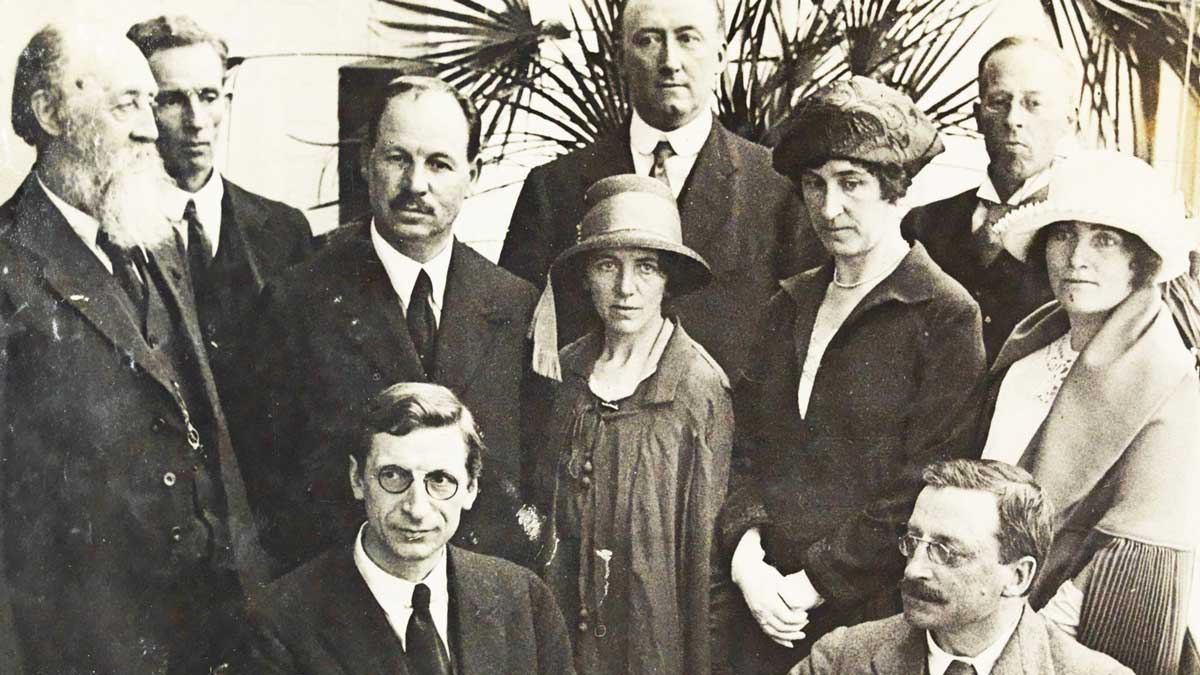
1923 was a year of hunger strikes and prison protests—including early forms of blanket protests that would be carried out on a large scale during the Troubles. In February, 50 women members of Cumann na mBan went on hunger strike, and 97 others did the same in Kilmainham Gaol in Dublin. All were eventually released, but one, Annie (Nan) Hogan, died shortly after her release. She was 24 years old.
In October, Michael Kilroy (1884-1962), the official IRA commander in the Mountjoy prison, announced the start of a mass strike. The news spread like wildfire. It is estimated that between 2,000 and 8,000 Irish republicans went on strike in the Curragh Camp, Cork City Gaol, Dundalk Gail, in the prison ship Argenta on Belfast Lough, as well as in Gormanstown Internment Camp in County Meath, and Kilkenny Prison. Five men died while on a hunger strike in prison in 1923.
A Different Perspective
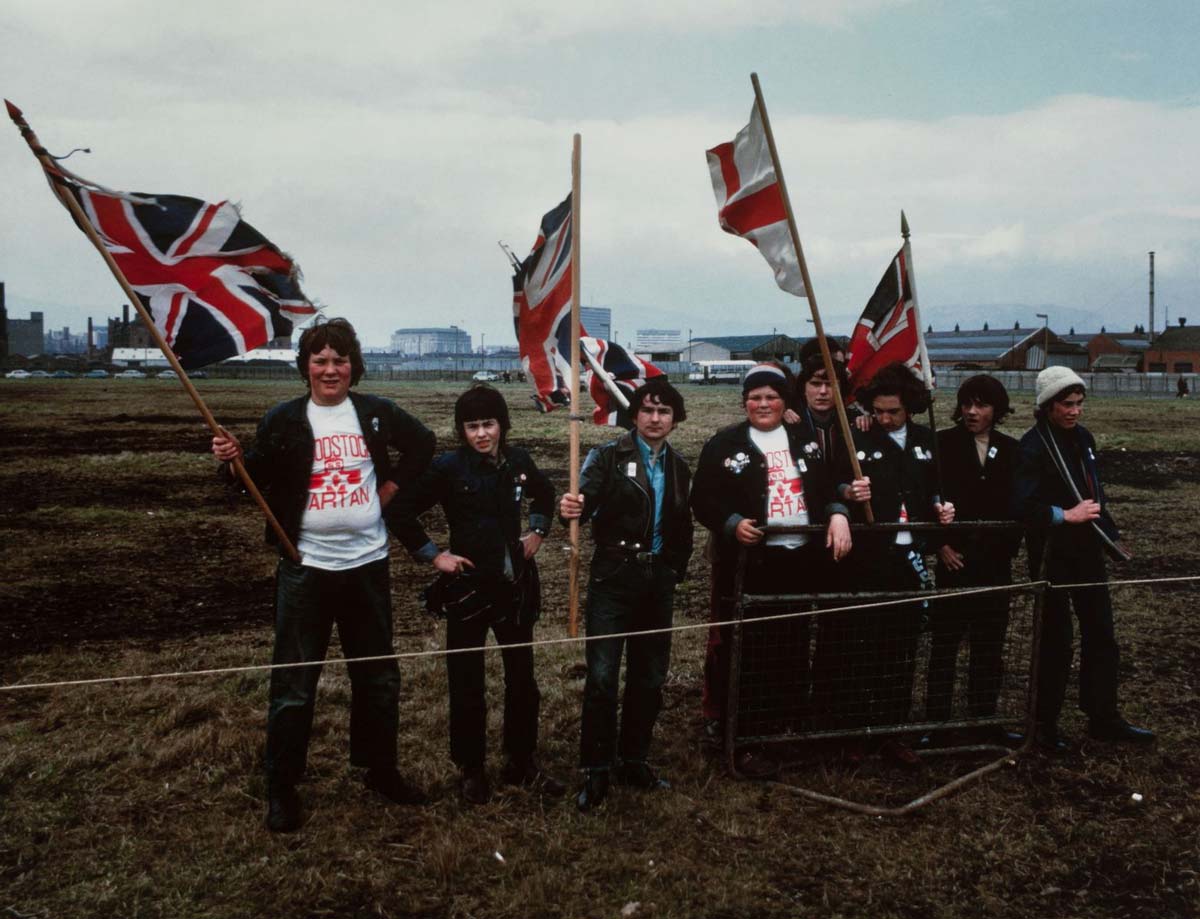
While Republicans believed that the hunger strike was a legitimate and sacred form of protest, most Protestants and Unionists in Northern Ireland and Great Britain held a different (and opposite) opinion. Unwilling to place the 1981 hunger strikes within the framework of Irish Republican history and traditions, Protestants tended to reject the link between hunger strikes and resistance. Like the British authorities, they also rejected the portrayal of the IRA and INLA men in Long Kesh as “political prisoners.”
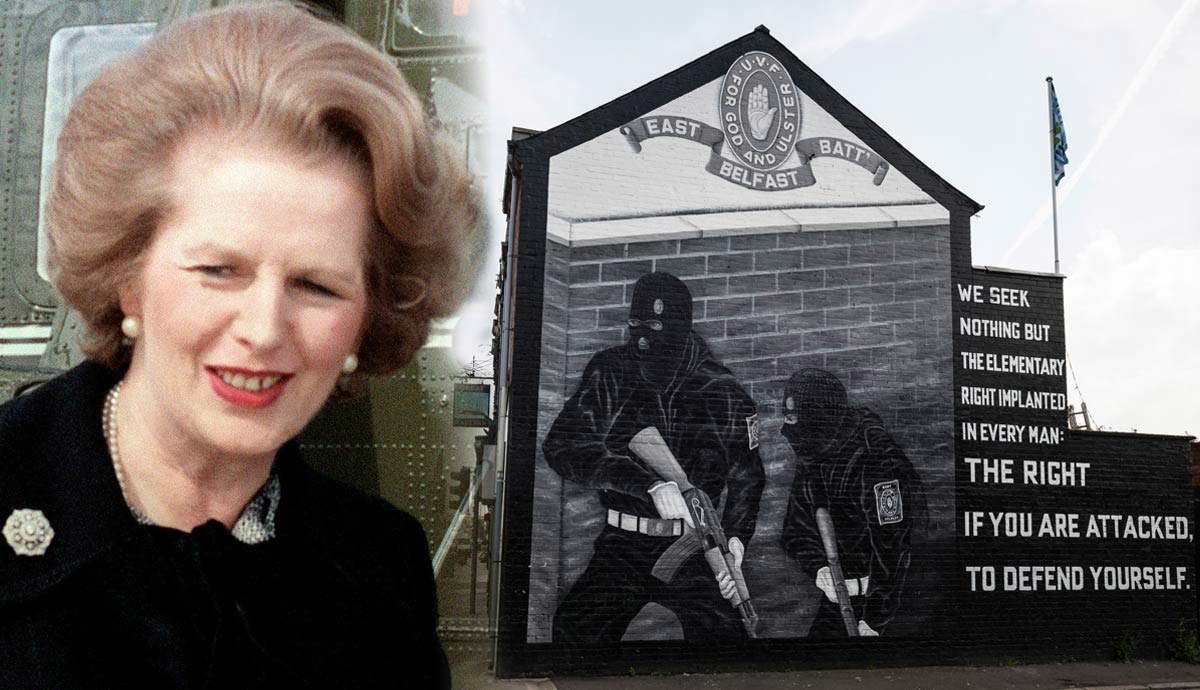
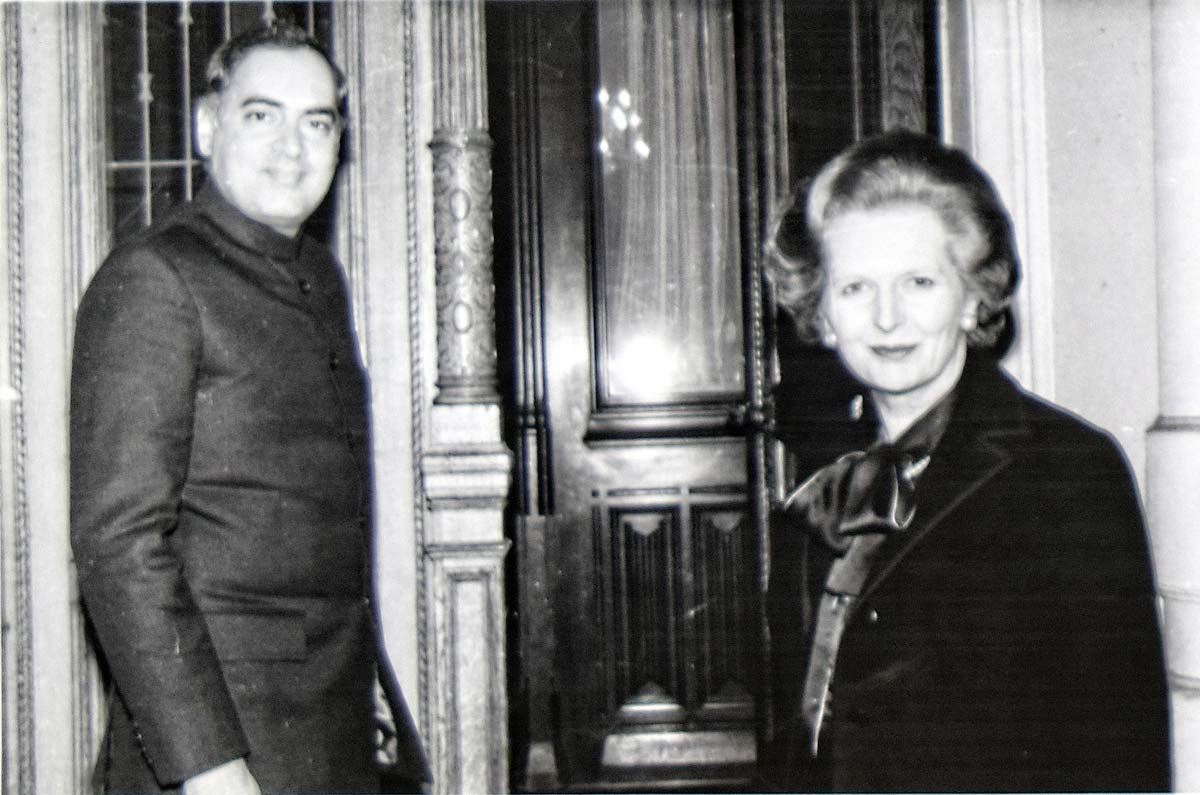
As Margaret Thatcher (1925-2013), Prime Minister of the United Kingdom from 1979 to 1980, famously declared in 1981: “There is no such thing as political murder, political bombing or political violence. There is only criminal murder, criminal bombing, and criminal violence. We will not compromise on this.” In their view, the hunger strike was the ultimate form of self-harm. Death by hunger strike should be condemned by the Catholic Church and considered suicide.
To quote Victor Griffin, former Dean of St. Patrick’s Cathedral in Dublin, the Protestant community in Northern Ireland has always struggled to “… reconcile the Roman Catholics who were going along with the hunger strikes as a legitimate moral option and at the same time espousing a reverence for life.”
Can hunger strikers be defined as victims? Can their (undeniable) suffering be equated with that of other victims of the conflict? For the Protestants and the British, the answer was no. While the Catholic community and by extension the IRA and the other Republican paramilitary groups saw themselves as the group that had suffered the most since the Partition, for the Protestant community and much of the British public, the “real” victims were those who died as a result of the IRA’s armed campaign. Margaret Thatcher took a similar view.
Following the death of Bobby Sands on May 5, 1981, she commented: “Mr Sands was a convicted criminal. He chose to take his own life. It was a choice that his organization did not allow to many of its victims.”
It never seems to have occurred to Thatcher that Republican prisoners went on hunger strike partly because they had been born and raised in a profoundly sectarian society and had spent most of their adult lives in a country at war—although the British authorities always refused to use the word “war” in relation to the Troubles. It didn’t matter either that Sands had been jailed for possession of a firearm and not for murder, as many of his IRA fellow members had been.
Republicans always claimed that they were not determined to die. On the contrary, their hunger strikes demonstrated their determination to live in the society they believed they deserved—a “free country,” a united Ireland.
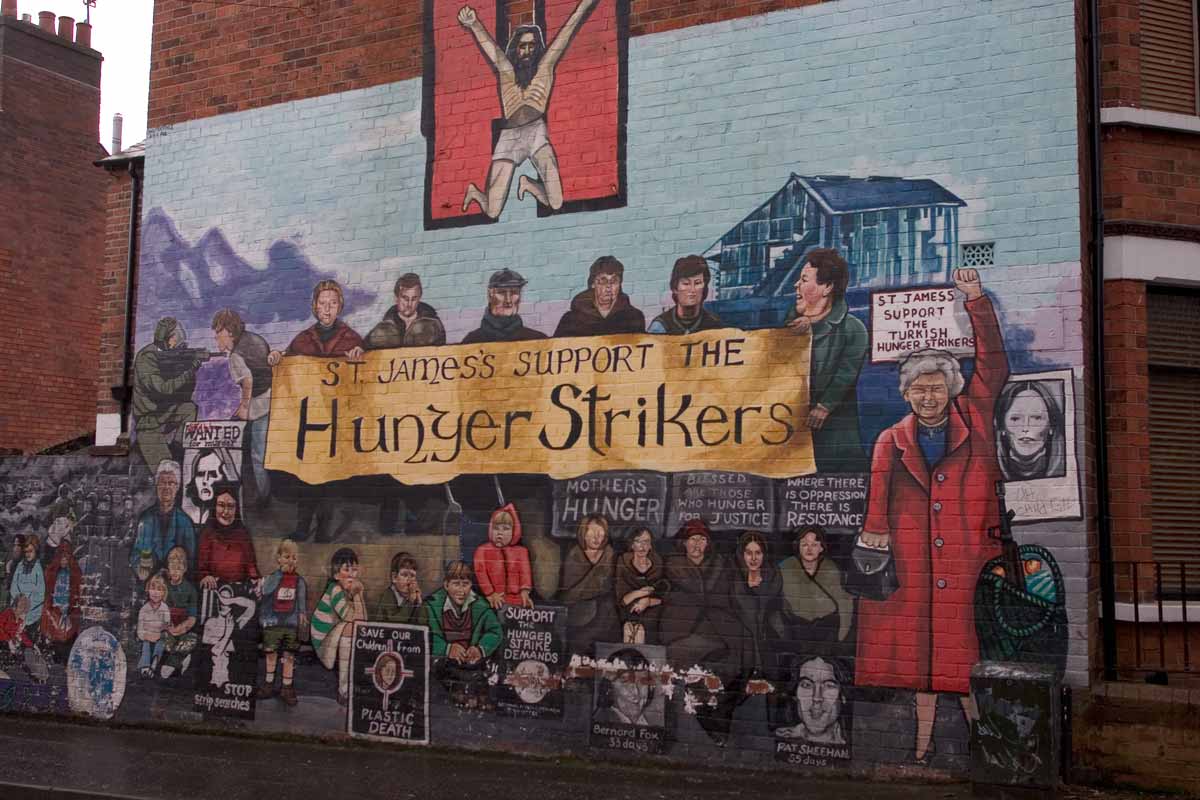
The deaths of ten men during the 1981 hunger strikes in Northern Ireland were received differently by the public in Ireland, Britain, and the rest of the world. While in Europe, the United States, and the Middle East, the Long Kesh hunger strikers were seen as freedom fighters, the Protestant community in Northern Ireland and the British government maintained that they were terrorists, not victims, who had chosen to take their own lives. This profound and radical disagreement is inextricably linked to the sectarian nature of society in Northern Ireland, particularly during the Troubles, a society in which everything—including death—automatically became a symbol and a badge of belonging.