
Terence MacSwiney (1879-1920), Dolours Price (1950-2013), and Brendan Hughes (1948-2008) are just three of the hundreds of Irish Republicans who over the centuries have chosen to go on hunger strikes in defiance of the British government, protesting against the British presence on Irish soil and their status within the prison system. All three hunger strikers, in different ways, helped to bring the Irish Republican campaign to international attention. While MacSwiney did not survive his strike and died in October 1920 after 74 days of refusing food, Price and Hughes eventually called off their strikes, albeit with different results.
1. Terence MacSwiney
In her article Dead Faces Laugh, Francesca Petrizzo writes that during the 1980-81 hunger strikes in Northern Ireland, “Time and its reckoning were essential to the impact of hunger strike: tallies of the days of the fasting were kept on public boards in Belfast’s nationalist quarters, and they were daily updated on protest placards. But fasting time could not be relied upon.”
Some hunger strikers died unexpectedly and “unusually” earlier than anticipated, leaving their families and their supporters shocked, unprepared, and angry. Martin Hurson (1956-1981), for example, died of dehydration after “only” 46 days, on July 13, 1981. Francis Hughes (1956-1981), who began his hunger strike two weeks after Bobby Sands, died on May 12, 1981, after refusing food for 59 days. His cousin, Thomas McElwee (1957-1981) passed away a few months later on the 62nd day of the strike, while still in relatively good health. In 1920 Terence MacSwiney survived for 73 days without food.
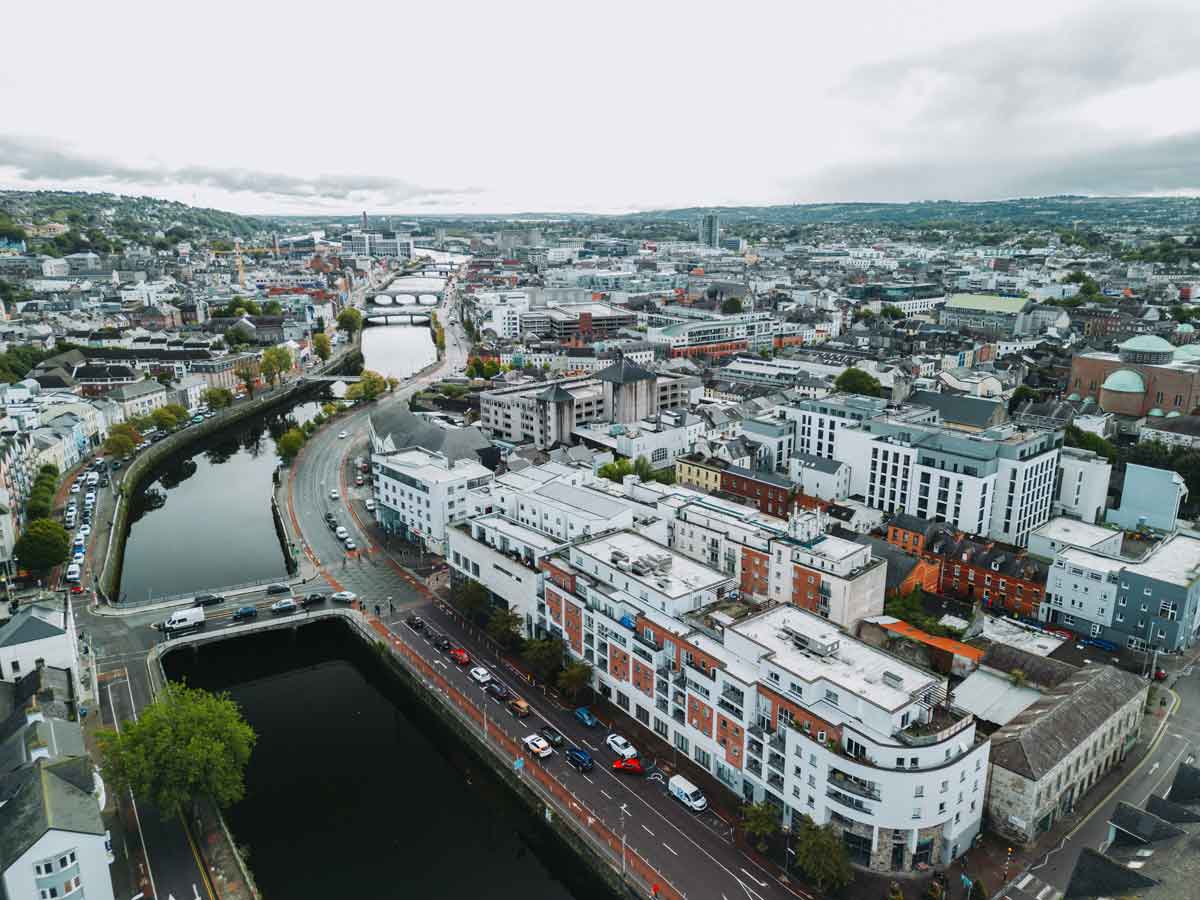
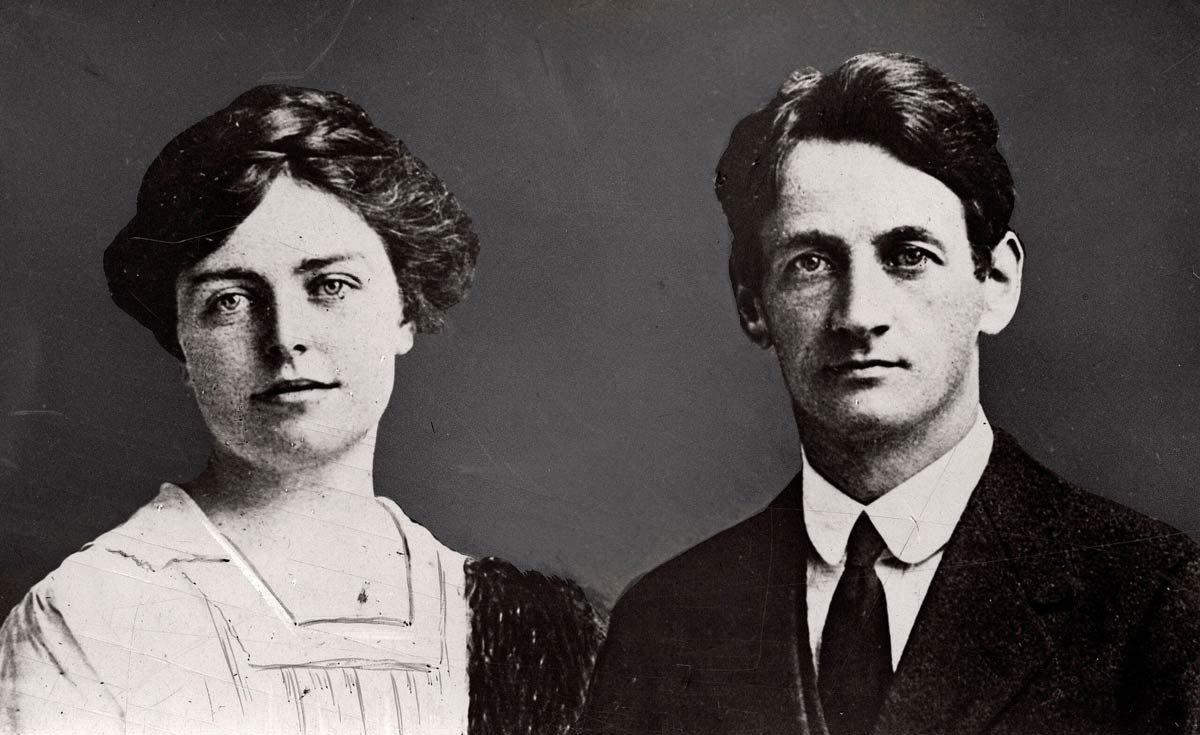
MacSwiney was 41 years old and his literary hero was Percy Bysshe Shelley. Born at 23 North Main Street, in Cork, he was the son of John MacSwiney (a native Irish speaker who died in 1895 after emigrating alone to Australia) and Mary Wilkinson, an English catholic.
Unlike other fellow Republicans, Terence MacSwiney believed that religious fervor could and should go hand in hand with republican principles—a belief he expounded at length in many of his writings, collected in The Principles of Freedom (1921). He refused to join the Irish Republican Brotherhood (IRB) and resigned from the separatist Celtic Literary Society (CLS)—which he had co-founded—after the CLS publicly aligned itself with Sinn Féin. In 1914, however, he joined the Cork branch of the Irish Volunteer Force (IVF) and over the next few years he became a full-time IVF organizer and leader.
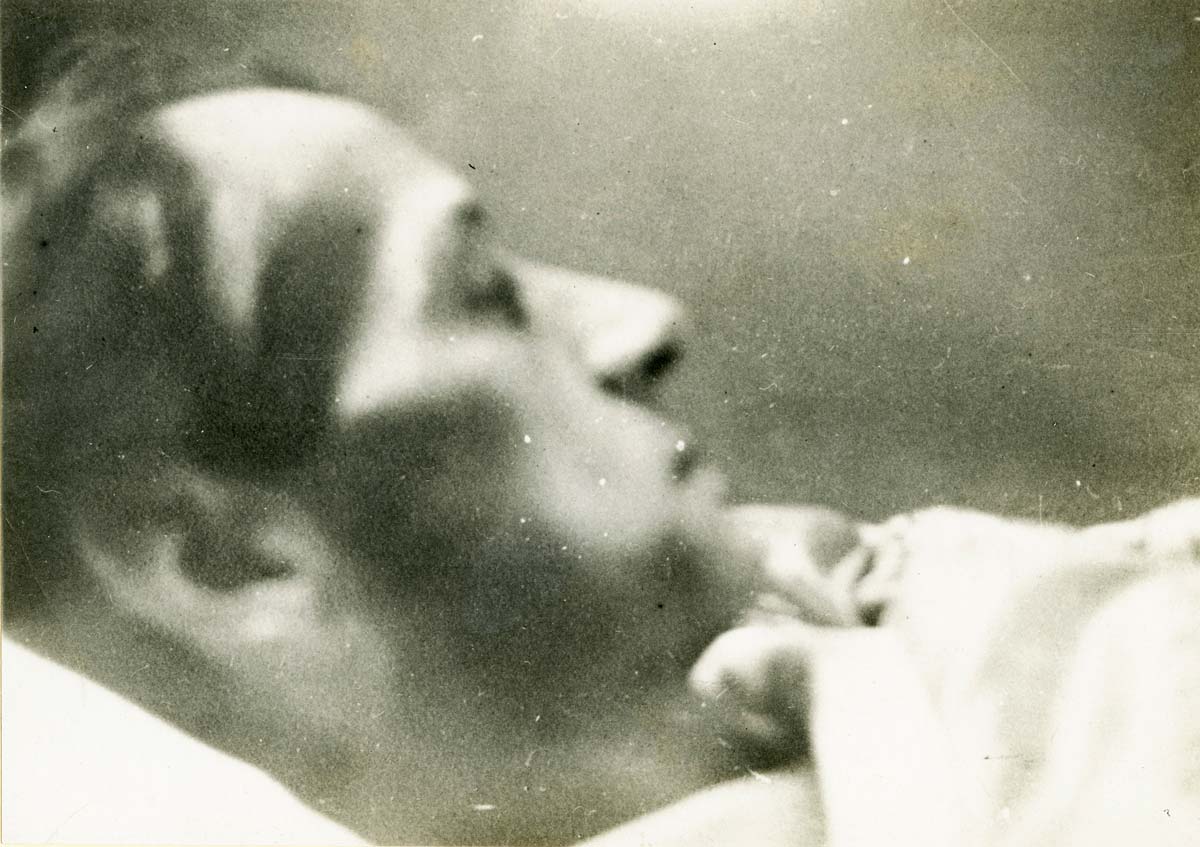
MacSwiney was first arrested in January 1916 but was released shortly thereafter. He was arrested again on May 3, 1916, following the Easter Rising, and was initially transferred to Gronfoch internment camp in Wales before being moved to Reading Gaol—the same prison where Oscar Wilde was imprisoned in 1895. He was finally released on Christmas Eve and soon became engaged to Cork Republican Muriel Murphy.
Between 1916 and 1920, MacSwiney was arrested multiple times, spending four years in various prisons in Dublin, Dundalk, and Belfast. In August 1920, he was arrested for the last time. On August 16, he was sentenced to two years in prison and taken across the sea to Brixton prison in London. Just a few months earlier, he had been elected Lord Mayor of Cork following the assassination of his friend Tomás Mac Curtain (1884-1920).
Mac Curtain served as the Lord Mayor of Cork for a few months before being shot dead by a group of Royal Irish Constabulary (RIC) men in front of his wife and son on his 36th birthday. In the early 1920s, it was believed that hunger strikers would die within a month. As days went by and MacSwiney’s body grew weaker but refused to give up, the eyes of the world were on London. What was going on in his cell? Was he being secretly fed by someone inside the prison? Or was it, as MacSwiney himself suggested, divine intervention, a sign from God that he supported the republican cause?
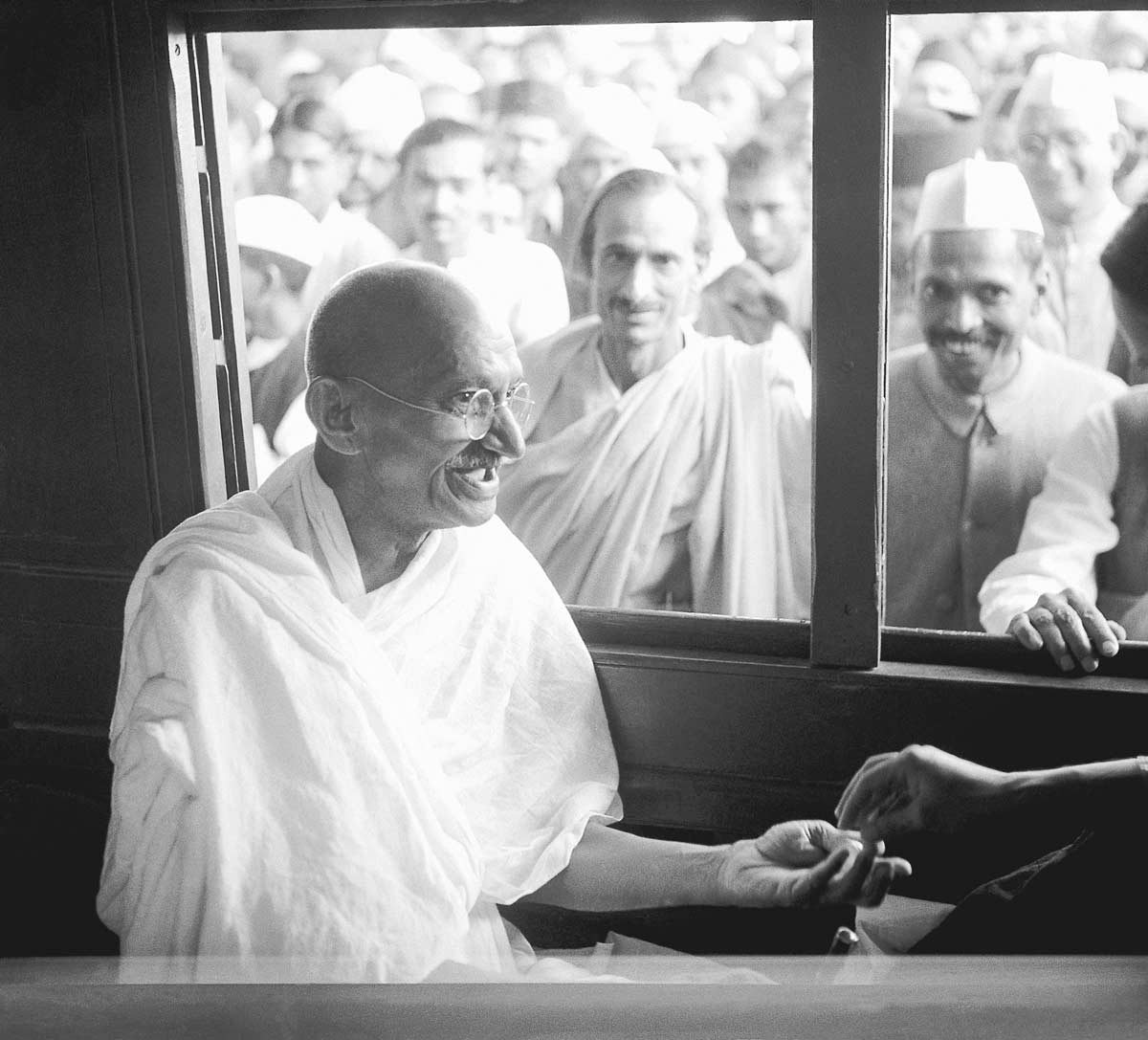
Several South American countries asked the Pope to intervene. The American government threatened a boycott of British goods. Eventually, some 70 days after the beginning of the strike, the prison doctor tried to force-feed MacSwiney, but MacSwiney slipped into a coma and died. Mahatma Gandhi later revealed that he was greatly influenced by MacSwiney’s actions and writings.
2. Dolours Price
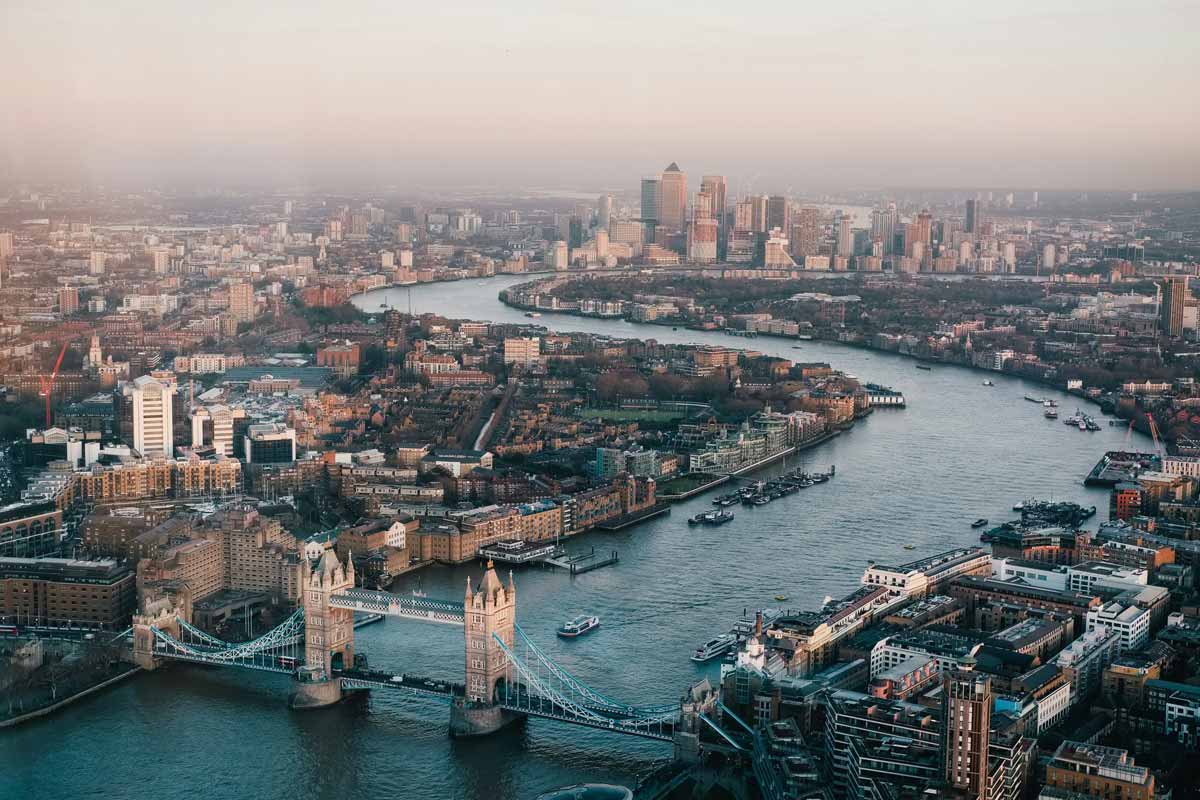
There is a direct line connecting Dolours Price and Terence MacSwiney. As well as being Irish and Republican, both Price and MacSwiney went on hunger strikes while incarcerated in Brixton Prison, in South London. “If the protests were measured by a present, painfully felt time, the hunger strikers themselves were not constrained by it: they looked, consistently, both forward and back,” Francesca Petrizzo writes. If Dolours Price—and her sister Marian, who went on hunger strike with her—looked back to Terence MacSwiney and his 73 days of agony in the very same prison where she was starving, MacSwiney in 1920 may have looked back to Thomas Ashe (1885-1917), the first republican hunger striker to die. He passed on the evening of September 25, 1917, after being force-fed in the Mater Misericordiae Hospital opposite Mountjoy Prison.
Dolours and Marian Price began their hunger strike in November 1973, at the height of the Troubles.
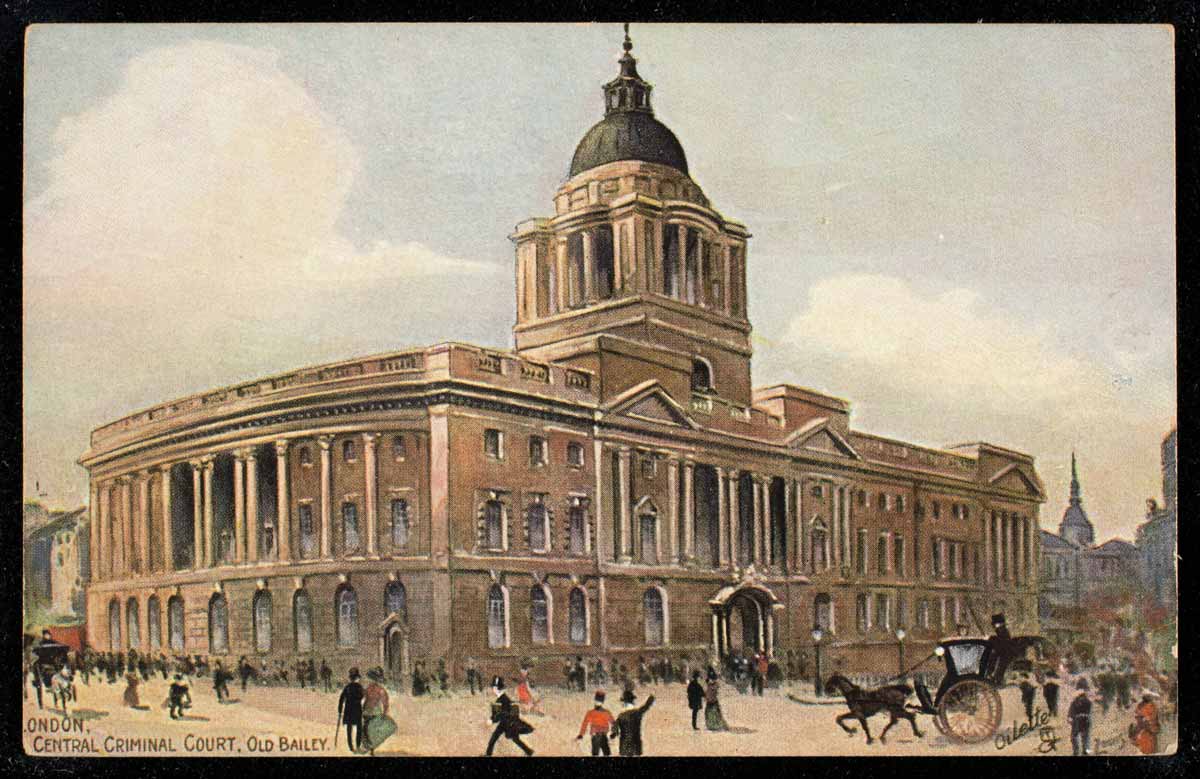
Arguing that they should be classified as political prisoners, they demanded to be transferred from Brixton Prison to a women’s prison in Northern Ireland. They had just been convicted, along with other members of the Provisional Irish Republican Army (IRA), of orchestrating car bombings in the British capital. On March 8, 1973, two car bombs exploded in London: one opposite the Old Bailey Courthouse and the other outside the Ministry of Agriculture near Whitehall. Two additional car bombs were found and defused. One was parked outside New Scotland Yard, the other outside an army recruitment office near Whitehall.
Dolours’s and Marian’s strike lasted for 208 days. After only a few weeks, the prison authorities began force-feeding them. Thomas Ashe had been subjected to the same treatment and died because of it. Finally, after a wave of protests in Ireland and the United Kingdom, the process was halted on May 18.
Dolours and Marian Price continued their strike until June 7, when they were granted the right to serve their sentences in Northern Ireland. Shortly afterward, the International Medical Council declared the practice of force-feeding unethical. From then on, hunger strikers would no longer be subjected to forced feeding.
As Patrick Radden Keefe points out in his book Say Nothing, Dolours Price would live the rest of her life wondering if she was not partly responsible for the deaths of the Long Kesh strikers in 1981. By defying the British authorities and indirectly pressuring the International Medical Council to ban the practice of force-feeding, the Price sisters had, in a sense, contributed to creating the “perfect storm” of 1981. With Margaret Thatcher refusing to meet the demands of the IRA prisoners, and the IRA prisoners determined to continue their strike, the lack of a safety net provided by force-feeding ultimately led to the deaths of ten prisoners within a few months.
For the rest of her life, Dolours Price continued to have an extremely problematic relationship with food, stating that the hunger strike and force-feeding had alienated her and her sister “from the process of sustenance, the whole process of putting food in your body.”
On April 30, 1980, Marian was released from prison and transferred to the Royal Victoria Hospital in Belfast. Both sisters had developed anorexia nervosa as a result of fasting and force-feeding. Without Marian at her side, Dolours’s health deteriorated even more rapidly. She was finally released on medical grounds. On January 24, 2013, she was found dead in her home in Malahide, Dublin, by one of her sons. She died as a result of the toxic effects of a mixture of prescribed anti-depressants and tranquilizers.
3. Brendan Hughes
Time collapses during a hunger strike—or, to quote Petrizzo again, time on a hunger strike becomes “dilated and threatening, and weaponised.” If this is true for any hunger striker anywhere in the world, it is even truer for Brendan Hughes. Nicknamed “the Dark” because of his dark hair and thick dark mustache, Hughes was the OC of the IRA prisoners detained in the Long Kesh prison when they all went on hunger strike on October 27, 1980.
The other Republicans who joined him were Tom McFeely, Tommy McKearney, Raymond McCartney—a cousin of James Wray, one of the victims of Bloody Sunday—Leo Green, John Nixon—a member of the Irish National Liberation Army (INLA)—and Sean McKenna. For Irish republicans, it was the ultimate insult to be compared to any other “common” criminal. They insisted that they were not common criminals, but political prisoners, the bearers of a long and proud tradition of rebellion.
The 1980 hunger strikers had five demands: the right not to wear the prison uniform; the right not to be forced to do prison work; the right to free association with other prisoners; the right to organize their own educational and recreational activities and facilities; the right to one letter, one parcel, and one visit per week.
A few months later, on December 12, six prisoners and members of the loyalist Ulster Defence Association (UDA) also went on hunger strike. Ironically, they shared all the five Republican demands plus the right to be separated from Republican prisoners. Five days later, when Cardinal Tomás Ó Fiaich (1923-1990), who served as the Roman Catholic Archbishop of Armagh and Primate of All Ireland from 1977 until his death, visited the prison and called on the hunger strikers to end their protest, it was—again ironically—the UDA prisoners who interrupted their strike.
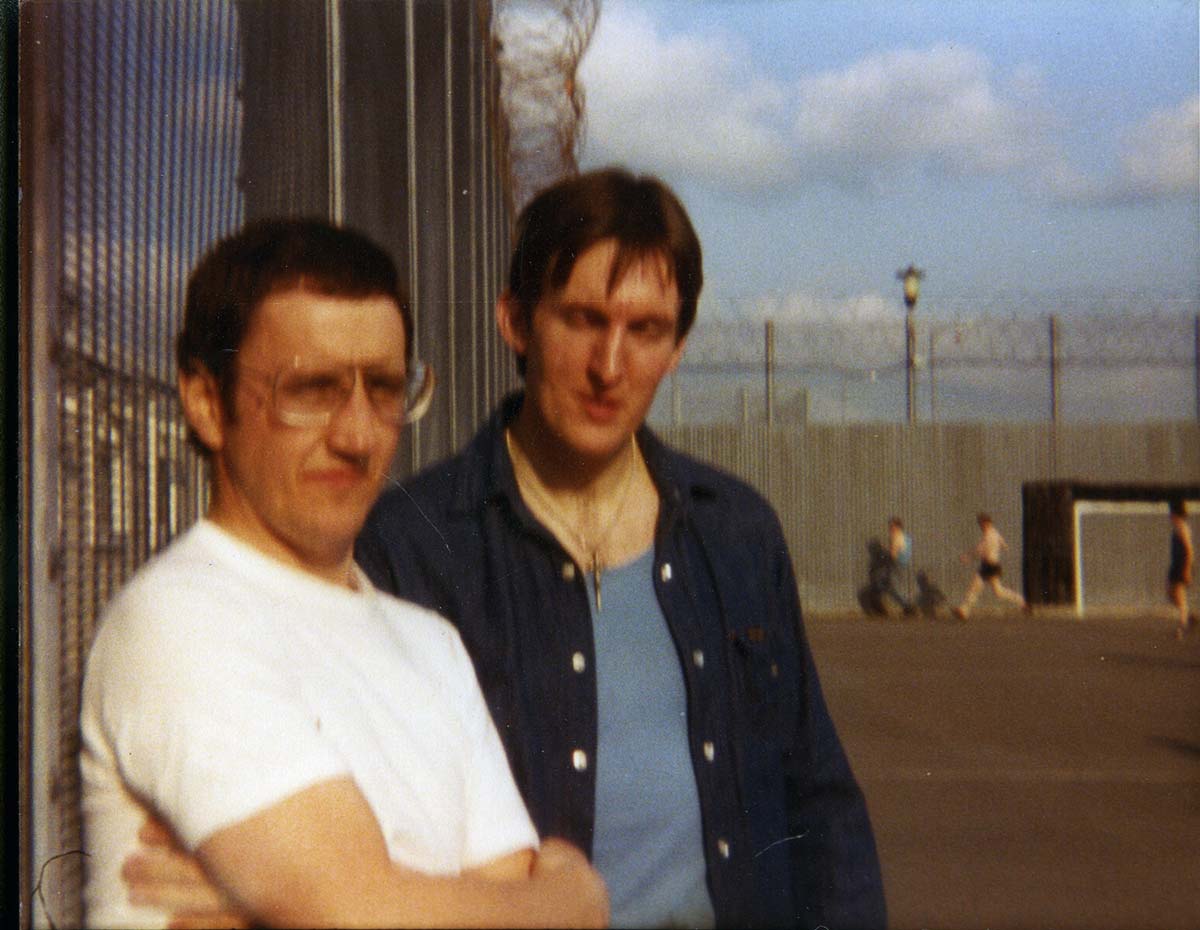
Debilitated and in a wheelchair, McKenna told Hughes: “Dark, please don’t let me die.” Hughes promised he wouldn’t. Then one day McKenna slipped into the coma that usually precedes death. Hughes saw the prison authorities take him away on a stretcher, followed closely by two priests and the prison doctor. Hughes was faced with a dramatic dilemma. Time was running out. Time was “threatening and weaponised.”
As the strikers’ leader, it was his duty to continue the strike and ensure that months of hardship and suffering were not in vain. On the other hand, if he didn’t end the strike McKenna would die. On December 18, after 53 days, Hughes called off the strike. McKenna died in December 2008, ten months after Brendan Hughes. The hunger strike left both men with several lifelong health problems, including heart issues, a weakened immune system, arthritis, and poor eyesight.
While MacSwiney died in the Brixton prison in south London, at the very heart of the system that his actions, including his hunger strike, were intended to undermine, both Price and Hughes survived. But hunger strikes rarely end with the end of fasting. Dolours Price developed anorexia nervosa and suffered from PTSD and alcoholism throughout her life. Many hunger strikers, from Brendan Hughes to Sean McKenna, continued to have problems with their eyesight long after the strike ended. Two years before his death, Hughes underwent an operation to save his sight, and a few days later he appeared on the front page of the Irish News sporting an eye patch. Despite their different outcomes, the strikes of Terence MacSwiney, Dolours Price, and Brendan Hughes managed to draw worldwide attention to the Republican cause.