
When the Luftwaffe dropped bombs on London, the British were introduced to a new scale of war that they had never experienced before. Shelters were full, and people huddled in terror as the bombs reduced sections of the city to rubble.
Despite all this, the British responded with formidable courage and a sense of humor to go with it. A store with its front blown out, displaying a sign claiming “more open than usual,” was a typical reaction of defiance as the country took on the might of Nazi Germany.
Throughout the nation, radio broadcasts, newspaper satire, and dry British wit kept humor alive, turning it into a weapon against a terrifying foe.
Bomb Shelters and Broken Shopfronts as the Birthplace of Gallows Wit
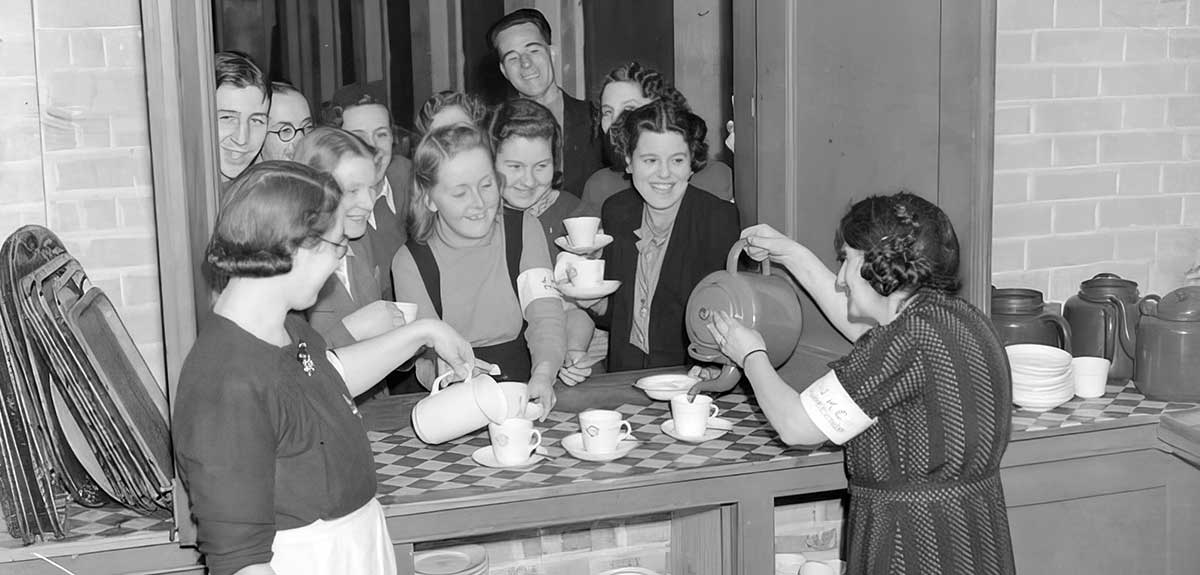
For the most part, the British people did keep calm, and they did carry on, downplaying the seriousness of the Blitz. Raids were often spoken of as if comparable to the weather, such as referring to a day of heavy bombing as being “very Blitzy.”
In the shelters, the attitude was generally positive, and people tried the best they could to make the most of it. While the discomfort was obvious and people were afraid, many enjoyed the communal spirit. Special efforts were made to make the experience livable and even enjoyable. There were canteens, beds, bathroom facilities, and various other conveniences. Classes were attended by children, and acting troupes toured, putting on cheery performances.
How Satirical Cartoons Stripped Power From the Axis
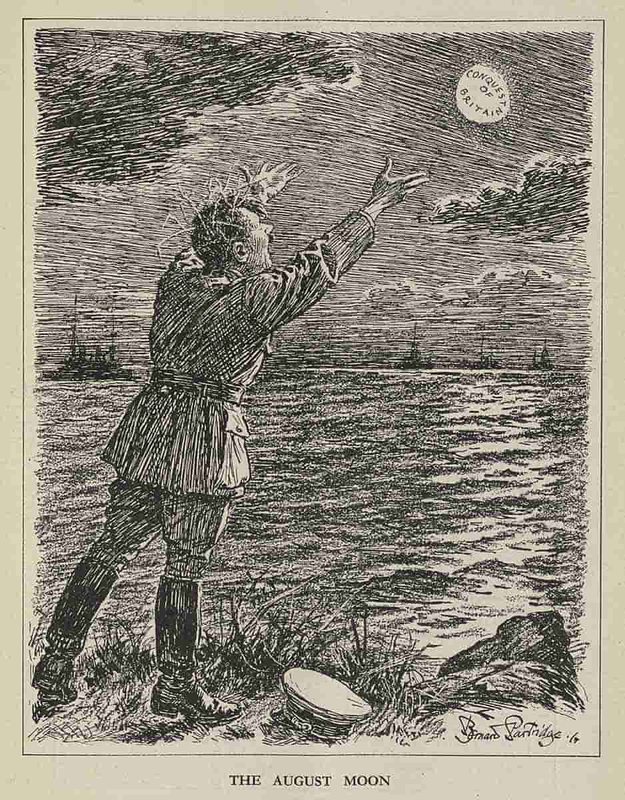
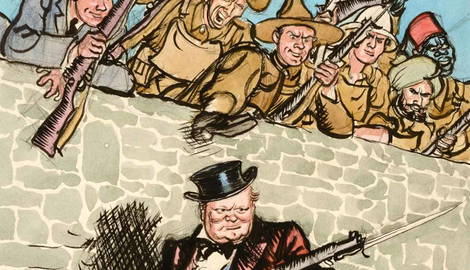
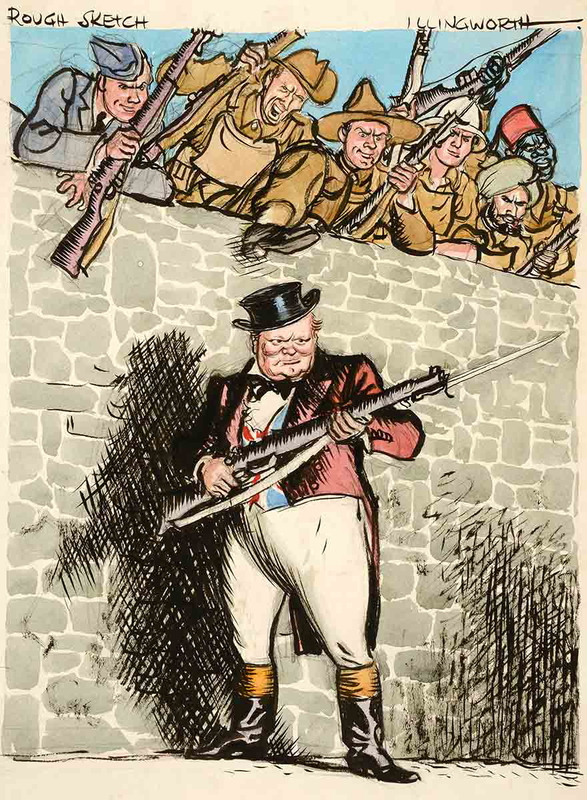
Above ground, the media were hard at work distributing the news along with satirical takes on the war. They showed absurd situations; they mocked the Germans and German leadership; they showed the British resolutely continuing with life despite the hardship; and indeed promoted the idea that the hardship wasn’t even that hard. They reduced the perceived threat of the raids and, in doing so, promoted unity and defiance, helping keep morale high.
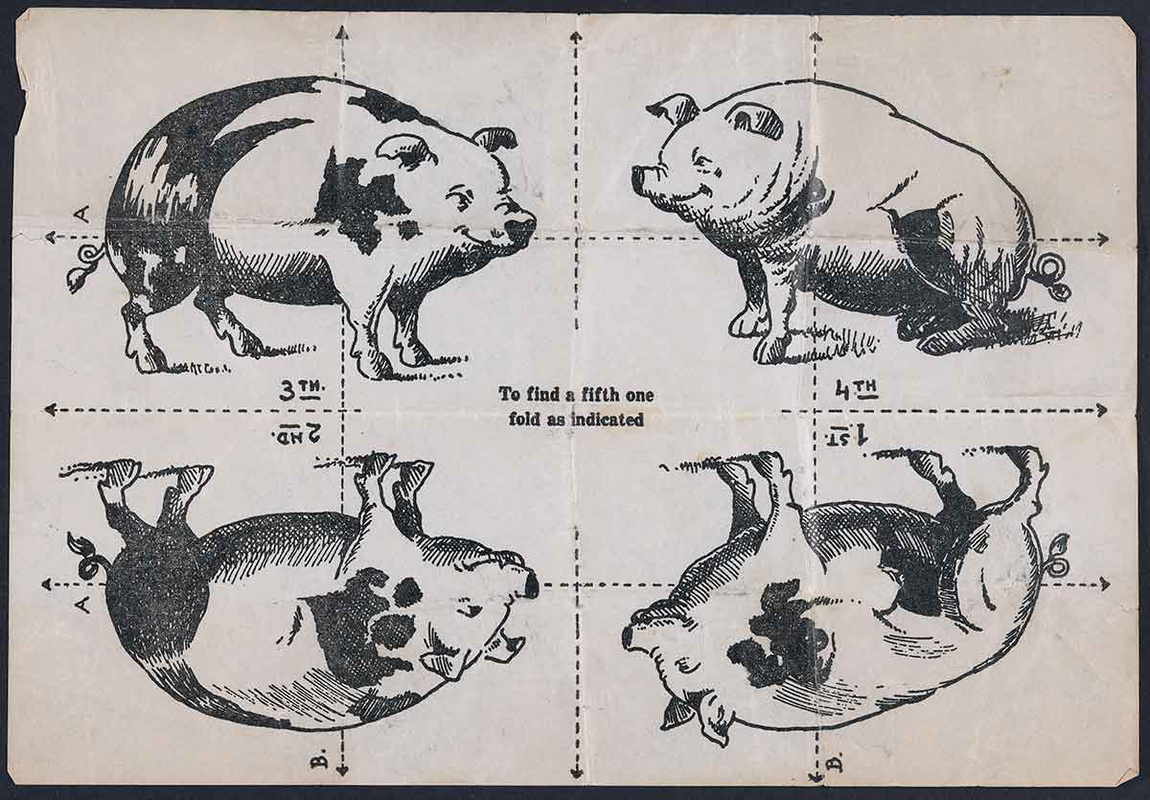
Just by existing, cartoons presented the idea that the entire nation was in good spirits, rather than simply trying to convince the reader to be. Turning Hitler and his staff into fools was certainly a way to do this!
Radio Comedy as the Soundtrack of National Survival
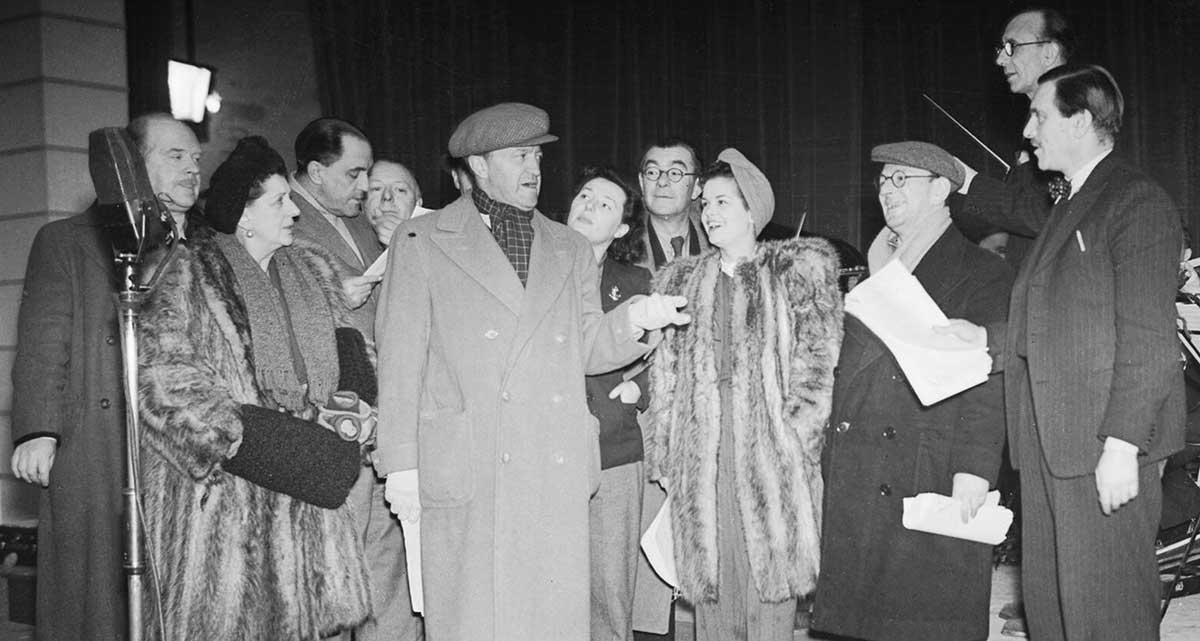
The airwaves also contained a good dose of morale-boosting comedy. One such program was It’s That Man Again (“That Man” being Adolf Hitler), a satirical show that ran for 12 series from 1939 to 1949. The Axis wasn’t the only target of this comedy, though! Wartime regulations and government departments were common subjects of good-natured humor.
Immensely popular, radio programs received a boost in listeners due to the blackouts and the need for entertainment when other activities were curtailed by the presence of the Luftwaffe. Catchphrases from the show caught on and were repeated ad nauseam by British society, as millions of listeners from across the social divides all tuned in to keep up with the show’s antics.
Another comedy show, Hi Gang! was started in May 1940 by Americans Ben Lyon and his wife Bebe Daniels, who were touring Britain in theaters and army camps. Common targets for their comedy included Adolf Hitler and Lord Haw-Haw.
Such comedy existed in stark contrast to the intimidating German propaganda being broadcast across the channel.
The Psychological Defense Mechanism of Irreverent Resignation
Humor was, and still is, a useful tool for understanding the psychology of a nation. For Britain, it imbued a sense of determined defiance and the willingness to suffer. In fact, for decades after the war, British cuisine still reflected the mores of rationing!
During the Blitz and for the rest of the war, dry humor, sardonic wit, and irony combined to give the British a unique view of the conflict and their role in it.