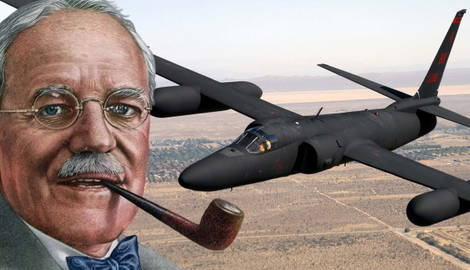

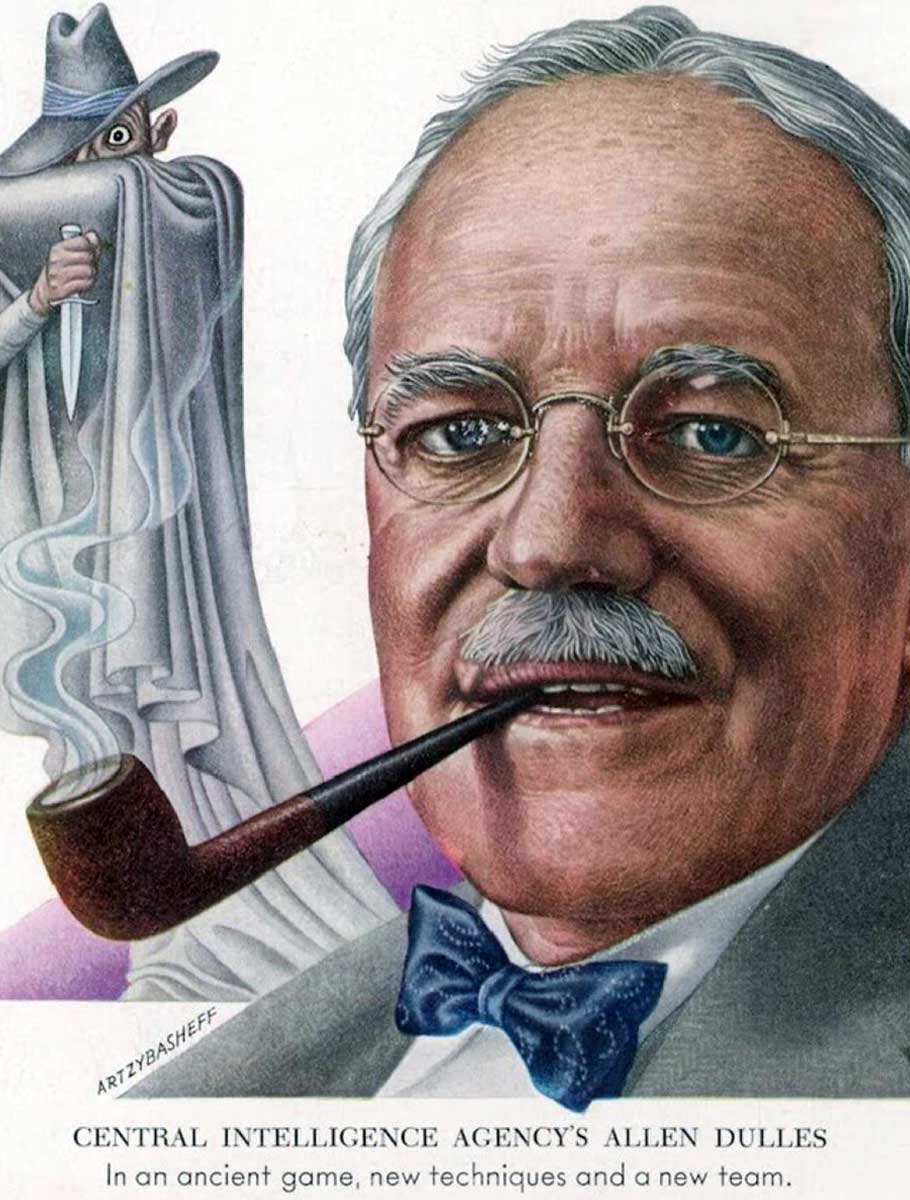
From defeating Nazi Germany in World War II to preventing the spread of communism and nuclear escalation during the Cold War, the mid-20th century was a perilous time in modern American history. As a key figure in the Office of Strategic Services, director of the Central Intelligence Agency, and member of the Warren Commission, Allen Dulles’ insight was crucial in informing the United States’ most sensitive military and political activities for decades. Despite this, Dulles’ legacy is clouded by controversy that continues to this day.
Early Life and Education
Allen Dulles was born in Watertown, New York, on April 7, 1893. With four siblings in a household governed by a politically well-connected mother and a Presbyterian minister father, Dulles’ childhood was one of lofty expectations and seclusion. Dulles was homeschooled by private tutors, and while this experience deprived him of a standard upbringing, it did open doors that helped launch his career from its inception.
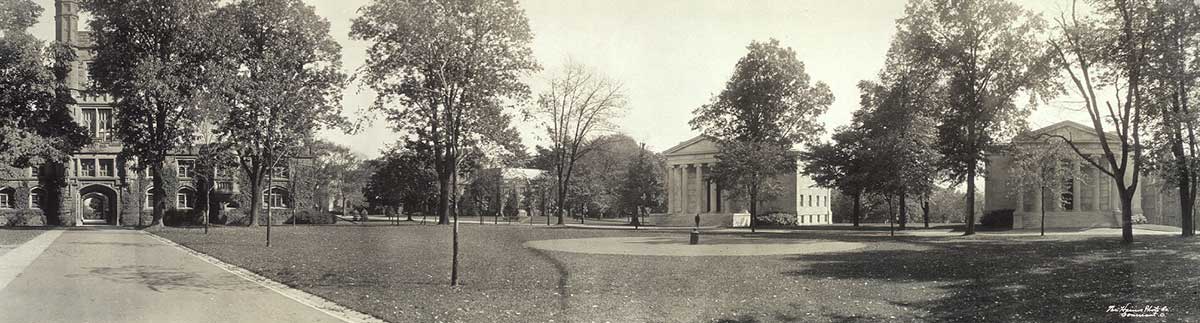
In 1916, Dulles graduated from the prestigious Princeton University earning both a bachelor’s and master’s degree in politics. During his collegiate years, Dulles was an active member of the Whig-Cliosophic Society, the United States’ oldest literary and debate group, where James Madison and Aaron Burr had been members in the 18th century. Ten years later, Dulles earned a law degree from George Washington University before working at the firm Sullivan & Cromwell, where his elder brother John Foster Dulles was a partner.
While Dulles is largely remembered for his intelligence roles in World War II and the Cold War, he was first introduced to the world of intelligence during World War I. After passing the Foreign Service exam shortly after graduating from Princeton, Dulles was sent to the American embassy in Vienna, Austria. When the United States entered World War I in 1917, he transferred to Switzerland to collect intelligence and report on political developments in the region. By 1922, Dulles was promoted to Chief of Near Eastern Affairs in the State Department.
World War II and the Office of Strategic Services
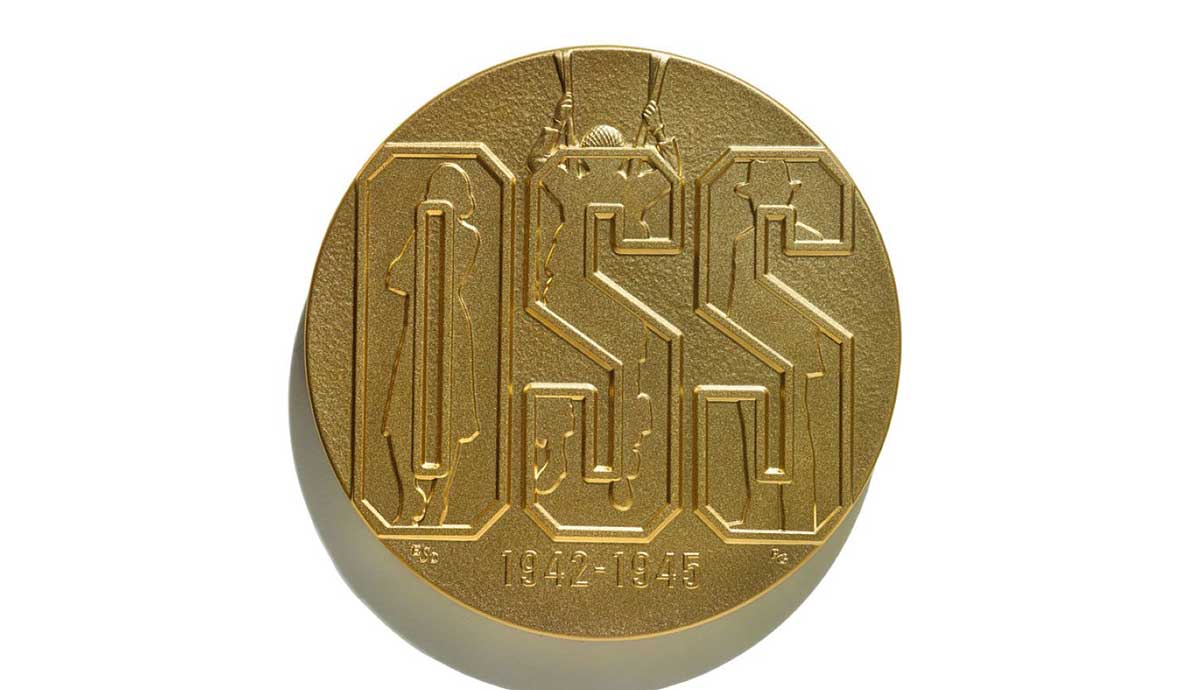
After his service in the State Department, Dulles left the public sector to pursue law. During this period, he became a director of the Council of Foreign Relations and served as a legal advisor to American delegations in arms control talks. During the 1930s, Dulles was concerned about developments in Germany and called for the US to be prepared for war. After American entry into World War II following the Pearl Harbor attacks, Dulles went to Switzerland in 1942 to take up his post as Office of Strategic Services station chief in Bern.
Dulles’ experience as a lawyer positioned him for success during the Second World War. The diplomat and attorney was especially skilled in negotiation tactics, thorough analysis, understanding international law, and building effective networks. As the man responsible for collaborating with regional resistance groups across Nazi-occupied Europe, Dulles’ expertise helped to disrupt German operations in places where regular Allied units could not reach. His leadership of Operation Safehaven, an effort to prevent Germany from hiding Nazi wealth in neutral states for use after the war, proved effective in preventing Axis plans to regroup after surrendering.
Dulles’ advanced tradecraft proved useful as the conflict neared its end. In 1945, Dulles led Allied efforts to negotiate the early surrender of the German military in Austria and Italy. Known as Operation Sunrise, the effort saved countless lives by persuading nearly one million soldiers to lay down their arms instead of fulfilling Hitler’s vision of a fierce final stand. Dulles’ heroic civilian service during World War II continued until the Office of Strategic Services was dismantled in October 1945.
Director of the Central Intelligence Agency
While President Harry Truman dispersed the responsibilities of the Office of Strategic Services to the Department of State and the Department of War, this transition was hardly the end of Dulles’ involvement in American security and intelligence efforts. Soon, the National Security Act of 1947 formally created the Central Intelligence Agency, an organization intended as an evolution of the Office of Strategic Services capable of serving national objectives in both peace and war. Office of Strategic Services personnel, files, and practices were integrated into the Central Intelligence Agency, setting the foundation of national intelligence in a postwar era. After a brief return to law, Dulles quickly found himself back in espionage circles.
Just five years after the Second World War, Dulles was pulled back into civilian service as the Deputy Director of Central Intelligence for Plans. The following year, he was elevated to deputy director of the entire agency. As the United States eyed new threats in the early 1950s, particularly the emergence and spread of communism by the Soviet Union and China, American intelligence demanded leadership by those most experienced in handling international turmoil. This need led President Dwight D. Eisenhower to name Dulles as the Director of the Central Intelligence Agency in 1953, a position he would hold for eight years as the organization’s first civilian leader. Dulles’ tenure coincided with a particularly challenging era of American history. From January 1953 until his death in April 1959, his brother John Foster Dulles served as Eisenhower’s Secretary of State.
Cold War Operations

Dulles’ leadership of the Central Intelligence Agency was marked by a period of international fragility and unrest. During his first year as director, American and British intelligence officers orchestrated the Iranian coup d’état after Prime Minister Mohammad Mossadegh nationalized Iranian oil. Known as Operation Ajax, the plan successfully protected Western interests by installing a new prime minister but risked long-term consequences in the process. Dulles oversaw similar outcomes following the 1954 Guatemalan coup d’état via Operation PBSuccess. While a United States-funded rebel force backed by covert psychological warfare successfully overthrew a perceived communist threat in the Western Hemisphere, the activity contributed to years of political instability and civil war, increasing anti-American sentiment in the region.
Despite these controversial operations, the Central Intelligence Agency executed some long-term operations successfully under Dulles. The U-2 spy plane program represented significant progress in developing imagery intelligence to support various international mission sets. While the program caused a diplomatic crisis after a U-2 spy plane was shot down over the Soviet Union in 1960, intelligence collected over the technology’s lifetime informed operations all the way up to the Global War on Terrorism, including gathering vital photographs of the buildup Soviet missiles in Cuba during the Cuban Missile Crisis. Ultimately, the program inspired considerable improvements in aerial reconnaissance technologies including modern satellites that inform foreign and defense policy decision-making today.
Continued Controversies and Dismissal
Officially introduced in the same year he was appointed as director, the controversial Project MKUltra lasted throughout Dulles’ duration as leader of the Central Intelligence Agency. At the height of the Cold War, the United States sought any advantage it could obtain to resist the Soviet Union’s rise to political and military dominance. Assessing their Soviet bloc adversaries were torturing captured American soldiers during the Korean War, the Central Intelligence Agency investigated how psychoactive drugs, sensory deprivation, and other methods of physical and mental manipulation could result in mind control to coerce information out of enemy combatants and spies. The series of hundreds of experiments were often executed on unwitting individuals in hospitals, universities, and prisons, questioning the organization’s ethical practices under Dulles’ tenure after the operation’s exposure in 1975.
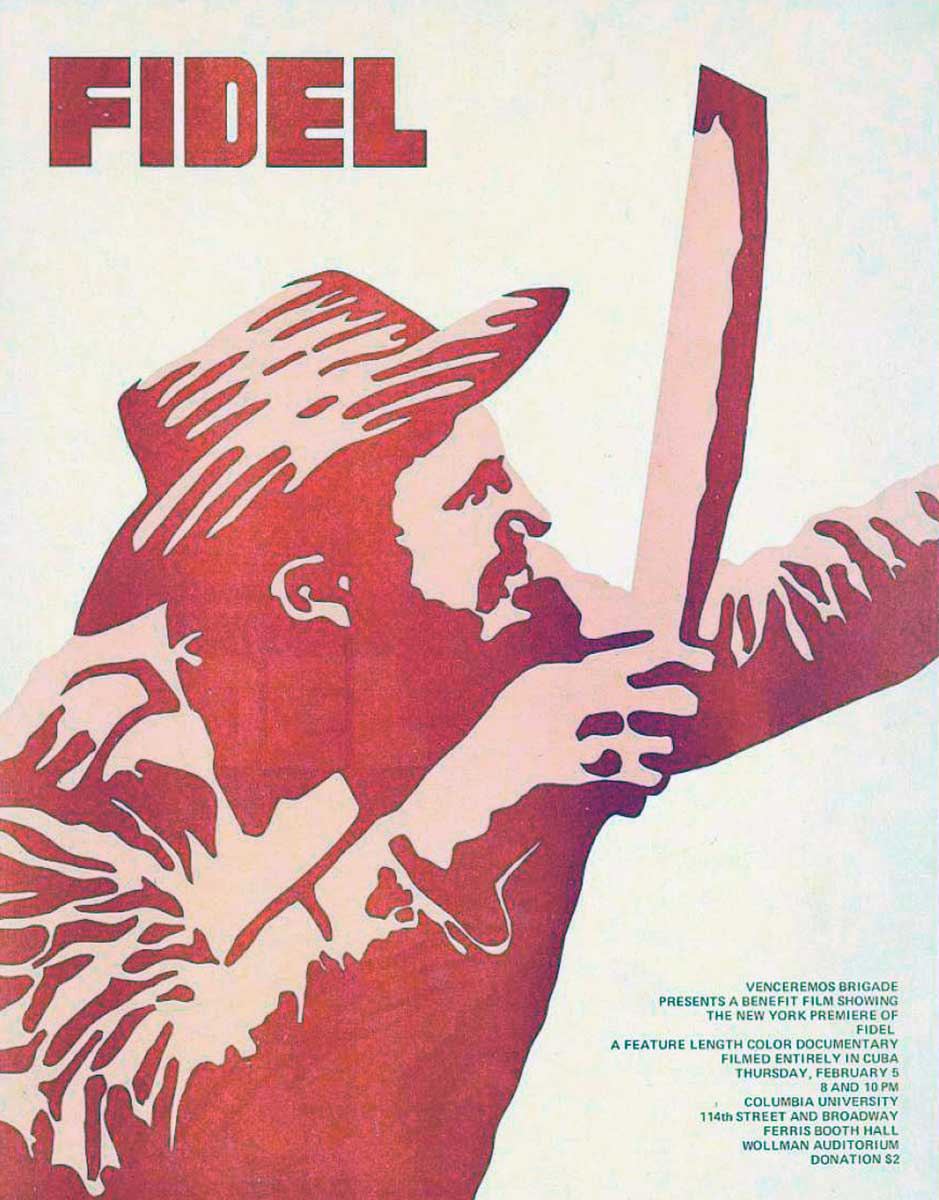
The event that led to Dulles’ dismissal, however, was the 1961 Bay of Pigs Invasion. Intended to remove Fidel Castro’s communist government from power in Cuba, the operation saw a force of Cuban exiles invade the country. The operation failed due to a lack of air support and inadequate planning, leading to the death or capture of most of the invasion force. As a result of the failed Bay of Pigs invasion, President John F. Kennedy forced intelligence leaders, including Dulles, to resign. After numerous controversies and limited successes, Dulles’ reign as director of the Central Intelligence Agency ended in 1961.
Later Life and Legacy
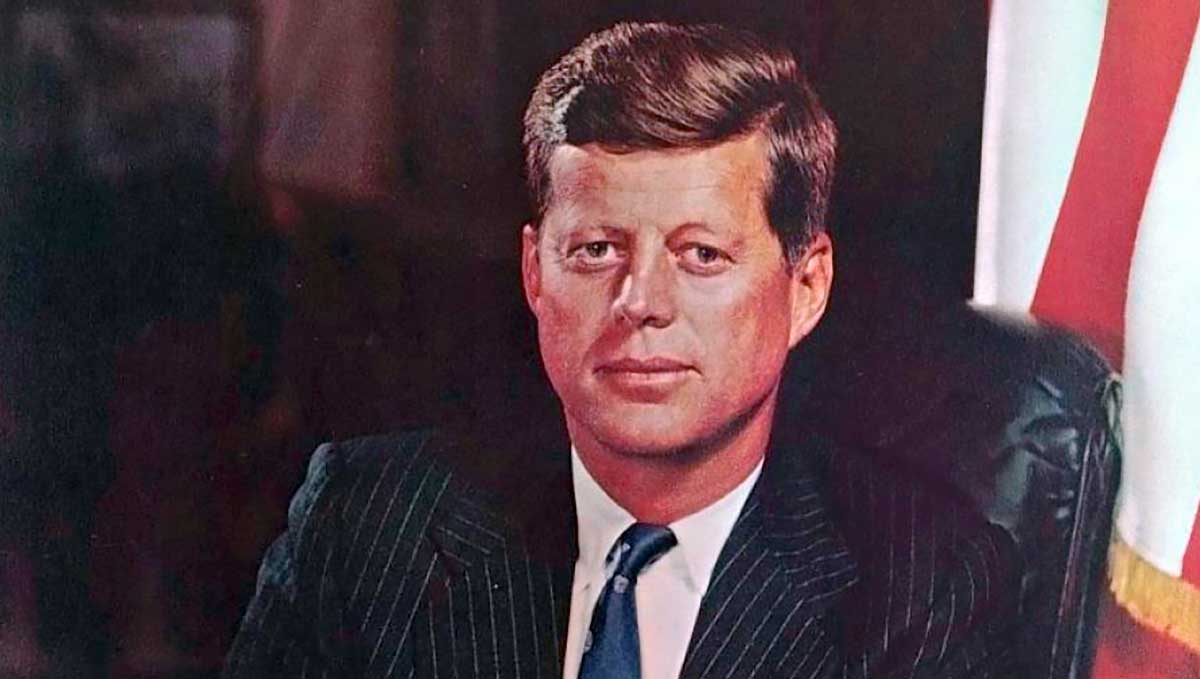
After resigning from the Central Intelligence Agency, Dulles remained active in American politics. In 1963, President Lyndon B. Johnson appointed Dulles as a member of the Warren Commission to investigate the assassination of John F. Kennedy, which concluded that Lee Harvey Oswald acted alone in killing the late president.
Throughout the 1960s, Dulles continued to contribute to national security and intelligence matters. In 1963 he published an in-depth overview of espionage, and three years later an account describing his role in Operation Sunrise during World War II. Dulles additionally appeared on news networks during the early years of live American television to comment on political and military matters.
After suffering a stroke and various illnesses, Dulles passed away on January 19, 1969. While undoubtedly a national hero for his clandestine roles during World War I and World War II, Dulles’ legacy is complicated for his involvement and leadership in some of the most controversial American intelligence practices of the 1950s and early 1960s. He is fondly remembered as the first civilian director of the Central Intelligence Agency, and although there was merit in countering the spread of communism, some of Dulles’ decisions were called into question during subsequent intelligence reviews to foster transparency with the American public, including the 1975 Church Committee that exposed Project MKUltra and other controversial programs. Like many influential figures in world history, there are both positive and negative aspects to Dulles’ legacy.