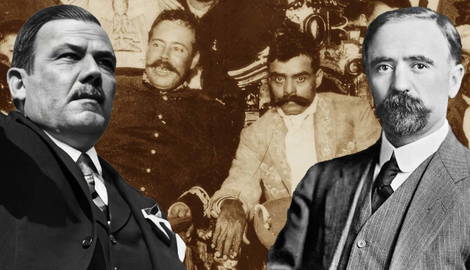

In 1910, after almost four decades of authoritarian rule, Mexico found itself in one of the bloodiest conflicts in the country’s history: the Mexican Revolution. The war that ensued engulfed the country in years of turmoil and would dramatically change all aspects of life. And though it was the people that fought and delivered whatever changes were achieved, there were key figures who shaped the landscape of the revolution. From the early stages of the revolution to the post-revolutionary society that followed the conflict, many important military, political, and social leaders emerged to drive the various factions toward their goals. Some of the largest factions included the Maderistas, Villistas, Zapatistas and Constitucionalistas. Other major groups were also in play, including loyalists to the previous regime as well as external actors like the United States government.
Porfirio Díaz and the Industrialization of Mexico
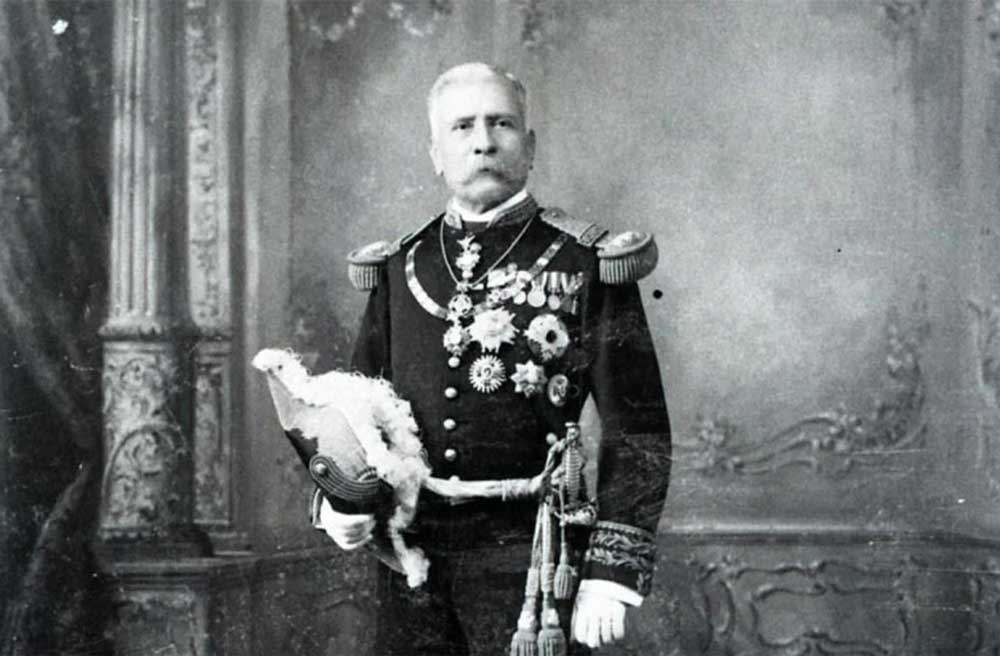
Porfirio Díaz was the dictator who brought about, or at least intensified, the conditions prompting the eventual Mexican Revolution. The period known as el Porfiriato was marked by an authoritarian and oppressive regime, albeit modernizing and economically successful too. Under Díaz, Mexico industrialized after decades of failed or limited attempts, and the country underwent a dramatic transformation. New nationwide railroads were built, major monuments were constructed, and the Mexican nation-state was consolidated.
Díaz was also known for his Pax Porfiriana, a decades-long period of peace made possible only through brute force and liberal use of the army. His rurales, one of the two armed government forces alongside the federales, were famously used to suppress any uprisings by workers or peasants. The Díaz government also led an open ethnocide against the Yaqui people, also directing their deportation and enslavement in the haciendas of Yucatan.
Whatever progress came with the Díaz regime was at the expense of the popular classes, who were exploited and saw no major benefit. The revolution began with the aim of toppling Díaz, but the underlying motivations of justice and fairness drove the conflict into something greater. On May 25, 1911, Díaz resigned and soon left for exile in France.
Francisco I. Madero and the Spark That United Unlikely Allies
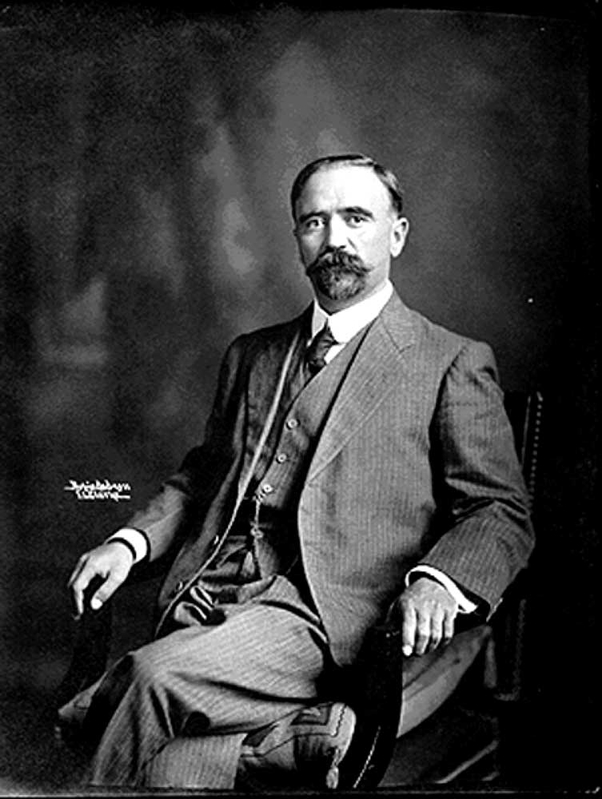
The Mexican Revolution officially began on November 20, 1910, after an attempt at fair and democratic elections failed just months earlier. The date of the uprising was set by the Plan de San Luis, a revolutionary manifesto published by Francisco I. Madero. Though many didn’t heed the call at first, eventually, most of the country rose against the dictatorial regime.
Madero was a wealthy hacendando, a member of the landowning elite in Mexico. But he was also a staunch democrat who disagreed with Díaz’s policy of re-election and authoritative government control. He led the Maderistas, a faction that aimed to topple Díaz, enact political reform, and pursue broader social justice. Madero’s motto became a rallying call nationwide: sufragio efectivo, no reelección (effective suffrage, no re-election).
Unlike more radical factions, the Maderistas supported moderate reforms, since their main revolutionary aim was to return democracy to Mexico, rather than impose a dramatic restructuring. This stance would eventually lead to Madero’s downfall when other, more radical revolutionaries rebelled against him. Left without real allies, he was betrayed by his own generals in a coup d’état known as la Decena Trágica (Ten Tragic Days).
And although Madero was once the face of the Mexican Revolution, he was not the first to oppose the Díaz regime or call for significant changes in the country. Before him came the Flores Magón brothers and their collaborators, a group of anarchists and radical liberals who are credited with setting the scene for the revolution.
The so-called Magonistas believed in self-emancipation and self-governance, stating that power should be abolished, not exercised. Likewise, popular uprisings, protests, and demonstrations preceded the revolution, notably in the mines of Cananea and Río Blanco. Though these demonstrations were quickly put down, their appearance confirms the changing sentiment among most of the population. Madero’s stage of the revolution represents a symbolic starting point for the transformation of the country. The Mexican Revolution rallied behind him, but it would inevitably transcend him.
Victoriano Huerta, Traitor and Usurper
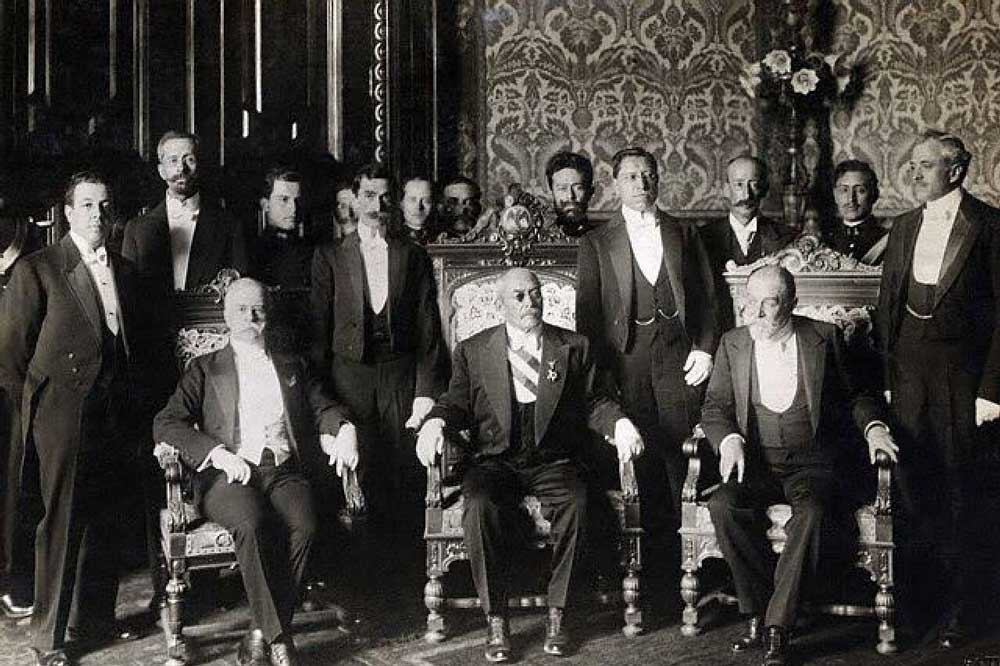
After the overthrow of the Madero presidency, one of Díaz’s sympathizers came to power: Victoriano Huerta. Huerta had organized the Madero coup alongside other Díaz loyalists as well as the US ambassador, Henry Lane Wilson, in a conspiracy later known as el Pacto de la Embajada (the Embassy Pact). Huerta had managed to remain in power even after Díaz’s defeat and exile by changing sides once Madero’s victory became inevitable. An influential and commanding general, Madero needed Huerta as an ally within the army, as it was unknown where the army’s loyalty lay. Huerta seized power with the help of the Americans, but he was soon left without their support. He instead attempted to gain support from the British and French, supporting their economic interests in Mexico. His inevitable fall came when other revolutionaries toppled him in 1915.
Beyond Díaz and Huerta, a few other establishment figures sought to return the pre-Revolution status quo to Mexico, including Manuel Mondragón, Aureliano Blanquet, and Gregorio Ruiz. Among the old guard stood two others: Bernardo Reyes and Félix Díaz, two loyalists of the Porfiriato, the latter being Porfirio Díaz’s nephew. These men would become active counterrevolutionaries, stirring conflict and opposing every new government throughout most of the revolution.
The Robin Hood of the Mexican Revolution: Francisco Villa
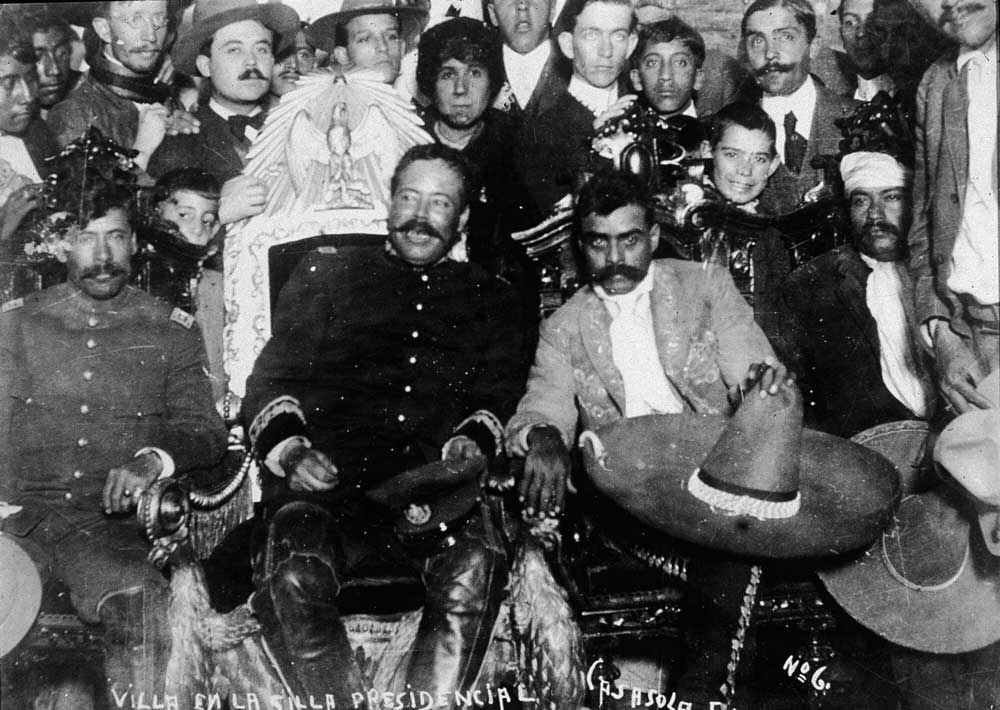
When Madero called for an uprising in 1910, a number of caudillos rose in their regions and joined the revolution. The caudillos were powerful men who wielded important influence in their respective regions, similar to warlords or strongmen. Two men in particular gained influential followings: Francisco (Pancho) Villa and Emiliano Zapata. Both became known for their advocacy for the popular classes.
Francisco Villa rose in the state of Chihuahua, in the north of the country. He was a charismatic bandit who believed in land reform. He originally sided with Madero, but was disappointed with the president’s inability to deliver change and meet the demands of the revolution. Nevertheless, Villa fought on the side of Madero when a fellow caudillo, Pascual Orozco, rebelled against him. Though Villa fought next to Huerta, tensions between the two ultimately drove Huerta to try to execute Villa. Villa’s life was saved by Madero, but he was imprisoned for his actions. When Huerta overthrew Madero, Villa sided with the constitutionalists and fought against the usurper.
Villa’s volatility often led him to unnecessary conflict. Famously, after Villa’s attack on Columbus, New Mexico, the US responded with a punitive expedition into Mexico, looking for Villa. Villa was never found, and the expedition was ultimately a failure. In the later stages of the revolution, Villa allied with Zapata against the Constitutionalist government. They were both eventually defeated, but Villa was allowed to retire and was given a hacienda in Chihuahua. He was assassinated in 1923, most likely by his political enemies, Álvaro Obregón and Plutarco Elías Calles.
El Caudillo del Sur: Emiliano Zapata Fights for Social Justice
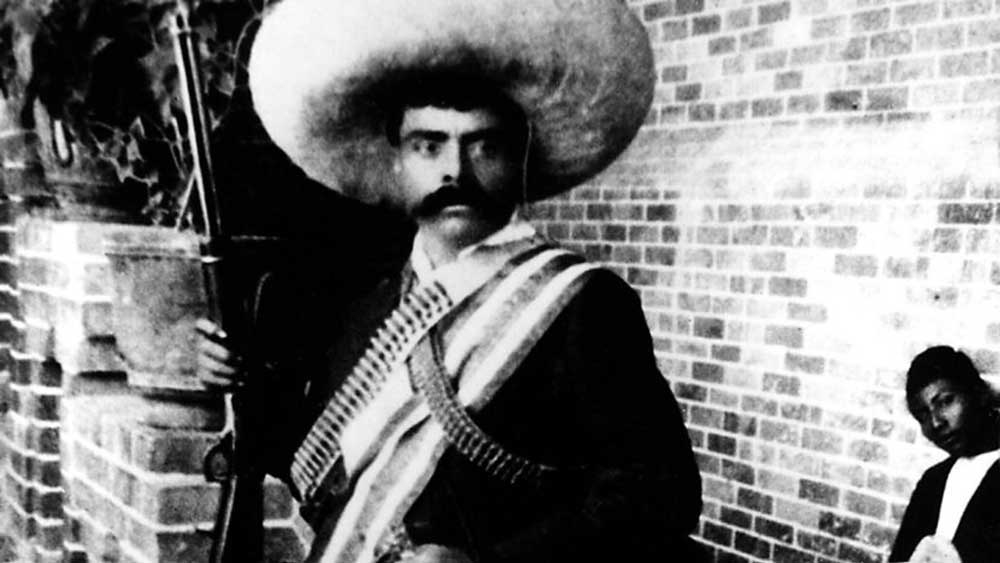
Emiliano Zapata is one of the most recognizable and enduring figures of the revolution. His character continues to be a revolutionary invocation, inspiring the more recent “Ejército Zapatista de Liberación Nacional” (Zapatista Army of National Liberation) uprising in southern Mexico. Though born into a moderately well-off family from Morelos—though nowhere near as privileged as Madero or other caudillos—Zapata’s humble upbringing and proximity to other disadvantaged peoples motivated his belief in change and justice.
Zapata didn’t initially lead the uprising from Morelos, but he quickly became its leader after gaining the trust of the people. He went on to receive many nicknames: the Southern Caudillo and the Attila of the South, among others. He was a highly controversial figure and more radical, believing in more dramatic changes and policies, in comparison with more moderate figures like Madero or Carranza.
The Army of the South, commanded by Zapata, was neither crucial nor useless for the success of the revolution on the national stage, but his movement in the state of Morelos and its surrounding regions became a clear example of a radical stronghold determined to defend its ideals even if it led to opposition against former allies.
El Primer Jefe: Venustiano Carranza Pursues Constitutional Order
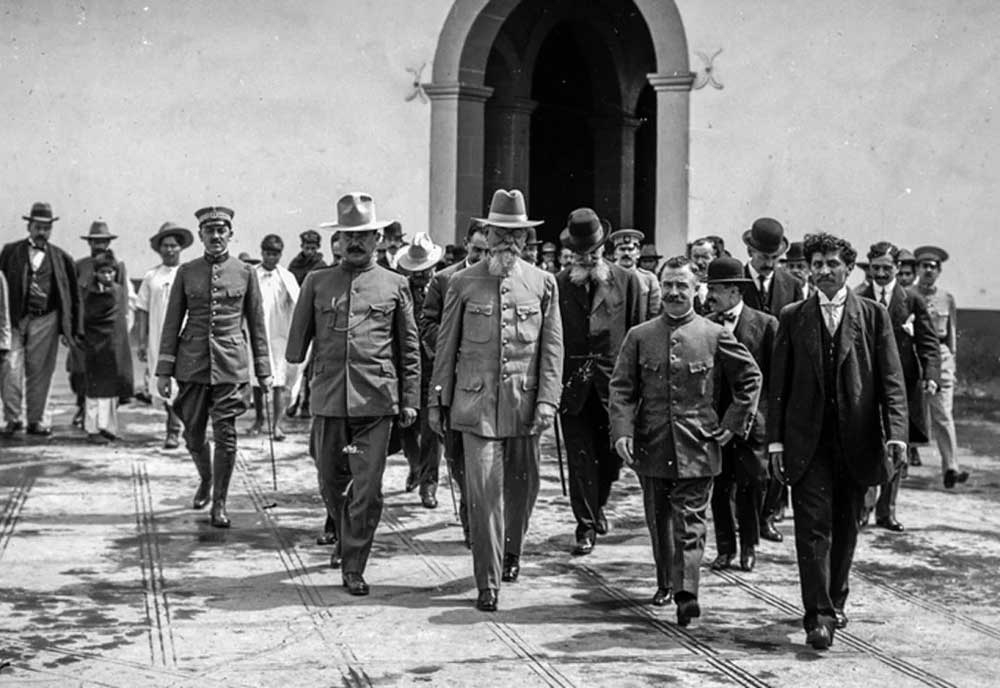
Once loyal to Díaz, Venustiano Carranza later went on to oppose the regime when he lost Díaz’s favor and realized he was better off siding with Madero. And though his motivations for siding with the Maderistas were certainly more complex, Carranza was first a politician and a businessman, not a soldier, hence his careful calculations.
The Huerta regime soon became a rallying point for all revolutionaries; rather than taking time to mourn Madero, they instead chose to rise in arms against the usurper. Carranza drafted the “Plan de Guadalupe,” which denounced Huerta’s authority and called for open rebellion against his government. Carranza became First Chief (el Primer Jefe) of the new army, the Constitutionalists, named after their belief in the restoration of the democratic order of the Constitution of 1857. Most revolutionaries joined the uprising and together defeated Huerta.
Carranza went on to become president, but he faced opposition from the Convencionistas, the combined factions of the Villistas and Zapatistas who fundamentally disagreed with Carranza’s ideas and rise to power. Once he began to face opposition from within his faction, it eventually cost him his life.
Álvaro Obregón Battles a Fracturing Revolution
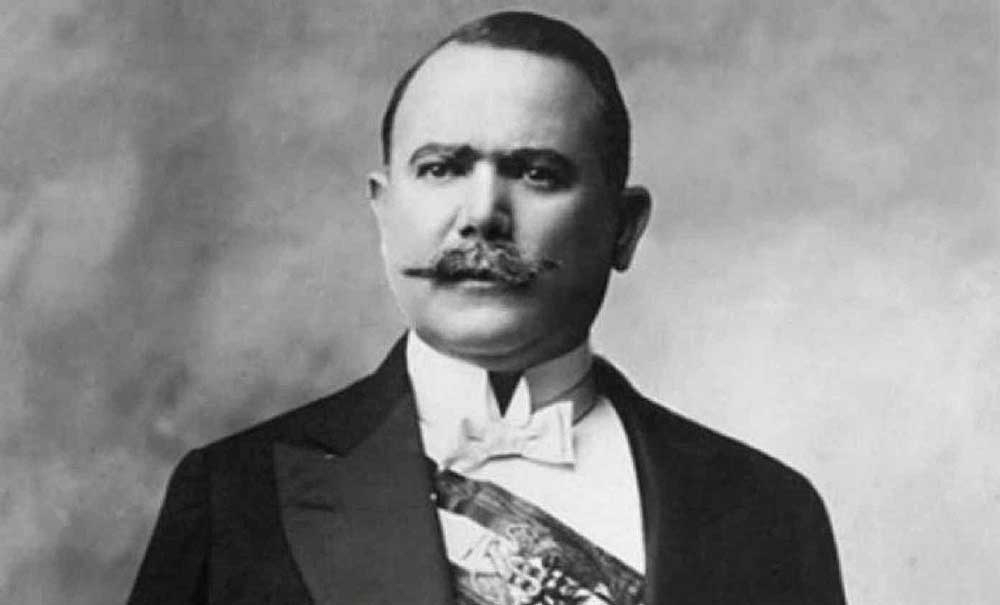
Another leader of the Constitutionalists, Álvaro Obregón, was a politician from the northern state of Sonora. Obregón first became a farmer but soon got his start in politics. When the revolution started, he sided with the Maderistas and supported Madero all throughout his administration. When Huerta seized power, Obregón joined Carranza in a rebellion against the usurper.
The Constitutionalists, together with the Villistas and Zapatistas, were able to defeat the new regime. Nevertheless, the common front that formed in opposition to Huerta soon broke apart; the Villistas and Zapatistas rebelled against the new government formed by Carranza. Obregón then became the military leader tasked with dealing with the inter-faction war. Obregón’s military leadership proved effective, defeating the Villistas after a difficult series of clashes in the Battle of Celaya that would cost Obregón his right arm, earning him the nickname “the One-Armed Man of Celaya.”
With the Villistas defeated, and the Zapatistas sent back to their stronghold in Morelos, the Constitutionalists consolidated power, but peace was short-lived. In naming an unknown diplomat as his successor, Carranza angered Obregón, who had ambitions of becoming president after him. Thus, the Constitutionalists faced their own split, with Obregón and Plutarco Elías Calles opposing Carranza, who was eventually killed when fleeing to Veracruz. Obregón rose to the presidency and even chose to later run for re-election, a move that earned him a great deal of judgment. Nevertheless, shortly after winning his second non-consecutive term in 1928, Obregón was assassinated by a Catholic fanatic who opposed the government of his predecessor.
Plutarco Elías Calles and the End of the Mexican Revolution
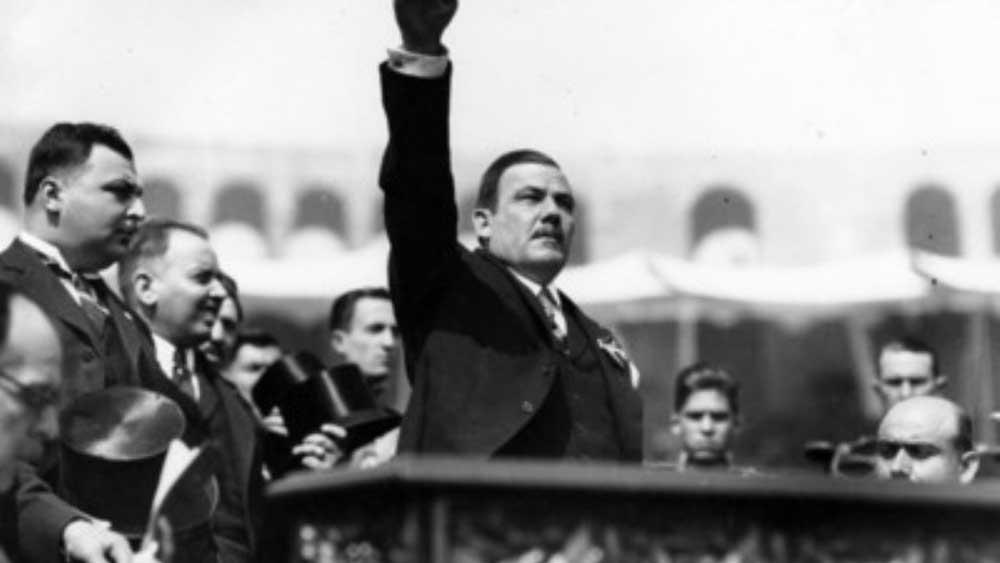
There is no official date for the end of the Mexican Revolution, but the presidency of Plutarco Elías Calles can be seen as its symbolic end, if nothing else. Calles was one of Obregón’s closest allies throughout the revolution. Though a military man, Calles’ true skill came in his political savviness. Born into a privileged family, Calles learned the political game from a very young age. When the revolution broke out, Calles sided with the Maderistas and remained loyal to them despite the uprisings against Madero. Once Madero was overthrown, Calles joined the Constitutionalists, remaining loyal … until he and Obregón betrayed Carranza.
In a speech delivered to Congress during his presidency, Calles proclaimed the end of the caudillo era and the beginning of the institutional period. Perhaps predictably, Calles became a caudillo in his own right, consolidating power and centralizing the Mexican government’s authority in the executive. He is generally held responsible for the outbreak of the Cristero War, a religious rebellion of Catholics opposed to the secular Calles’ government, which was antagonistic to the Catholic Church.
Calles also founded the National Revolutionary Party—ultimately rebranded the Institutional Revolutionary Party, or PRI—which went on to become the sole governing party in Mexico for over 70 uninterrupted years. Although driven by his political ambitions, Calles never ran for a second term, respecting anti-reelection sentiments and legislation in the country. Instead, Calles became a puppeteer, ruling over the country through submissive and obedient presidents during the period known as “El Maximato,” named after his sobriquet, Jefe Máximo de la Revolución (Supreme Leader of the Revolution). Calles’ power would ultimately fade when Lázaro Cárdenas, thought to be a loyal supporter, was elected president in 1934 and drove Calles into exile, fearing he would challenge his authority.