
The Glorious Revolution of 1688 was an important moment in British history, when the threat of royal absolutism was finally laid to rest, and a constitutional, parliamentary monarchy was established. Traditional narratives held that this was “bloodless.” Although William of Orange’s initial invasion met little resistance, the Revolution actually triggered periodic waves of bloody violence that did not end until the middle of the following century.
The March Toward Revolution: Charles I and Oliver Cromwell
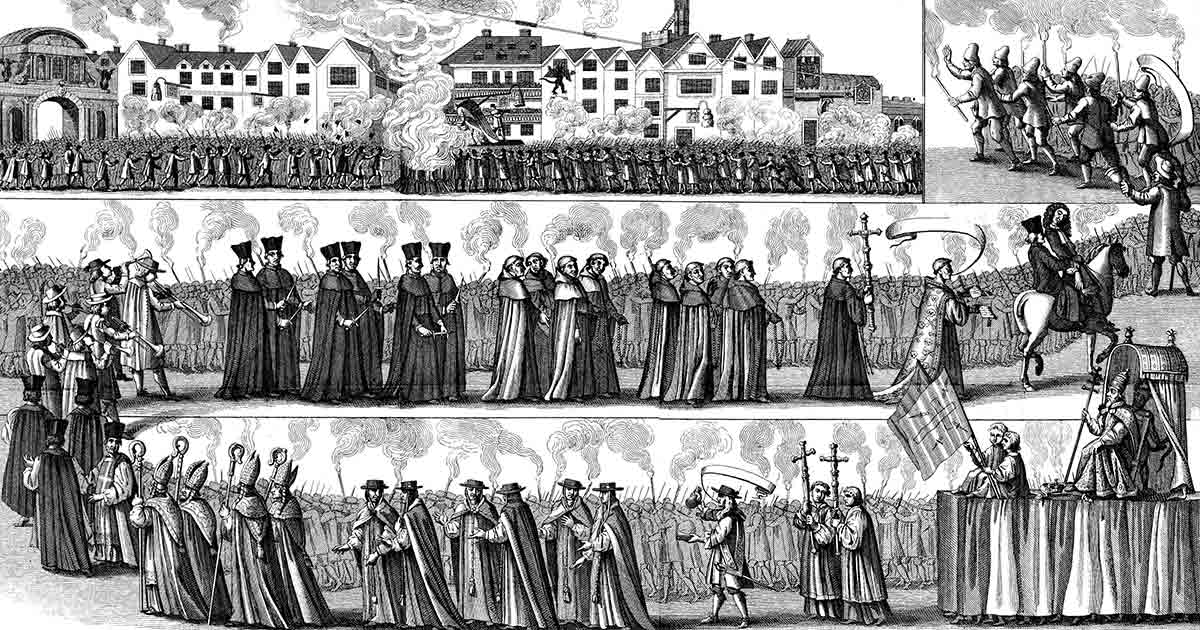
The Glorious Revolution is typically seen as the end of the period of religious conflict, political instability, and civil wars across the British Isles in the 17th century. The British Civil Wars of 1642 to 1651 were caused by the attempts of Charles I, the second king of the Stuart dynasty, to rule over both England and Scotland, and to reassert more personal control over the government against a trend of increasing parliamentary influence. This was tied to a perception that Charles was introducing more “popish” Catholic practices into the reformed Protestant churches of England and Scotland.
This was not a phenomenon unique to Britain. France also saw a series of bloody internal conflicts in the same period with similar causes. The British wars ended with Charles executed, his sons exiled, and the British Isles ruled by a republican government dominated by Oliver Cromwell. This government was fiercely anti-Catholic but tolerant of most forms of Protestantism. The political uncertainty following Cromwell’s death led to the restoration of the monarchy under Charles II in 1660. However, tension between Parliament and the Crown did not entirely subside.
Religious Tensions Under Charles II and James II
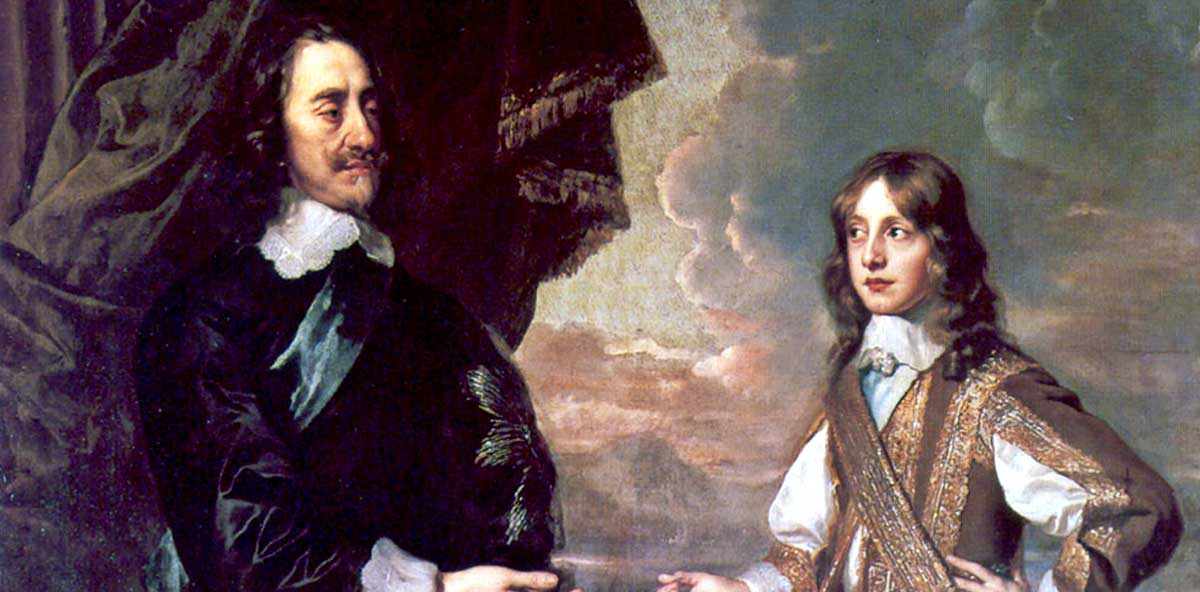
In France, the absolutist tradition won out, embodied in the rule of the “Sun King,” Louis XIV, from his elaborate court at Versailles. Charles I’s sons were heavily influenced by Louis’ ideas and style while in exile. Charles II was canny enough to wait until his deathbed to convert to Catholicism. His younger brother James, and heir apparent since Charles had no heirs, had been openly Catholic for years. The Whigs in parliament, the spiritual heirs of the civil war parliamentarians, pushed for James to be removed from the succession. The Exclusion Crisis ended when Charles called their bluff in 1681 and dissolved parliament.
When Charles II died in 1685, though, James ascended to the throne as James II of England/VII of Scotland. But this did not guarantee a revolution. A small revolt in favor of Charles’ illegitimate but Protestant son, the Duke of Monmouth, failed miserably. James swiftly introduced measures to increase royal authority over local government, threatening the gentry’s influence. He surrounded himself with Catholic favorites and pushed for legal disadvantages against Catholics to be removed. James also ignored the English tradition of not maintaining an army in peacetime by enlarging his standing army, triggering memories of Cromwell’s New Model Army and fears that it would be used to force Catholicism on the country. In 1686, he sought to purge those who opposed his plans.
The Glorious Revolution: William of Orange
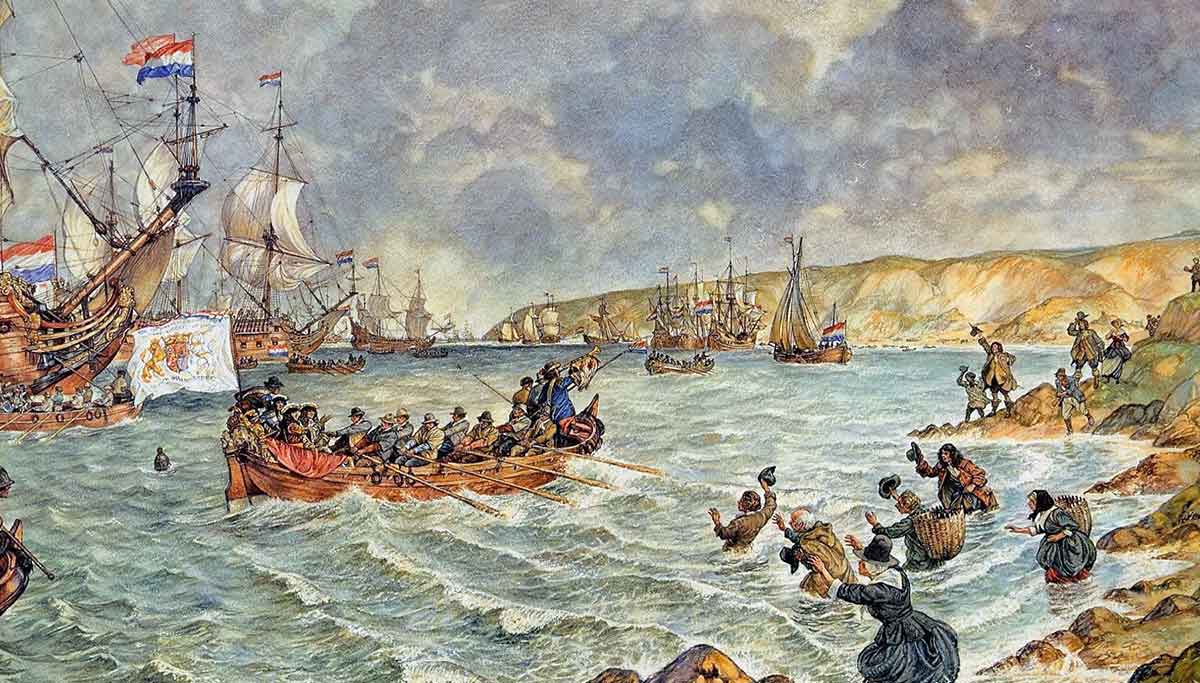
The consolation for James’ opponents and the wider country was that his daughters from his first marriage, Mary and Anne, were both Protestants. This changed when James had a son, James Edward Stuart, by his second wife and baptized him Catholic. The prospect of a Catholic dynasty was too much for a large part of the country’s elite. On June 30, 1688, seven noblemen, known as the Immortal Seven, sent a letter to the Protestant Dutch king, William of Orange, who was married to James’ daughter Mary, inviting him to seize governance of England.
William assembled a fleet and landed symbolically on Guy Fawkes Day, November 5, at Torbay in the southwest of England. Initially confident in his army’s superior numbers and loyalty, a number of James’ key generals quickly defected. Though he retained numerical advantage, James lost his nerve. On December 11, James attempted to flee, throwing the Great Seal into the Thames. He was captured in Kent by fishermen and placed under Dutch guard. William had no interest in making a martyr of him and allowed him to escape to France.
The Final Settlement: The Bill of Rights
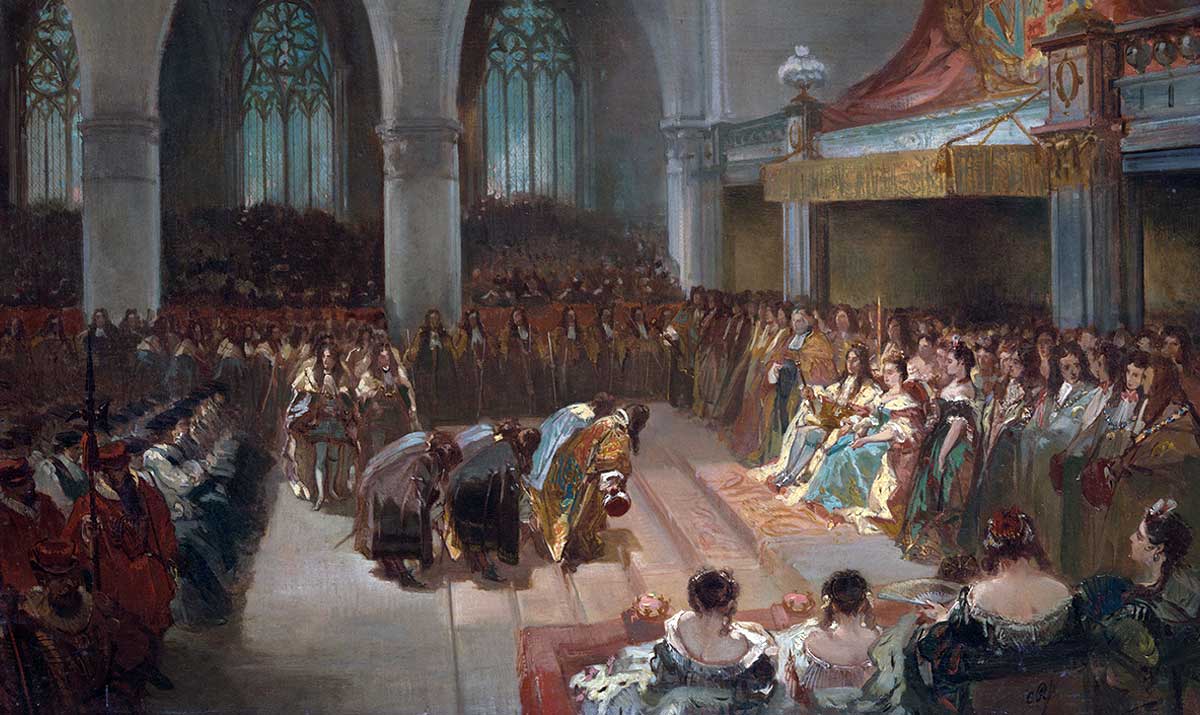
The following month, Parliament declared that James’s fleeing the country was effectively an abdication and offered the throne to William and Mary as co-monarchs. The Scottish parliament followed suit in April. A Bill of Rights was issued in the English parliament that accused James of being tyrannical and set out a series of restrictions on royal authority. Scotland passed a similar law later that same year.
Although the Bill of Rights appears modest today, it was considered sacred for centuries in England. Its authors, though influenced by political philosophers such as John Locke, legitimated the Bill by claiming it was only codifying long-established “ancient rights and liberties.” The Bill asserted parliamentary supremacy, banned taxation not authorized by Parliament, protected free elections and free speech within Parliament, restricted the ability of monarchs to raise armies without parliamentary consent, and prevented monarchs from arbitrarily suspending laws.
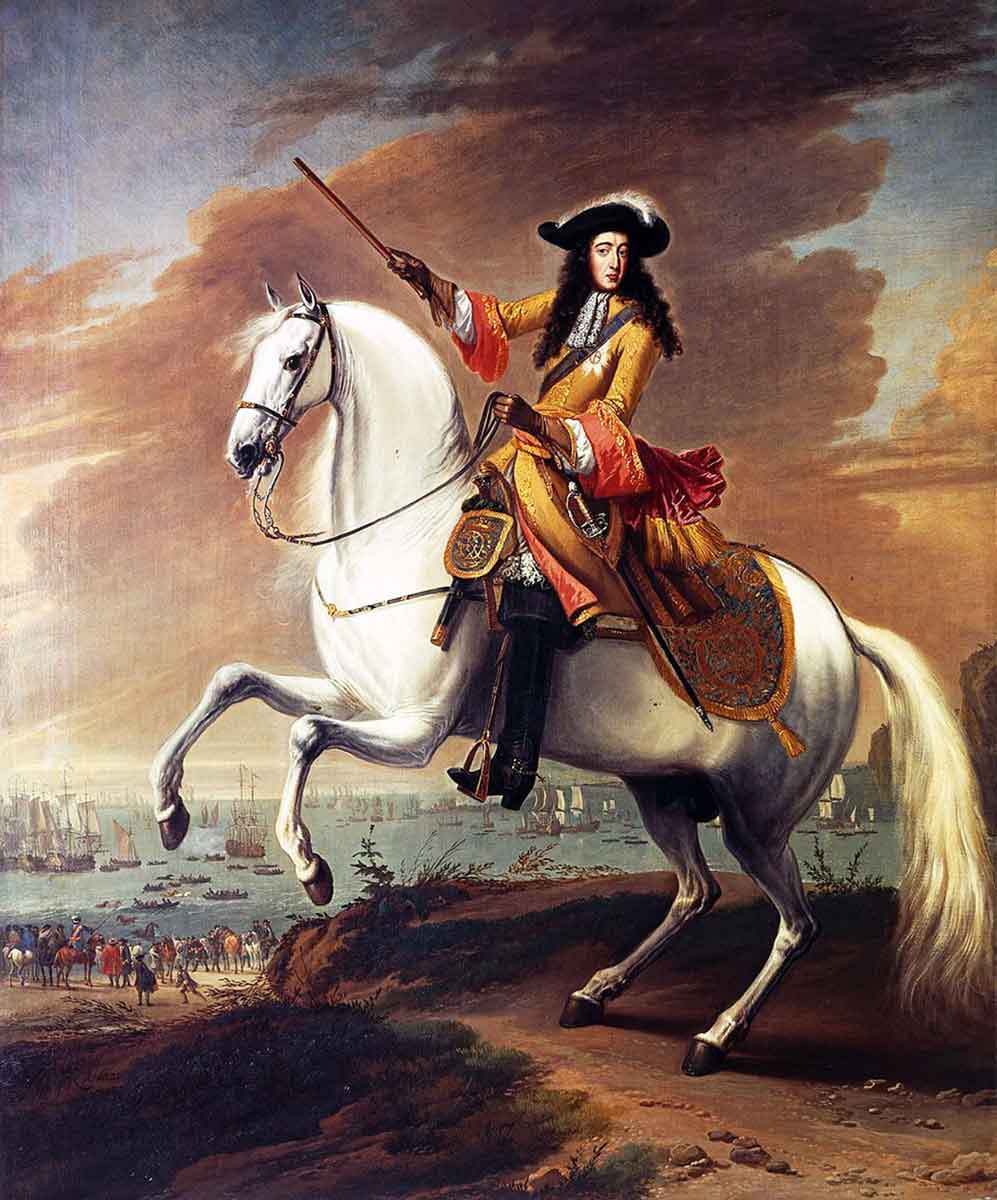
William, despite some tensions with Parliament, largely abided by the Bill of Rights. Mary died childless in 1694. The Bill originally provided that the succession would follow William and Mary’s children, or if they had none, the offspring of Anne, or failing that, any children of William by a subsequent marriage. William did not remarry, and Anne’s only living child died in 1700. This meant that James II’s son was the logical heir.
To prevent the return of the Stuarts, Parliament passed an Act of Settlement in 1701 barring Catholics from the throne and appointing Sophia of Hanover, a granddaughter of James I, and her descendants as the successors. By the time of the Act of Union in 1707 between England and Scotland, Great Britain had a clear constitutional settlement: a Protestant but limited monarchy, acting largely with the consent of a parliament that was only growing more influential.
Superficially, it appeared that Britain had overcome its struggles with religion and politics, and that a clear consensus had been reached by bloodlessly removing a troublesome king. In reality, the settlement had been bitterly contested and enforced in some parts of the British Isles since the beginning.
The London Riots
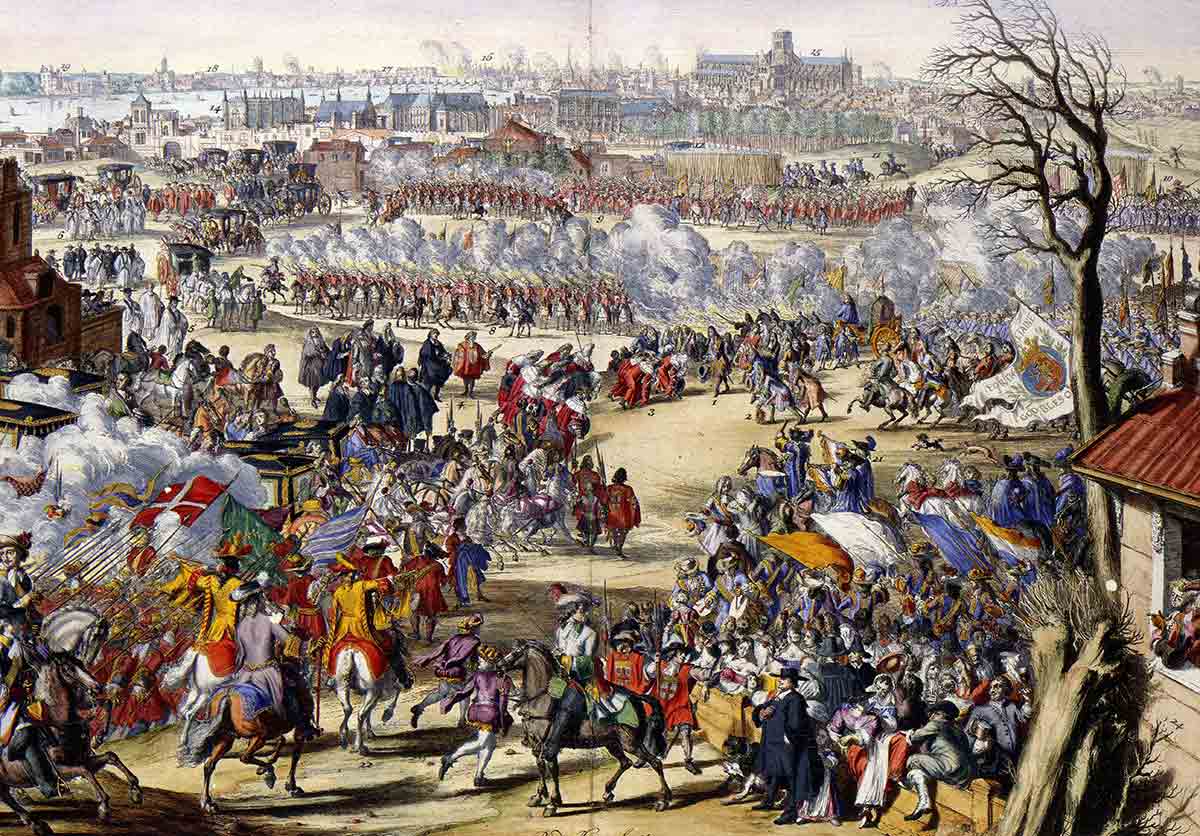
When James decided to flee the capital, it was rightly assumed by a large part of the population that he was escaping to rally loyal forces and aid from France and the Irish Catholics. Fears of a Catholic army in the febrile atmosphere quickly led to violence. The violence was directed against lingering symbols of Catholicism left in the country: the residences of known Catholics, suspected Jesuits, and any printing firm associated with the “propaganda” of James II. Even the Sardinian and Spanish embassy chapels were looted and the buildings destroyed.
James had made no arrangements for law and order upon his departure. The Earl of Rochester, a senior figure in the government, took the initiative and rallied members of the Privy Council and City of London to restore order. He also advised the Earl of Northumberland to summon his guard and declare for William, signaling to the crowd that the government was not backing James but would not countenance disorder. Nevertheless, it took them two days to suppress the mob. Fear of violence did not fully subside until William arrived in London.
Scotland: The Forgotten Theater
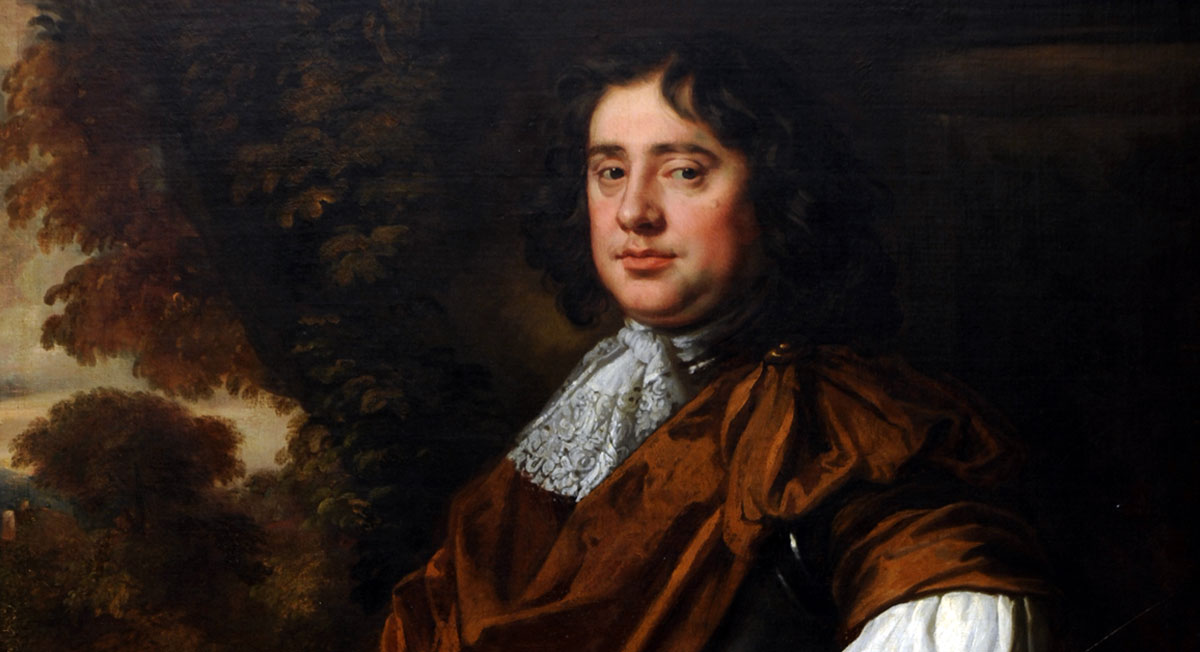
Most traditional narratives of the Revolution focus on England, where William landed, and James fled. Despite sharing a monarch, Scotland was still an independent country at the time with its own parliament. But shared religion with England, and the shared experience of the civil war and its aftermath meant that the two countries often moved along parallel lines. It followed England in recognizing James’ abdication and passing its Claim of Right.
Scotland was also becoming more internally divided. There had always been a division between the fertile southern lowlands of the country and its more remote northern and western reaches. The lowlands had an agricultural and town pattern not unlike much of England. They spoke Scots, an English dialect, reflecting the English ancestry of many of its inhabitants and the strong links with the English north. This region tended to be more fervently Protestant and in favor of the Presbyterian tradition of the Church of Scotland, a tradition that both Charles I and James II tried to alter by imposing Anglican and Catholic-style bishops.
The north and west of Scotland were more diverse. Some spoke Gaelic dialects, lived a more traditional clan-based way of life, and the areas were generally more pastoral and much poorer. Their remoteness and family structures also meant that Catholicism had clung on more firmly, although its adherents were still very much a minority.
The Jacobite Risings
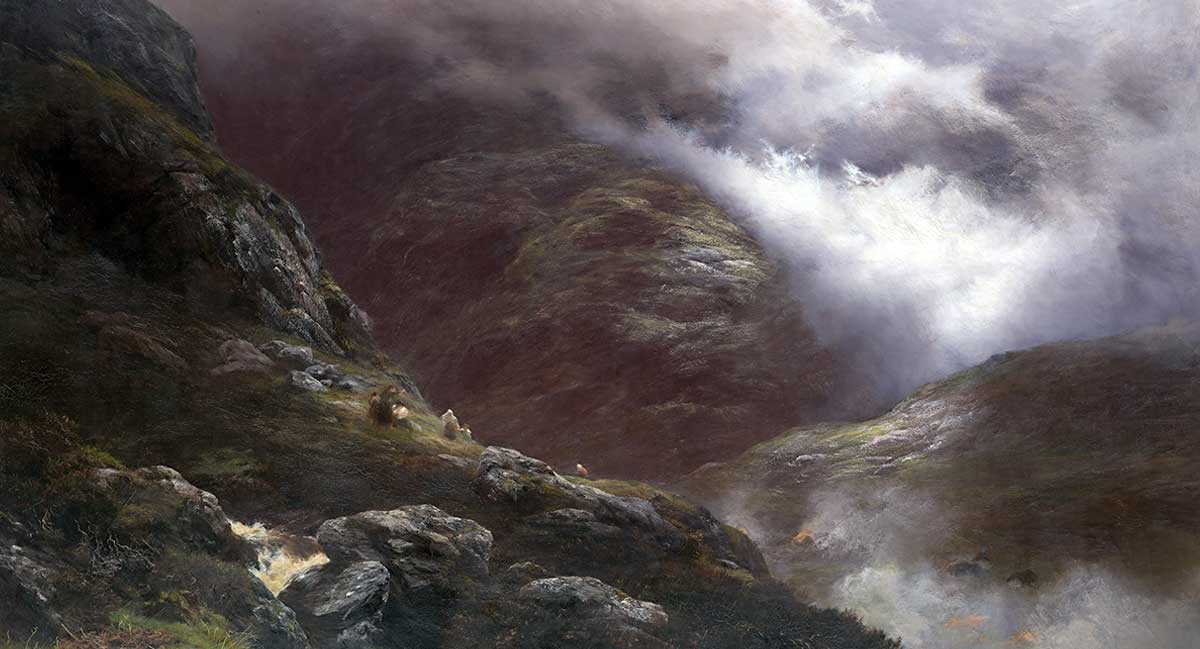
Some modern advocates of Scottish independence depict the Jacobite rebellions that were to follow the Glorious Revolution in Scotland as examples of the Scottish elites and people resisting English domination. In fact, the rebellions were more like Scottish civil wars, reflecting the country’s structural linguistic, economic and geographical divisions. As such, there was violence both in support and in opposition to the Revolution in Scotland in the aftermath. For example, on Christmas Day in 1688, the “Rabbling of the Curates” saw Presbyterian “Covenanter” mobs force their way into church buildings and homes to eject episcopal clergymen from their parishes. The violence was focused in the lowlands and southwestern Scotland.
In contrast, the initial Jacobite rebellion in 1689 led by the Viscount of Dundee mainly consisted of men from the Highlands. They hoped that military victory would bring wider support. They did win at the Battle of Killiecrankie in July, but they suffered heavy casualties, and Dundee was killed, effectively ending the viability of their cause. The government promised payments if Highland chiefs swore oaths of allegiance to William and Mary. Alexander MacDonald, chief of the Glencoe MacDonalds, was late responding to the oath deadline of January 1, 1692. A decision was made to make an example of him, but this appears to have been driven by longer-term resentments and rivalries within local politics. The massacre of Glencoe was carried out by Scotsmen against other Scotsmen. About 30 people were killed, and most of their property and farms were destroyed by the Earl of Argyll’s men.
Bonnie Prince Charlie
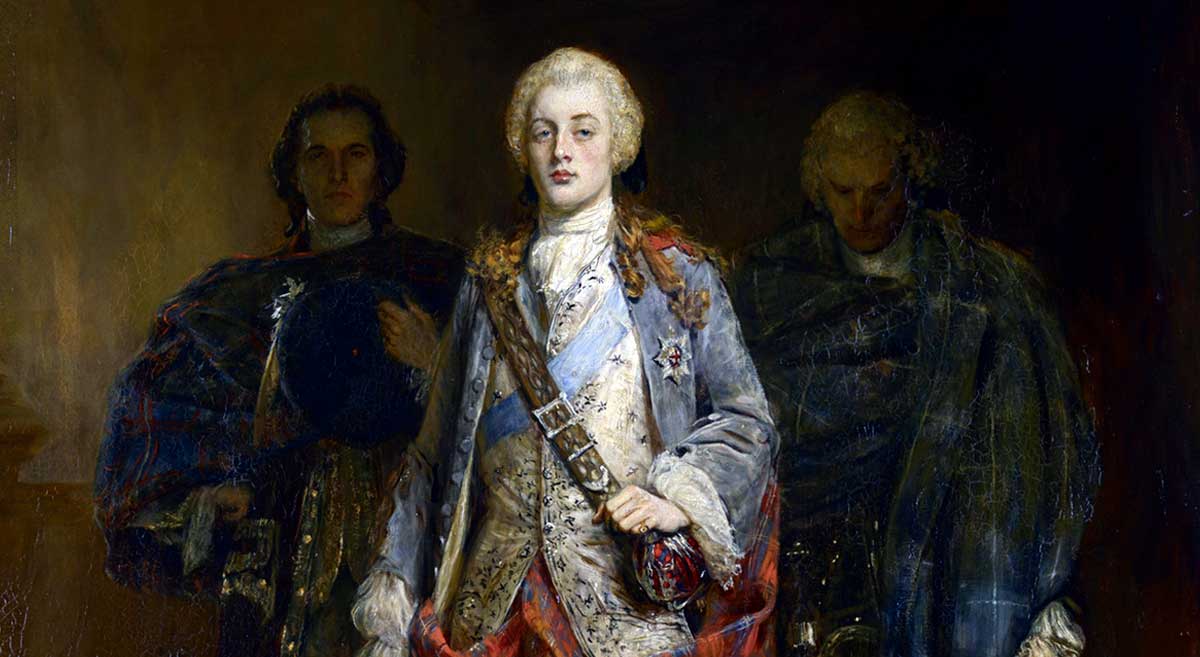
The Jacobite cause would not die in Scotland. In 1715, following the accession of George I of Hanover, the Earl of Mar attempted an uprising with 6,000 men in favor of James Edward Stuart. The move looks to have been at least partly motivated by his falling out of favor at the royal court. Although he initially made good progress despite a lack of popular enthusiasm, the army was stopped at Sheriffmuir by another Duke of Argyll, and the revolt lost momentum and dissipated. By the time James made landfall in Scotland, it was already over.
The more famous rebellion took place 30 years later, this time led personally by James’ son, “Bonnie” Prince Charles Stuart. Although typically viewed as an internal British issue, the rebellion was actually a part of the wider War of Austrian Succession, with the Young Pretender backed by France. Again, the rebellious army made good progress at first, reaching as far south as Derby, triggering panic and riots in London. However, the leadership lost confidence in the promised French landing in the south of England and wide support from England was not forthcoming. Faced with superior English and mercenary forces returning from the continent, the Jacobites retreated, harried as they did so. They were finally conclusively beaten at the Battle of Culloden by the Duke of Cumberland. Charles escaped, the rebellious captured nobles were executed, and the government began improving military infrastructure in Scotland and repressing Highland identity. Jacobitism as a political force was dead.
Ireland: A Long Legacy of Violence
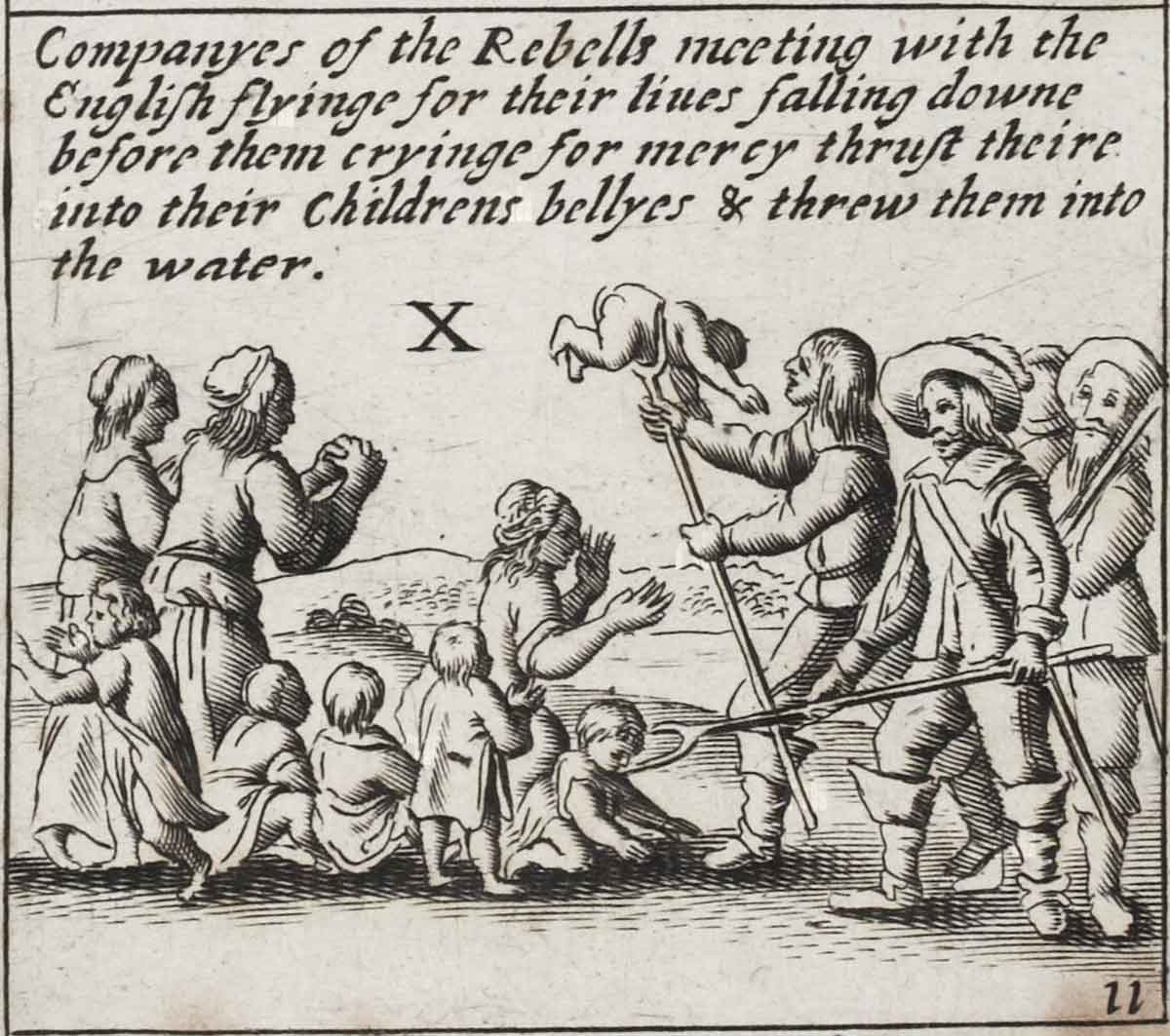
Unlike the rest of the British Isles, much of Ireland remained stubbornly Catholic. The “Old English” medieval settlers increasingly identified more closely with the native Irish in religious terms than the newer Protestant “plantation” settlers. As such, it featured vividly in the Protestant anti-Catholic imagination of the period, particularly the sensationalist imagery of the Irish uprising of 1641. Perhaps as many as 12,000 settlers were indeed killed by Irish rebels, including women and children. Pamphlets and woodcuts spread across mainland Britain sensationalizing the violence, with some notorious drawings showing Irishmen roasting babies on pikes and spits.
Therefore, the threat of a Catholic Irish army attacking Protestants on the mainland was a visceral fear. Charles I’s attempts to rally a Catholic Irish army sealed the army’s fate. Rumors frequently swirled that James II had similar plans. He had been confident enough in the loyalty of his fellow Catholics in Ireland that he moved 40% of the Irish army to the mainland in 1688 in anticipation of William’s invasion. This triggered disloyalty in his English units and spread mistrust in the rest of the population.
Following William’s landing, James II moved an Irish regiment to Reading to block William’s advance. This was a foolish, desperate move in the atmosphere of the time. The locals, fearing the Irish would turn on them, sent requests for William to come to their aid. A contingent of Dutch soldiers was sent. As they attacked, the locals themselves began firing on the Irish soldiers from their windows. Estimates of the Irish dead are uncertain, but it could have been as many as 50 for only two Williamites.
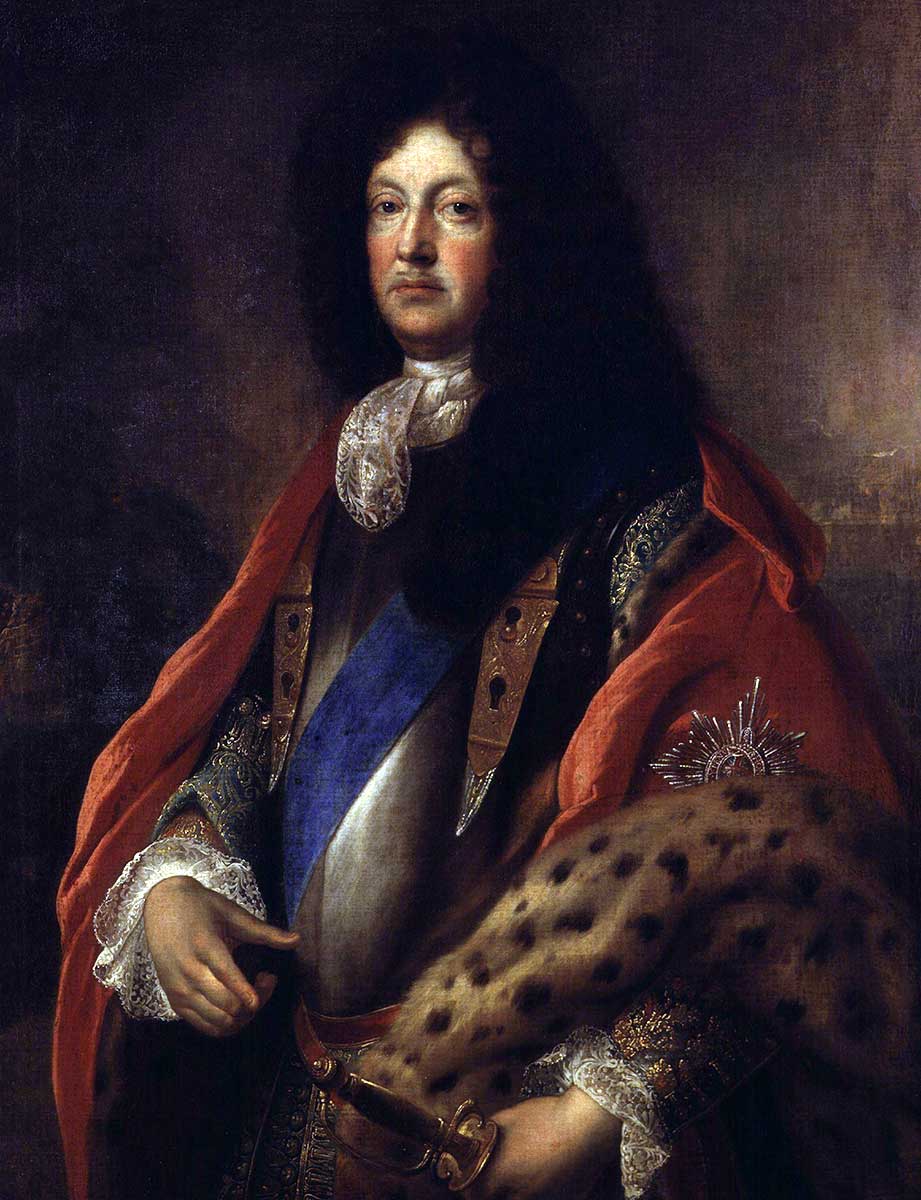
Although a relative skirmish in the larger picture, the Battle of Reading set the scene for what was to come. Following James’ escape, much of Ireland expected a rebellion. Both Protestants and Catholics began leaving the countryside and fleeing to what they assumed would be the safety of towns and cities such as Dublin and Derry. Sure enough, James landed on March 12 at Kinsale with English, Scottish, and Irish volunteers, plus a contingent of French soldiers, to meet with the loyal head of the Irish army, Richard Talbot, 1st Earl of Tyrconnell. William capitalized on this fact by declaring it a proxy French invasion, joining England in the Grand Alliance of Augsburg against France in the ongoing Nine Years’ War.
James’ Jacobite forces initially made gains while the Williamite government made plans to move more men and resources to the island. But the Jacobites failed to make the most of their advantage. Their reluctance to move into the east of the country allowed loyal regiments and their supplies to be moved easily into Ireland from the mainland, and the tide began to turn. The campaign was a miserable one for both sides. Living off the land was nearly impossible in a country as poor as Ireland was at the time. Deaths from disease and exposure were as common as those by enemy action.
The Bloody Theater of the Boyne
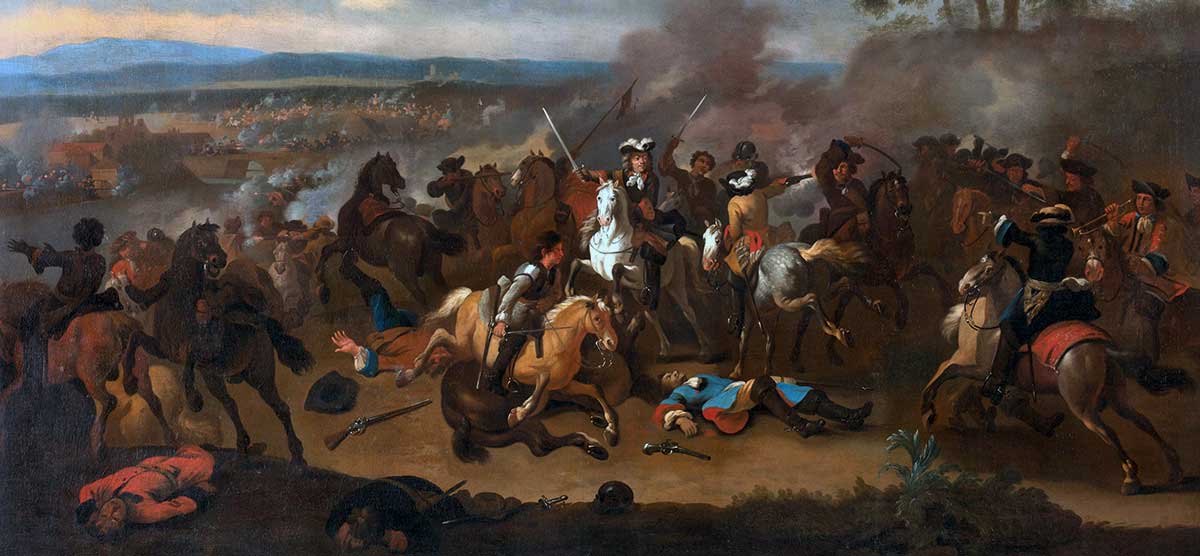
In 1690, William bowed to pressure from the English parliament to end the Irish war as quickly as possible and took personal charge of the campaign. The Jacobites had taken what they considered a strong defensive position near Drogheda along the River Boyne. However, their looting of crops and livestock had devastated the local peasantry and the army was increasingly demoralized. On July 1, William crossed the river at several points. The Jacobite army quickly retreated, but the battle was not decisive. Only 2,000 men died in the battle that day.
William was soon drawn back to England to guard against a feared French invasion. His army continued to drive the Jacobites back but faced fierce fighting. The final surrender had to wait until October of the following year (1691). Although the Treaty of Limerick guaranteed Catholic freedom of worship in Ireland and protection for those who swore an oath of loyalty to William, many Irish Jacobites took the opportunity to go to France and join Louis XIV’s army.
This secured the Protestant Ascendancy in Ireland until the 20th century. The Battle of the Boyne itself has become a focal point for Irish Protestant mythology, and the Orange Order focused on securing Protestant rights in Ireland and later Northern Ireland for decades. Loyalist paramilitaries to this day still lionize William as a symbol of their resistance to Catholicism. The anniversary of the battle sees the Orange Order march through Belfast, and is typically a trigger for sectarian violence. In a sense, blood is still spilled in the streets of Derry and Belfast in the name of the Bloodless Revolution to this day.
Why the “Bloodless” Revolution?
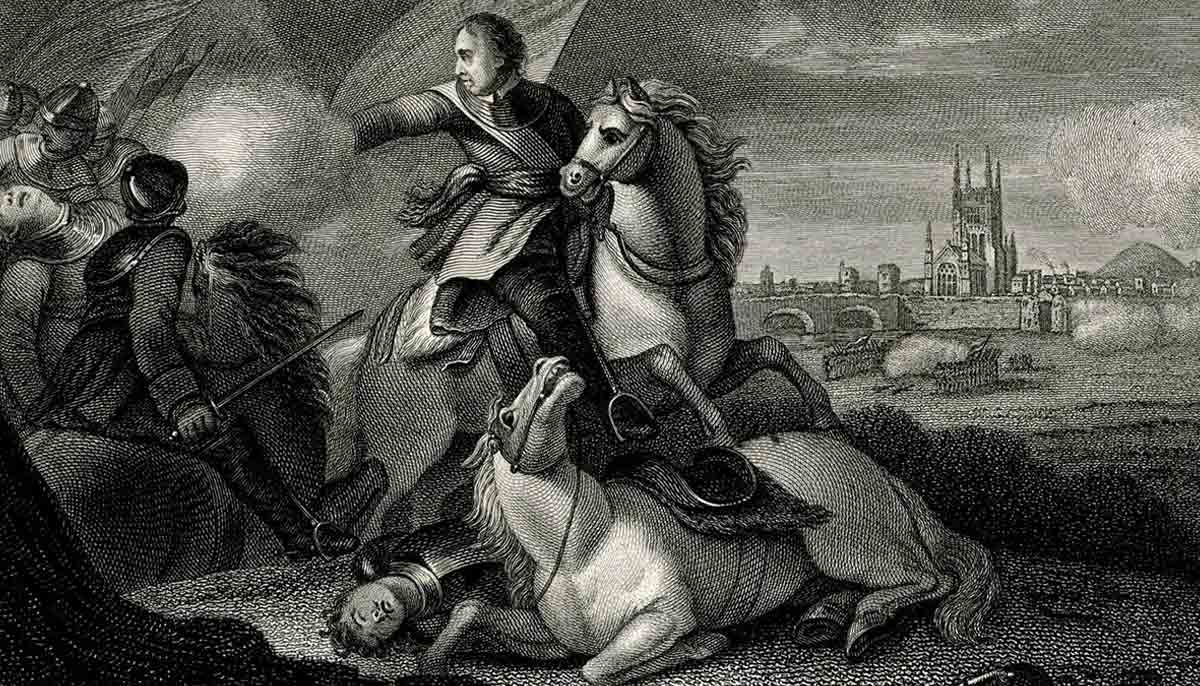
If the Glorious Revolution triggered waves of violence for the next century, why is it often described as bloodless? Firstly, strictly speaking, the Revolution itself, if defined as the landing of William of Orange in November 1688 to the issue of the Bill of Rights and Claim of Right the following year, was much less violent than other revolutions, both before and since.
The British Civil Wars had been bloody exercises, ending in regicide. Subsequent revolutions have also tended to be bloodier. More than 75,000 British, Americans and Hessians died in the American Revolutionary War, without even counting the Native American fatalities, which are difficult to quantify. Around 40,000 people were killed in the French Revolution by the state alone, not including the many thousands more killed in the wars that followed. Perhaps as many as 12 million were killed in the Russian Revolution and Civil War.
This, in part, is because the Glorious Revolution was smaller in scope. While it had strong populist support, it was facilitated by a small group of elites who saw themselves as consolidating the existing system rather than creating something new. Consequently, it did not create the same social fissures.
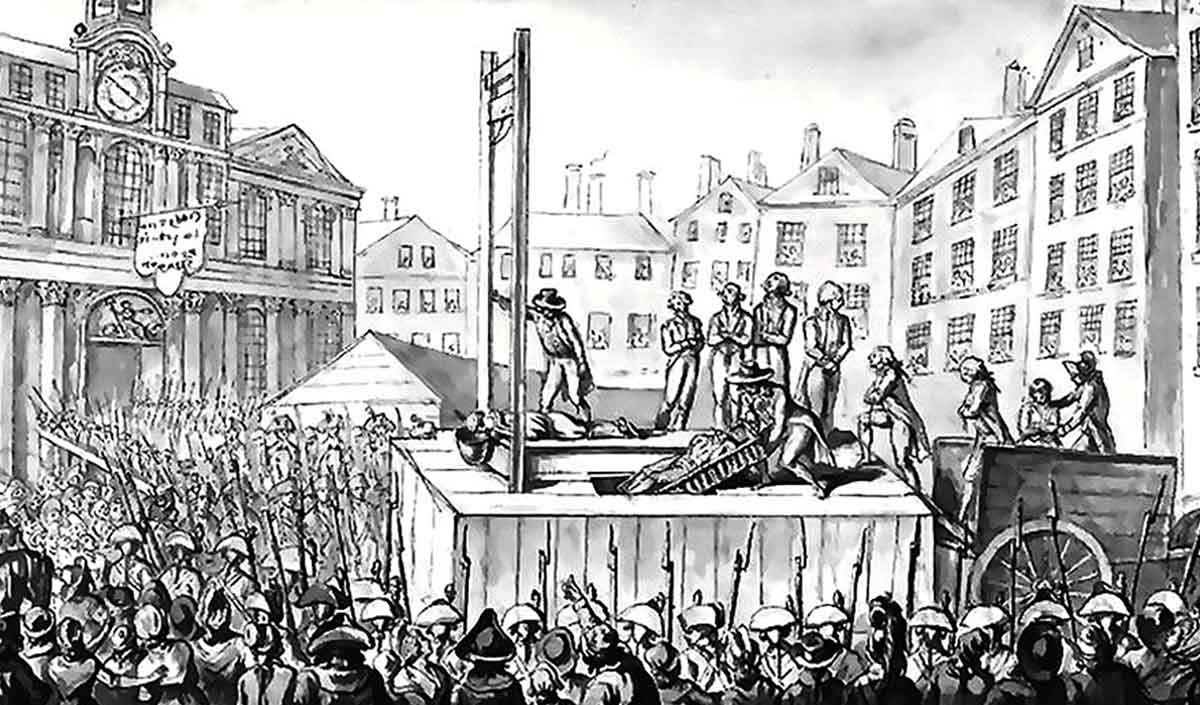
The real reason, though, is historiographical tradition. Many of the pioneering writers of English and British history in the 18th and 19th centuries, a time when Britain was powerful and rich, were members of an establishment that saw the Glorious Revolution as the culmination of a long story and the foundation of contemporary British success—the so-called “Whig Interpretation” of history. It was therefore in the interests of historians to present the Revolution as gentle. Similarly, the very bloodiness of the French Revolution and the chaos it wrought across Europe encouraged writers to contrast it with the relative lack of violence of 1688.
Moreover, historians often gloss over the role of Ireland in the Revolution. This stems both from British historians who have sought to avoid the controversy and complexity of Irish history, and Irish historians who wish to define the country’s history in its own right, distinct from that of England. The result is that the most violent after-effects of the Revolution have often been excluded or only discussed briefly. Focusing on the constitutional implications and the more romanticized Jacobite rebellions is simply much cleaner and easier.
However, this diminishes the Revolution and silences the stories of those who died. Britain did secure a new constitutional settlement that, arguably, has endured ever since. But this was achieved through an armed invasion, popular riots and violence in Ireland and Scotland. Expanding our field of vision both territorially and temporally shows that the Glorious Revolution was far from bloodless.
Sources
- Grant, A., Stringer, K. (ed.) (1995) Uniting the Kingdom? The Making of British History (Abingdon)
- Macaulay, T.B. (1848) The History of England from the Accession of James the Second (London)
- Prall, S. (1972) The Bloodless Revolution: England, 1688 (Garden City, N.Y.)
- Szechi, D. (1994) The Jacobites: Britain and Europe, 1688–1788 (Manchester)
- Wills, J.E. (2002) 1688: A Global History (London)