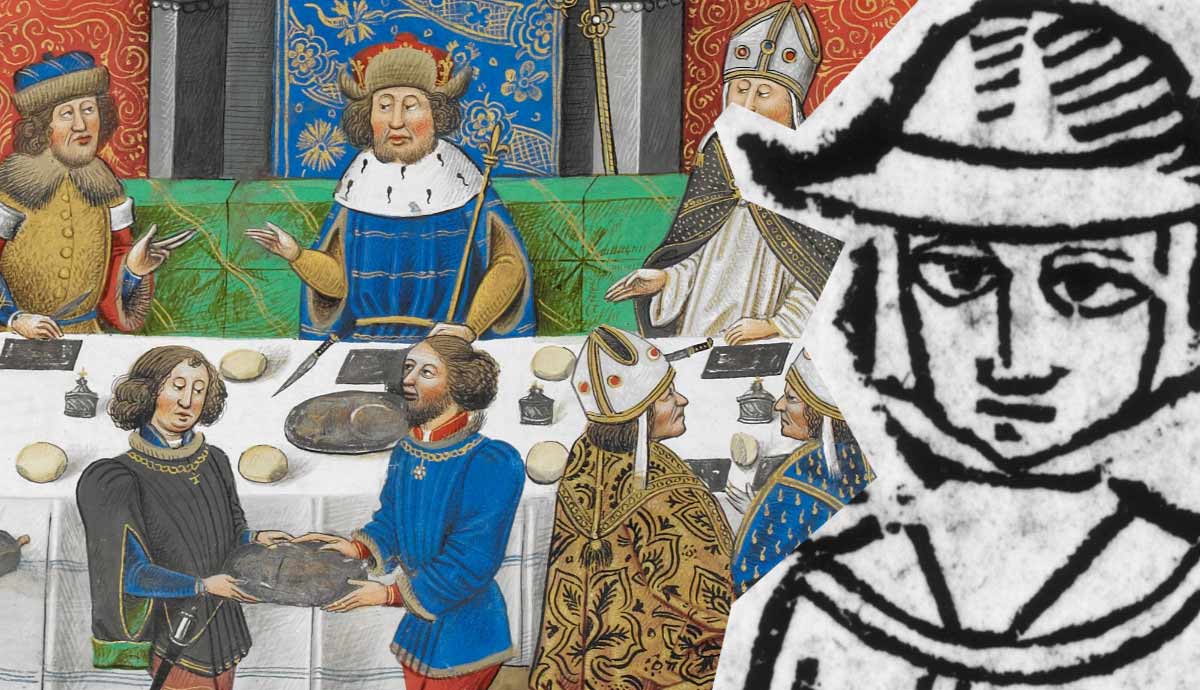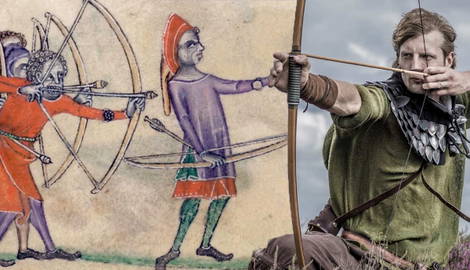

The story of Robin Hood participating in an archery contest is one of the most iconic scenes from Medieval England. Archery contests were very common in England in the Middle Ages, thanks to laws demanding that many men own bows, and commit to practice or competitions every Sunday. This was a strategic military move, as the English leveraged the longbow to combat the larger armies of empires such as France. Archery contests were part of a broader strategy to train teams of bowmen for the English army.
England’s Advantage
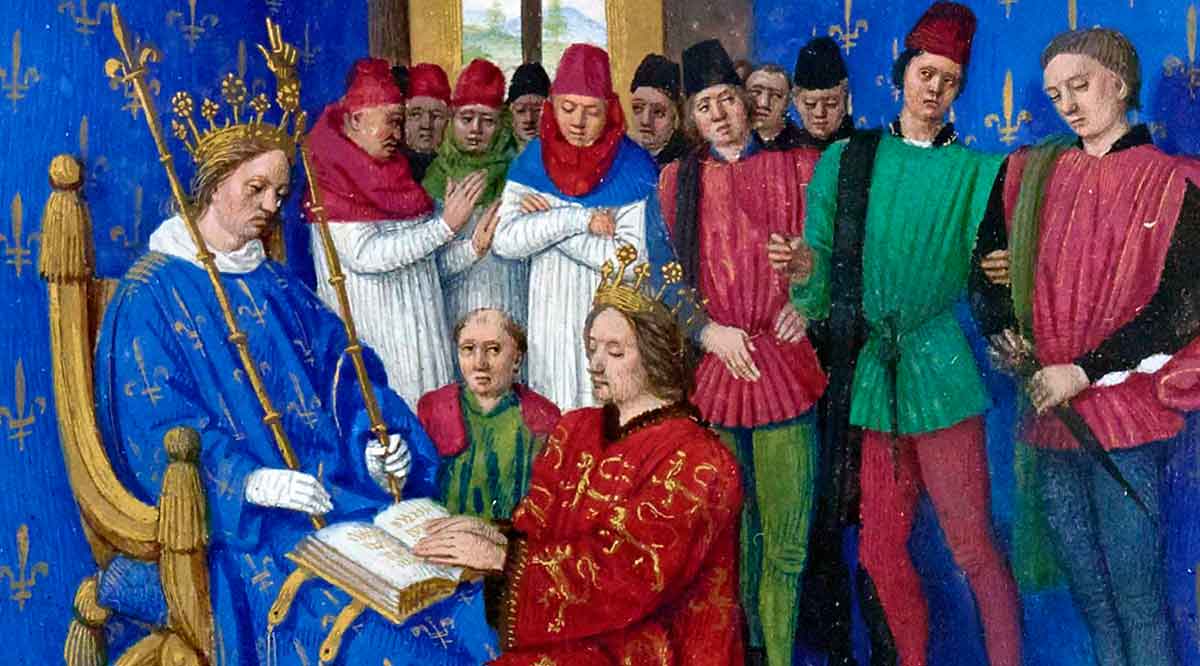
Although prosperous, in the Middle Ages, England was very much a “middle” power in Europe. It was smaller, less rich, and less militarily powerful than France and the Holy Roman Empire. Further, since the time of Edward I (r. 1272-1307), France was allied with Scotland, meaning England would face war on two fronts if it ever went to war with France. Yet, the national mythology is full of famous victories over the French and Scots at the likes of Crécy, Flodden Field, Poitiers, and Agincourt.
Conscious of their natural inferiority, English rulers, following the fall of the Angevin Empire, consciously adopted two strategies to punch above their weight. The first was alliances, taking advantage of France’s internal structure of powerful regional nobles to build coalitions against the country’s kings. The second was a technological innovation that would give the English an advantage over their contemporaries, similar to the impact of the Gatling gun for the 19th-century colonial powers or Bletchley Park in the Second World War.
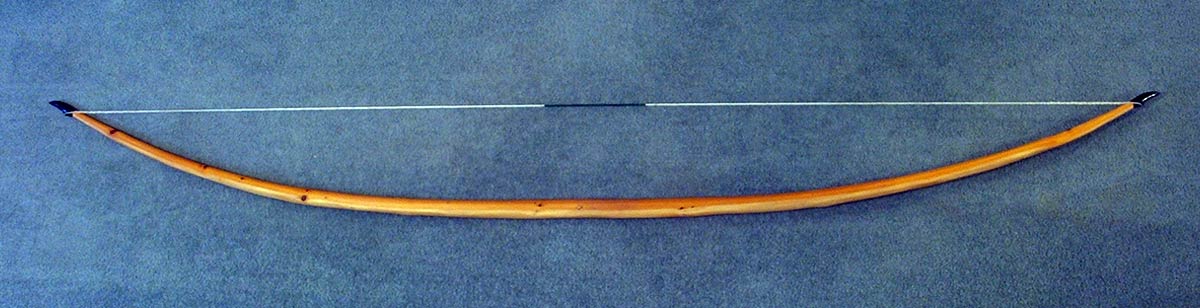
That innovation was the longbow, so-called because it was typically six feet long. Its exact origins are unclear. Archery was already common in English warfare before its introduction. Archers had been present in the Norman army at the Battle of Hastings. The Welsh became notorious for their effective use of archery against the English from the 12th century, and Welsh archers became consistent components of English armies thereafter. Edward I appears to have been the first to combine them effectively with infantry and cavalry in his wars against the Scots. It was at this point, sometime in the early 14th century, that the longbow began to emerge as a weapon of war.
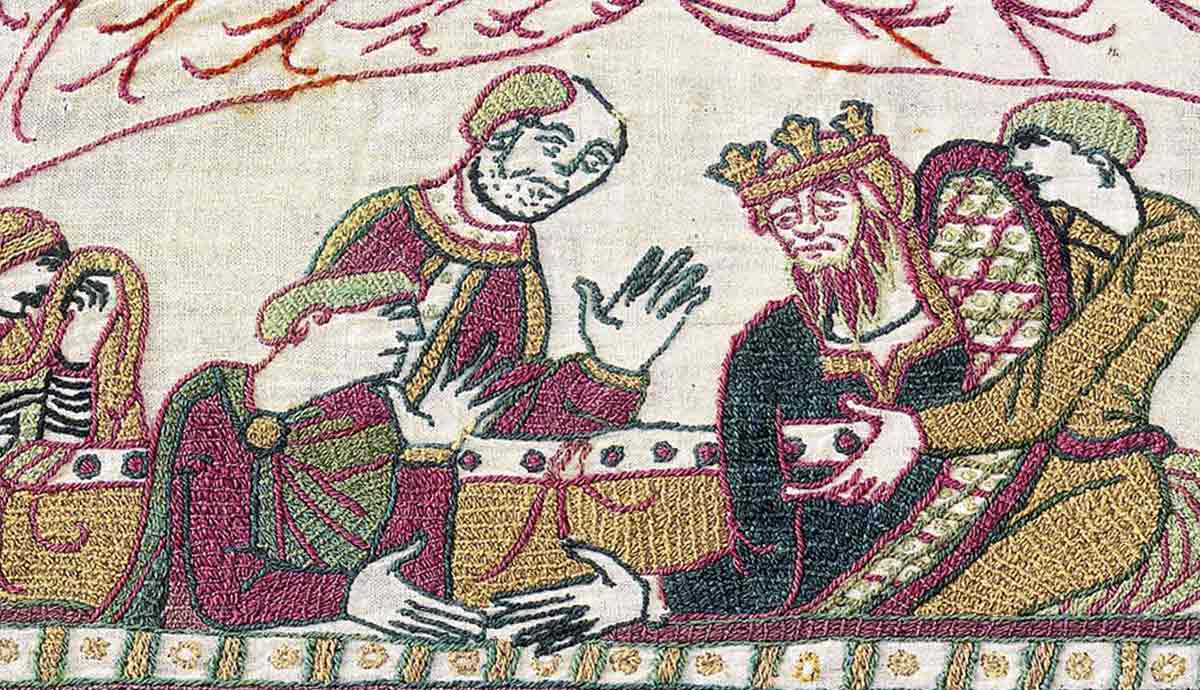
At the Battle of Hastings, the English leader, King Harold Godwinson, reportedly took an arrow to the eye, as depicted on the Bayeux Tapestry. But this seems to be a later invention designed to suggest he received divine punishment for perjury. Contemporary sources suggest that four Norman knights hacked him to death in a combined targeted attack.
Archery Proves Decisive
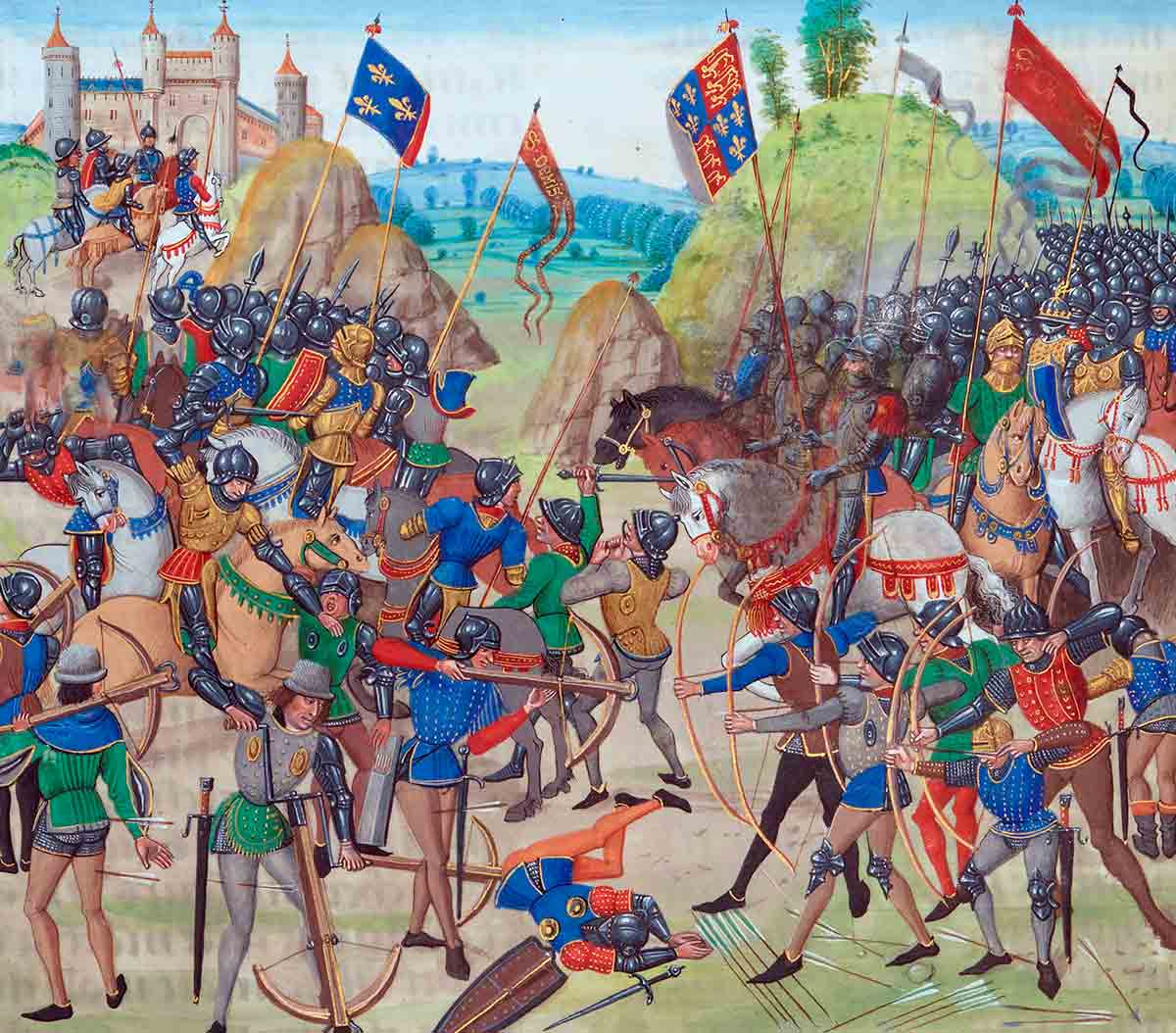
The longbow was effective because of its range and power. It was constructed using wood from yew trees, which were plentiful in England and began to be grown in earnest. Yew wood offered several advantages over other types, principally that it has a tensile elasticity that allows it to create a natural spring-like action. Shorter bows allowed people to draw to the chest. The size of the longbow meant that the draw could go to the ear. This enabled weights of as much as 150 pounds to be fired.
This was combined with an evolution in arrow points, with the introduction of bodkin points, with tips shaped into quadrangles. This enabled them to more easily penetrate chainmail. Together, this meant that well-trained, strong longbowmen could pierce armor from as far away as 250 yards.
This was to prove decisive in a series of English victories through the Hundred Years’ War. The most famous triumphs usually involved a smaller English force defeating a much larger French one through good tactics, nerve, and the power of the longbow.
In 1346 at Crécy, 7,000 English longbowmen killed as many as 12,000 Genoese and French. At Poitiers, a decade later, the scale was magnified when 10,000 of the Black Prince’s bowmen wiped out a French force that, in some accounts, was as large as 60,000 men, allowing them to capture the French king. The most famous victory was at Agincourt in 1415, where another vastly outnumbered English army again crushed the French thanks to the courageous tactics of Henry V and the ferocity of their Welsh and English longbowmen.
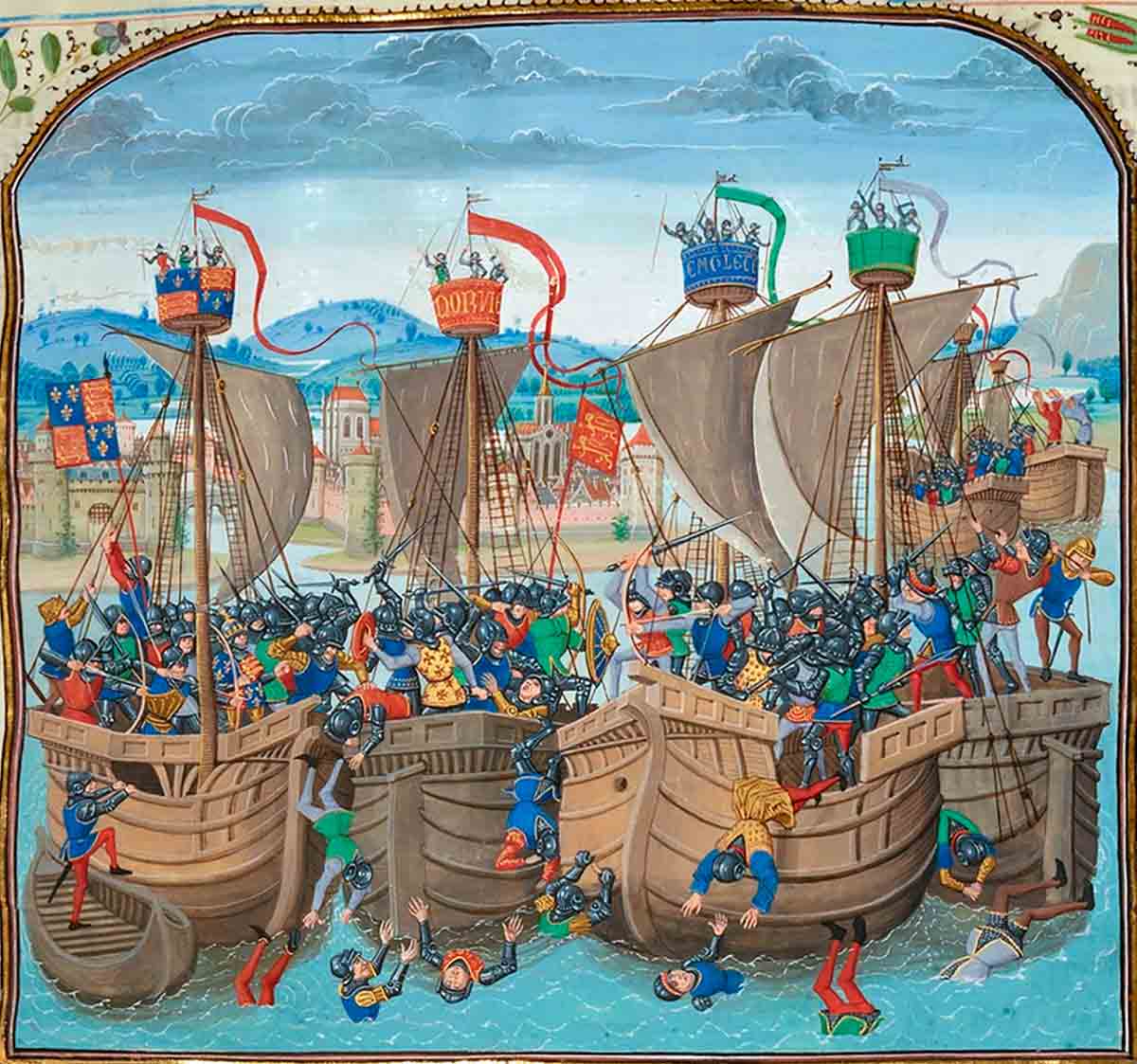
Archers weren’t just required on the battlefield. The Hundred Years’ War was also marked by naval battles, where again English and Welsh archery prowess made an impact. At sea, the French advantage in cavalry was completely irrelevant, and the king’s forces were able to clear decks of enemy troops. At the Battle of Sluys in 1340, English archers vastly outperformed the French crossbowmen in range and rate of fire, enabling the English to secure safe passage across the Channel.
The French reportedly lost 190 ships and 18,000 men at the Battle of Sluys. Everyone at the French court was too afraid to tell King Philip VI, so it fell to the court jester, who called the English cowards for not jumping into the sea like the brave Frenchmen, who were fleeing the English archers.
Compulsory Training
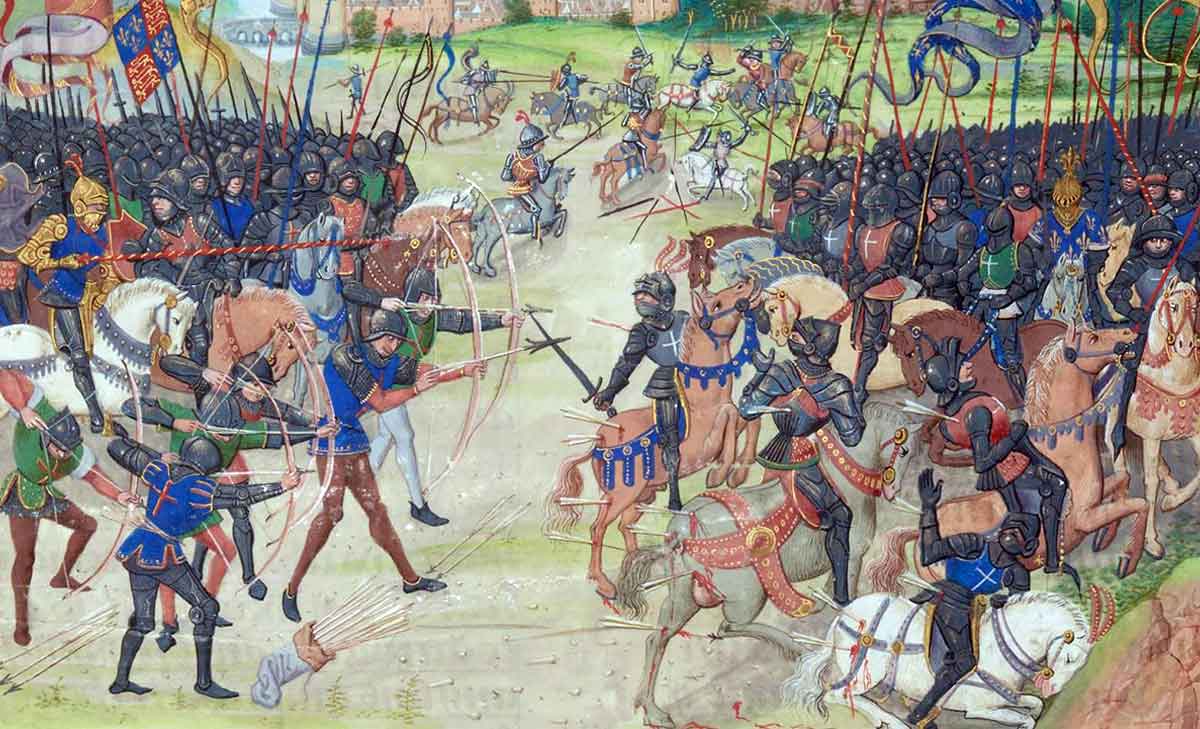
But the longbow itself was no guarantee of victory in battle. It had to be deployed effectively, and it required extensive training, not least to build up the strength of those required to hold the bow and pull back the immense weight. The former was largely the purview of the nobles and royal commanders. The latter required a familiarity with the weapon in large parts of the population, which may be called into service. Military training for the nobility had largely centered around tournaments focused on jousting and melee, but a different, less formal approach would be required for archers.
The importance of archery became clear from 1242 when the Assize of Arms mandated, for the first time, that those with land valued between 40 and 100 shillings were to possess bows and arrows. A little over a century later, Edward III required that all men begin practicing with bows and arrows on Sundays and holidays, after the impact of archers at both Poitiers and Crécy.
Areas known as the “butts” started appearing across villages and towns. The name may derive either from the Old French word, which meant “target,” or more likely from an Old English word referring to an oddly shaped piece of earth or mound, likely alluding to the fact that shots were generally taken at one or more mounds. Many such placenames survive across the country to this day.
As well as requiring target practice on Sundays, all other sports, such as football (soccer) and cock fighting, were also banned on those days in 1363. The ban was only officially lifted in the 17th century.
Archery Games
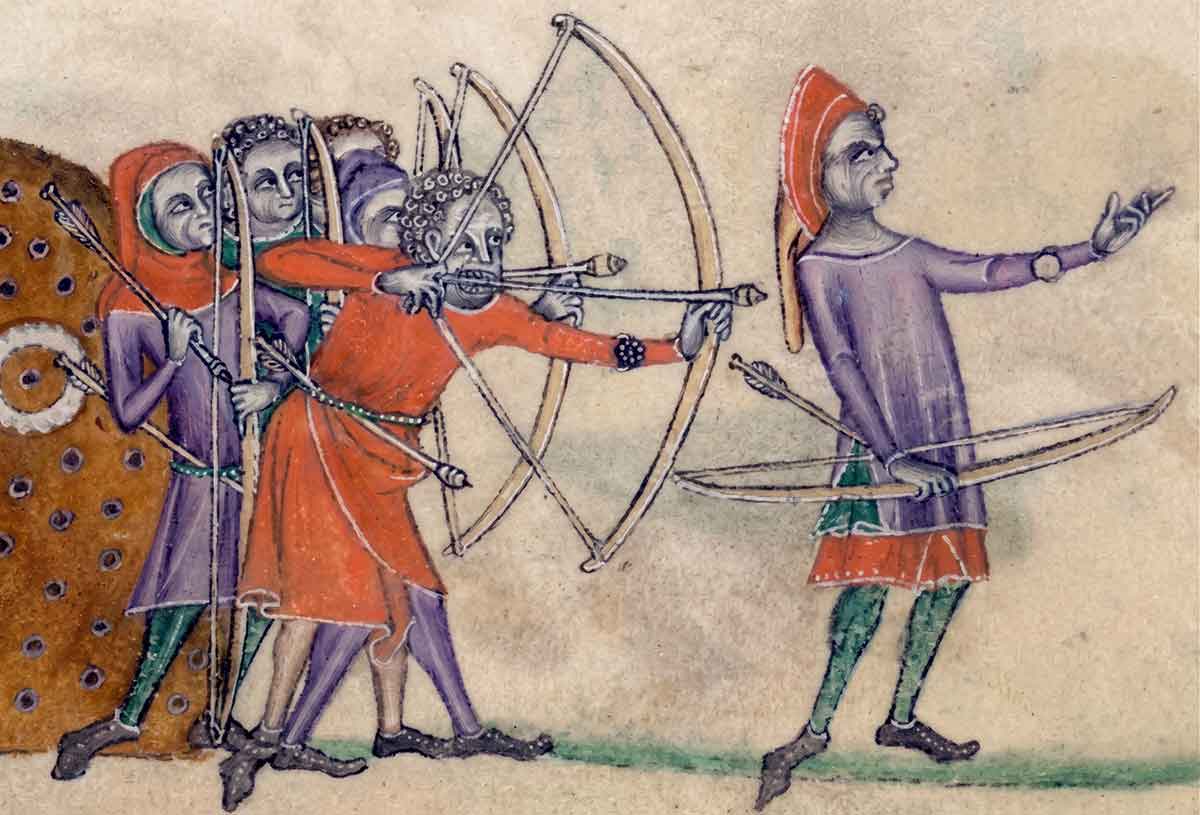
The type of practice undertaken on Sundays varied. Shooting at the butts was likely the most popular due to its low cost and effort. But it was low pressure, and did not adequately mimic the atmosphere of a battlefield. Competitive contests were a way of, in a small way, placing more pressure on the shooter. One common and cheap form of competitive practice was roving. An archer identified a natural target, such as a tree, and each archer in turn would attempt to shoot at it. The archer who hit it or whose shot was closest would win the competition and call the next target.
A more structured contest emerging from the early 14th century was to tie a bird, either living or wooden – to the top-sail of a windmill and have archers shoot at it. This was not unique to England, with a strikingly similar activity alluded to in the Iliad, albeit with the bird tied to the ship’s mast. The game survives to this day as “popinjay.”
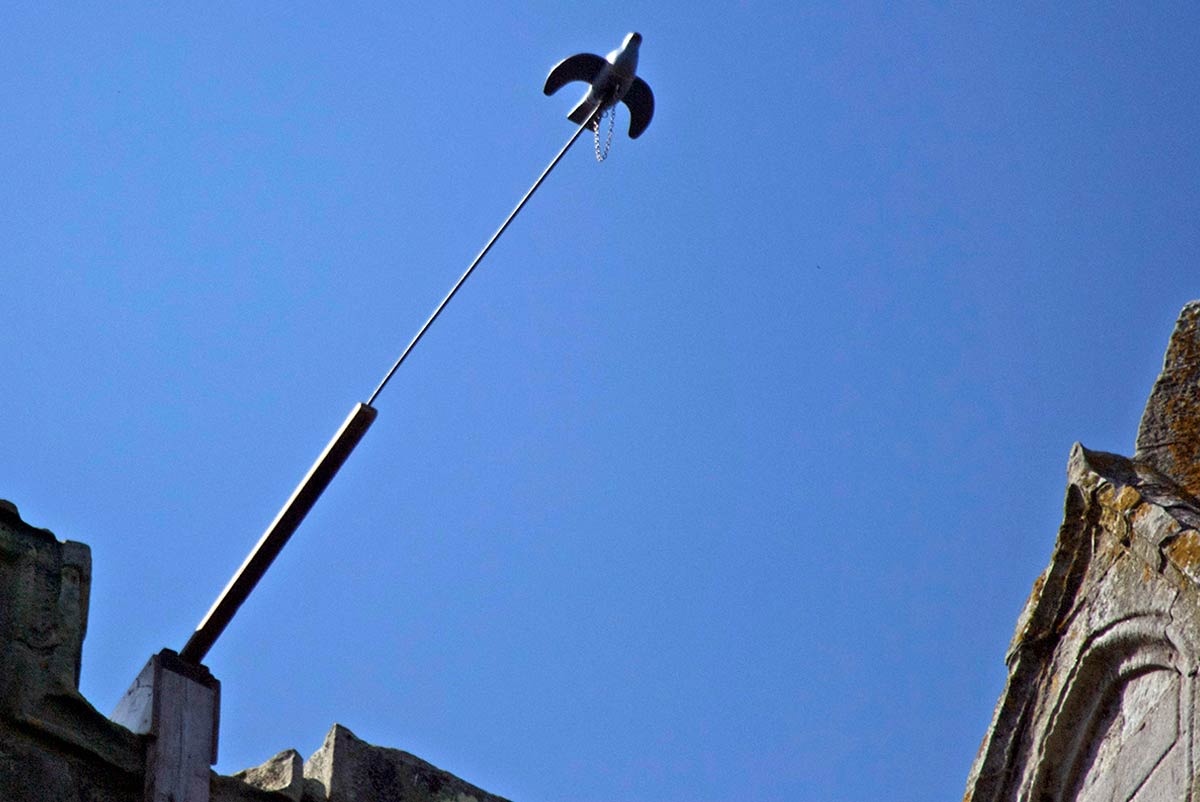
This game was also practiced in Scotland by the Ancient Society of Kilwinning Archers, founded in 1483 in Ayrshire. Its members shot at a wooden pigeon suspended from a 100-foot abbey tower pole.
Another contest was clout shooting, where a piece of cloth was pegged to the ground at a distance of between 160 and 240 yards. This later evolved into an 18-inch piece of canvas stuffed with straw, fixed to the ground on a wooden stake known colloquially as a “prick.” To hit both the stake and the bag was considered a special trick. The exercise trained how to judge distances.
Alternatively, there was mark shooting. This was where wooden posts were spread across a larger area and obscured by natural features such as hedges or trees. This also trained to judge distances accurately, but also to ignore or take into account obstacles. This mimicked how a target on a battlefield or ship might be blocked by natural obstacles, horses, or even your own men. An 11-acre site in London was set aside in 1498 just for this purpose, known as Finsbury Fields. One event at Finsbury in 1583 drew in 3,000 participants.
In the ballads about Robin Hood written in the 15th century, he is imagined as participating in a clout contest. A silver arrow was an extravagant prize, but one known from high-stakes tournaments.
Archery Outside England
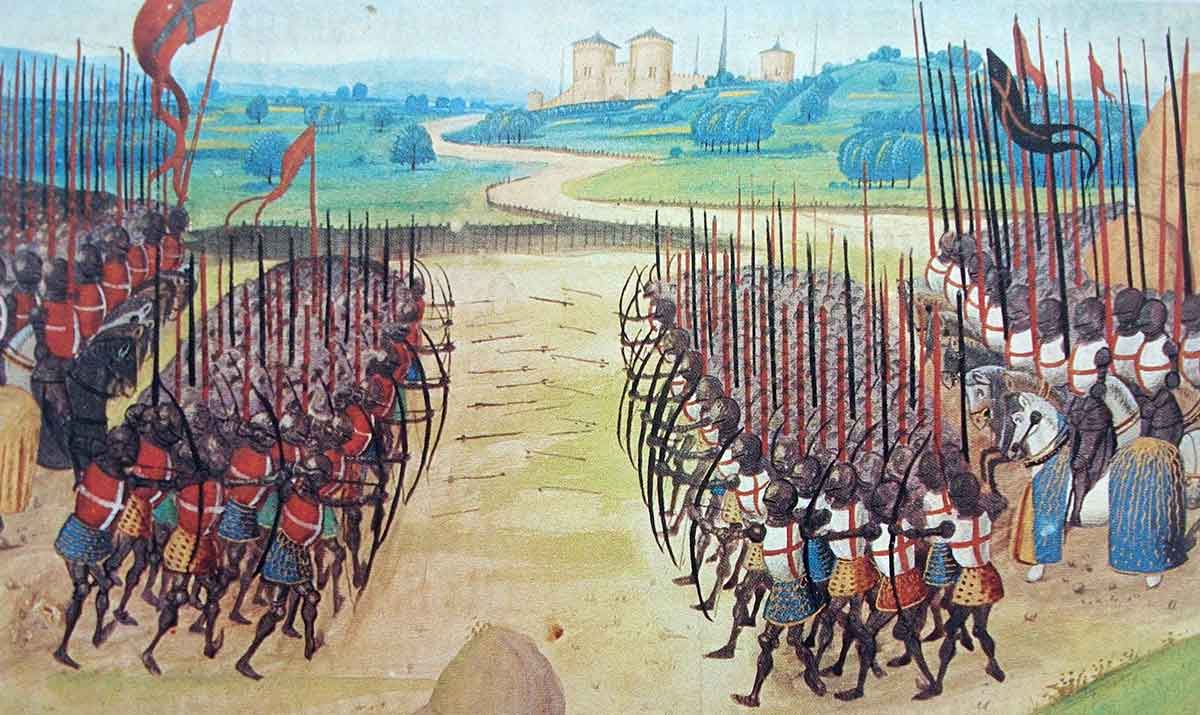
Archery was not an exclusively English practice. Europe had seen archery contests before its popularization in England, albeit not with precision longbows. France hosted events such as those at the Ressons-sur-Matz from the late 12th century. Frankish and Muslim archers even engaged in friendly distance-shooting contests in 1191 during the Crusades. The French regularly incorporated archery into their tournaments, which typically centered on jousting, but placed a greater emphasis on mounted archery.
As the benefits of precise archery became clear, regular archery competitions spread outside of England, particularly in Flanders. This may have been because the area was heavily influenced by English economic ties and its traditional alliance with England against the French crown. Records describe archery competitions, sometimes lasting weeks, from the early 14th century, usually with rewards in the form of wine.
The Decline of Archery Contests
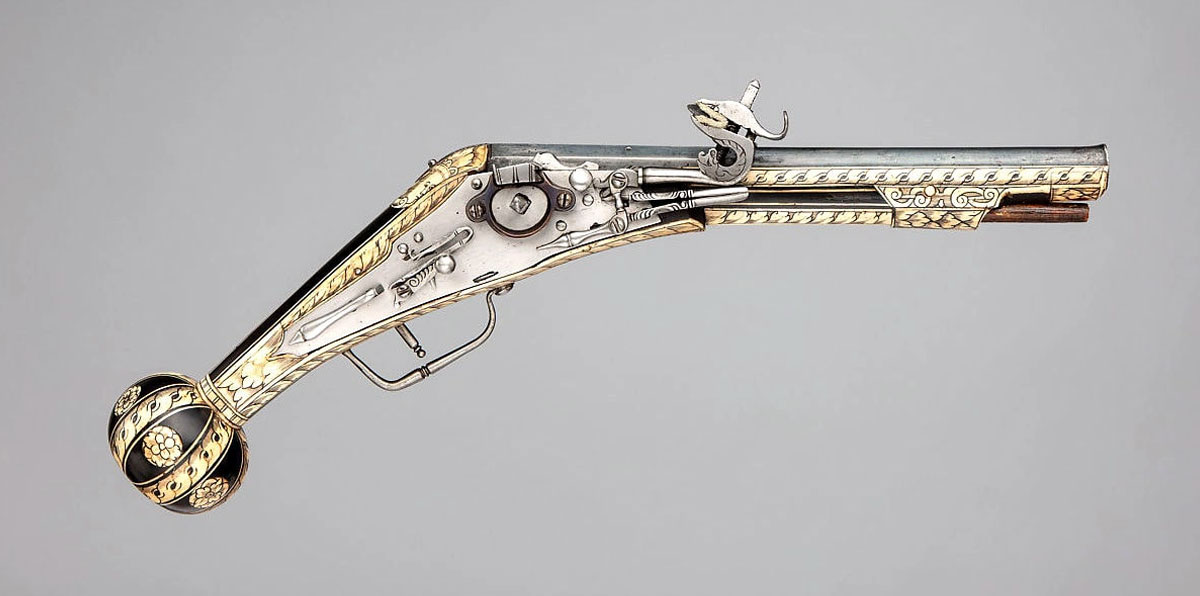
The end of archery began at its high point. Most remember the devastating impact of longbows at Crécy, but few know that the French were deploying primitive cannons. Gunpowder had arrived in Europe from China in the early 14th century. It took a long time for its impact to be felt technologically on the European field of war, but by the late 15th and early 16th centuries, early forms of guns were beginning to be regularly deployed.
Their gradual replacement of archery was driven by technological development in both defense and attack. Improvement in plate armor through the 15th century had eventually made it harder to penetrate with arrows. Bullets could more easily pierce it.
The manufacture of guns also became cheaper over time. It was also much easier to train someone to use a firearm than the years of practice it took to become strong enough and accurate enough to effectively use a longbow. By the late 16th century, archery had largely faded from the battlefield, although some archers are recorded as having participated in sieges and skirmishes during the English Civil War.
England’s laws around owning bows and practicing archery on Sundays soon became unenforced, but they were technically on the books until 1960.
Sources
- Hardy, R. (1992). Longbow: A Social and Military History. Kensington, MD.
- Prestwich, M. (2005). Plantagenet England, 1225 – 1360. Oxford.
- Sellman, R. (1973). Mediaeval English Warfare. London.