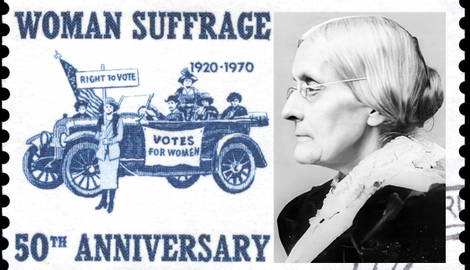
Most Americans have heard of Susan B. Anthony and rightfully associate her with the women’s suffrage movement, but she was also active in the abolitionist and temperance movements of the 19th century and lived a life that deviated from the traditional expectations for women of her time. In her refusal to mute her voice, hide her intelligence, or temper her passion when faced with criticism and adversity, she stands as one of the bravest and most influential Americans in history.
Anthony’s Early Life
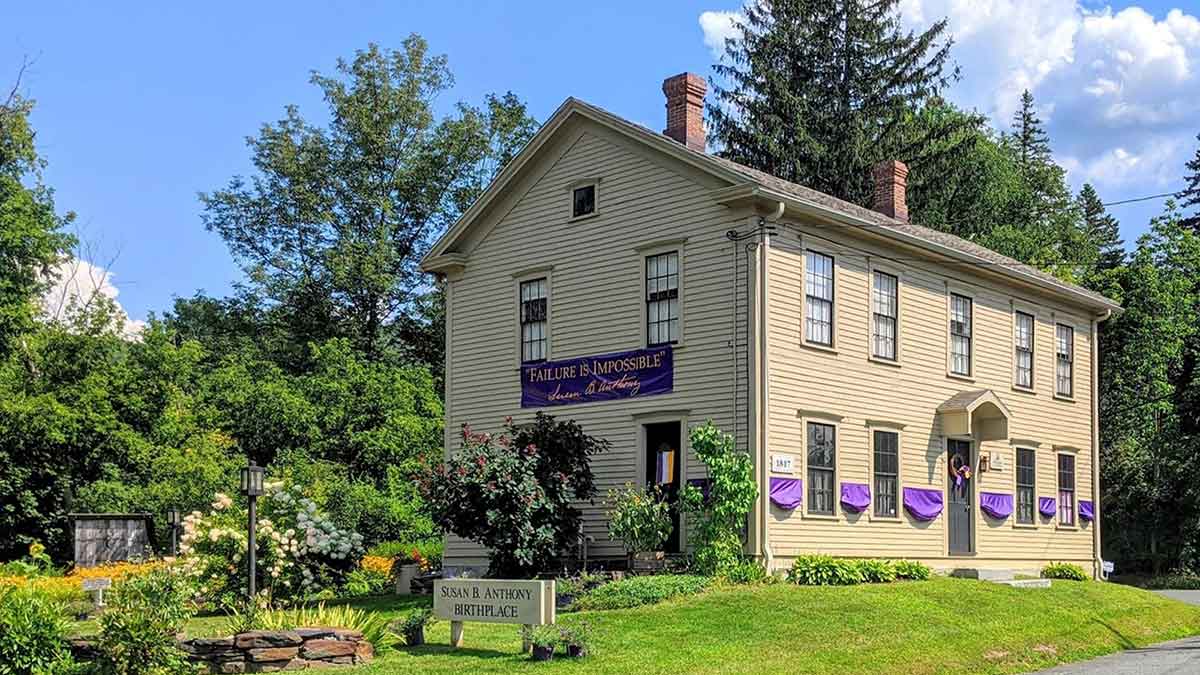
Susan B. Anthony was born on February 15th, 1820, in Adams, Massachusetts. She spent much of her early childhood in Battenville, New York, where the family moved when she was six. The panic of 1837, which initiated a recession in the United States, hit her father hard, and they lost their home. They eventually moved to Rochester, New York, which was becoming a hotbed of reform movements in the antebellum era.
Anthony was an intelligent child who could read and write by the age of three. She was raised in the Quaker tradition, which espoused the view that men and women were equal in the eyes of God. She joined the Society of Friends when she was thirteen, and as Quakers promoted education for both boys and girls, attended the Friends’ Seminary near Philadelphia and also eventually taught younger children herself.
Early Causes: Abolition and Temperance
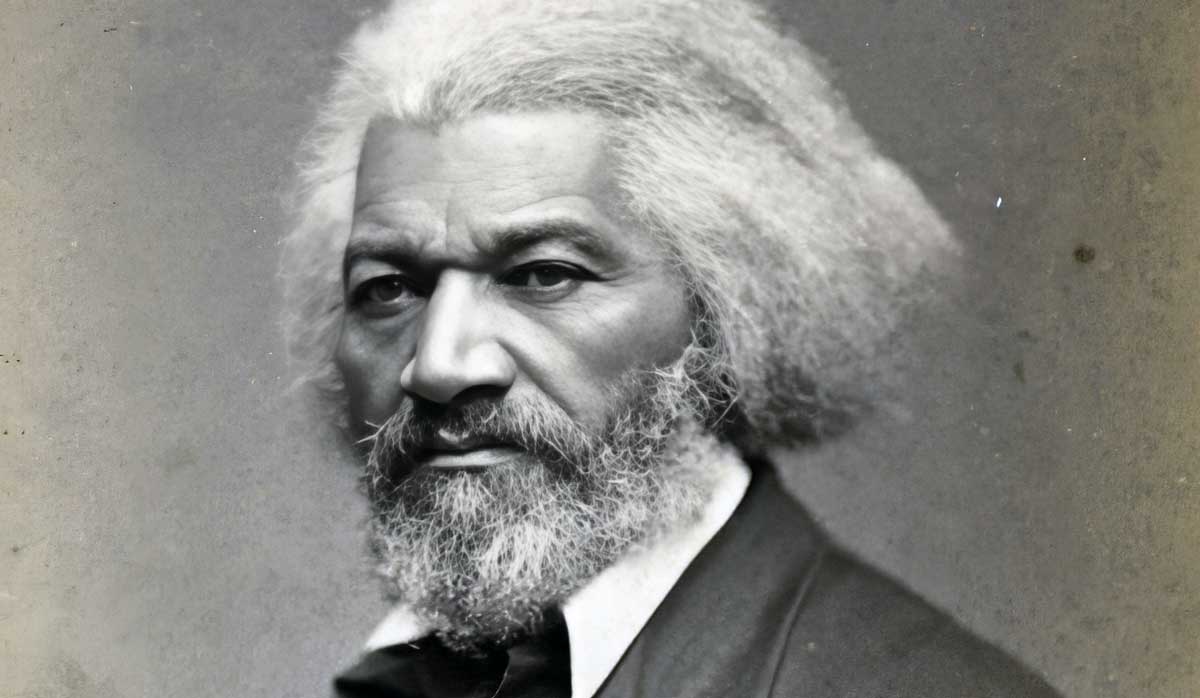
The Anthony family was extremely involved in the abolitionist movement, which was concerned with using consciousness-raising and moral suasion to end the immoral system of slavery. They welcomed antislavery Quakers and notable abolitionists like Frederick Douglass and William Lloyd Garrison to their farm almost every Sunday. Some historians posit that the house was also a site for the Underground Railroad.
Anthony was not a fan of compromising with slaveholders and thus disagreed with Abraham Lincoln’s early, moderate stance. Her outspokenness on the issue, coupled with her gender, made her a notorious figure in upstate New York, and she was once burned in effigy and figuratively dragged through the streets.
Anthony was also interested in temperance, believing the drinking of alcohol sinful, and formed the Women’s New York State Temperance Society after she was denied the right to speak at a temperance meeting in Albany due to her gender. The Society failed to successfully petition New York’s state legislature to pass a law limiting the sale of liquor, as the petitioners were mostly non-voting citizens like women and children, and Anthony concluded that the right to vote needed to be secured for any real change to happen.
Feminism: Fighting for Gender Equality
Anthony was working as a teacher when she discovered that female teachers made $2.50 a month compared to male teachers’ $10 a month. As Marisa Mathias notes for the National Women’s History Museum, “This experience with the teacher’s union, along with her previous abolition activism and Quaker values, inspired her dedication to gender equality.” Anthony told Nellie Bly in an 1896 interview that she’d “barked up the temperance tree, and… barked up the teachers’ tree and I couldn’t do anything. I had learned where our only hope rested. I got petitions signed for property laws and for suffrage.”
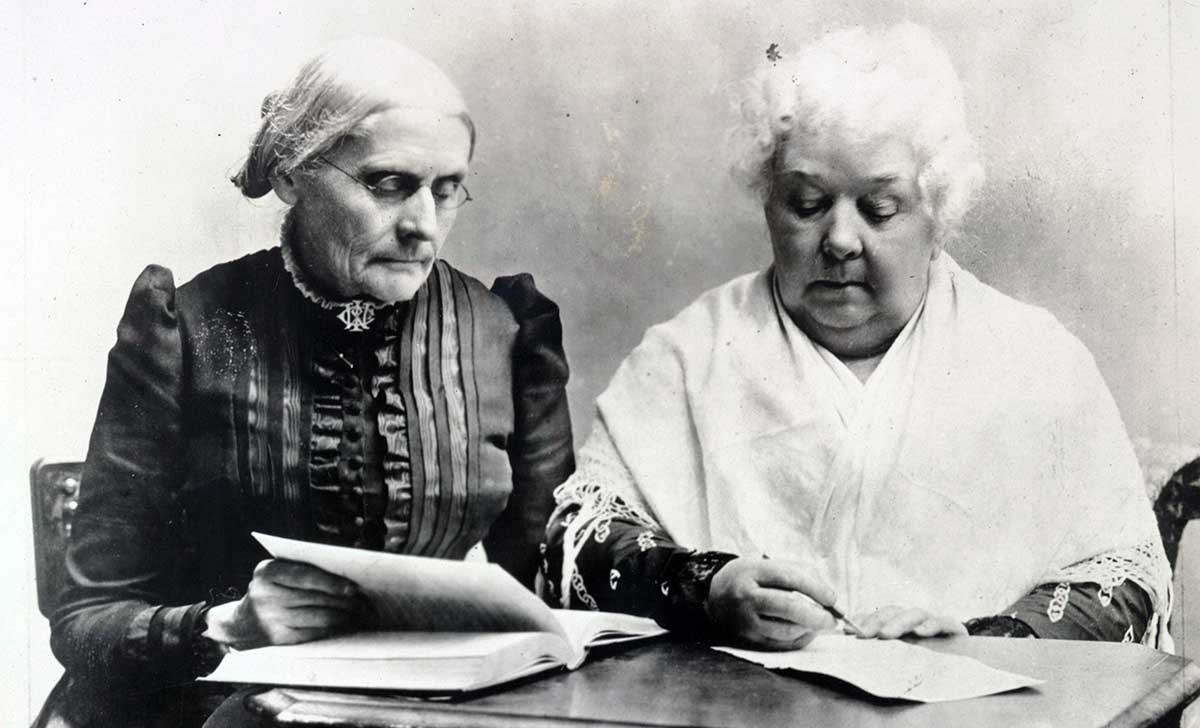
In 1851, Anthony attended an antislavery meeting in Seneca Falls, the site of the first women’s rights convention in 1848, and met Elizabeth Cady Stanton. Though Stanton was married and a mother, while Anthony was a lesbian who had several same-sex partners (though this was not widely known during her life), the two women saw themselves as kindred spirits in their endeavors to fight for abolition and women’s rights. They co-formed the American Equal Rights Association and its newspaper, The Revolution, in which they called for “Men their rights and nothing more, women their rights and nothing less.” Stanton remarked once that, with herself more of a thinker and Anthony more of an organizer, she “forged the thunderbolts, [Anthony] fired them.”
Post-Civil War: A Schism
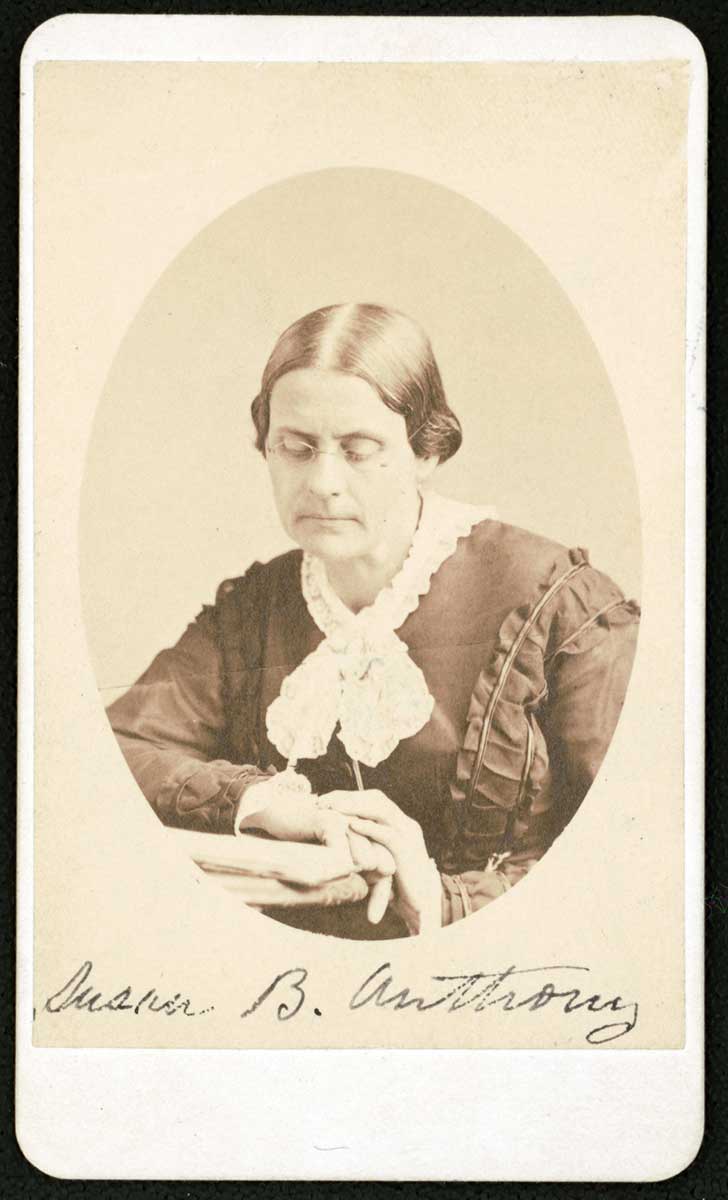
After the Civil War, Congress passed the 14th Amendment, which used gendered language to guarantee male citizens over 21 the right to vote, and the 15th Amendment, which stated that the franchise could not be prohibited on the basis of race, color, or previous condition of servitude. Unfortunately, women did not receive the right to vote, and many suffragists were bitter about this. Anthony famously said that she would “cut off this right arm of mine before I will ever work or demand the ballot for the Negro and not the woman” and that she did not support the 15th Amendment “not for what it is, but for what it is not. Not because it enfranchises black men, but because it does not enfranchise all women, black and white.”
Anthony turned her attention fully to women’s rights, organizing and representing the Working Women’s Association of New York and founding, along with Stanton, the National Woman Suffrage Association (NWSA). The NWSA was opposed to the 14th and 15th Amendments’ failure to include women.
Anthony on Trial
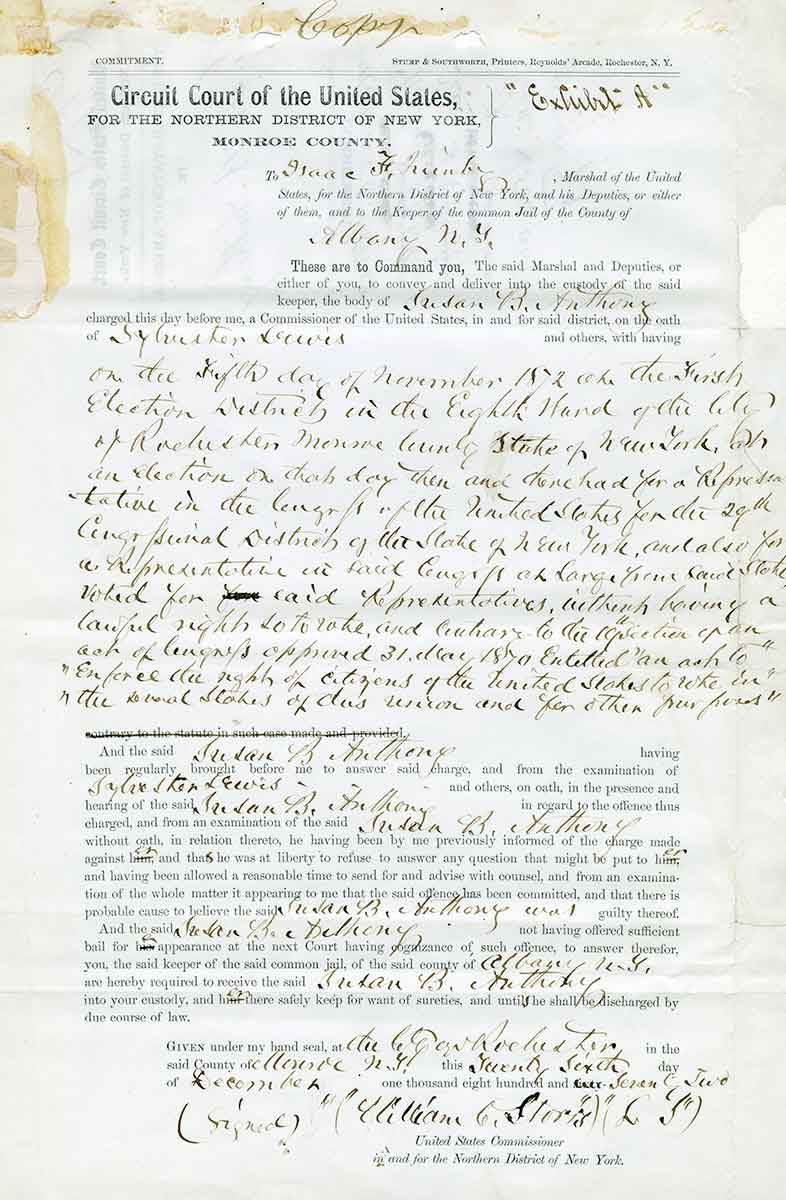
Anthony tried to cast a ballot in the 1872 presidential election, which pitted incumbent Republican Ulysses S. Grant against Democrat Horace Greeley. She and 14 other women went to their local polling station in Rochester, New York, and demanded their ballots on the basis of being tax-paying citizens. She ended up casting a vote for Grant but was subsequently arrested and indicted.
Anthony was given a trial (with a jury of 12 white men) but was not allowed to testify on her own behalf, and the judge had actually written up a verdict of “guilty” before proceedings even began. She was fined, refused to pay the $100 fine, and was fortunately left alone afterward. This trial, which she called “the greatest judicial outrage history has ever recorded,” made her even more famous (some might say infamous), and she embarked upon a speaking tour. In 1888, she helped merge the NWSA with the American Woman Suffrage Association to create the National American Women’s Suffrage Association and served as its president from 1891-1900.
Later Years and Death
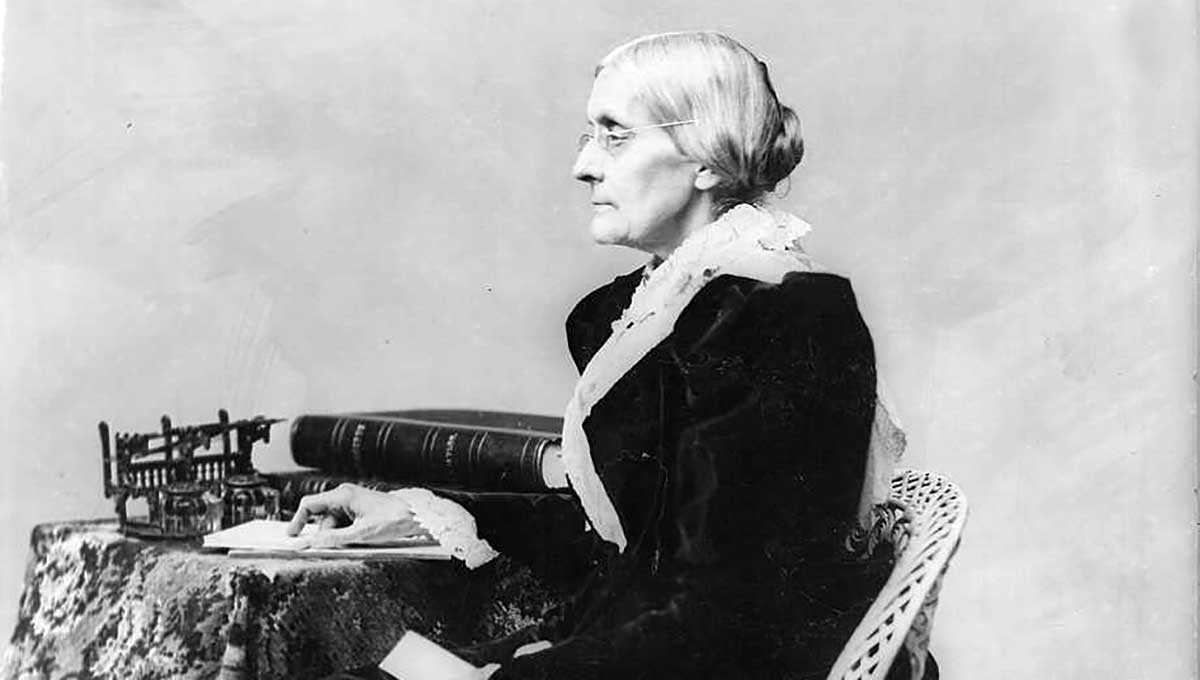
In the 1880s and early 1900s, Anthony, Stanton, and other notable suffragists worked on a six-volume History of Woman Suffrage, which compiled primary documents and essays on the women’s movement. In 1880, Anthony helped create what would become the International Council of Women and secured its recognition by world leaders such as Queen Victoria of Britain, Empress Augusta Victoria of Germany, and US President Grover Cleveland. In 1893, she attended the World’s Columbian Exhibition in Chicago, where she gave notable speeches about the current condition of women.
Anthony’s long and inspiring life came to an end on March 13, 1906. She had, understandably, mixed feelings about what her decades of work had accomplished—or not accomplished. She lamented, “I have been striving for over sixty years for a little bit of justice no bigger than [the right to vote], and yet I must die without obtaining it… It seems so cruel.” But she also said in her last formal speech that “Failure is impossible!” and wrote to Stanton, acknowledging their decades of friendship, that “we little dreamed when we began this contest, optimistic with the hope and buoyancy of youth, that half a century later we would be compelled to leave the finish of the battle to another generation of women. But our hearts are filled with joy to know that they enter upon this task equipped with a college education, with business experience, with the fully admitted right to speak in public—all of which were denied to women fifty years ago. They have practically one point to gain—the suffrage; we had all.”
Anthony’s Legacy: The 19th Amendment
Anthony and Stanton’s work did indeed pay off, 14 years after Anthony’s death. Congress and the states added the 19th Amendment to the Constitution, prohibiting abridging the right to vote on the basis of sex. It was nicknamed the “Susan B. Anthony amendment” (or just the “Anthony amendment”) almost right away.
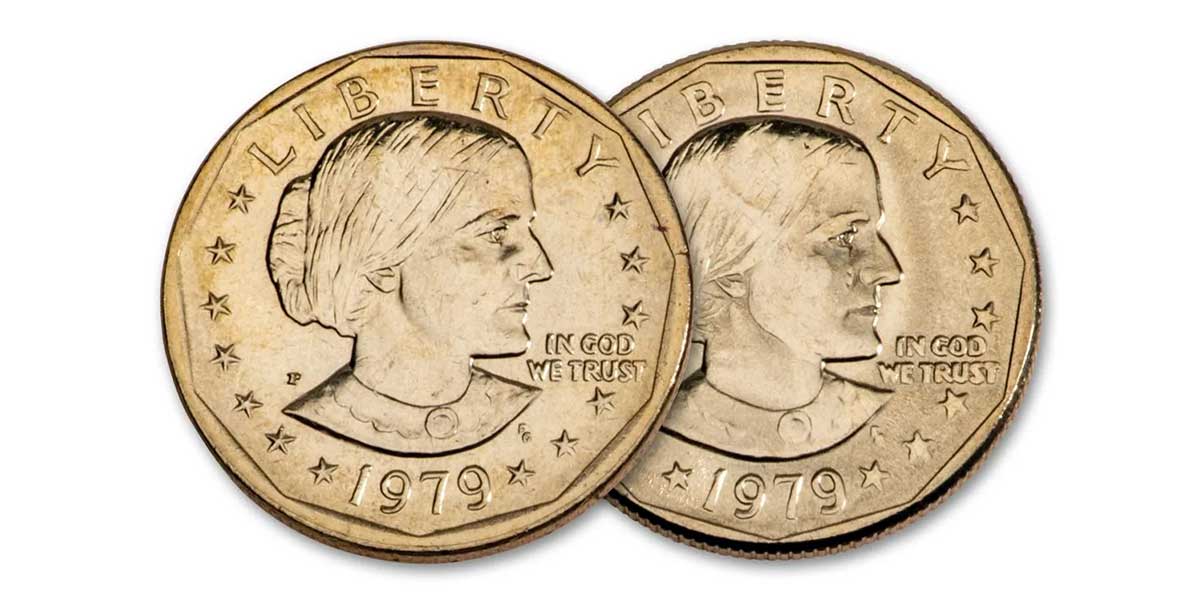
Anthony was honored on a U.S. Postal Service stamp in 1920 and was the first American woman to be depicted on a U.S. coin in 1979. Her childhood homes in Adams and Rochester have been turned into museums, the latter designated a National Historic Landmark in 1966. In 2025, the Trump administration commemorated her birthday by issuing a statement praising her as “a warrior for women and hero of Equality, Justice, and the Constitutional rule of law” and stating that “for her entire life, Susan B. Anthony was fiercely devoted to the principle that every American, regardless of race or sex, is born with the God-given right to enjoy the blessings of Life, Liberty, and the pursuit of Happiness. Years later, her fearless crusade for Equality culminated in the ratification of the Nineteenth Amendment of the Constitution.”