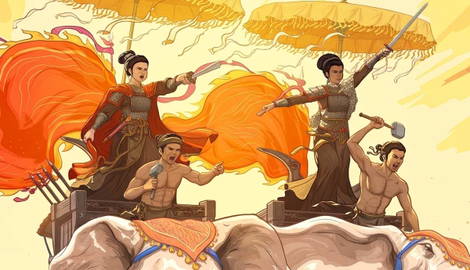

Because of the wars Vietnam has fought, many national heroes have stepped up to fight for its freedom. Few are as revered as the Trung Sisters, the siblings who famously fought for the country’s freedom from the backs of elephants.
Born Into an Occupied Nation and Schooled in Martial Arts
The sisters Trung Trac and Trung Nhi were born in North Vietnam in the early first century AD. As the daughters of a wealthy Lac father, they were spared labor in the fields and were free to study literature and martial arts.
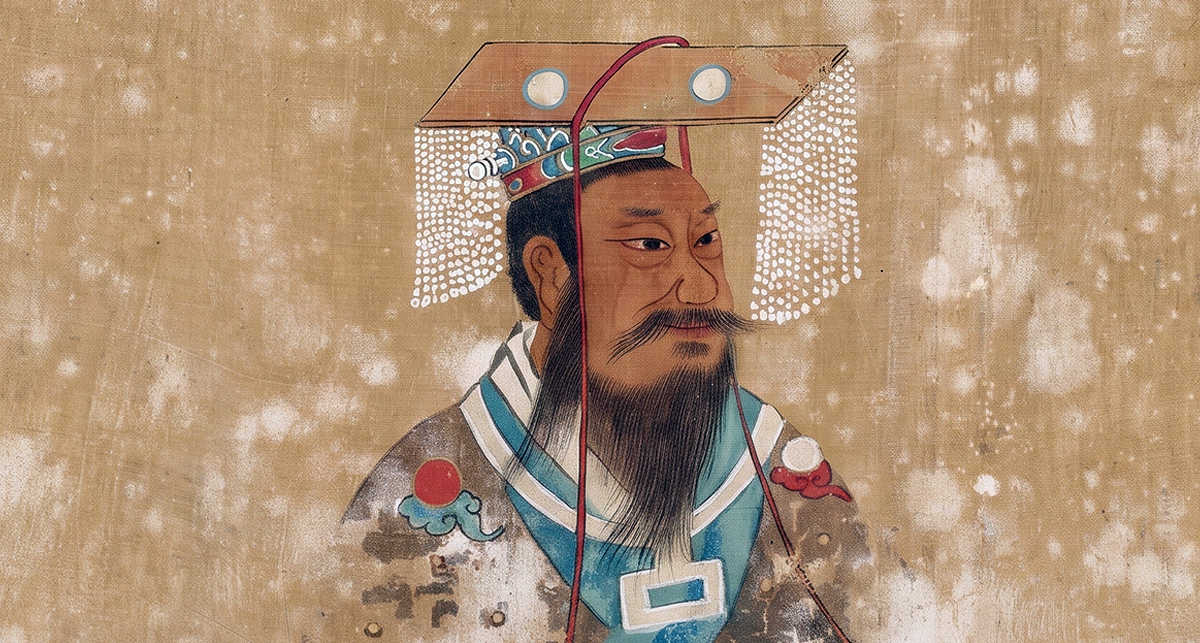
However, despite the sisters’ secure position, not all was well in Vietnam at the time of their birth. Since 111 BC, Vietnam had been subordinate to the Han Dynasty. Han armies had entered Vietnam, and despite a valiant fight from the national hero Lu Gia, Vietnam was conquered, and Gia was executed. The Vietnamese were forced to acknowledge the supreme authority of the Han Chinese emperors. By 40 AD, Guangwu of Han held that position.
A Vow of Vengeance After a Brutal Imperial Murder
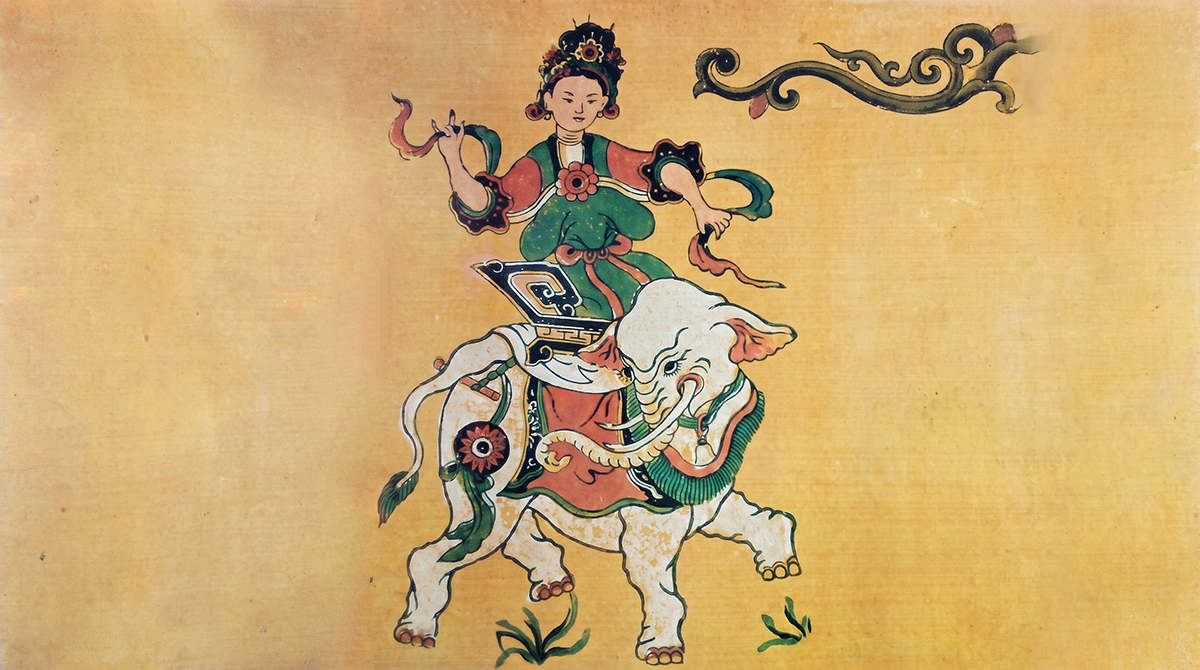
While the Han Chinese used Vietnamese nobles as on-the-ground officials, there was still no question as to who was in control. One such native official was Thi Sach, the husband of Trung Trac.
Thi Sach was a headstrong and passionate man. He soon found himself clashing with the Han-appointed governor over increased taxes, demands for bribes, and other indignities that the Vietnamese nobility were unwilling to give in to. For his resistance, Thi Sach was beheaded.
The killing of her husband outraged Trung Trac. She vowed to fight against the invaders that had killed her husband. Her sister joined her in the campaign.
Driving Out the Han Army and Crowning Vietnam’s First Queen
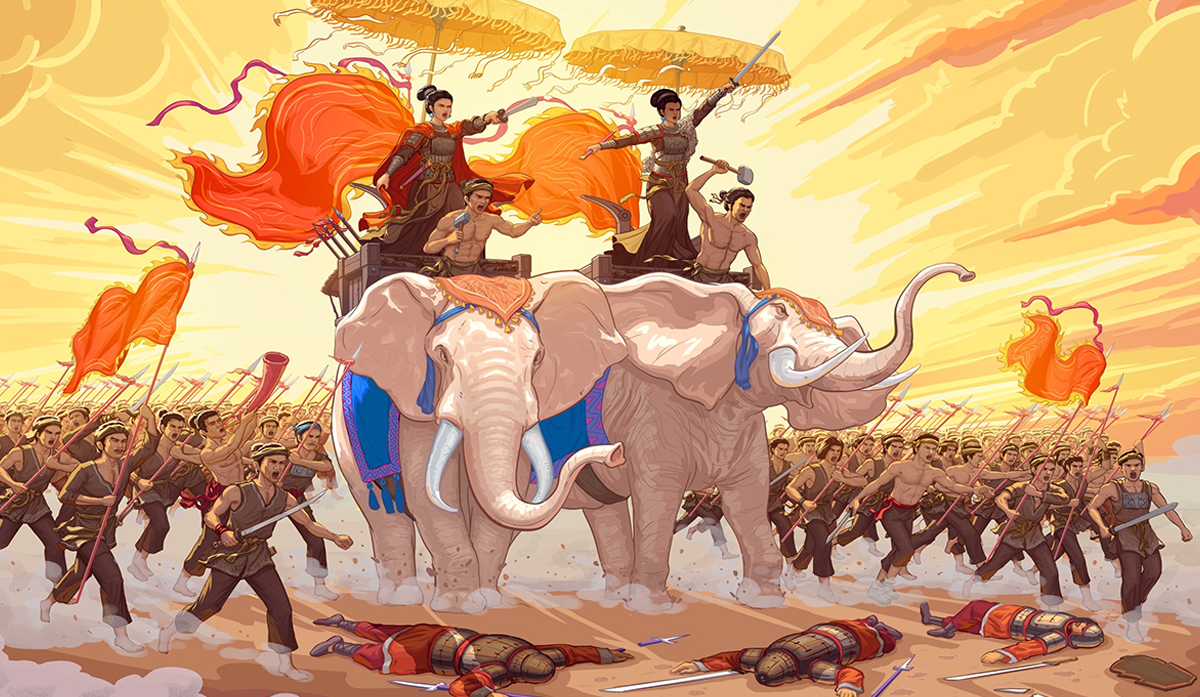
In 40 AD, Trung Trac and Trung Nhi began their rebellion against the Han Empire. The sisters used the killing of Thi Sach by the Han governor to stir up anger in the countryside, with great success. On the backs of elephants, they urged their countrymen to rise up and fight for their freedom. What started as a rebellion in Northern Vietnam spread to the entire region. An army composed of both peasants and nobles alike attacked the Han Army, storming every fortified citadel there was. The rebellion succeeded, forcing the Han governor to flee and freeing the Vietnamese from Han rule.
To culminate their victory, Trung Trac was crowned as queen, making her the first female ruler in her country’s history. Trung Nhi was appointed as her co-regent. However, though the sisters had driven their enemies out, it would not be the last time they saw them. In 42 AD, Guangwu of Han commissioned the general Ma Yuan to reconquer Vietnam. Ma Yuan was an experienced general who had crushed many of the emperor’s enemies on the frontier. With an army of 20,000 soldiers, he traveled to Vietnam to assert the emperor’s dominance.
The Tragic Last Stand Against General Ma Yuan
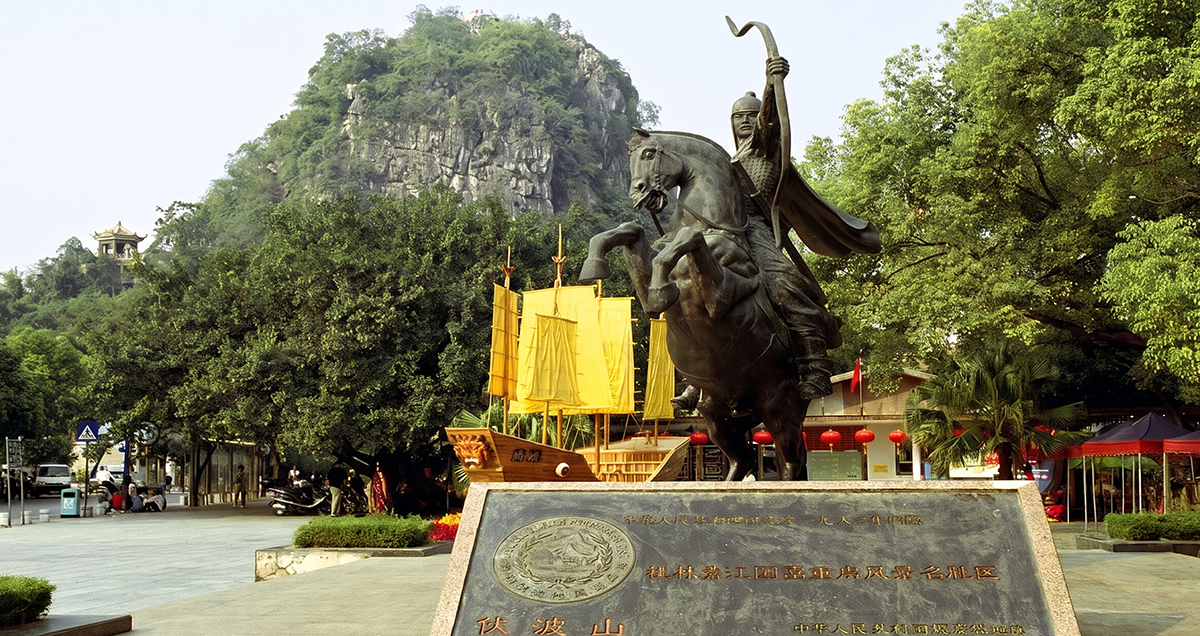
Despite facing a determined enemy and having to deal with difficult terrain, Ma Yuan was successful in his campaign. The Trung Sisters’ forces were defeated, and Vietnam was reintegrated into the Han Dynasty. According to Chinese accounts, Ma Yuan had the sisters executed and sent their heads back to China as trophies. Vietnamese sources claim that the sisters committed suicide upon their defeat. Either way, the sisters died fighting for freedom.
From Ancient Martyrs to Eternal Symbols of Freedom
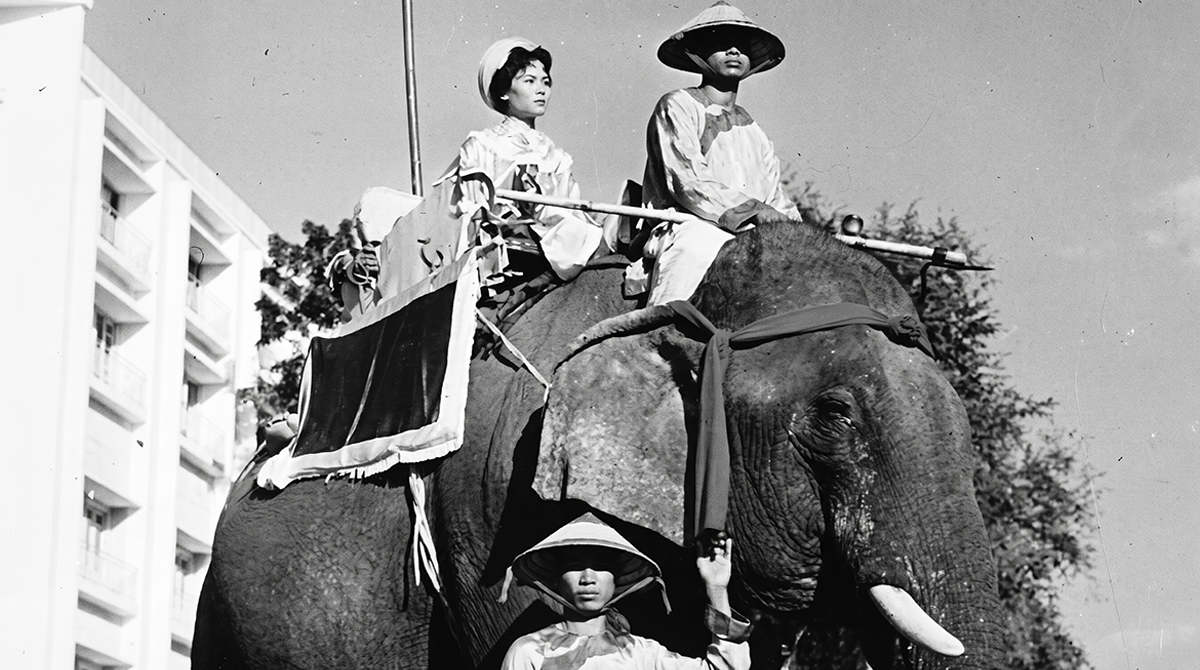
Despite their defeat, the Trung Sisters left an incredible mark on history. For three years, they defied the most powerful empire in the world and gave their people a taste of freedom. The Vietnamese would look to their example in the future, and in 938 AD, they finally freed themselves from Chinese rule. The Trung Sisters are still held in high regard to this day, particularly by the women of Vietnam.