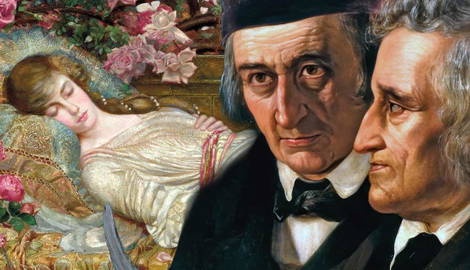

The Brothers Grimm are famous for their fairy tales, but they did not create them from scratch. They were collectors who documented stories in an effort to preserve Germanic folklore, culture, and language.
Challenging modern interpretations of the two men, the brothers didn’t simply wander the countryside collecting stories to tell children. Their methods were academic and considered. Through their efforts, they preserved traditional tales within the broader intellectual movement of Romanticism, furthering the cultural development of Germany and Europe.
The World in Which the Brothers Grimm Grew Up
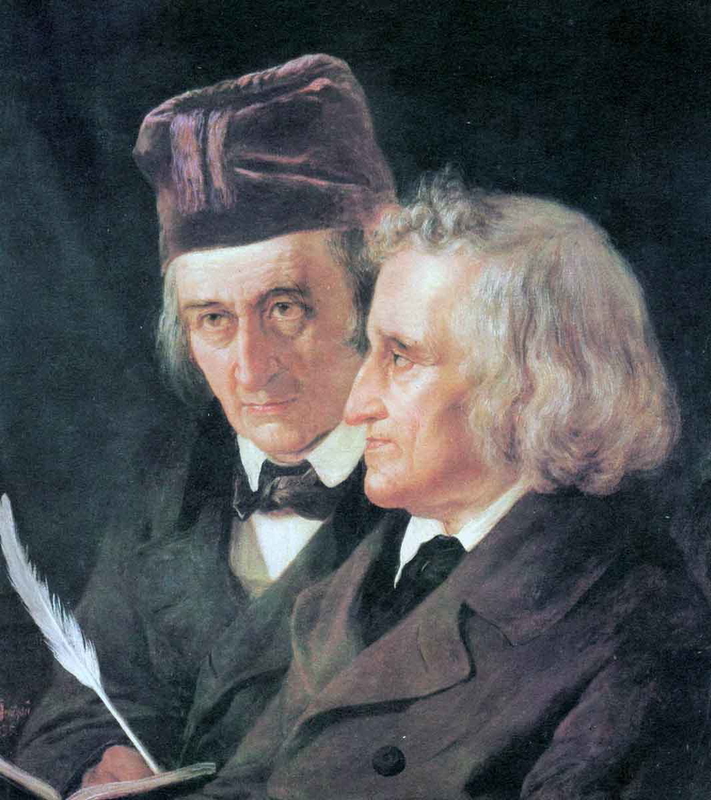
A significant part of Jacob and Wilhelm Grimm’s young adult lives was spent under indirect French control as a result of Napoleonic expansion.
While Germany had never been a unified entity before, there was an essence of unity through shared cultural themes. And in the time of the Brothers Grimm, much of this realm was either under the control of the French or under heavy French influence.
A commonly romanticized thread is that the Grimms were driven by a sense of patriotism and wanted to preserve German culture before it was wiped out by the French, but this is an exaggerated version of the events that fails to capture the true scope of their motivations.
The brothers were not fiction authors, but cultural researchers, linguists, and literary scholars. They were academics, and they existed in a world of historical resurgence, the Romantic Period, when there was renewed interest throughout Western Europe in cultural artifacts such as languages, stories, and oral traditions. The brothers were part of this movement and acted within it rather than doing so out of a sense of patriotic duty for Germany against the French.
The Grimms Didn’t Actually Travel Around Germany Collecting Fairy Tales
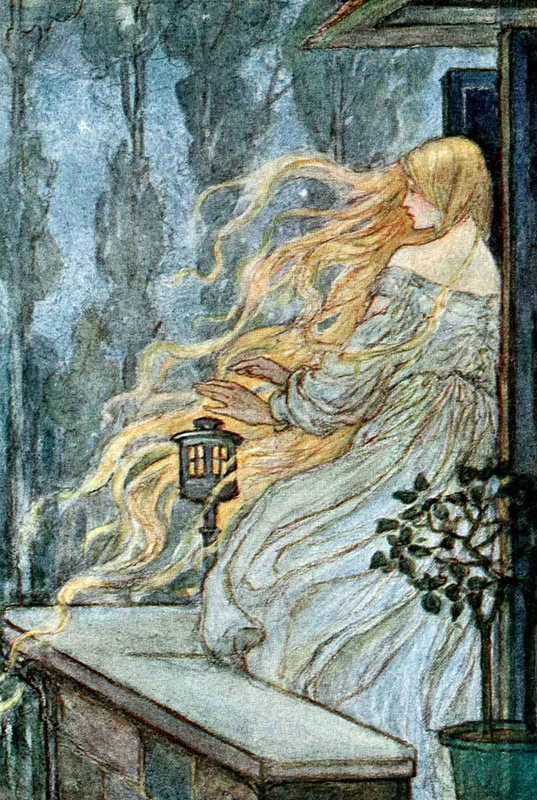
Another misapprehension is that the Brothers Grimm took to the road and collected stories in the field in some grand imaginary adventure. The reality was far less adventurous. They did most of their work at a desk.
The sources of these stories weren’t simple peasants, but a bourgeois network of friends, acquaintances and colleagues, most of them women, who were asked to recount stories they had heard in various places.
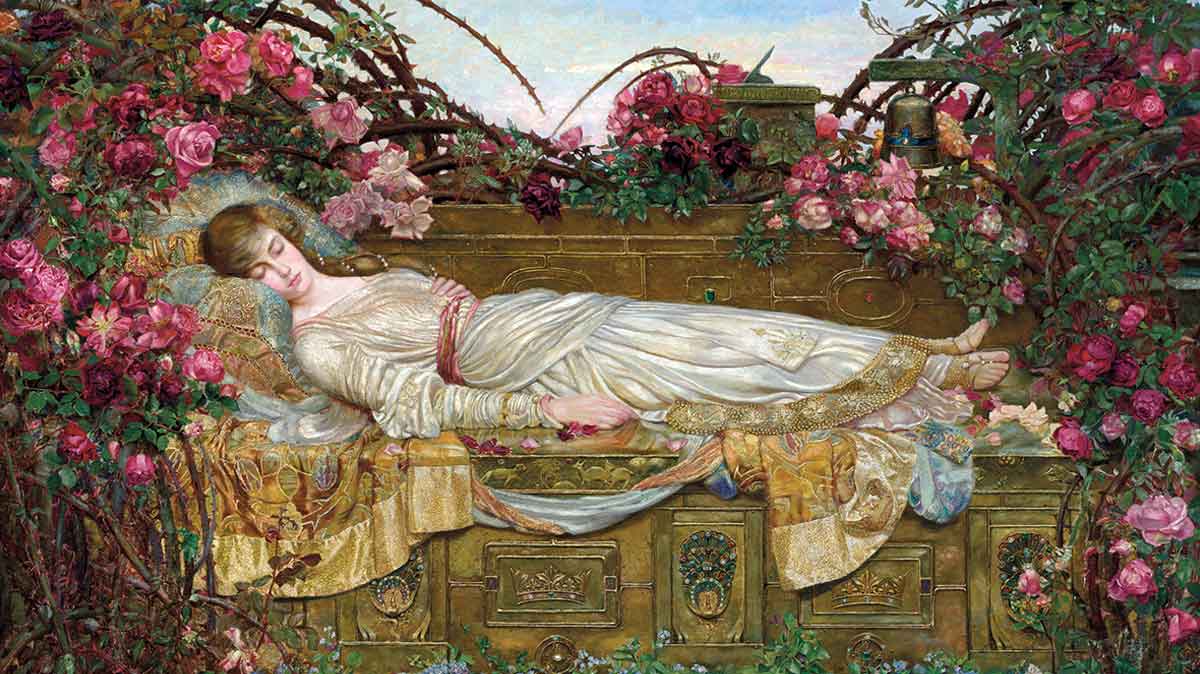
The biggest contributor to the Grimms’ anthology was Dorothea Viehmann. She was the daughter of a tavern owner and had grown up listening to stories from patrons. Her father was also of Huguenot ancestry, and Dorothea mixed French and German tales, which she shared with the Brothers Grimm after meeting them in 1813. In all, Viehmann provided the brothers with over 40 stories.
The “Original” Grimm Fairy Tales Were Not Really Untouched
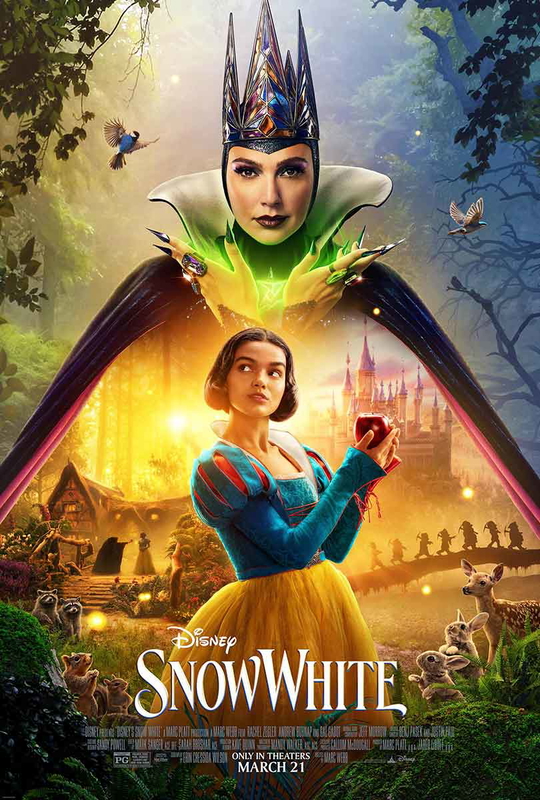
The details of fairy tales can change considerably over time, but the Brothers Grimm solidified the versions we know by writing down what they heard. But they did not just record. They reinterpreted original stories, wrote their own retellings, and then edited their own versions, publishing later editions with major changes. In the original Grimm’s version of Snow White, the Evil Queen is actually Snow White’s own mother. And even worse, in “The Girl Without Hands,” the original oral tales included a father who wanted to have sex with his daughter. The Brothers Grimm made the reasonable decision to remove this part before publishing their version.
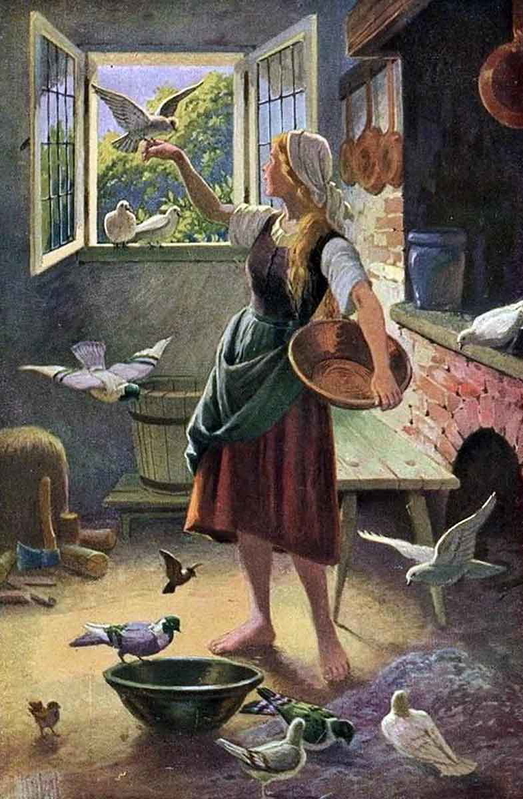
While references to sex were removed in later editions of the Grimms’ stories, violence was a staple that remained, and even increased in some stories in later editions. In Cinderella, for example, the stepsisters mutilate their feet to fit into the slipper, and at the end of the story they get their eyes pecked out by pigeons. Meanwhile, in “The Frog Prince,” the titular character is not transformed by a woman’s kiss, but by being thrown against the wall in frustration. In other stories, there are people being hacked to pieces or being rolled down the street in barrels full of nails.
How the Brothers Grimm Were a Step in an Evolutionary Chain
Although they recorded stories and made sure they didn’t vanish with the past, the dynamic of stories evolving continued, and the Brothers Grimm’s work represented a step in that evolutionary process. They weren’t the last step either.
The tales continued to change to suit the times in which they were told. Even in recent years, major changes have been made to stories we think are “original,” and while some champion the revisions, there is often considerable backlash.
Nevertheless, it can be argued that the Brothers Grimm saved many stories and built a foundational record that preserved a valuable part of Western European culture.