
In 1184, a land dispute between the rulers of Mainz and Thuringia devolved to such a point that the emperor of the Holy Roman Empire was compelled to intervene. Such was the importance of resolving the dispute that he ordered his son to leave his military campaign en route to Poland and call an assembly of nobles together to discuss the issue.
They gathered in Erfurt in the German state of Thuringia, and filled a building in the Petersburg monastery complex, but once inside, the floor gave way, plunging the council of nobles to their deaths in a most unpleasant and undignified manner.
The Feud That Brought German Nobility to Erfurt
The cause of the concern was rooted in a feud between Conrad, Archbishop of Mainz, and the ruler of Thuringia, Landgrave Louis III, over the right to tithes in Thuringia. It was a feud that was long-simmering, and it was of such importance that Emperor Barbarossa and his family intervened to settle the dispute once and for all.
The emperor recalled his son, King Henry VI, to mediate. Henry was on his way to Poland on a military campaign when he received the message, and he took leave of his troops to handle the matter. The exact building in which he and the noblemen gathered is a source of debate, but whatever the case, it seems unlikely it was intended for such a large gathering. Nobility, notable citizens, and members of the ecclesiasty were all in attendance, straining the structural components of the floor.
Structural Failure Over a Medieval Cesspool
It’s possible that more than 100 people were in attendance, probably using the opportunity to resolve diplomatic matters with one another, while King Henry watched over the proceedings.
Later accounts state the floorboards were aged and rotten, but the exact condition of the floor cannot be ascertained with undeniable accuracy. What matters, ultimately, is that on July 26, 1184, the upper floor on which the council had gathered gave way under the strain.
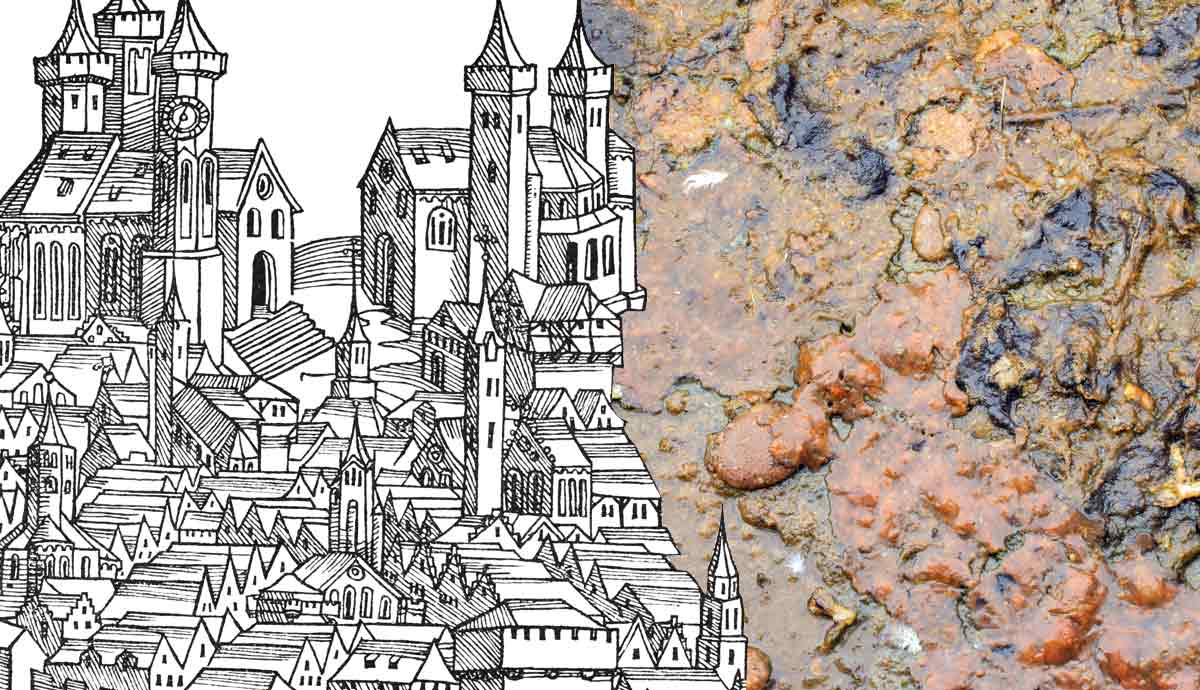
Dozens of men plummeted through the floor, colliding with the floor below them, which also gave way, sending the unfortunate souls into a massive cesspit beneath the building.
In medieval times, cesspits were a common way to deal with human waste, and as they filled up, they presented a real danger. Falling into one was often fatal, and in this case, it claimed the lives of many of the supposed 60 people who died, some of whom fell prey to falling timber and detritus from the collapsed section of the building.
How King Henry VI Narrowly Survived the Plunge

Fortunately for King Henry VI and Archbishop Conrad, they were sitting in a window alcove when the floor gave way, and they narrowly avoided plummeting into the waste below. They clung to the windows until ladders arrived on the scene, and they made their way to safety.
Other prominent figures were not so lucky. Count Friedrich I of Abenberg, Count Gozmar III of Ziegenhain and his brother-in-law, Burgrave Friedrich I of Kirchberg, died in the tragedy along with Count Burchard of Wartburg, Count Heinrich I of Schwarzburg, Behringer von Wellingen, and a host of lesser nobles.
Landgrave Louis III of Thuringia survived the disaster. King Henry VI left Erfurt to resume his military campaign shortly thereafter, leaving the dispute between the landgrave and the archbishop unresolved.
The Political Fallout of an Unprecedented Medieval Tragedy
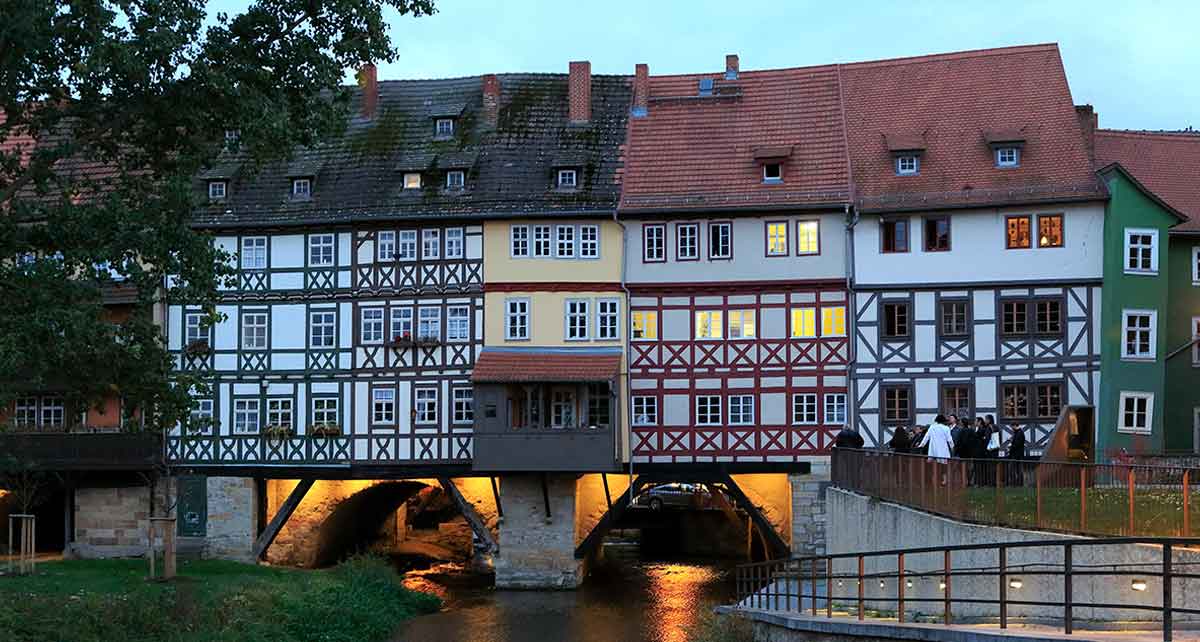
The loss of so many nobles would have seriously affected family networks, control of landholdings, and military followings, though the exact nature of the shift in power structures would have varied from individual to individual.
The grotesque and macabre nature of the event made it particularly easy to remember, and a popular subject in folklore, as retellings continued through the centuries. Today it is remembered as a serious historical tragedy, and sometimes with a humorous twist, even if it is a bit dark.