
Today we just flush it or watch it flow down a drain (or the side of a tree), but in the past, urine was a very valuable commodity that had a variety of creative uses. From Roman laundries to medieval gunpowder mills, urine was an important ingredient that stood as a pillar of the pre-industrial economy.
Roman Fullers Kept the Roman Empire Clean
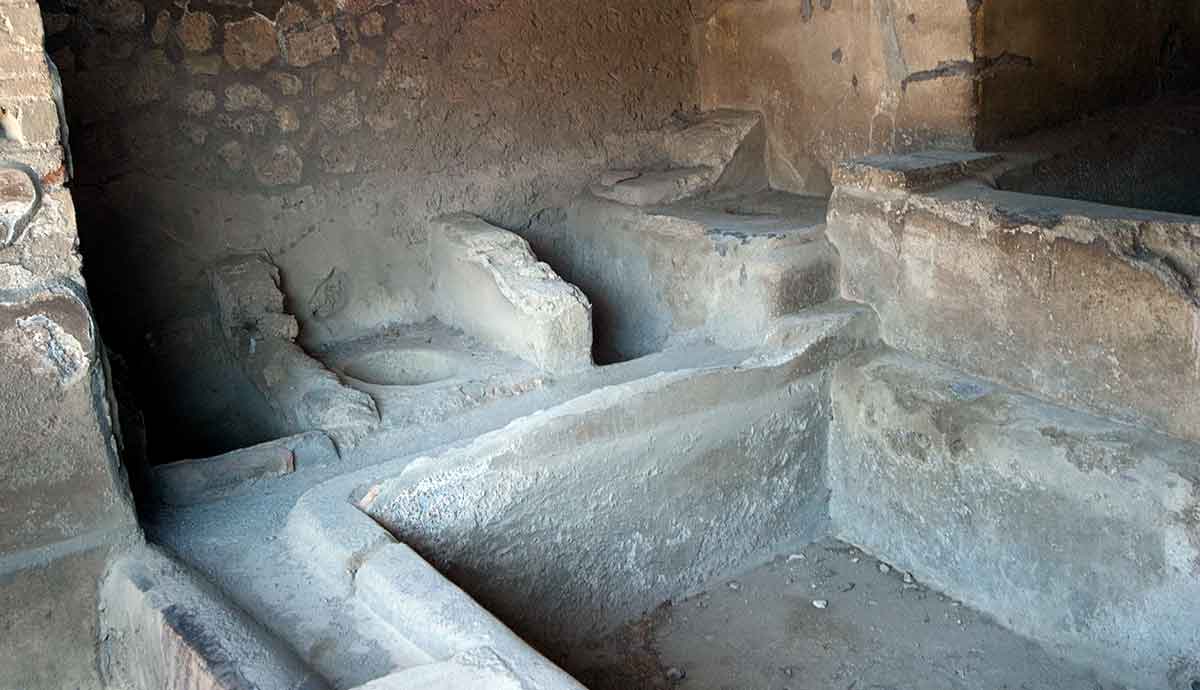
Urine contains the chemical component urea, which, over time, breaks down into ammonia, a useful alkaline agent that cuts through grease and acts as a cleaning agent and disinfectant. The Romans used it to do their laundry. In their laundromats, the fullonicae, they trampled their clothes in vats of urine, and to get their whites whiter, they hung their clothes over burning sulfur, which produced sulfur dioxide, an effective bleach.
Thankfully, urine and the resultant ammonia are not used in the laundry industry anymore. Neither is sulfur. While they may be effective, the ripe smell they produce is no longer a public concern.
Urine Was an Ingredient in the Ancient Spanish Beauty Industry
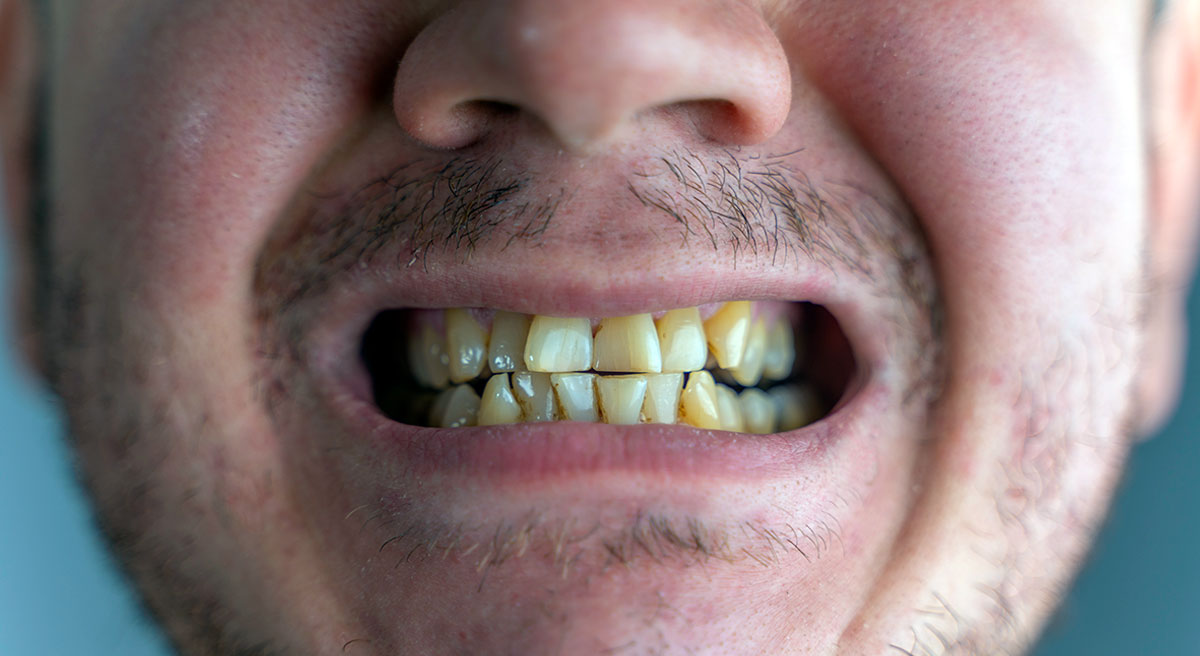
Urine had plenty of other uses too, and it wasn’t just in Rome. Both Catullus and Diodorus Siculus mention the Celtiberians using urine to whiten their teeth; the latter also notes that they bathed in it. From a Roman perspective, this was a “practice which is low and partakes of great uncleanness.” Strabo also mentions the Cantabrians, north of the Celtiberians, as having these customs.
The Romans were right to be suspicious of such activities. Urine is a waste product and contains substances the body is trying to get rid of. There is synthetic urea in some moisturizers, but it is specially formulated. Bathing in pure urine offers no noticeable benefits. Putting it in your mouth is certainly not advisable either.
Ancient Roman Urine Tax
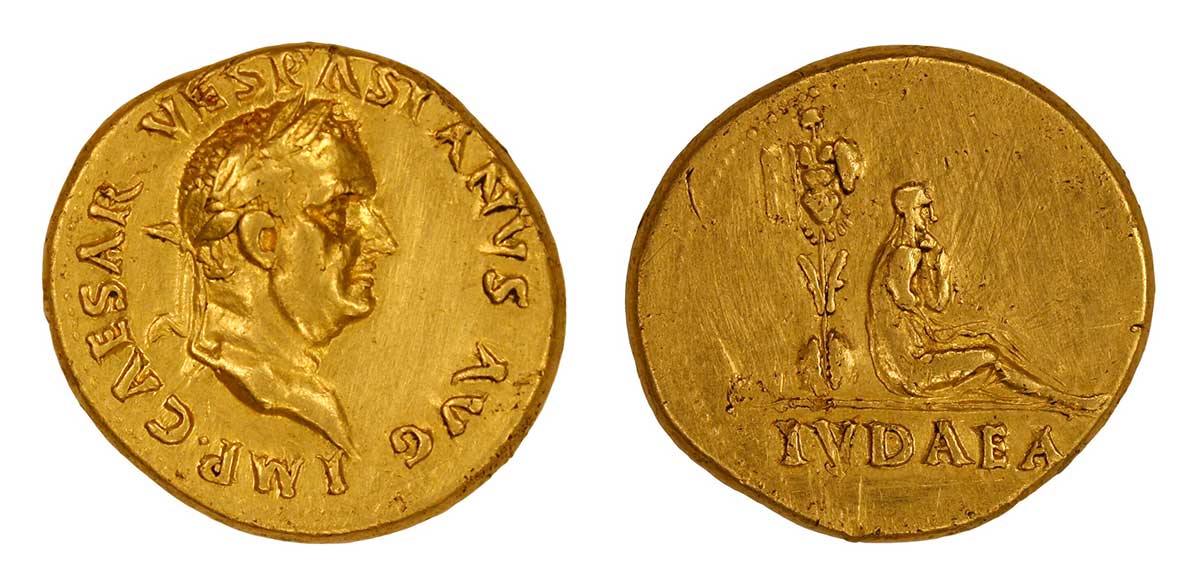
First introduced by Emperor Nero, vectigal urinae was a tax on the collection and disposal of urine. The tax was later abolished, but reinstated by Vespasian in 70 AD to help fill the imperial coffers. Urine was a vital component of many industries, and those that bought it after collection from public urinals had to pay the tax.
According to Suetonius, when Vespasian’s son, Titus, complained about the disgusting nature of the tax, Vespasian held up a gold coin and asked if the smell offended him.
Because of the link to Vespasian, public streetside urinals in Italy are called vespasiano, while in France they are called vespasienne.
Tanning Leather and Fixing Dyes in Medieval Europe
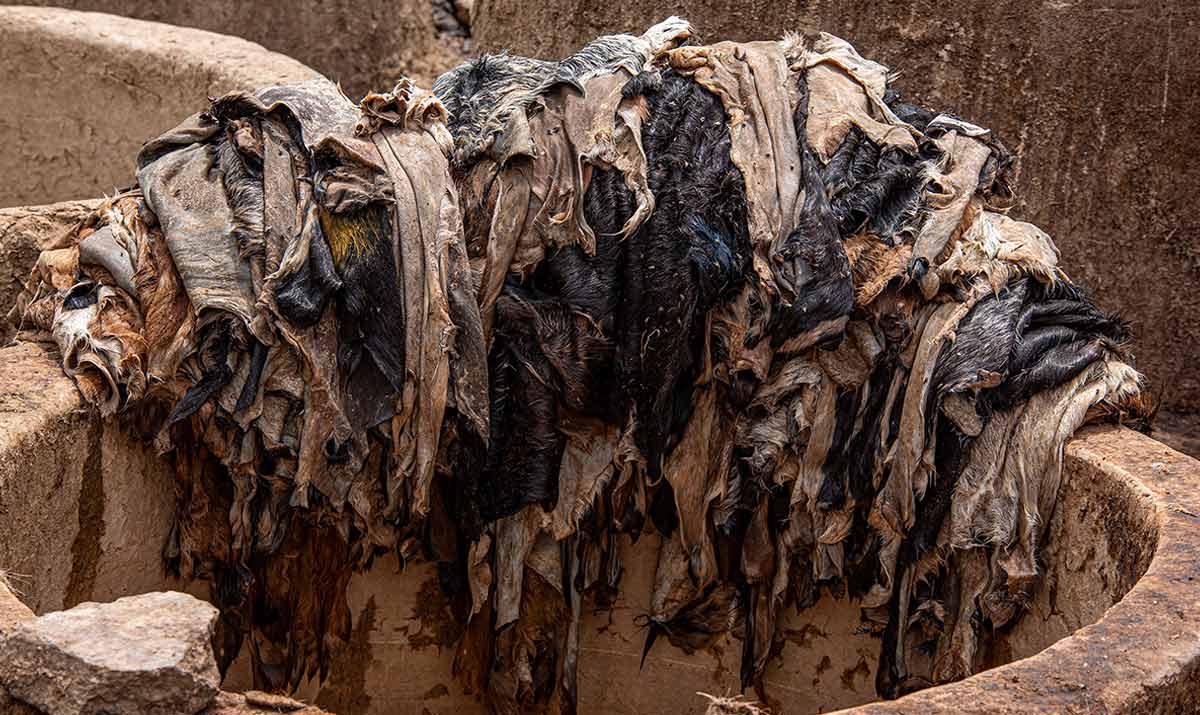
Ammonia, created from urea, also breaks down organic compounds, and as such, it was a component in the tanning industry. Hides were soaked in urine to loosen hair, which was then scraped off. Dung was also used in the tanning process; as a result, tanneries were malodorous places often relegated to the outskirts of town, where their offensive smell reached fewer noses. Sometimes even human feces was used, but this was uncommon.
Urine was also useful in the dyeing industry, where it was used as an extracting agent as well as a mordant, which helped dyes bind to the cloth. Soaking natural substances in urine helped extract the color and provided a rich pigment. As a mordant, mixing the dye with urine c
Powering Early Warfare Through Saltpeter Harvesting
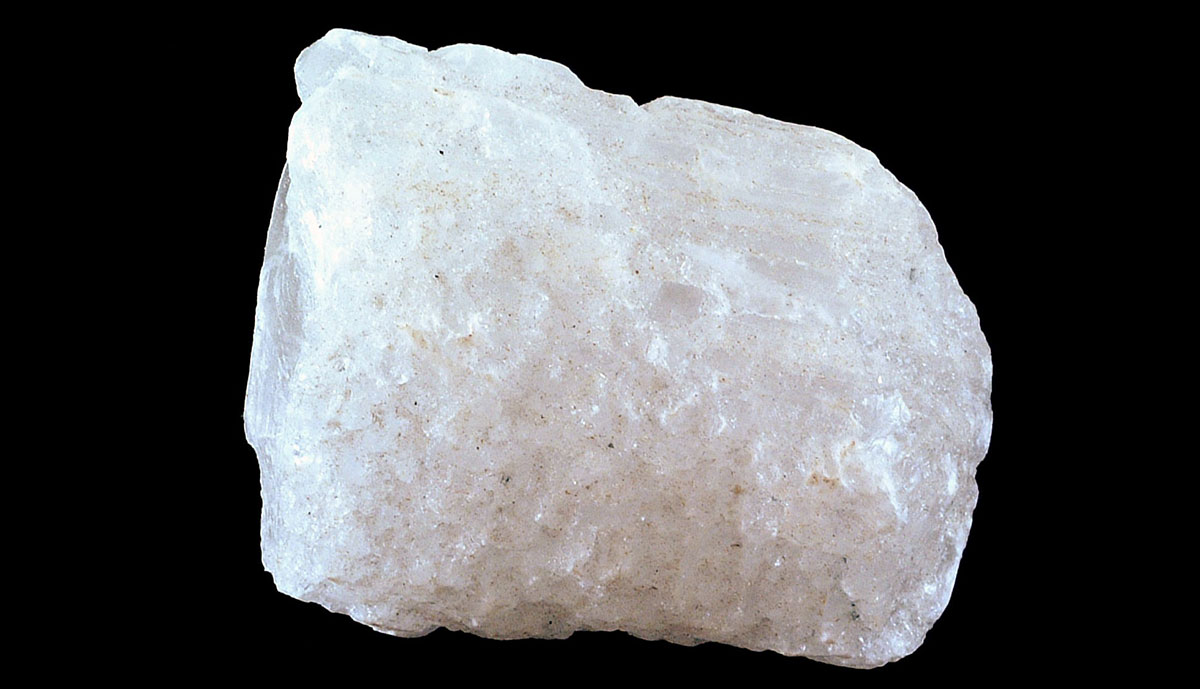
Saltpeter (potassium nitrate or niter) was, and still is, a vital ingredient in the manufacture of black powder (gunpowder). Where saltpeter did not occur naturally, people mixed urine with manure and other organic matter in niter beds to create potassium nitrate.
The demand for this was incredibly high, and saltpetermen were tasked with collecting all the ingredients and producing the substance in nitraries. Everywhere gunpowder was produced, urine was valued.
The trade died out in the 20th century when synthetic production became more practical.