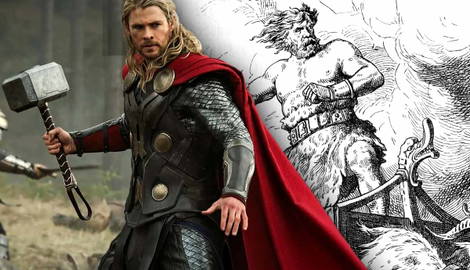

He’s blond, he’s noble, and he’s a quintessential superhero, at least that’s how Thor seems in the Marvel Cinematic Universe. But if you were to meet the original Thor of Norse mythology, you might not recognize him. The Thor of the Viking Age didn’t have a cape, he didn’t speak in Shakespearean English, and he definitely wasn’t a “golden boy.” The real God of Thunder was a red-bearded, giant-slaying force of nature, famous for his legendary temper. To the Vikings, he was a protector, but he was also unpredictable and unforgiving. Let’s take a look at real Thor vs Marvel Thor with five ways the real Thor would leave Marvel fans in shock.
Norse Mythology Thor Facts (vs Marvel)
| Attribute | Mythological Thor | Marvel’s Thor |
| Hair & Beard | Consistently described as red-haired and red-bearded (raudskeggjr). | Traditionally blond (the “golden boy” aesthetic). |
| Personality | Impulsive, famous for a “heart-swelling” rage (Modr), and often petty or selfish. | Noble, heroic, and a “quintessential superhero” (though he grows more humorous over time). |
| Parentage | Son of Odin and the giantess Jordr (Earth). | Son of Odin and his wife Frigg. |
| Mjolnir Access | Can be wielded/stolen by others (e.g., the giant Thrym); has no worthiness enchantment. | Only those who are “worthy” can lift or wield the hammer. |
| Equipment | Requires iron gloves (Jarngreipr) and a power belt (Megingjord) to wield Mjolnir. | Relies almost exclusively on the hammer; does not typically use the belt or gloves. |
| Transportation | A chariot pulled by two goats: Tanngrisnir and Tanngnjostr. | Primarily flies via Mjolnir or uses the Bifrost (goats only appear in Thor: Love and Thunder). |
| Goat “Ability” | Can be eaten and resurrected the next day (as long as bones are unbroken). | Depicted as screeching, comedic companions from another planet. |
| Motivations | Usually fights for personal reasons, revenge, or because a giant insulted his family. | Fights for a higher purpose to save the universe or protect the innocent. |
| Fate at Ragnarok | Dies after slaying the serpent Jormungandr (succumbs to its venom). | Survives Ragnarok and leads the remaining Asgardians to a new home. |
| Successors | His sons, Magni and Modi, survive to inherit his hammer. | Thor continues his own journey (as seen in the Guardians of the Galaxy crossover). |
1. Thor’s Red Hair and Beard, Plus Raging Temper
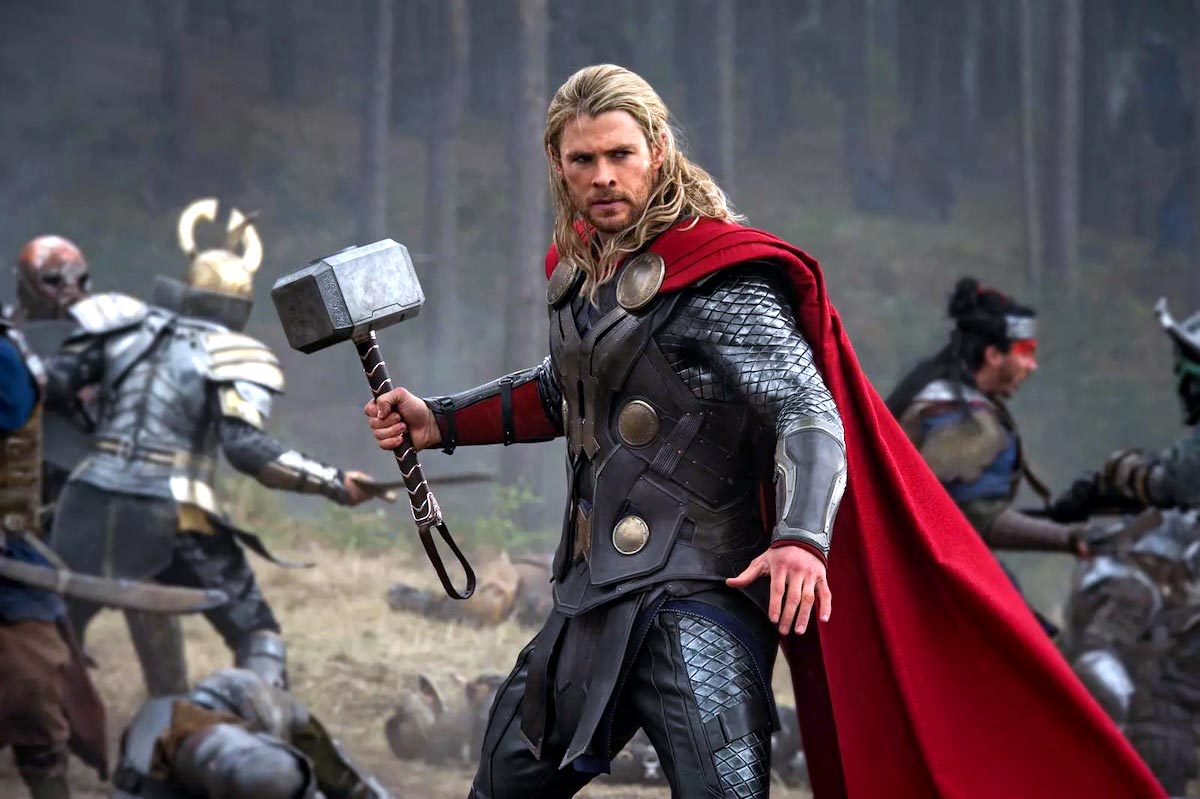
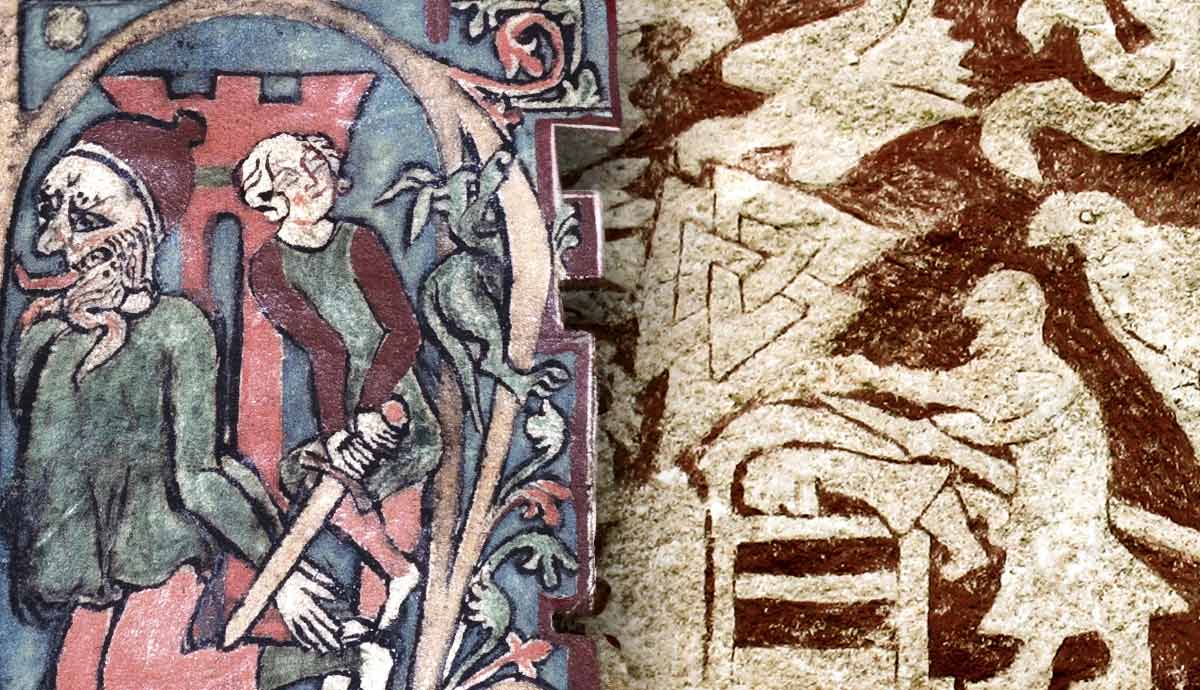
In the Marvel movies, Thor makes his screen debut as a “Golden Boy,” with big muscles, a charming smile, and long, blond hair. This is the first way Marvel’s Thor departs from the god in Norse mythology, who was consistently described as “raudskeggjr,” which means “red bearded.”
When Stan Lee, Larry Lieber, and Jack Kirby created Marvel’s The Mighty Thor in 1962, they specifically chose a blond aesthetic to make him a “golden” superhero with a stereotypical Nordic look. But the prevalence of blond hair among Scandinavians is actually a modern phenomenon. A 2020 DNA study published in Nature reveals more diverse genetics, with many Vikings sporting brown and, of course, red hair.
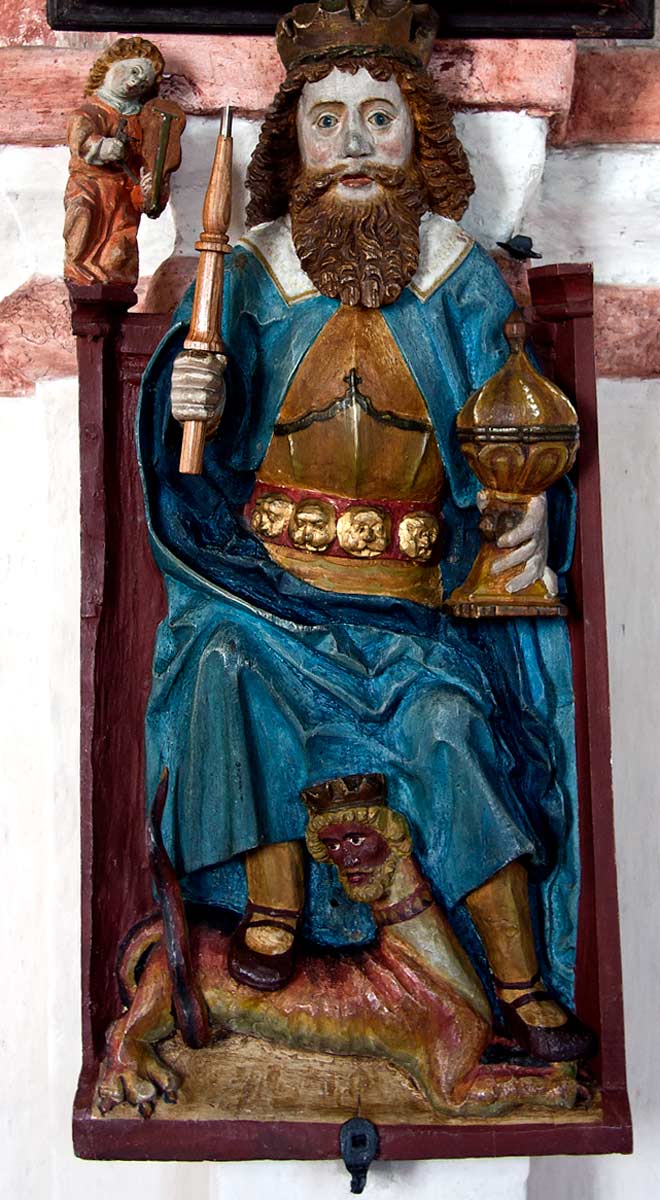
Thor’s red hair was probably meant as an expression of his hot temper. He was infamous for losing his cool and flying into a rage, often with deadly results for others. This is seen repeatedly in the story of Thor traveling to Utgard. When the human boy Thjalfi leaves one of Thor’s goats lame, the god flies into a rage and grips his hammer so tightly that his knuckles turn white. He then repeatedly tries to kill the giant Skrymir with his hammer when he is irritated by his snoring. On another occasion, when the giant Hymir cuts Thor’s fishing line to prevent the god from pulling the terrifying serpent Jormungandr out of the water, Thor pushes him overboard, risking Hymir becoming a meal.
Thor’s anger is described as Modr, which is a heart-swelling rage. It may be akin to the fury that the Berserker warriors cultivated when they communed with the spirits of ferocious animals before going into battle. This rage was also manifest in Thor’s eyes, which are described as lit by lightning and terrifying to look upon. When Thor cross-dresses as the goddess Freyja to retrieve his stolen hammer, his lightning eyes almost give him away, along with his enormous appetite for food and drink. We occasionally see Marvel’s Thor with lightning in his eyes.
2. He Didn’t Just Use a Hammer
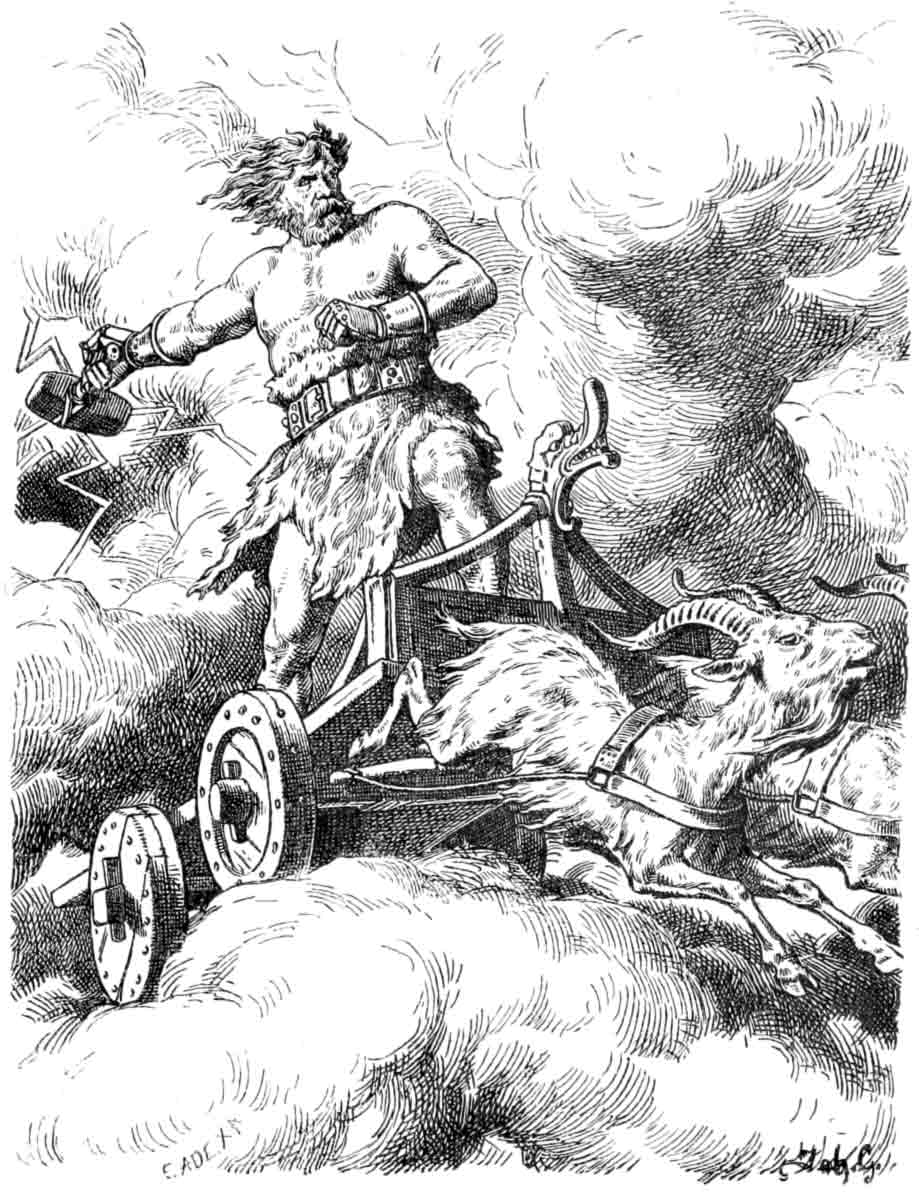
Thor’s most famous attribute is his hammer, Mjolnir, made by the dwarves, the master craftsmen of the Norse cosmos. While Loki’s machinations meant that the hammer was made with a shorter-than-intended handle, making it challenging to wield, the gods still consider Mjolnir the best weapon in the cosmos. However, it does not have an enchantment that blocks others from using it.
This is made clear when the giant Thrym steals the hammer, saying he will only return it in exchange for the hand of the goddess Freyja in marriage. She refuses to help Thor get his hammer back, so Thor disguises himself as Freyja and pretends to marry the giant. Mjolnir in original mythology was also used to hallow weddings, so when Thrym retrieved the hammer as part of the wedding ceremony, Thor took it back, revealed himself, and killed everyone in the giant’s hall.

Mythological Thor had other important attributes. Principal among them were a pair of iron gloves called Jarngreipr and a belt called Megingjord. The belt is said to double his already prodigious strength, while he “cannot do without” his gloves when wielding Mjolnir (Gylfaginning 22). This may suggest that Thor needed to increase his strength to properly wield Mjolnir. Marvel Thor’s costume does not include either of these features.
Thor is always described using Mjolnir as his weapon of choice when confronting his giant enemies. As the strongest of the gods, he is charged with protecting both Asgard, the realm of the gods, and Midgard, the realm of men, from the giants. As such, Mjolnir was a symbol of protection among the Vikings, who often wore hammer pendants to honor the god.
3. The Chariot of Goats
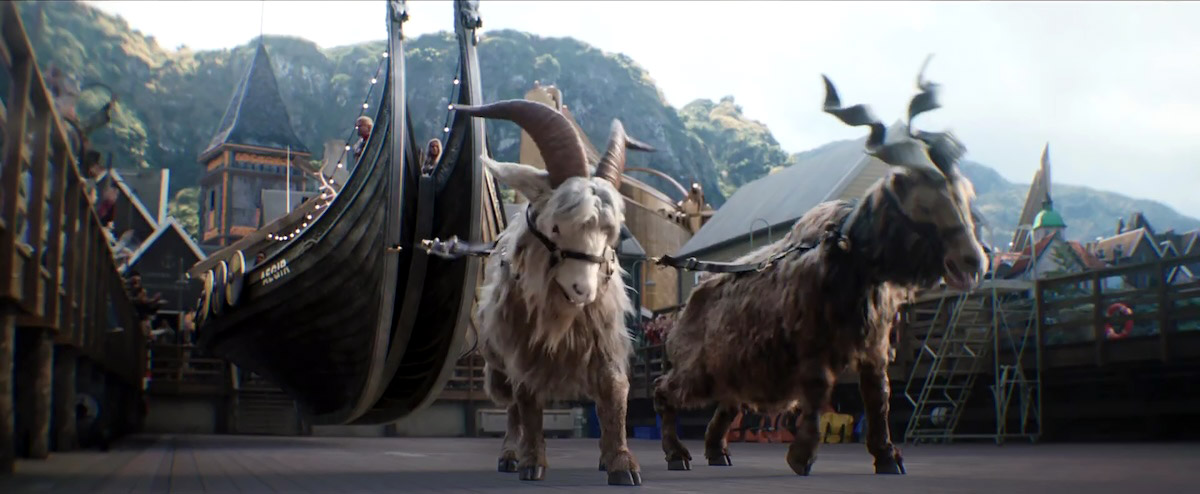
In Thor: Love and Thunder (2022), we see Thor acquire goats to pull his chariot. The screeching creatures then appear several times throughout the film. This is a feature taken from Norse mythology, though we aren’t told where Thor got them (probably not another planet).
Just two goats pull Thor’s mythological chariot named Tanngrisnir and Tanngnjostr, meaning “tooth-bearer” and “tooth-grinder.” The Thrymskvida describes Thor driving his chariot with the goats wrenching at their halters, running swiftly and leaving a trail of fire behind them.
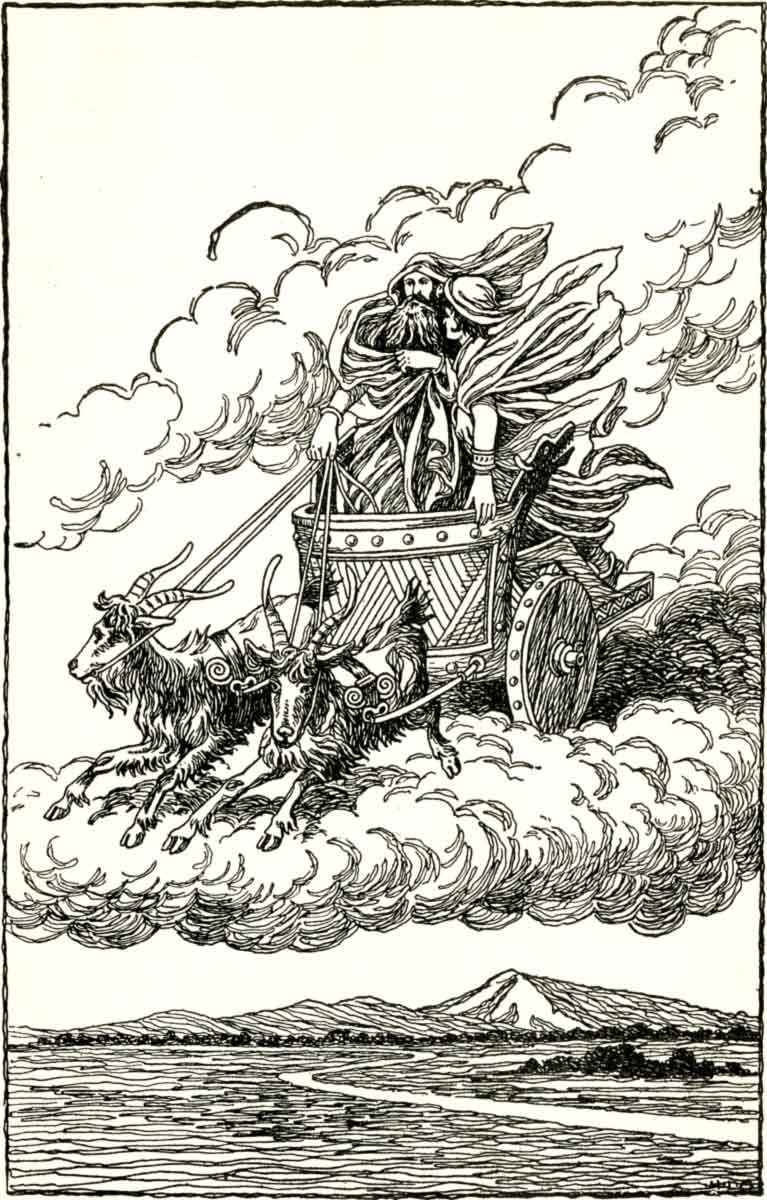
In the Hymiskviða, Thor leaves his goat, described as having splendid horns, with a human named Egil in Midgard before traveling to Jotunheim with Tyr to visit the giant Hymir. When he returns, they collapse due to lameness. The poem says this is Loki’s fault, referring to a lost story.
Most famously, in the story of Thor traveling to the hall of Utgard-Loki, he stops along the way at the house of a peasant farmer. The family does not have enough food to offer their guests, so Thor slaughters his goats for food, carefully preserving the skin. He tells the family to be careful not to damage the bones and lay them on the skins when they have finished eating. However, the farmer’s son Thjalfi cannot resist breaking open a leg bone for its marrow. The next day, when Thor uses his hammer to magically resurrect the goats, one of them is lame due to the broken bone.
4. His Feuds Were Personal and Often Humorous
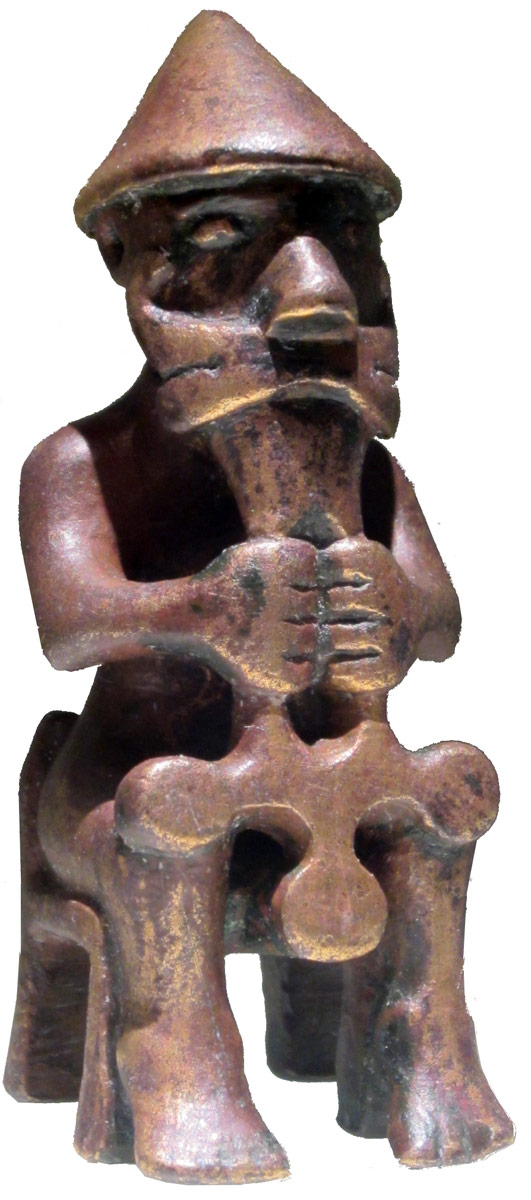
In Marvel’s Thor and Avengers movies, we see Odin choose Thor as his worthy successor. He then joins the fight to save the universe from a variety of threats, from the dark elves to Thanos. But the Thor of mythology is much more like the Thor of Guardians of the Galaxy. He is rarely fighting for a higher purpose. He usually kills giants because they steal his hammer or insult his family in some way.
We have already seen how Thor killed the giant Thrym and all the guests invited to a wedding ceremony. In another story, he killed the giant Hrungnir when the giant, invited to dine in Asgard, got too drunk and began insulting all the gods and saying that he would take the goddesses for himself. When the gods were in a dispute with the builder who constructed the walls of Asgard, Thor discovered he was a giant. Without debate, he smashed the giant’s skull.
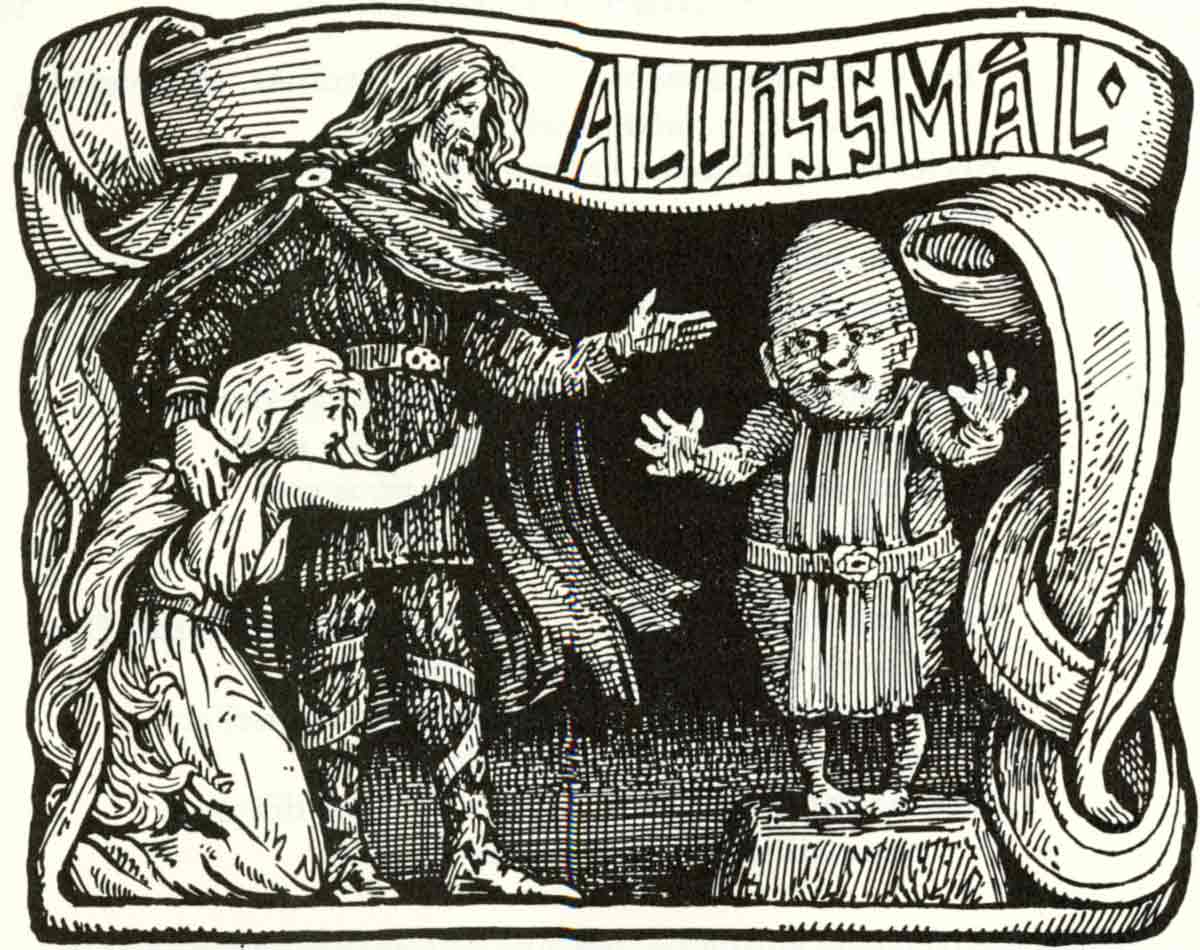
In another show of pettiness, when a dwarf named Alviss came to Asgard wanting to marry Thor’s daughter Thrud, Thor was irritated that he would dare ask for such a thing. Therefore, he demanded that Alviss prove himself by answering questions about the earth, sun, and moon. Alviss answered well, but lost track of time. As Thor had secretly planned, the delay kept Alviss talking until sunrise, causing the dwarf to turn to stone.
5. Thor Doesn’t Survive Ragnarok

Another difference between the Eddas and Marvel is Thor’s ultimate fate. In the Marvel universe, while Asgard does not survive in Thor: Ragnarok (2017), Thor himself survives and leads what remains of his people. Sadly, in Norse mythology, this is not what happens.
According to the Ragnarok prophecy, Thor will face off with the serpent Jormungandr at Ragnarok. While he will slay the monster, Jormungandr will vomit so much venom onto Thor that he will also die within seconds of his victory. In fact, all the great gods are killed. Odin is devoured by the wolf Fenrir, Tyr is killed by the hound Garm, and Freyr is killed by the fire giant Surtr, who sets Asgard on fire with his flaming sword, just like in the film. Even Loki, who accompanies Marvel’s Thor in their escape from Asgard, is killed. He and Heimdall fight to the death, destroying one another.
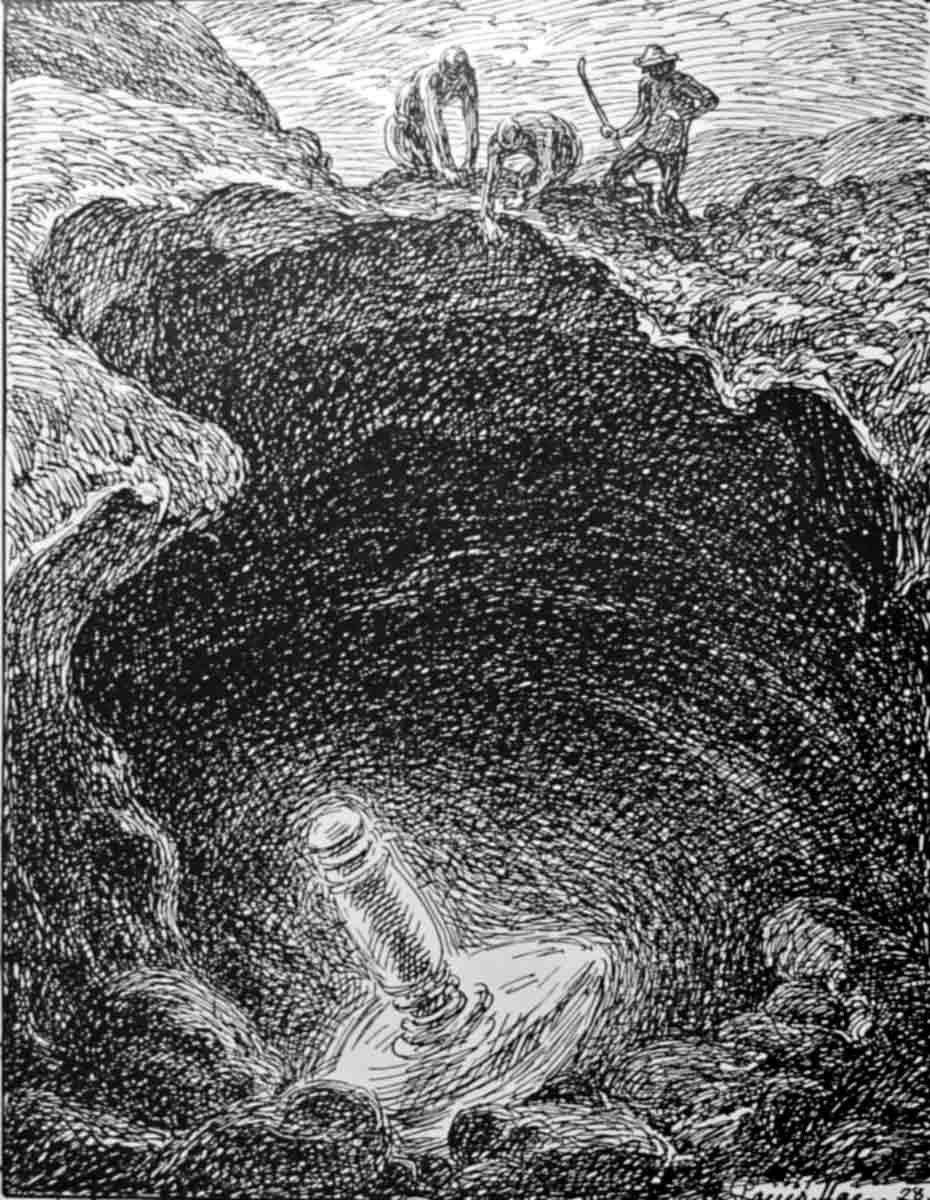
But the idea that there are survivors who go on to rebuild, as we see in the later movies, does have a basis in myth. According to the Voluspa, Thor’s sons, Magni and Modi, survive Ragnarok and inherit their father’s hammer. Odin’s son Vidar kills Fenrir to avenge his father and survives Ragnarok. Balder, another one of Odin’s sons who is already dead and in Helheim, will be able to return and join the other “next generation” gods in rebuilding the world. It reflects Norse ideas about hereditary rule that the sons of the major gods survive to take up their mantle.
Why the Real Thor Still Matters Today

Thor is clearly the “hero” of Norse mythology, as the majority of surviving stories are about his exploits. But he certainly does not fit the modern hero archetype. He is impulsive, bad-tempered, and acts for selfish reasons. He never displays empathy or clemency. Is this what the Vikings considered heroic? Possibly.
Life in the Viking Age was hard. Ruthlessness was rewarded with the spoils of war, and life was cheap. We often talk about the Vikings stealing gold and silver from English churches, but their most lucrative commodity was slaves, taken from the west and sold on eastern markets. A level of ruthlessness was necessary to survive and thrive in the Viking world.
The fact that Thor is not perfect is one of the reasons he is an interesting character. We already have the always moral Captain America, so Thor’s Viking attitude sets him apart and provides plenty of opportunities for comic relief. Nevertheless, the Thor we see on film is still a toned-down version of the Thor who appears in Norse mythology to make him more accessible to modern sensibilities of justice and mercy.