
The Vikings had a reputation in Medieval Europe as strong, ferocious, and bloodthirsty warriors. But among the Vikings, there was an elite group of warriors considered more ferocious than the rest: the Berserkers. Believed to fight with the spirit of wild animals, they were supernaturally untouchable in battle. But their ability was more than a manifestation of ferocity. The Berserkers were part of a specific religious group and undertook special rituals to gain their power. So, how did one go berserk?
Berserkergang: What Was It Like to Go Berserk?
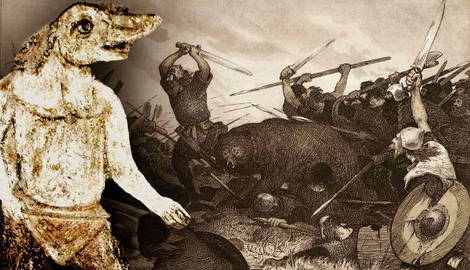
The Norse sagas include many tales of warriors who communed with the spirits of wild animals to take on their ferocity in battle. Today, we call them Berserkers, which means “bear coats,” but this was only one of the animals associated with warriors. There were also Ulfhednar, “wolf coats,” and Jofurr, “boar coats.” What they have in common is that they were wild animals native to the region known for their ferocity.
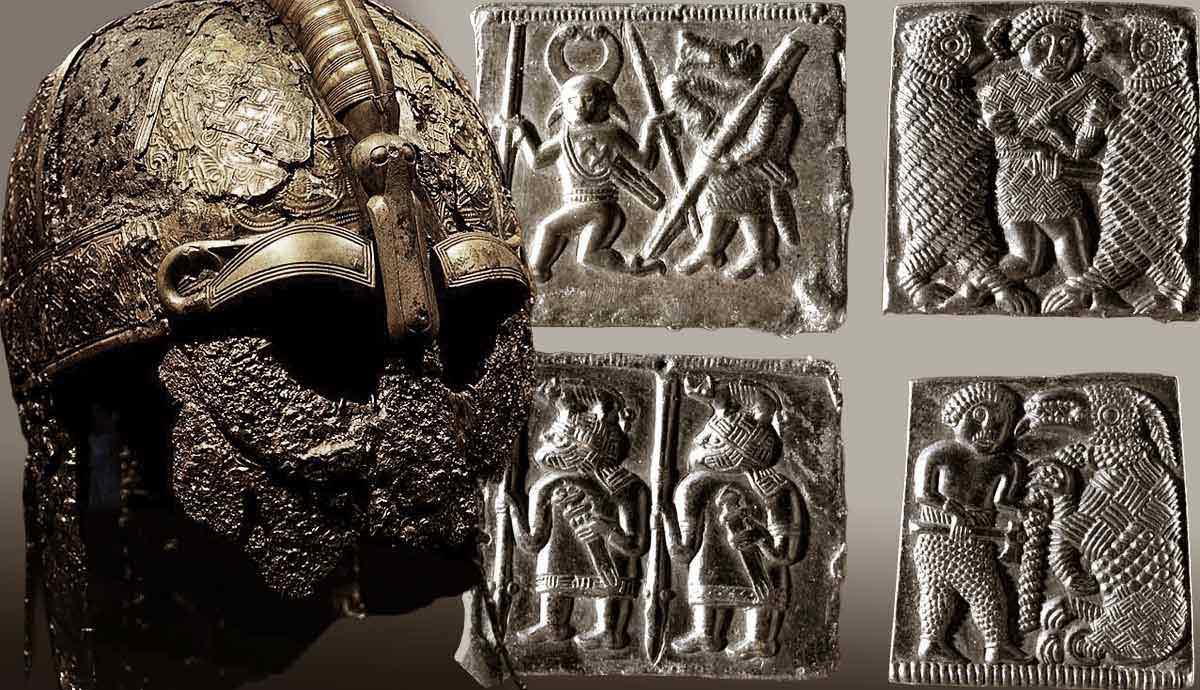
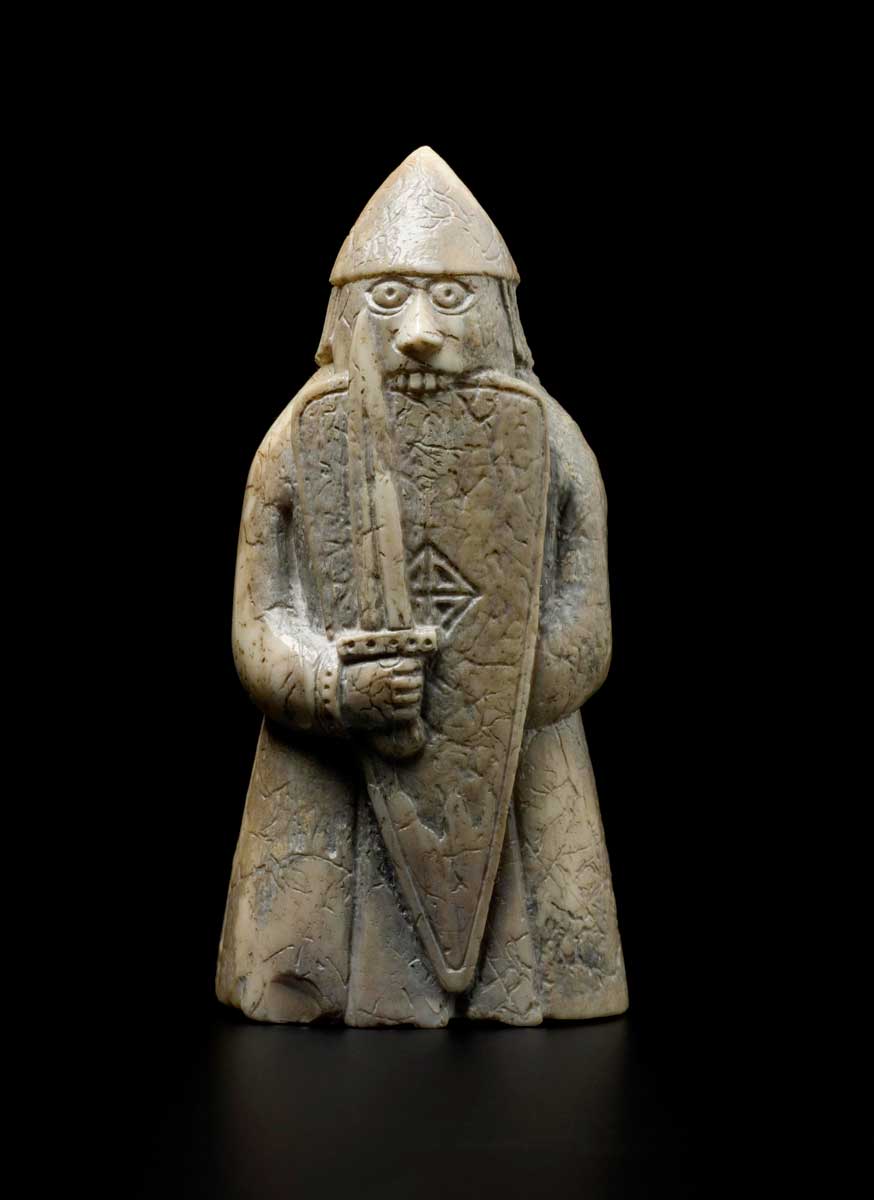
According to the stories, these warriors worked themselves into a frenzied state before battle. This required losing control to an extent. In the Ynglinga Saga, Snorri Sturluson comments that the warriors acted like wild dogs or wolves and bit their shields to control their urges. Viking chess pieces found on the island of Lewis include warriors biting their shields, believed to represent Berserkers.
In battle, the Berserkers were believed to fight as ferociously as animals, and sometimes to be supernaturally untouchable. They became insensitive to pain, allowing them to fight on, “untouched” by their wounds in their frenzy (Egils Saga). The Ynglinga Saga says that neither fire nor iron could affect them. Saxo Grammaticus suggests that Berserkers used magic to blunt the edge of steel, so that swords would bounce off their skin. Their enemies had to resort to bludgeoning them to death because iron was useless (Gesta Danorum 7).
Importantly, the sources agree that these warriors went into battle without armor, fighting naked except for their animal skins. The Icelandic Vatnsdaela Saga notes that this terrified the local population as it made them seem fearless, and more like savage beasts than human beings.
These Berserkers are well attested in the Viking Age, but the practice is probably more ancient. Trajan’s Column, dedicated in AD 113, shows German warriors wearing the skins of both bears and wolves.
Post-Battle Exhaustion: The Crash
The battle frenzy could last hours or days, but when it wore off, the warriors reportedly suffered a paralyzing physical weakness that could last for days. In Egils Saga (27), Egil’s grandfather, Kveldulf, was a Berserker, and after battle, he fell into such great exhaustion that he had to take to his bed.
Displaying the sexism of the day, Grettis Saga says that after the frenzy, the warriors become so weak that they are “less capable than women” (19). According to the Saga of Hrolf Kraki, the Berserkers who fought for the king were so spent after battle that they could barely lift their weapons and had to be guarded by other warriors as they slept off their exhaustion.
Odin’s Warrior Cult: Viking Berserker Rituals

While we imagine the Berserkers as a warrior band, they were actually a religious sect engaged in Norse shamanic warfare practices. Dedicated to Odin, the god of war, they learned special rituals to achieve the animal connection. Plus, this was not a one-off; they seem to have been a religious sect that was set apart. According to Svarfaela Saga, a Berserker had to postpone a challenge to single combat due to special ritual observances around Yule.
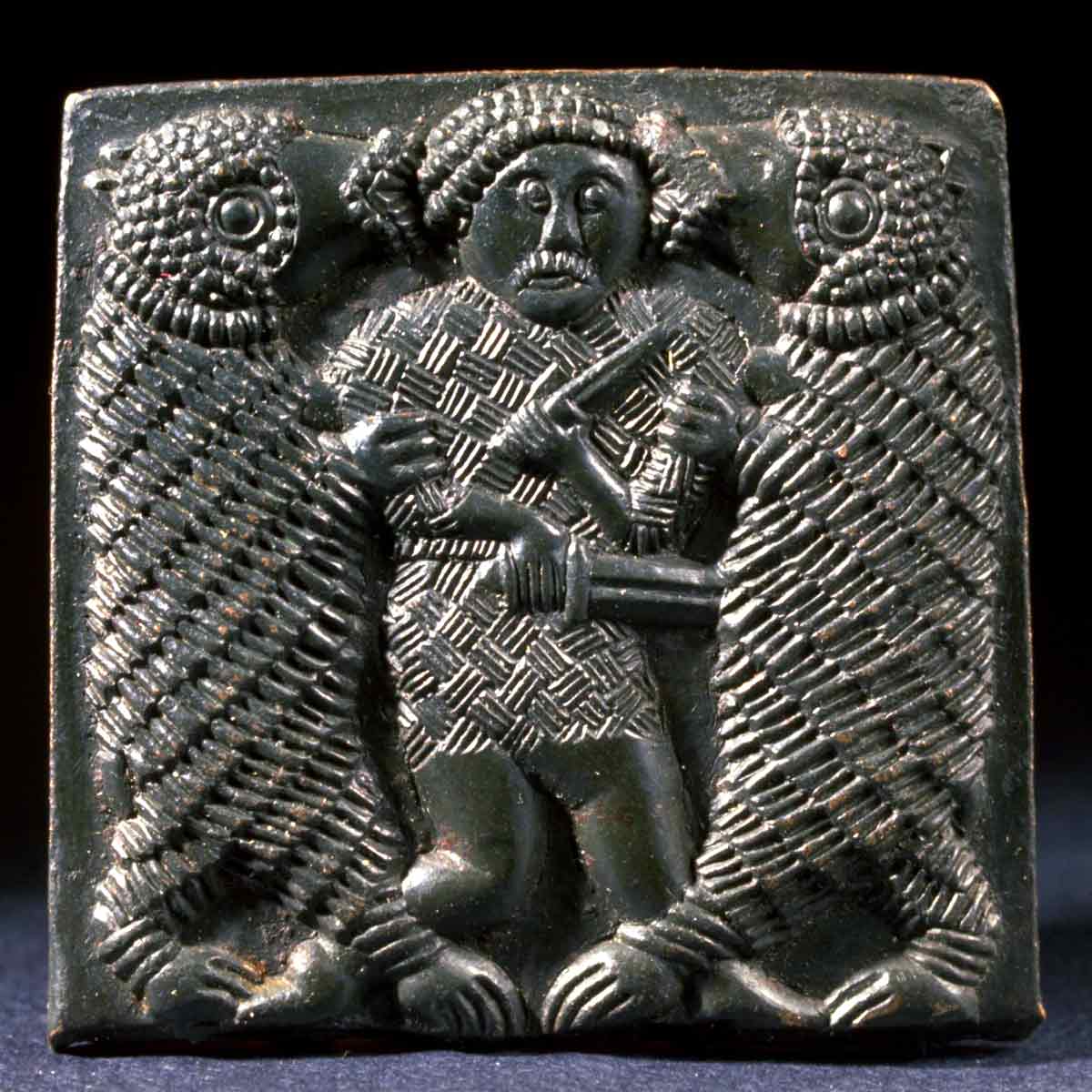
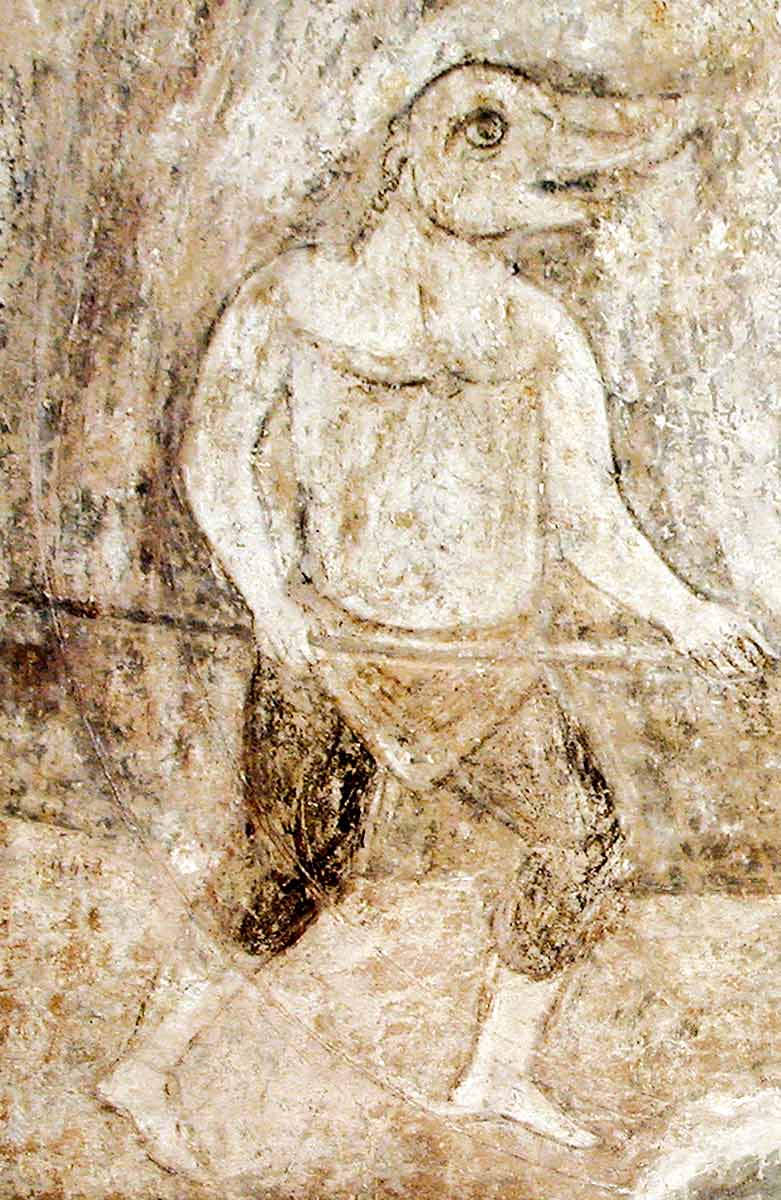
It seems likely that the transformation required ritual dance. This is suggested by the Torslunda Plates, Vendel Era bronze die casts used to decorate helmets. One of the canonical scenes shows a one-eyed figure wearing a horned helmet dancing alongside a warrior in a wolf pelt carrying a spear. The one-eyed warrior is almost certainly Odin, as this was one of his characteristics. The scene suggests that the warrior dances alongside the god to inhabit the animal. Similar images appear on the 5th-century Golden Horns of Gallehus, from Jutland in Denmark. One shows two animal-headed men facing one another, armed with a sickle and an ax.

The Havamal also suggests that Odin knew a magical song, called a galdr, that blunts the weapons of his enemies so that no weapon can wound him. Some sources suggest that the Berserkers used similar spells, which they may have learned from Odin through their rituals.
The idea of a ritual dance is reinforced by a text written by the Byzantine Emperor Constantine VII in the 10th century. He talks about the Norse members of his personal Varangian Guard, saying that they perform a ritual Gothic dance wearing animal skins and monstrous masks. They also reportedly shouted and clashed their weapons against their shields to create a great sound and enter a trance-like state.
The Saga of Hrolf Kraki, written in the 14th century, offers a different version of the ritual. It explains that the legendary Berserker Bodvar Bjarki taught a weak young man named Hjalti the secrets of the ritual. It says that Bodvar killed a monstrous beast and had Hjalti drink his blood and eat a piece of its heart. After the ritual, all fear left the young man, his physical strength doubled, and he became a great champion. However, this was written centuries after the Viking age, so it may be a Christian imagining of the lost ritual practice.
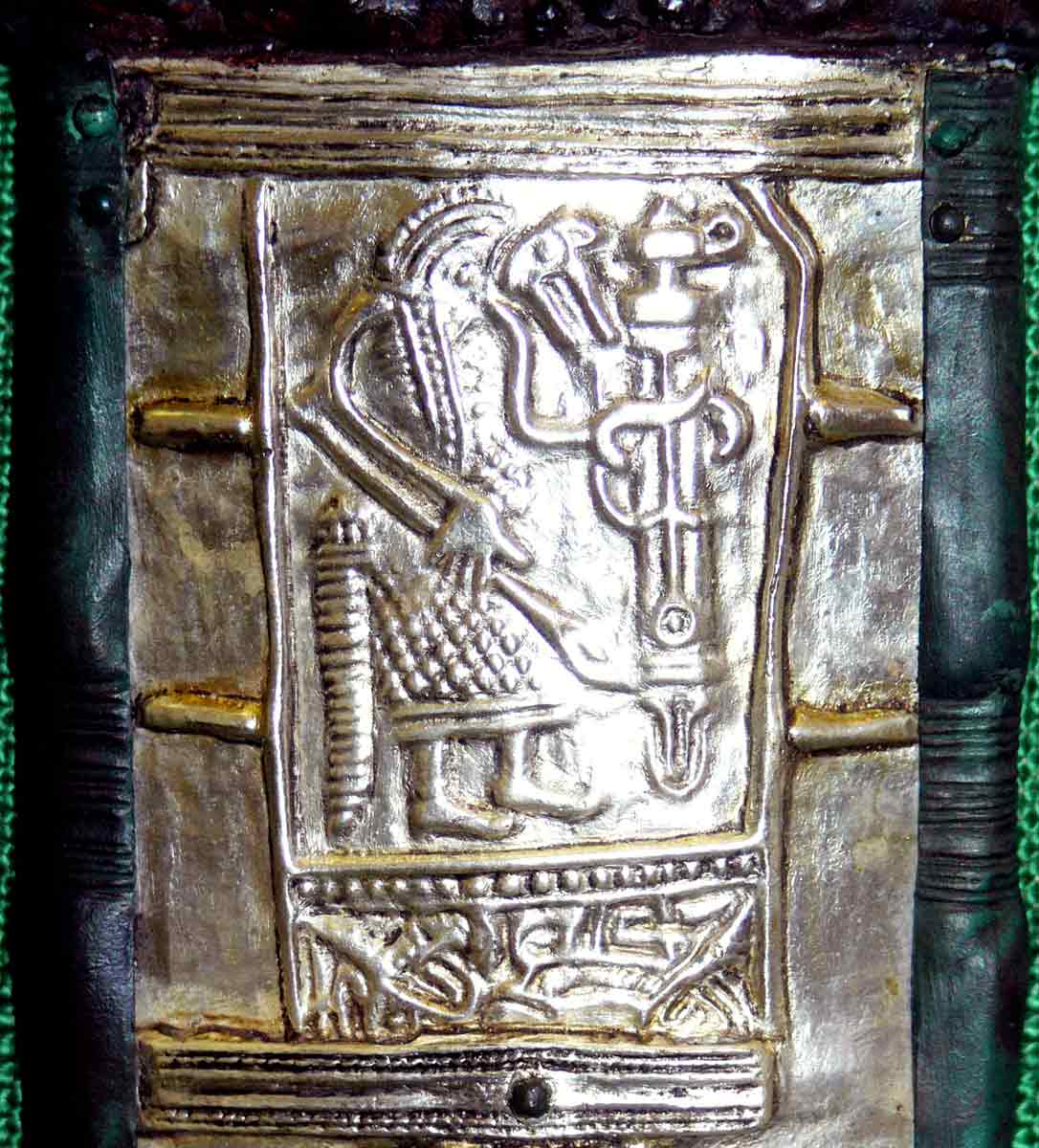
The same saga suggests that Berserkers were buried with their ritual pelts. It suggests that Bodvar’s death was a kind of final transformation to his animal state. It certainly seems to be a status that the warrior carried into death. A 7th-century German grave contained a silver scabbard that features a warrior with a wolf’s head, holding a sword and spear.
The Drug Debate: Henbane vs Mushrooms

Many modern scholars believe that eating hallucinogens may have played a role in reaching the desired frenzy. Many point to Fly Agaric (Amanita muscaria) mushrooms as the potential supplement. The active chemicals in the fungus cause altered perceptions and euphoria, plus feelings of increased physical strength and pain inhibition. Taking the mushroom is also followed by a severe physical crash. However, there is no direct evidence that the Vikings used these mushrooms, and they can also cause nausea, vomiting, dizziness, and twitching, which are not part of the Berserker legend.
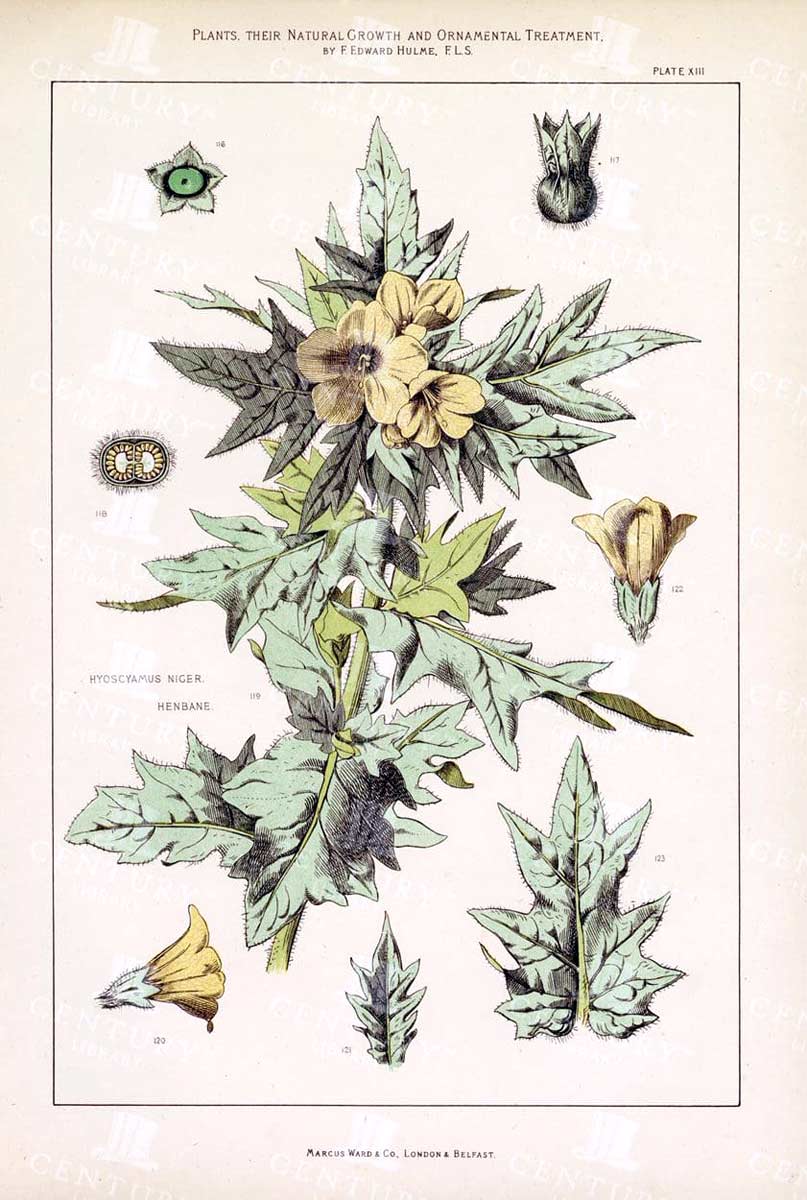
Stinking Henbane (Hyoscyamus niger) might be a more likely candidate. The toxic plant contains tropane alkaloids that can cause terrifying delirium, wild rage, hallucinations, bloodshot eyes, extreme heat flashes, and insensitivity to pain. Use also causes a drop in blood pressure afterwards, which could account for the Berserker crash.
Henbane has been found in Norse archaeological contexts. A grave of a wealthy woman excavated at Fyrkat in Denmark included hundreds of henbane seeds. Other grave goods suggest that the woman may have been a Volva, a Norse witch, and the henbane seeds may have been part of her practice. Seeds were also found in the grave of a Norse woman from Aska in Sweden.
Saxo Grammaticus suggests that the Vikings put herbs in their drinks to cause madness. That this could have included henbane is suggested by finds at the Dublin Viking Brewery, where it looks like henbane may have been used to bitter some ales.
Possession or Transformation?
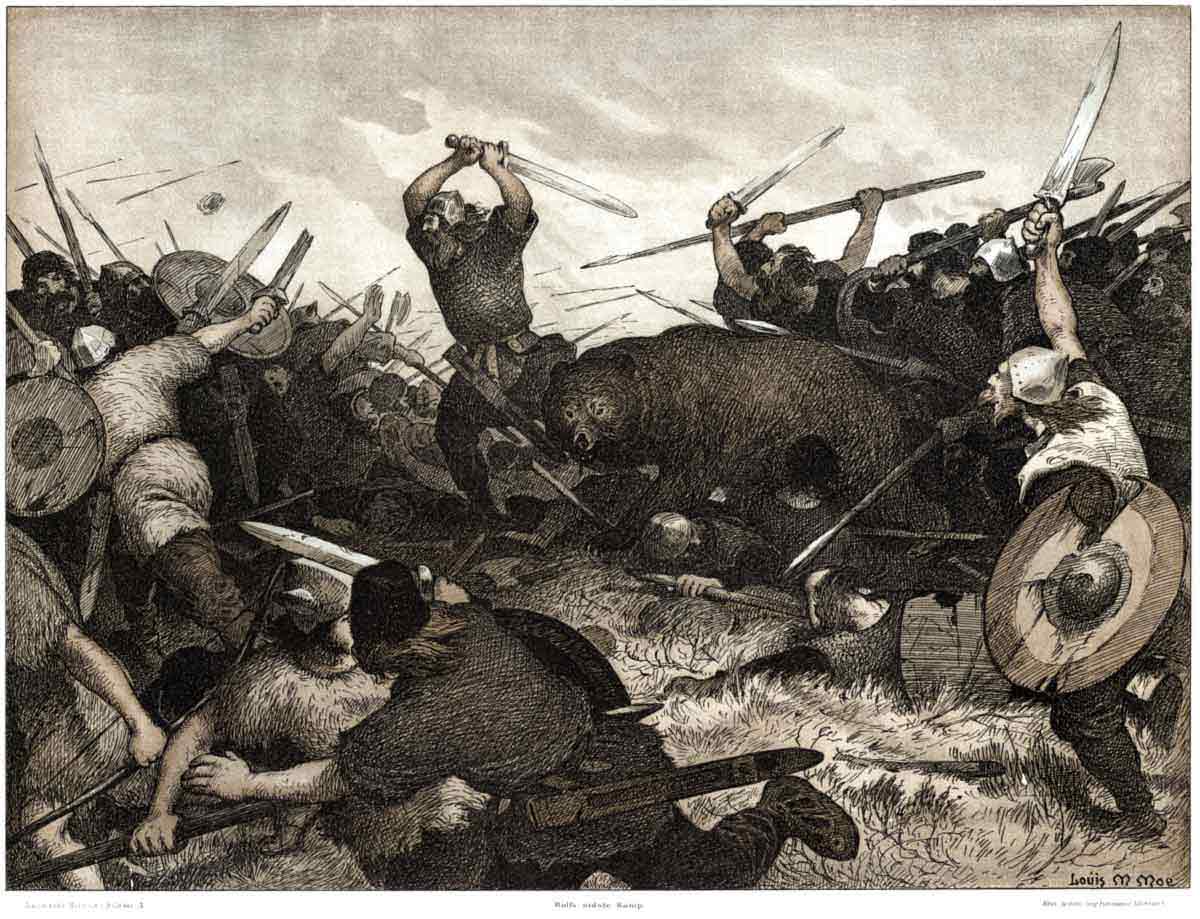
We usually describe Berserker warriors as taking on the ferocity of the animals they commune with. However, some sources suggest that it may have involved a more physical transformation, perhaps even shapeshifting.
This possibility begins with the idea of the Norse soul. The Old Norse word for soul, sal, was only created when the Vikings converted to Christianity. Before that, the Norse soul had four principal parts: the Fylgja, a follower or personal guardian spirit; the Hugr, the mind and thoughts; the Hamingja, the embodiment of luck and fortune, inherited within family groups; and the Hamr, the shapeshifting element.
Hamr means “shape” or “skin,” and is the physical form of the person. Powerful people could hamask, or “change skins.” This is seen in the Volsunga Saga when Sigmund and Sinfjotli don enchanted wolf skins that transform them into wolves. The term hamask is sometimes used explicitly in relation to the Berserker.
In the Saga of Hrolf Kraki, a band of twelve Berserker warriors led by a man named Gautri serves King Hrolf as elite troops. They are described as taking the physical form of monstrous bears at the front of King Hrolf’s army, tearing apart the enemy forces.
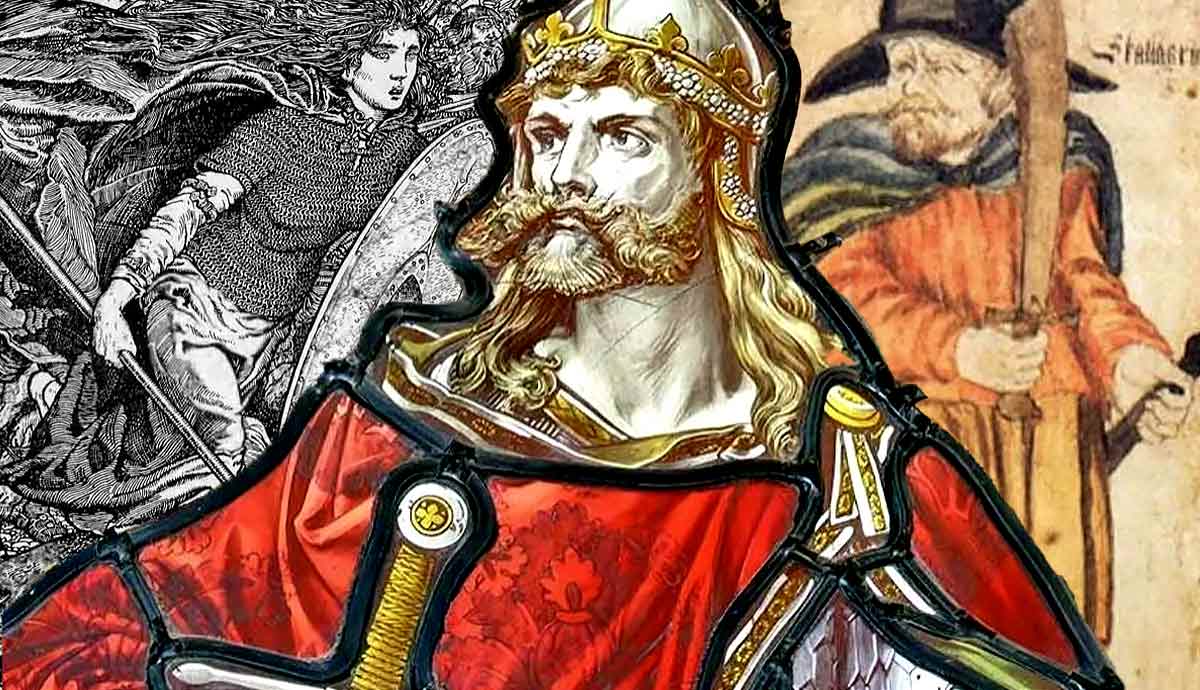
In Egils Saga, a band of twelve terrifying men visits King Harald to ask for wergild payment for the death of a family member. They were selected because they were shapeshifters, but they were so enormous and fearsome that they looked more like trolls than humans. This may suggest that regular changing had a lasting impact on their appearance.
Why the Berserker Rituals Vanished

While the Berserkers continued as popular characters in the sagas, any real Berserker warriors disappeared around the 11th century. According to Grettis Saga, Jarl Eirikr Hakonarson of Norway officially outlawed the Berserker cult in AD 1015, banning the practice and dissolving the cult. Anyone caught engaging in Berserker activity could be sentenced to outlawry. A similar ban was passed in Iceland not long after, as recorded in the Gragas.
This was both the result of conversion to Christianity, which saw a major religious shift. While rulers may have turned a blind eye to some continued pagan practices, more exhibitionist practices, like Berserker rituals, were likely targeted, especially as the practice could be interpreted as demonic possession by the Church.
The Vikings also started to adopt the more organized military systems of their Christian neighbors. The lone warrior who could singlehandedly kill twenty men was no longer as valuable as disciplined troops who could follow orders and fight as part of a larger military machine. The Berserkers simply no longer had a place in their changing society.