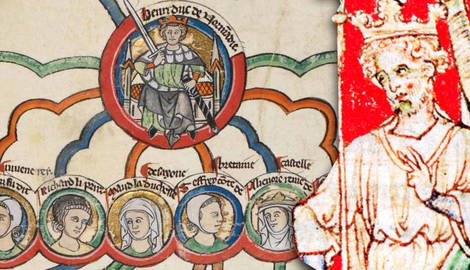

Known as the Devil’s Brood, Henry the Young King, Richard the Lionheart, Geoffrey of Brittany and “Bad King John” were legitimate sons of Henry II, one of the most powerful monarchs of medieval Europe. The Angevin Empire, carved out by their father, extended beyond the previous possessions of the English throne, but it was torn apart by their individual greed and ambition. Rather than standing together with each other and their father, within a generation, one of the greatest medieval empires lay in ruins.
The Angevin Empire and the Devil’s Brood
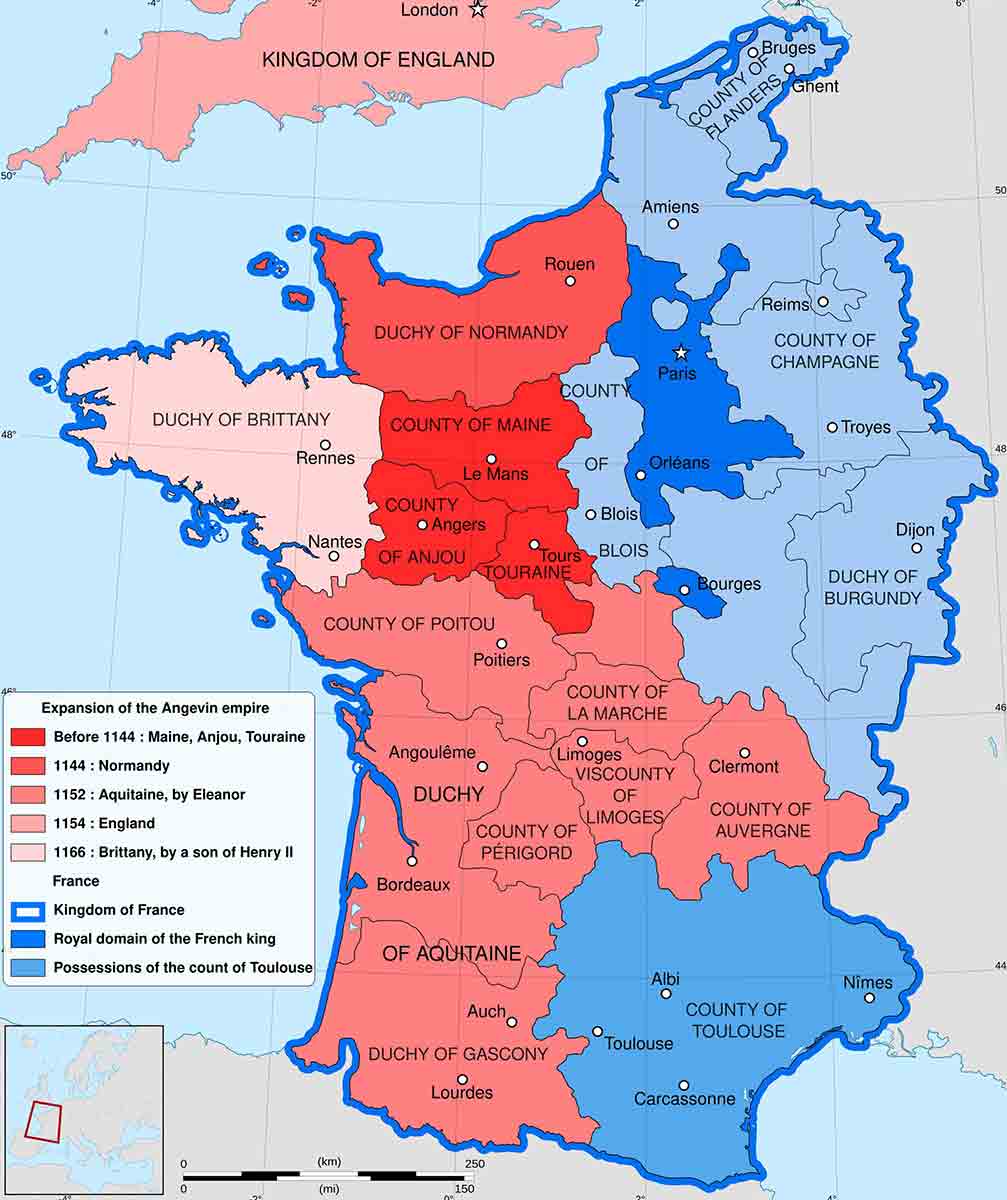
Few monarchs in the Middle Ages could boast a greater lineage and more magnificent inheritance than King Henry II of England. His mother was the formidable Empress Matilda who dragged England into a civil war known as The Anarchy when her cousin Stephen usurped her throne upon the death of her father, Henry I. Through his mother, Henry acquired both England and the Duchy of Normandy.
Henry was the product of Matilda’s second marriage to Count Geoffrey of Anjou and acquired this rich county upon Geoffrey’s death in 1151. By marrying the incredibly wealthy Eleanor of Aquitaine in 1152, Henry expanded his kingdom to southwestern France. Henry’s extensive territories, which consisted of England and half of modern-day France, came to be known as the Angevin Empire.
With Eleanor, Henry produced a large family, including four sons known as the Devil’s Brood for their willingness to rebel against their father. Henry the Young King (1155–1183), Richard, who acquired the epithet “Lionheart” (1157–1199), Geoffrey II, Duke of Brittany (1158–1186) and the youngest, John, nicknamed Lackland (1166–1216).
Henry’s problem was that he possessed too many lands and had too many heirs. Primogeniture had not at this time been fully established, and so Henry decided to divide his empire amongst his sons, rather than leaving the entirety to the eldest. This also appeased the French King, Louis VII, who grew increasingly concerned over the Angevin Empire. His jealousy stemmed not only from the size of Henry’s territory, but also from more personal motives; Louis was the first husband of Eleanor, whom he had divorced because she had failed to give him a son.
Henry the Young King: The King Without a Kingdom
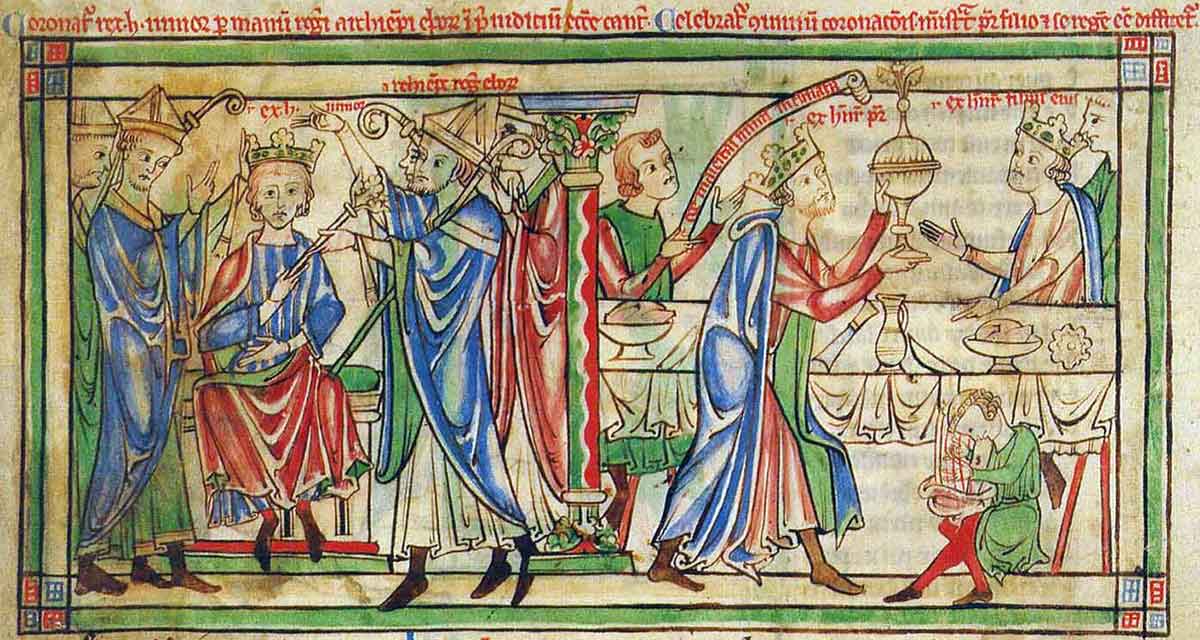
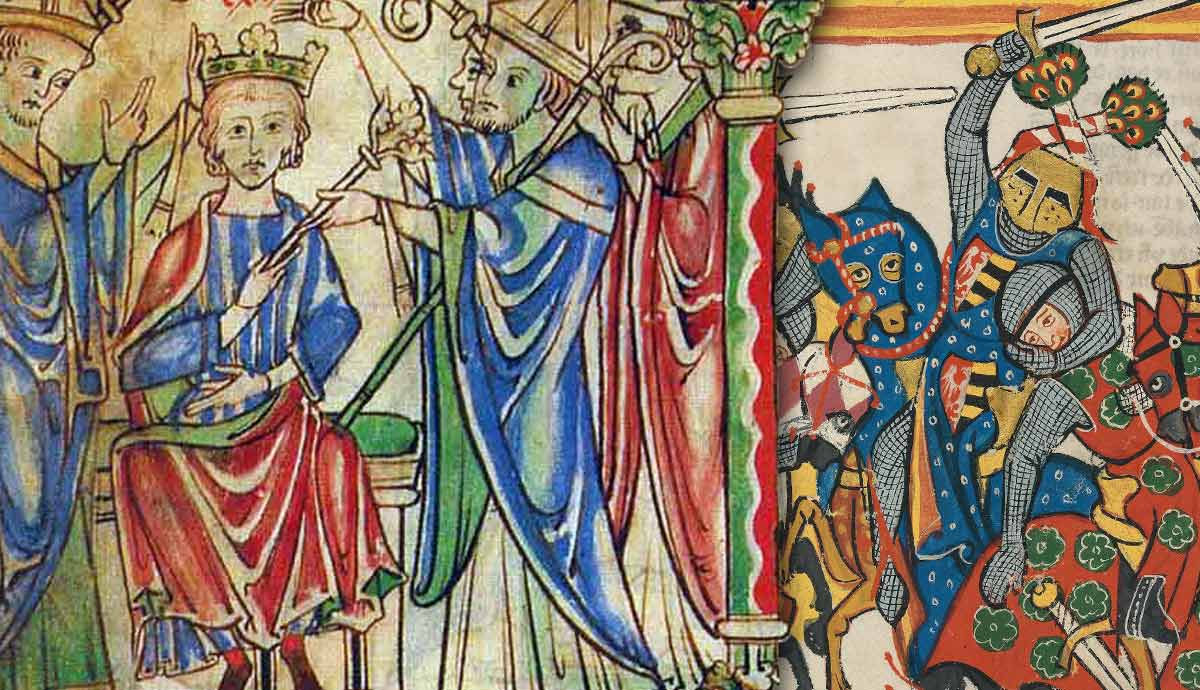
Henry II took the unusual step of crowning his eldest surviving son and namesake in 1170 during his own lifetime, a relatively common practice in France. Crowning Henry “the Young King” had several advantages. It was a declaration of the old Henry’s dynastic intentions and served to secure the succession. Given the recent dynastic struggle of his mother, Empress Matilda, the security of his throne was at the forefront of Henry’s mind.
However, this arrangement was not unproblematic. Henry the Young King was essentially a king without a kingdom and would have to wait until the death of his father to acquire his inheritance. The Young King was financially dependent upon his father, unable to reward his own followers and to establish himself as an independent lord.
Henry’s complaints to his father fell upon deaf ears. The only way to remedy the situation was for Henry II to abdicate or die, two things Henry had no intention of doing. Henry II was relatively young when he began a family with Eleanor, and was only 22 years older than his eldest son. The Young King knew he was likely to be in for a long wait for his inheritance and to fully exercise royal power.
The Great Revolt of 1173–1174
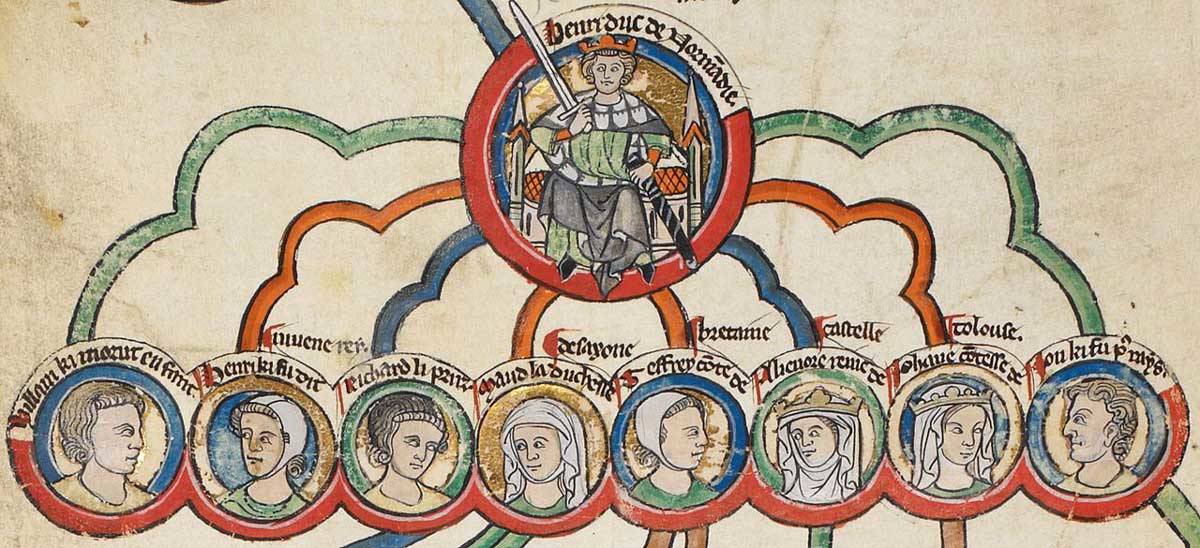
The division of Henry II’s empire among all of his sons was the cause of much family strife. Henry the Young King was to inherit the throne of England as well as the Duchy of Normandy and the County of Anjou. Richard the Lionheart was destined for his mother’s domains, the Duchy of Aquitaine. Geoffrey would acquire the Duchy of Brittany through his marriage to Constance, daughter of Conan IV of Brittany. In 1170, no provision was made for the youngest son of the family, John, who was accordingly nicknamed Lackland.
In February 1173, Henry II met Count Humbert of Maurienne at Limoges to arrange the marriage of five-year-old John to Count Humbert’s infant daughter. Henry announced his intention to hand over three castles in strategic locations in Chinon, Loudun, and Mirebeau to John upon the marriage. As these were part of the Young King’s expected inheritance, the announcement provoked his fury; already denied control over his patrimony, the further loss of these castles was the final insult.
Henry was furious at his son’s ingratitude and disrespect. Henry II was a seasoned politician and had heard tales of the revolts faced by his great-grandfather, William the Conqueror, who, like himself, had sons in his twenties before he himself had reached the age of forty. Henry knew his son could destabilize his entire empire. Consequently, the elder Henry kept his son and heir close to him and under constant supervision. But the Young King slipped his guards in defiance of his father.
The Alliance With Louis VII of France
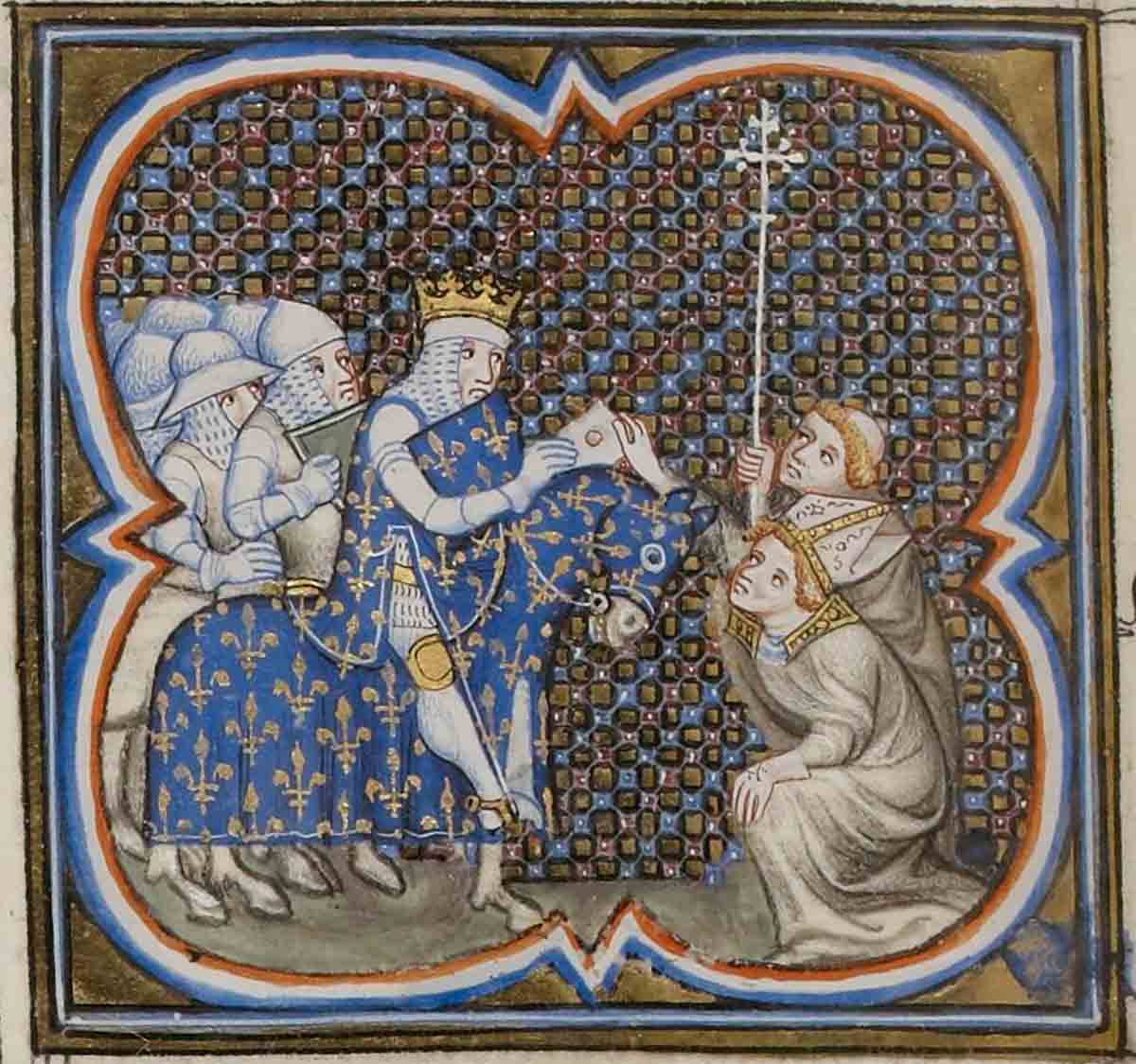
Encouraged by his friends and other nobles who hoped to profit from a power transition, Henry fled his father’s entourage to the court of his father-in-law King Louis VII (Henry was married to Louis’ daughter from his second marriage). Louis was only too glad to make trouble for his arch-enemy Henry II. Before long, Richard and Geoffrey also fled to the French court. The brothers were aged 14 and 12 respectively, suggesting that they were encouraged by their mother Eleanor. Eleanor herself was caught attempting to flee to the court of her first husband.
Three of Henry’s sons and his wife were now in open rebellion against him. Henry kept his wife under house arrest while he dealt with the Devil’s brood. The conflict led to considerable bloodshed and the destruction of towns and villages throughout the Angevin Empire. The rebellion was centered on Normandy, which was an essential foothold on the continent and was critical for communications between England and Henry’s French lands.
The fighting continued for 18 months until Henry II was victorious and peace was restored in 1174. Unfortunately for Henry, his sons would periodically rebel against him. After the death of the Young King in 1183, Richard, Geoffrey and John continued to be thorns in their father’s side until his death in 1189.
Richard the Lionheart: Poor King, Excellent Crusader?
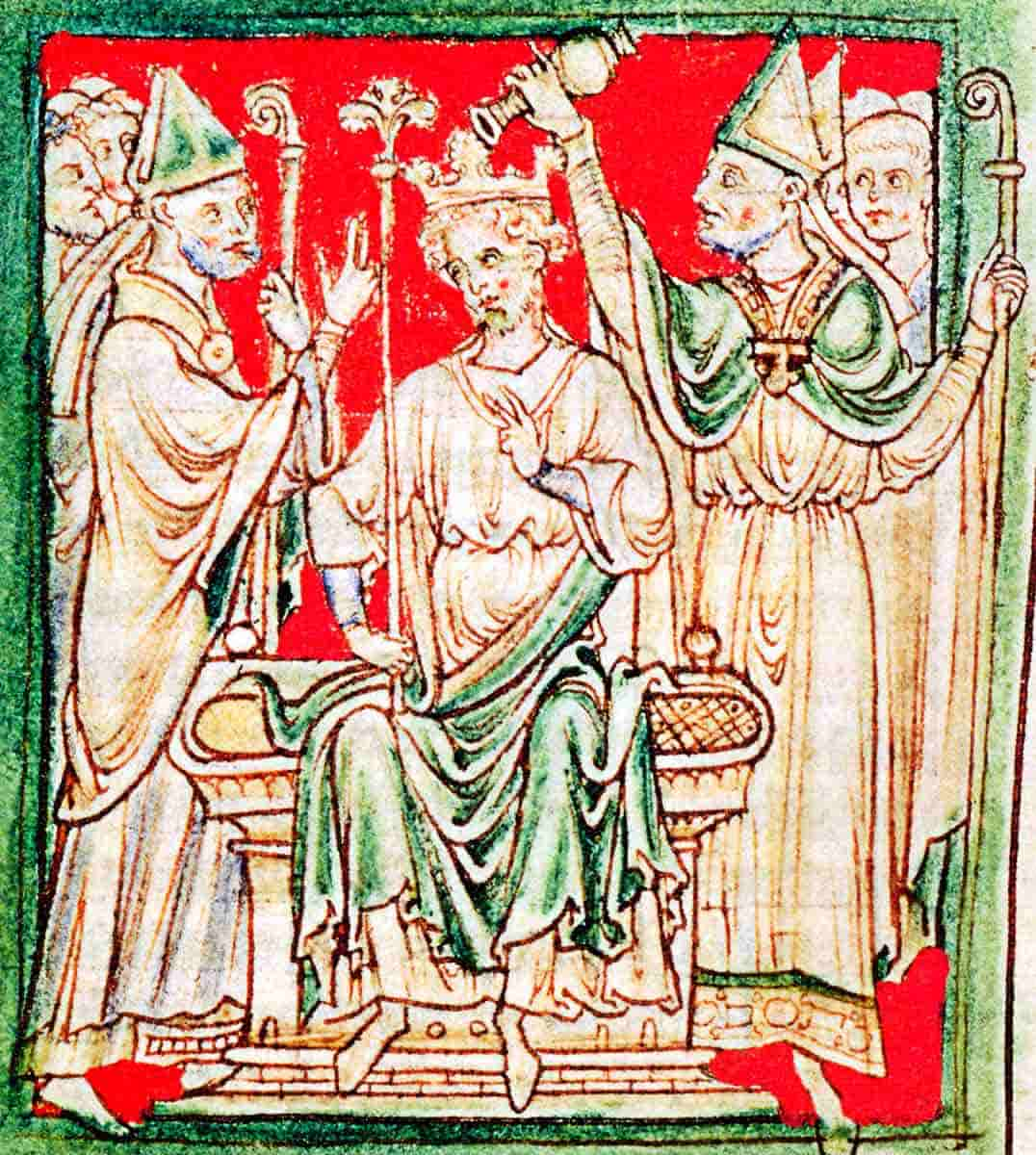
Following the death of Henry the Young King, Richard stood in line to inherit England, Normandy and Anjou after his father’s death. Accordingly, Henry II asked Richard to relinquish control of Aquitaine, which he now intended to bequeath to John. Richard refused—he had spent the previous two decades establishing himself in his mother’s duchy and was not prepared to abandon his interests there. Conflict between father and son ensued, and Eleanor of Aquitaine was temporarily released from her confinement and forced her son to relinquish Aquitaine to her control to restore peace.
By the time he succeeded his father in 1189, Richard was already planning to participate in the Third Crusade to reclaim Jerusalem. A tax was levied in England to finance his Crusade, which placed an enormous financial burden upon his subjects.
Although Richard was unsuccessful in capturing Jerusalem, he successfully besieged Acre and distinguished himself as a formidable warrior and was a worthy opponent of Saladin, who enjoyed an equally illustrious reputation.
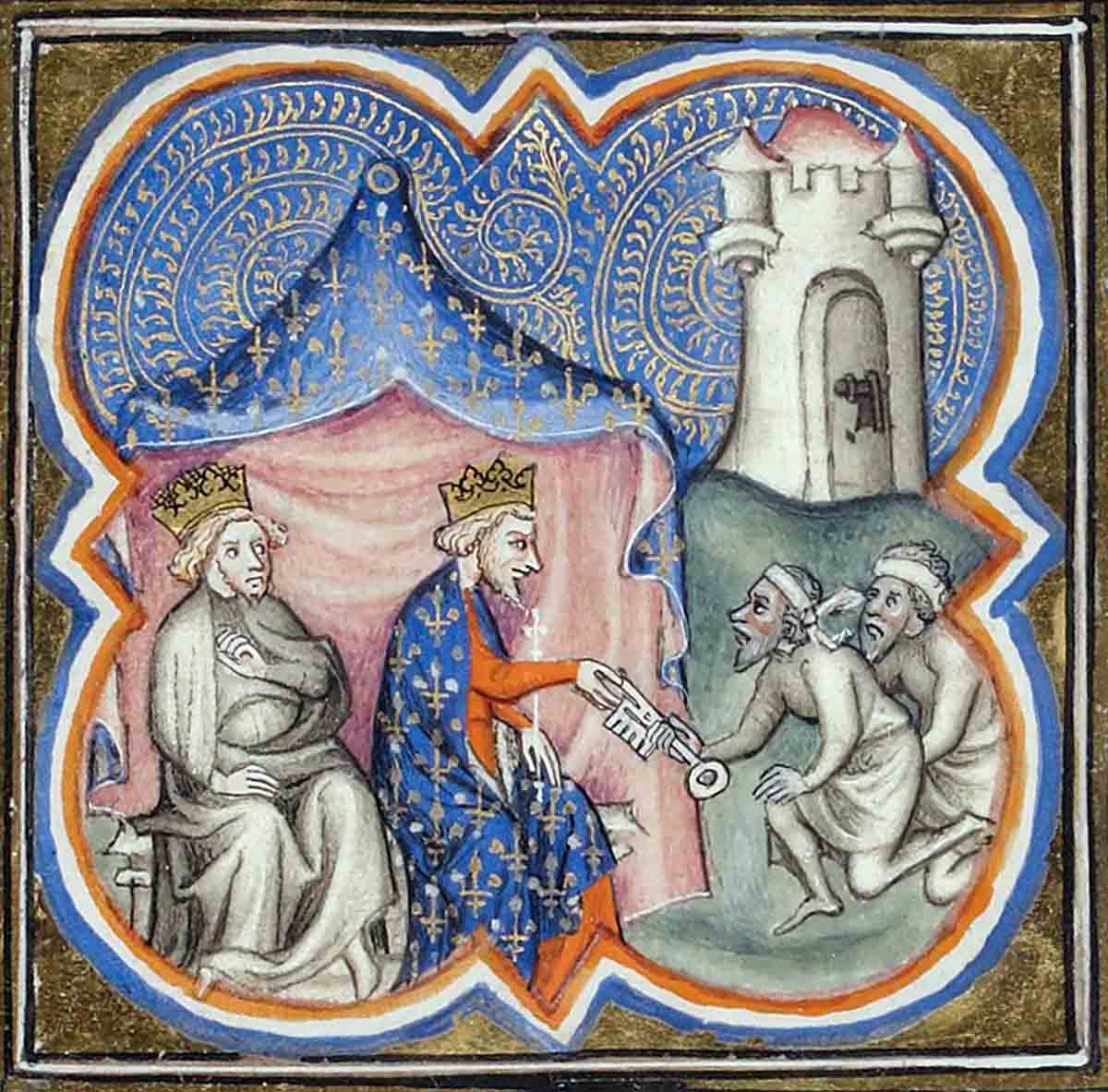
During the siege of Acre, Richard offended Duke Leopold of Austria by taking down his banner and throwing it into the mud. This seemed inconsequential at the time, but as Richard traveled home in 1192, he was captured by Leopold and sold into the custody of the Holy Roman Emperor. The ransom demanded for his release was 150,000 marks, double Richard’s annual revenue from England. His subjects were once again taxed, not only causing resentment but also leaving England and the rest of Richard’s kingdom in a weakened state.
Richard’s crusade had been costly, and his participation in various rebellions against his father had illustrated weaknesses within the empire he had inherited. Richard died in 1199 fighting against Philip II of France. Richard could have made an ally of his French counterpart, but this had been made difficult by Richard’s refusal to marry Philip’s sister, to whom he had been betrothed for two decades. Richard left no legitimate children, and so the throne passed to his youngest brother, John.
Richard is often credited as an exceptional crusader, but a less-than-attentive king who spent much of his reign either on crusade or on the Continent. Given that he spent little time in England, the country he taxed heavily to fund his crusade and later to secure his ransom, this assessment is not without justification. Preoccupied by warfare, in the East and in France, Richard can be said to have destabilized the Angevin Empire during his tenure as king.
Geoffrey of Brittany, the Tactical Betrayer
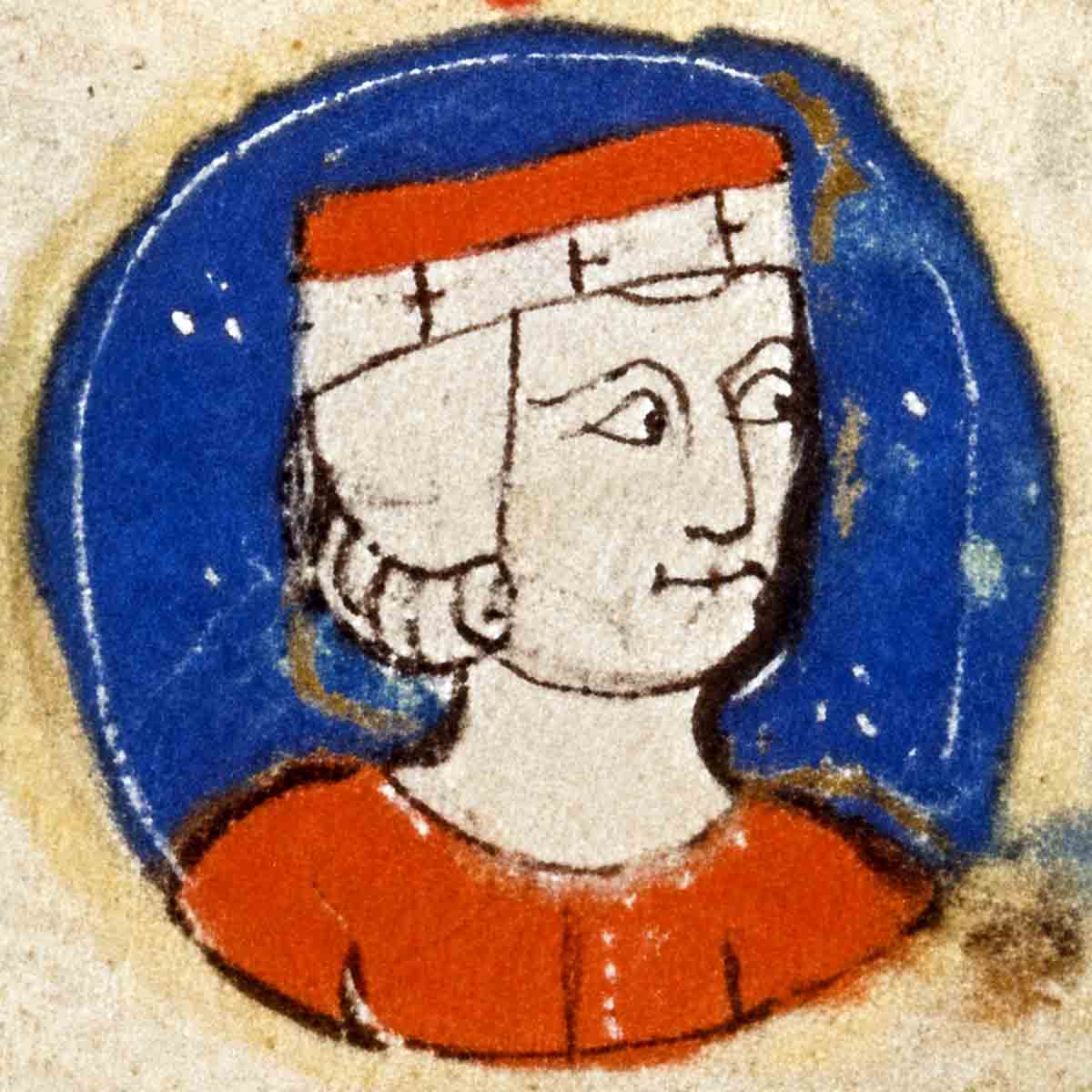
Geoffrey joined his older brothers in rebellion against their father in 1173 when he was a teen. Once reconciled, Henry continued his plans to expand the Angevin Empire by arranging Geoffrey’s marriage to Constance, Duchess of Brittany, in 1181, thereby providing his third son with a duchy of his own.
Geoffrey was a skillful politician and betrayed his father and his brothers, profiting from the grievances that had formed within the family. In 1183, Geoffrey took advantage of a dispute that had arisen between Henry the Young King and Richard, fighting on the Young King’s side by invading Richard’s lands in Poitou.
Richard’s refusal to hand over Aquitaine to John following the death of the Young King gave Geoffrey another pretext to fight against his elder brother and raised an army in support of John. Once a family reconciliation had been facilitated, Geoffrey grew close to Philip of France and became one of the French King’s closest allies during his quarrels with Henry II and Richard.
Geoffrey’s continual betrayals of his father and his brothers earned him a reputation among his contemporaries as a deceiver and a son of perdition. Following Geoffrey’s untimely death in 1186 at the age of 27, his posthumous son, Arthur of Brittany, presented himself as a possible heir to his childless uncle, Richard. Arthur rebelled against John in 1202, eventually besieging his grandmother, Eleanor of Aquitaine, at Mirebeau Castle. Arthur was eventually captured by John and killed at his uncle’s orders in 1203.
King John and the Collapse of the Empire
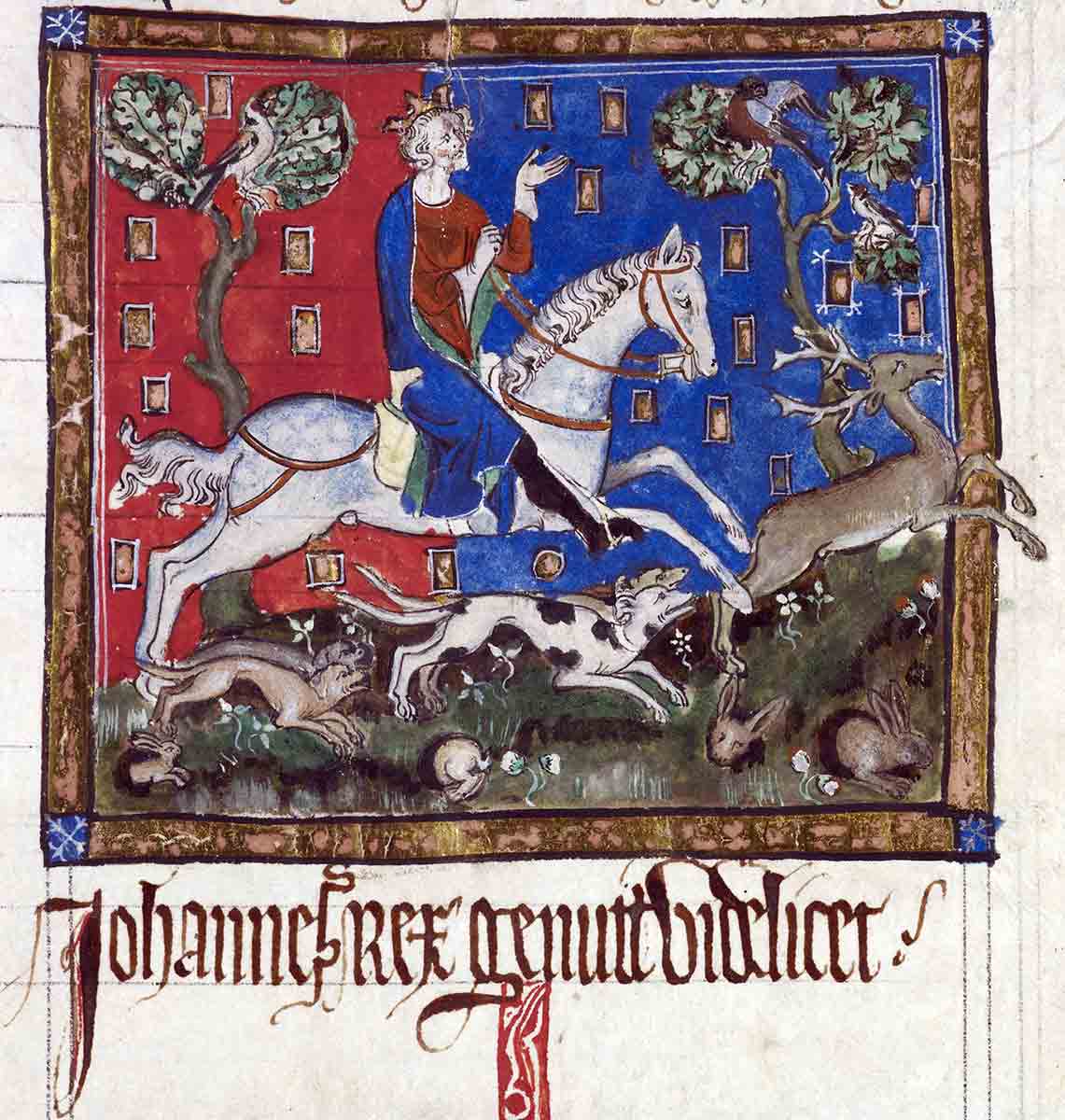
Henry II had spent his final days in 1189 facing a rebellion by his sons. The final nail in the coffin came when he learned his favorite and youngest son John, had joined his brothers in the rebellion.
John is often justifiably considered to have been England’s worst king. Indeed, he was a bad politician, a womanizer, disloyal and of changeable temperament. However, John was not solely responsible for the collapse of the Angevin Empire.
John inherited an empire that had been weakened by years of rebellion, by the financial strain Richard had placed on the kingdom and an ongoing war with France. Nevertheless, had the empire been left in more capable hands, the fortunes of the empire could have been radically altered.
John deprived Hugh IX de Lusignan of his bride, the wealthy heiress Isabella of Angoulême, by marrying her himself. In doing so, John had hoped to prevent an alliance in southern France which would have potentially threatened his lands in Aquitaine. Hugh responded by complaining to King Philip of France, who invaded John’s lands in France and occupied Anjou, Maine, Touraine and most significantly Normandy, which had belonged to the English crown since the Conquest of 1066.
John’s defeats in France placed greater financial pressure upon his English subjects. This, coupled with John’s flawed personality and his poor kingship, led his own barons to rise against him and invite Prince Louis, son of King Philip, to take the English crown. John died in 1216, leaving his son with a significantly smaller kingdom than he himself had inherited in 1199. Had John been a better politician and commander, the Angevin Empire may have survived.
Why Henry’s Four Sons Tore Apart the Angevin Empire
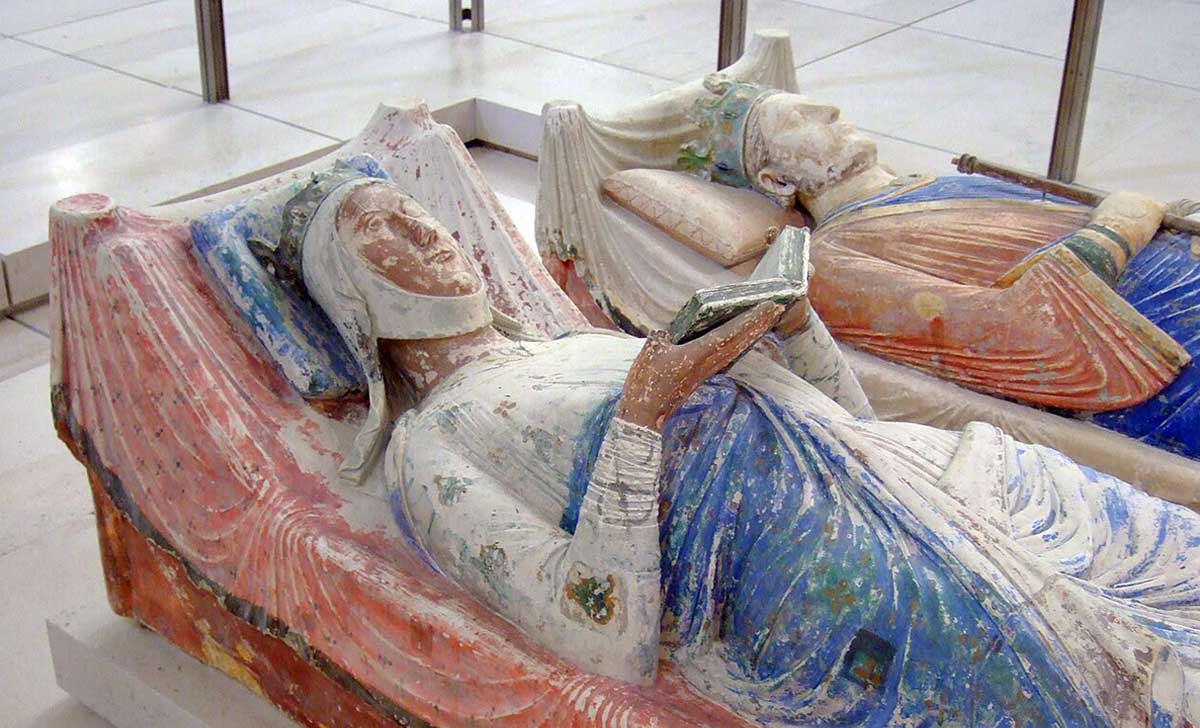
Henry II is supposed to have commissioned a now-lost artwork depicting a parent eagle being torn apart by its chicks. When a courtier enquired about its meaning, the king replied that the metaphor was obvious. Henry knew his sons would tear him and his kingdom apart. Even his favorite son, John, participated in the revolt led by his elder brothers in his final days.
Henry the Young King, Richard and Geoffrey severely weakened not only the kingdom but the state of the monarchy by their continual revolts against their father. The large Angevin Empire relied on family unity and loyalty to rule over such extensive territory. Henry’s sons seemed incapable of getting along with each other and with their father.
By contrast, the French Crown expanded and profited from Angevin weaknesses, and this dynasty would overtake the Plantagenets as one of the most powerful ruling dynasties in Western Europe in the 13th century.
The Angevin Empire eventually collapsed under John, the youngest of the Devil’s Brood. His speedy marriage, his inability to gain the support of his nobles for his French campaigns and his overall poor kingship led to the collapse of one of the most powerful empires of the medieval period.