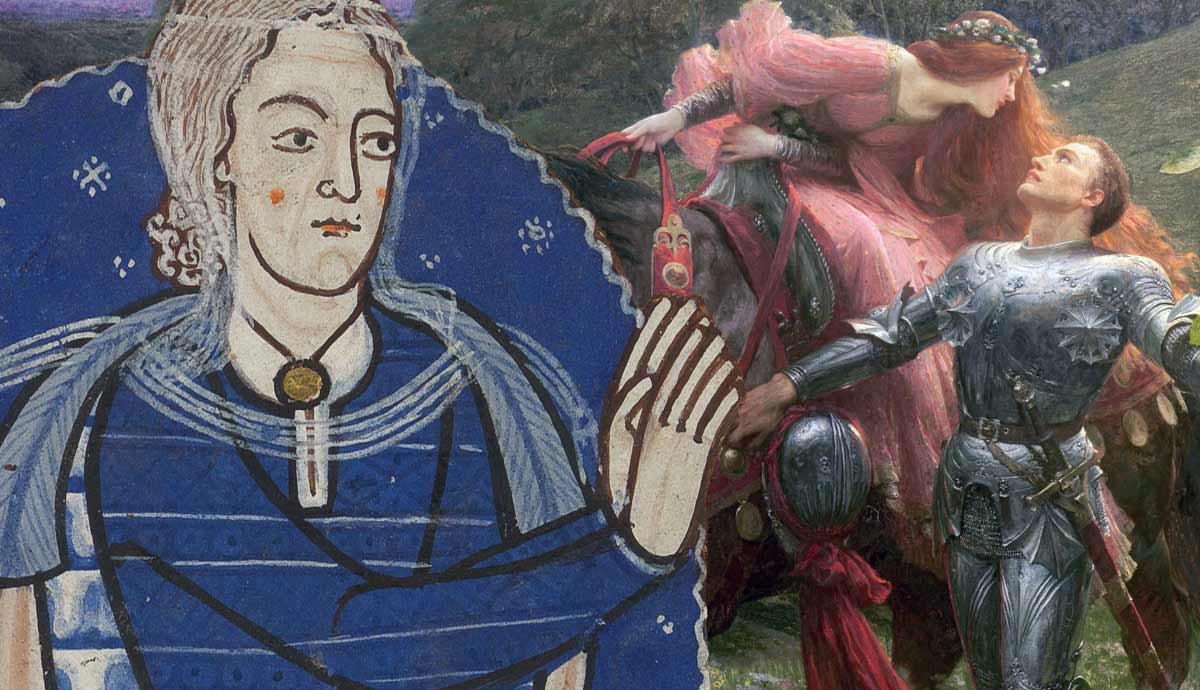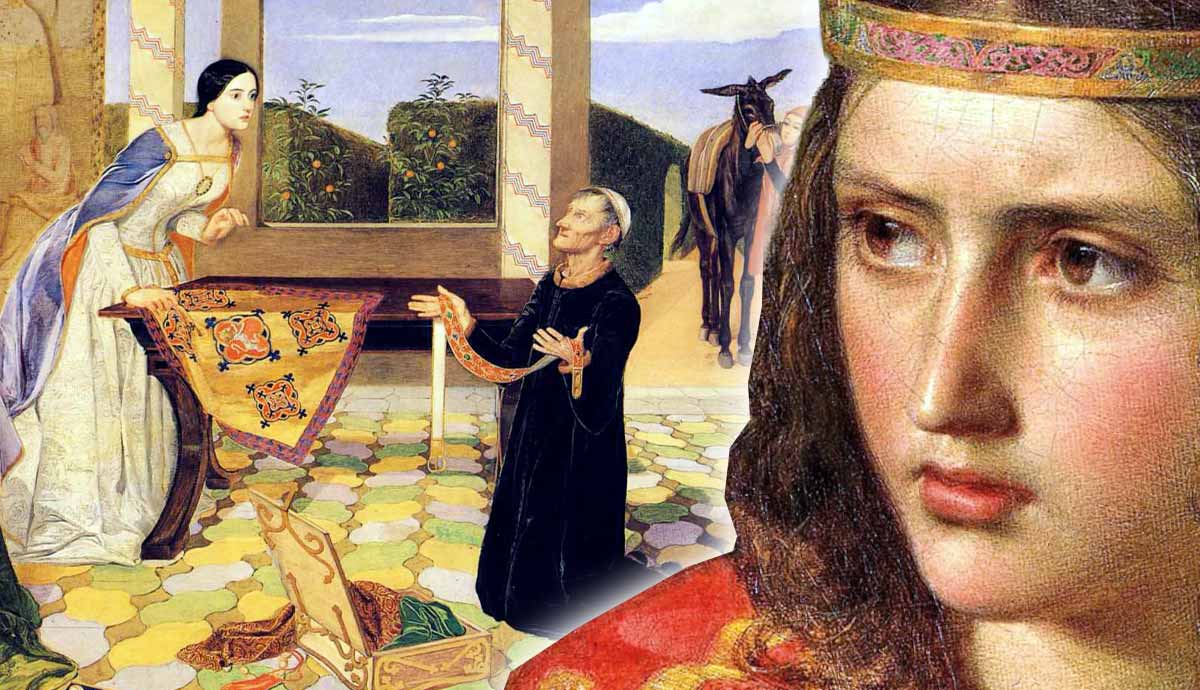

This article examines the life of Henry the Young King, the only monarch in English history since 1066 to be crowned in his father’s lifetime. His father, Henry II, granted no lands or power to his son, leaving him with an empty title and no ability to establish himself as an independent lord. The Young King’s anger threatened to tear the Angevin Empire apart when he led a series of revolts against his father. The Young King would predecease his father, leaving him forever a king in name only.
Why Did Henry II Crown His Son?
Following the death of his only legitimate son, William Adelin, in 1120 during the White Ship Disaster, Henry I had named his now only legitimate child, a daughter, Matilda, the widow of the Holy Roman Emperor, as his heir. She was to inherit both the English Crown and the Duchy of Normandy.
Upon the death of her father in 1135, despite obtaining oaths of allegiance from the English and Norman barons, Matilda’s inheritance was seized by her cousin, Stephen of Blois. Securing Normandy for herself with the assistance of her second husband, Count Geoffrey of Anjou, Matilda refused to relinquish her claims to the English throne. The familial struggle that ensued later became known as The Anarchy.
For almost 20 years, the civil war devastated England and Normandy. Matilda eventually relinquished her own claim in favor of that of her son, Henry, who in 1150 was proclaimed Duke of Normandy and in 1154 crowned King of England. His marriage to Eleanor, the wealthy heiress of Aquitaine, in 1152 added her inheritance to his growing empire.
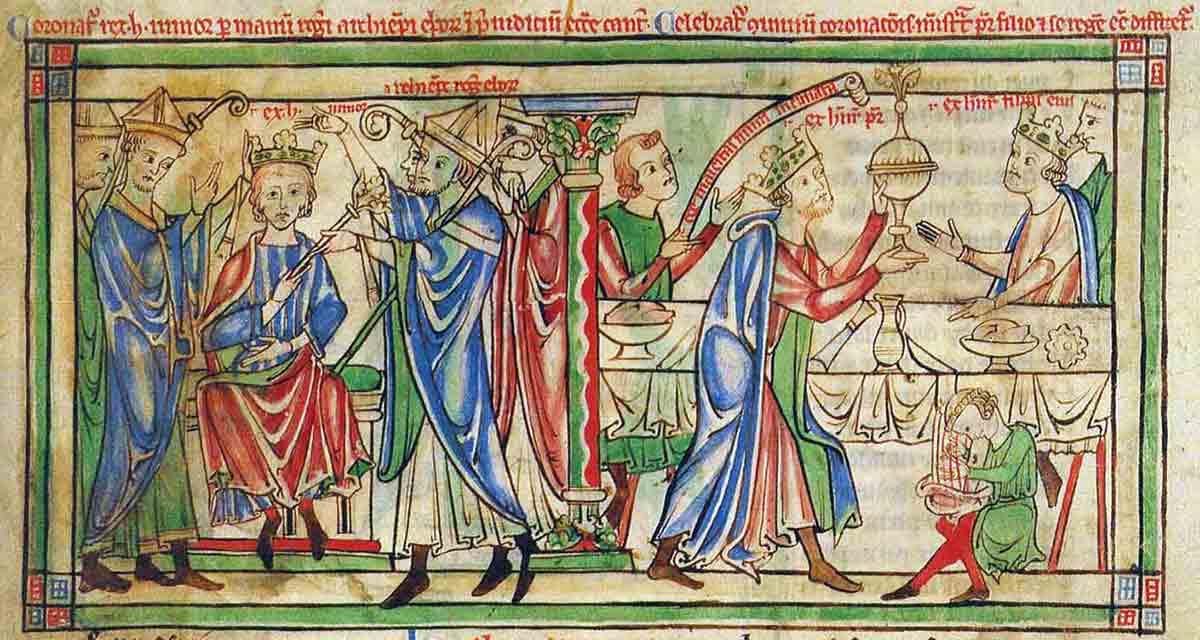
Henry’s upbringing under the influence of his formidable mother and his experiences witnessing the two kingdoms being torn apart informed his decisions as king. Henry would ensure the security of the dynasty following his death and would not leave the succession open to chance as his grandfather, Henry I had done. Following on from the tradition of the French monarchy, Henry decided to crown Henry, his eldest surviving son, during his own lifetime. The intended aim was to produce a smooth transition from power. However, as will be seen, this was not a necessarily straightforward arrangement.
Why Did Henry the Young King Have a Crown but No Power?
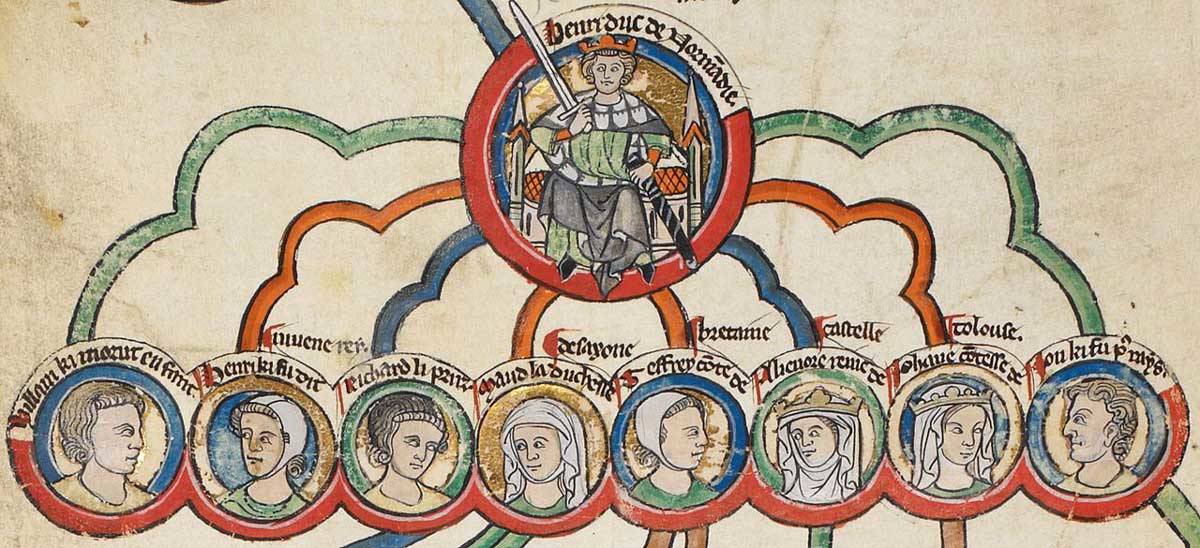
Henry the Young King was born in 1155. His elder brother, William, had died in infancy, leaving Henry the eldest surviving son. Henry II arranged a suitably prestigious marriage for his son. The chosen bride was Margaret of France, the daughter of King Louis VII of France by his second wife.
The coronation in 1170 designated Henry as junior king to his father. The Young King was to inherit a major portion of his parents’ Angevin Empire, including England, the Duchy of Normandy and the County of Anjou. However, the Young King could expect a rather long wait. His father was not yet 40 years old and in good health. As a crowned king, the younger Henry nevertheless expected to govern a portion of his inheritance or to rule the empire in tandem with his father.
The disappointed Young King was to learn that his father had no intention of sharing power. Henry II gave no lands to his son; instead, he gave him an annual income. This was an astute political decision—had the elder Henry relinquished any lands, this would have seriously weakened the empire. However, the Young King appeared weak, unable to make any independent political decisions.
His strict annual allowance was scarcely adequate to establish himself, for with no lands, the Young King could not offer patronage to any potential followers. While both kings wore a crown, Henry II retained control over the royal finances, over the Empire and ultimately controlled his son.
How Tournaments and Debts Defined the Chivalric Life of a Royal Celebrity
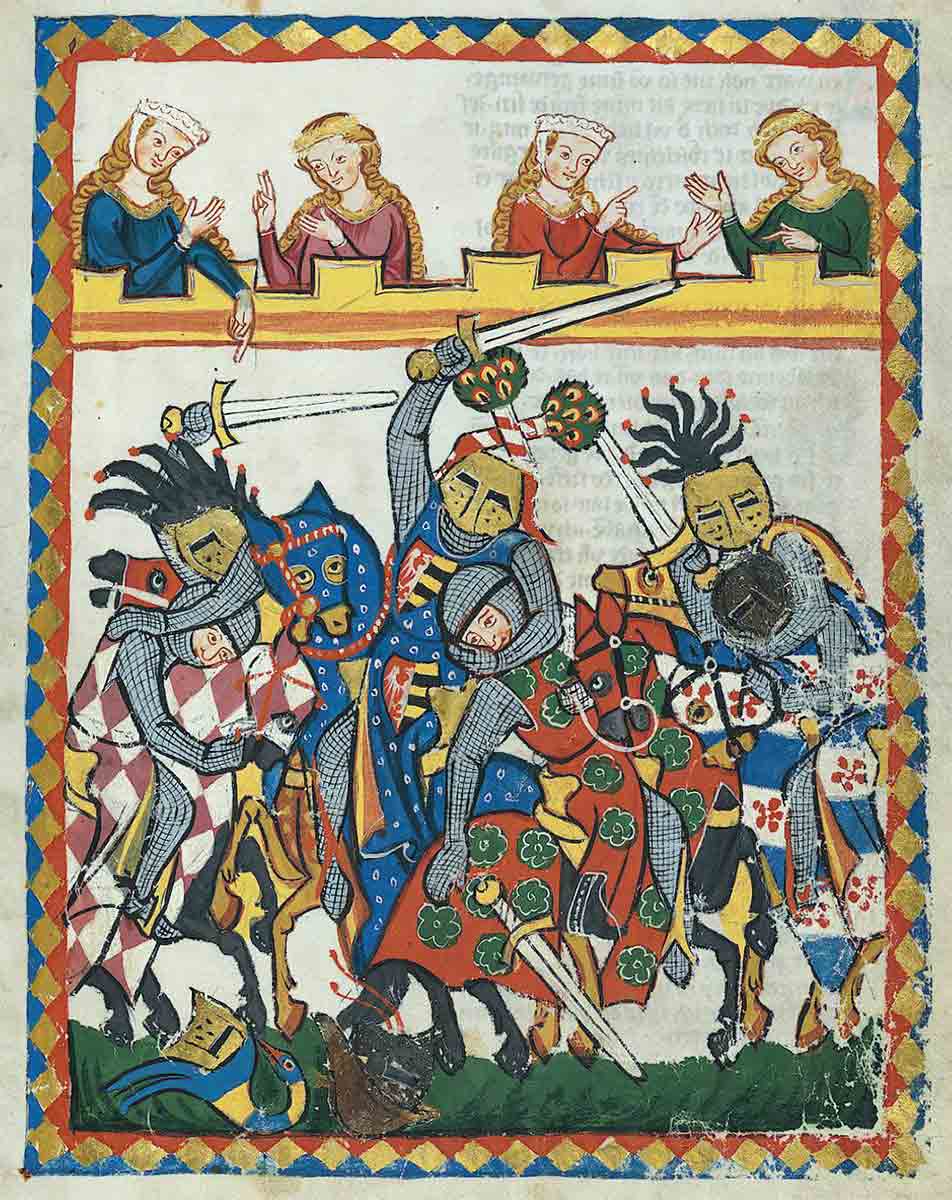
With no political role, Henry the Young King turned his attention to entertainment. With no ability to lead his own military expeditions, Henry turned to the next best thing: the tournament scene. The 12th century witnessed the increase in popularity of this aristocratic sport in which the upper classes demonstrated their military prowess in a pastime designed to simulate warfare. Men could make a handsome profit by demonstrating their martial skills and could earn greater fame.
The Young King’s mother had appointed William Marshal, the most famous knight of the 12th century, to educate her eldest son in feats of arms from 1170. Marshal provided the Young King with an excellent education, and the pair joined the tournament circuits in France in the hope of making their own fortunes and acquiring eternal glory.
Denied any real power and independence, the tournaments offered the Young King opportunities he could not acquire under his father’s strictures. Henry could also prove himself a man; his father’s restrictions on his power and finances had limited his abilities to fully enter adulthood.
The Young King attained a form of celebrity status on the tournament circuit and contributed to the growth and development of the sport as much as it enhanced his own reputation.
However, the Young King spent excessively to maintain his reputation. Rewarding his retinue with generous gifts and financial rewards, the young King quickly fell into debt. Without the substantial income he considered due to him in consequence of his kingly status, chronic debts compounded his frustrations with his father.
The Frustrations of the Young King
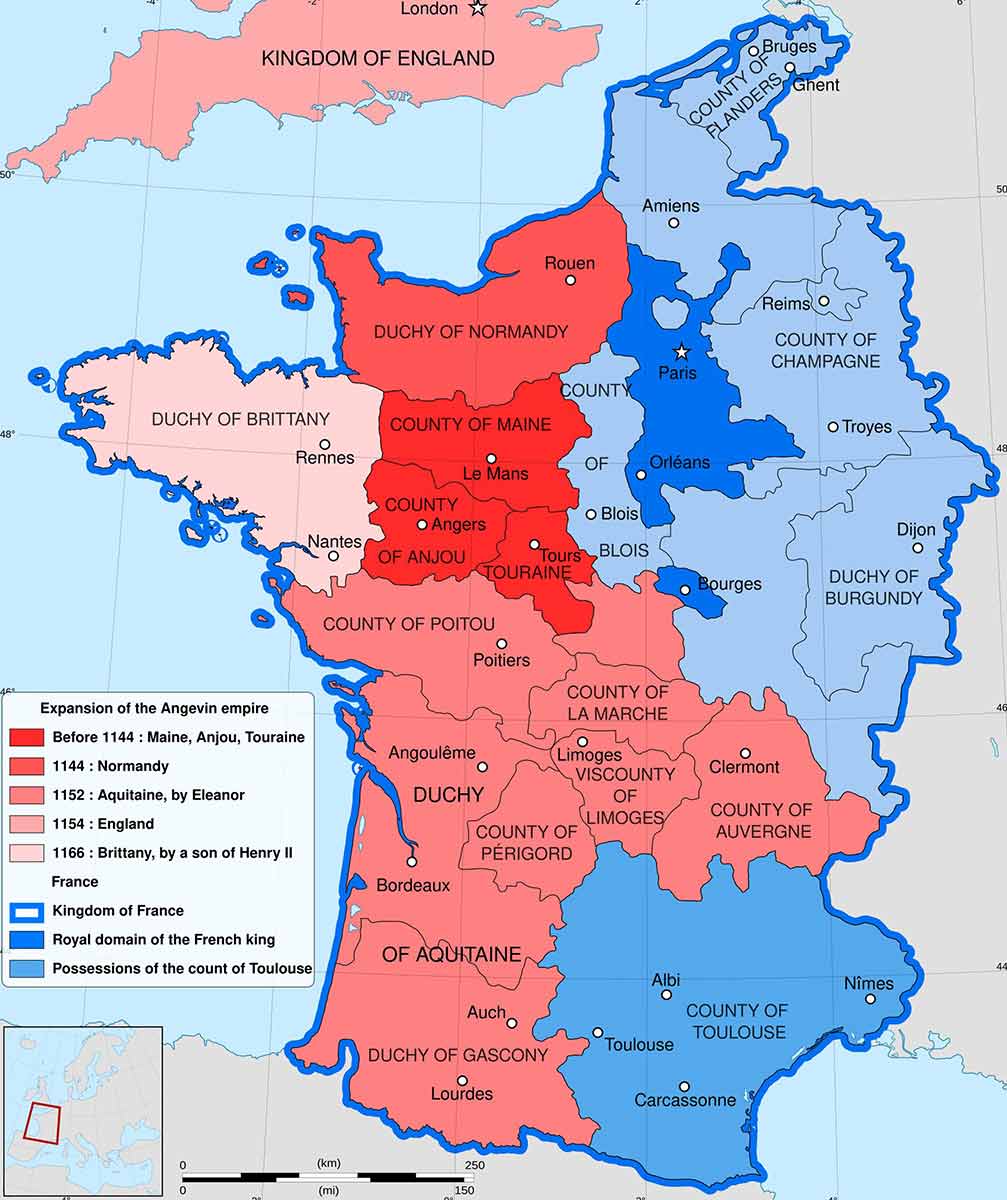
The Young King felt that his father was keeping him a perpetual child. He was unable to properly establish his own household and properly reward his retinue. His frustrations were exacerbated by his father’s treatment of his brothers and the division of the Angevin Empire. Henry II’s second-oldest surviving son, Richard the Lionheart, was the favorite son of their mother, Eleanor. He was to inherit her Duchy of Aquitaine, thereby making Aquitaine a duchy independent of the Young King after his father’s death.
Richard had spent much of his youth in the company of their mother in Aquitaine to prepare for his inheritance. In 1172, at the age of 14, Richard was formally installed and recognized as Duke of Aquitaine and Count of Poitou. Richard, though a younger son, possessed the political independence his elder brother so desperately craved. He enjoyed his own income and exercised authority in Aquitaine alongside his mother, an arrangement his father had never granted to the Young King.
Henry II’s third surviving son, Geoffrey, was also afforded some autonomy. In 1166, Henry had invaded Brittany, a Duchy neighboring Normandy and had forced the abdication of Duke Conan IV. This left Conan’s daughter, Constance, heiress to the Duchy. Henry II added Brittany to his growing empire by betrothing his son, Geoffrey, to the wealthy heiress. Like Richard, Geoffrey enjoyed political autonomy that his eldest brother lacked.
The division of the Angevin Empire was formalized in 1169 with the approval of King Louis VII of France, who had feared the growing domination of the Angevin Empire. But Louis was no friend of Henry II and used Henry’s sons to play a dangerous political game.
The Great Revolt of 1173–1174
Henry the Young King, along with his wife, Margaret, enjoyed the hospitality of his father-in-law frequently. Family relationships between the English and French dynasties were complex; Louis was the first husband of Eleanor of Aquitaine. The marriage had been annulled when Eleanor had failed to provide Louis with sons, sons she promptly began to produce with Henry II. Louis despised Henry as both a political rival and as the man who had acquired the vast Aquitanian inheritance he had lost following his divorce from Eleanor.
Louis discovered that the most effective way to undermine Henry was through his sons, who proved both receptive to his influence and as resentful of their father as Louis himself. The French king continued to speak to his son-in-law regarding his predicament and suggested that, as a dutiful husband, he ought to be able to maintain himself and his wife as a king and queen.
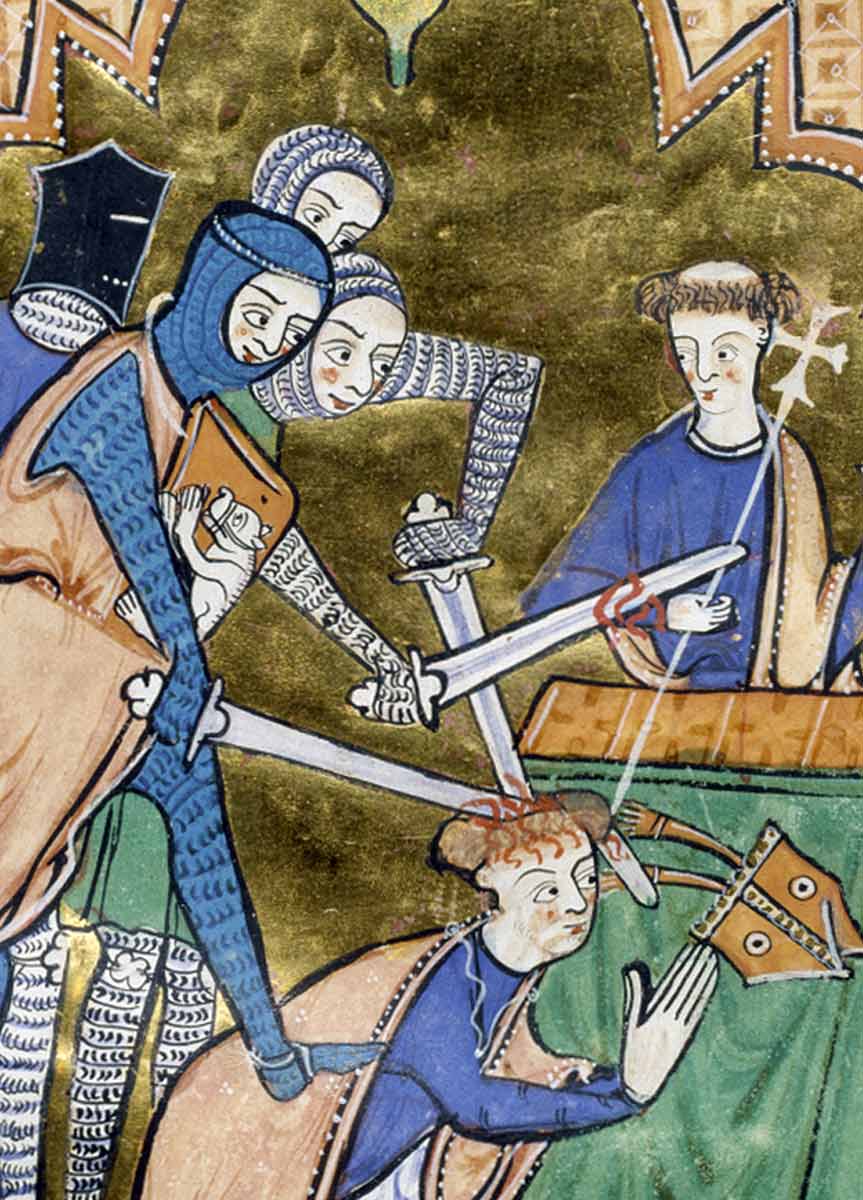
Already enraged by the murder of Thomas Becket in 1170, to whom he had been close and for which his father was widely held responsible, the Young King was further emboldened by Louis’s encouragement. He brought his grievances into the open at a great assembly at Limoges in 1173.
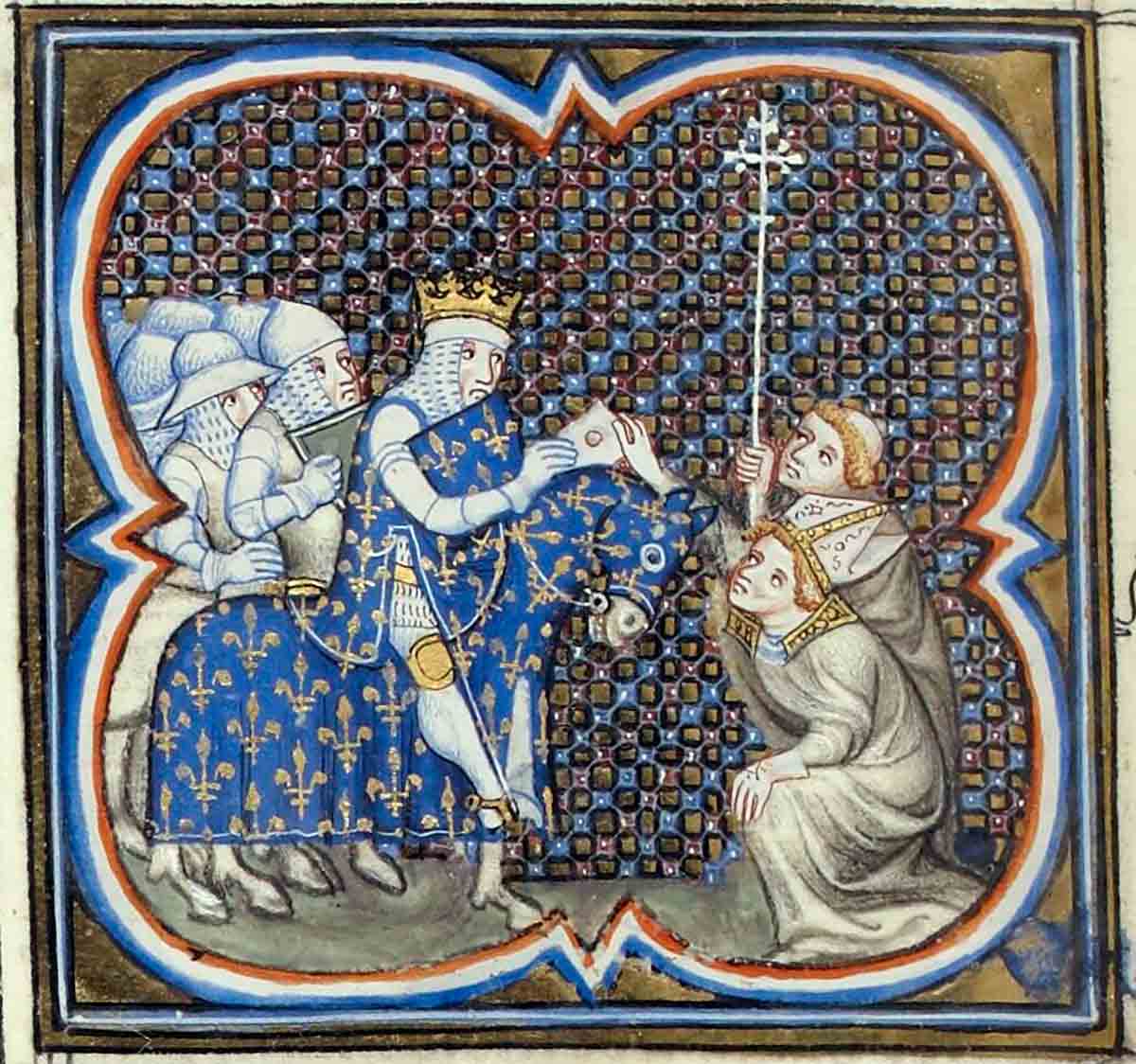
As the family was celebrating the betrothal of the youngest of the brothers, John, to the daughter of Count Humbert of Maurienne, the count asked what lands John would bring to the marriage. Henry II promised to hand over three castles in strategic locations in Chinon, Loudun, and Mirebeau to John upon the marriage. These formed part of the Young King’s inheritance. Furious at the loss of these castles, the Young King demanded from his father part of his inheritance; either England, Normandy or Anjou.
When the old king refused, the Young King fled to the French court in open defiance of his father’s express command. He was joined there by his younger brothers Richard and Geoffrey, who had their own grievances with their father. Their mother Eleanor was intercepted as she attempted to join her sons. Eleanor later took responsibility for the revolt and was imprisoned by Henry for the next 16 years.
The Great Revolt of 1173–1174 witnessed intense fighting between Henry II and his sons. The dispute left no part of the Angevin Empire untouched. Peace was finally established in 1174 when Henry II agreed to increase the Young King’s allowance. But Henry II’s sons were still aggrieved with their father and continued to rebel against him.
The Tragic Death and the Legacy of a King Who Never Ruled
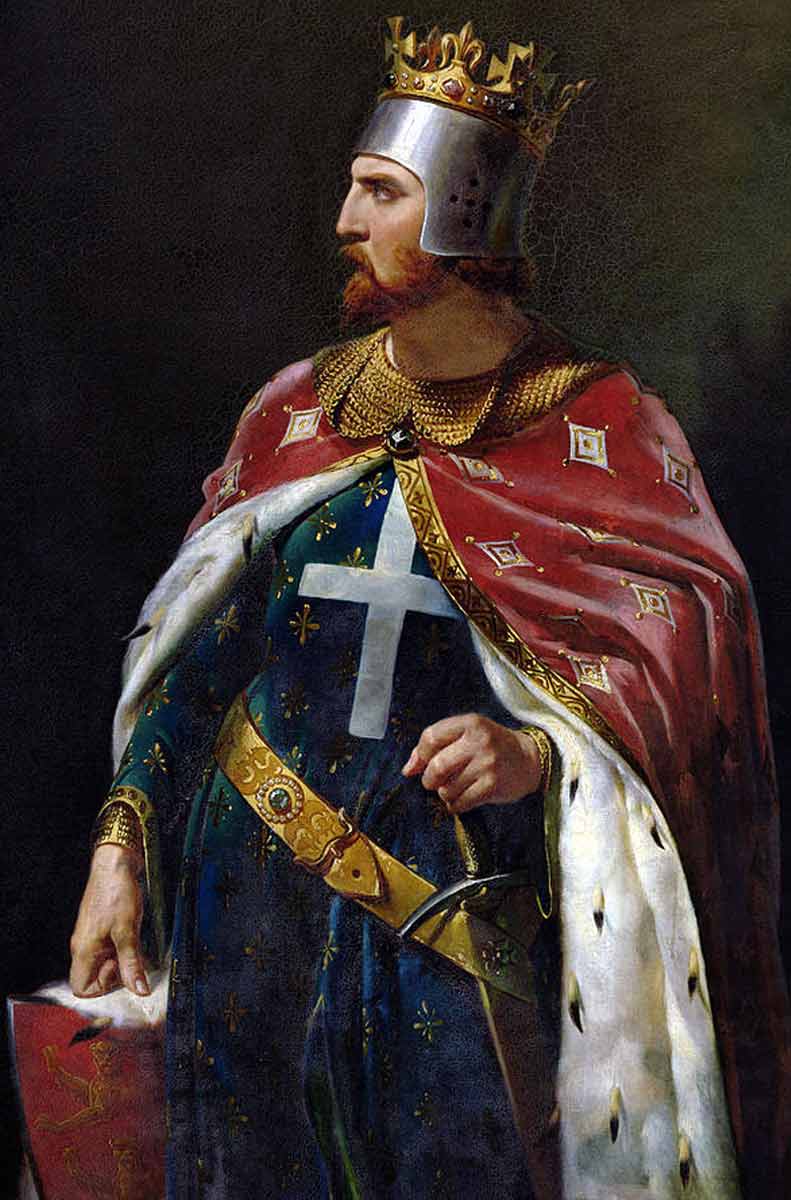
The Young King rebelled against his father for one final time in 1183 by invading Richard’s Duchy of Aquitaine. The junior king took ill with dysentery and knew his final days were at hand. He suffered for three days and begged his father for forgiveness and requested his father visit him. Henry refused to visit his son but sent a ring and letter of forgiveness. The Young King succumbed to his illness on June 11, 1183 holding the ring from his father. His body was buried in Rouen Cathedral, Normandy.
Since he died before becoming an independent ruler, Henry’s name is omitted from the official list of English monarchs and he is not given a regnal number. His title was largely empty, and he did not live long enough to enjoy the authority and power he so greatly desired.
The Young King’s death paved the way for the succession of his younger brother, Richard, following the death of their father in 1189. Richard the Lionheart is one of England’s most famous kings who, only by chance, survived longer than his elder brother to reap the benefits of kingship.
Although Richard is considered a successful crusader and a talented military commander, he is sometimes judged as a bad king who neglected his English domains to focus on his military ambitions. It is worth considering what sort of a king his elder brother would have been. The Young King was certainly a likeable character, he was charming, handsome and loved by all. But he was easily influenced, especially by his father-in-law. He may, however, have proven a more capable politician than his youngest brother John, and had he lived to rule, his father’s Angevin Empire may have endured.