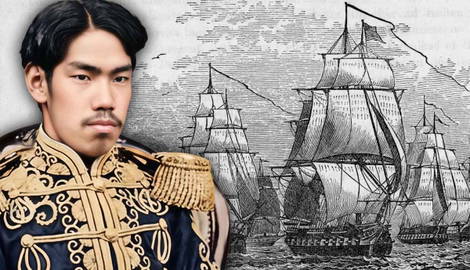

On July 8, 1853, four US Navy ships under the command of Commodore Matthew Perry sailed into Uraga Harbor in Japan and ended the nation’s policy of Sakoku (isolation) that had lasted for over 200 years. At that moment in history, Japan faced a new problem. It had to modernize or face colonization. In less than 50 years, the nation undertook one of the most intense state-directed transformations in modern history, called the Meiji Restoration.
The Threat of Western Invasion That Sparked Japan’s Imperial Revolution
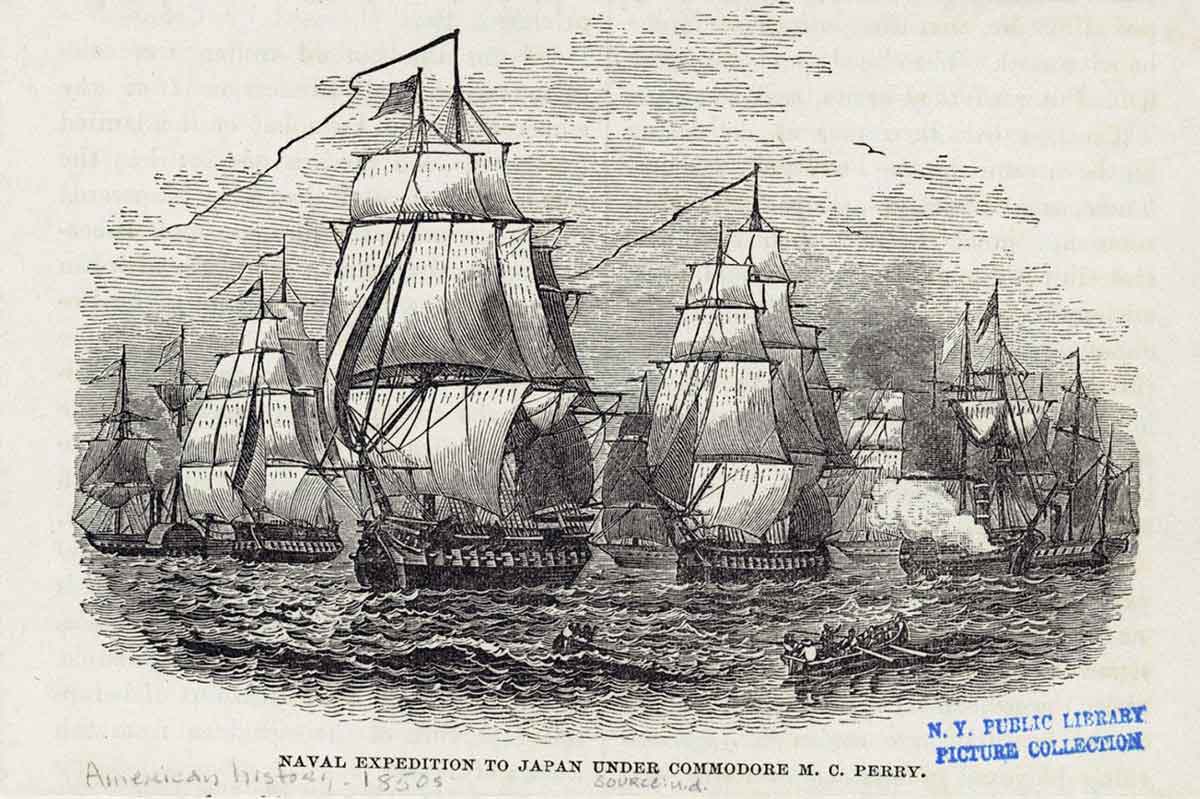
In the pre-dawn hours of January 3, 1868, samurai loyalists from Satsuma and Chōshū, allied clans in which younger generations of low-ranking samurai held significant influence, took over the Imperial Palace in Kyoto. At the time, they felt that the ruling Tokugawa Shogunate was too weak to protect Japan, as it had already failed to shield the nation from the encroachment of Western powers. The government had, at the time, signed treaties with nations such as the United States, France, Great Britain, and Russia in order to avoid conflict after it realized that Japanese military technology was behind the West’s, following the arrival of Commodore Matthew Perry.
How a Teen Emperor Stripped Power From 300 Feudal Lords
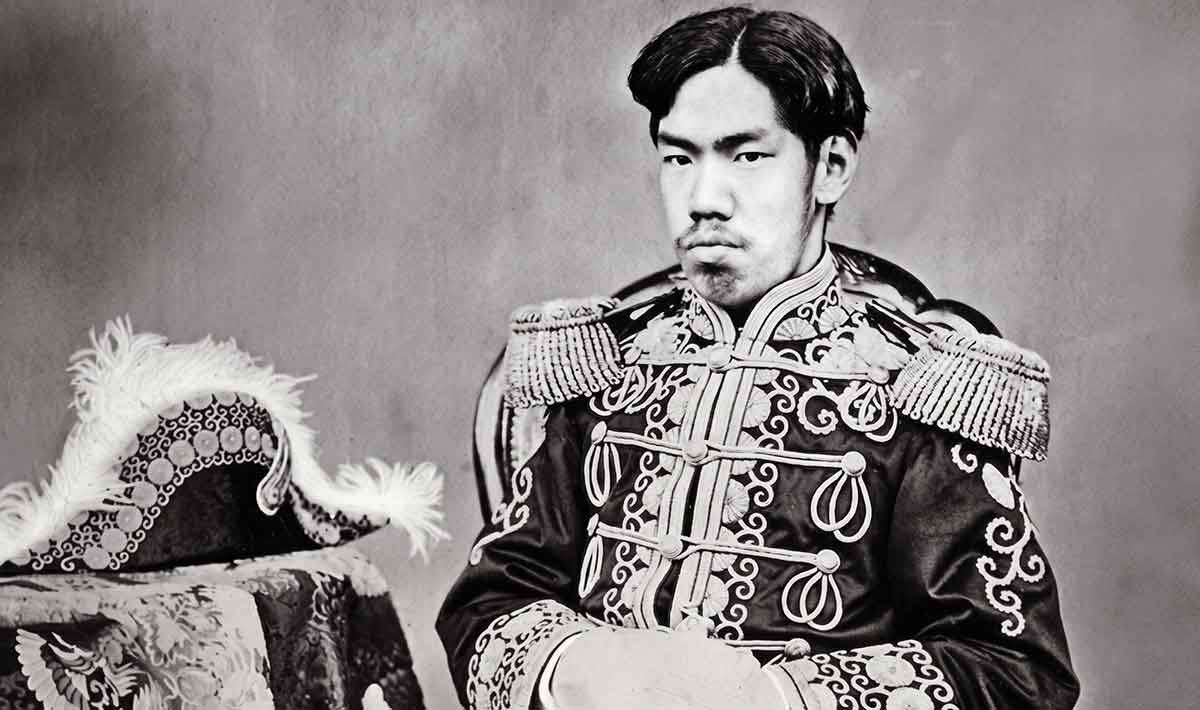
In 1868, the allied clans restored the 15-year-old Emperor Mutsuhito (later known as the Emperor Meiji) to the throne, thereby restoring imperial authority in Japan. The new Japanese administration used nationalism as a unifying force and issued the Charter Oath on April 6, 1868, a five-point statement that outlined its goals for modernizing the country and seeking knowledge throughout the world. In 1871, the government officially eliminated the han feudal domains and reorganized Japan into prefectures led by officials appointed by the Emperor himself. This action effectively dissolved the political power of about 300 local lords known as daimyo, who held power prior to the Restoration.
The state’s centralization drive continued with the Land Tax Reform of 1873. It pegged annual taxes at three percent of the land value, which was a change from the outdated system of taxation based on rice production. The new tax collection system allowed the government to secure consistent revenue from taxes that was needed for rapid development.
How Global Study Missions Fueled Japan’s Explosive Industrial Boom
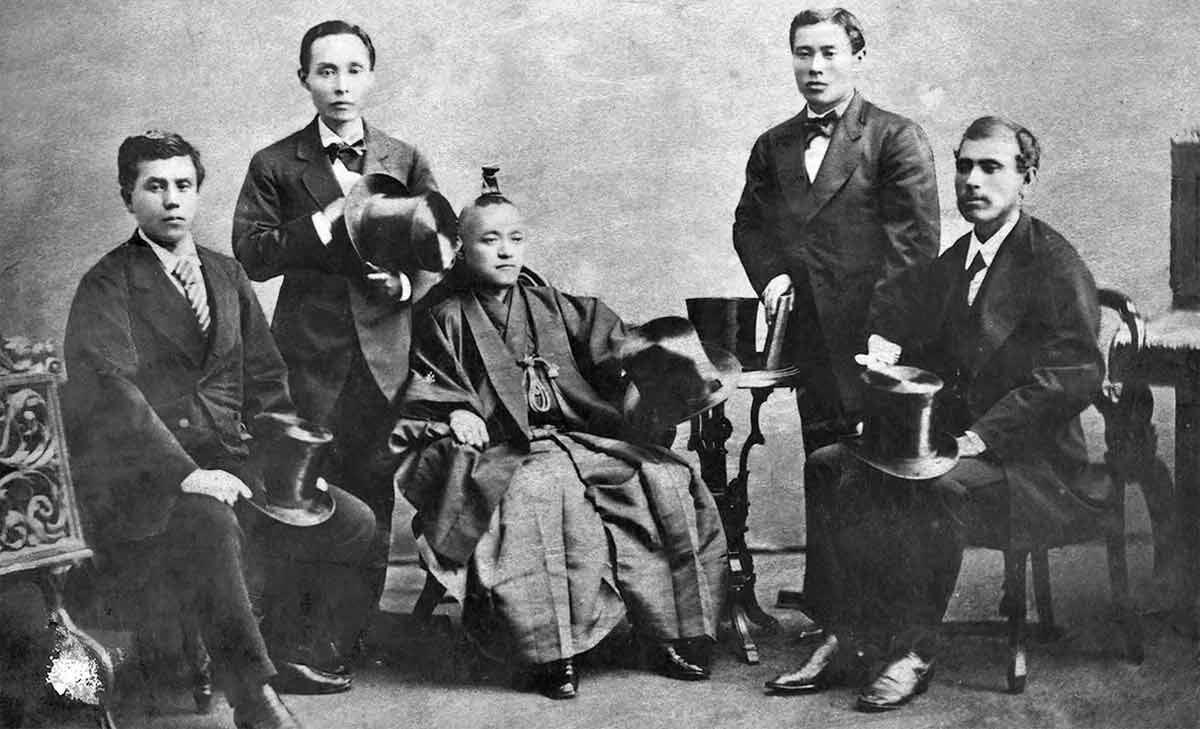
From 1871 to 1873, the Japanese government sent a delegation known as the Iwakura Mission to study abroad in the United States and Europe. The mission concluded that for Japan to remain independent, it had to follow a policy called Fukoku Kyōhei, meaning “Enrich the country, strengthen the military.”
When the delegates returned to Japan in 1873, the push for industrialization was already underway. The central government soon established model factories to train its workforce in the use of Western machinery. The Tomioka Silk Mill was among the first in the country and was built in 1872 with the help of French experts. Soon, the production of silk and other high-demand trade items for export rose sharply from the 1880s to 1913, following rapid industrialization efforts.
Much of the new revenue from exports was used to fund heavy industrial imports and expand the nation’s transport and communication networks. Notably, Japan’s first railway line between Tokyo and Yokohama opened in 1872. It was 29 kilometers long.
By 1890, a vast network of railway tracks stretching over 1,400 miles (approximately 2,250 kilometers) had been laid across the nation. At the same time, the government built over 4,000 miles of telegraph lines to facilitate rapid communication. Moreover, by 1900, coal production had skyrocketed by over 400 percent compared to 1876 levels. The growth was in tandem with the heavy thermal energy demands of the booming steel and shipbuilding sectors, which included Mitsubishi’s new shipyards in Nagasaki.
Why Japan Abolished the Samurai Class to Rebuild Modern Society
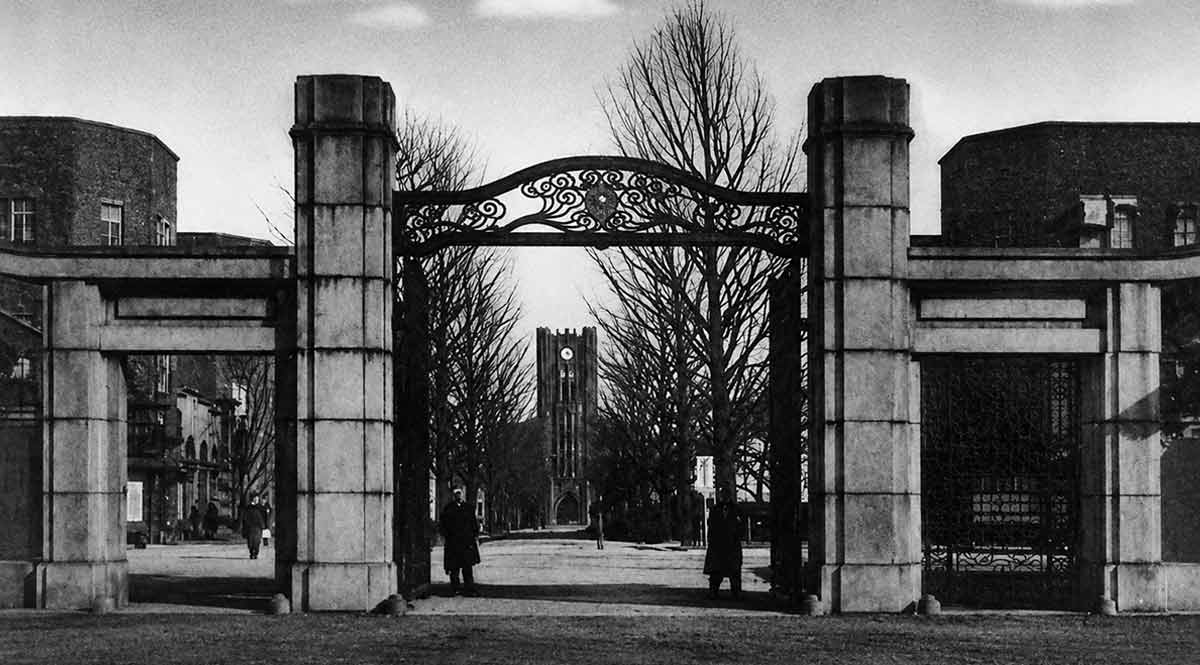
When the Meiji government realized that it needed educated citizens to help build a modern state, it established the Gakusei, or Education System Order of Japan, in 1872. The law formally abolished education based on social classes and required both male and female children to attend school for four years. By the 1880s, elementary school enrollment among school-age children increased from about 30 percent at the start of the Meiji era to over 50 percent. It had soared to over 90 percent by 1905.
Japan also abolished the samurai class and created a conscription-based army that initially drew from French methods and structures before adopting the Prussian military model. Ultimately, the Meiji era turned Japan into a major global power in just one generation.