
During the 19th century, industrialization shaped much of the Western world. Many city streets were filled with people living in extreme poverty because of rapid urbanization and the sudden shift from farming economies to factory work. However, these same environments produced some unique ideas that still influence how society works today. Ideas such as early utopian socialism were already circulating during this period, and in the midst of all this, two German philosophers, Karl Marx and Friedrich Engels, came up with scientific socialism.
Today, the two men are considered the main founders of modern communism because they helped shape how modern societies understand labor, capital, and state power.
How Brutal Factory Conditions Gave Rise to Communism
To understand how the concept of communism came about, it helps to understand the world Marx and Engels lived in. The two men were born in the Industrial Revolution era (between 1760 and 1840), and so witnessed firsthand the rise of industrial capitalism. As production moved from small-scale farming and hand production to factories where goods were made on a massive scale, factory owners amassed a lot of wealth while the working class lived in miserable city conditions. Child laborers, for example, worked long hours in textile mills and coal mines. Overall, factory workers faced a severe lack of effective labor protections, minimum wage laws, and social safety nets.
It was in this world that Marx and Engels began to develop their ideas. They believed that these conditions were not a side effect of rising industries, but a direct result of capitalist systems. They also believed that capitalism would eventually give way to worker revolutions.
Karl Marx and the Theory of Class Struggle

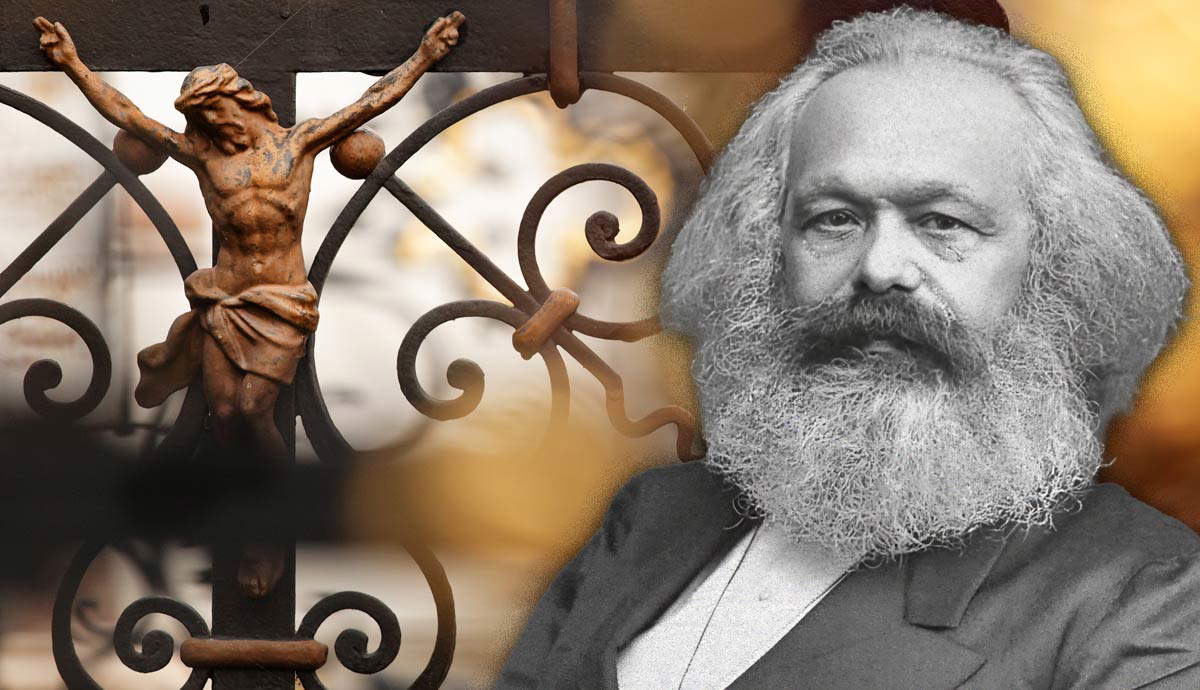
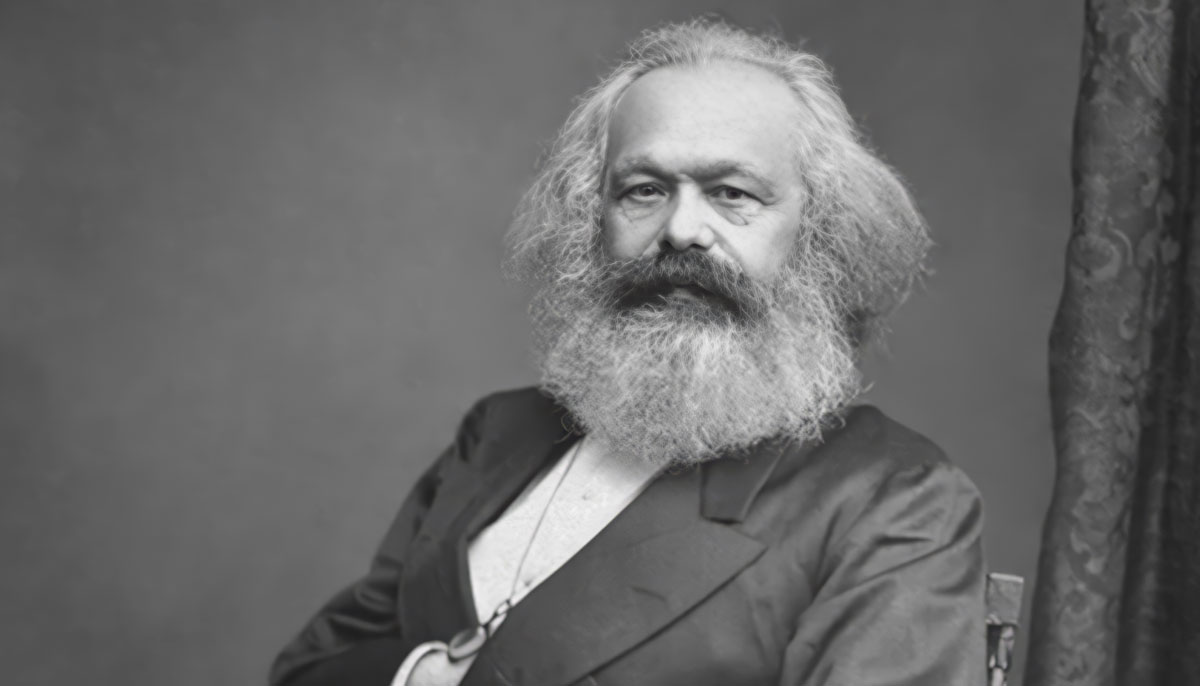
Karl Marx, born on May 5, 1818, created the Marxist ideas that eventually led to the rise of Marxism and communism. The concept of Marxism was centered around what he called historical materialism – the theory that a society’s economic and material conditions determined its politics, culture, and social institutions.
He asserted that economic production was, in fact, at the center of social and historical changes through class struggle. Marx believed that society is defined by those who control the economy, and that society has always had two sides: one that owns the means of production and the other that works for it. Examples of this pattern include the system of lords and serfs that was commonplace during the medieval era. In his book Das Kapital, he argued that capitalism was inherently unfair as it allowed factory owners to profit from mass production by underpaying workers relative to the true value of their labor.
Friedrich Engels, The Wealthy Insider Who Bankrolled Marx
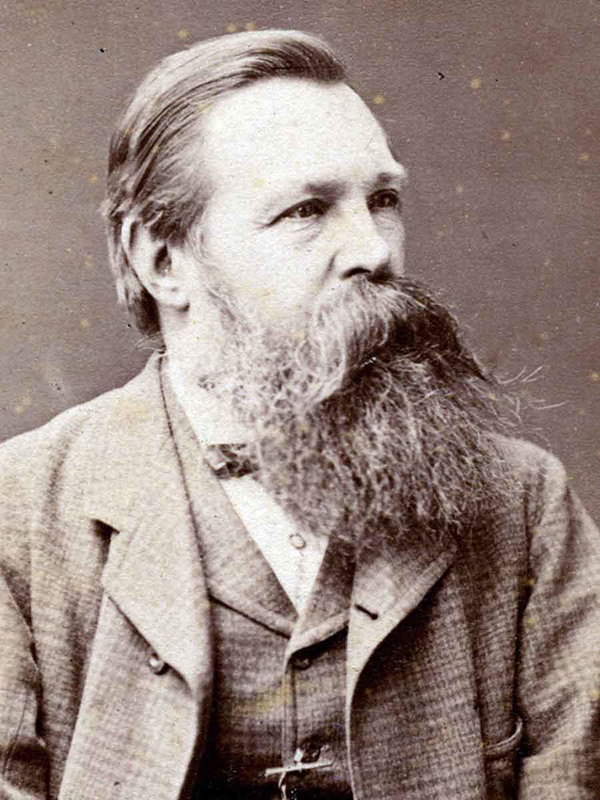
While Marx focused mainly on abstract theory, Friedrich Engels, born on 28 November 1820, provided a more practical approach. Engels was the son of a wealthy German textile producer, and at one point, he was sent to England to work as a managerial apprentice in a cotton mill co-owned by his father in Manchester. This was a time of massive rural-to-urban migration, and Engels was shocked by what he saw after witnessing severe poverty and terrible sanitary conditions among factory workers. He documented these grim realities in his 1845 book, The Condition of the Working Class in England.
It was a brutally honest and accurate account of the poverty and unfair treatment that was common in English factories at the time. In the book, Engels provided empirical observations from industrial towns that supported Marx’s theoretical statements on worker exploitation.
Marx may very well have died unknown had it not been for Engels’ financial and editorial support. And that’s because Engels was a gifted writer and dedicated businessman who also sustained Marx’s daily livelihood. When Marx couldn’t provide for his family, it was Engels who provided financial support, so that Marx could sit in the British Museum Reading Room writing his treatises.
The 1848 Pamphlet That Ignited Global Revolutions
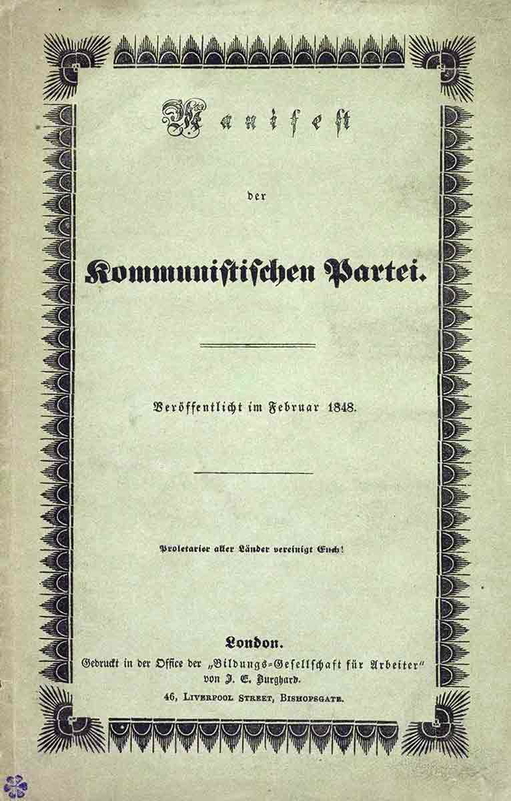
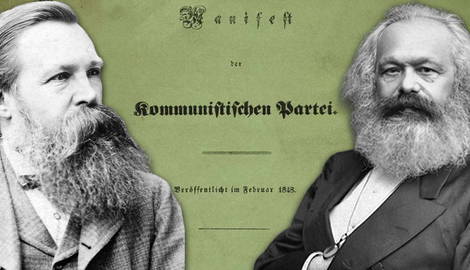
Perhaps the most notable work that the two fathers of communism produced together was published in 1848. Dubbed The Communist Manifesto, it was not the research-based analysis that Das Kapital was. Instead, it was a concise political pamphlet designed to spur immediate action by rallying the working class. It was specifically targeted at the Communist League, a political party made up of working-class radicals.
Here, Marx and Engels laid out their ideas about what the world could become. They hypothesized that if the workers of the world could unite to defeat the ruling class and take the means of production for themselves, they could form a society without classes, and the proletarians would have nothing to lose but their chains.
When The Communist Manifesto was published, communist ideas began to spread globally. What was once an obscure philosophical idea soon snowballed into a political movement that influenced the course of history. The text eventually contributed to the ideologies behind revolutions in Russia, China, and elsewhere in the 1900s.