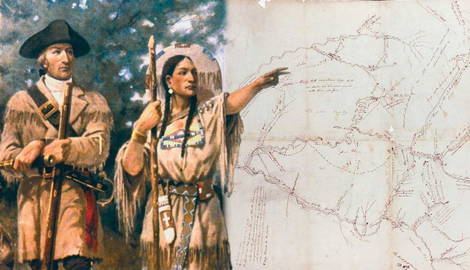

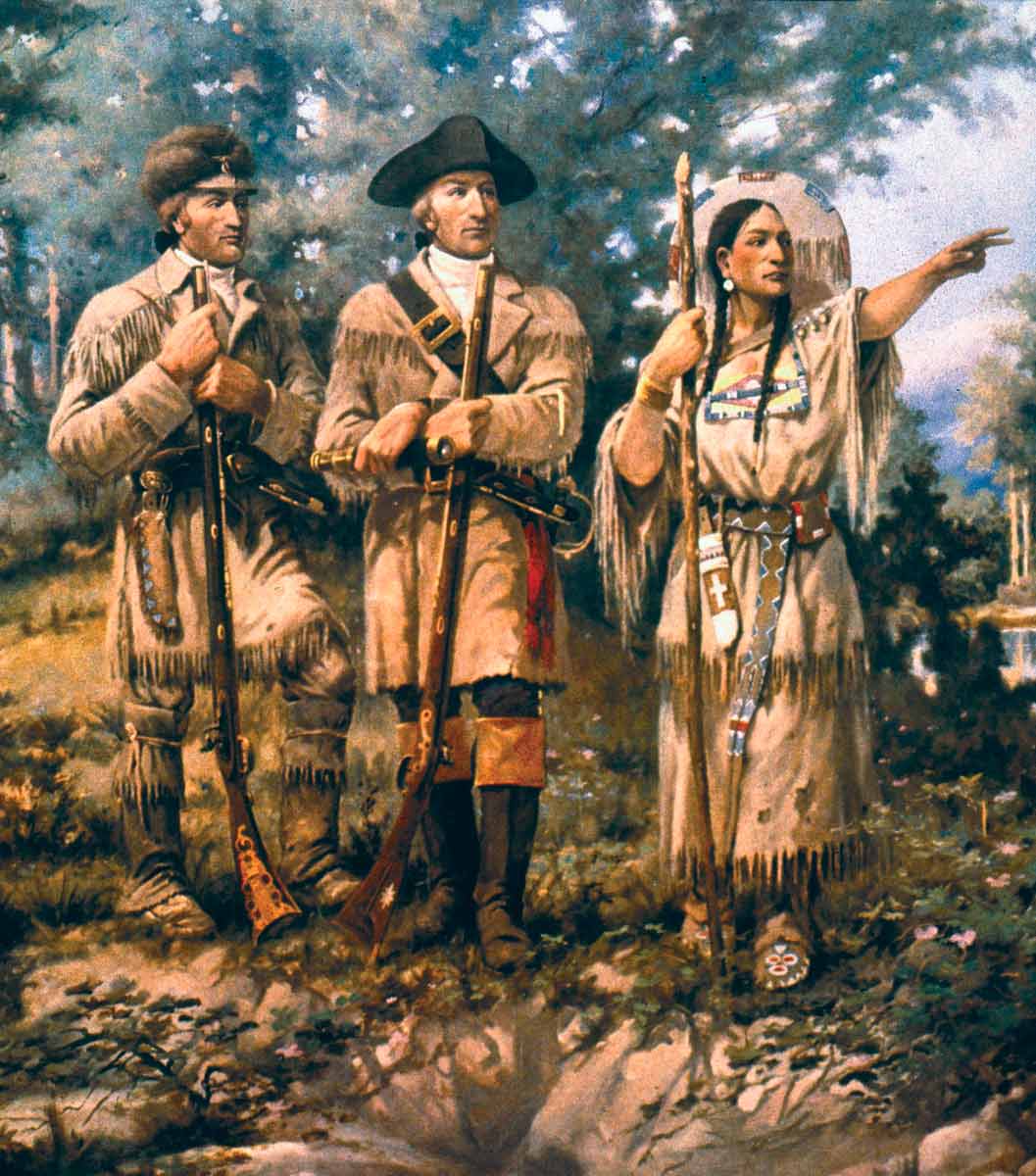
The 1803 Louisiana Purchase doubled the United States’ territorial holdings but left many unanswered questions. The American people, including President Thomas Jefferson, knew little about the vast expanse and what resources, dangers, and opportunities it held. The president recruited Meriwether Lewis and William Clark to lead an expedition into the territory to answer these questions. Lewis and Clark’s expedition, known as the Corps of Discovery, was made up of a diverse group, each who made their own contributions to the adventure.
Jefferson’s Friend, Meriwether Lewis
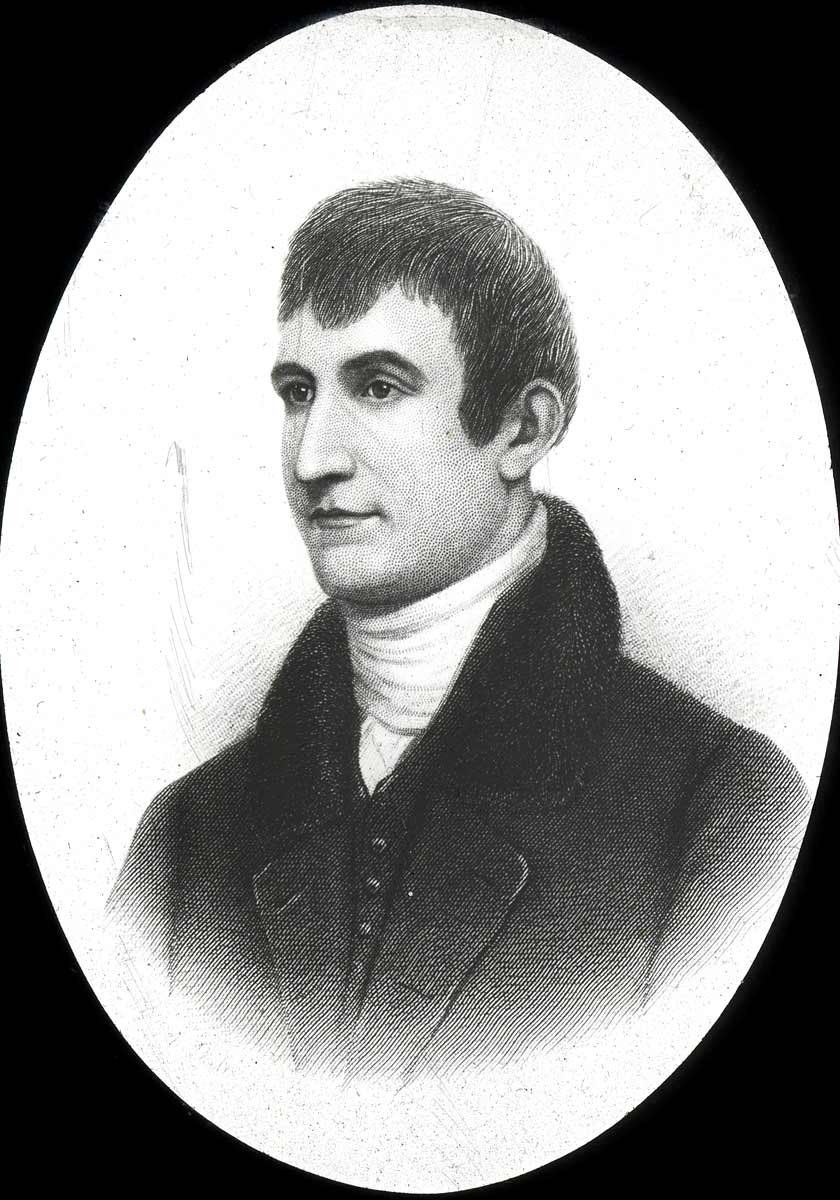
Born in the early days of the American Revolution, Lewis was left fatherless at the age of five as a result of the war. A native of Virginia, Lewis became acquainted with future President Thomas Jefferson, whose Monticello estate was located near the Lewis family’s Locust Hill plantation. At 21, Lewis joined the US Army and quickly moved through the ranks to become a captain. He spent two years as a personal secretary to Jefferson when his friend ascended to the presidency. Jefferson asked him to lead the Corps of Discovery, and to assemble the team that would complete the expedition.
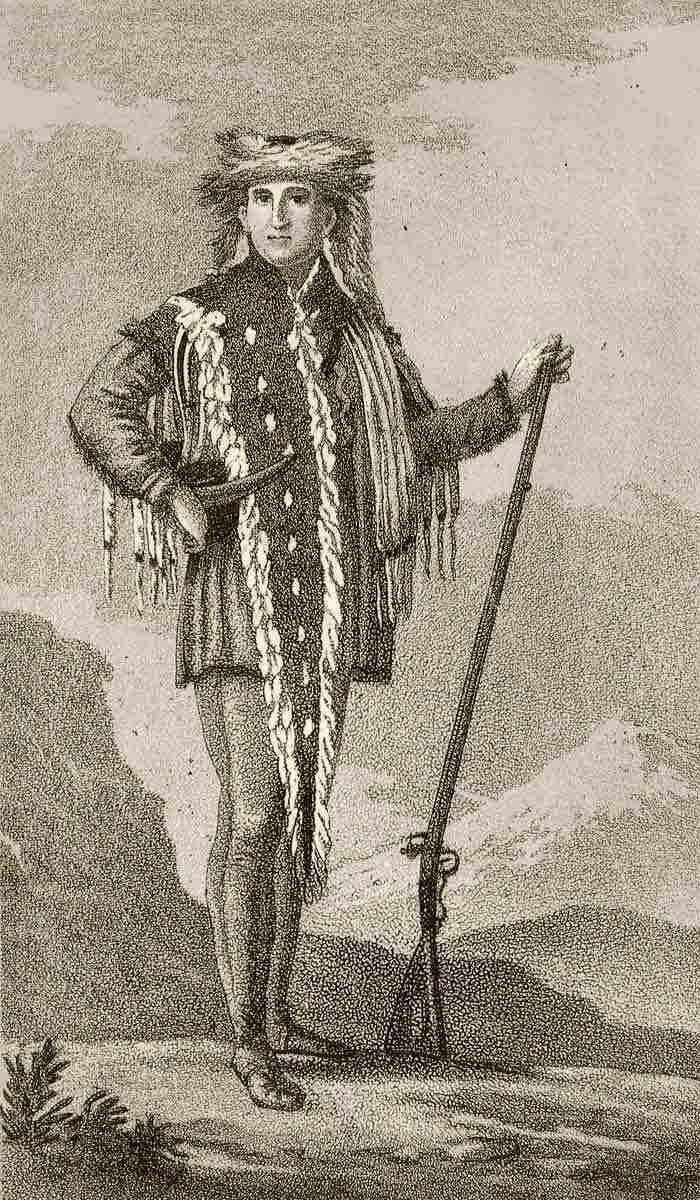
During the trip, Lewis acted not only as the leader but as the group’s natural scientist. He collected samples of flora and fauna as they traveled, and kept detailed journals. After the journey was completed, Lewis was tapped to serve as governor of Louisiana Territory. He reluctantly agreed and, during his term, made several laws that restricted personal freedom and favored American settlers. For example, he created laws prohibiting women from becoming landowners and former slaves from purchasing their freedom, while favoring settlers’ land claims in disputes with local Indigenous peoples.
Financial troubles plagued Lewis, as he had spent a great deal of his own savings on the Corps of Discovery, and the government failed to pay him back. While traveling eastward in 1809 to meet with government officials about this matter, Lewis died and his body was found in his room in a Tennessee lodging house on October 11th. His death at 35 is something that has baffled historians ever since. He was killed by gunshots, but whether they were self-inflicted or the result of an assassination remains a mystery lost to the ages.
William Clark, Co-Captain
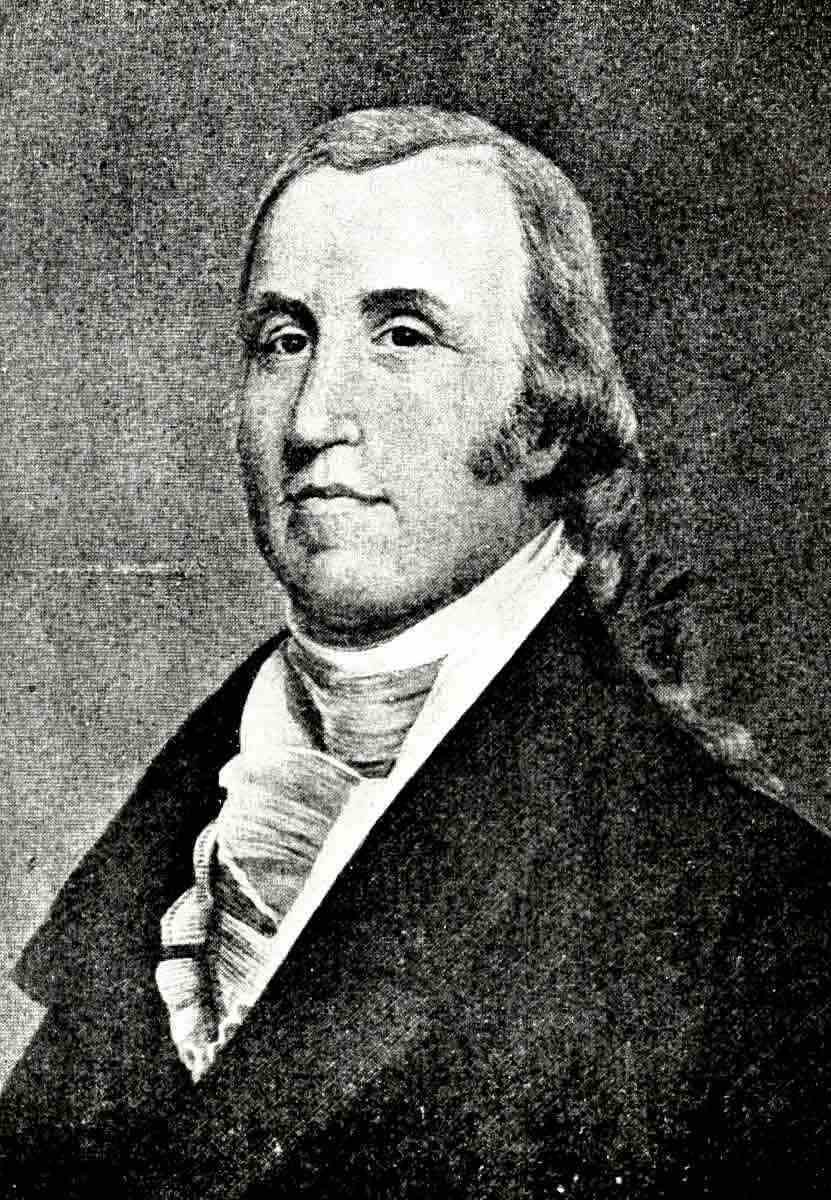
A former commander of Lewis from his army days, Clark was an easy choice to be Lewis’ co-captain of exploration. Four years his partner’s senior, Clark came from a large family with a rich military tradition in their young homeland. He entered the army at 19 and like Lewis, managed his family’s estate after retiring from the military. Clark was an excellent mapmaker, which made him especially valuable to the goals of the Corps of Discovery. Clark was also an excellent negotiator, a skill that served the group well as they traveled and encountered unfamiliar Indigenous peoples. He recorded information about 53 different tribal groups along the journey, and developed an appreciation for the new cultures he was seeing for the first time.
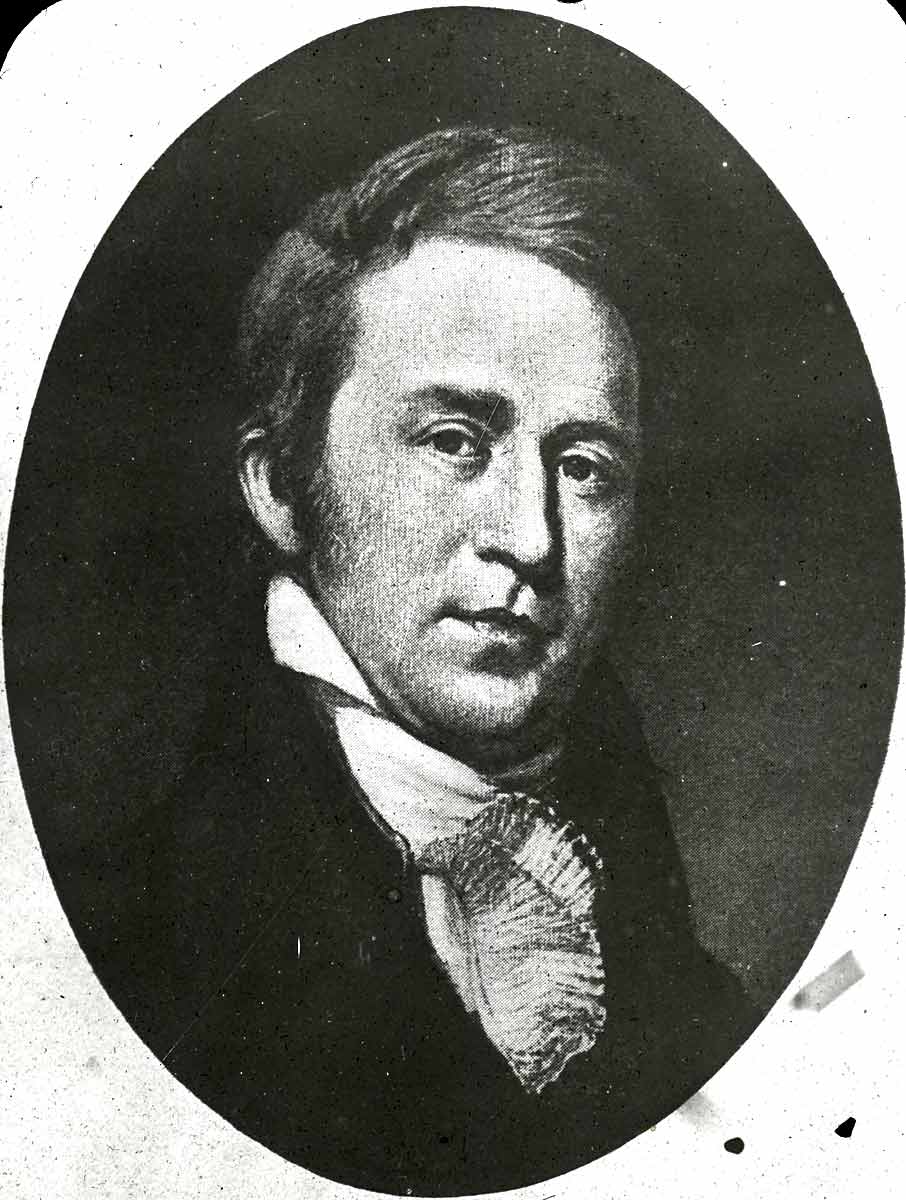
Clark married following the voyage and raised his own children along with those of fellow explorer Sacagawea. Again like his exploration partner, Clark became a governor following the journey. His term lasted longer than Lewis’, and he served as governor of the Missouri Territory. He was known for his work in Indian affairs and developed a reputation for treating Indigenous people fairly in dealings, with some even criticizing him for being “too compassionate.” Still, he believed in the idea of assimilation and helped to facilitate Indian removal and relocation throughout the country. Clark died at the age of 68 in 1838.
The Sole Woman, Sacagawea
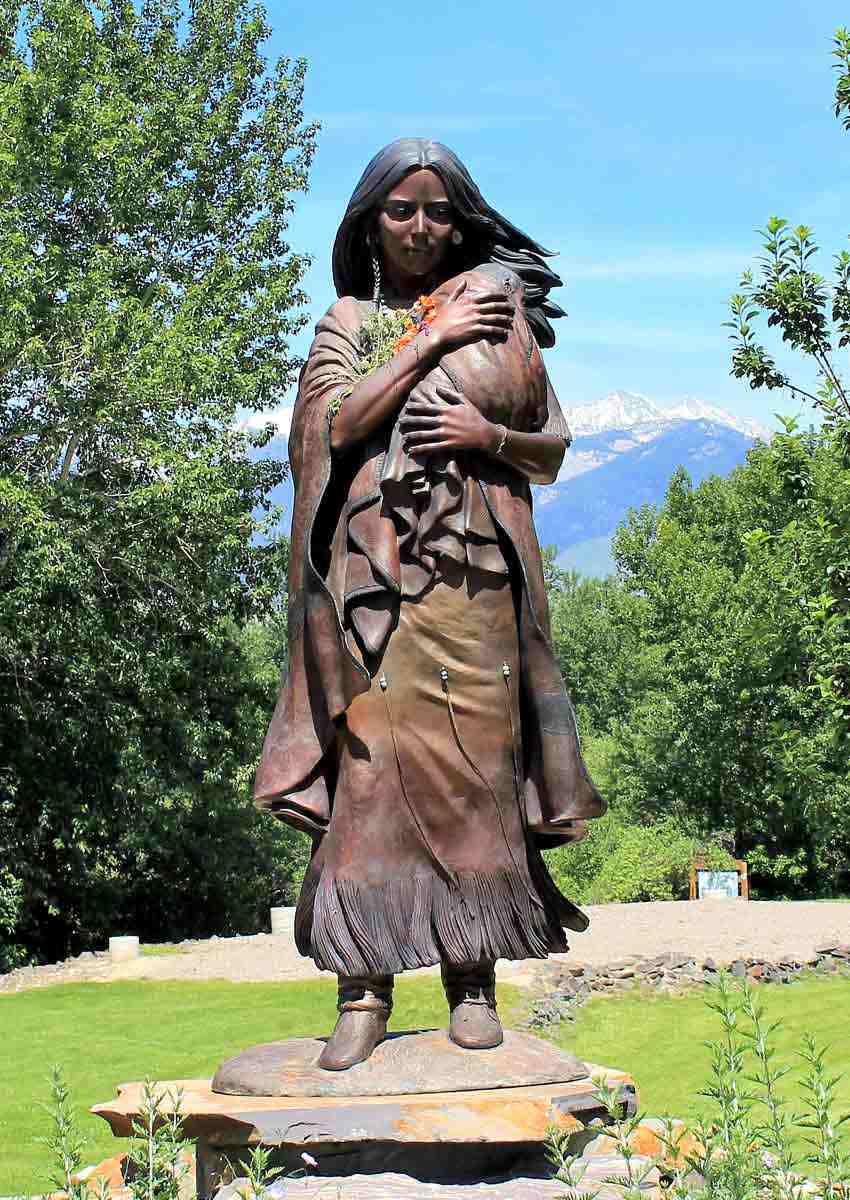
Born into the Shoshone tribe in 1788, Sacagawea was kidnapped as a youth by another tribe, the Hidatsa. A French-Canadian trader who was living with the Hidatsa, Toussaint Charbonneau, claimed the teenager as his wife. When Charbonneau was hired by the Corps of Discovery, a pregnant Sacagawea accompanied him on the trip. She was the only adult woman among the expedition party, which included over 30 men, most older than her, and her infant son.
Pregnant for some of the travel time, and then carrying an infant for the rest, Sacagawea proved herself invaluable to the Corps. Her knowledge of wild plants provided extra rations for the group, and her ability to communicate with tribes they encountered was extremely useful. On one occasion, Sacagawea may have saved the expedition when she calmly recovered navigational and scientific instruments, journals, medicines, clothes, and gunpowder from a river after a boating accident, while other expedition members simply watched.
Sacagawea’s life after the expedition is largely lost to history, although there is record of her bringing her son to Clark so he could be provided with an education. It is believed that she gave birth to a daughter in 1812, and died not long after. Despite her contributions to the Corps of Discovery, Sacagawea was never paid for her services, her wages went to her husband. In 2000, an image of Sacagawea carrying her son on her back was featured on the face of a US gold dollar coin.
York, Briefly Free
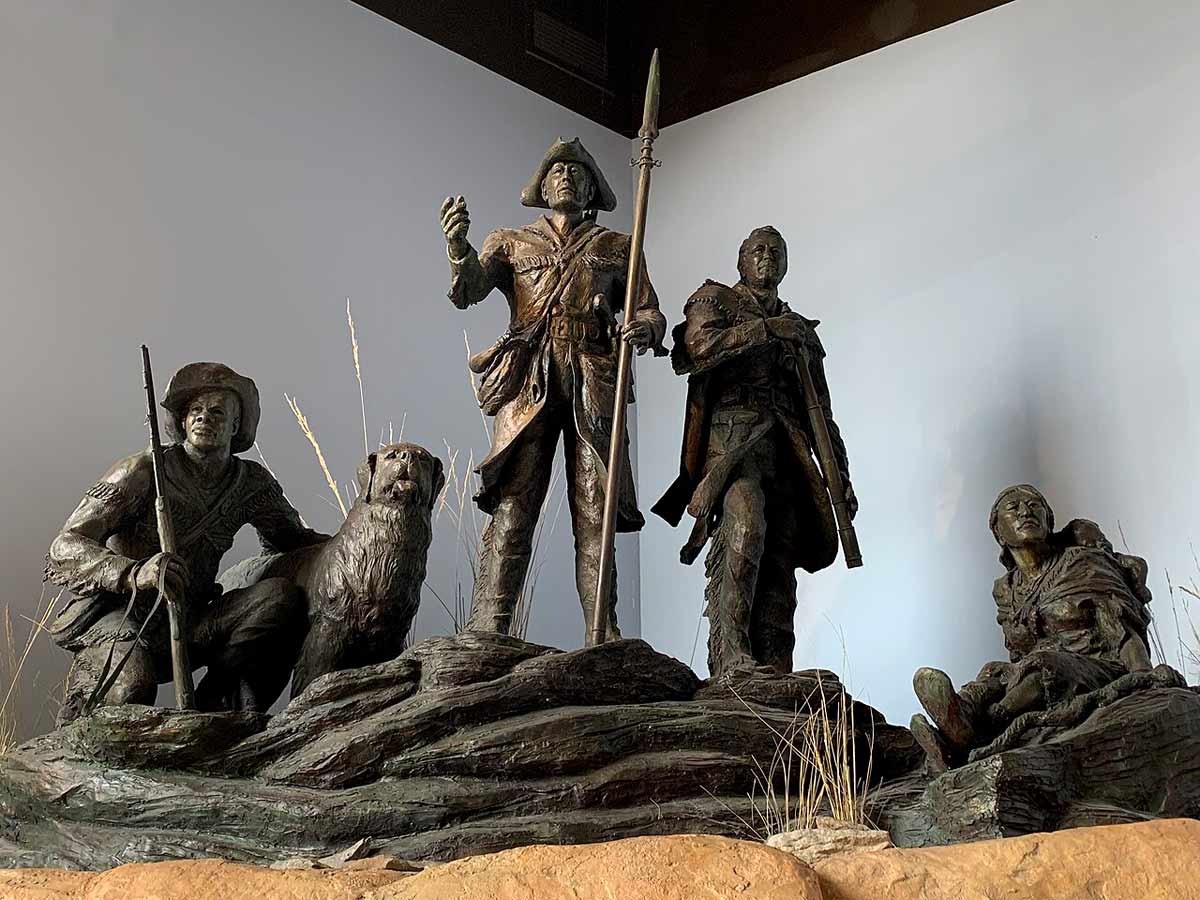
York, an enslaved man owned by William Clark, was likely the first African-American man to cross the North American continent. Little is known about York’s life before or after the journey, but his contributions to the Corps of Discovery ensured that at least part of his life was memorialized. He was able to experience more freedoms than most slaves on the journey, such as handling firearms and voting in matters pertaining to the expedition, though those rights were rescinded upon his return home to the Clark plantation.
York is mentioned frequently in the journals of Lewis and Clark, and his skills as a hunter and frontiersman were important to the success of the trip. York was reportedly helpful in breaking the ice when it came to interactions with Indigenous peoples, as most had never seen a Black man and were intrigued by the color of his skin. Nez Perce oral histories recount that when members of the tribe first saw the party, they planned to fall upon and kill them, but when they saw York, they “feared retaliation from the Black man.” York was rumored to have eventually obtained his freedom and later died from cholera.
Little Pomp Had Exploration in His Blood
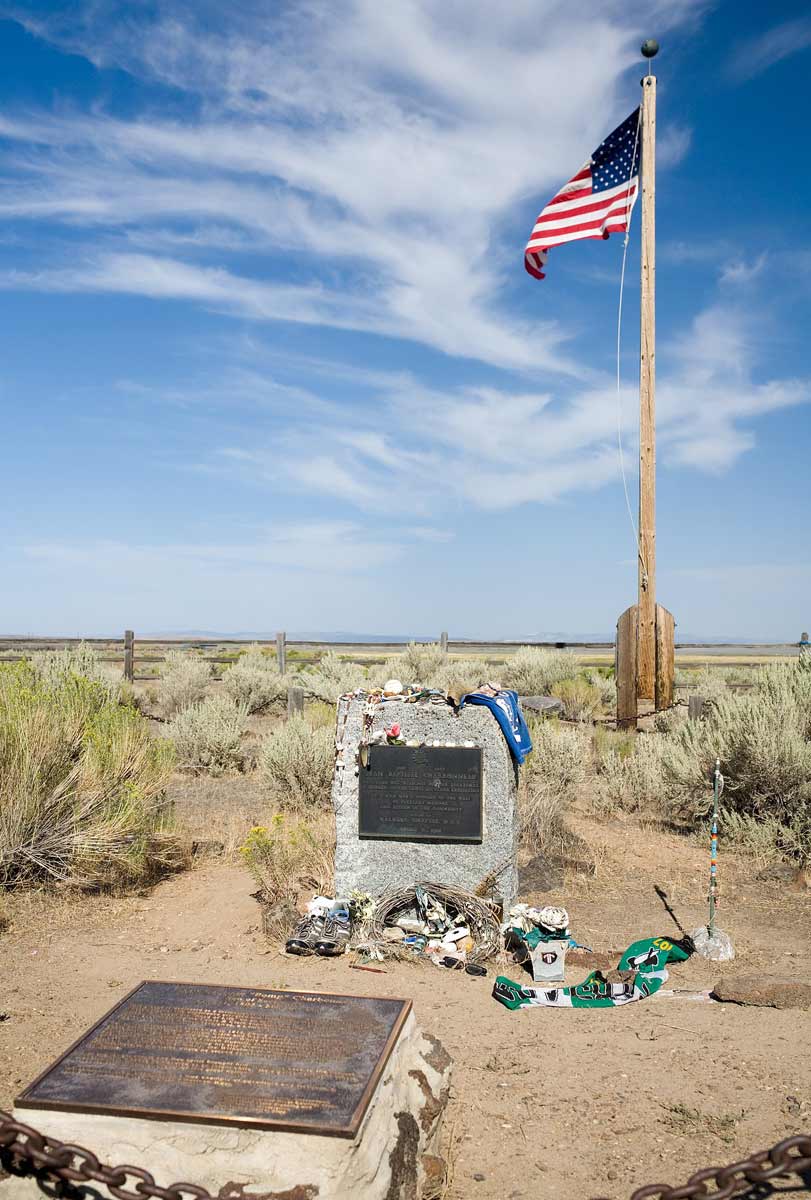
Jean Baptiste Charbonneau was the baby born to Sacagawea and Toussaint Charbonneau during the trek of the Corps of Discovery. Jean Baptiste was better known as “Pompey” or “Little Pomp,” a nickname bestowed on him by William Clark. Clark took a special interest in the child, and offered to provide him with an education as he grew. As a child, Pomp moved in with Clark and was raised as a member of the family. Clark provided for his education and needs until adulthood. The desire to explore seemed to be rooted in Pomp’s genes, and as an adult he spent time traveling in Europe, then later worked as a guide in the American West, working with the likes of Jim Bridger. The final 20 years of his life were spent in California after gold was discovered. Jean-Baptiste died in 1866, likely from pneumonia, aged 61.
George Drouillard’s Multicultural Heritage Proved Invaluable
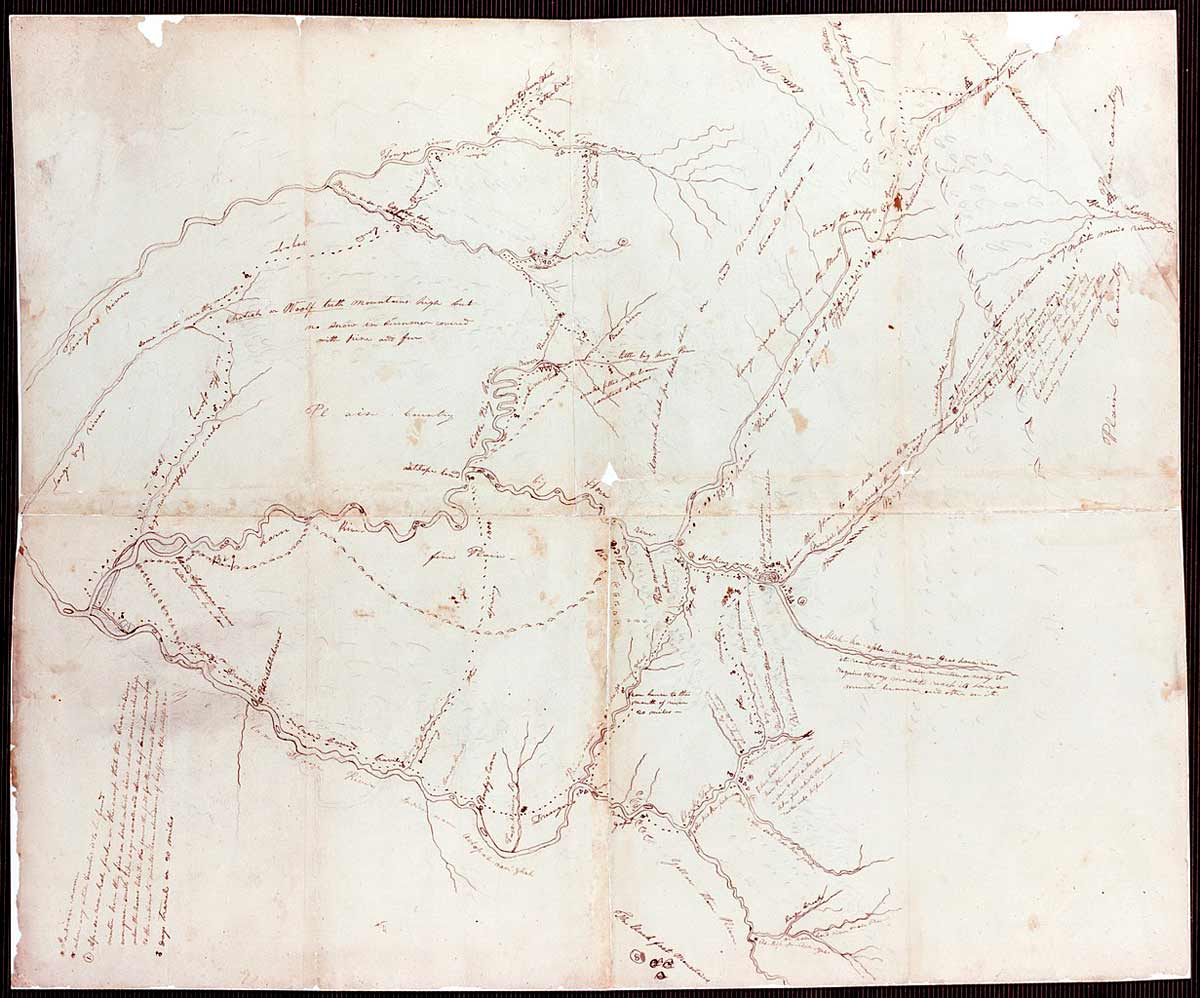
French Canadian and Shawnee, George Drouillard was a hunter, trapper, and interpreter who was fluent in three spoken languages as well as sign language. He was a crucial aspect of Native relations throughout the course of the journey west. Some historians refer to him as the most important diplomat on the trip due to his multicultural heritage and linguistic skills, as both helped him relate to the peoples the group encountered. Drouillard had a long history with the Clark family, as his father had once worked for William Clark’s brother. Meriwether Lewis, however, would be the one who actually tapped George for the expedition upon his arrival at Fort Massac, Illinois, where he made preparations for the Corps. Drouillard was the highest-paid member of the expedition after the captains, and Lewis asked the secretary of war to reward him even further upon their arrival home, citing his honorable actions, deep knowledge, and “uncommon skill.”