Ghost towns are not exclusive to Texas and California. Utah has its fair share of intriguing abandoned relics. In the 19th century, silver prospectors flooded sandstone canyons, building instant empires out of dust and greed. Decades later, empty saloons, rotting gallows, and stone foundations sat in silence across the Utah desert. These settlements were not slowly phased out by modern progress. Instead, lawless violence, sudden economic ruin, deadly epidemics, and natural disasters erased them overnight. Behind ten of Utah’s picturesque desert ruins lie forgotten stories of violence, tragedy, and sudden frontier collapse.
1. Frisco and the Wild West Murder Capital
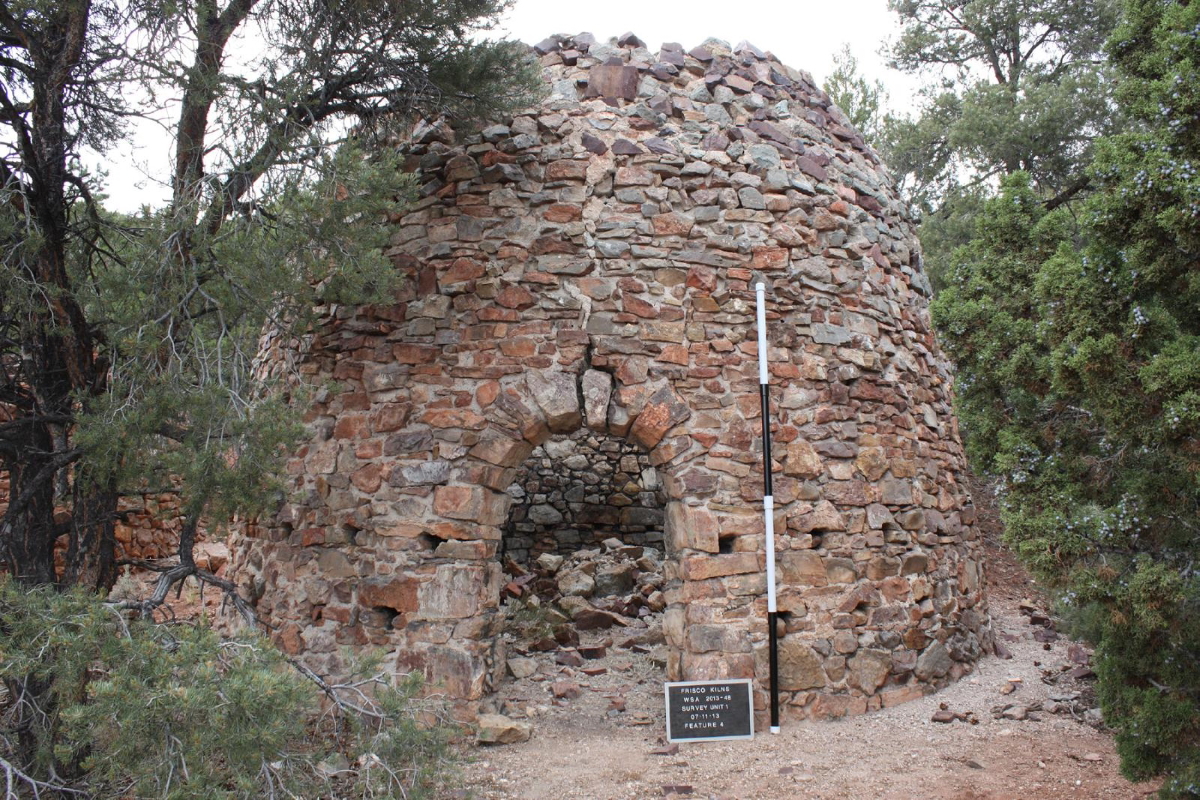
Once a booming hub for silver mining, this legendary Utah ghost town was established in 1875. Frisco thrived around the Horn Silver Mine, one of the richest silver mines in the US. The town had around 6,000 residents at its peak, and it quickly became known as the “wildest mining town in the West.” This is because it was notorious for lawlessness, daily brawls, and saloons lining its streets. The town newspaper claimed that there was one murder per day.
Soon, a sheriff was appointed to maintain order in the 23-saloon town. But Frisco’s success declined after a disastrous mine collapse in 1885. Unbelievably, workers had felt tremors that morning and were ordered to wait outside. Amazingly, no one was killed in the disaster, but the town never fully recovered its peak production and started to be abandoned.
If you’re planning to visit Frisco today (which you should), you’ll have the chance to explore remnants of its historic charcoal kilns. These were essential for Frisco’s metal smelting processes. Today they are listed on the National Register of Historic Places. On top of that, the Frisco Cemetery and scattered mining equipment are a must-see. However, around 2002, a mining company bought the rights and began reworking some of the ore in the Frisco region. This means portions of the old town are now on active mining land and off-limits.
2. Thistle and the Disastrous Mudslide of 1983
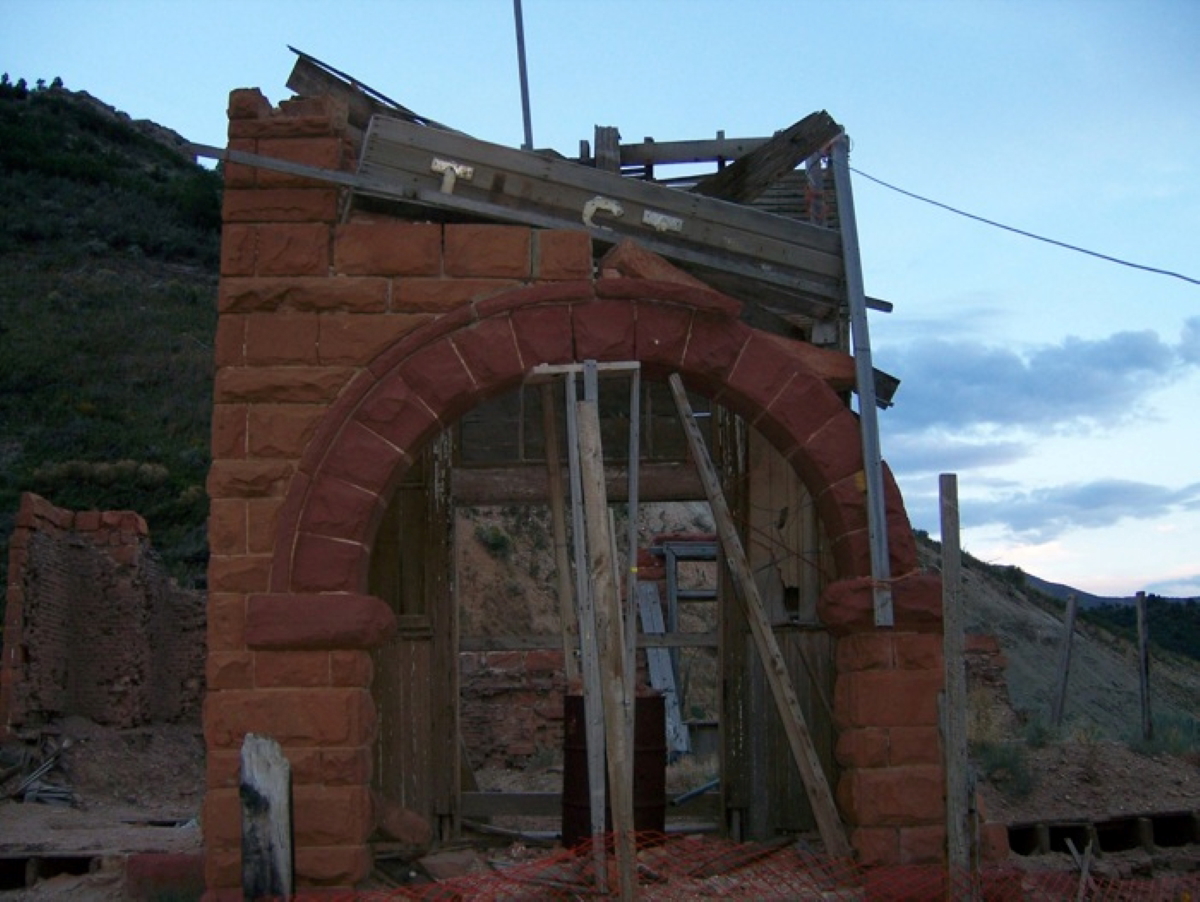
Thistle is one of America’s newest ghost towns. It wasn’t until 1983 that all the drama unfolded with a devastating landslide that hit the town. Before that, it was a thriving railroad town in Spanish Fork Canyon established in the late 1880s. Thistle was essential for refueling and supplying trains on the Denver and Rio Grande Western Railroad. Over the years, the town grew to include a schoolhouse, homes, saloons, and even a small rail yard. However, the importance of Thistle declined as steam engines gave way to diesel trains. By 1982, only a few families remained.
Circling back to the most devastating event that hit Thistle, it was in the spring of 1983 when unusually heavy rain and melting snow caused a massive landslide that dammed the Spanish Fork River. It led to a flood that submerged the whole town. While the area was evacuated, the town was underwater within days. This resulted in one of the most expensive natural disasters in US history.
Today, the water has largely drained, leaving behind an eerie, mud-caked landscape. Drivers on US-89 can still see tilted, half-submerged homes with rusted red roofs, drowned telephone poles, and railroad tracks leading straight into standing water.
3. Grafton and the Tragic Settlement on the Virgin River
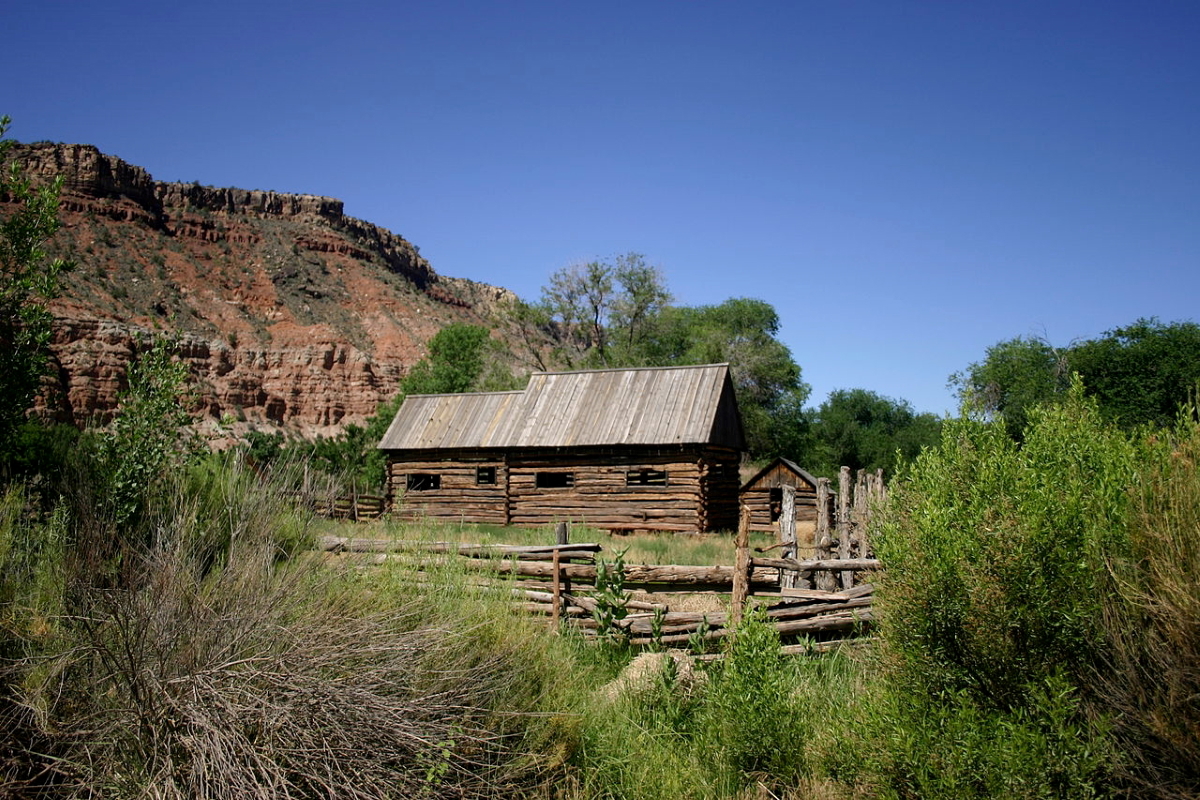
Grafton is a picturesque ghost town located near the famous Zion National Park. It has a history marked by resilience and hardship. The town was originally a farming community established by Mormon settlers in 1859. It was plagued by frequent flooding from the Virgin River, which led to a complete relocation in 1862. Despite efforts to establish orchards and support the community, Grafton struggled with isolation, limited arable land, and tensions during the Black Hawk War in 1866, which led to a temporary evacuation. They were also struck by a deadly diphtheria epidemic that wiped out many of the community’s children within a single month. Visitors to the restored Grafton Cemetery report an unsettling stillness and eerie feelings near the children’s gravestones.
Grafton’s population had dwindled by the early 1900s. In 1944, its last residents departed. Today, the town is famous for its well-preserved structures, including a schoolhouse, cemetery, and chapel. Grafton is also listed on the National Register of Historic Places. The fact that it was the filming location for Butch Cassidy and the Sundance Kid and other movies makes it the perfect destination if you’re drawn to cinematic history.
4. Silver Reef and the Curse of Sandstone Silver
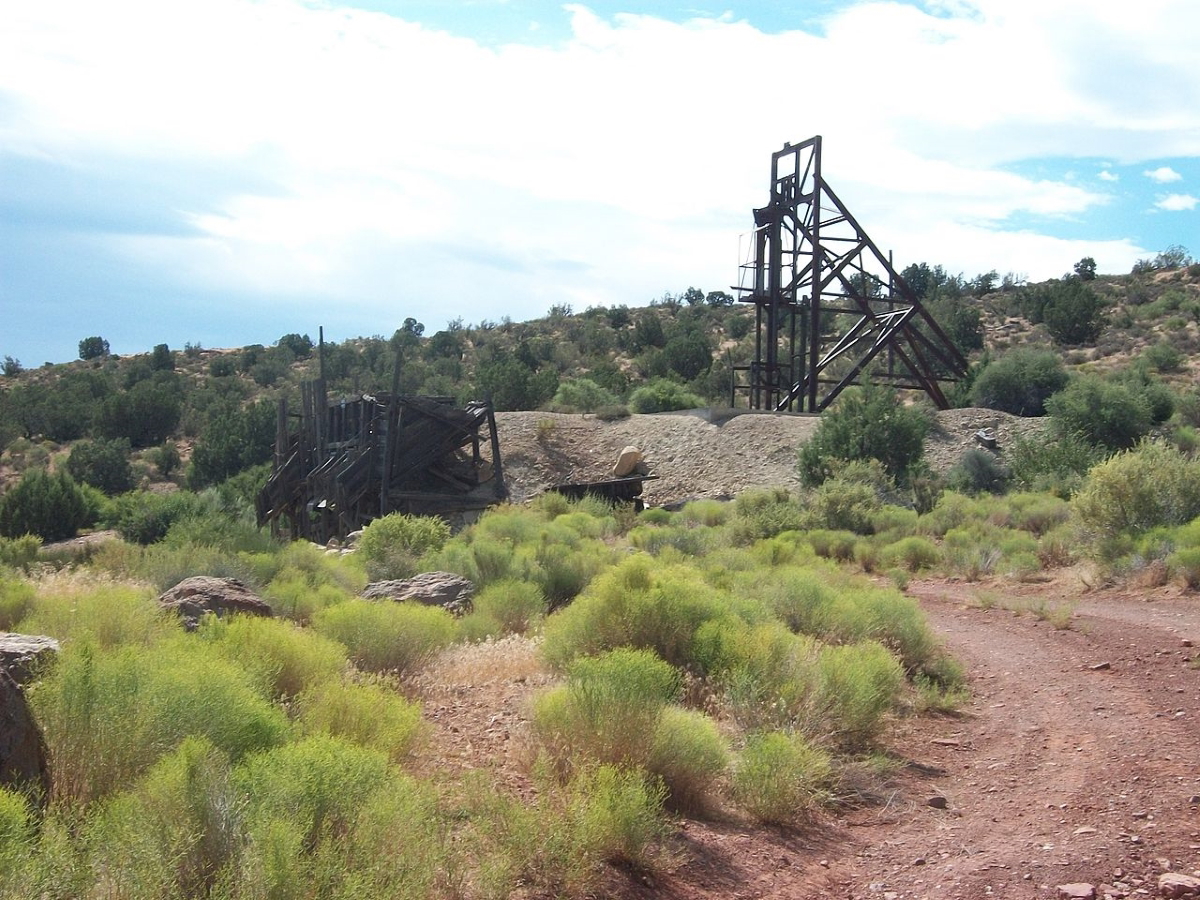
When prospector John Kemple discovered silver embedded in sandstone around the late 1800s, it was a highly unusual ecological find in Utah’s Silver Reef. This turned the area into a unique mining town. Silver Reef was officially established in 1875. The town quickly expanded as miners and entrepreneurs arrived, creating a bustling boomtown.
Home to around 2,500 residents at its peak, Silver Reef boasted a mile-long main street with multiple businesses, including a Wells Fargo Stagecoach office, which still stands today and now houses a museum. The town was notoriously violent, marked by labor battles between Irish and Cornish miners, as well as anti-Chinese riots that resulted in the lynching of a local cook. Nevertheless, the town continued thriving up until the 1880s. This was when a global decline in silver prices and flooding of mines led to Silver Reef’s decline. Most operations ceased by 1891, and the town was gradually abandoned.
Today you can see the remnants of Silver Reef’s storied past, including the Wells Fargo building, the jail, and the stone kilns. Ghost hunters frequently visit the restored Wells Fargo building, reporting phantom footsteps, unexplained cold spots, and lingering voices from its turbulent saloon era.
5. Mercur and the Town That Died Three Times
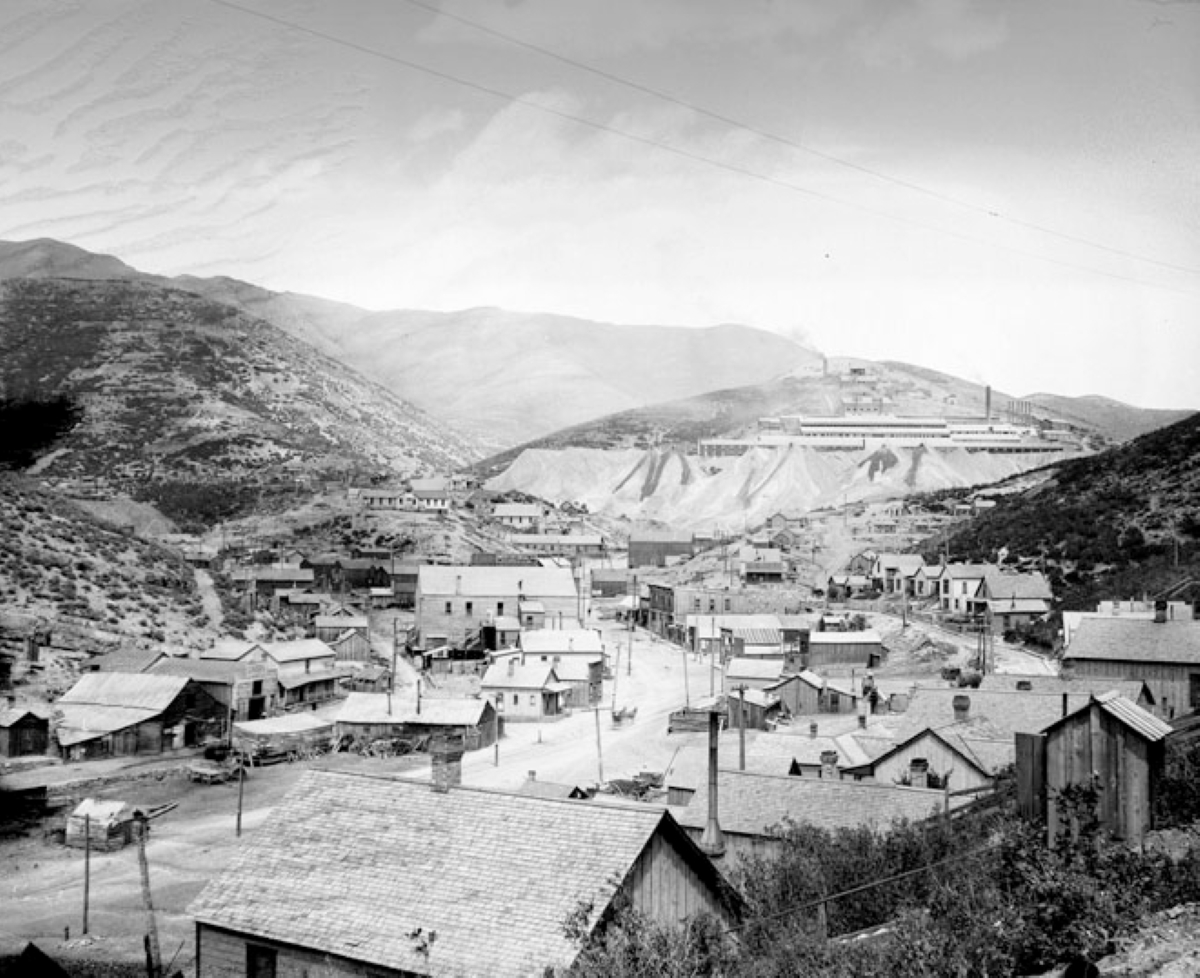
Due to its mining history, Mercur saw multiple boom-and-bust cycles. The town was originally established in the 1870s as Lewiston and was later renamed Mercur after a vein of cinnabar (mercury ore) was discovered in the area. It truly prospered in the 1890s when a gold ledge was discovered, and Mercur became famous for pioneering the cyanide process for gold extraction. This in itself revolutionized mining in the United States. During its heyday, Mercur housed a thriving community of around 5,000 people and became known for its bustling main street and a tight-knit Italian immigrant population, which introduced local traditions, like Columbus Day celebrations.
Mercur faced devastating fires in 1896 and 1902, yet it was rebuilt each time, though it finally succumbed to economic pressures in 1913 when gold production became unprofitable. Today, Mercur has been almost completely erased by modern strip mining operations. Also, in the 1980s, the Barrick Gold corporation reopened the site as a massive open-pit mine, literally digging up and grinding away the remnants of the old town structure. Phantom miner sightings were frequently reported along the ridge right before the earth was carved away. Today, only the Mercur Cemetery remains as a haunting reminder of the town’s past.
6. Alta and the Brutal Avalanche Burials
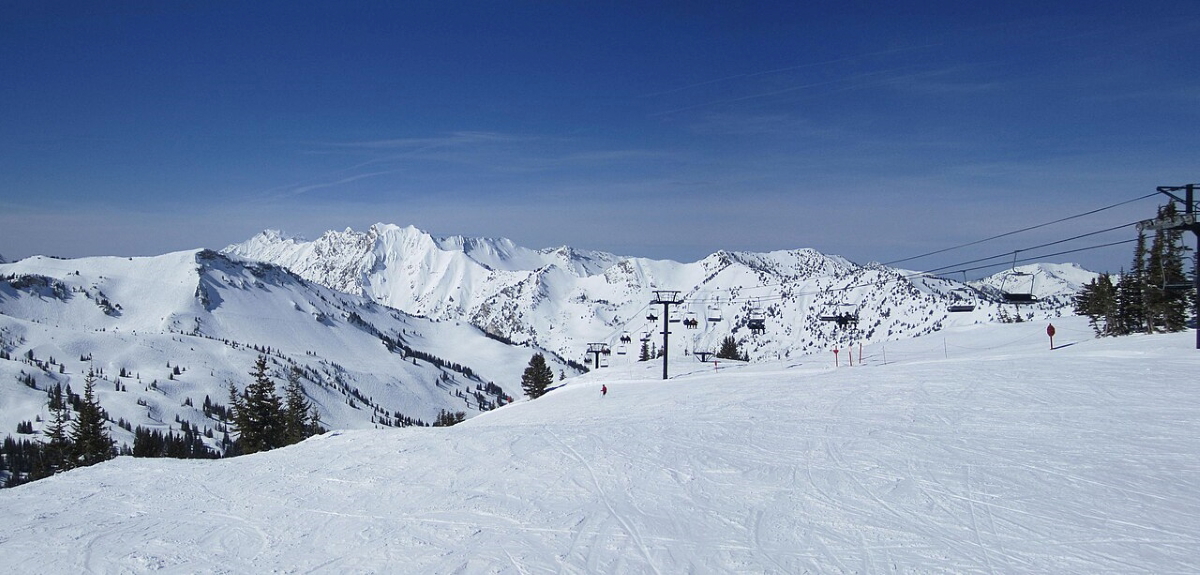
This one began as a bustling silver mining town in the 1860s. It was known for its rich silver deposits in Little Cottonwood Canyon, where it quickly grew to house thousands of miners and developed a lively main street with saloons and hotels. However, Alta faced several setbacks, including an economic downturn, wildfires, and a devastating avalanche in 1885. The avalanche killed over 15 people and buried buildings under dozens of feet of snow. Soon after, a typhoid outbreak struck the survivors. By 1895, the town was nearly abandoned, and it experienced only brief mining resurgences in the early 20th century before becoming a ghost town by the 1930s.
In 1938, the Utah town found new life. This was when the area’s deep snow and mountainous terrain attracted attention for ski resort development. With assistance from Norwegian ski legend Alf Engen and the U.S. Forest Service, the first ski lift opened in 1939, and Boom, Alta was turned into a premier ski destination.
The Alta Ski Area is still popular today, with world-class powder skiing, lodging, and recreational activities year-round. However, guests at local historic lodges, such as the Snowpine Lodge, have claimed to see Victorian-clad apparitions wandering the hallways.
7. Cisco and the Lonely Desert Outpost
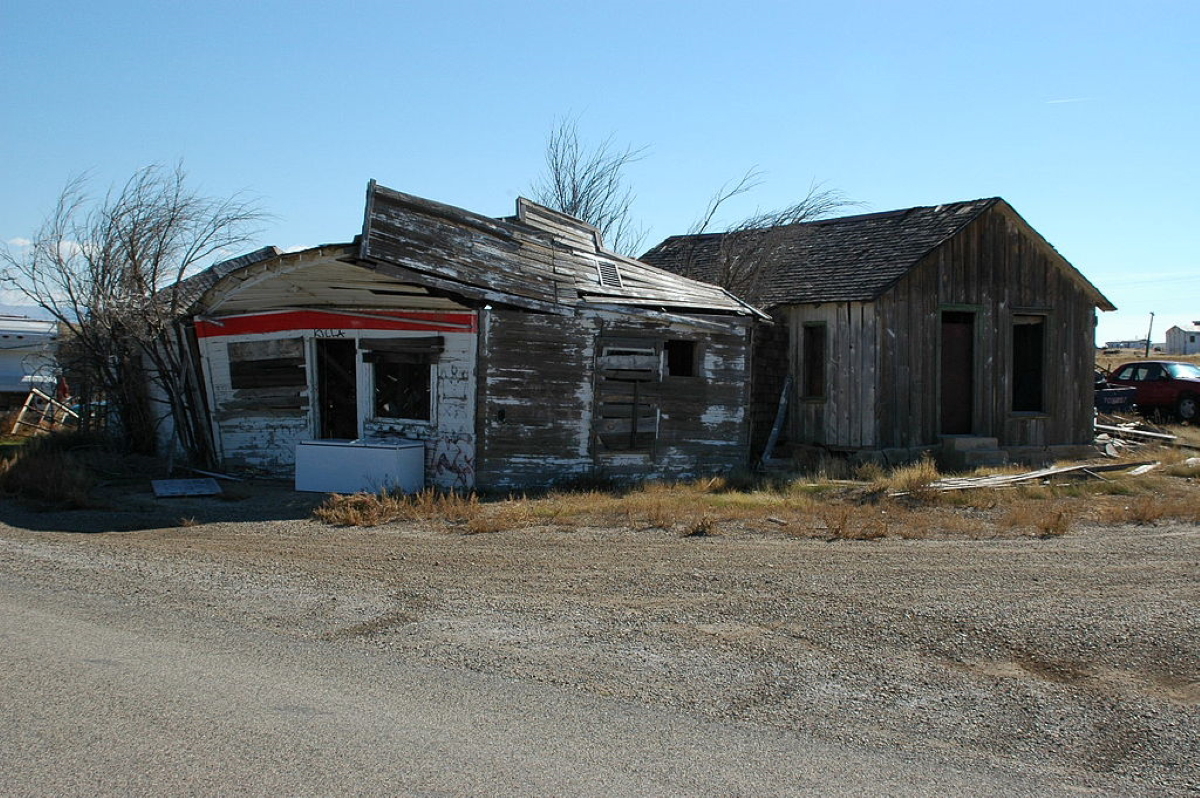
In the 1880s, Cisco began as a railroad town. It served as a vital water and supply station for the Denver and Rio Grande Western Railroad. Thanks to its location along key rail lines, the town also supported the region’s cattle and sheep industries. How did it exactly do that? By simply acting as a hub for livestock operations.
With the discovery of oil and natural gas in the 1920s, Cisco saw a surge in development, including a post office, general store, and schoolhouse. All of this sustained the town well into the mid-20th century.
However, the rise of diesel engines and the construction of Interstate 70 in the 1970s diverted traffic away from Cisco. And then, the decline began. It was the unavoidable eventual abandonment. Today, you can still see Cisco’s haunting, sun-bleached remnants, including the empty buildings, a general store, and the original post office. They’re still standing, and the atmosphere they create draws both artists and film crews alike. It was a filming location for classic movies like Thelma & Louise (the police chase scene) and Vanishing Point.
8. Modena and the Failed Industrial Frontier
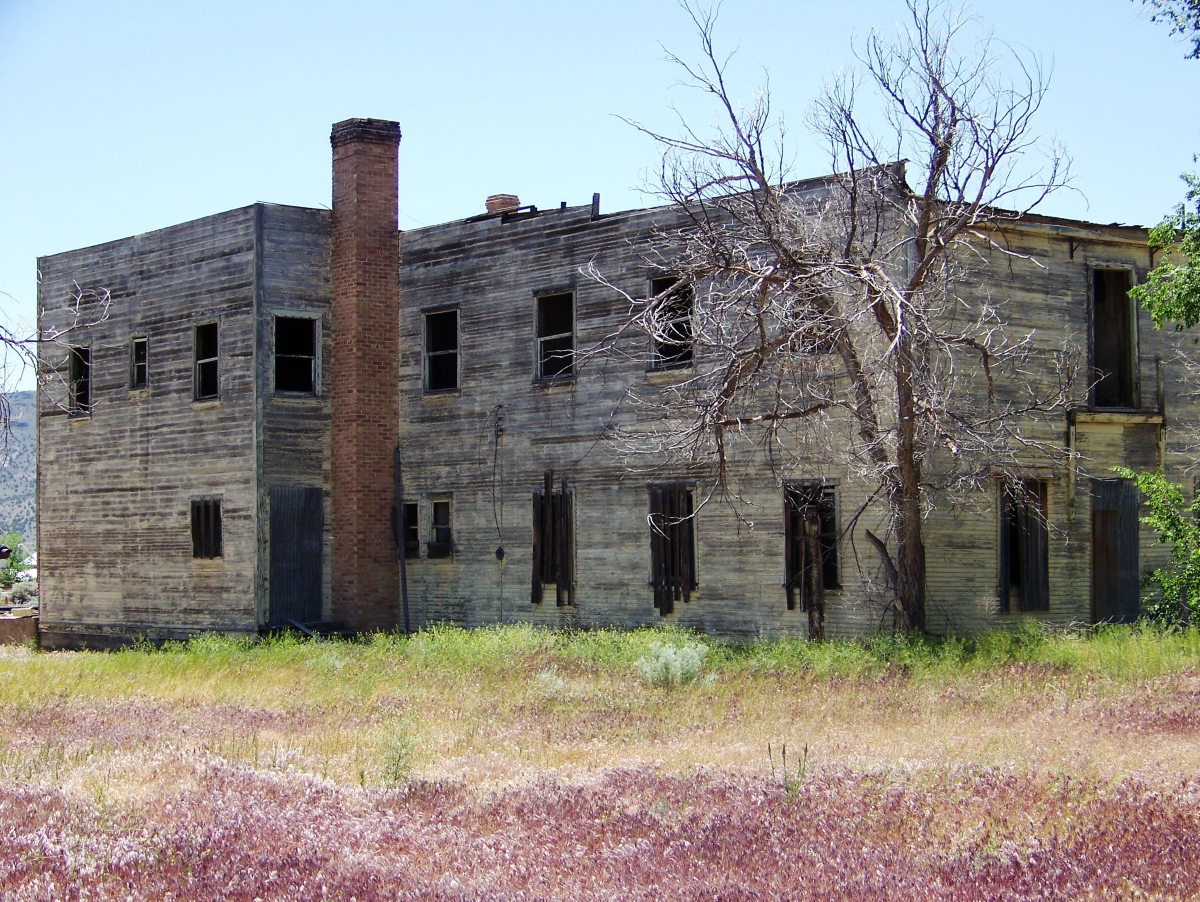
Supporting the steam engines on the Utah and Nevada Railway was the main objective of establishing Modena in 1899. Located in Iron County, near the Nevada border, this Utah town grew fast as a key stop for freight and water supplies. The economic activity in town expanded through the early 20th century, serving local ranchers, miners, and travelers moving between Utah and Nevada. It developed a vibrant main street with hotels, saloons, and the notable B.J. Lund General Store, which you can still see today.
With the advent of diesel engines and the bypassing of Modena by major highways, the importance of the town dwindled. This led to its near abandonment. Though it has faded significantly, Modena still attracts visitors with its preserved historic buildings, such as the ruins of the Last Chance Saloon and its small cemetery. But the centerpiece of the town is the rotting, two-story Modena Hotel. With peeling wallpaper, abandoned furniture, and open doorways creaking in the desert wind, locals and urban explorers frequently share tales of phantom footsteps on the stairs and flickering lights in windows that have had no electricity for decades.
9. Ophir and the Isolated Oquirrh Mountain Camp
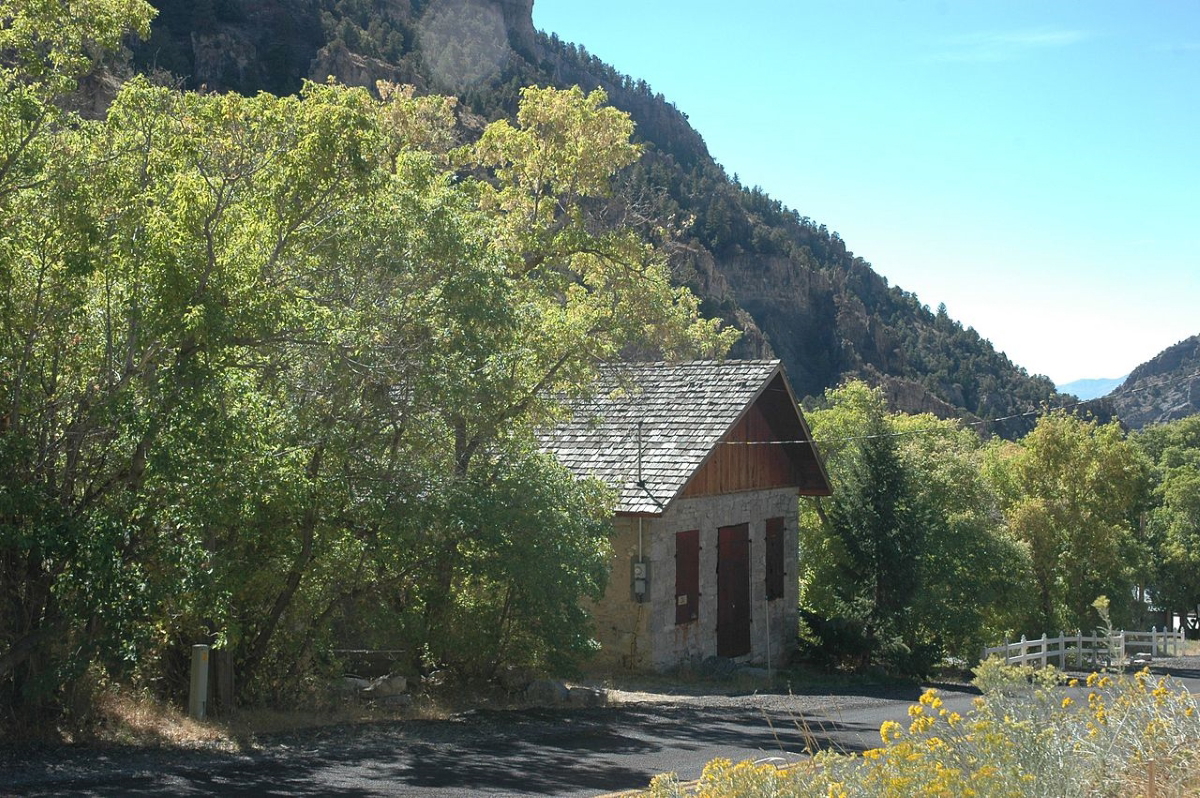
Ophir is named after the biblical land rich in precious metals where King Solomon received gold. It was founded in the 1860s after soldiers stationed at nearby Camp Douglas discovered silver deposits. By the 1870s, the town boasted a population of around 6,000 people and was known for its lively atmosphere, with saloons, brothels, and dance halls lining its streets. Ophir thrived on mining silver, lead, zinc, and copper, though its prosperity began to wane as ore quality declined and easier opportunities lured miners elsewhere.
Because of the canyon’s sheer walls, shadow covers the town early in the afternoon. Today, Ophir has been preserved as an open-air historic park with fully furnished pioneer cabins. Visitors report feeling an eerie presence near the old schoolhouse and hearing disembodied organ music near the historic church.
10. Sego and the Ghostly Coal Canyon
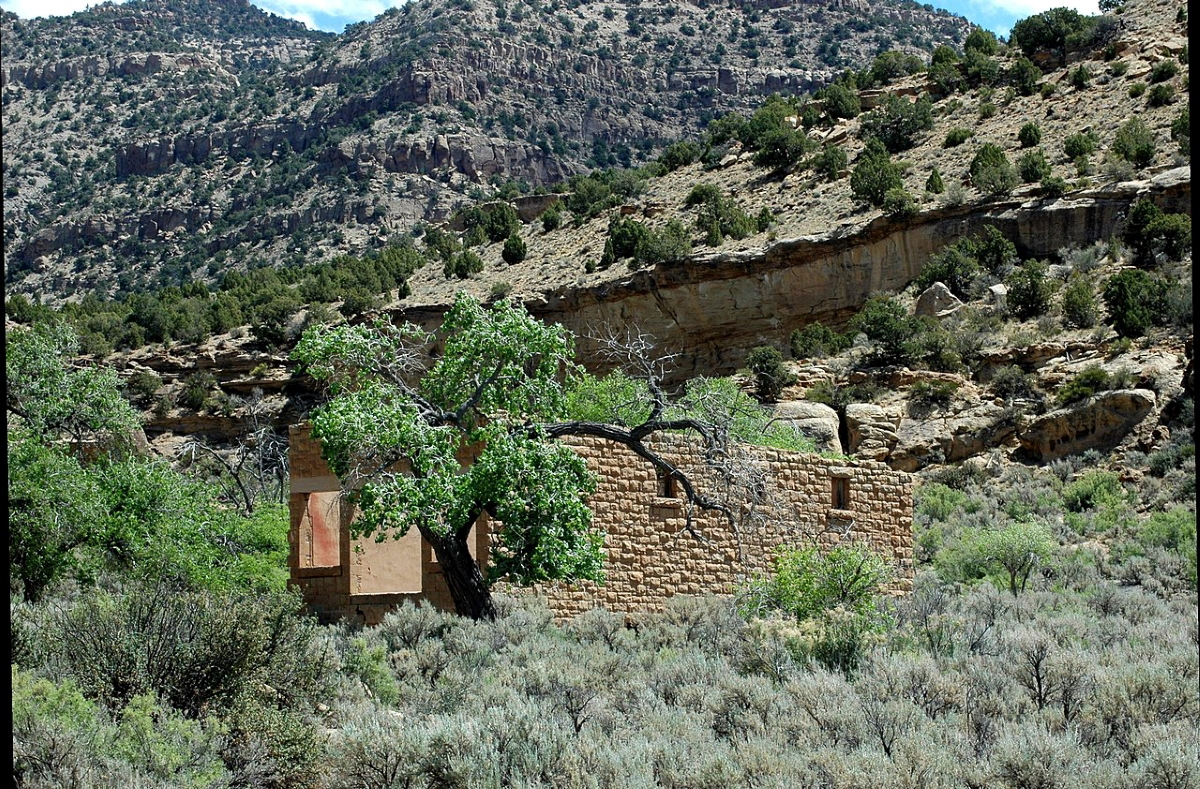
This unique Utah town is known for its coal mining past rather than the gold and silver rushes typical of the region. In the early 1890s, rancher Harry Ballard discovered coal seams in the area and began small-scale operations. By 1911, he sold the mine to investors. This was when the town grew with the establishment of a company store, boarding houses, and infrastructure to support a thriving coal industry. However, water shortages, labor disputes, and economic challenges consistently hampered Sego’s growth. In 1947, the mine closed, and decline began.
If you visit the town nestled in the scenic Sego Canyon, you’ll be able to explore the town’s remnants. This includes the stone company store, collapsed boarding houses, and an old cemetery. You can also see ancient rock art from Native American tribes. The 8,000-year-old “Barrier Canyon style” pictographs feature towering, armless, hollow-eyed figures with antennae, often referred to by locals as the “ancient aliens.”