
The Second World War witnessed some of the most intense insurgency warfare in history. The Filipinos, no strangers to fighting foreign occupiers over the centuries, proved to be among the most effective resistance forces of the war. Their activities helped pave the way for General Douglas MacArthur to fulfill his vow to return to the archipelago.
How the Resistance Formed
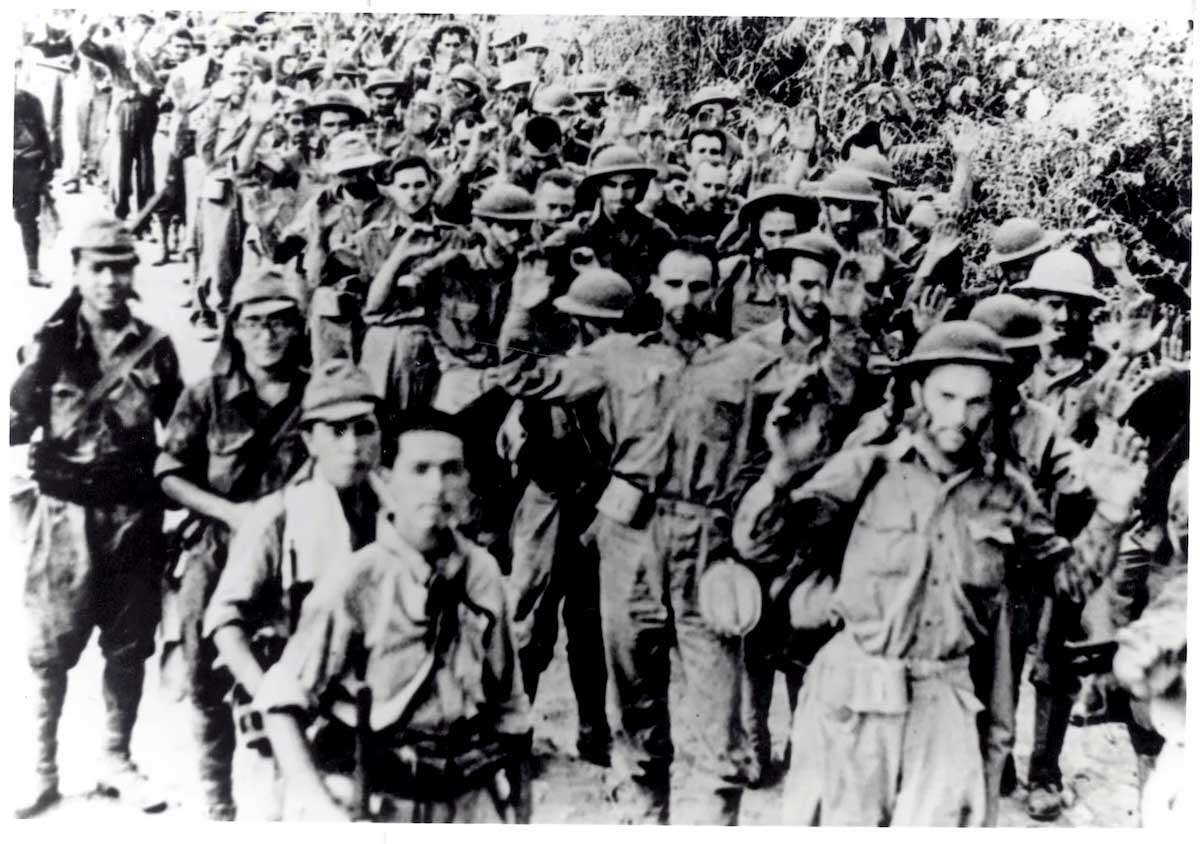
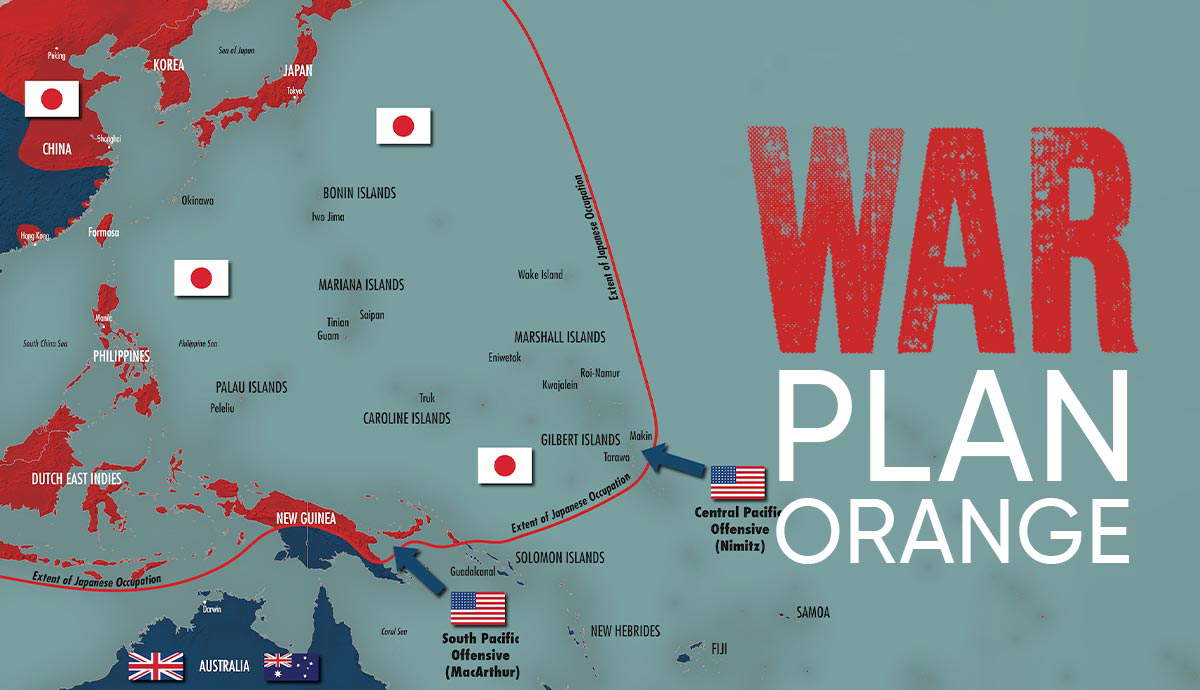
When the Japanese Empire invaded the Philippines, it possessed overwhelming dominance in the air and on the ground. Tokyo’s forces not only overwhelmed Allied troops across all of the islands they invaded, but they occupied major population centers like Manila and Davao City without much difficulty. Despite the heroic efforts by the Allies to hold out on the Bataan peninsula and Corregidor, Japan was able to seize the entire archipelago within a few months. However, they soon found that taking the islands was one thing, holding onto them was another.
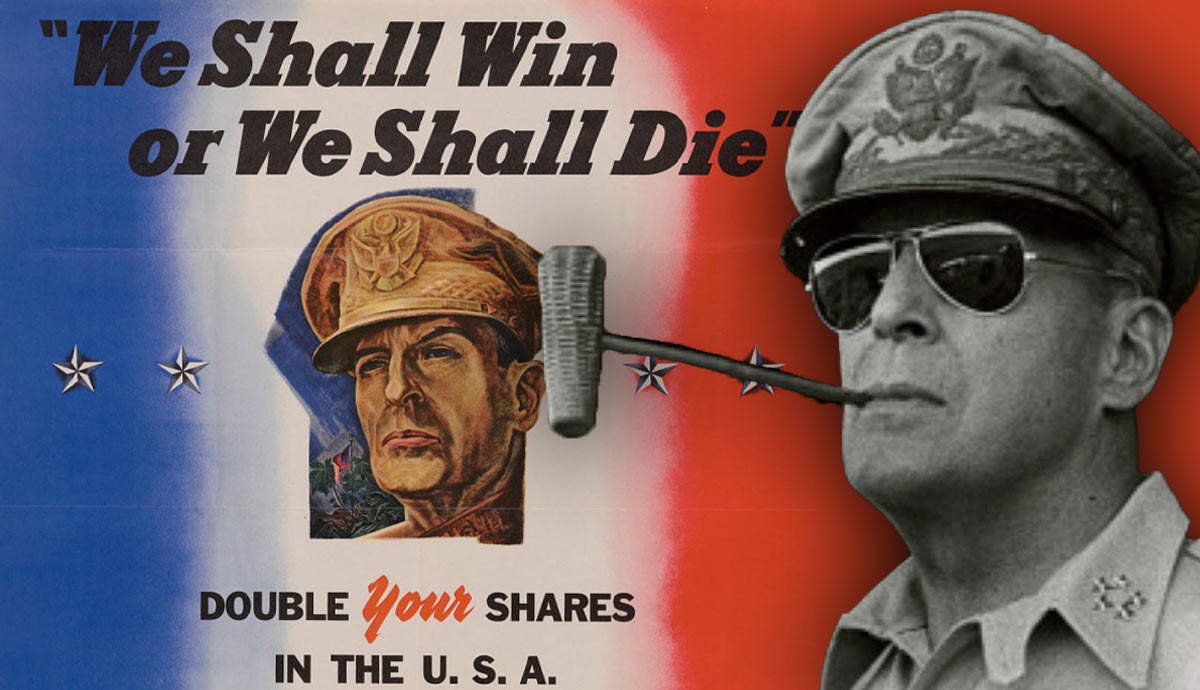
Filipinos have a long history of fighting insurgencies against foreign invaders: first against the Spanish and then against the Americans. Thus, it was natural that many of them would withdraw into the countryside and continue the fight against Japan. General Douglas MacArthur, the Allied commander on the islands before his evacuation, had instructed that any man not forced to surrender would continue to fight. Dozens of American officers fled the Japanese death marches to prison and escaped to command remnants in the jungle. It didn’t take long for a full-fledged insurgency to develop.
These nascent guerrilla bands were initially poorly armed, disorganized, and unable to cause any serious damage to the Japanese. However, after Tokyo reassigned many troops away from the islands, partisan units moved to fill the void. Additionally, some American officers in the jungle made contact with MacArthur’s headquarters in Australia, leading to the first arrival of American aid by 1943.
Coastwatching and Intelligence
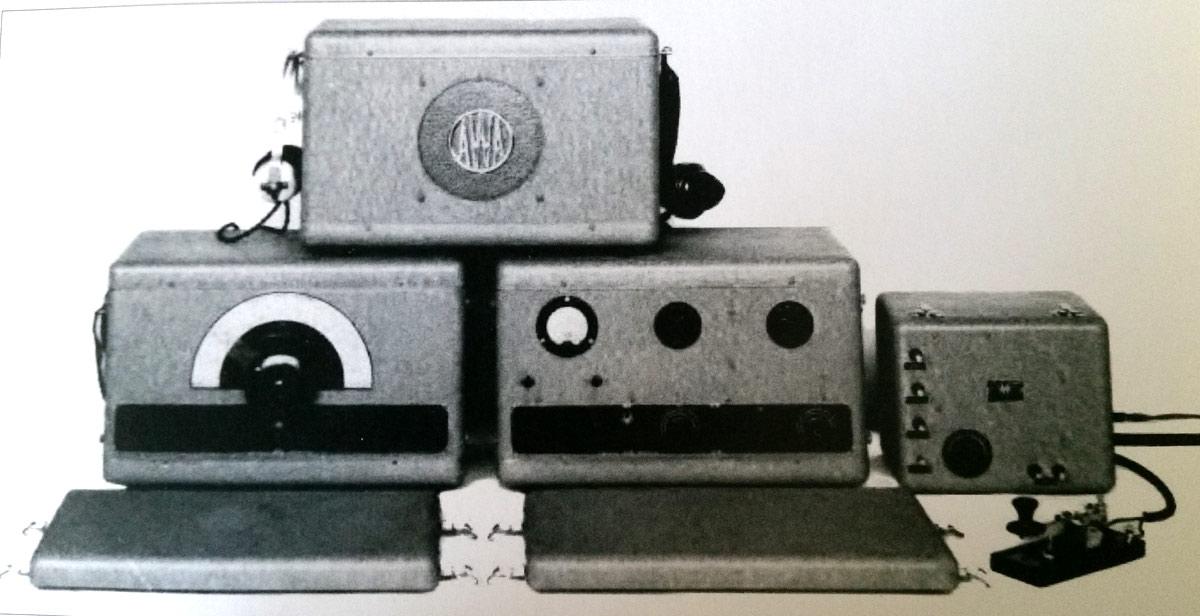
Intelligence gathering and sharing was a crucial part of the Allies’ war plans and the Philippines was no exception. Because major Japanese shipping lanes passed through the archipelago, Allied commanders in Australia and Pearl Harbor sought intelligence from the Filipinos on the vessels passing by. Thus, the concept of coastwatching (already in practice in the South Pacific) came to the Philippines. General MacArthur ordered the Allied Intelligence Bureau’s Philippines Regional Section to coordinate networks of spotters all throughout the islands. By 1944, 169 radio stations were providing necessary information to the Southwest Pacific Area Command.
Similar to their Australian-New Zealander counterparts in the Solomons and New Guinea, the Filipino coastwatchers would sit by their radios with long-range binoculars and report any Japanese ships or planes they saw. The job was very risky and they constantly had to change their positions to avoid being caught by Japanese patrols. American submarines delivered purpose-built ATR teleradios that could reach Australia easily. Runners, fishermen, and other locals acted as additional spotters for the men and women manning the radios.
The intelligence provided was enormously important. Allied submarines routinely sank Japanese merchant vessels and warships after they were identified by the coastwatching teams. When a massive Japanese fleet sailed through the San Bernardino Strait in 1944, Colonel Wendell Fertig, a partisan commander, radioed this information to the US Seventh Fleet, allowing them to intercept the Japanese. When the Americans planned their amphibious landings in 1944, these radio stations warned which beaches had the strongest Japanese fortifications, enabling them to land in less-defended areas.
The Various Bands and Factions
One of the main challenges that the resistance and its American backers had was the multitude of different partisan units who often operated at cross-purposes with one another. Many units, especially those led by American officers, were still loyal to MacArthur’s headquarters, the South West Pacific Area command (SWPA), even after it was evacuated to Australia.
These units were favored by SWPA and granted the lion’s share of the American aid given to the resistance. Even among these units, there was significant tensions, especially from Filipino veterans who were bitter about MacArthur’s retreat in 1942. Throughout the war, MacArthur and his subordinates tried hard to assert his authority, but that proved challenging because the partisans often acted according to the reality they dealt with every day.
Even more challenging was the emergence of the Hukbalahap rebels and the Moro guerrilla bands in the Sulu islands. The Huks were led by a ruthless, charismatic commander named Luis Taruc, who aimed to push out the Japanese and overthrow the landowning elites that dominated the Philippines before the war. While American and noncommunist Filipino officers tried to negotiate with them, it became clear that the Huks were very hostile. A similar phenomenon developed among Moros (Philippine Muslims), who fought Japan but also embraced separatist ideas.
SWPA sent Philippine and American officers to the islands to try to unify the partisans with some success. Men like Colonel Jesús Villamor and Commander Charles Parsons identified which commanders could be trusted and helped create military districts that SWPA could manage. However, the Huks and other bands started to fight one another. The failure by Allied commanders to negotiate with Taruc led to a postwar communist insurgency that continued until 1954.
Sabotage and Ambushes Against the Japanese
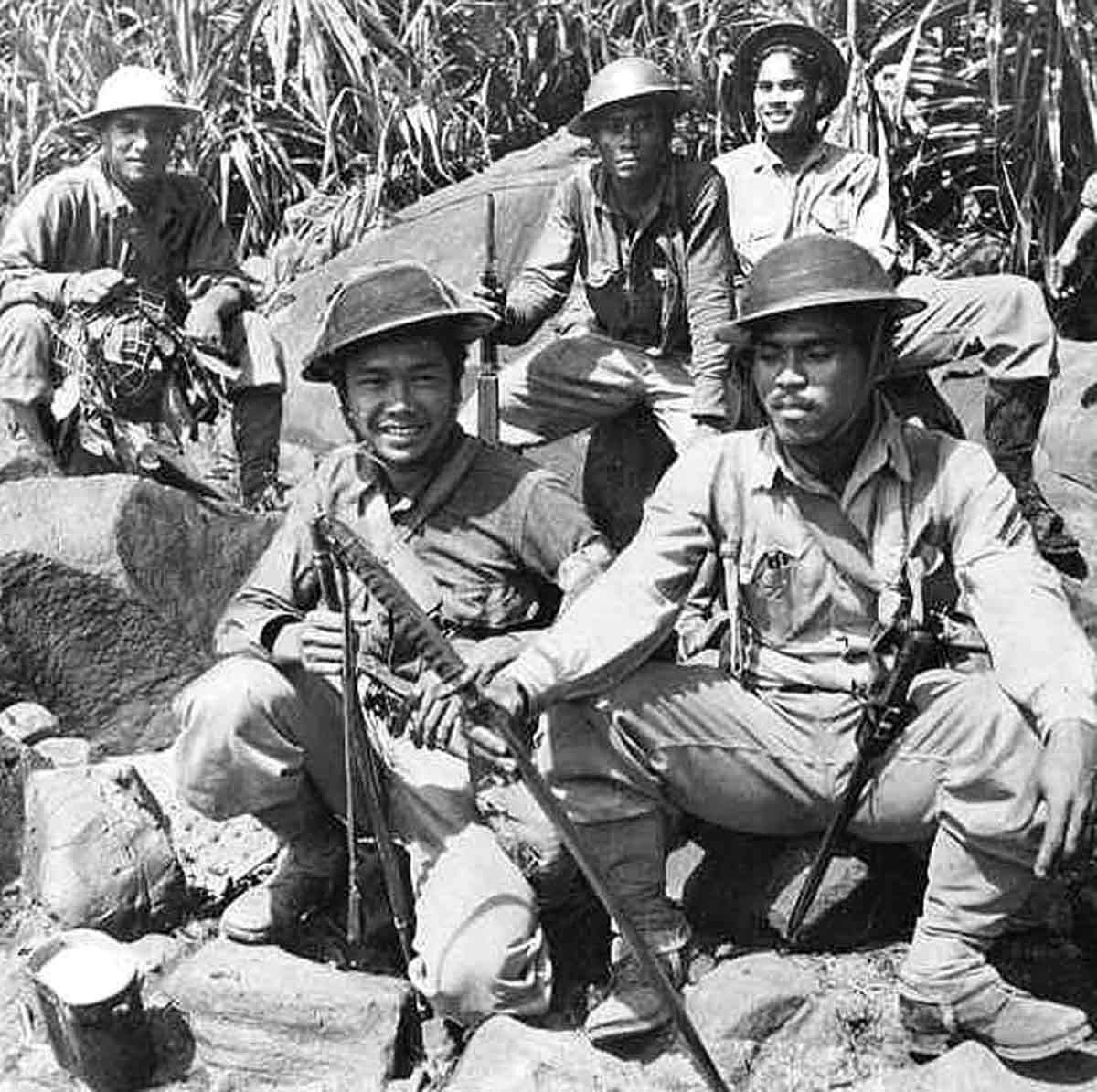
Initially, Allied commanders wanted the partisans to lay low and focus on providing intelligence. However, Filipinos grew bitter about the harsh nature of the Japanese occupation and the puppet regime set up in Manila proved ineffective. Thus, partisan activity not only increased; it became more violent. Japanese patrols found themselves getting ambushed more regularly, especially in areas far from the major cities. Critical bridges and roads were blown up. Special underground courts sentenced collaborators to death.
By mid-1943, the partisans were able to strike further into Japanese-controlled areas. American submarines regularly dropped off supplies to partisan units favored by SWPA. These supplies vastly increased the firepower possessed by the Filipinos and enabled them to carry out more audacious acts of sabotage. The terrain, a mixture of dense woodlands and mountains, proved ideal for the partisans to utilize as a rear area.
Japan not only had to stretch its forces thin to combat the Allied advances; it also faced resistance in most territories it controlled. Thus, the number of troops it could deploy in counterinsurgency activity was limited. Many islands, such as Panay or Mindanao, saw a Japanese garrison controlling a big town or city while the rest was controlled by the partisans. In the period leading up to the invasion, these units became so bold and aggressive that the Japanese reckoned they were facing a general uprising.
Guerrillas During the Liberation Campaign
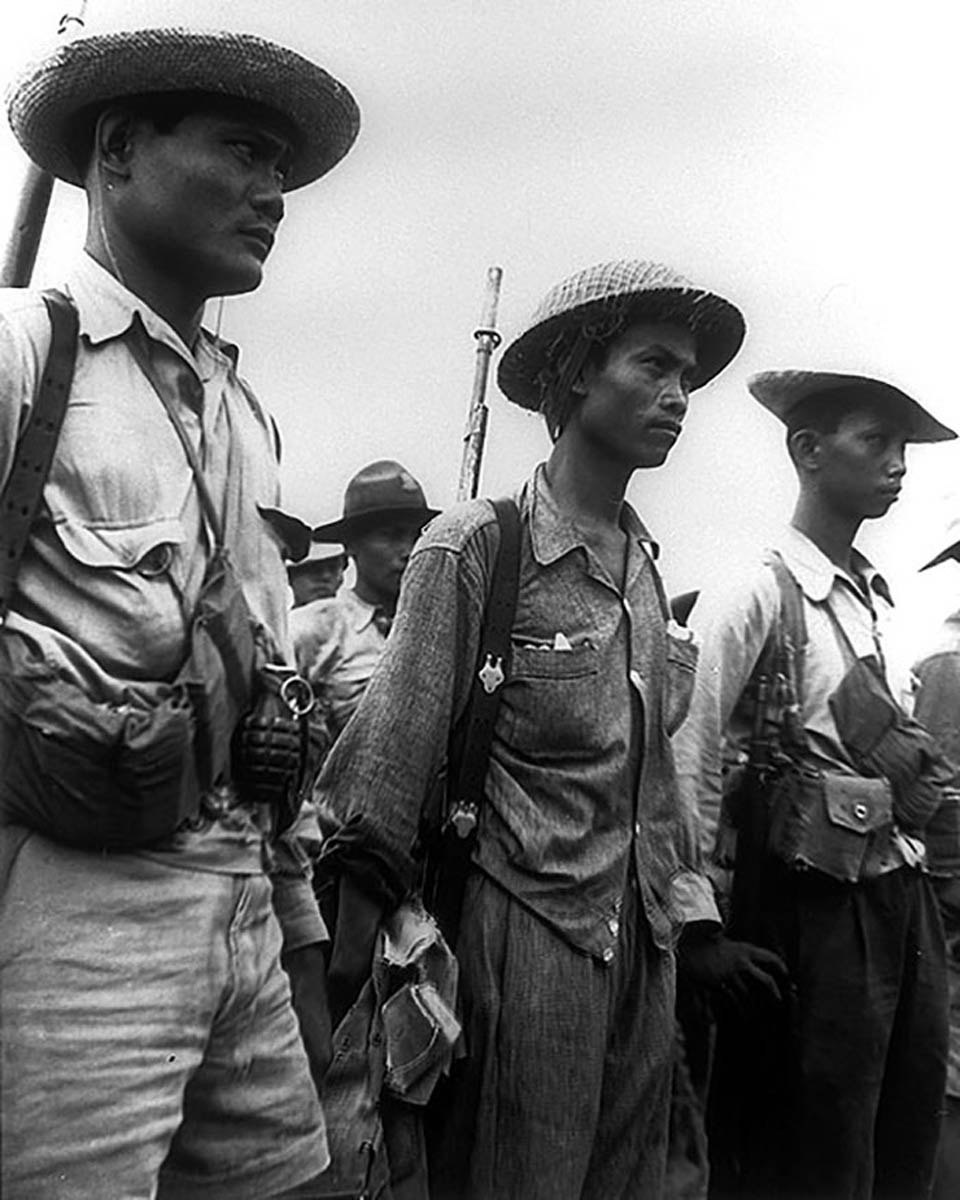
By the time the Americans began landing on islands such as Leyte, Mindoro, Luzon, Mindanao, and others, the combined partisan forces contained around 260,000 active fighters plus hundreds of thousands of people acting in support roles. Men like Russell Volckmann, Wendell Fertig, Macario Peralta, and others received orders from SWPA: fight the Japanese behind enemy lines and provide American forces with tactical intelligence. Thanks to the significant amount of American aid provided in the leadup to the invasion, the guerrillas were well-prepared to fight the Japanese.
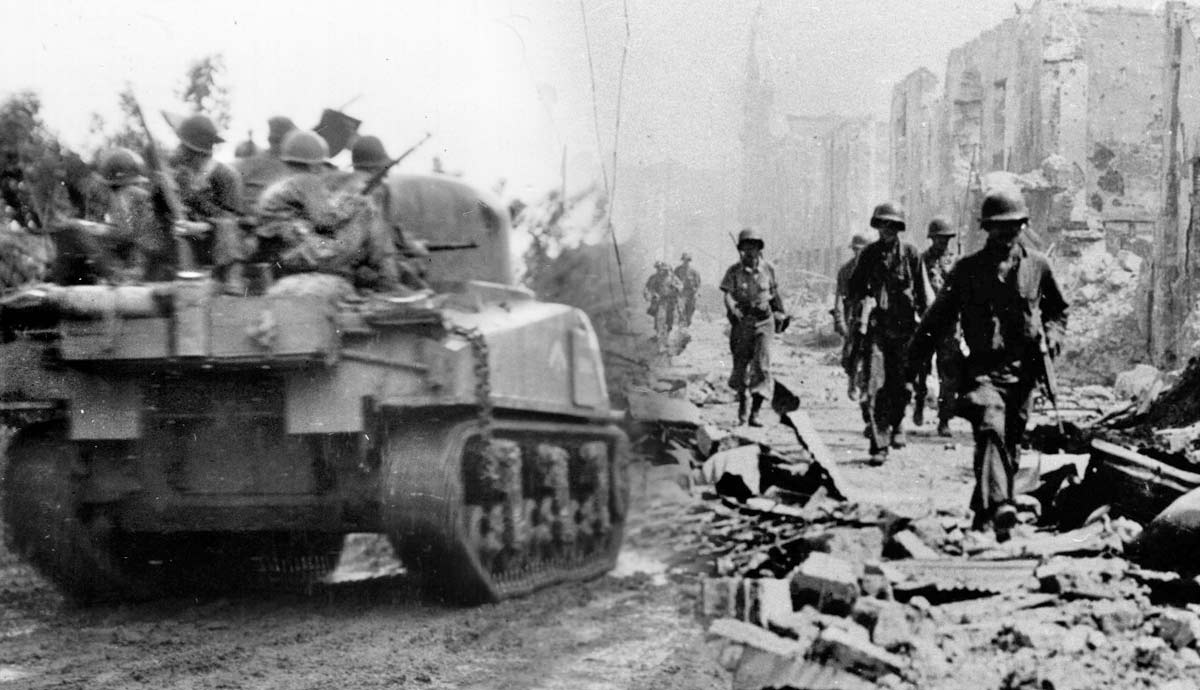
Their activities proved essential for the Allied invasion plans. When the US Eighth Army landed on both Mindanao and Cebu, they found that the partisans had cleared the Japanese from most of the islands, enabling the Americans to land relatively unhindered and advance on the remaining Japanese strongholds. The intelligence they provided proved very useful for Americans to identify the Japanese order of battle. Their participation in the fighting also ensured that the Philippine government in exile could claim that the liberation was not solely an American accomplishment.
Some Philippine partisan units pulled off incredible combat feats during the war. Prisoner-of-war camps located at Cabanatuan and Los Baños were liberated in joint Philippine-American operations. Members of Hunters ROTC helped the Americans advance into Manila and warned them about the Japanese defenses. By the end of the fighting on Luzon, Philippine units were engaged in conventional combat operations supported by American artillery and air controllers. They helped round up and finish off the final Japanese holdouts.
The Postwar Legacy of the Partisan Movement
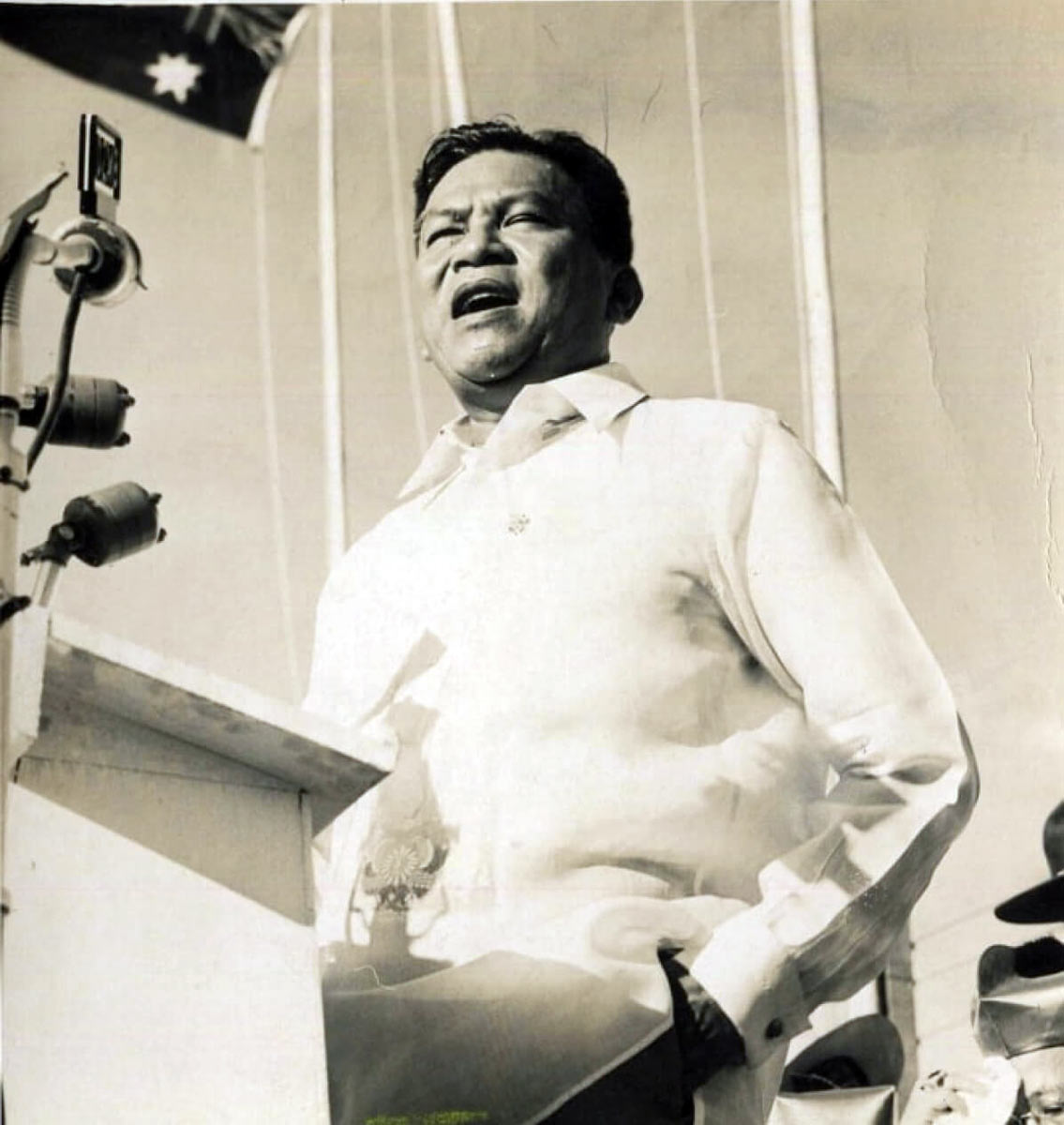
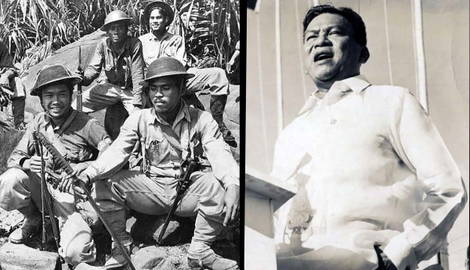
The legacy of the partisans endured long after the war ended. For many partisan commanders, their activities during the war helped set the stage for their rise to power. For instance, Ramon Magsaysay, a major who commanded 10,000 fighters in western Luzon, entered politics and became one of the most famous presidents in Philippine history before his death in a plane crash in 1957. Macario Peralta and Ruperto Kangleon both became governors of different islands and Secretaries of National Defense during the Cold War.
However, the wounds of the occupation remained unhealed for many decades. After the Japanese were expelled, the Huk rebels instigated a multi-decade communist rebellion in the jungle. Further south, the Moro bands that fought Japan continued their rebellion against the new government, helped by the rise of transnational jihadist networks in the late Cold War period. Since the Philippines pardoned most wartime collaborators, former resistance fighters often found themselves living and working alongside former collaborators.
Over time, the US and the Philippines came to recognize the exploits of the resistance movement. As many as one million Filipinos were involved in resistance activity of some sort during the war. The partisan units evolved from being disorganized bands to becoming an army capable of taking on Japanese units conventionally. They were one of the most effective insurgent movements of the war who controlled large areas supposedly under Japanese rule and provided crucial intelligence to the Americans to help with the liberation of their country.