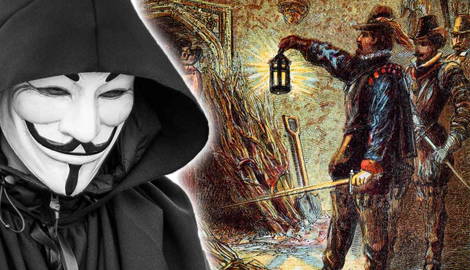

In October 1605, through an anonymous letter the English government learned of a conspiracy, later known as the Gunpowder Plot, aiming to blow up the Palace of Westminster, the meeting place of English Parliament. A subsequent search of the palace’s cellar led to an alarming discovery: about 36 barrels of gunpowder, disguised by piles of coal and firewood had been stashed under the palace. A man later revealed to be Guy Fawkes planned to light them up during the opening session of Parliament, where King James I and his chief ministers would be present. But why did Guy Fawkes and his co-conspirators intend to blow up Parliament?
Who Was Guy Fawkes?
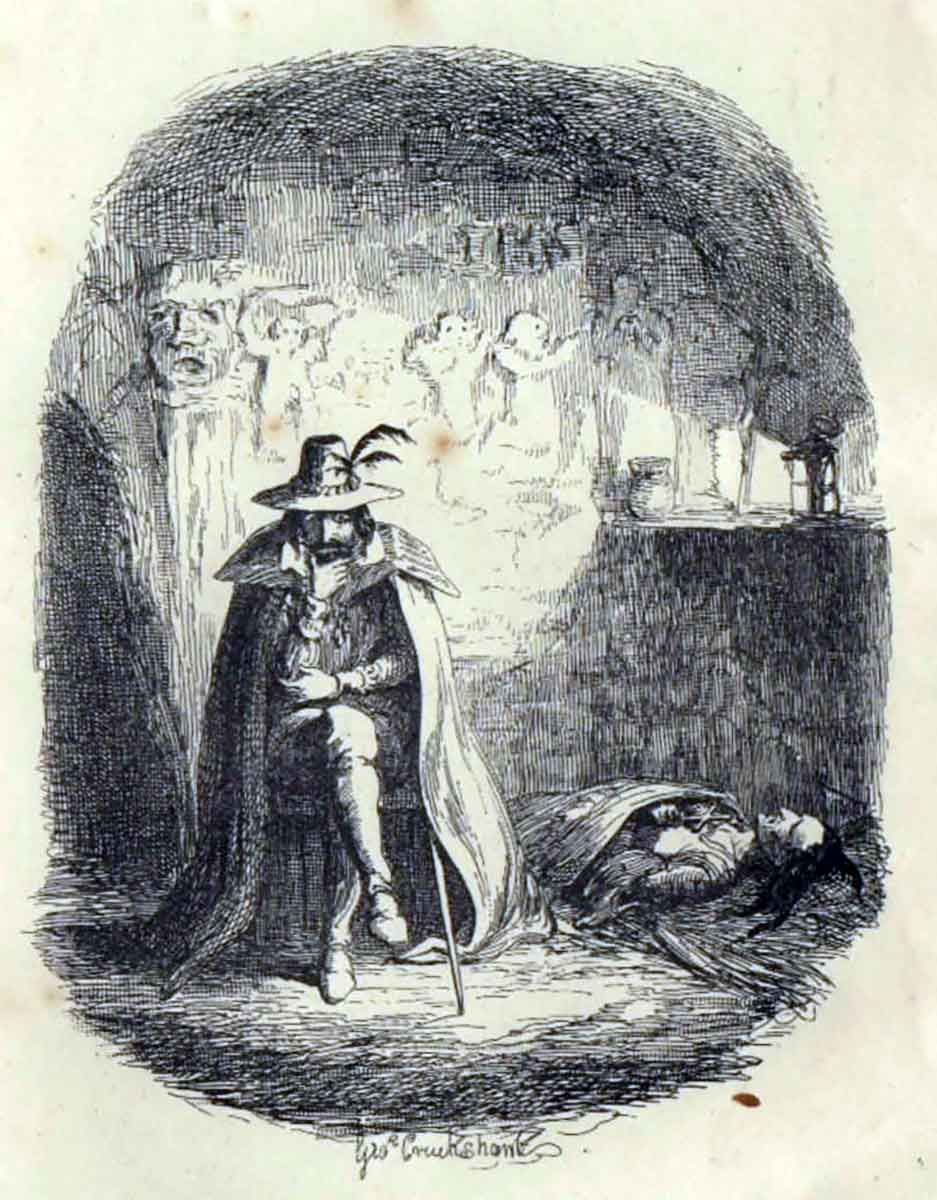
Born into a prominent Protestant Yorkshire family, Guy Fawkes (also known as Guido Fawkes) converted to Catholicism after his widowed mother remarried a man from a staunch Catholic family. After attending St. Peter’s School at York, a 23-year-old Fawkes enlisted in the Spanish forces fighting the Eighty Years’ War in the Netherlands.
In the 16th century, the Low Countries (consisting of present-day Belgium, Luxembourg, and the Netherlands) were under the rule of the Habsburg dynasty. As Protestantism (especially Calvinism) began to spread in the northern territories of the Low Countries, the country’s elite asked the governor of the Netherlands, Margaret of Parma, to relax the anti-Protestant ordinances. As the opposition to Spanish rule increased, in 1567, Philip II of Spain sent the Duke of Alba to restore order in the region.
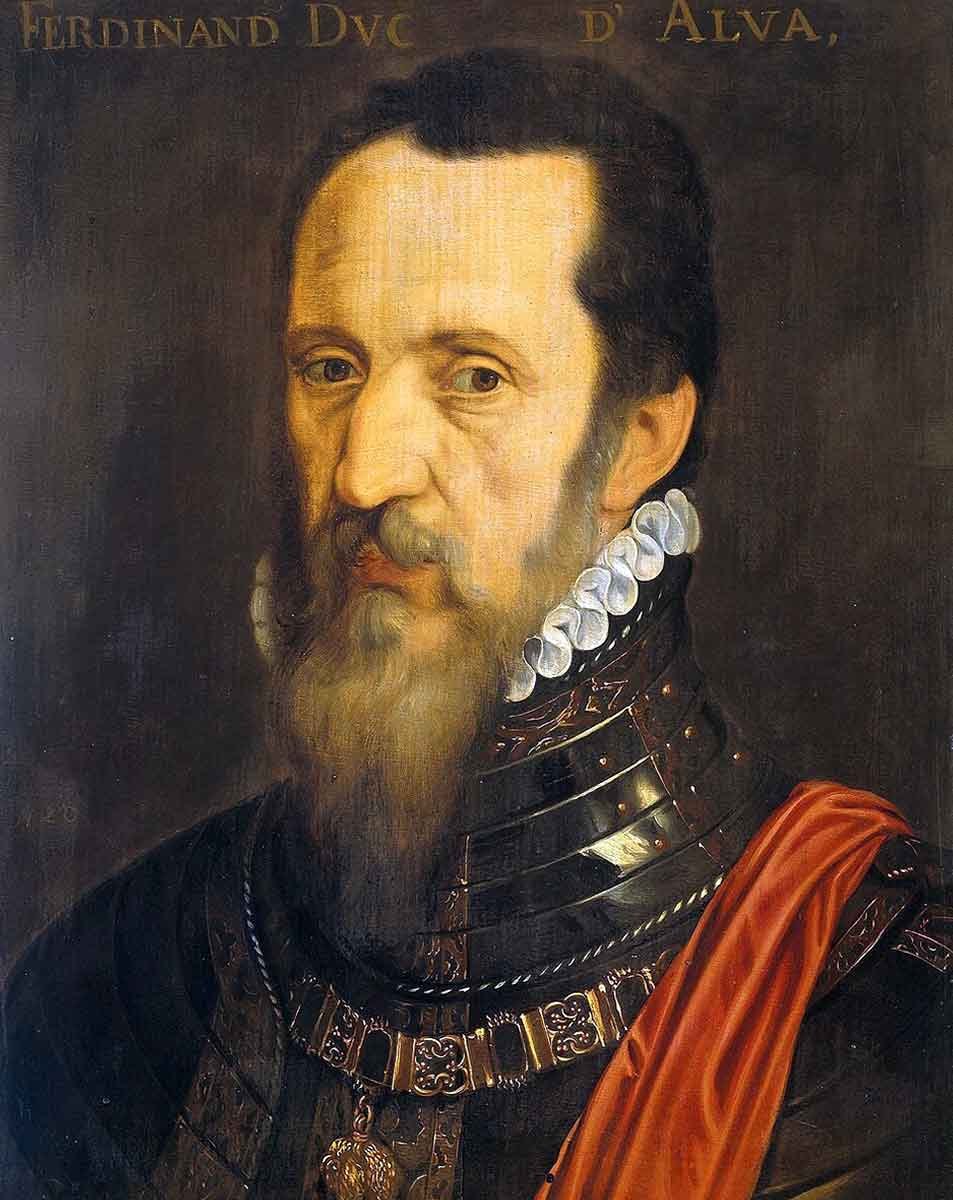
The duke’s regime of terror, however, heightened the existing tensions, leading to an open revolt against the Spanish authorities and the outbreak of the Eighty Years’ War. By the time Guy Fawkes arrived in the Netherlands, England had already been involved in the conflict for almost ten years, assisting the Dutch rebellion through state-sponsored privateering and an expeditionary force. In August 1604, England and Spain ended the hostilities with the Treaty of London.
By then, Guy Fawkes had already been recruited by fellow English Catholic Thomas Winter. Winter and his co-conspirators, who resented the persecution of Catholics in England, were looking for a military man to aid in their conspiracy against James I and his government. Besides possessing the required skills, Fawkes had an added bonus: having left England in 1592, he was not as easily recognizable as other known Catholic opponents.
Setting the Scene: Catholics & Protestants in England
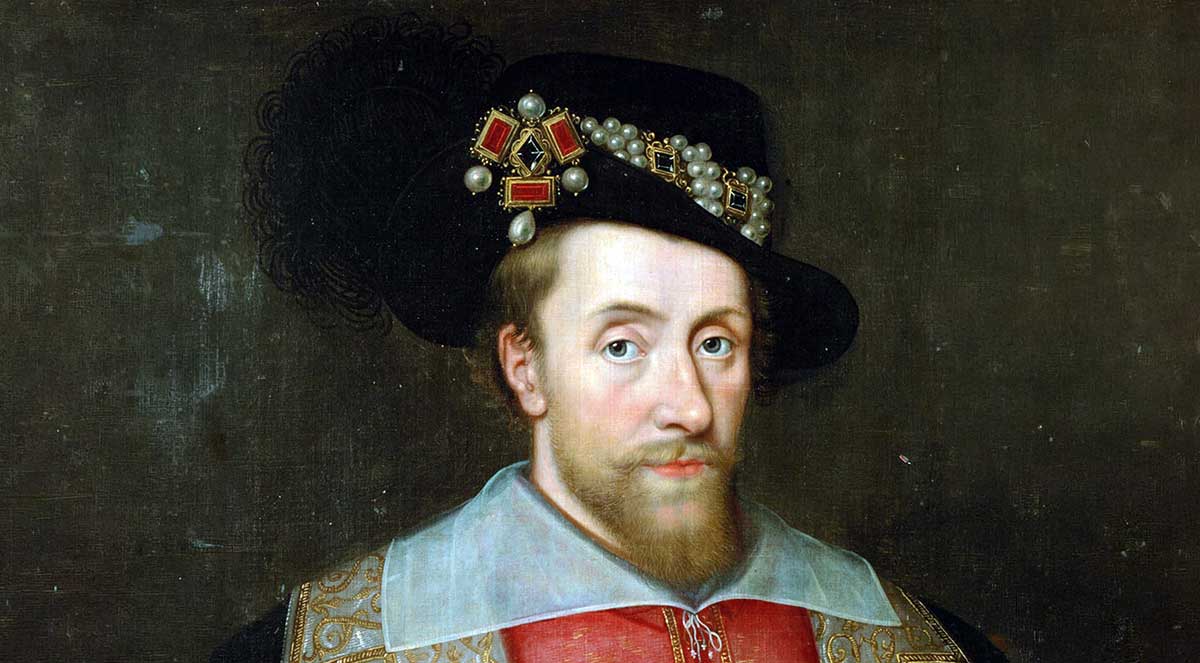
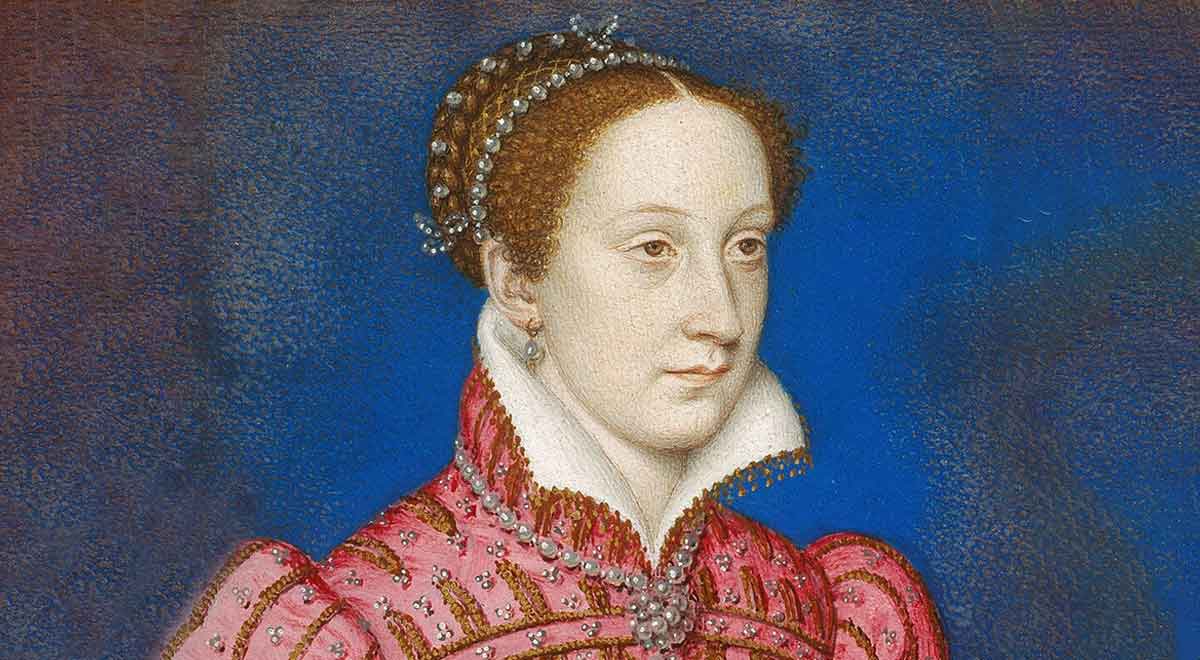
When James VI of Scotland ascended the English throne as James I upon the death of Elizabeth I, the English Catholics hoped he would relax the anti-Catholic measures enforced by the Tudor Queen. After all, his mother, Mary, Queen of Scots, had been a staunch Catholic. While living in captivity as an unwelcome guest of Queen Elizabeth I (her cousin once removed), Mary had been at the center of a series of conspiracies planning to place her on the throne and restore England to Catholicism.
Queen Elizabeth’s father, Henry VIII, had cut all ties with the Church of Rome in the 1530s, when the pope refused to grant him a divorce from his first wife, Catherine of Aragon, to marry Anne Boleyn. The breach from Rome marked the de facto beginnings of the English Reformation, although Henry VIII held no sympathy for Martin Luther, the Augustinian friar whose Ninety-five Theses in 1517 are considered the catalyst of the Protestant Reformation in Europe.

In the 16th century, Henry VIII’s successors had pursued different religious policies in a deeply divided England. After the brief reign of Edward VI, Mary I unsuccessfully tried to restore Catholicism in the country. Her ruthless persecution of Protestants earned her the nickname “Bloody Mary” and made her a widely unpopular figure.
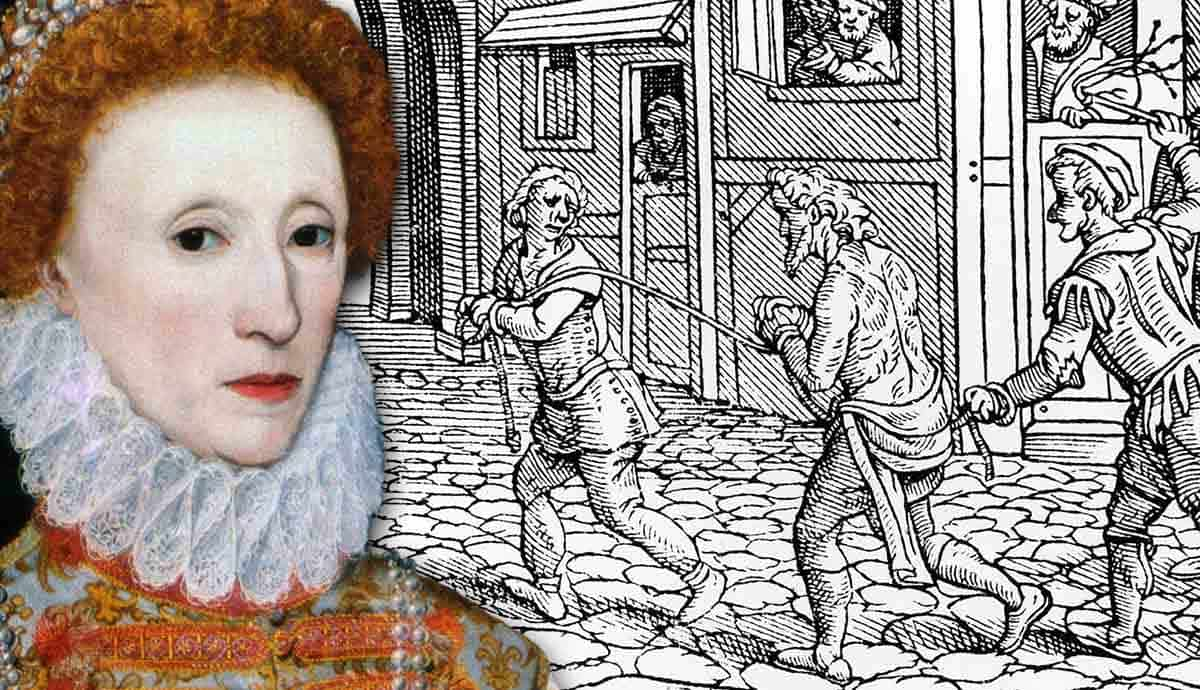
Mary’s successor, Queen Elizabeth, restored Protestantism in the kingdom and pursued doctrinal uniformity. In the second half of her reign, however, faced with threats from the Catholic opposition, the persecution of the Catholic faith increased, with many Catholics tortured and executed.
After the death of Elizabeth I in 1603, many hoped that James I, the Protestant son of a Catholic mother, would mend the religious tensions plaguing the kingdom. In particular, the Catholics believed he might allow them to profess their faith more freely. However, their hopes for religious tolerance were soon dashed.
In the same year, a series of minor conspiracies, the Bye Plot and the Main Plot, hardened his stance regarding Roman Catholicism. In his speech to Parliament, the king reaffirmed his rejection of the idea of papal supremacy and warned: “One thing would I have the Papists [a derogatory term for Catholics] of this land be admonished, that they presume not too much upon my lenity; Because I would be loath to be thought a persecutor, as thereupon to think it lawful for them to encrease their number, or strength in this Kingdom.”
What Was the Gunpowder Plot & Who Planned It?
In 16th century England, the so-called Penal Laws prescribed fines (and imprisonment) for those who attended Roman Catholic worship and barred Catholics from owning lands, holding public offices, or voting. Among those who suffered persecution for his faith was Sir William Catesby, a nobleman connected with a wide network of recusant Catholics. Around 1603, Sir William’s son Robert began conceiving a plot to kill King James I (and his chief ministers).
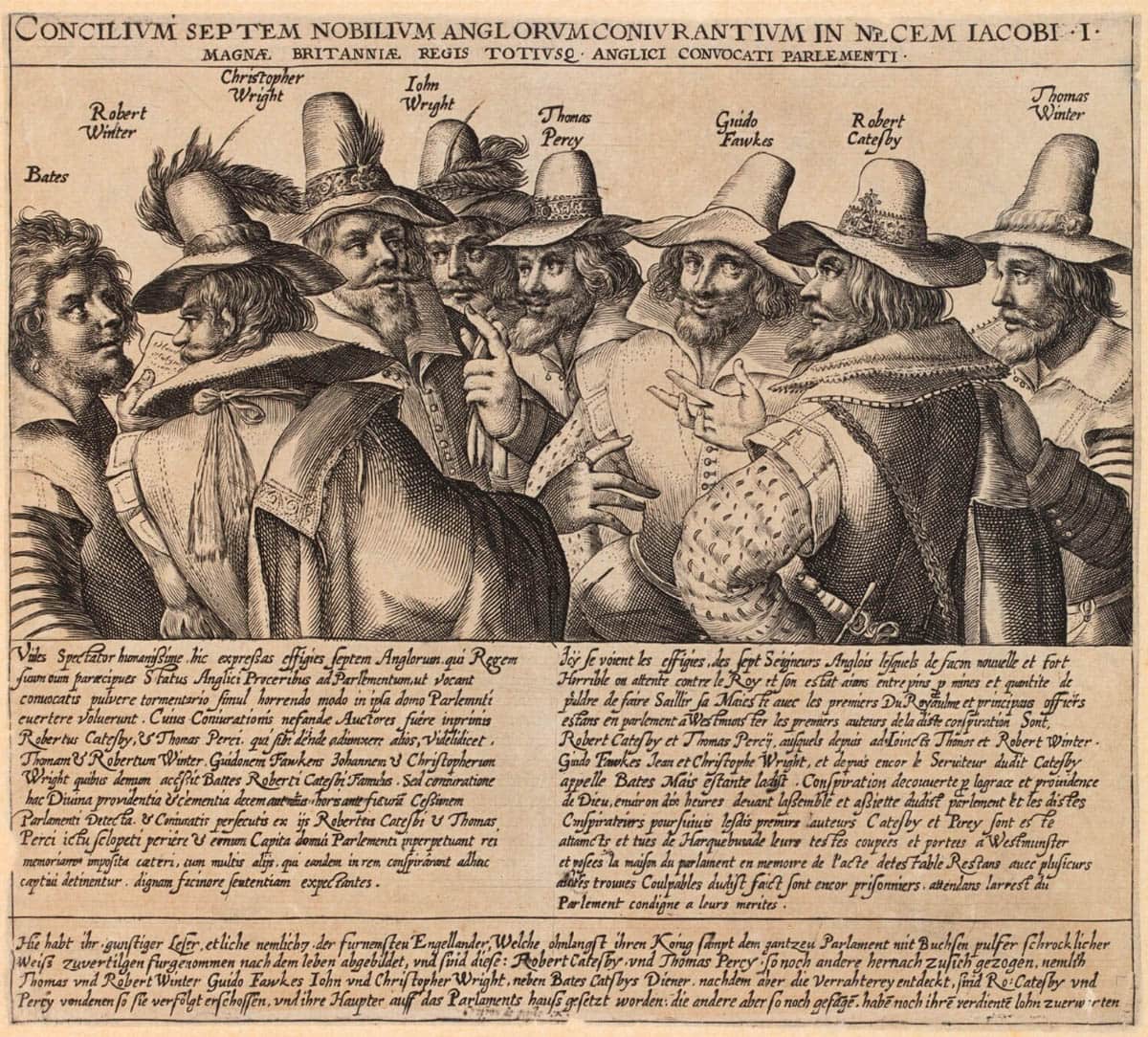
Around 1604, Robert Catesby recruited several Catholics angered by James I’s religious policy, including Thomas Winter (his cousin), Thomas Percy, John Wright, and Guy Fawkes. The conspirators planned to blow up the Palace of Westminster on November 5, 1605, when King James I would attend the opening session of Parliament. After the explosion, they would then seize princess Elizabeth to install her on the throne as a figurehead. Indeed, Catesby and the others believed the attack would lead to a period of chaos in the kingdom which they could exploit to seize power and restore Catholicism.
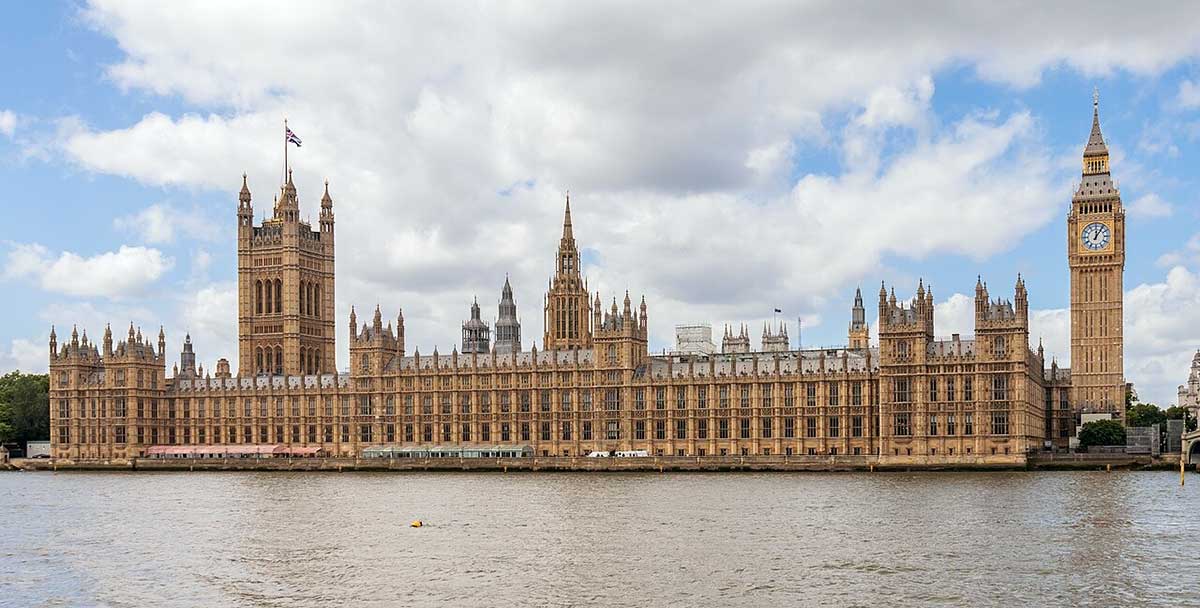
In May 1604, the conspirators rented a house adjoining the House of Lords and started digging a tunnel that would connect the house’s cellar to Westminster. When they were halfway through, however, a vault in the cellar directly under Parliament became available. After renting it under Thomas Percy’s name, they stashed about 36 barrels of gunpowder (hence the name Gunpowder Plot) there and covered them with coal and firewood.
By May 1605, the preparations for the Gunpowder Plot were completed. While waiting for November 5, Guy Fawkes travelled to Flanders, where he made contact with a Welsh Catholic, Hugh Owens, who had joined previous Catholic conspiracies during Elizabeth’s reign. Another man in the conspirators’ network was dispatched to Rome to be ready to petition for support from the Roman Church once news of the plot’s success would reach the city. Until this point, the preparations had been running smoothly, and the conspirators had managed to avoid attracting any suspicions.
Why Did the Gunpowder Plot Fail?
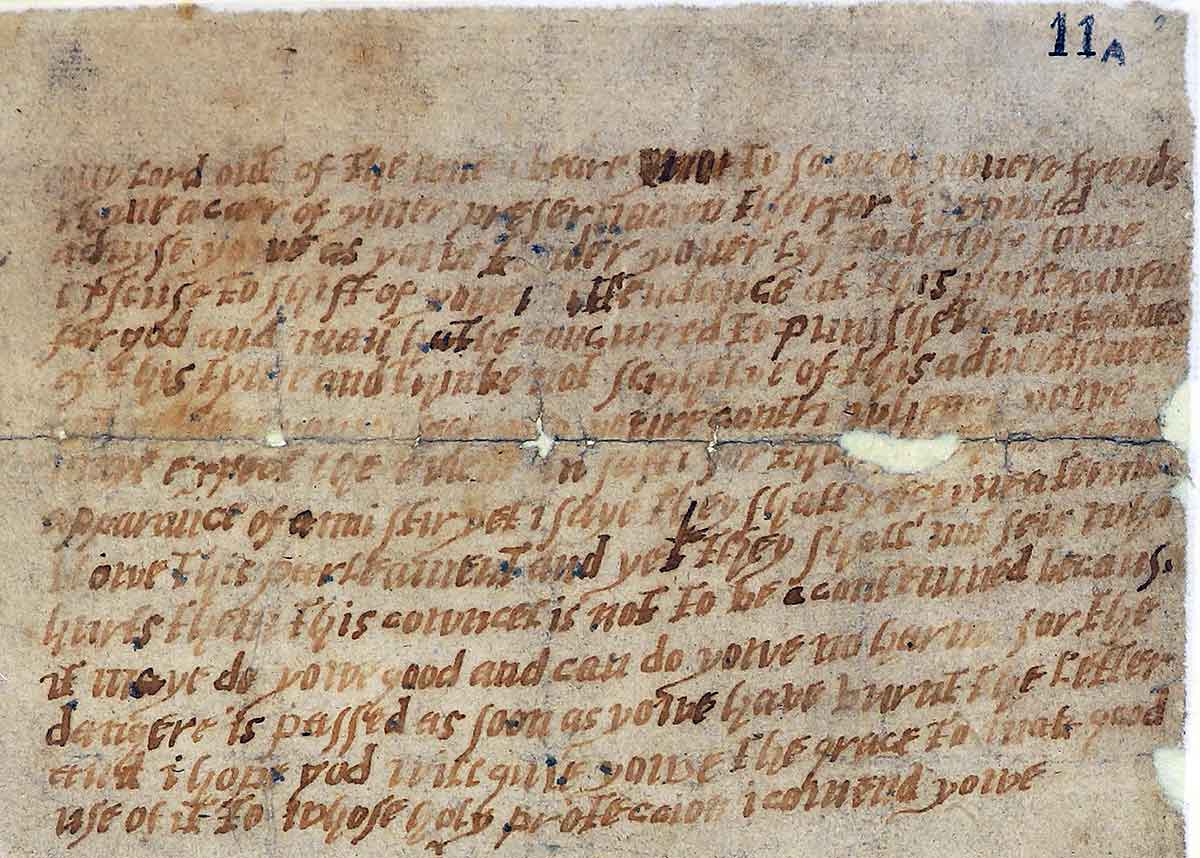
On October 26, 1605, Lord Monteagle, the brother-in-law of Francis Tresham, Catesby’s cousin, received an anonymous letter. The content of the missive put him on alert:
“My lord, out of the love I have for some of your friends, I want to make sure you are safe. Because of this I would advise you to not attend this sitting of parliament because God and man have agreed to punish the wickedness of this time. Do not think this is a joke, go to your estate in the country where you will be safe, because although there is no sign of any problem yet, this parliament will receive a terrible blow, but they will not see who it is that hurts them.”
Upon reading the letter, Lord Montague rushed to Whitehall, where a number of ministers were about to have dinner. Together, they decided not to search the cellar under Westminster, fearing it would tip off the conspirators. The king ordered his lord chamberlain, Thomas Howard, 1st earl of Suffolk to carry out a search only on November 4, the day before the opening session of Parliament. The delay proved to be the right decision.
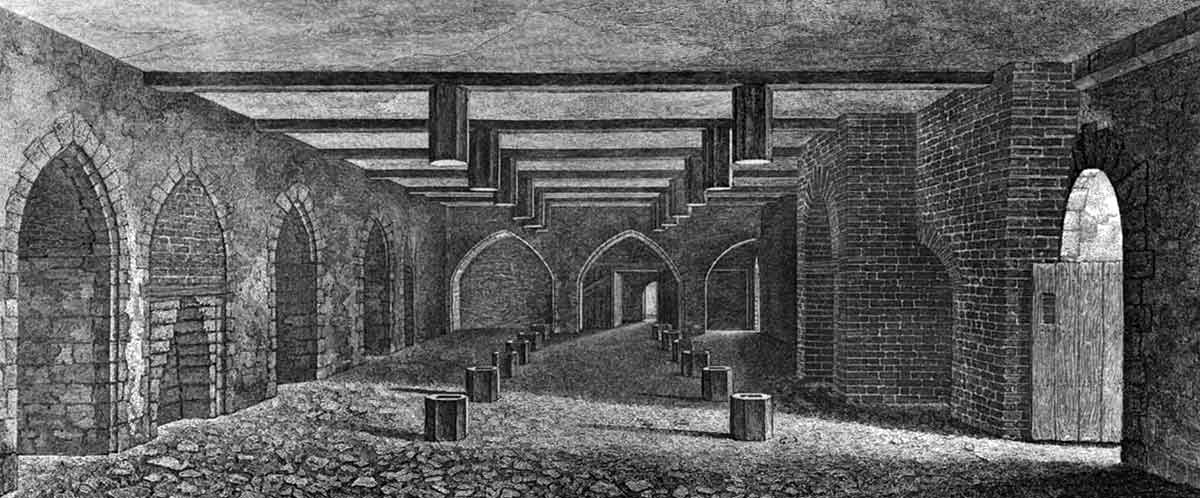
By then, Montegue’s servant, a friend of Thomas Winter, had alerted the conspirators, informing Winter that the authorities had discovered the plot. Catesby sent Guy Fawkes to check if anything in their rented vault seemed amiss. When Fawkes reported that the 36 barrels did not appear to have been touched, Catesby refused to back down.
On November 4, when Suffolk reached the cellar, he noticed the piles of firewood and asked Guy Fawkes, who had opened the door, the name of their owner. Upon hearing they belonged to Percy, a known Catholic recusant, he became suspicious. In the night between November 4 and 5, further search led to the discovery of the gunpowder. Fawkes was arrested on the scene. Arrested and tortured, he revealed the plot and the names of his co-conspirators.
The Aftermath of the Gunpowder Plot
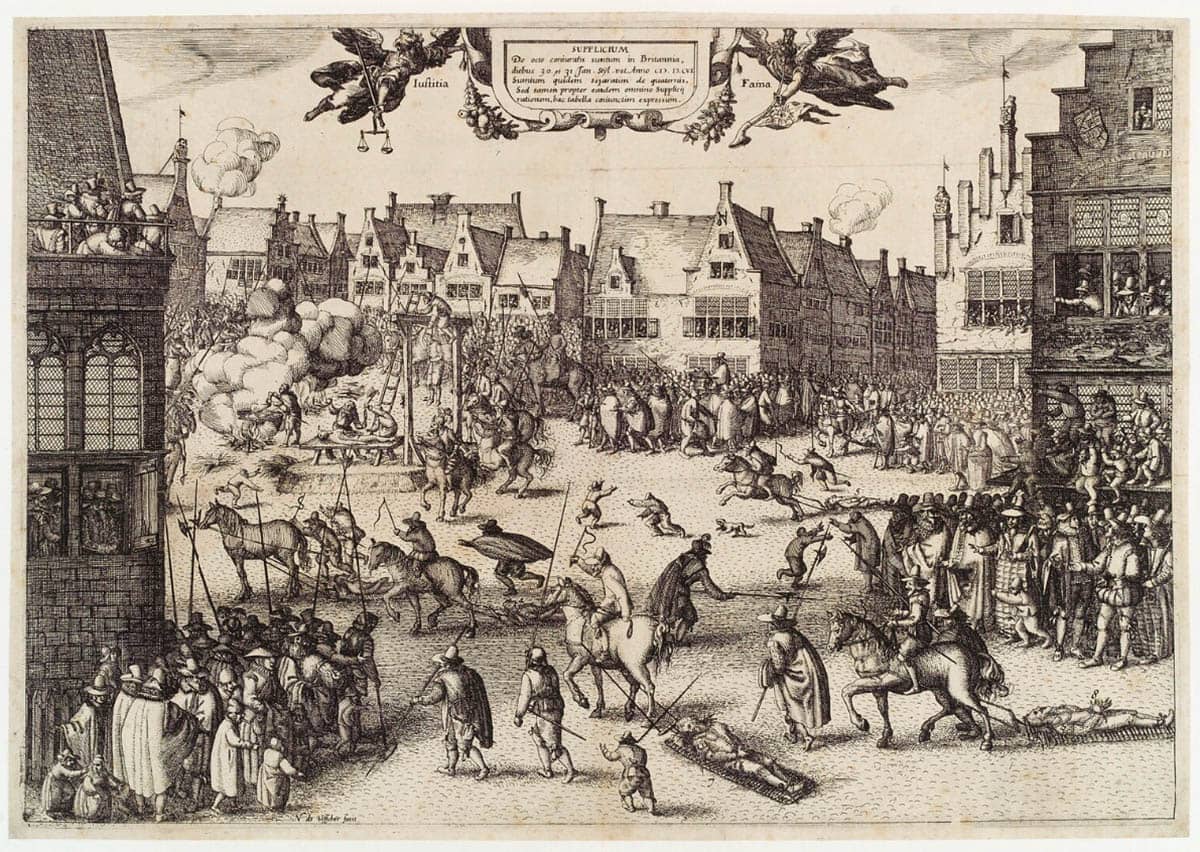
When news of Guy Fawkes’ arrest reached the other conspirators, they fled London and started going to Wales, where they hoped to provoke an insurrection despite the failure of their plan. However, nobody came to join them. Closely followed by the local sheriff, four died during a shootout. The surviving eight conspirators were arrested and imprisoned. Found guilty of high treason on January 27, 1606, they were executed and quartered three days later in St. Paul’s Churchyard.
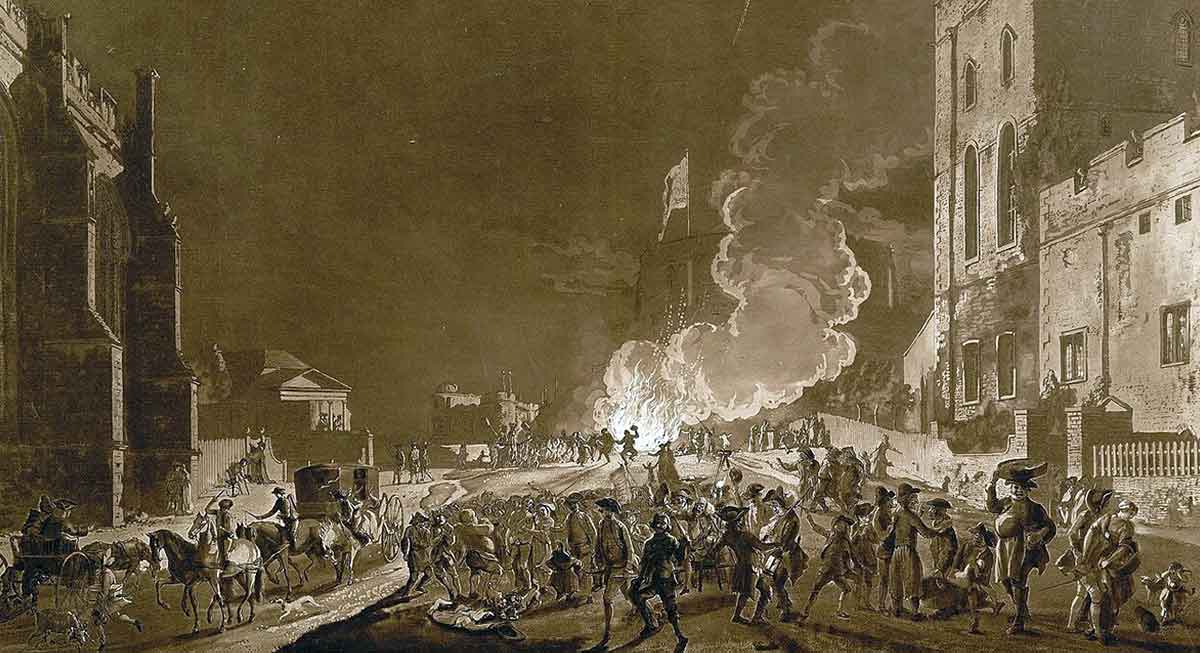
Guy Fawkes suffered the same fate on January 31 at the Old Palace Yard at Westminster. His name would forever be linked to the Gunpowder Plot after Parliament passed an act in 1606 which established November 5 as an annual thanksgiving day to mark the failure of the plot. Known as Guy Fawkes Day, it was initially celebrated with church services. Attendance was mandatory. Modern celebrations involve bonfires and fireworks. Now, each year on November 5, the Yeomen of the Guard of the Palace of Westminster still conduct a ceremonial search of the building’s cellar before the State Opening of Parliament.
Although the Gunpowder Plot aimed to put an end to Catholic persecution in England and restore Roman Catholicism, Fawkes and his fellow plotters injured the Catholic cause. In the years following their plot, King James I introduced harsher measures against those who did not follow the Protestant faith, including the 1606 Popish Recusant Act, which required Catholics to swear allegiance to the monarch and pay a fine if they did not attend church services. Catholics were also stripped of other basic rights, including voting. They would not be permitted to sit in Parliament until 1829, when the Catholic Emancipation Act came into effect.