
The crown of the great legacy of Rome, and that of Western Civilization, lay in the gutter before being taken up, appropriately or not, by multiple successor states. Some picked up the crown centuries after the fall, while for some, the crown never left their heads. Claims came from the Ottoman Sultan’s chambers, the frozen north of Russia, and even from the very German forests responsible for killing so many of the empire’s legions. Who were these successors to the Roman Empire, and do their claims have any validity?
1. The Byzantine Empire
Perhaps the most credible claim of succession to Rome comes from the Byzantine Empire, or Eastern Roman Empire. The Byzantine Empire controlled Greece, Anatolia (modern-day Türkiye), the Levant (Syria, Lebanon, Israel, and Palestine), Egypt, and more. Originally, the Eastern Roman Empire was one with the Western Roman Empire, but in 395, when Emperor Theodosius died, he split the empire between his two sons. Arcadius ruled the east while Honorius ruled the west.
Even before this split, the empire experienced divides under Diocletian when he introduced the Tetrarchy in 293. During this period, Rome was in chaos, and Diocletian realized that one leader could not effectively and quickly respond to challenges across the vast empire in real time. So, he ruled with a co-emperor, and each co-emperor had a junior emperor under them who was supposed to succeed their senior emperor in the future. This created four emperors who would rule separate parts of the empire known as the Tetrarchy.
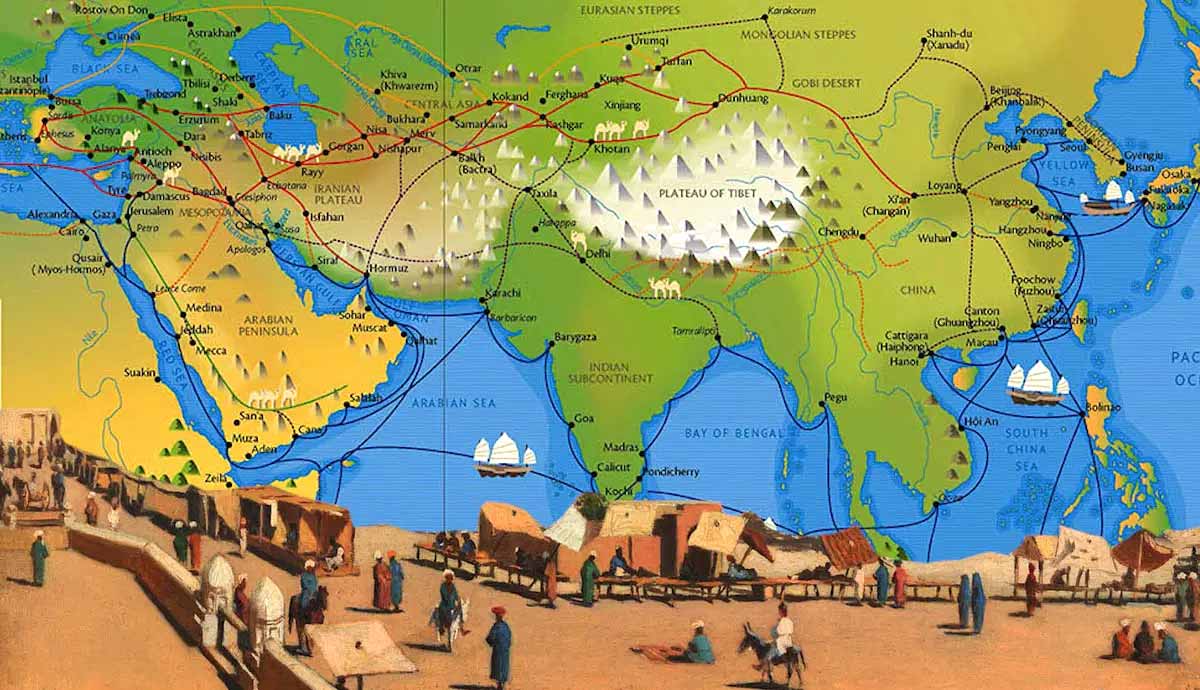
Further strengthening the Byzantine claim, Constantinople became an imperial capital in 330, decades before the empire split. During this time, Rome had ceased to be the center of political life in the empire and was becoming harder to defend. Constantinople, which was refounded at the Greek city of Byzantium by Emperor Constantine, was much easier to defend, and it controlled not only entry to the Black Sea but also the Silk Road.
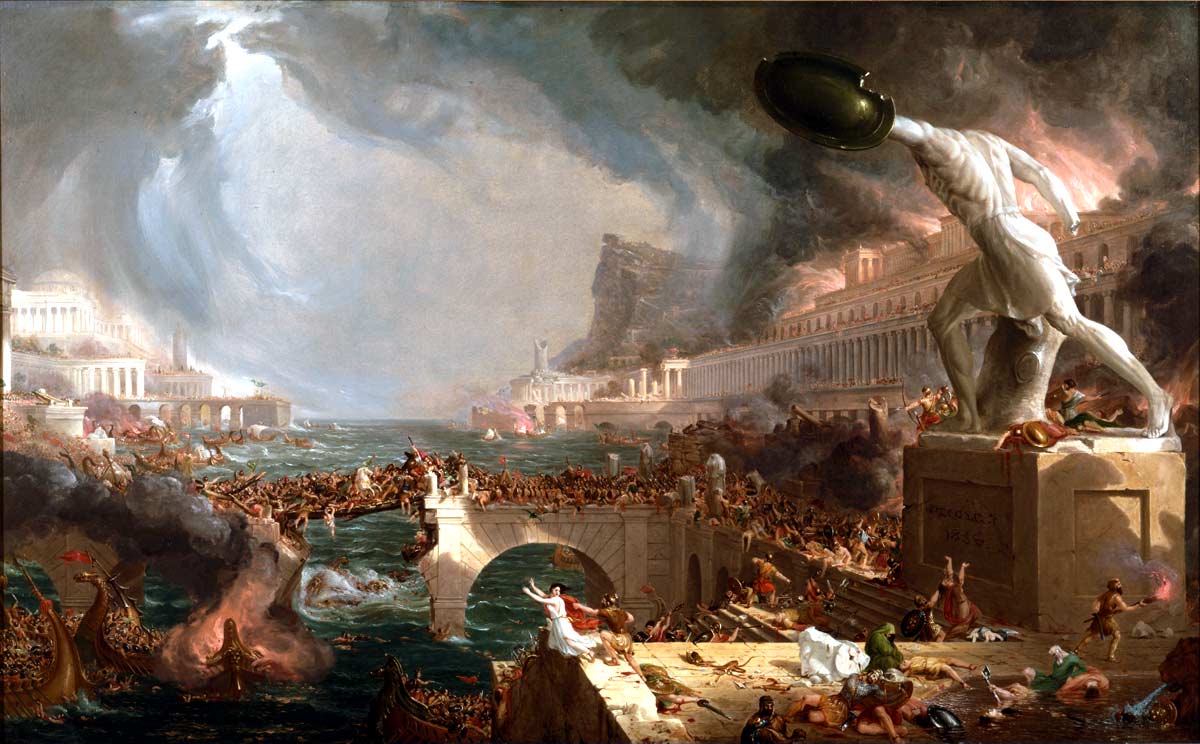
While it may be tempting to dismiss the Byzantine claim since the city of Rome was outside of its borders, the empire did control the city for a time. Under the Byzantine general, Belisarius, the Eastern Romans regained control of the city of Rome in 536. Rome was besieged in 538 by the Ostrogoths, but the Byzantines were able to hold the city. The Byzantines were able to gain and hold territories in the Italian peninsula for centuries and only lost influence in Rome when the Papal States were founded.
While the Byzantines weren’t able to hold onto the city of Rome for long, they were able to retain Rome’s culture, administration, and institutions. Of course, over almost a millennium, the culture of the East changed from that of the West, most notably with the triumph of the Greek language over Latin and the gradual split of the Catholic and Orthodox churches. However, it was still common for people in Greece and other parts of the Roman Empire to speak Greek, even before the split. While culture did evolve in Byzantium over the centuries, it was still rooted in its Roman origins.
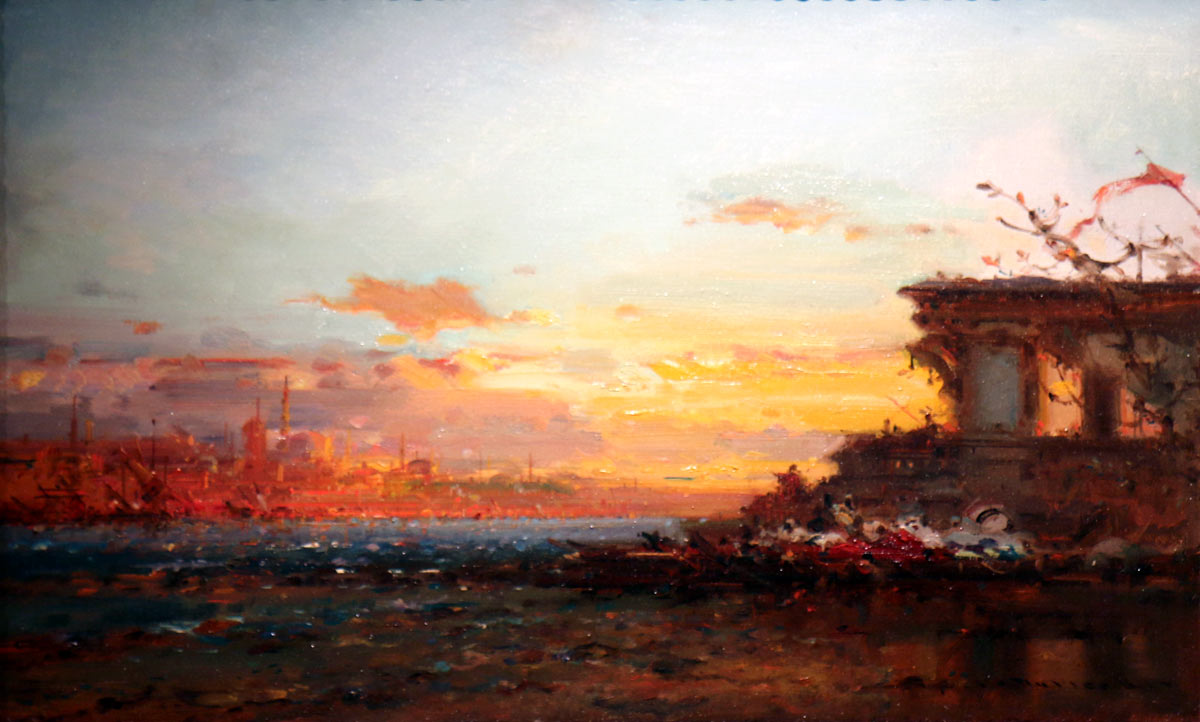
No matter how strong the Byzantine claim was, it came to an end in 1453, as the Ottomans conquered Constantinople, ending the nearly 1,000-year-old empire.
2. The Holy Roman Empire
By the time of Rome’s fall, the Papacy had become an integral part of the power structure of the West. The Catholic Bishop of Rome, better known as the pope, held great power in the city of Rome even before the Medieval Period. The Church in this period was not only instrumental in maintaining Latin as a lingua franca of the West, but also in preserving knowledge and spreading literacy.
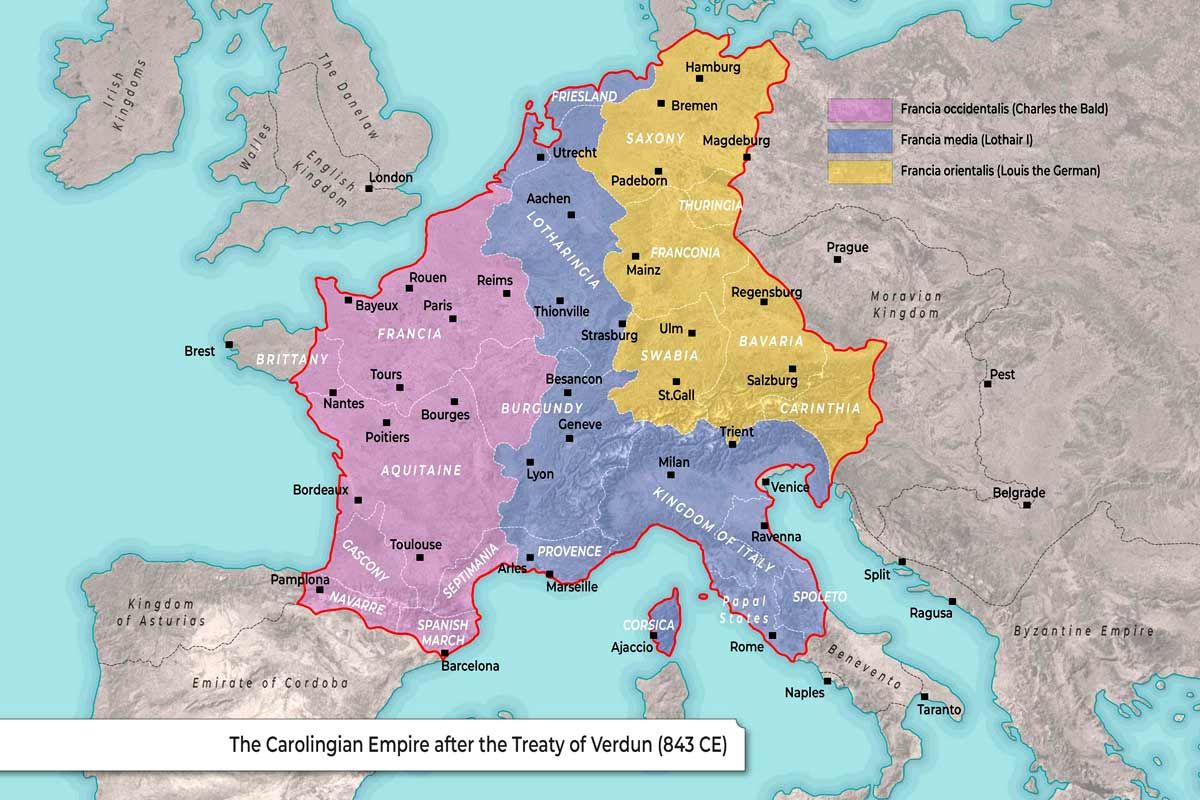
In 751, Pepin the Short became King of the Franks, founding the Carolingian Dynasty. During Pepin’s reign, the Frankish Kingdom would rule most of modern France, Belgium, and Luxembourg, along with parts of the Netherlands, West Germany, Switzerland, and Northern Italy. The extent of Pepin’s kingdom was large and brought him in close proximity to Rome and the realm of the Papacy.
When the Lombards in northern Italy threatened the papal position of Pope Stephen II, he requested aid from Pepin the Short. Pepin answered the call of the pope and defeated the Lombards, making the Frankish Kingdom and Rome close political allies. Pepin even gave some of the Italian lands he conquered to the pope to create the Papal States as an independent country.
Pepin’s reign came to an end in 768 with his death. As was the Frankish custom of the time, the kingdom was split between his two sons, Charlemagne and Carloman I. This inheritance custom often led to civil wars as multiple heirs attempted to reunite the territories under their rule. Luckily, war did not occur as Carloman I died suddenly in 771, allowing Charlemagne to take over the united kingdom. While Carloman had heirs, they fled to the Lombards after the death of their father.
After Pepin’s death, the Lombards began exerting pressure on the newly formed Papal States while also harboring potential rivals to Charlemagne’s rule. So, when Pope Adrian I needed Charlemagne’s aid against the Lombards, he was willing to intervene. In 773, he crossed the Alps into Italy, and by 774, Charlemagne was declared “King of the Lombards.”
For the next 25 years, Charlemagne ruled his kingdom as an ally of the Papacy. In 799, Pope Leo III had political trouble in Rome as his rivals attempted to charge him with corruption and misconduct. Leo III sought the help of Charlemagne, who brought order to Rome and secured the pope’s position.
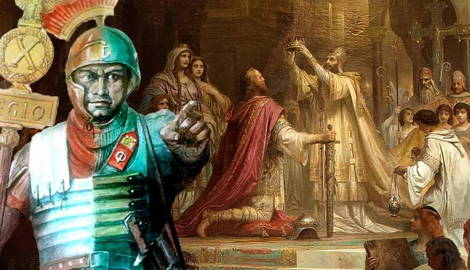
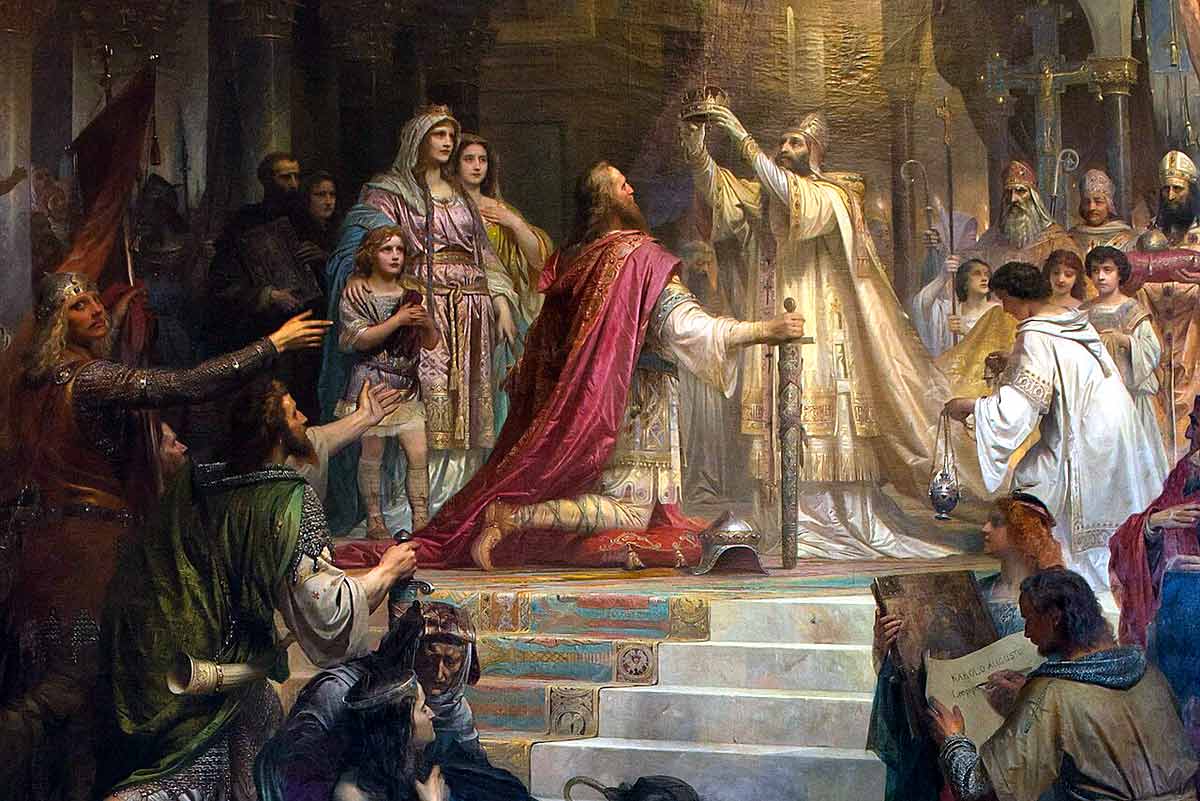
In 800, Charlemagne traveled to Rome to celebrate Christmas Mass in St. Peter’s Basilica. Seemingly unbeknownst to Charlemagne, Pope Leo III was about to crown him Emperor of the Romans during the Christmas Mass. The Frankish domain would transform into what is now known as the Holy Roman Empire with Charlemagne as its first emperor.
To claim the Holy Roman Empire as an heir to the Romans implied that the Catholic Church itself was an heir to the empire as well, if not a direct heir, then it at least had the authority to declare an heir. With this move, Pope Leo III set the precedent that the pope had the authority to crown rulers of nations and also implied that the pope could uncrown rulers. Up to this point, the Byzantines were considered the successors of Rome in Europe, but now the pope had stripped them of that inheritance and given it to Charlemagne.
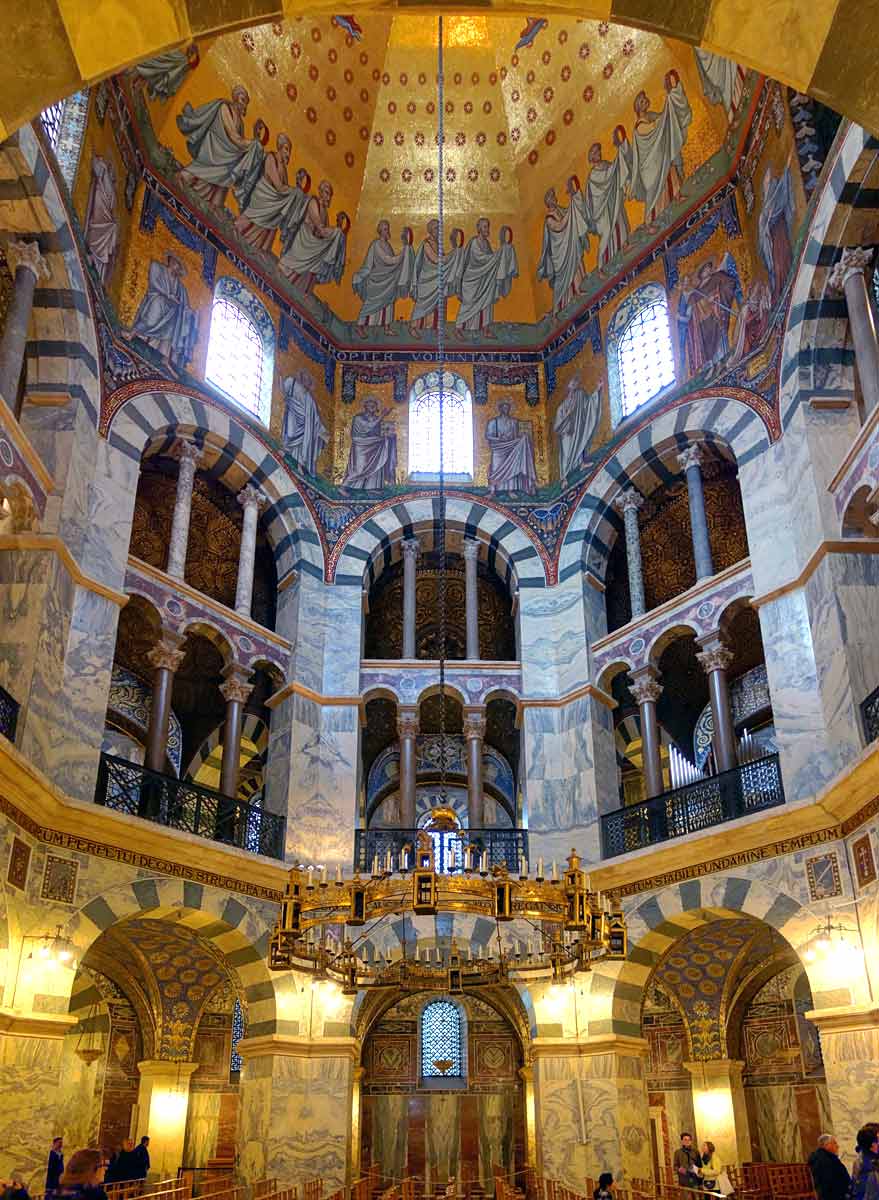
While the Holy Roman Empire was largely a Frankish Kingdom, made up of lands the Romans never held (namely Germany), along with some Roman territories, like Gaul (France), Charlemagne had a great reverence and love for Rome. He commissioned buildings in the Roman style, along with promoting Latin and Roman law through schools and his court. This period of cultural revival is often referred to as the Carolingian Renaissance.
The Holy Roman Empire lasted in some form from 800 to 1806. By the time of its demise, the empire was more of a collection of hundreds of semi-independent German princedoms. The states within the empire regularly warred with each other, and the emperor did not have much power over stronger states in the empire, like Prussia. The empire survived countless wars and internal periods of strife, but like most of Europe in the 1800s, it couldn’t survive Napoleon. In 1806, under pressure from Napoleon, Emperor Francis II dissolved the Holy Roman Empire, and its claim to the inheritance of Rome.
3. The Ottoman Empire
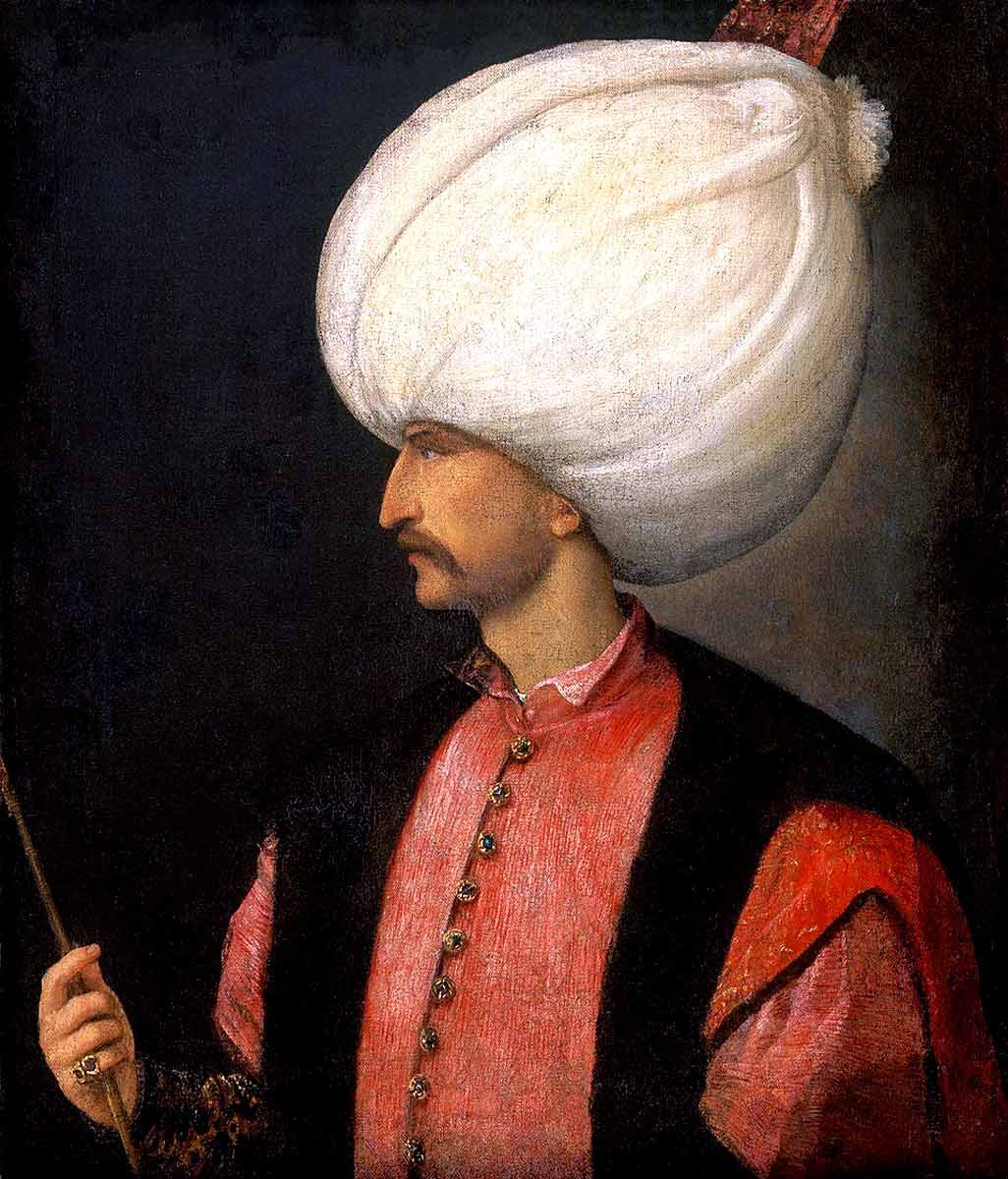
In the late 1200s, Osman I founded his own state in the chaotic frenzy that was Anatolia at the time. Later, his principality would grow into the Ottoman Empire. While Osman’s state was rising, the Byzantine Empire was in decline due to plagues, wars, overexpansion, and economic hardships, which allowed the Ottomans to grow into a rival power.
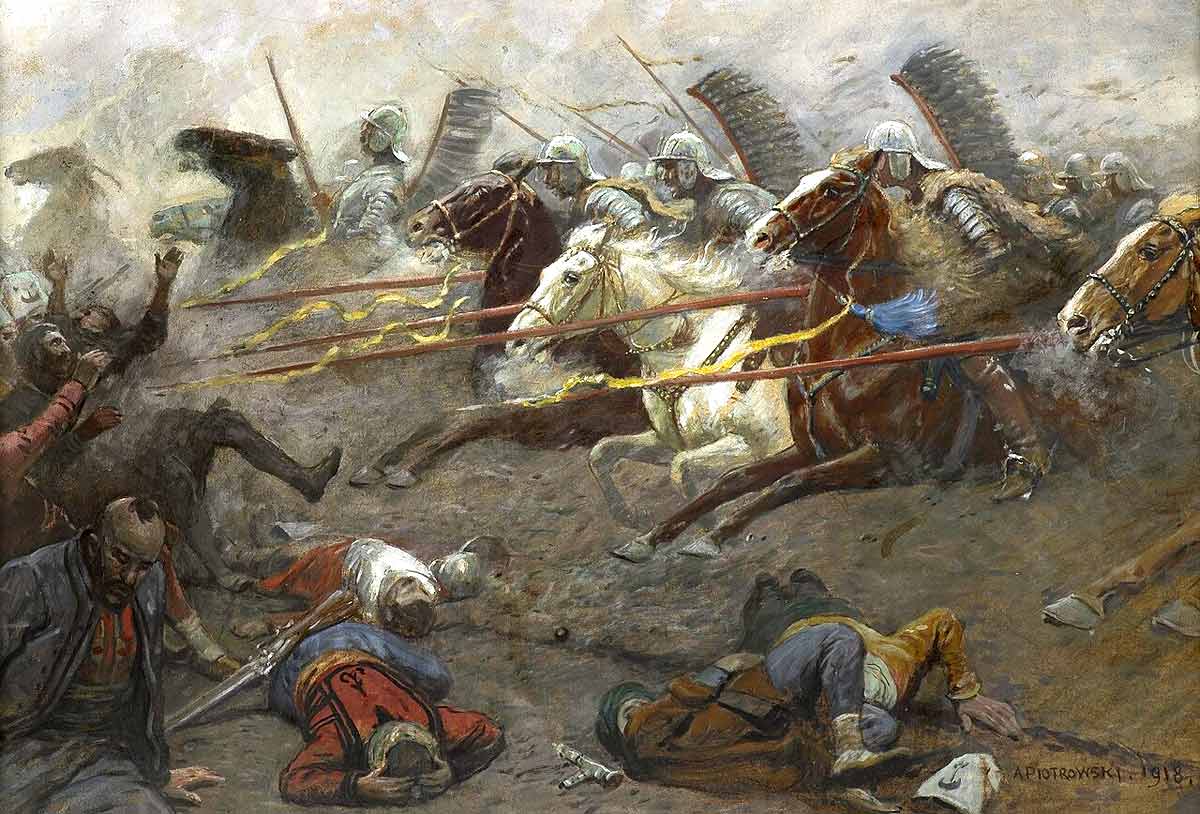
After over a century of struggle between the two powers, the Ottomans conquered Constantinople, ending the millennium-long empire. In the 1480s, the Ottomans began raiding Sicily and the Italian peninsula. They would even besiege Vienna in Central Europe in 1529 and again in 1683. The latter siege was broken due to a coalition of the Polish-Lithuanian Commonwealth and the Holy Roman Empire, headed by the Polish king John III Sobieski. The Polish cavalry, known as the Winged Hussars, gained renown for the large role they played in breaking the siege against the Ottomans.
When Sultan Mehmed II conquered Constantinople, he not only enabled future sultans to make these inroads into Europe, but he also took the capital of the Eastern Roman Empire. The sultan’s court argued that when the Ottomans took Constantinople, they also inherited the Byzantine claim to the Roman title.
Mehmed adopted the title Kayser-i Rum, or the Caesar of Rome. Following this, he launched an invasion into southern Italy in 1480, believed to be a starting point to take the city of Rome itself. However, the Sultan’s death in 1481 meant that the Ottomans never marched on Rome.
While future Sultans held the title of the Kayser-i Rum, emphasis on the claim would decline. This began more prominently with the conquests of Egypt, Mecca, and Medina under Selim I in the 1510s. With control of the two most holy cities in Islam, being the successor of Rome became less prestigious than being the custodian of Mecca and Medina. Sultans held onto their Roman successor claim up until the dissolution of the Ottoman Empire in 1922, following their defeat in WWI.
4. The Russian Empire
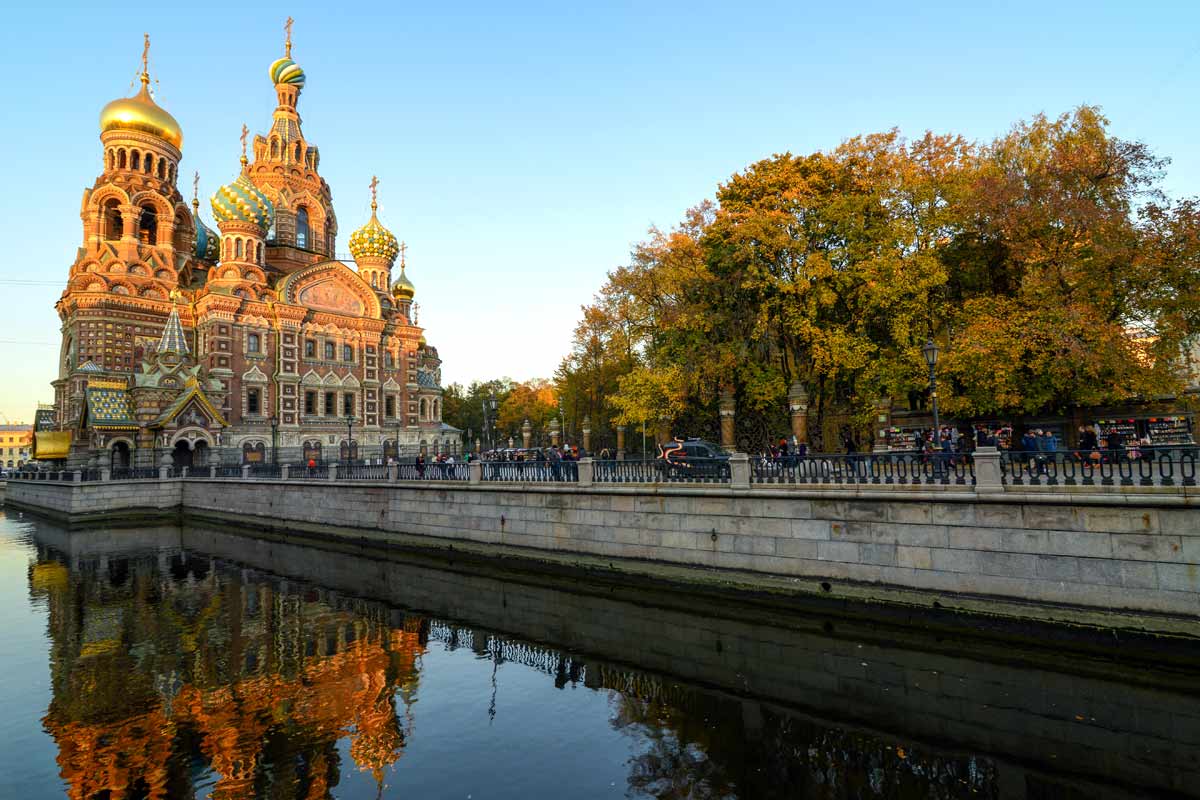
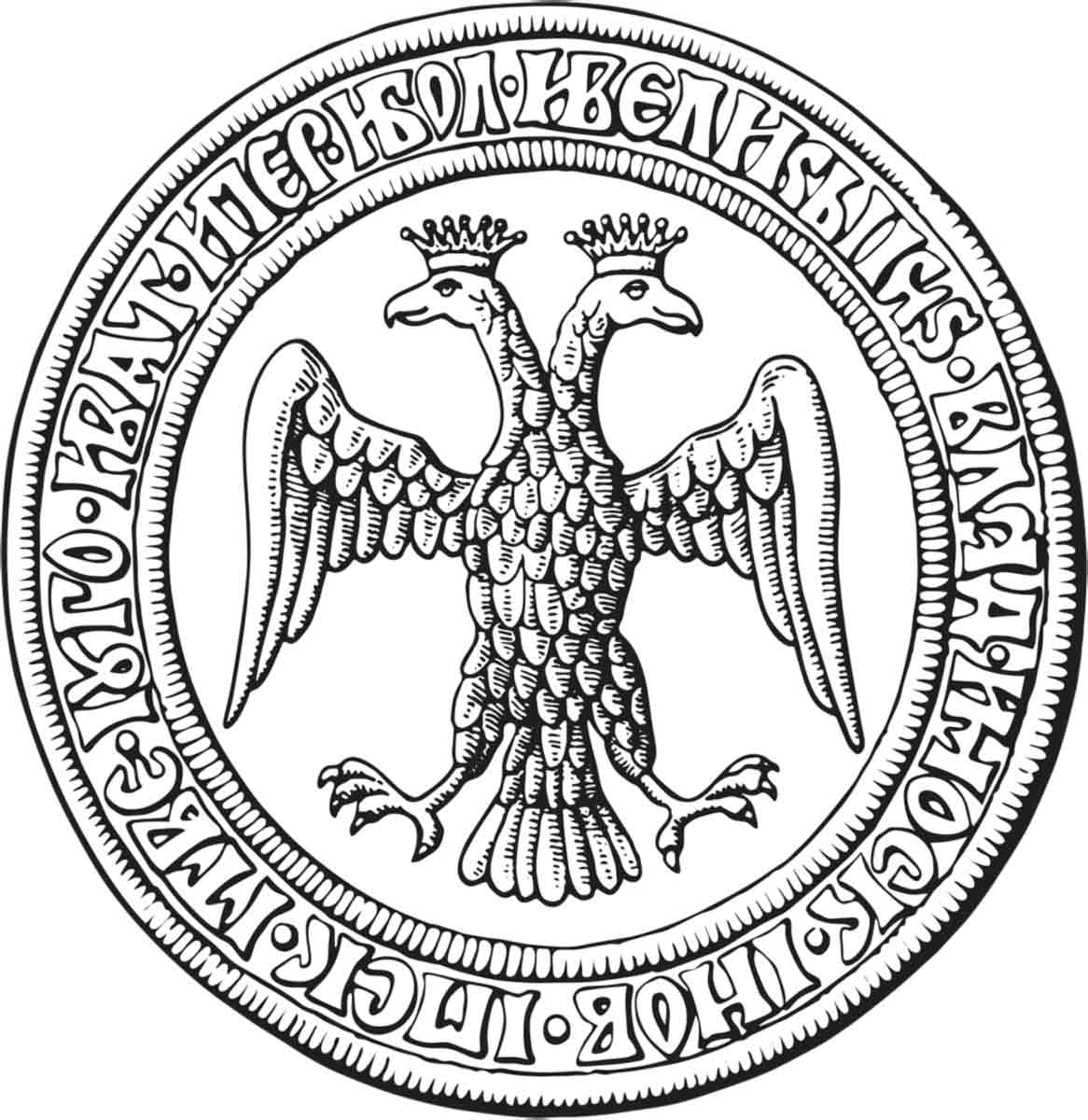
Like the Ottomans’ claim, the Russian claim is dependent on the Byzantine Empire being the heir of Rome. While this claim may sound ridiculous at first, it did have a dynastic backing since Ivan III, or Ivan the Great, married Sophia Palaiologina in 1472, the niece of Constantine XI, the last Byzantine Emperor. Ivan also expanded on the use of Byzantine culture and symbolism already in use in Russia by adopting the double-headed eagle crest. Ivan III even began using the title of “Tsar,” which is derived from “Caesar.” While Ivan III used the title inconsistently, his grandson, Ivan IV, also known as Ivan the Terrible, crowned himself as Tsar in 1547 at his coronation.
While the dynastic aspect helps to strengthen Moscow’s claim, their main argument was a religious one. The Orthodox Christian Russians believed that the first Rome fell due to the West embracing Catholicism instead of Orthodoxy, like the Byzantines. Then the Byzantines fell because, in 1439, with the Council of Florence, the Byzantine Emperor John VIII made religious concessions to the Catholics in exchange for military aid against the Ottomans. To the Orthodox Russians, Catholicism was not seen as the true faith; God dealt punishment. While these two Romes fell, the “Third Rome,” Moscow, stood, as it did not corrupt their Orthodox faith. This argument is known as the Third Rome Doctrine.
When the Ottomans conquered the Byzantines, they brought Islam with them, and they allowed the Ecumenical Patriarch of Constantinople to continue to exist. In 1560, the Patriarch of Constantinople helped strengthen the Russian claim by implying recognition of Russia’s imperial status in a letter to Moscow. While the Ottomans allowed the Orthodox Church to exist in Constantinople, the Patriarch still had to be careful about what he said so as not to anger his occupiers. Because the letter was vague, it is still debated by historians as to whether it actually gave Russia recognition.
While this claim had spiritual implications, the politics behind it put it at even greater odds with the Ottomans. Both empires claimed to succeed Rome, and a centuries-old rivalry between the two powers would persist. Of course, there is much more to the Ottoman and Russian rivalry than just their competing claims. Both empires vied for control of the Balkans, and the Ottomans could block Russian access to the Mediterranean Sea from the Black Sea by closing the Turkish Straits.
A combination of the religious and the political aspects of these claims can be seen in the Treaty of Küçük Kaynarca in 1774, after the Russian victory in the Russo-Turkish War. The ambiguous language of the treaty led the Russians to believe that they could speak for all Orthodox Christians in the Ottoman Empire, while the Ottomans believed it only applied to a specific church in Constantinople. It didn’t matter what the Ottomans believed, as the Russians assisted the Greeks and Bulgarians in liberating themselves from their Ottoman rulers in the 19th century.
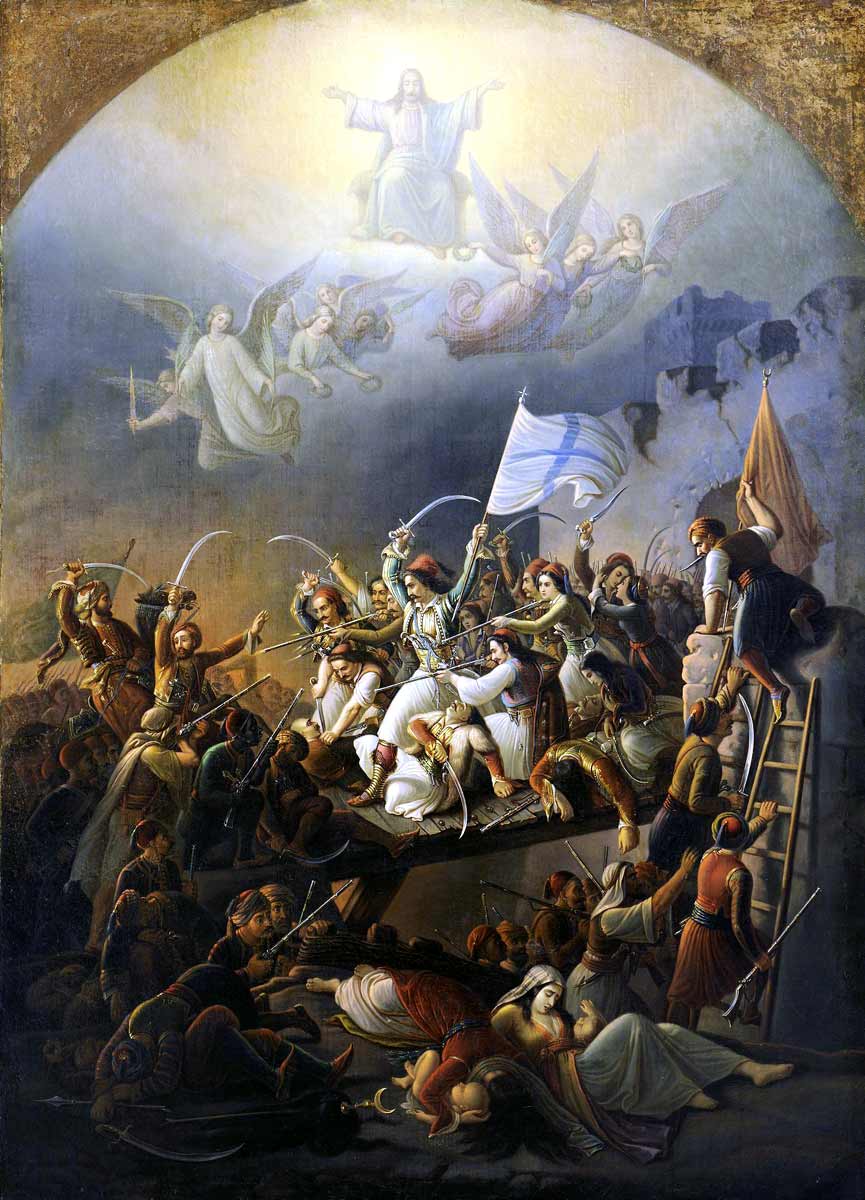
Like the Ottomans, the Russians’ claim to Rome was killed off because of World War I. In 1917, the instability of World War I brought about the Russian Revolution and ushered in the first communist government in history. The communists, despising imperialism, didn’t take on the mantle of Tsar. When Tsar Nicholas II and his family were executed in 1918, the Russian claim to Rome died with them.
5. The Italian Empire
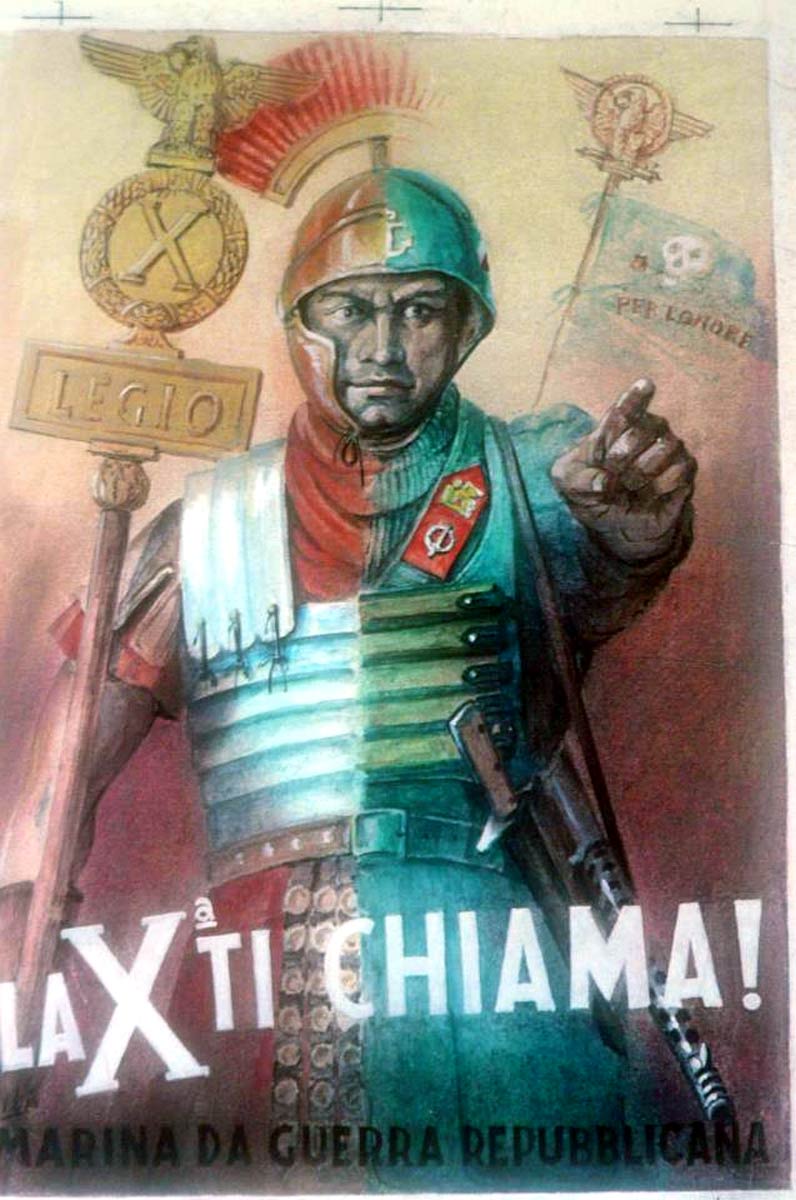
In 1915, Italy went to war against its former allies, Germany and Austria-Hungary. By the end of World War I, over 600,000 Italians had died to help secure an Allied victory, but in 1919 at the Paris Peace Conference, Italy received far less land than they were promised by their allies. Many blamed the liberal Italian parliament for this failure, including a former socialist journalist, Benito Mussolini.
In 1919, Mussolini made his fascist movement into a parliamentary force that promised national glory and opposition to Communism. In October 1922, Mussolini’s Black Shirts marched on Rome while Mussolini himself was famously not even in the city, but in Milan. King Victor Emmanuel III did not mobilize the army to defend against the Black Shirts, fearing a civil war, and he made a new government with Mussolini as prime minister.
Mussolini didn’t initially claim to be a direct inheritor of Rome, but he tried to cultivate the image of ancient Rome in his Italy. Mussolini would give speeches from balconies to massive crowds in imitations of great Roman leaders. He adopted the title Il Duce, which comes from the Latin dux, meaning “leader.” He also adopted the Roman fasces symbol, a bundle of sticks with an axe, which is where the word “fascist” comes from. The fascists even went as far as celebrating Augustus’s 2,000th birthday in 1937.
Mussolini didn’t so much have a hereditary or religious claim to Rome, but he didn’t need one. He held the city of Rome and sought to revive the glory of the empire, not merely inherit it.
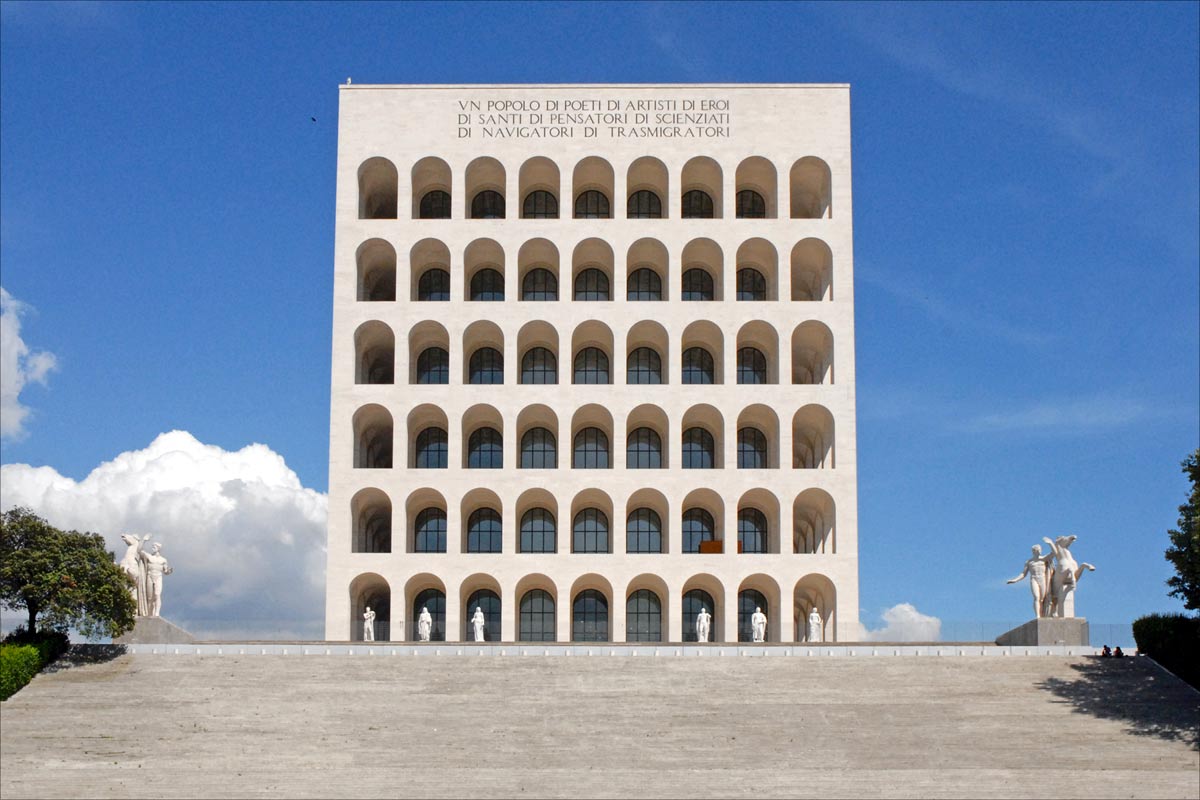
Before Mussolini took power, the Kingdom of Italy already held Libya, Eritrea, and parts of Somalia. When Il Duce came onto the scene, he pushed Italian forces into Ethiopia, a land the Kingdom of Italy was unable to conquer. The conquest was tougher than it should have been for the next Rome, but Mussolini managed to take control of the territory in 1935. In May 1936, following this conquest, Mussolini declared King Victor Emmanuel III as Emperor of Ethiopia, and fascist propaganda framed this as the start of the new Roman Empire.
While the Romans never held Ethiopia, they did control Albania. Albania broke from Ottoman control only in 1912. Since the country’s independence, Italy has attempted to gain influence in the fledgling country to use it as a springboard to further influence the broader Balkans. With the Treaty of Tirana in 1926, Albania effectively became an Italian protectorate. In April 1939, Italian forces landed in Albania and took the country by force, although resistance was largely ineffective. Hitler had already taken the Sudetenland in Czechia, so this conquest kept Mussolini from being outdone by his fascist counterpart. Also, the annexation of Albania gave Italy a land border with Greece and Yugoslavia for future invasions. Albania had been reclaimed by this new Roman Empire just in time for World War II.
After waiting to see how Germany fared, Mussolini joined World War II on the side of the Axis in June 1940. In October 1940, Italy launched its invasion of Greece to disastrous effect. Not only were the Italians largely unprepared, but the Greek resistance was stiff. The Greeks even managed to invade and take territory in Albania. The tides only turned when Hitler invaded Yugoslavia and Greece. However, this was a German victory, not an Italian one. This was set to become a repeating theme in the war.
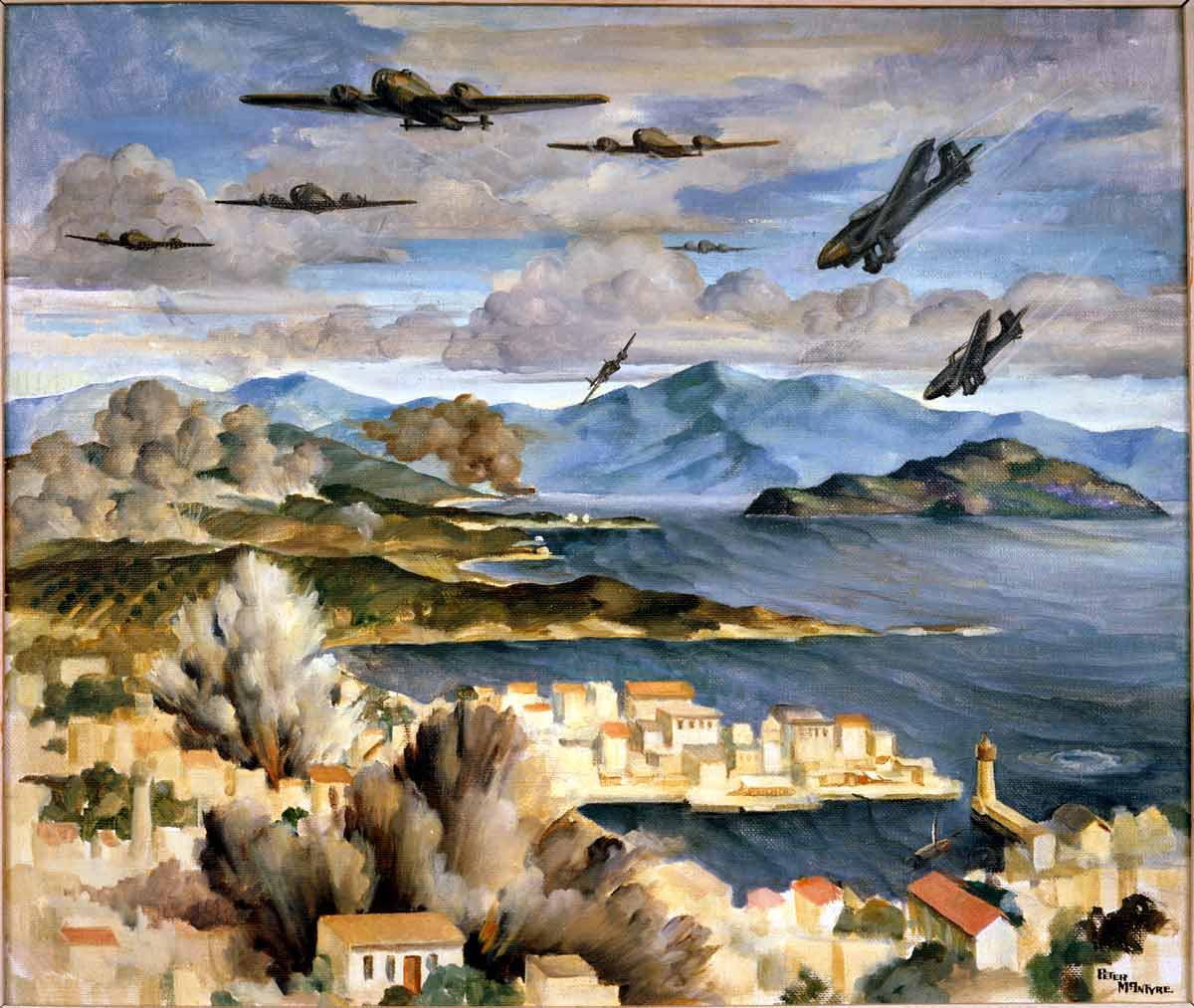
Italy launched an invasion of British-controlled Egypt from Libya in September 1940. The British launched a harsh counterattack, and Germany had to send in Erwin Rommel, the Desert Fox, to bail Italy out. In Italy’s East African holdings (Ethiopia, Somalia, and Eritrea), the Royal Navy was able to completely cut off the Italians from their colonies. Furthermore, the British launched a campaign against the territories, destroying Italian resistance in 1941.
By 1943, the war was not looking good for the Axis, while the Americans had just landed in Sicily. Mussolini was voted out of power by his own assembly, and King Victor Emmanuel III had him arrested. Hitler was not about to let Italy fall into Allied hands, so Germany invaded and held North and Central Italy while making Mussolini a puppet leader. In April 1945, Italian partisans managed to capture Mussolini as he was fleeing to Switzerland and executed him, ending the fascist project in Italy. Italy’s loss in World War II not only cost it the empire but also saw the monarchy abolished, ending the Italian claim to the revival of Rome.