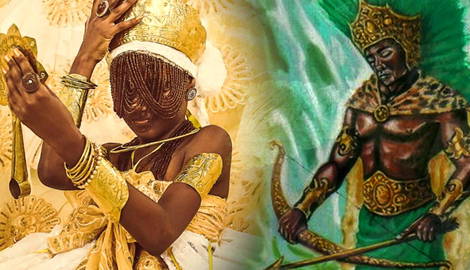

The orishas (also known as orixás) are nature gods and goddesses worshiped by followers of Candomblé, Umbanda, and various Yoruba religions. This pantheon of divinities originates in Western Africa and was brought to South American countries like Brazil during the Transatlantic Slave Trade. There are over 400 orishas, each of whom represents a force of nature and different human characteristics. However, some orishas are more widely worshiped than others. Followers of Candomblé and Umbanda believe that each person has a guardian-orisha who is said to mirror their qualities. So, if one of the orishas in this list reminds you a little bit of yourself, there is a chance you may have found your patron orisha.
| Orisha (Alternative Names) | Domain & Role | Symbols & Visuals |
Key Characteristics
|
| Yemaja (Iemanjá, Janaína) | Goddess of the Sea; Mother of All Orishas and Humans | Mermaids, the ocean |
Nurturing and protective of seamen, yet unpredictable, dangerous, and powerful like the sea.
|
| Oshala (Oxalá) | Creator(ix) of the Universe and Humanity | The sky, the horizon |
An androgynous divinity created by the greater god Olodorúm; widely revered as the divine father of humanity.
|
| Ogum (Ogun) | God of War, Iron, and Fighting | Weapons, iron tools |
The first god to descend to earth; known for being both hot-tempered and warm-hearted.
|
| Oya (Iansã) | Goddess of the Winds, Lightning, and Air | Thunder, lightning |
An independent, fast-moving, and fierce warrior who learned many versatile skills traveling the world.
|
| Shango (Xangô) | God of Fire, Thunder, and Justice | The ax |
Incredibly virile and powerful; known as the “lord of the hidden fire.”
|
| Oshun (Oxum) | Goddess of Love, Beauty, Magic, and Rivers/Sweet Waters | Yellow clothing, hand mirror |
Empathic and seductive; represents fertility, unconditional love, and the soft power of the divine feminine.
|
| Oshosi (Oxóssi) | God of Hunting, Forests, and Abundance | Bow and arrow |
Holds the wisdom of the forests, protects hunters, and reminds humanity to respect natural wealth.
|
| Obá | Goddess of Turbulence and Battle | Turbulent rivers |
A fiercely passionate warrior-goddess capable of challenging Ogum in battle, though prone to intense jealousy.
|
| Eshu (Exú) | Messenger Spirit; Opener and Closer of Paths | Intermediary spaces |
Bridges the human and divine worlds; a complex, anarchic spirit associated with both protection and mischievous turmoil.
|
| Oshumare (Oxumaré) | God(dess) of the Cycle of Life, Death, and Rebirth | Union of earth and sky |
A genderless divinity representing the union of opposites (masculine/feminine); called upon during major life changes.
|
1. Yemaja: Goddess of the Sea and Mother of All Orishas
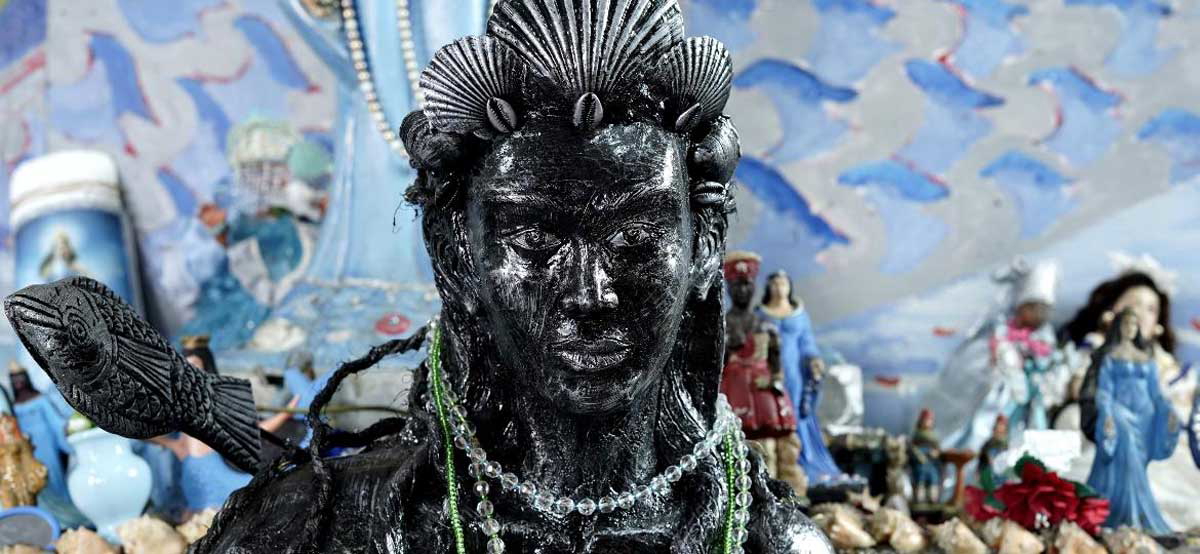
Yemaya (also known as Iemanjá or Janaína) is probably the best-known orixá in the Afro-Brazilian pantheon of goddesses and gods. This powerful goddess of the sea is worshiped as the protector of seamen and as the mother of all humans and orishas. As Yemaja represents the power of the ocean, she is often portrayed as a beautiful mermaid, and her name can be translated as mother whose children are like fish.
Don’t let her beauty fool you. While this divine mother is associated with maternal love and nurturing, she is also said to be as unpredictable, powerful, and dangerous as the ocean. According to mythology, she was married several times and had no problem leaving her divine husbands when they displeased her. Like water, Yemaja is a powerful force to be reckoned with.
2. Oshala: The Creator(ix) of Humanity
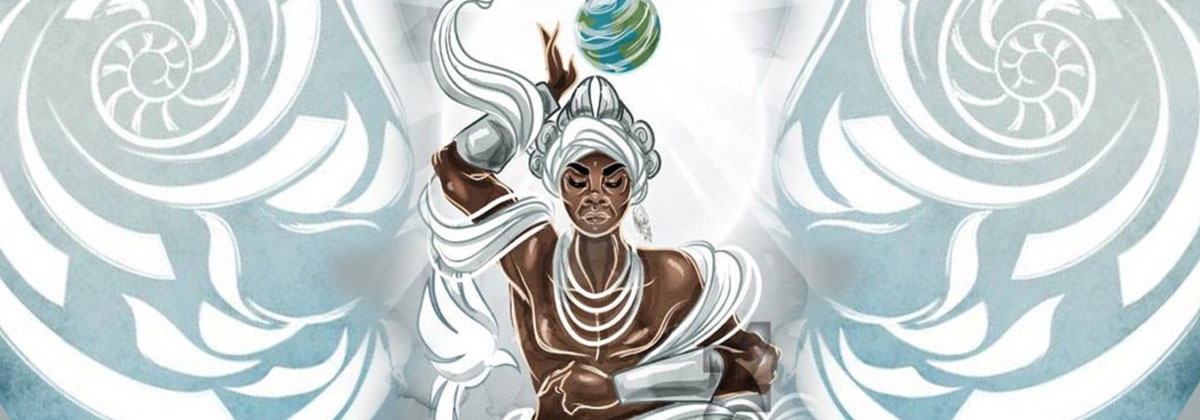
While Iemanjá is considered to be the divine mother of everything, the androgynous divinity Oshala (or Oxalá) is said to be the creator(ix) of the entire universe. Being the creator(ix) of the universe does not make him the creator of everything. Oxalá is believed to have been created by a greater God called Olodorúm, who gave him the mission of creating the universe, the other orishas, and humanity.
Oxalá is said to represent the sky, and according to the myths surrounding him, he was married to Iemanjá. Their union is said to have given birth not only to the other orishas but also to the horizon, which separates the sky and the ocean. He is considered the divine father of humanity, which is why his worshipers often refer to him as the father Oshala.
3. Ogum: The Warrior god
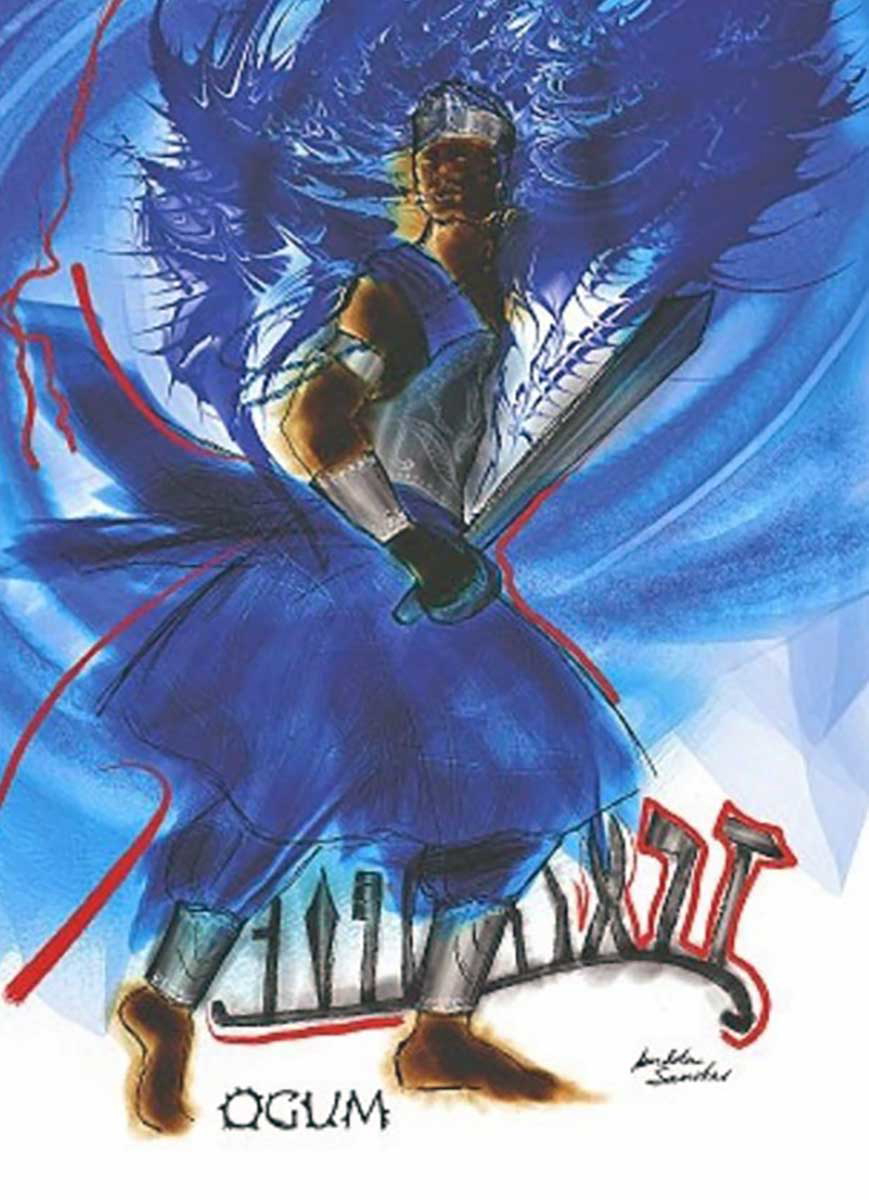
Ogum, also known as Ogun, is the orisha associated with war, iron, and fighting. He is regarded as a warrior god who also represents human activity on earth, which is why he is usually portrayed with a weapon or iron tool in hand.
According to Yoruba mythology, he was the first god to descend to earth. Due to his equally hot temper and warm heart, this vivacious god is considered to be particularly close to the human world. Ogum is associated with ideas of evolution, whether that be human evolution, personal transformation, or technological development. When something is transforming, it is in a state of Ogum.
4. Oya: Goddess of the Winds
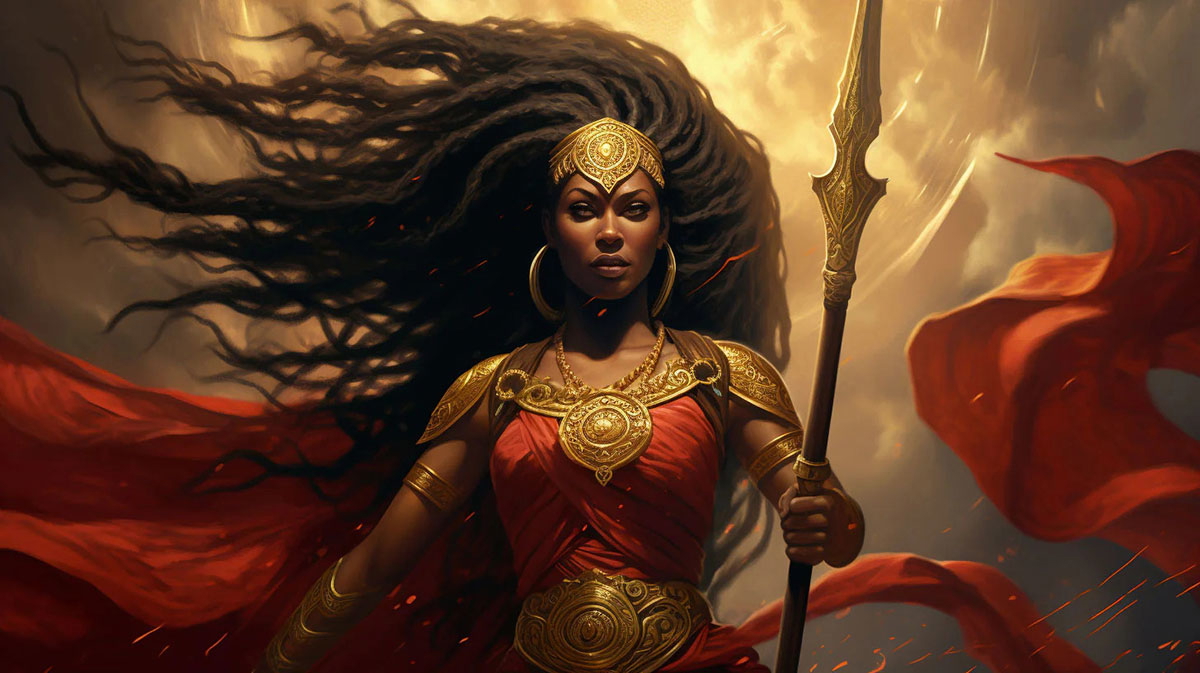
The goddess Oya (also known as Iansã) is worshiped as a strong-spirited divine being who has come to represent the winds, lightning, and air. This fast-moving goddess is said to have traveled the entire world and learned many different skills in the process, making her a versatile and powerful ally. The myths around this independent and fierce goddess also show her as a force to be reckoned with.
She was married to Ogum but decided to leave him for the fire-god Xango after the latter beat her first husband in battle. But Xango’s victory was not enough to capture her heart. Oya only agreed to marry him once he proved his devotion by teaching her the skill of creating thunder and lightning. Their story of fire and air serves as a great metaphor for divine union. Instead of diminishing or battling against each other, divine masculine and divine feminine energies can work together to lift each other even higher.
5. Xango: God of Fire and Justice
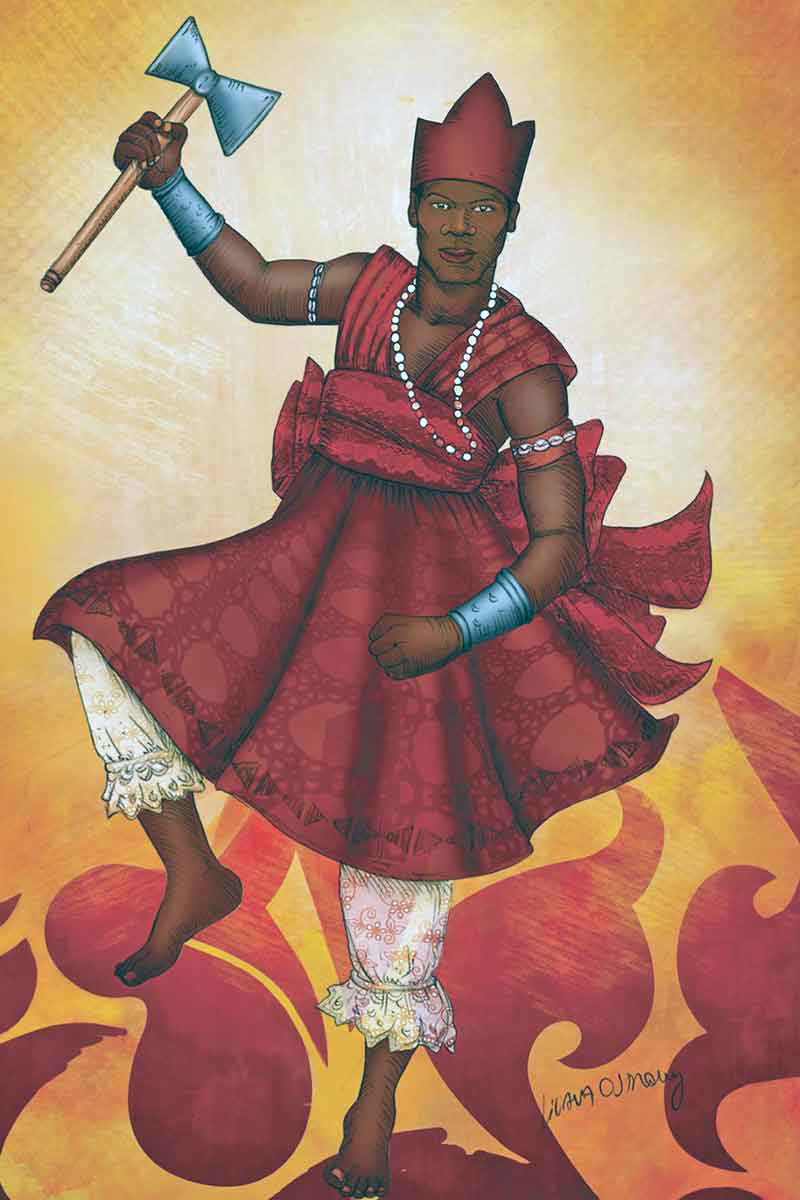
Xangô (also known as Shango) is the god of fire, lightning, and thunder. Even more importantly, he is associated with power and justice. His name can be roughly translated as lord of the hidden fire, and he is usually portrayed holding an ax.
There are several legends surrounding Xango. Being incredibly virile, he is said to have been married to the goddesses Oxum, Obá, and Oya. The latter is said to have been his greatest love, and her conquest required a fight with her first husband, Ogum. As the goddess Oya is a representative of the winds, their union represents the life-giving and uncontrollable relationship between the powerful forces of fire and air.
6. Oshun: Goddess of Love
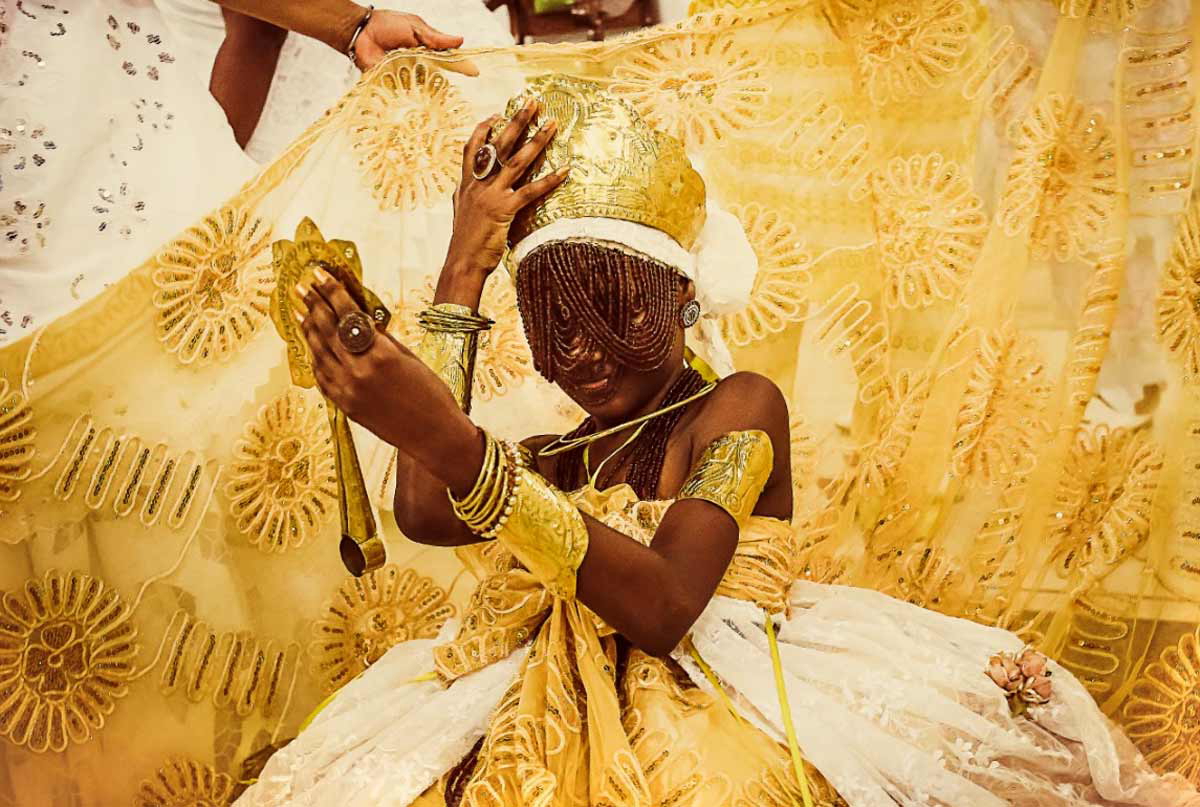
Oshun (also known as Oxum) is the goddess of beauty, magic, and love. She reigns over rivers and sweet waters and is associated with fertility, sweetness, and the soft power of the divine feminine. This beautiful and seductive goddess is normally portrayed wearing yellow clothing with a mirror in her hand. However, you should not underestimate this female divinity. In her quest to learn all she could about love and relationships, Oshum spent some time alongside most of the other orishas.
While some of her partners did not take her very seriously and mistook her empathic nature as a weakness, this love goddess ended up coming out on top. As anyone who has loved unconditionally knows, love is never wrong. Love is the source of everything. Therefore, one could say that Oshun’s deep capacity to love has made her the most powerful goddess of all.
7. Oshosi: God of Hunting and Forests
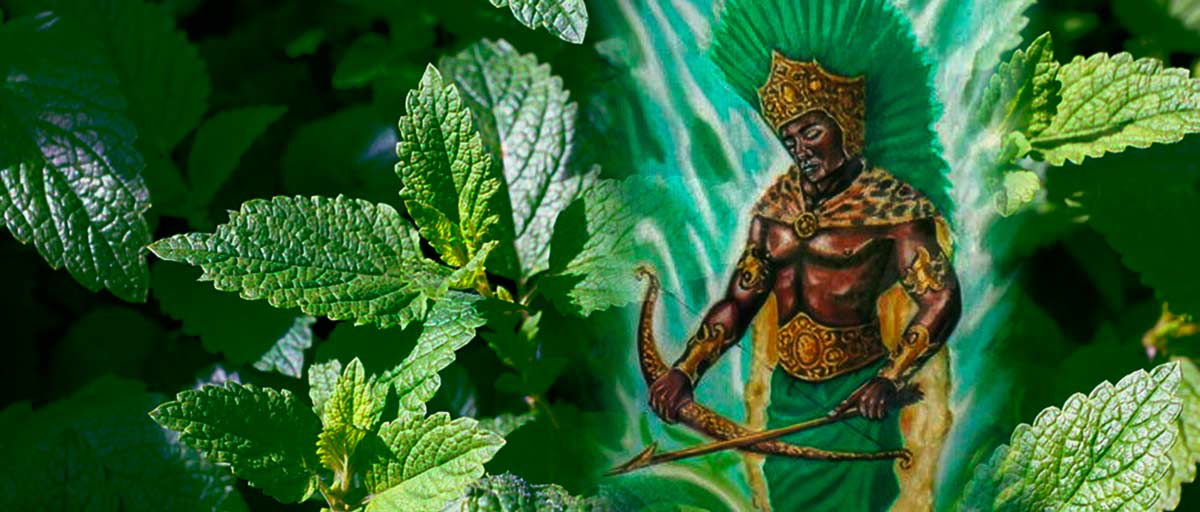
Oshosi (also known as Oxóssi) is a hunter-god who is usually portrayed with a bow and arrow in his hand. He is known to hold the wisdom of the forests and is worshiped as the protector of hunters.
As the god of abundance in all its forms, Oshosi serves to remind us of the wealth surrounding us on all levels. Nature is incredibly abundant, but if we lack the necessary understanding and respect, we will go hungry despite the resources we have been gifted with.
8. Obá: Goddess of Turbulence and Battle
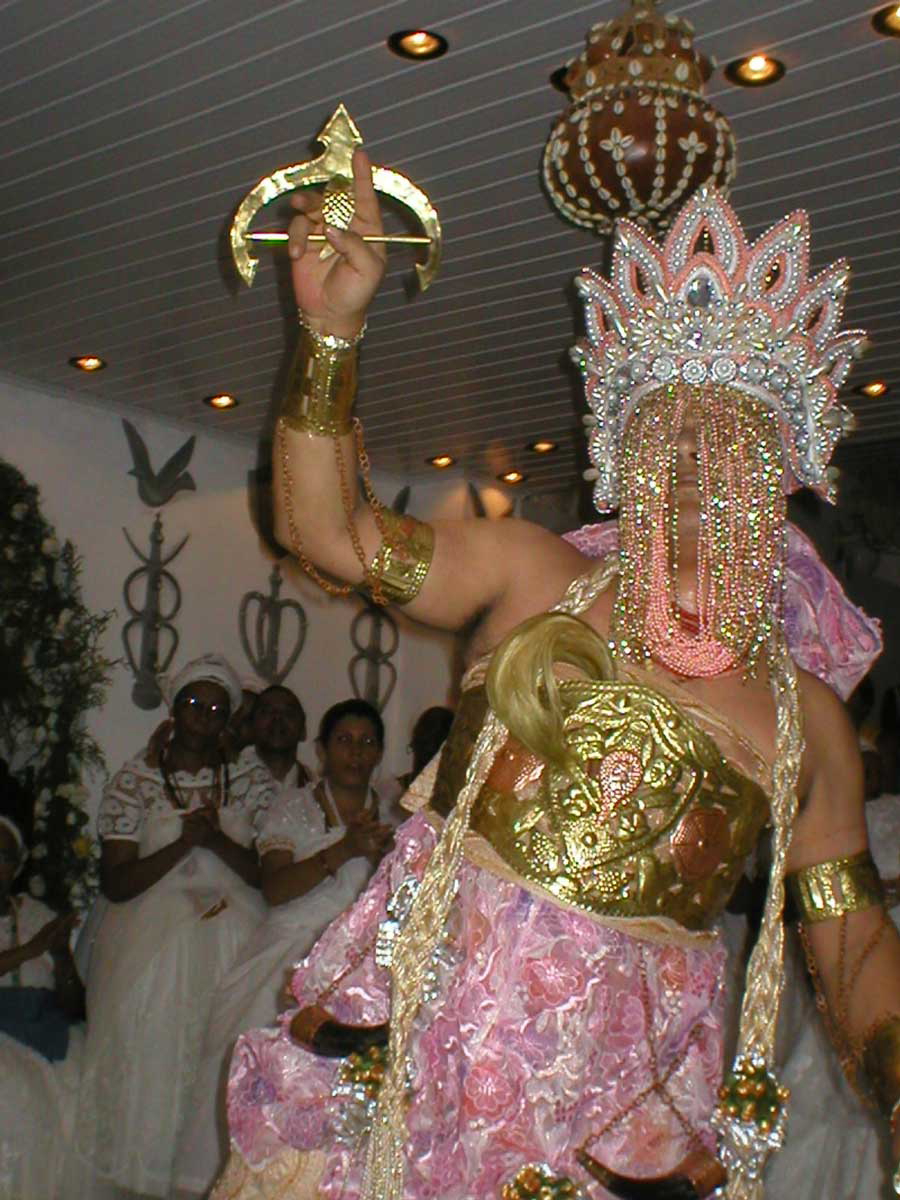
The warrior-goddess Obá is said to have been the only divinity able to challenge Ogum, the god of battle. According to legend, he only managed to defeat her once he threw a slippery paste on the ground, causing her to fall. But this isn’t the end of the story. Once their battle was over, they fell in love and decided to get married. Given her passionate nature, Obá was not happy with the fact that Shango already had two other wives. Having grown particularly jealous of the attention Shango was giving to the lover-goddess Oshun, Obá asked Oshun about her secret recipe.
This ended up being a bad idea. Oshun decided to trick her rival by pretending that she had cut off her ear and added it to the soup she was preparing for Shango. Fueled by her wish to get Shango´s undivided attention, Obá cut off her ear. But the passionate fire-god Shango was not amused. To escape his wrath, both Oshun and Obá are said to have turned into two rivers, whose turbulent meeting point serves as a reminder of their rivalry. But while Obá continues to be associated with jealousy, we should not reduce the story of this fierce, powerful goddess to the petty fight over a man. Instead, it may be more useful to think of her as a strong woman who would go to any lengths to achieve her goal.
9. Eshu: The Most Human of the Orishas
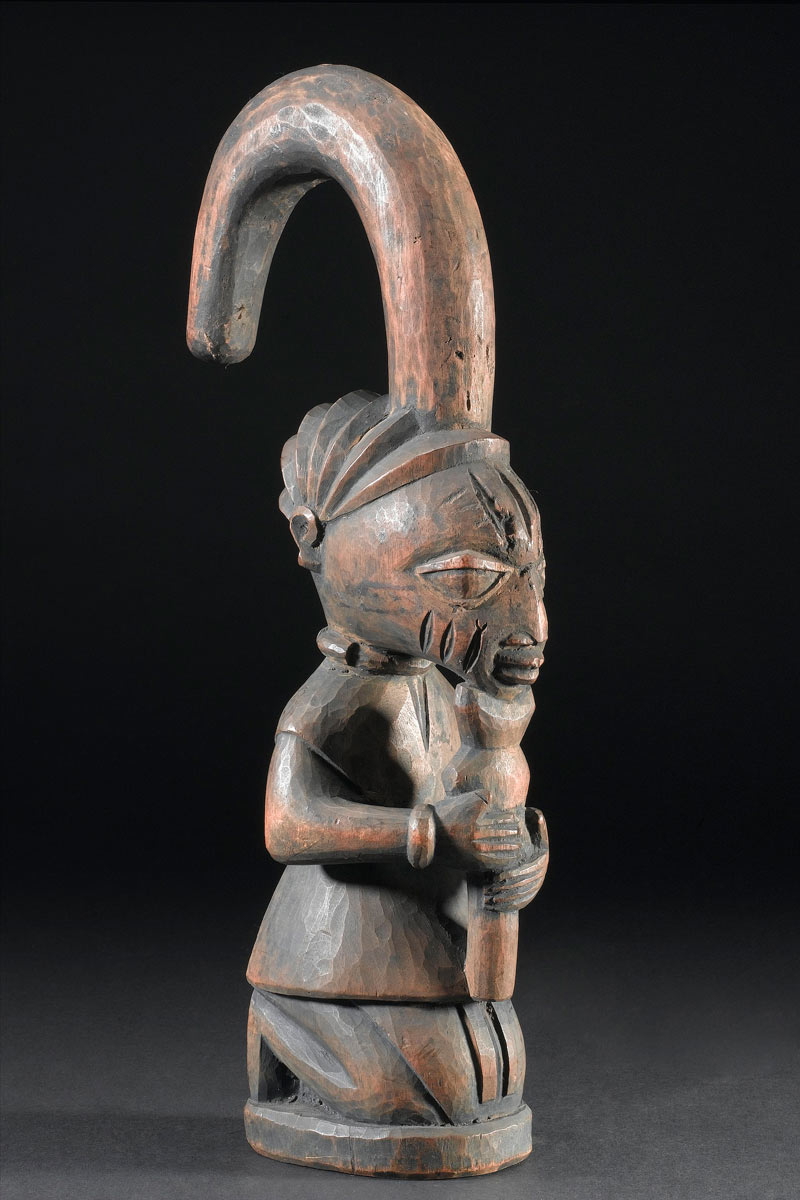
Depending on the religion, there is some disagreement on whether the messenger-spirit Eshu (Exú) counts as an orisha or not. On top of that, some religious groups worship him as a single entity, while others believe Eshus to be a group of vagabond spirits that love to walk the line between light and dark.
But no matter whether one classifies him as an orisha or simply as an “intermediary spirit”, this entity (or these entities) is believed to play an incredibly important role as the primary messenger between the human world and divine sphere. Eshus are believed to help the other orishas get their message across. Given that they are much closer to humans than the other goddesses and gods, and known to love drinking, partying, and vagabonding, they often take on the role of protector and are said to be an opener (and closer) of paths.
Eshu spirits are also said to represent the complexities of human nature, which is why they not only step in and save humans in moments of trouble, but are also known to cause mischief and turmoil. When it comes to spiritual entities, Eshus definitely fall on the more controversial side. Some people even associate them with the devil and temptation. However, one can also interpret these anarchic spirits as encouraging us to free ourselves from the bonds of conventional society, and start following our own path.
10. Oshumare Orisha: God(dess) of the Cycle of Life
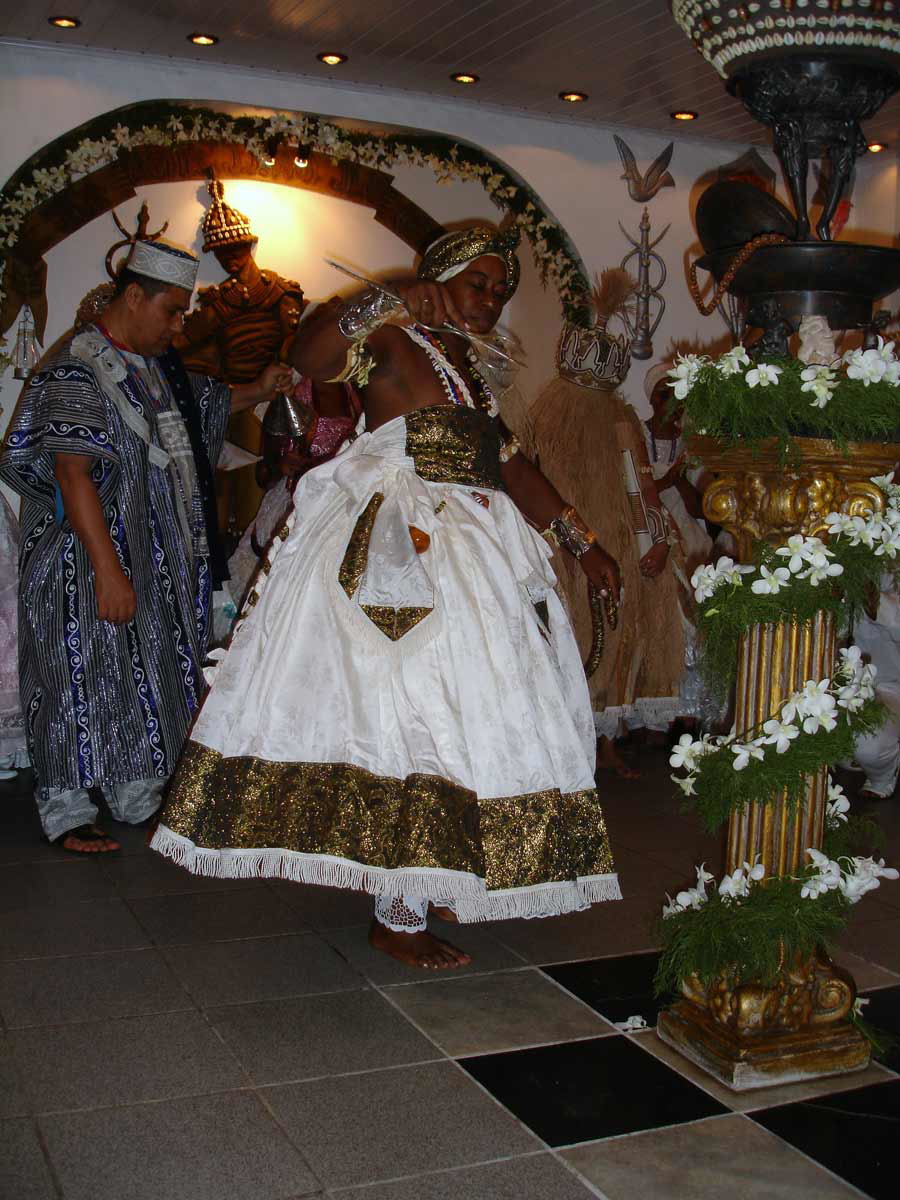
Oshunmare (Oxumaré) is an orisha associated with death and rebirth. This divinity does not have a gender, as it represents the union of the masculine and the feminine, the earth and the sky, and any other seemingly opposing elements. Practitioners looking for support when making life changes or leaving behind unhealthy cycles are known to call on Oshumare to help them through the process.
Umbanda and Candomble
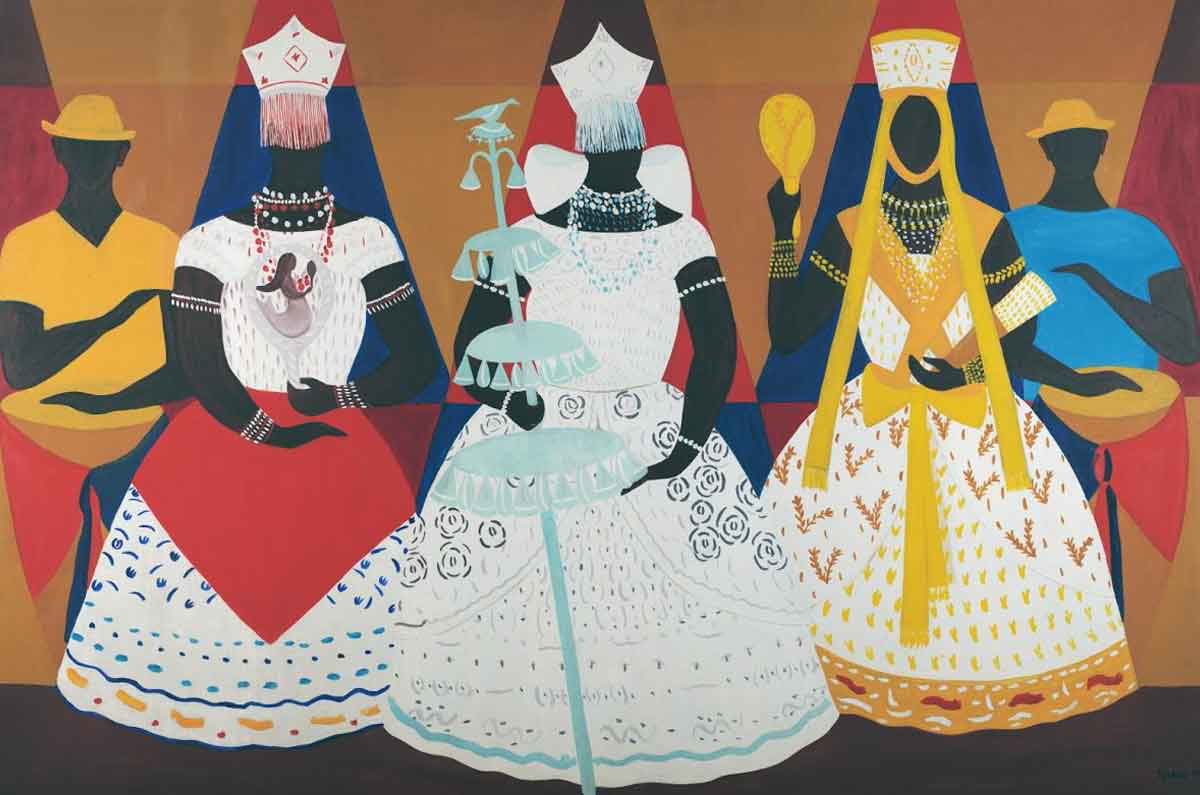
This article mainly draws on the Afro-Brazilian belief systems of Umbanda and Candomblé. However, the pantheon of orishas is also worshiped across various religious groupings in Africa and extends into different South American nations and spiritual groupings. As there are so many different and overlapping belief systems and myths tied to each orisha, the list above only serves as a starting point when delving into the endless universe they represent.
If you are interested in finding out more about this fascinating pantheon of goddesses and gods, you can read my articles on Candomblé, Umbanda, and Capoeira.