
The Inca Empire, also known as Tawantinsuyu, was once one of the world’s largest empires by sheer size, spanning about 2,500 miles. It covered what are now parts of Peru, Ecuador, Bolivia, Chile, and Argentina. Within a few decades, the empire was gone. The most productive economy in the Americas vanished within a short period of time, starting around 1527 following the intrusion of Spain’s Francisco Pizarro and his men, numbering about 170.
How Epidemics and a Royal Succession Feud Left the Incas Vulnerable
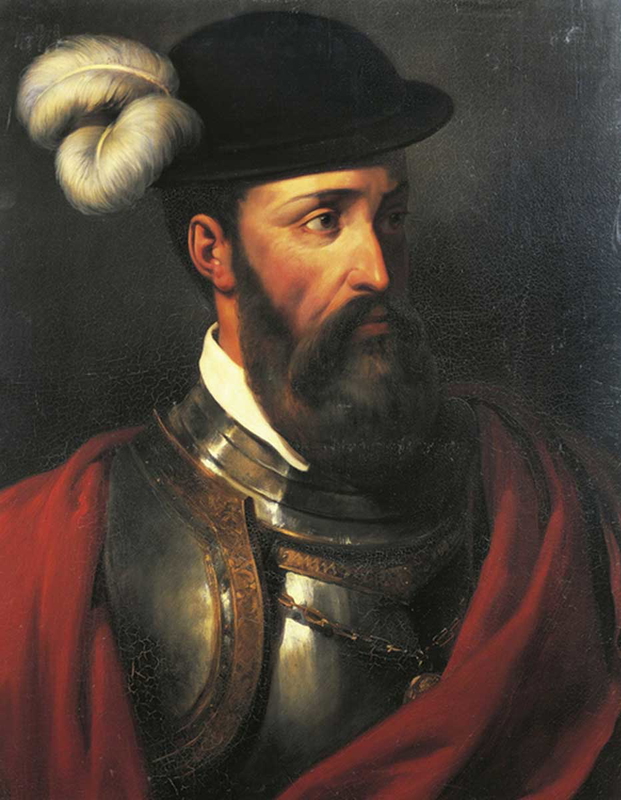
To understand how such a mighty civilization fell to a handful of foreign invaders, it helps to examine the circumstances that persisted just before Pizarro arrived. Just before his invasion, the empire was afflicted by a perfect storm of vulnerabilities. One of them was the rapid spread of Old World diseases, which fractured the social fabric. Around 1527, the emperor Huayna Capac died, most likely from a European disease such as smallpox. Such diseases had already started to spread in the region, moving through indigenous trade networks from Central America. His death caused a massive civil war of succession between his two sons, Huáscar and Atahualpa. The fighting lasted from 1529 until Atahualpa achieved victory in April 1532.
By November 1532, when Pizarro entered the fray at Cajamarca, Atahualpa’s army was fresh off winning a war of succession. However, state resources were depleted, and most of the royal class was dead. The empire was simply frayed. And so when the Spaniards arrived, the Incas were ripe for manipulation. Besides collapsing leadership ranks and causing unbelievable death, smallpox had dramatically changed the way the Incas viewed life. Since they worshipped their emperor as a literal god, the psychological impact of watching loved ones and their ruler die of disfiguring sores caused major trauma that left them feeling vulnerable and abandoned.
How 170 Conquistadors Used Cavalry and Guns to Dictate Battle Terms
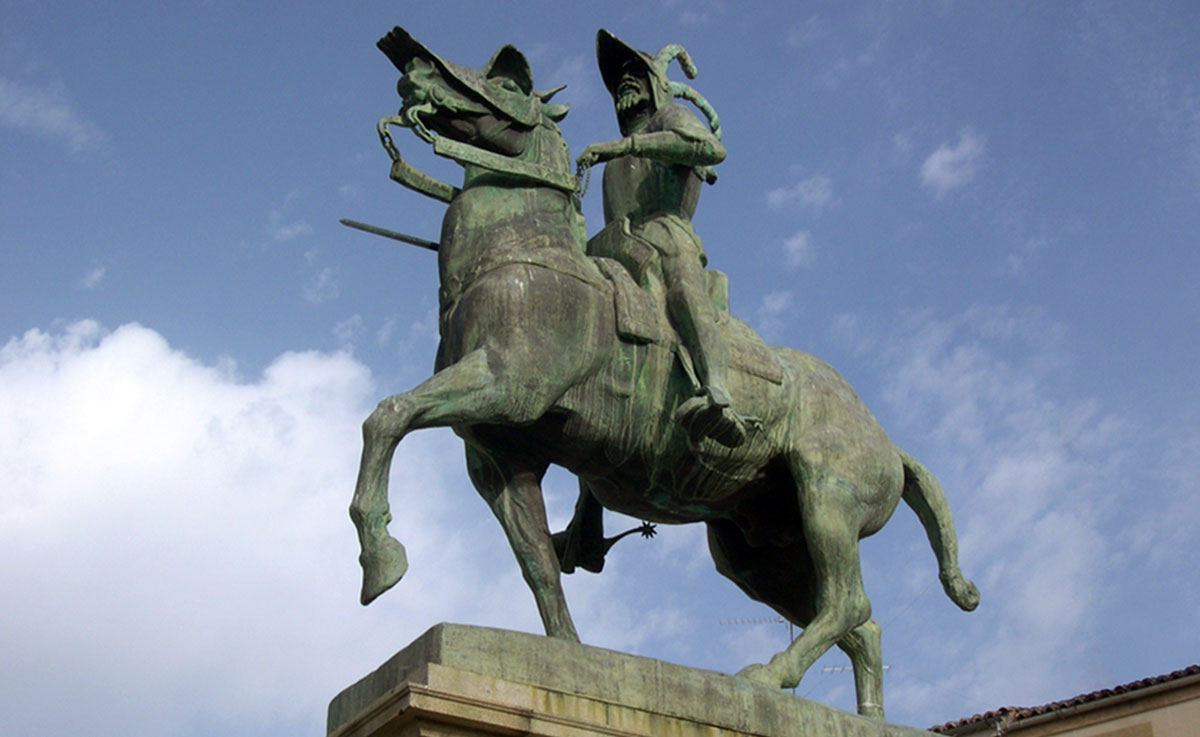
The Spanish conquistadors were able to take over native territories due to two main factors. Firstly, they had metal swords and armor, but even more importantly, they had horses and guns. At the height of the Inca Empire, horses were unknown in the Americas, and when the Spanish invaded, they fundamentally changed warfare in the New World. As soon as they engaged with Inca forces, they could dictate the terms of battle. On horseback, Spanish soldiers could run enemies down or create distance when troops were in trouble.
Secondly, the Inca had rarely been in a war that they did not start or agree to fight. War within the empire was often ceremonial. Their strategies were not focused on killing people; they instead preferred to capture enemies so they could be taken as slaves and used for labor. When the Spanish invaded, their goal was to kill the enemy and seize control. The Inca were ill-prepared for such relentless aggression.
Ambush Tactics and Rebel Allies Fueled Pizarro’s Victory
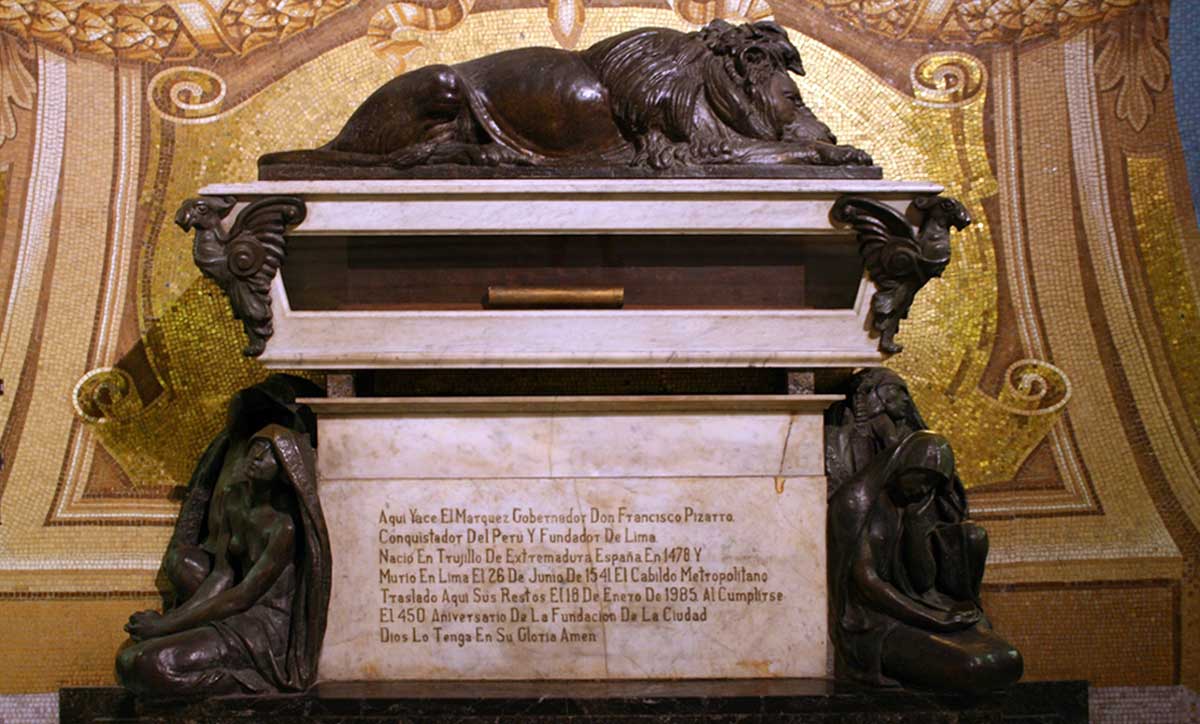
Historical records note that Pizarro was an astute opportunist who could sniff out weaknesses and use them to his advantage. There are many accounts of him manipulating local populations. When entering a town for the first time, Pizarro would often hide his men and scouts. Once the local leader of the town left to greet him in peace, he would ambush the village from all sides, capture the leader for ransom, and then conquer the settlement.
After conquering subdued groups, Pizarro sent out translators and proclaimed himself the true ruler, putting local leaders under his command. As he moved through the country, he absorbed more warriors into his ranks. Anyone who did not want to fight him would join his side. Many native groups, such as the Cañari, Huanca, and Chachapoya, who resented the Inca empire and its heavy taxation, supported his incursions.
How Atahualpa Paid a Fortune in Ransom Only to Be Executed
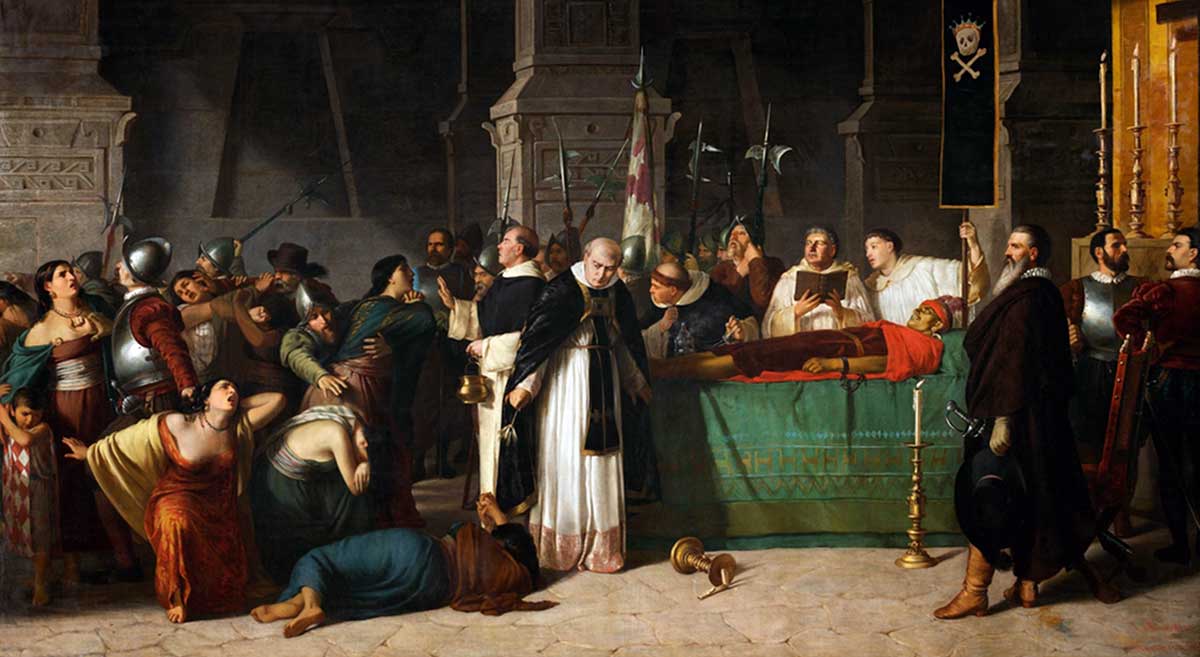
When Pizarro finally met with Atahualpa himself on November 16, 1532, he managed to capture the emperor in a matter of hours through a stunning display of violence. The Spanish took the Sapa Inca hostage and ransacked the city. In a desperate bid for freedom, Atahualpa promised to fill a room once with gold and twice with silver up to the height of his outstretched hand. It worked. For several months, Atahualpa was allowed to remain in captivity while his people scavenged the empire and brought Pizarro his payment. This massive hoard amounted to about 13,000 pounds of gold and 26,000 pounds of silver, estimated to be worth hundreds of millions of dollars today. However, Pizarro had no intention of letting Atahualpa go.
His execution was ordered on July 26, 1533, and soon after, a Spanish puppet king ruled the subdued empire. But really, the major resistance had ended even before that. Without an emperor, the empire was finished. The Inca military had been decimated by the years-long civil war, and although groups like those in the Neo-Inca State of Vilcabamba continued to resist until 1572, the empire as a centralized, unified power no longer existed.