
At its height, the British Empire extended across North America (Canada), South Africa (Cape Colony), Oceania (Australia), South Asia (India), North Africa (Egypt), South America (The Falklands), Europe (Ireland), and even East Asia (Hong Kong). These colonies are commonly known, and some avid history-enjoyers might also know about Jamaica, Malaysia, and the individual British African possessions. However, there were also many lesser-known British colonies, protectorates, and territories across the empire.
1. Malta
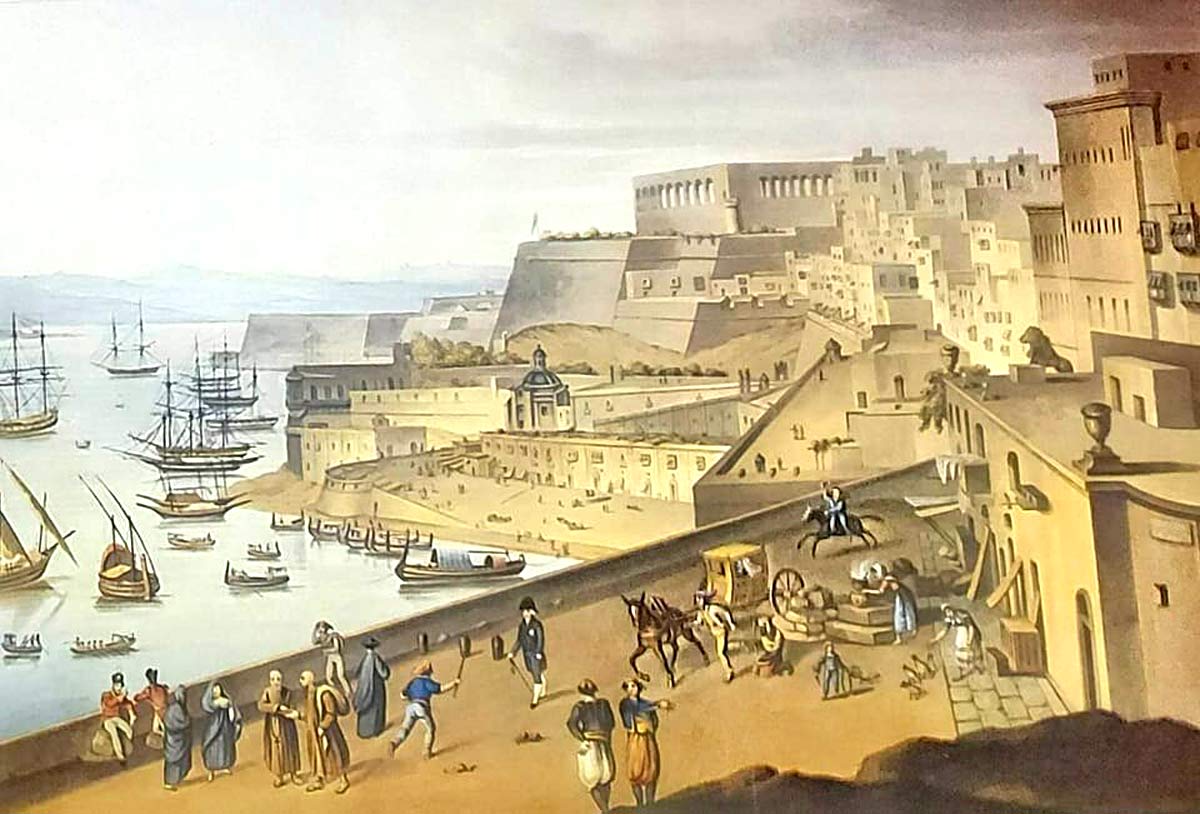
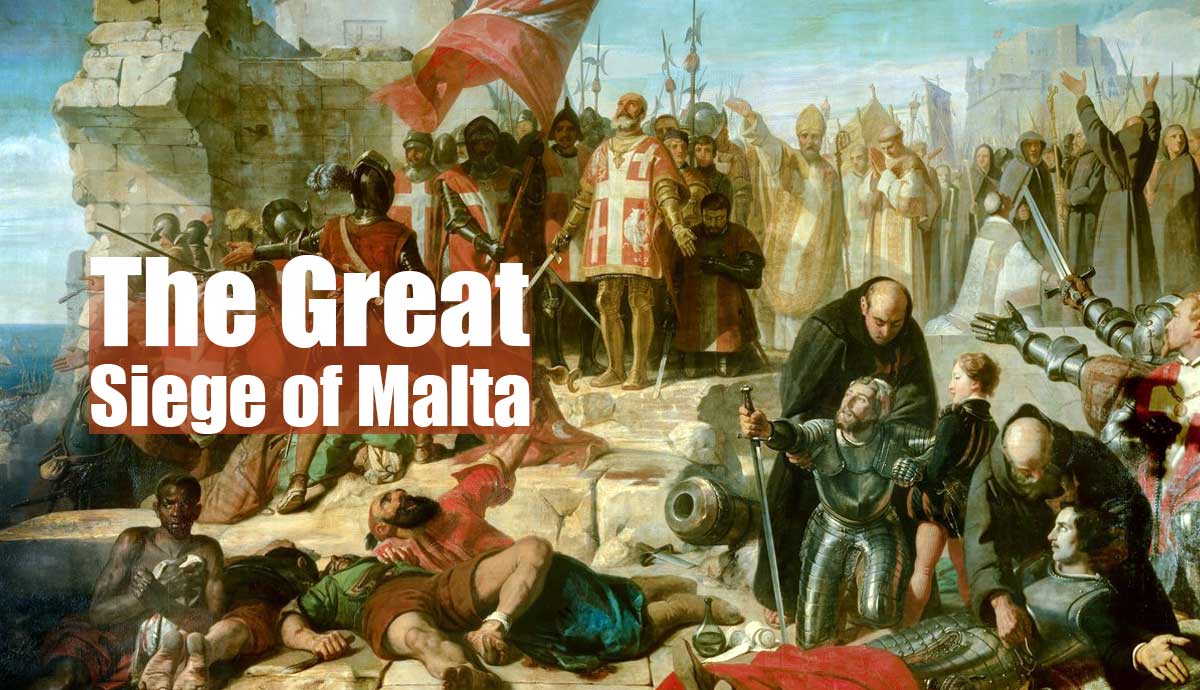
Malta is currently an island nation off the coast of Sicily in the middle of the Mediterranean Sea, made up of several islands. The three biggest of these islands are Malta, Gozo, and Comino. Its capital is the historic city of Valletta, which was founded by the Grand Master of the Order of St. John, Jean Parisot de Valette, in 1566. Throughout the centuries, Malta has passed through the hands of the Carthaginians, Romans, Sicilians, Aghlabid Muslims, the Knights Hospitaller (almost the Ottoman Turks!), the French, and finally the British.
Malta was a sovereignly ruled state from 1530 to 1798 under the Knights Hospitaller. Napoleon invaded and ruled over Malta from 1798 to 1800, when the British routed the French and turned Malta into a British protectorate. In 1813, Malta was made into a full British colony.
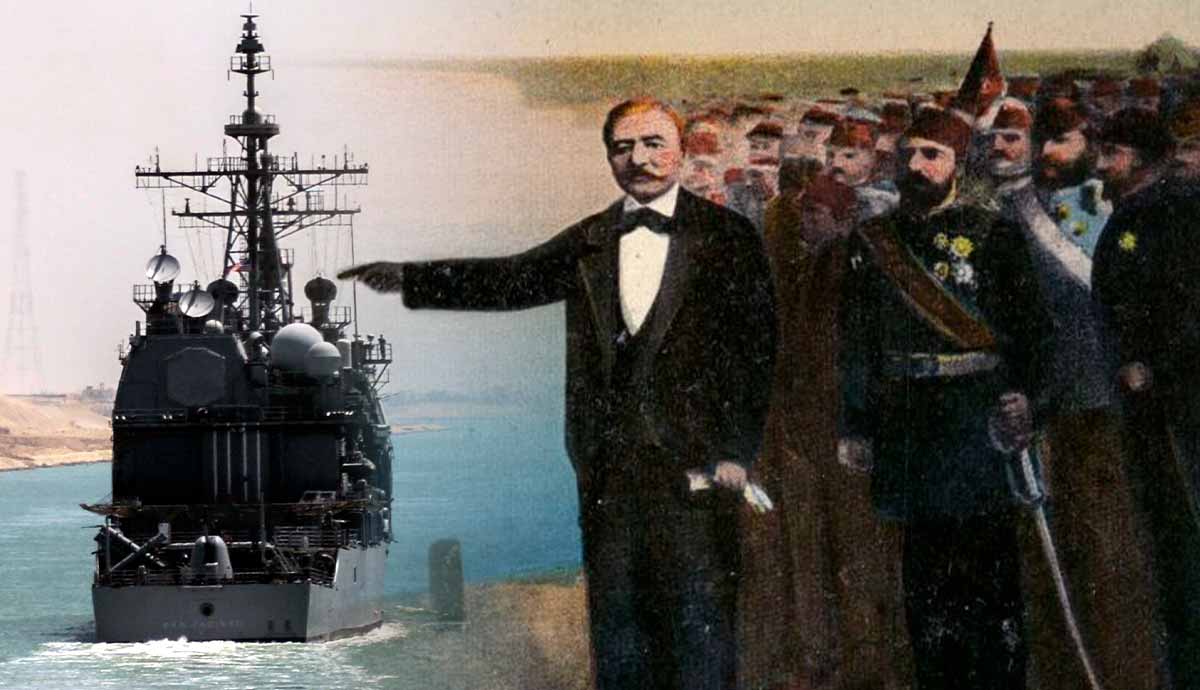
Due to its location, Malta became a British Naval hub for the empire’s operations in the Mediterranean. Once the Suez Canal was opened in Egypt, Malta only rose in importance. During WWI, Malta became a medical hub for wounded Allied soldiers and was nicknamed “the Nurse of the Mediterranean.”
WWII wasn’t as kind to Malta since their nearest neighbor, the Italians, were enemies instead of allies this time. The Italians did not put boots on Malta and instead opted for a bombing campaign in coordination with Germany. This resulted in Malta becoming one of the most bombed places in WWII per capita.
WWII greatly weakened the British Empire globally, which allowed many of its colonies to demand independence. Malta was no exception, and on September 21, 1964, it became independent.
2. British Honduras (Belize)
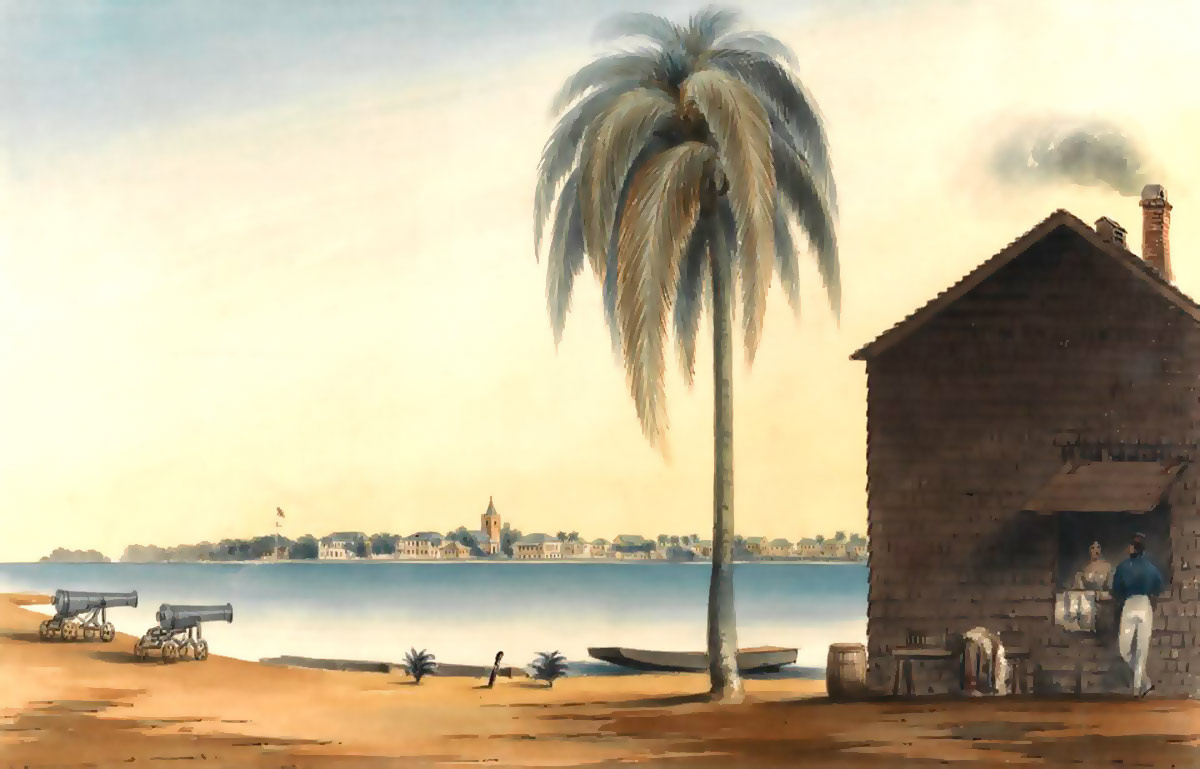
British Honduras, known today as Belize, borders Guatemala, Mexico, and the Caribbean Sea. The territory that makes up modern-day Belize was originally claimed by Spain during the early Spanish colonial period along with the rest of Central America. However, although the Spanish claimed this region, they didn’t control it. Instead, in the 1600s, British settlers, known as Baymen, began to settle the area. The territory was mostly used for logging, although there was some pirate activity as well.
The Spanish sought to exert control over the territory and keep the Baymen in check. In 1798, in the Battle of St. George’s Caye, the Baymen were able to put an end to Spanish attempts to directly control the area. Despite this victory over the Spanish, British Honduras wouldn’t become an official colony until 1862.
British Honduras’s economy was focused on the exportation of raw materials, mainly lumber, and relied heavily on African slave labor. When the British abolished slavery in 1834, the colony’s labor economy was forced to shift from slave to free labor.
Nationalism rose in the territory during the 20th century, and in 1964, British Honduras became a self-governing colony. Then, in 1973, it was renamed to Belize, and in 1981, it gained its full independence. The current capital of Belize, Belmopan, was only established in 1970 as a planned inland city. This was in response to the devastation caused by Hurricane Hattie in 1961 in the old capital, Belize City.
3. Gibraltar
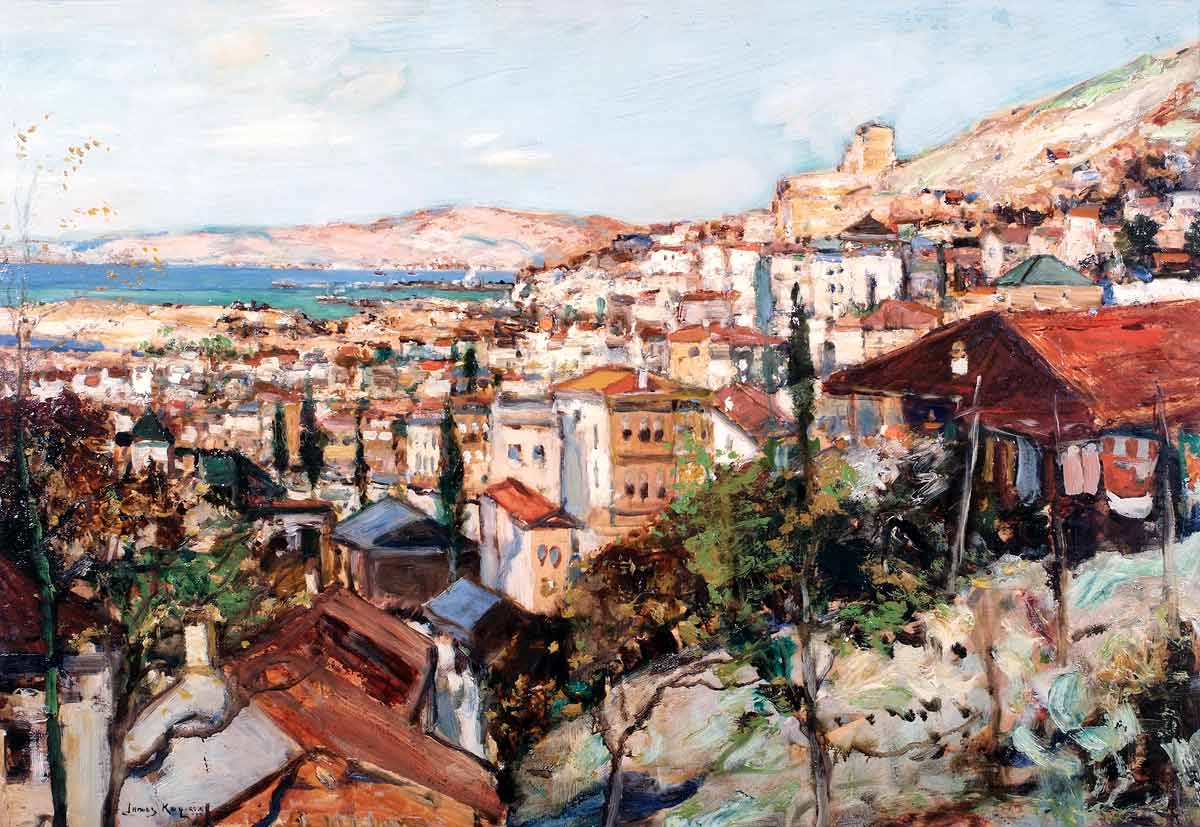
Gibraltar is a tiny peninsula in southern Spain, across from Morocco. “The Rock,” as Gibraltar has come to be known, has passed hands from the Phoenicians, the Carthaginians, the Romans, the Visigoths, the Muslims, the Spanish, and finally the British. Famously, Gibraltar has been under siege 14 times, the first eight seeing the territory being defended and attacked by both the Spanish and Muslims at different times. The last few have seen the Spanish try to reclaim the territory from Britain.
Britain first became involved with Gibraltar in 1704, when Anglo-Dutch forces seized the Rock from Spain in the War of the Spanish Succession. In 1713, with the Treaty of Utrecht, Spain ceded Gibraltar to Britain. Gibraltar became a British strategic naval base, which allowed them to control the passage between the Atlantic and Mediterranean due to its proximity to the Strait of Gibraltar between Spain and Morocco.
Spain, of course, wanted Gibraltar back regardless of what the Treaty of Utrecht said. The Spanish first besieged Gibraltar in 1705, just a year after the British conquered the territory. After the war in 1727, during the Anglo-Spanish War of 1727-1729, the Spanish again unsuccessfully besieged the territory. Later, Spain and France allied with the American revolutionaries to fight Britain and besieged Gibraltar from 1779 to 1783. While Spain helped defeat the British, they focused on regaining their captured territories of Florida and Minorca over Gibraltar, in turn leaving the territory to the British.
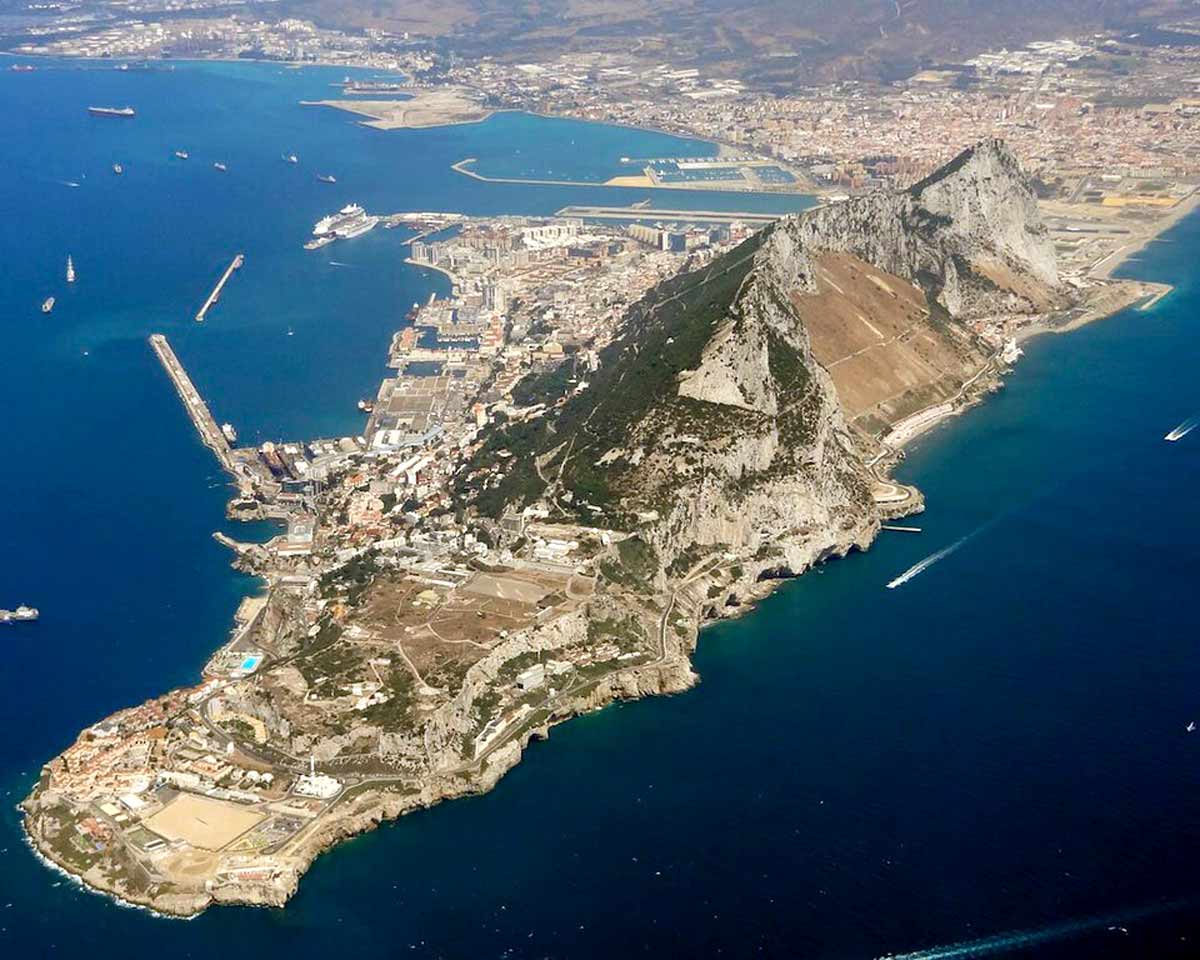
After the Spanish Civil War, when Francisco Franco came to power, the Axis offered Gibraltar to Franco if Spain declared war on Britain. Despite Franco’s insistence on the return of Gibraltar to Spain, he declined the Nazi offer and stayed neutral during WWII. Of course, Franco still wanted the territory and initiated the last siege (more of a blockade) of Gibraltar, which lasted from 1969 to 1985. Despite Franco’s efforts, the land border was reopened a decade following his death, and Gibraltar remained in British hands.
In 1967, a referendum was held in Gibraltar on whether the territory should remain a part of Britain or pass to Spanish ownership. 99.6% of the vote favored staying a part of Britain, leaving an overwhelming impression. Of course, this was during Spain’s fascist rule, but in 2002, a similar referendum was held on whether Gibraltar should be shared between Britain and Spain. Again, the proposal was overwhelmingly rejected, with 98.5% of the vote being against the action. This leaves Gibraltar a part of Britain to this day, while also making British ownership of Gibraltar (1704-present) longer than Spanish ownership (1462-1704).
4. Christmas Island
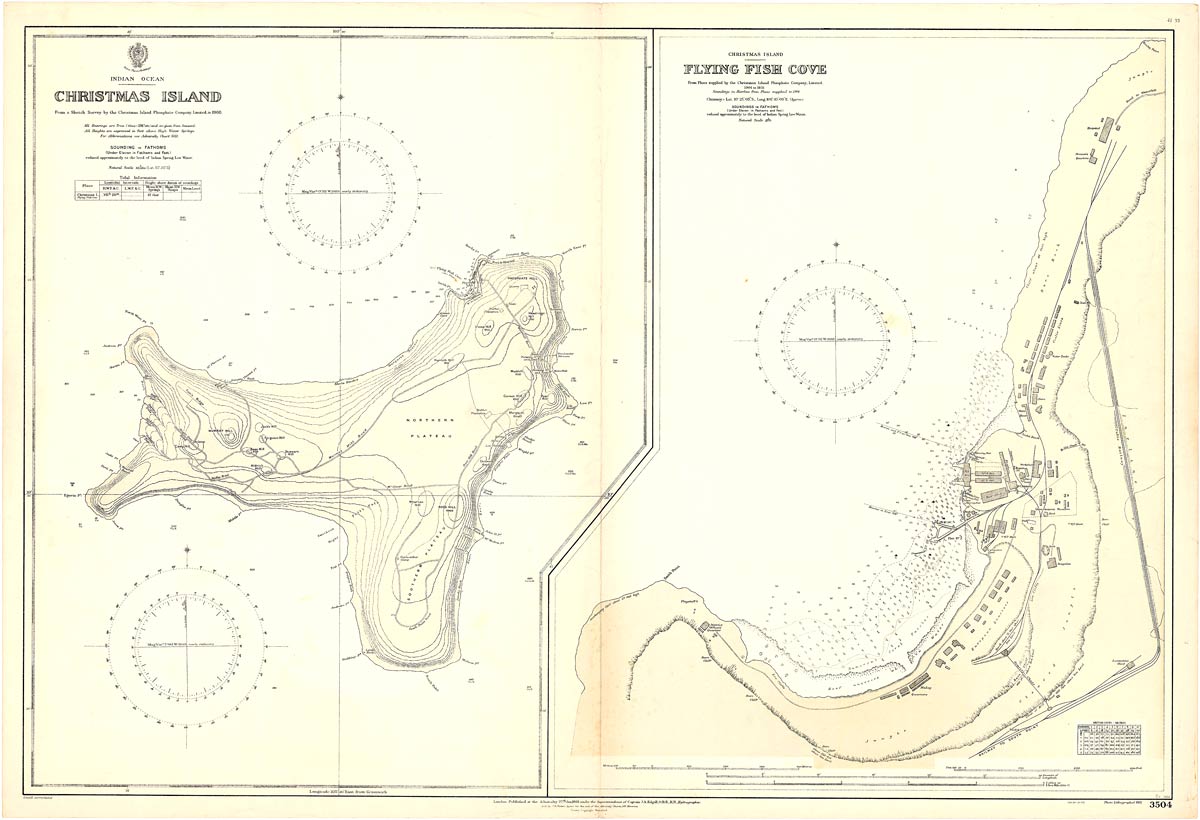
William Mynors, a British captain of the East India Company, discovered a remote island in the Indian Ocean near Java on Christmas Day, 1643. Christmas Island would remain unsettled for the next 200 years due to its remoteness. In the late 19th century, John Murray identified the island as having rich phosphate deposits, which led to the British annexing the island in 1888.
Phosphate (which was used mostly in fertilizer in the 1800s) mining quickly began on the island with the creation of the Christmas Island Phosphate Company in 1897. In the following year, 200 Chinese indentured servants were shipped to mine it. Later, more workers from Malaysia and China would come to the island as well.
The island continued in relative peace until WWII, when the Japanese began conquering islands in the Pacific and Indian oceans, along with other British holdings in Asia, like Hong Kong and Singapore. The British left a naval gun on the island with a couple of British soldiers reinforced by over two dozen Indian soldiers. Before the Japanese arrived, most of the civilian population was evacuated to Australia, and several of the Indian soldiers on the island mutinied, killing their British officers in their sleep. The Indians likely hoped to ally with the Imperial Japanese; however, when the Japanese came to the island, they put the mutineers to hard labor just the same as everyone else on the island.
After WWII, Christmas Island passed from administration by the Colony of Singapore to Australia in 1958. To this day, Christmas Island remains a part of Australia, and they have expanded the national park on the island, which is famous for its red crab migration.
5. Guyana
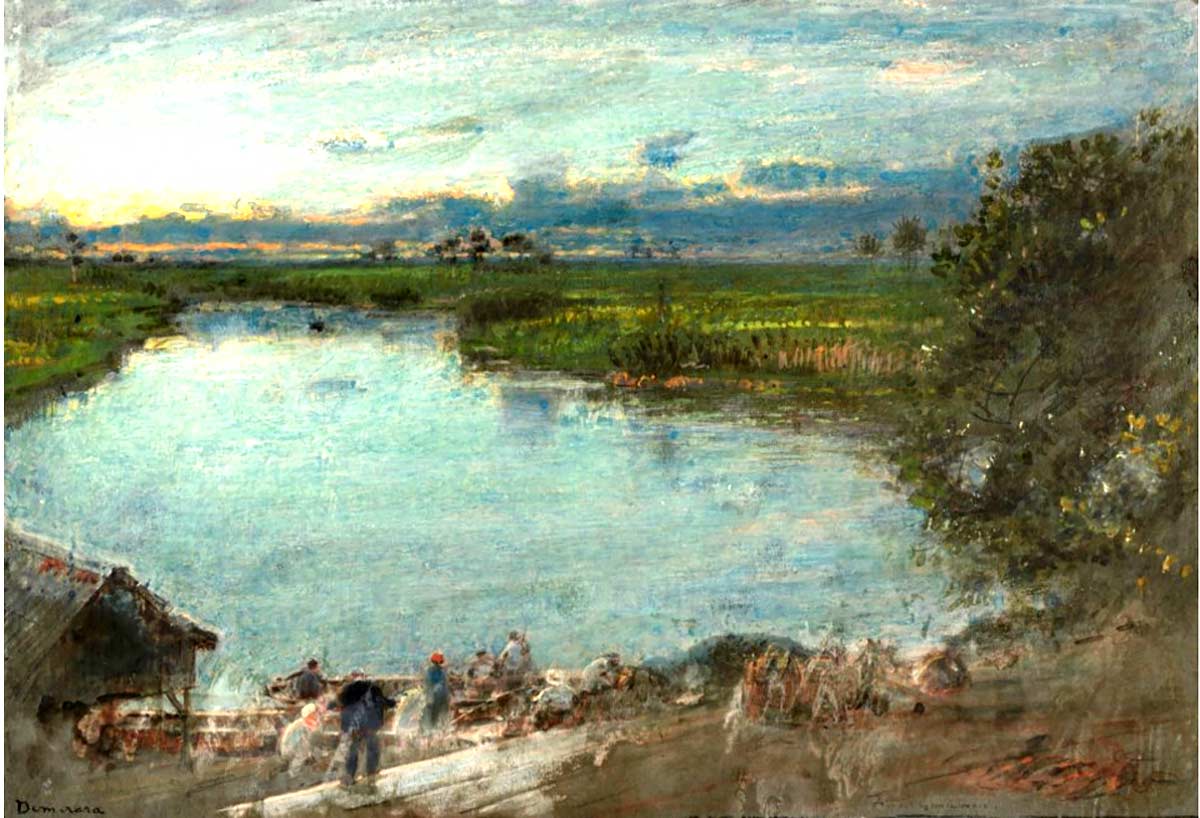
The Guianas, the only non-Spanish/Portuguese region of South America, presently consists of Suriname, French Guiana, and Guyana. While the Guiana Shield extends into Venezuela and Brazil, the vast majority of both of those countries is not in the region. Initially, Spain claimed all the Guianas, but as in Belize, the Spanish had little actual control of the area.
In the early 1600s, the Dutch began settling in the area despite Spanish territorial claims. The Dutch used their colonies to reinforce trade routes, but their main focus was sugar plantations. Britain only entered the region in 1796 when it moved against Dutch and French colonies during the French Revolutionary Wars. Colonies in the region changed hands between the British and the Dutch numerous times. It wouldn’t be until 1814, after the Napoleonic Wars, that the Dutch ceded most of the remaining Dutch territories that would make up Guyana. In 1831, Britain incorporated all their colonies in the region into British Guiana, the predecessor state to modern-day Guyana.
Similar to the Dutch era, Guyana under the British mainly relied on the cultivation of sugar for its wealth. Sugar was often grown on large plantations using African slave labor. However, when the British outlawed slavery in 1834, plantation owners switched to indentured labor, mostly coming from India but also from China and the African colonies. The importation of slave and indentured laborers from all over the empire, along with the pre-existing native population, turned Guyana into one of the more diverse regions in the world.
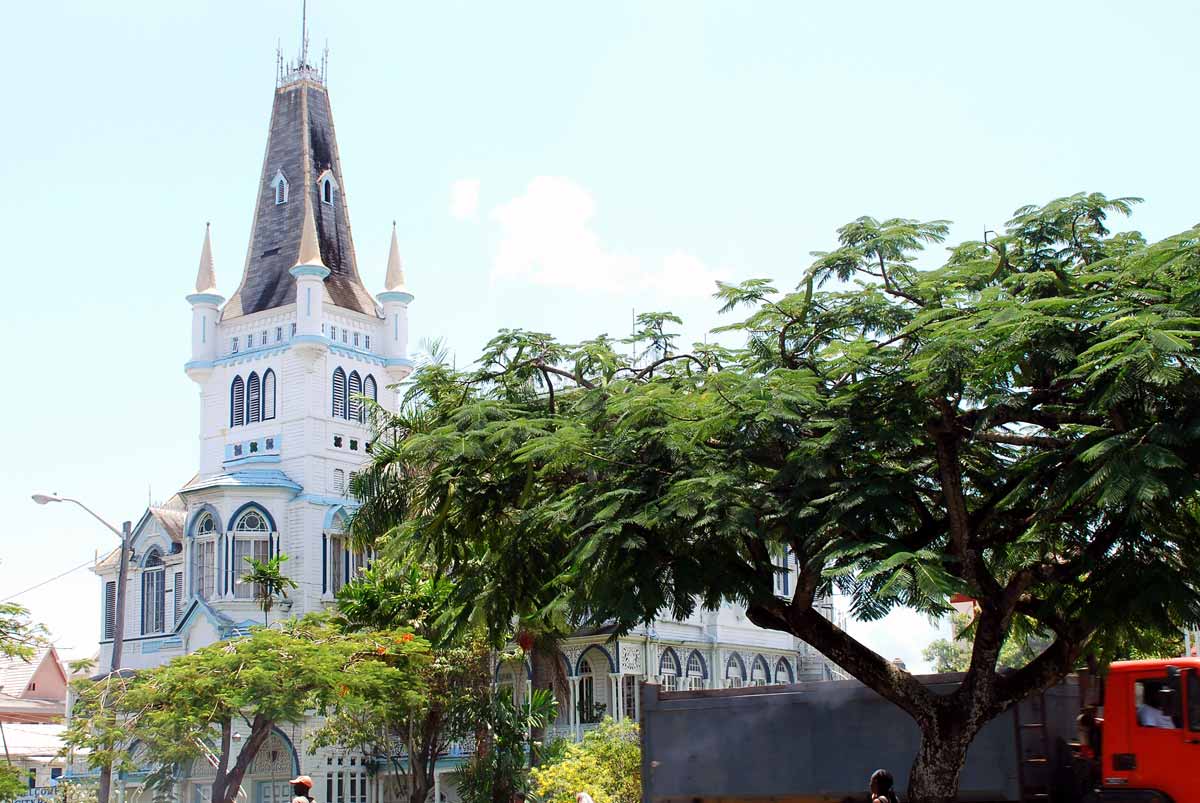
In the 1940s, like in many British colonies, nationalism began to spread. However, the multi-ethnic nature of Guyana made it more difficult than most other colonies for a smooth transition. Britain and the US feared a communist takeover of the region, so while Guyana held its own elections in the 1950s and 60s under British control, it didn’t receive independence until 1966.
While the Guyana nationalist movement began as multi-ethnic, rallying around the civic nationalist banner, race riots between the African and Indian populations began in the early 1960s, before Britain even left the region. 1963-64 saw the worst violence with bombings and the deaths of hundreds. Political parties quickly became largely aligned by ethnic interests.
Britain’s exit was drawn out due to Cold War fears of Guyana going communist, but on May 26, 1966, Britain formally left the region. For most of its history, Guyana has been dependent on the production of sugar cane; however, in 2015, ExxonMobil discovered a large offshore oil reserve in the region, and oil production began in 2019. The economy has grown rapidly since production began.
6. The Ionian Islands
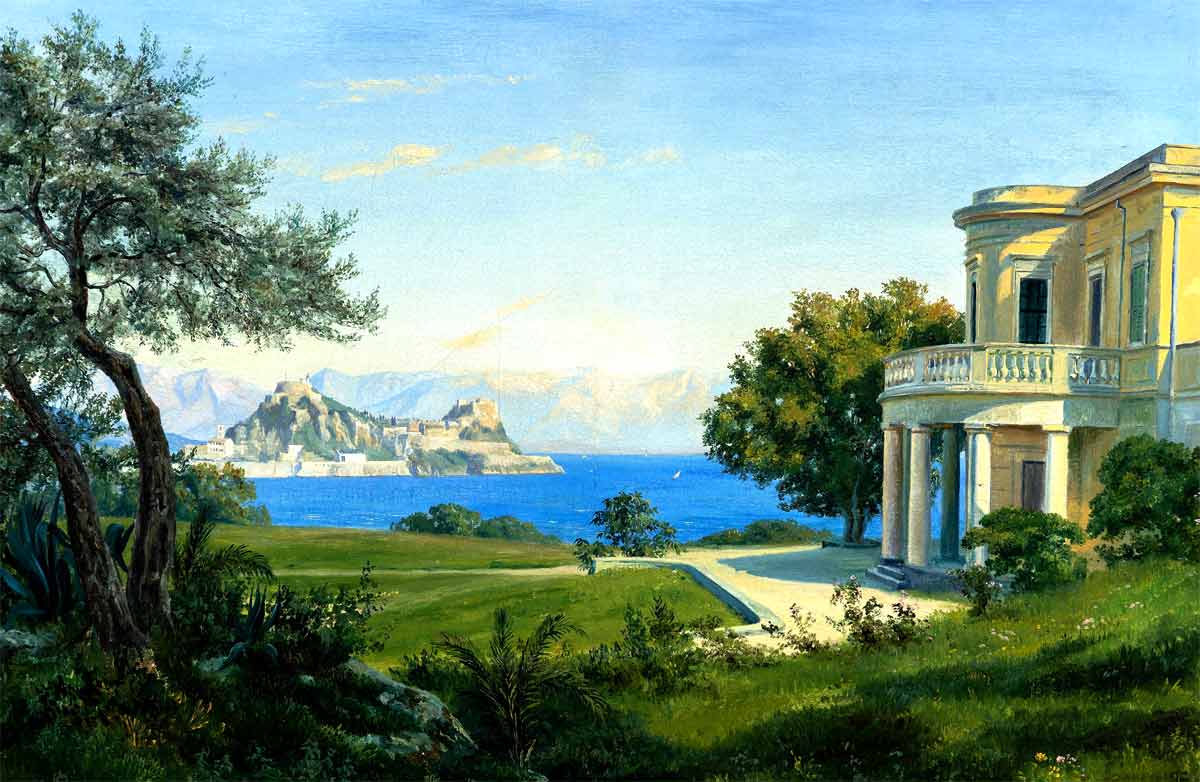
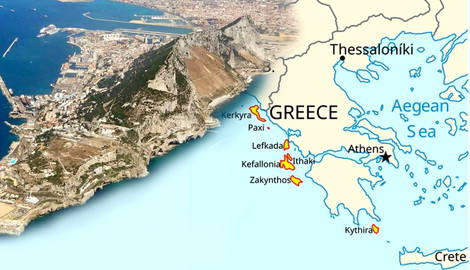
Most of the Ionian Islands sit on the west coast of Greece and east of Italy. Throughout antiquity, they were controlled by the ancient Greeks, and famously, one of the Islands, Ithaca, was the domain of the famous Odysseus from the Iliad and the Odyssey. The Islands were incorporated into the Roman Empire along with Greece. When the empire split in two, the islands became part of the Byzantine Empire.
From the 1400s to 1797, the islands were mostly held by the Republic of Venice. Due to their strong navy and robust trading network, the Venetians were able to save a majority of the islands from sharing the same fate as mainland Greece (that being Ottoman domination). In 1797, Napoleon, while still a general, defeated and dissolved the Venetian Republic, taking control of the Ionian Islands for France. In 1799, Russia and the Ottomans both invaded the islands and expelled the French. The two invading empires created the Septinsular Republic out of the islands, making it the first independent Greek state since the fall of the Byzantines. Although independent with their own constitution, the Septinsular Republic still had to pay tribute to the Ottomans and relied on Russian military protection.
In 1807, the French regained control of the Islands, destroying the Septinsular Republic. This time, France used the islands more strategically against the British navy in the region. In 1809, Britain began attacking and capturing islands. When Napoleon was defeated in 1814, the French stopped resisting the British, and in 1815, at the Congress of Vienna, Britain gained control of the Ionian Islands.
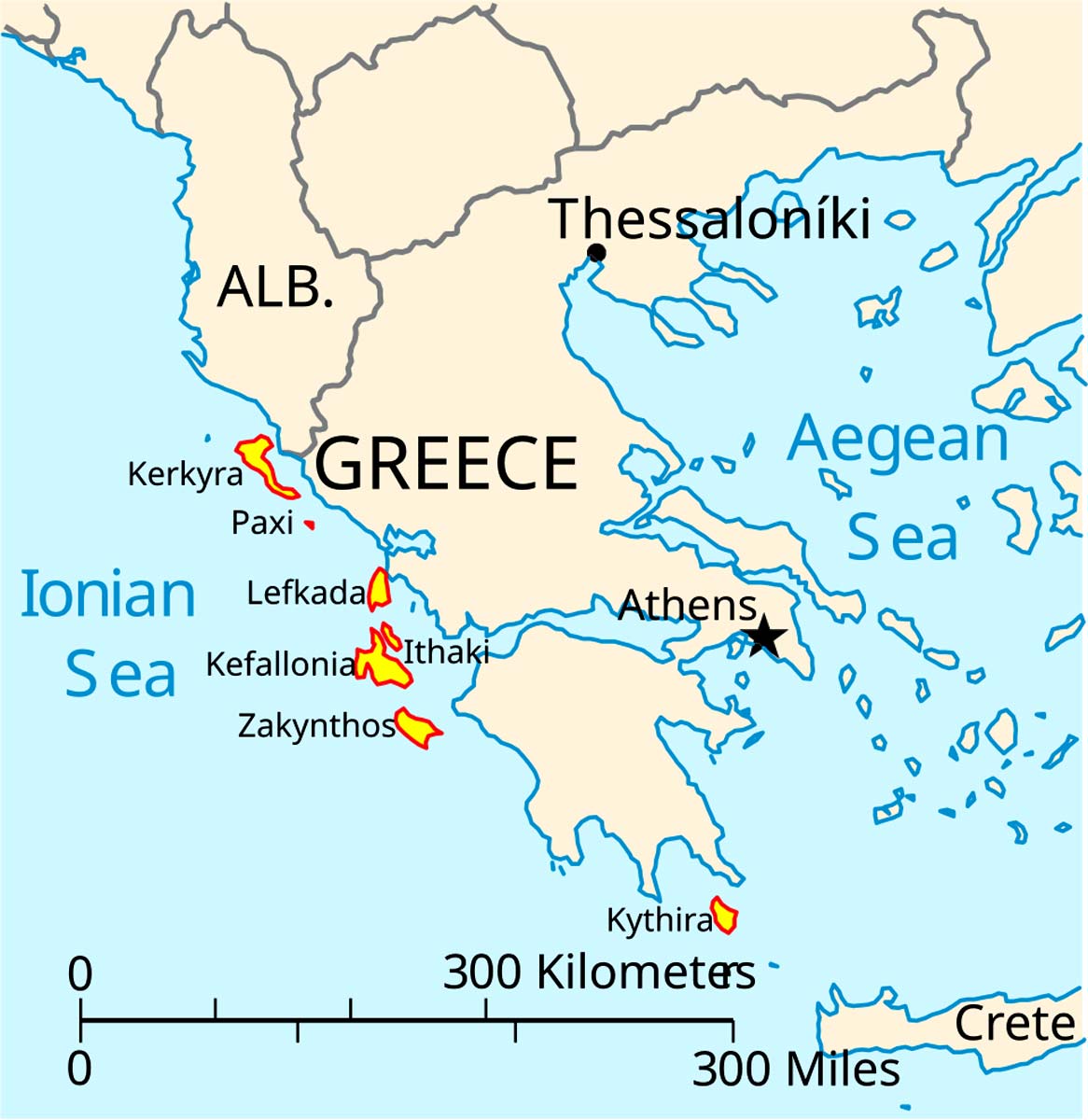
Like the Ottomans and the Russians, the British turned the islands into an “independent” country, the United States of the Ionian Islands. The British protectorate had its own constitution and parliament, but the British High Commissioner effectively held authority over them. Unlike British colonies in South America and South Asia, Britain mainly used the Ionian Islands for naval bases, especially Corfu. This meant Britain generally left the local populace alone, at least compared to their other colonies.
In 1830, with British help, Greece broke free of Ottoman subjugation and won its independence after a nearly decade-long war. Nationalism grew among the islanders as they wished to be reunited with their motherland. Over the decades, protests broke out, and there was friction among the Ionians and the British. To strengthen the Greek monarchy, the British negotiated a peaceful handover of the Ionian islands to the Greeks, and in 1864, they were united into one country and remain so to this day.