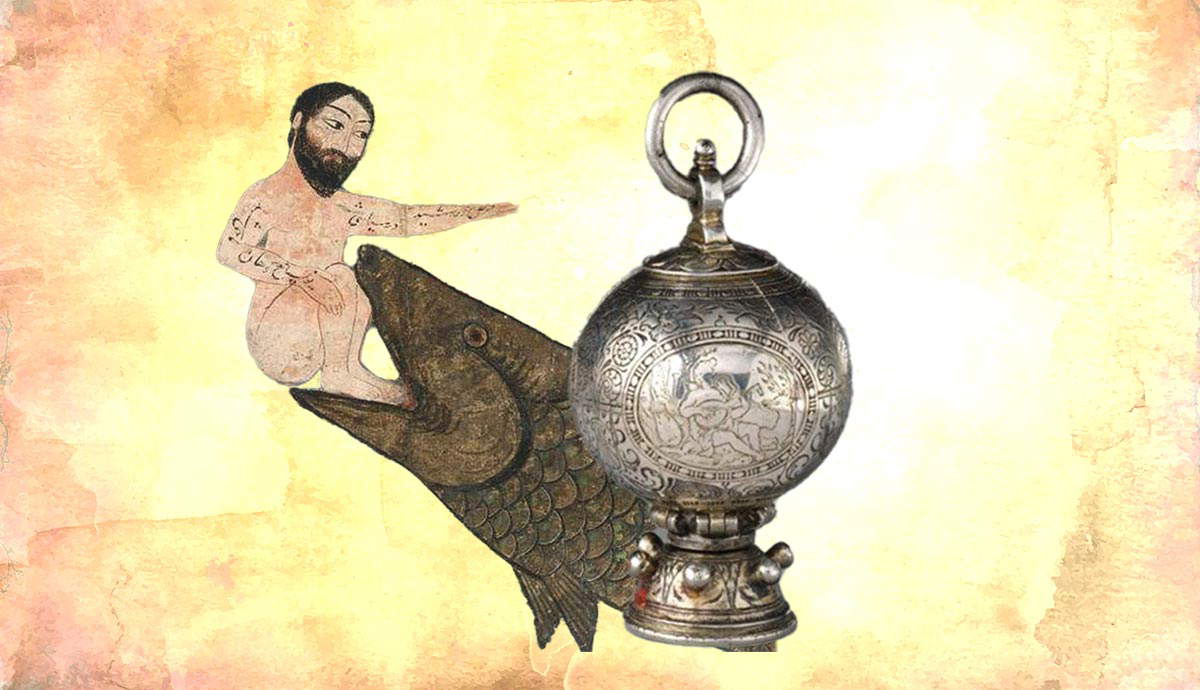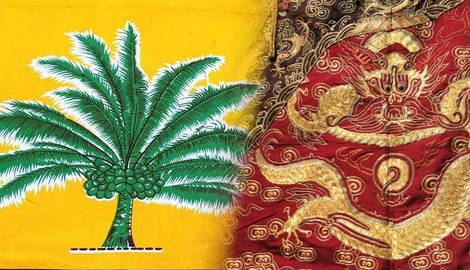

The Swahili were major participants in the circulation of objects in the Indian Ocean trade network. The commodities they provided were part of a network of trade that connected the people of the African interior with the wider Indian Ocean world. Many regions were reliant on African ivory and gold as symbols of their own power and wealth. Simultaneously, objects imported from the Indian Ocean trade were integrated into Swahili culture, sometimes taking on entirely different meanings from their native regions.
Encountering the Swahili
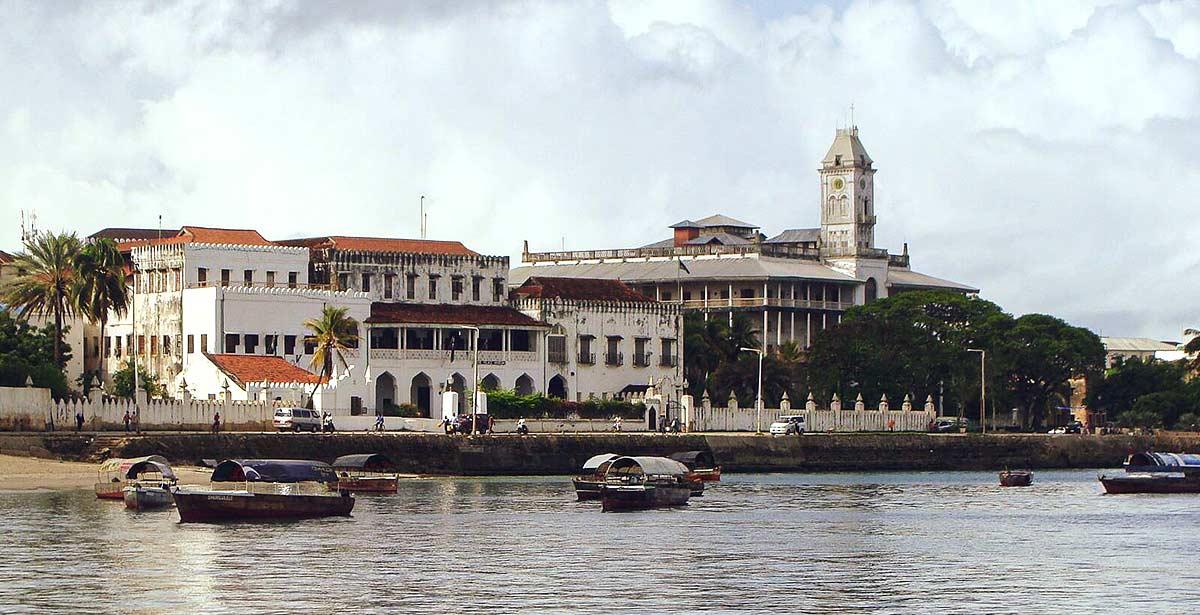
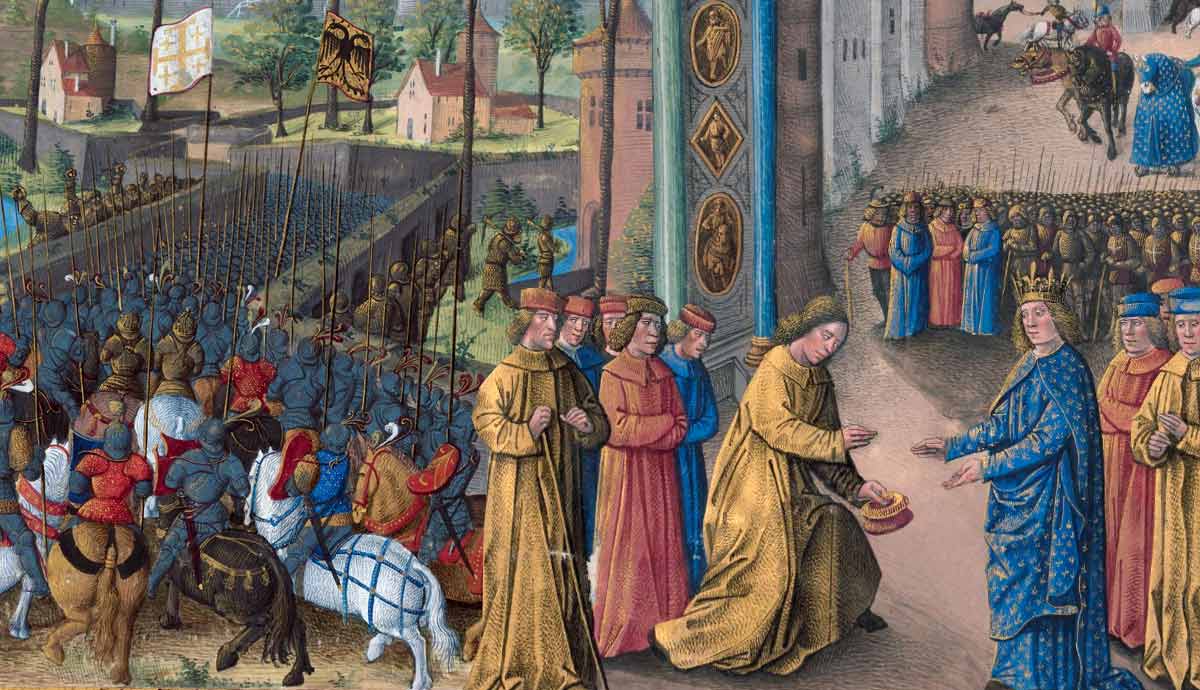
After circling the Cape of Good Hope at the southern tip of Africa, Vasco da Gama’s fleet continued their journey to India by traversing the coast of East Africa, where they had several interactions with its inhabitants. By April 1498, they had reached Melinde, present-day Malindi in Kenya.
Here, Nicolau Coelho, a captain of one of da Gama’s ships, met Melinde’s king and was invited to sit on a stool “worked with gold and inlaid with ivory” with a “cloth of brocade” over it (Stanley, p. 120). The meeting took place with the help of an interpreter speaking Arabic, which the king “could understand and speak” (Stanley, p. 123). Coelho was asked to stay until sunset, and, upon departing, was given “two very fine white cloths, and two colored silk cloths with gold fringes, and a ring with a blue stone very pretty to look at” (Stanley, p. 120).
Why were the Melinde king and interpreter speaking Arabic? How did the king get hold of silk cloth, which at that time was largely produced in China? The “fine white cloths” likely refer to cotton, a major product of India, which was the dominant exporter of textiles across the Indian Ocean network.
The answer to these questions lies in the trading relationships of the various city-states in East Africa that made up the Swahili world. This world served as an important pillar in the circulation of objects and people throughout the Indian Ocean for centuries, long before da Gama landed on their shores.
Who Are the Swahili?
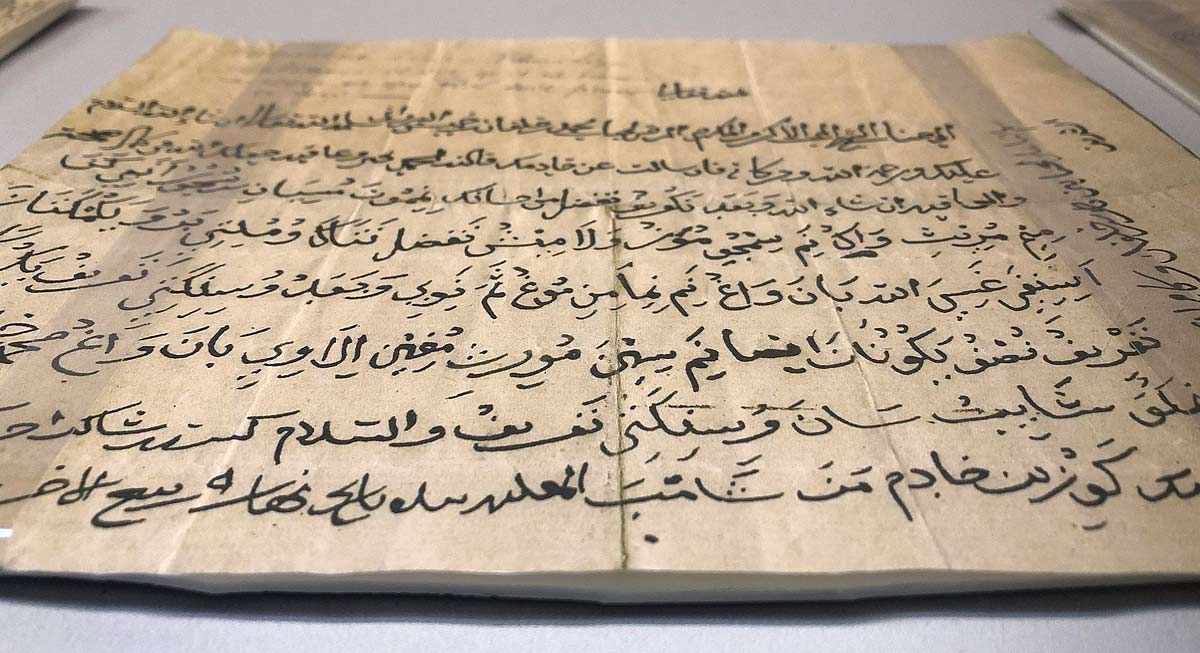
The Swahili world includes the long strip of East African land stretching from Mogadishu in Somalia to Sofala in Mozambique, covering over 1,800 miles (2,900 kilometers). Visitors to coastal East Africa long perceived the Swahili as diasporic Muslim Arab merchants. This was due to their adherence to Islamic customs and practice, stone homes and mosques constructed with coral from the ocean, sprawling urban towns, and the presence of high-valued commodities such as porcelain, objects made from silver, and cloth. The Swahili world, however, began further inland.
Inland Bantu speakers began migrating to the coasts in the late first millennium BC to pursue economic and trading opportunities with Mediterranean and Indian Ocean merchants (LaViolette, p. 29). Swahili is a derivative of the Arabic words sawāhil, meaning “coasts” or “shores.” This name implies that coastal East African regions were already settled when Muslim Arabian merchants arrived after the 7th century.
The trading posts of the region would only expand and strengthen after the adoption of Islam and intermarriage with Arabian settlers, who were well-connected traders in both Indian Ocean and Mediterranean worlds. It is important to note, however, that the Swahili world was also full of fishermen, farmers, and metalworkers, who together made up its socio-economic fabric.
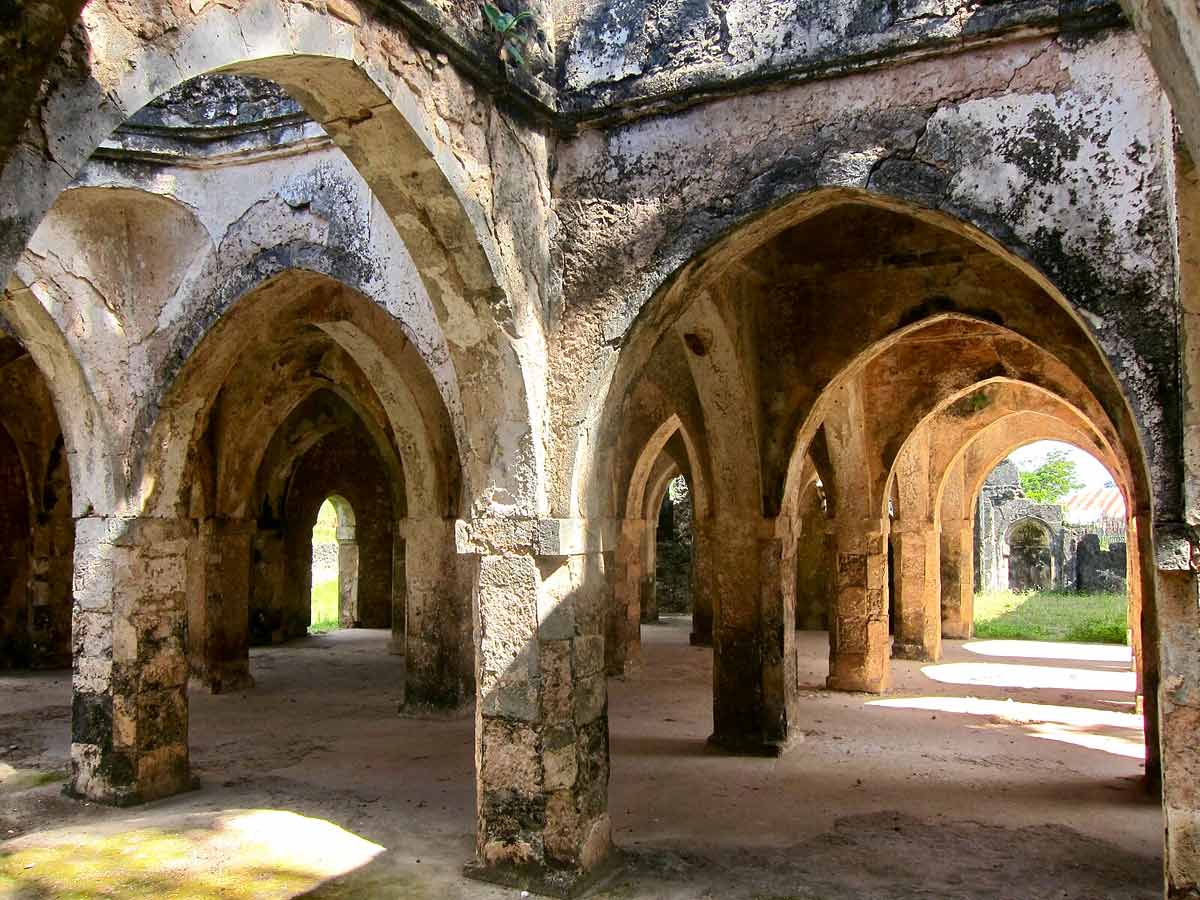
Their language, Kiswahili, unlike other Bantu languages, was not tonal. African linguist John Mugane argues this was to make it easier for non-native speakers to learn. This was advantageous to foreign merchants, who needed to speak Kiswahili to trade with them. Kiswahili was also a “living language”—words that did not previously exist would be borrowed from other languages. A large portion of Kiswahili loan words are from Arabic—this could explain why the Melinde king “could understand and speak” Arabic in the aforementioned account. However, Kiswahili also has borrowed words from Hindi, Portuguese, and English.
Exports: Ivory, Gold, Slaves
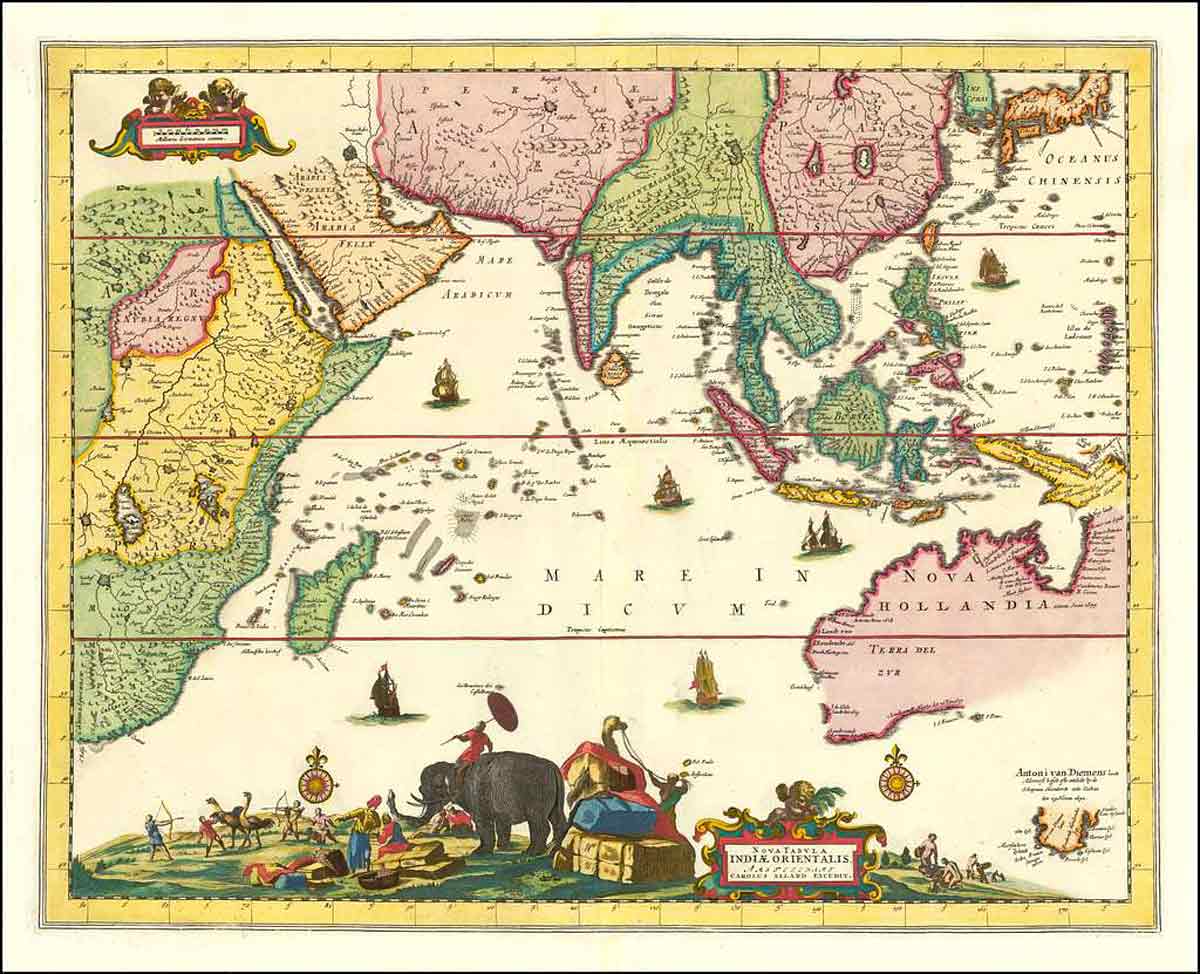
The trade that took place on the Indian Ocean created what is often referred to as the “maritime Silk Road,” a string of port cities and trade routes expanding from East Africa and the Persian Gulf all the way to Canton (Guangzhou) in China. Participation in the extensive Indian Ocean trade networks supplied the Indian Ocean world with African objects and in turn the Swahili world with a plethora of foreign treasures. The objects supplied by Swahili merchants were also representative of an interregional system of extraction and trade, which was reliant on the population further inland.
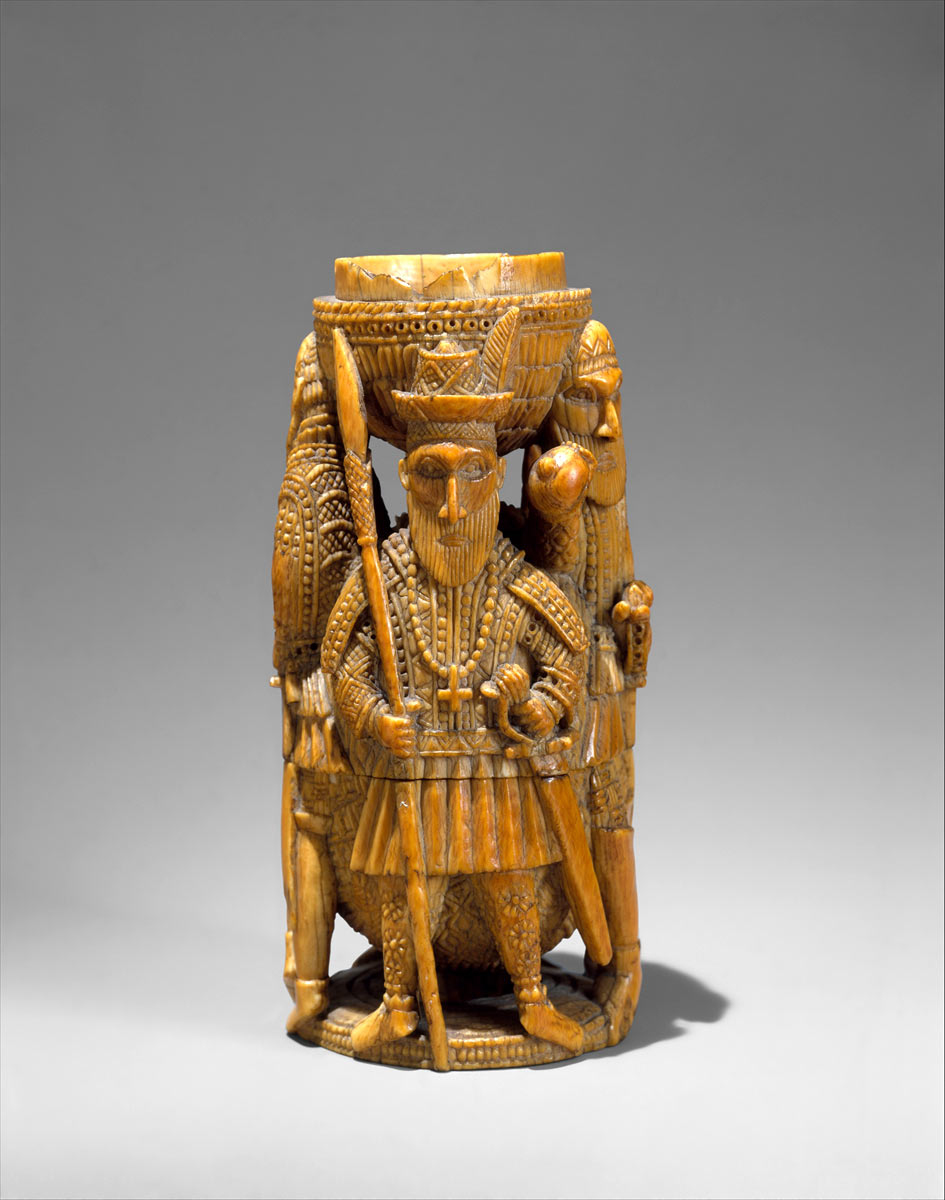
Ivory, along with gold, was the main export of East Africa (Pearson, p. 48). Ivory was used to make religious, political and spiritual objects across the mosaic of Indian Ocean cultures, making it a highly valuable trade commodity. Elephants are located throughout the Asian continent, in areas such as present-day India and even China. However, ivory from the elephants in East Africa was the most sought-after since it was softer and more malleable.
For East African ivory to be traded along the Indian Ocean “highway” (Vink, p. 45), it first needed to arrive at Swahili ports through an extensive interregional trade network linking the coasts to the hinterland. In a case study of ivory from the Zimbabwean Plateau, Michael Pearson, a scholar of Indian Ocean studies, illustrates how ivory from this region was a by-product of elephant hunting for sustenance; the elephants were not hunted for ivory extraction.
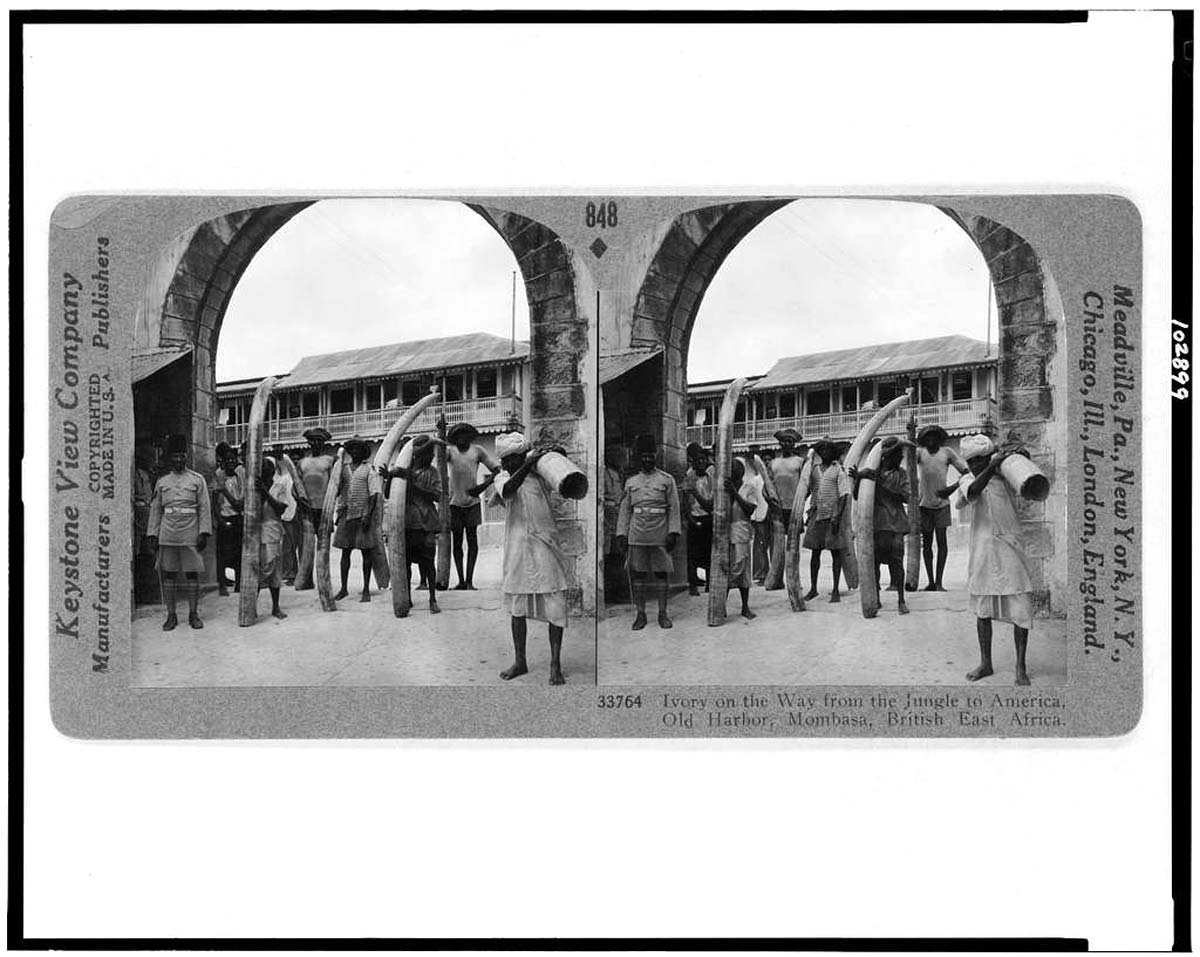
The ivory would then be brought to Sofala in present-day Mozambique, an important trading post on the Swahili coast. However, as Sofala was far down the coast, ivory would also be brought to the northern Swahili port cities such as Kilwa in present-day Tanzania. It is possible that the seat decorated with ivory from the above story of the Melinde king was brought to Melinde via this regional trade network.
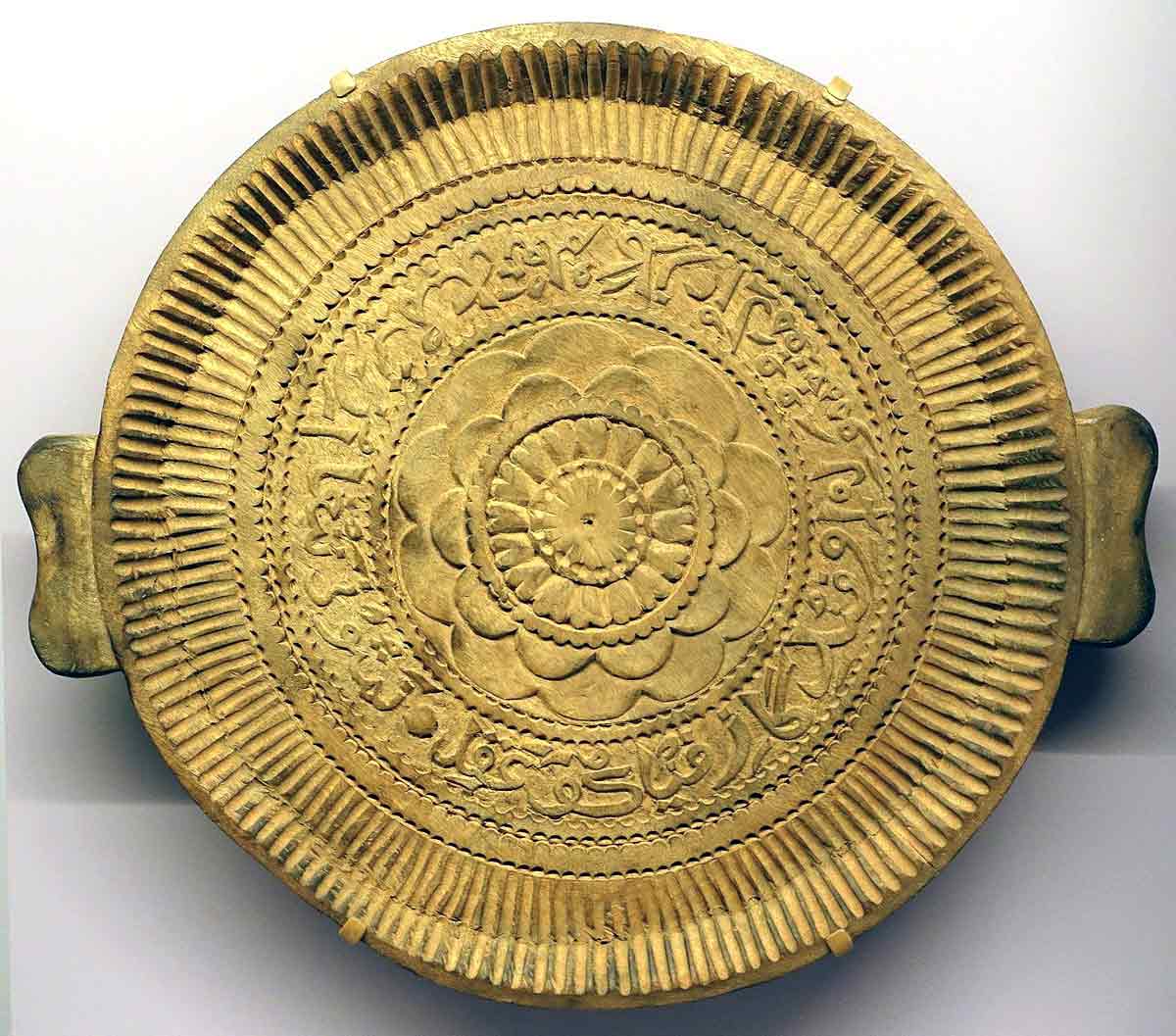
Gold, another highly valued commodity, was abundant in certain regions of Africa. Much like ivory, this was a product brought to coastal East African cities through a network of interregional trade routes. In his description of the same Zimbabwe Plateau region mentioned above, Pearson illustrates how the extraction of gold by “Shona-speaking peoples” was not a habitual part of the economy, but in fact a past-time activity reserved for when the necessity of cloth and beads arose (Pearson, p. 103).
Gold would be carried north to Swahili merchants along a similar route, whence it would be traded throughout the Indian Ocean. African gold would be used as currency, for architectural decoration, or for objects with a religious or political purpose throughout Indian Ocean societies.
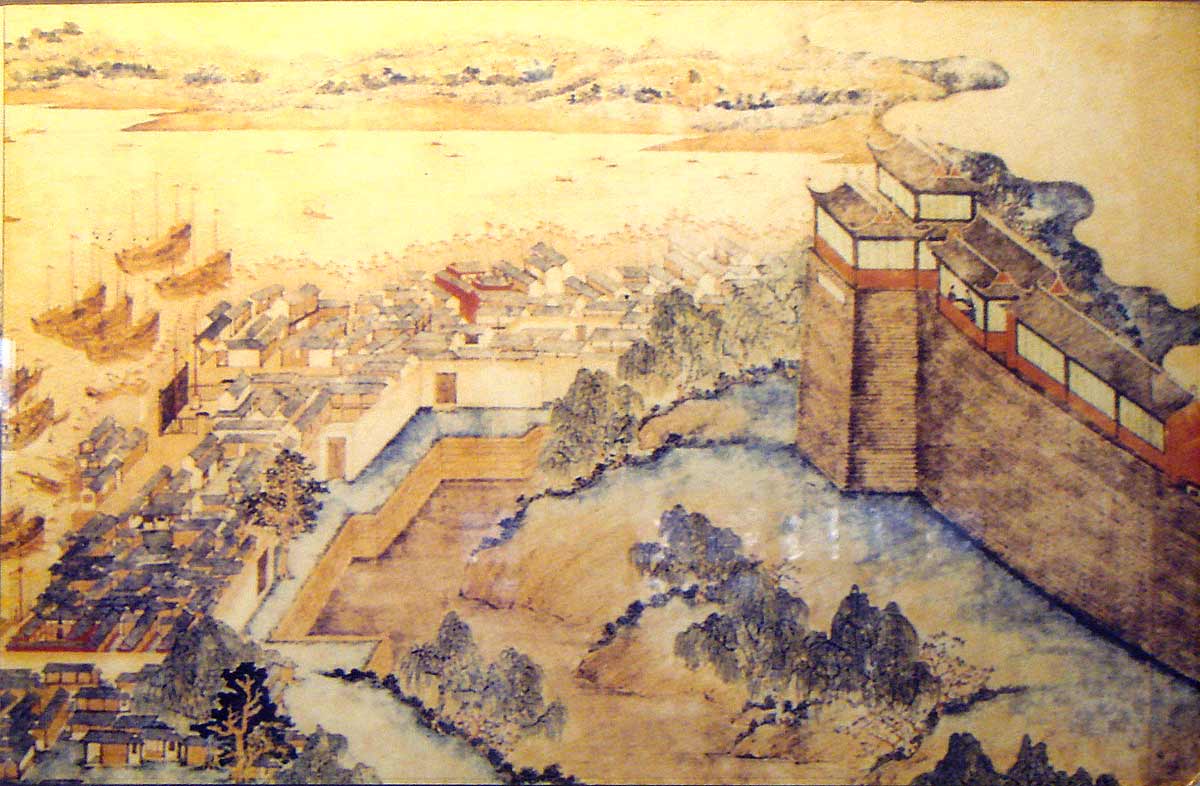
Trade in the Indian Ocean also involved human trafficking. People of many ethnicities were enslaved— however, at Swahili coastal cities, they were typically individuals captured from the hinterland and brought to the ports. From the port cities, they would be brought to Arabia or the Persian Gulf for farm labor or domestic life as servants or concubines, a practice that continued through the widespread adoption of Islam beginning in the 7th century. In fact, the “Islamic harem system […] was inconceivable without eunuchs and black servants” (Wyatt, p. 87). Enslaved Africans were even sold as far as China as early as the 11th century.
Premodern Chinese records mention the presence of kunlun—although the original meaning of this term was applied to people hailing from the Kunlun Mountains, by 300 AD, it was used in China to refer to people with dark complexions (Wyatt, p. 29). Although Wyatt suggests this was most likely referring to people from Malay (Wyatt, 44), by the 11th century this term was also used to describe Africans who were brought on Arab merchant ships calling in the southern port cities of China. In an account of the ports in Guangzhou during the Song Dynasty (960 to 1279 AD), Zhu Yu describes ‘foreign slaves’ working on the docked merchant ships with skin “black as ink” (Wyatt, p. 66).
Imports: Ceramics, Cotton, Silk
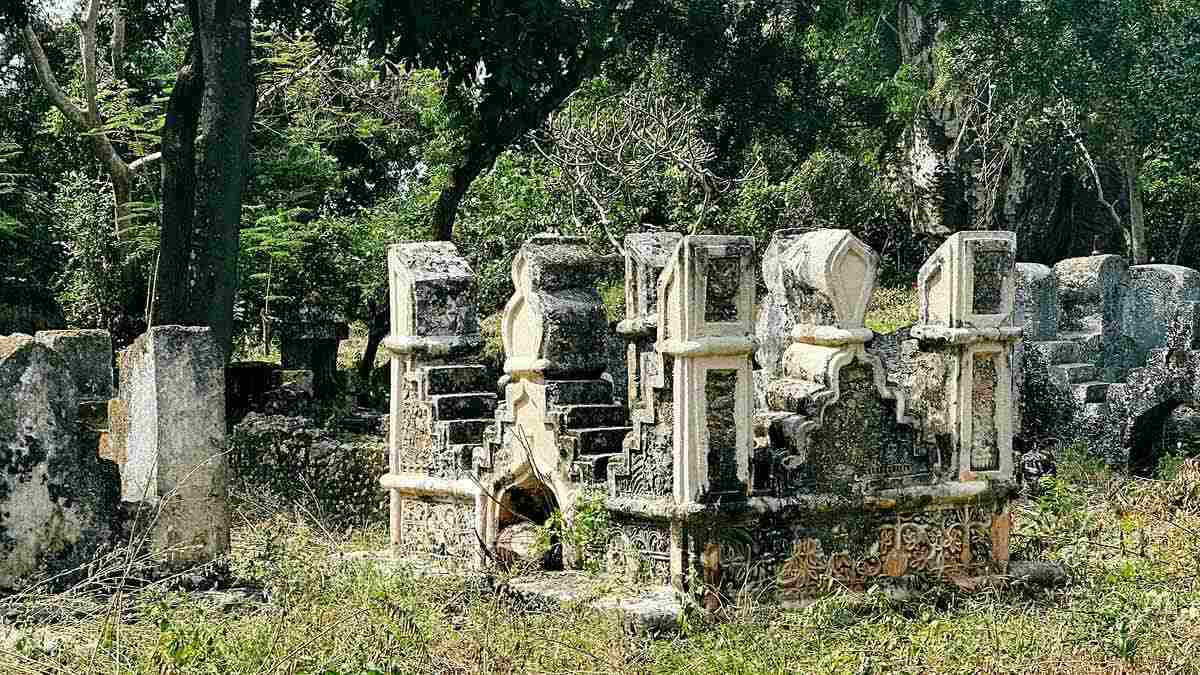
The Swahili were also importers of objects that circulated in this trade network. One such object was that of ceramics, especially those which originated in China. East Africa, in fact, was the final destination of many Chinese ceramics (Bing, p. 72), which began arriving as early as the 9th century. Around this time, Muslim merchants began establishing their own communities in Chinese ports, which allowed the producers of Chinese ceramics to cater to the tastes of their consumers across the Indian Ocean.
Chinese ceramics were embedded into the architecture of the Swahili world. In Swahili stone houses for elites, porcelain was displayed in zidaka, a Swahili interpretation of the Islamic mihrab, a niche in mosques pointing towards the direction of Mecca. That is because they perceived porcelain as having a purifying quality and protecting against evil eye. Thus, its presence would purify the space, which was reserved for Swahili women (Wynne-Jones, p. 41).

Ceramic bowls from China would also be present at feasts, social events that served as the backdrop for the negotiation of political alliances and trade relationships. They were not simply decorative—these exotic objects signified the owner’s connection with the Indian Ocean trade networks, and thus, their power. Chinese porcelain was also common fixtures in Swahili tombs, they would either be put on display or physically embedded into the fabric of tomb architecture. This served both to protect these spaces from evil eye and as reminders of the deceased and their family’s power.
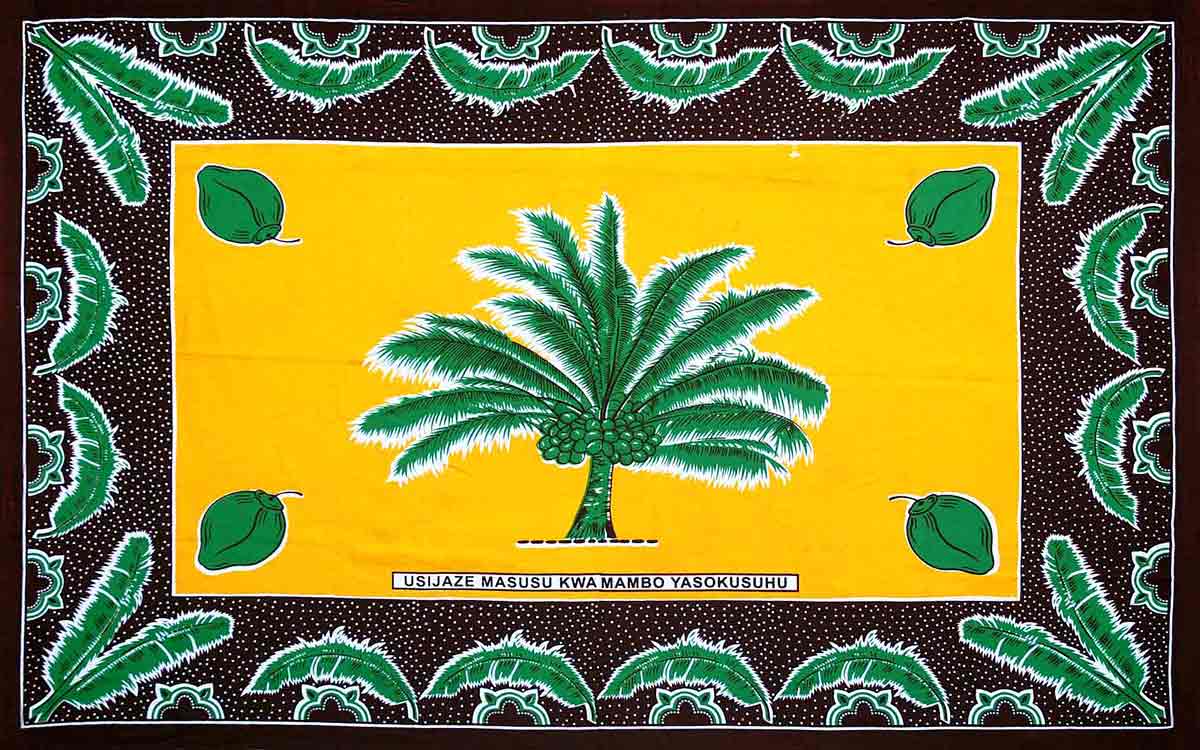
The Swahili were also major consumers of cotton cloth, which was largely produced in the Gujarati and Coromandel provinces of present-day India, which was brought to the Swahili world by Gujarati or Arab traders. Cotton cloth was in fact one of the products that stimulated trade in the interior—in the context of the Zimbabwean Plateau, cotton cloth was needed to withstand the cool temperatures of the African interior, and they lacked their own form of cloth (Pearson, p. 101). Cotton cloth brought to the coasts would thus be exchanged for the ivory and gold supplied by this region.
By the 19th century, the United States replaced India as the primary supplier of cotton for the Swahili. Arriving bleached white, the cloth would be brightly colored and designed in a fashion that combined Indonesian batik, European-printed handkerchiefs, and East African designs (Ryan, p. 101). These colorful garments are known as kanga and are still a staple of contemporary Swahili fashion, worn primarily by Swahili women.
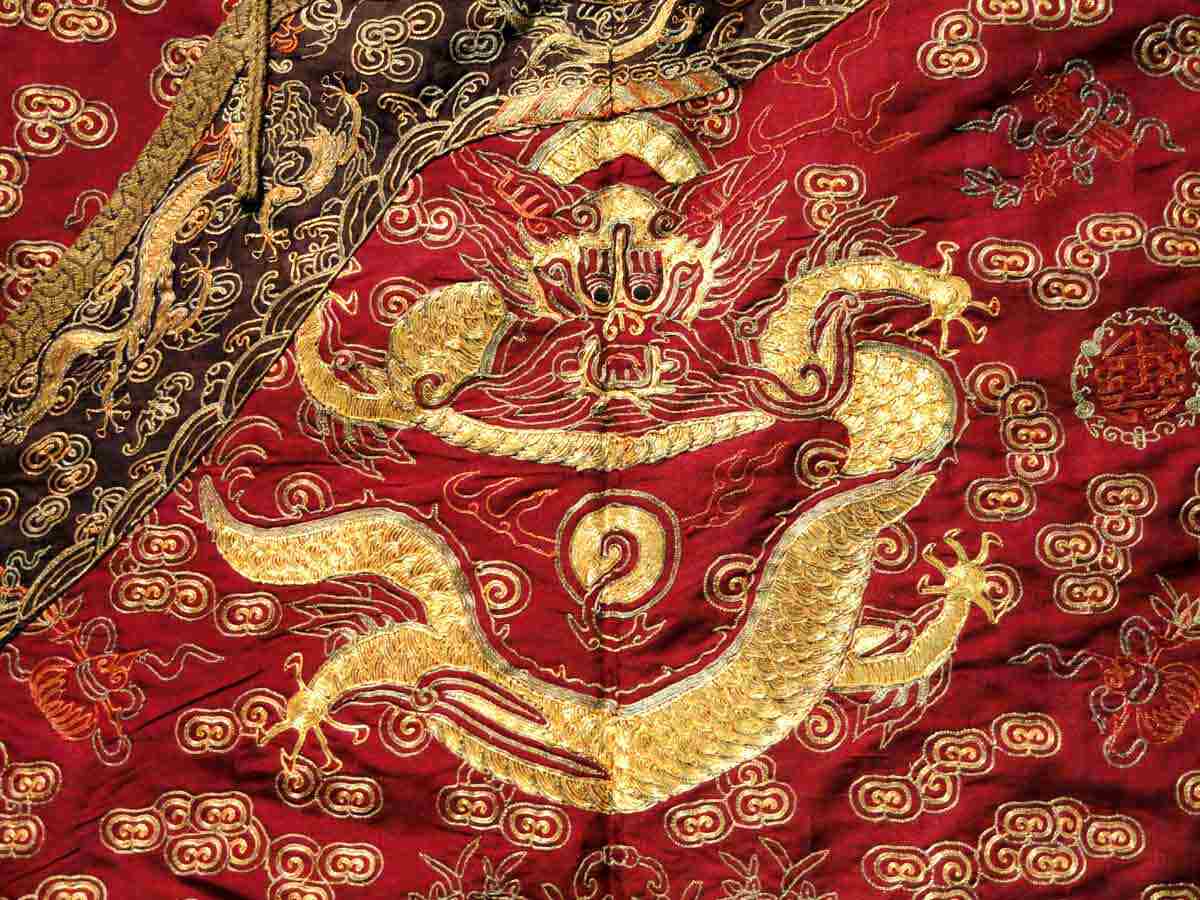
The above account of the meeting between the Melinde king and Coelho mentions the Portuguese captain being gifted “two colored silk cloths with gold fringes” (Stanley, 120). Silk production originated in China, which, along with parts of India, was one of the only places in the world the silkworm was native to. China developed a sophisticated system of silk worm farming and production as early as the 4th millennium BC, which expanded outwards to surrounding regions such as Japan and Southeast Asia. Silk cloth, like cotton, was an import from the larger Indian Ocean trade network, a fact that would have been implied with the gifting of this object from the Melinde king to Coelho.
Sources
- Bing, Zhao. Luxury and Power: The fascination with Chinese Ceramics in Medieval Swahili Material Culture Orientations, Hong Kong, 2013, 44 (3), 71-78.
- Bing, Zhao. “Chinese-Style Ceramics in East Africa from the 9th to 16th Century: A Case of Changing Value and Symbols in the Multi-Partner Global Trade.” Afriques 6, no. 6 (2015).
- Corrêa, Gaspar, and Baron Stanley, Henry Edward John Stanley. The Three Voyages of Vasco Da Gama, and His Viceroyalty: From the Lendas Da India of Gaspar Correa ; Accompanied by Original Documents. United Kingdom, Hakluyt Society, 1869.
- Pearson, Michael N. Port Cities and Intruders: The Swahili Coast, India, and Portugal in the Early Modern Era. Johns Hopkins University Press, 1998.
- Ryan, M. M. (2017). A Decade of Design: The Global Invention of the Kanga, 1876–1886. Textile History, 48(1), 101–132. https://doi.org/10.1080/00404969.2017.1294815
- Vink, Markus P.M. Indian Ocean Studies and the ‘New Thalassology’ (2007)
- Wynne-Jones, Stephanie. A Material Culture: Consumption And Materiality On The Coast Of Precolonial East Africa. Oxford: Oxford University Press, 2020.