
Ambergris is a natural substance that has enchanted civilizations around the world for centuries. Both its rarity and the mystery shrouding its existence only added to its value as a perfume, medicine, and substance capable of magic. Although today ambergris is most commonly associated with perfumes, it has also been used variously throughout human history as a medicine, a cooking ingredient, and in religious practice. However, to begin to talk about the origins of ambergris, one must begin with the whale, its unwilling producer.
Inglorious Bowels
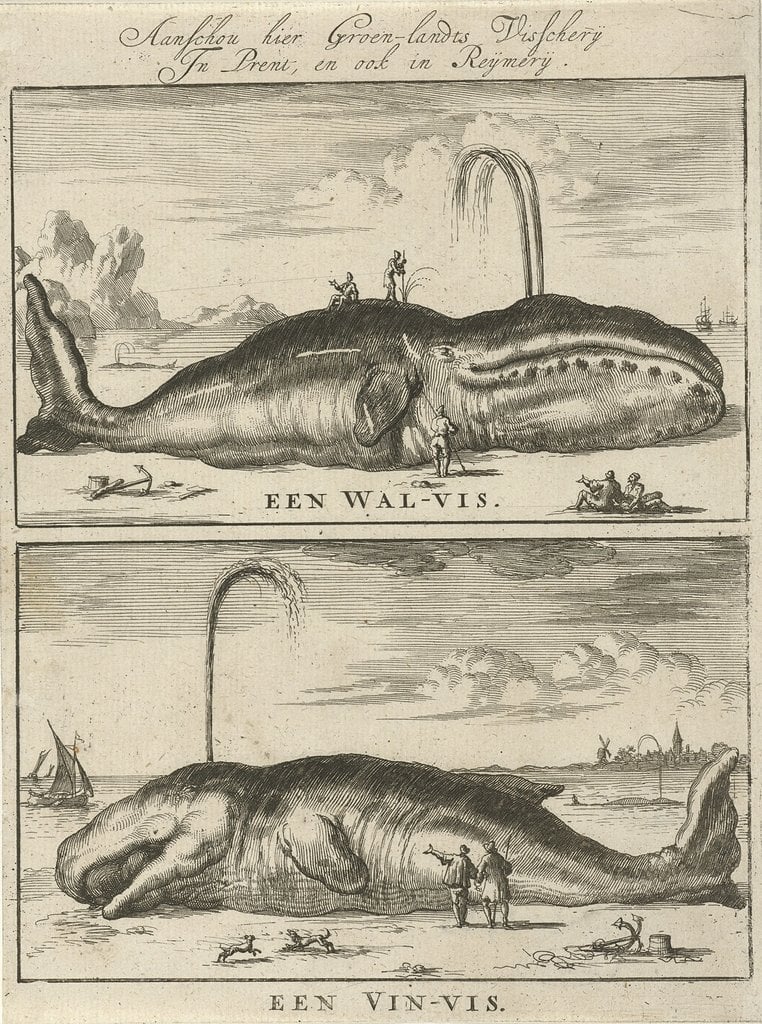
The question of how ambergris is produced continues to plague researchers. That ambergris is a natural anomaly adds to the rarity, scarcity, and lore surrounding this natural substance. Additionally, that strangeness helps explain why ambergris was, and still is, so highly valued. What researchers have gathered is that ambergris is produced only by sperm whales, who consume sea creatures such as squids, whose beaks and eyelids their stomachs can’t digest. In a normal whale, the hard-to-digest parts are spit back out after eating. However, in the rarest of cases, these parts of the squid get stuck and eventually settle in the whale’s backside.
As one theory goes, the whale creates a black hardened mass internally to cover the stuck pieces, ensuring the flow of bowel movements. This hardened mass is what will become ambergris. In some cases, the beaks remain stuck, so that ambergris is seen with them protruding from its surface. This led people to believe that it was a substance produced by birds, or at least, in relation to birds.
The mass continues to grow within the whale’s backside until, over time, it becomes so distended that it ruptures, simultaneously ending the whale’s life and releasing ambergris into the sea (Clarke, p. 18). Herman Melville mentions this process in the famous novel Moby Dick, when Ishmael expresses with disgust that “such fine ladies and gentlemen should regale themselves with an essence found in the inglorious bowels of a sick whale!”
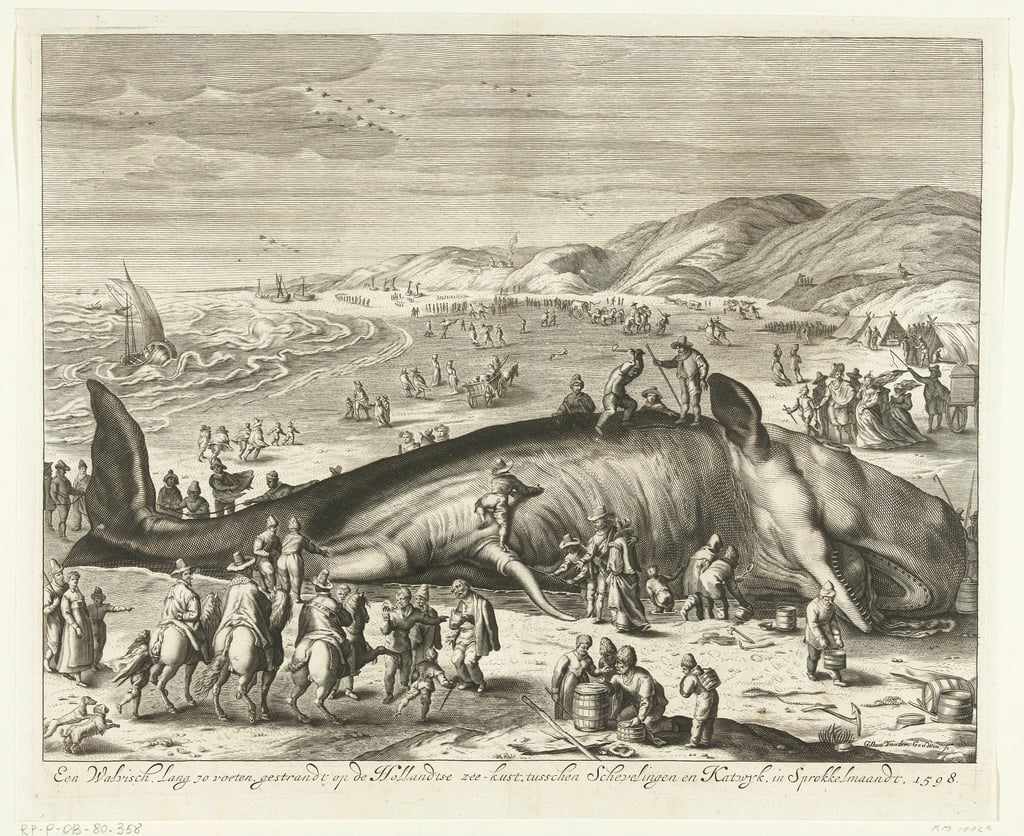
Over time, the black outer shell sheds away, revealing a charcoal-gray center that can become bleached by the sun. This gray color endows the substance with its name, as ‘ambergris’ is French for ‘gray amber.’ However, the French weren’t the first to label this substance as such. In fact, it is likely that ambergris could be derived from the Arabic anbar, or ‘amber.’ Yet the etymology for ambergris is tricky because anbar was also used in Greek and Middle Persian.
When it’s initially ejected from the body, and as long as it has an inky-black color, ambergris has a feces-like smell. It’s only when ambergris matures and lightens that it acquires its unique scent. This has been described as embodying the smell of old wood in churches, the scent of tobacco, sandalwood, and that of the tides and the sun, all combined (Clarke, p. 10).
Mystery Origins and Ambergris Lore
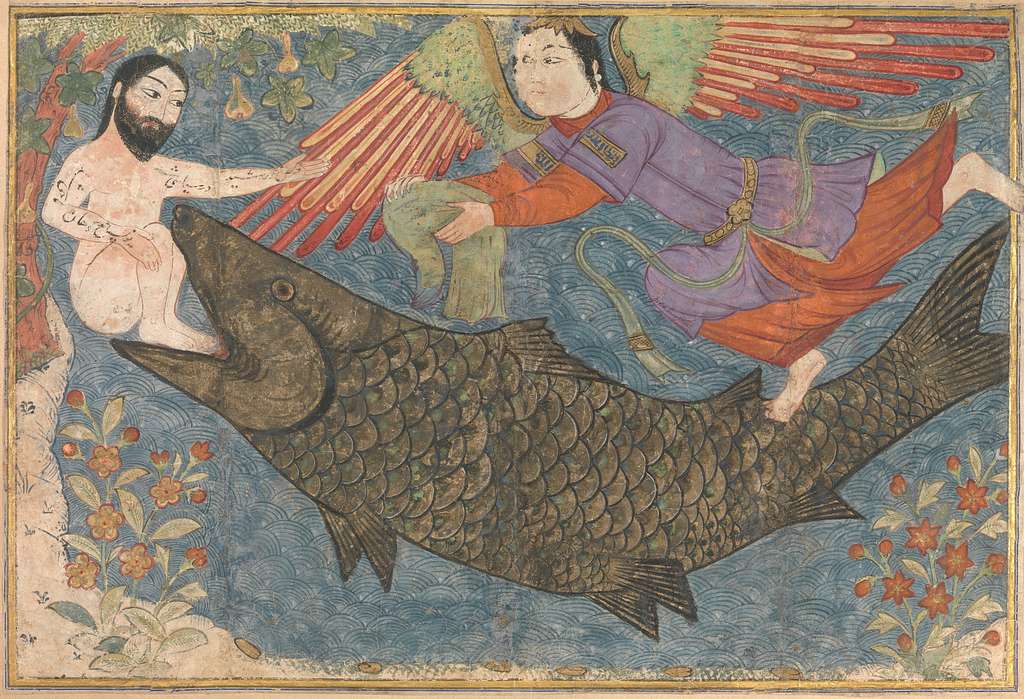
Although developments in technology and science gave a clearer understanding of how ambergris is produced, what exactly ambergris was and how it was created mystified the cultures and people that used it for centuries. Notably, ambergris would typically be found floating at sea or washed up onto a shore’s surface, its carrier ten thousand leagues under the sea. Mystery was a factor that shaped how this substance was perceived to be created.
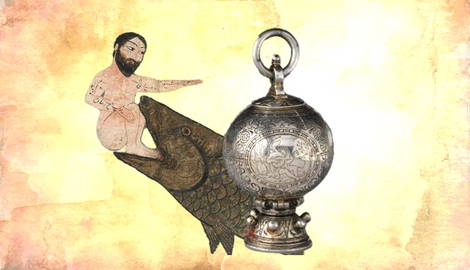
In some cases, the sea played a role in attempts to put a finger down on ambergris’ origins. The 10th century merchant al-Masudi of Baghdad remarked that anbar was a round substance that grew at the bottom of the sea. When the sea became angry, it would eject them to the ocean’s surface, which would become swallowed by birds. Birds would then choke on the anbar, which would float to the sea’s surface (Srinivasan, p. 309). In Chinese texts, ambergris is described as ‘dragon’s saliva perfume,’ because they believed it was vomited by dragons in the South Seas during springtime (Srinivasan, p. 311).
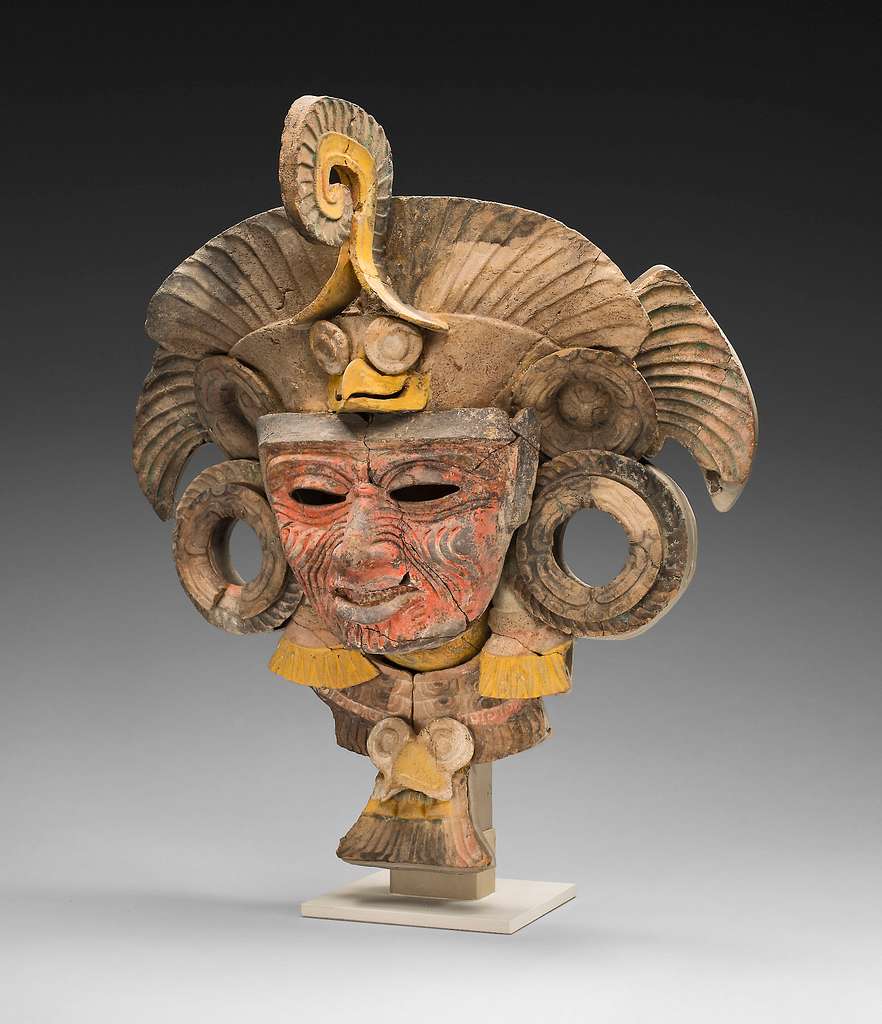
In other cases, ambergris was associated with origins that were entirely separate from the sea, supplementing birds as the natural producer. This could have been due to the fact that ambergris was found on beaches, or even had beaks protruding from its surface, as mentioned previously. Duarte Barbosa, a 16th century Portuguese navigator, was told by people in the Maldives that ambergris was indeed bird droppings. This theory stuck, and was even depicted in the Ambræ Historiam by Justus Fidus Klobius, a 1666 book intended to depict a comprehensive list of theories surrounding the origins of ambergris, which were still not fully understood at that time.
Ambergris Remedies
Ambergris wasn’t always renowned for its scent. In fact, some of its earliest uses involved healing and medicine. In China, ambergris was used to treat respiratory illnesses, such as asthma, or other cardiac pain (Read, p. 481). During the Han Dynasty (206 BC–220 AD), ambergris was made into pills that were known as the “elixir of life,” perceived to give immortality to its user (Read, p. 482). In the Ayurvedic system of medicine in South Asia, ambergris, or agnijar in Sanskrit, was listed as a way to treat cases of heart diseases, fever, and even diabetes (Soni, p. 405).
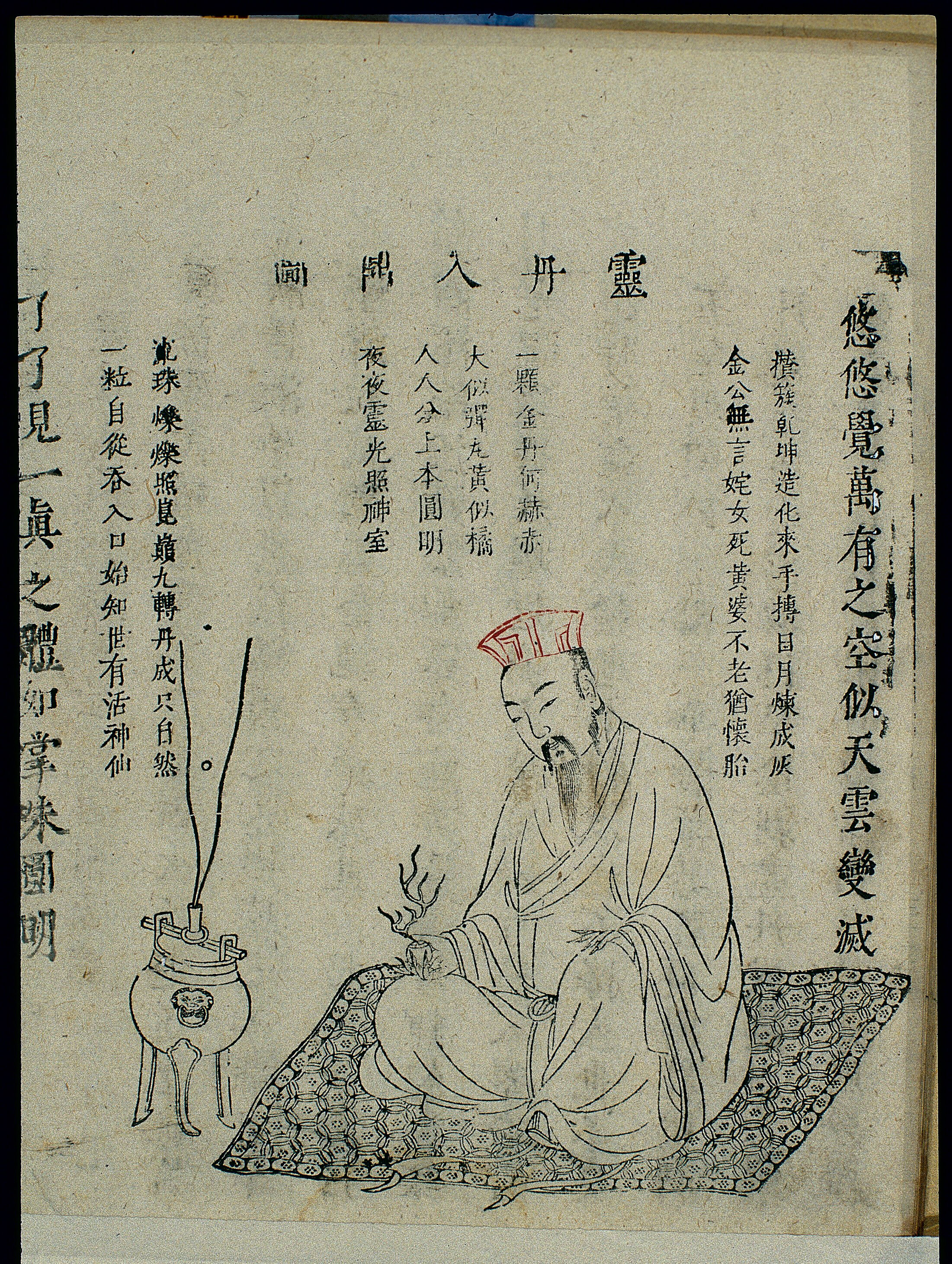
Ambergris was even mentioned by the famous Greek physician Dioscorides in c. 50–70 AD. In his De Materia Medica, which listed different natural substances used in medicines, he includes ambergris, despite being a specialist in botany. Although no specific treatment is mentioned, the fact it was included speaks to the level of importance ambergris had as an ingredient within medicine. Ambergris has also been mentioned in various Chinese, Ayurvedic, and Islamic texts as an aphrodisiac.
Protecting Against Evil and Plague
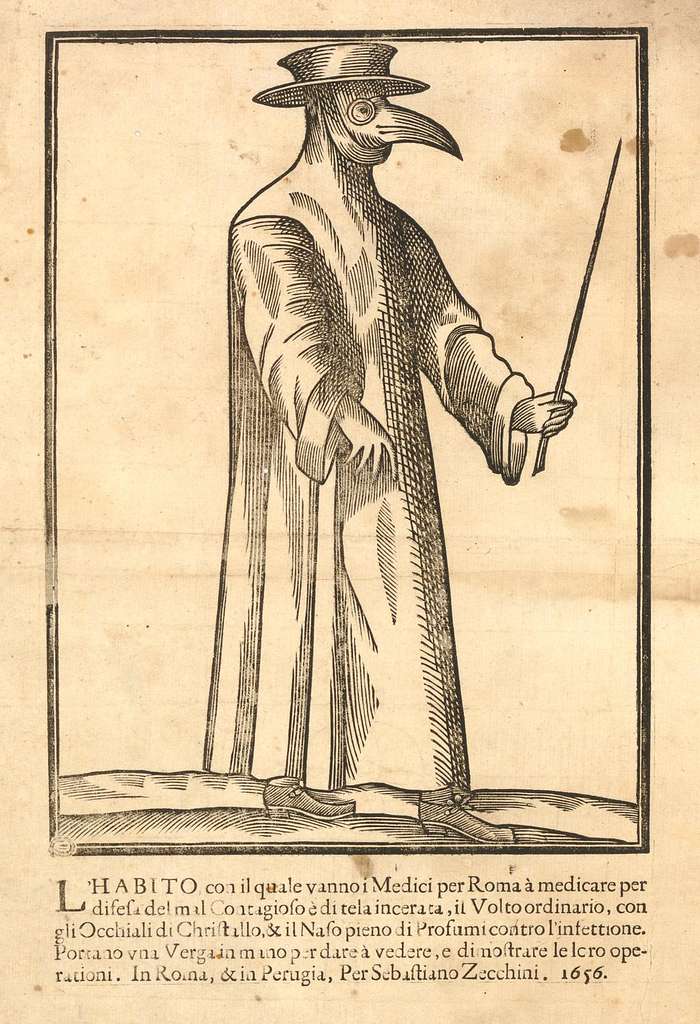
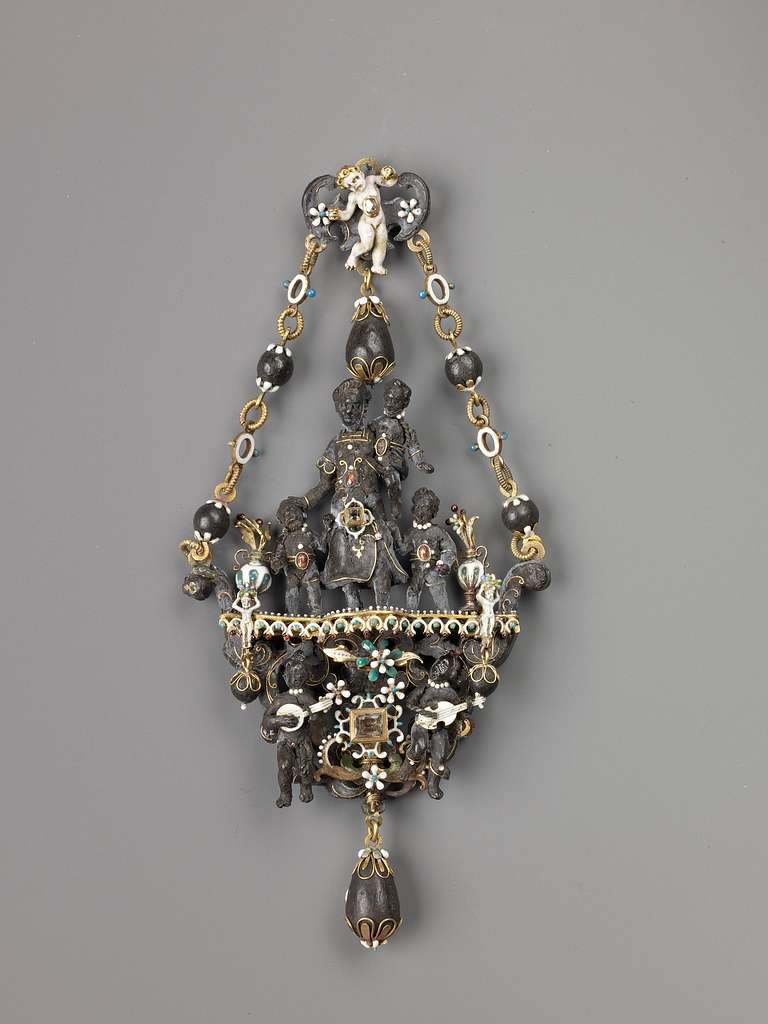
In addition to being used to treat physical ailments, ambergris was also perceived as capable of protecting, or eliminating, negative spirits and dark energy. Ancient Egyptians burned ambergris not just for its fragrance, but as part of the belief that doing so would help ward off evil spirits. This is because the sweet smell it released when burned averted negative energy. This was incorporated into plague treatments used by doctors in Medieval Europe. Doctors carried burning ambergris in small balls worn around their necks, called pomanders, under the belief that it would ward off the plague. Ambergris was also combined with flowers and herbs and within plague masks for this same purpose.
A Scent for Kings
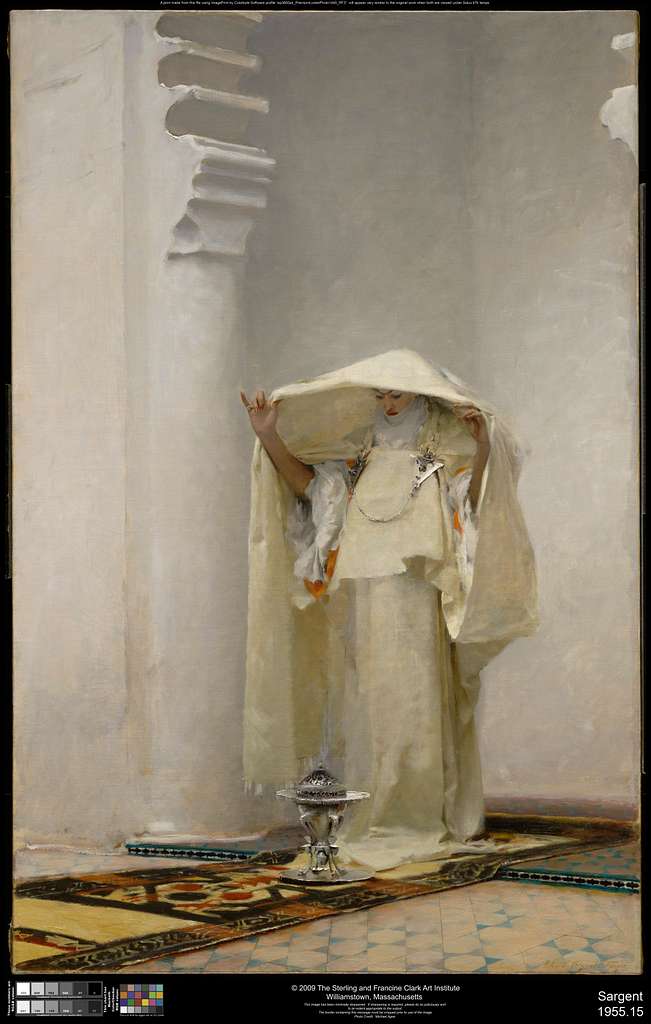
An exact time period for the discovery of ambergris as a scent is difficult to pin down, as it was found across the Indian Ocean near Indonesia, India, and the Persian Gulf and has a recorded history that spans many centuries. Perhaps one of the earliest examples is in Ancient Egypt, where scent was a highly-prized aspect of society. Perfumes and incense were simultaneously believed to be a gift from the gods and a way of honoring them. Ancient Egyptians had a complex system of perfume production to create scented oils that were used on earth and to accompany people to the afterlife. Seeing as ambergris was used as an incense, one can assume ambergris was also used in Ancient Egyptian perfume formulas.
During the Sassanian Empire, which ruled present-day Iran and Iraq between 224 and 651 AD, ambergris was often mixed with musk and worn by kings and other royalty (King, p. 180). The rarity of ambergris and the fact that it was hard to come by added to its allure and exclusivity to those who could get their hands on it. However, through the rise of Islam in the Arabian Peninsula during the 7th-10th centuries, which then spread across the Indian Ocean, scent became a crucial part of the faith, and scents such as ambergris became sacralized.
Sacralization of Scent
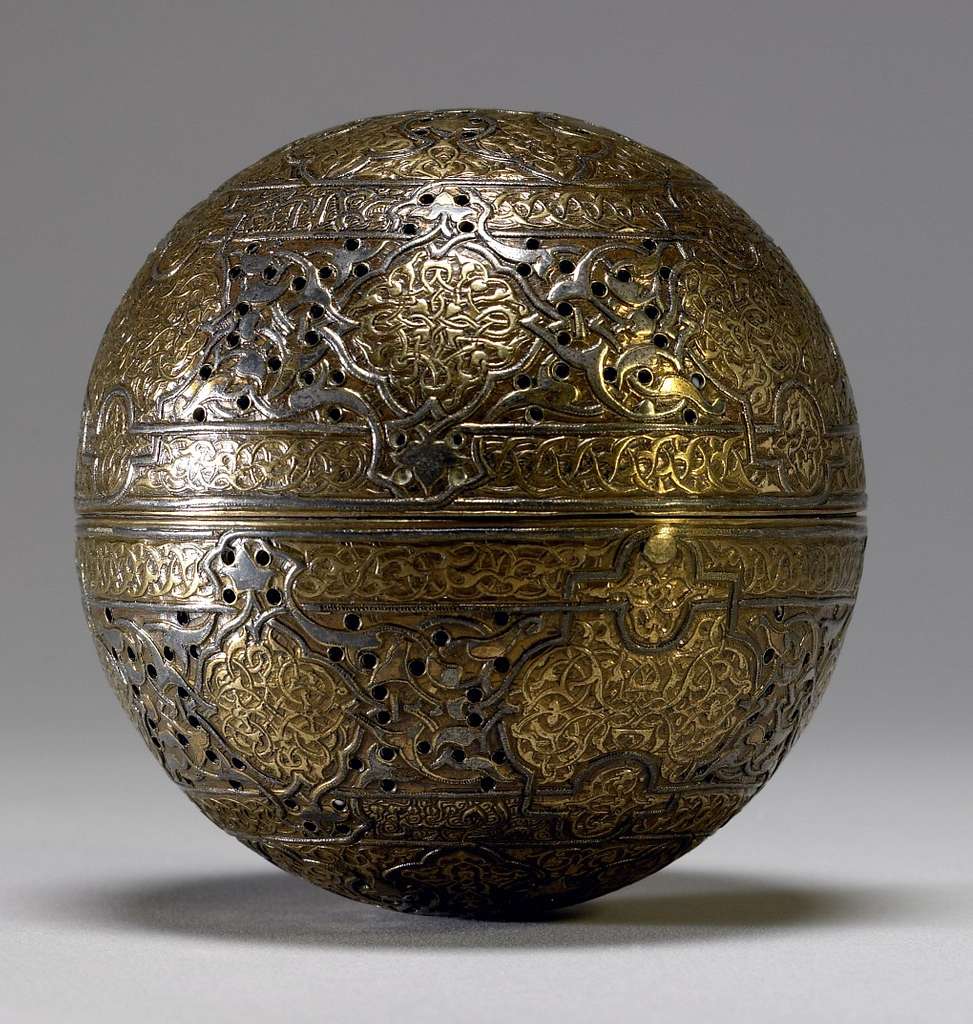
Within Islamic belief, fragrance, which as previously mentioned was hard to come by and used mainly by elites, was something that was promised in Paradise (Thalal, p. 43). This became an attractive point of conversion, as everyday people could now have access to exclusive and highly sought-after products. Furthermore, perfuming oneself became an essential step prior to prayer, and as Muslims prayed five times a day, ambergris, among other scents, were in high demand. Scent was no longer a luxury, but a necessity (Thalal, p. 44).
Ambergris wasn’t always used alone, and would often be mixed with other natural substances, such as aloeswood, camphor, musk, and even cloves. Many of these substances were foreign to the Arabian Peninsula, which added to their value. Aloeswood, musk and ambergris were used to create nadd (King, p. 181), one of the most prized perfumes used by elites. Ambergris has even been mentioned in early Islamic poetry for its hypnotic scent. An example is by the Persian poet Rūdakī around 941 AD, who wrote about his longing for a woman with “ambergris-scented locks of hair” (Averbuch, p. 64).
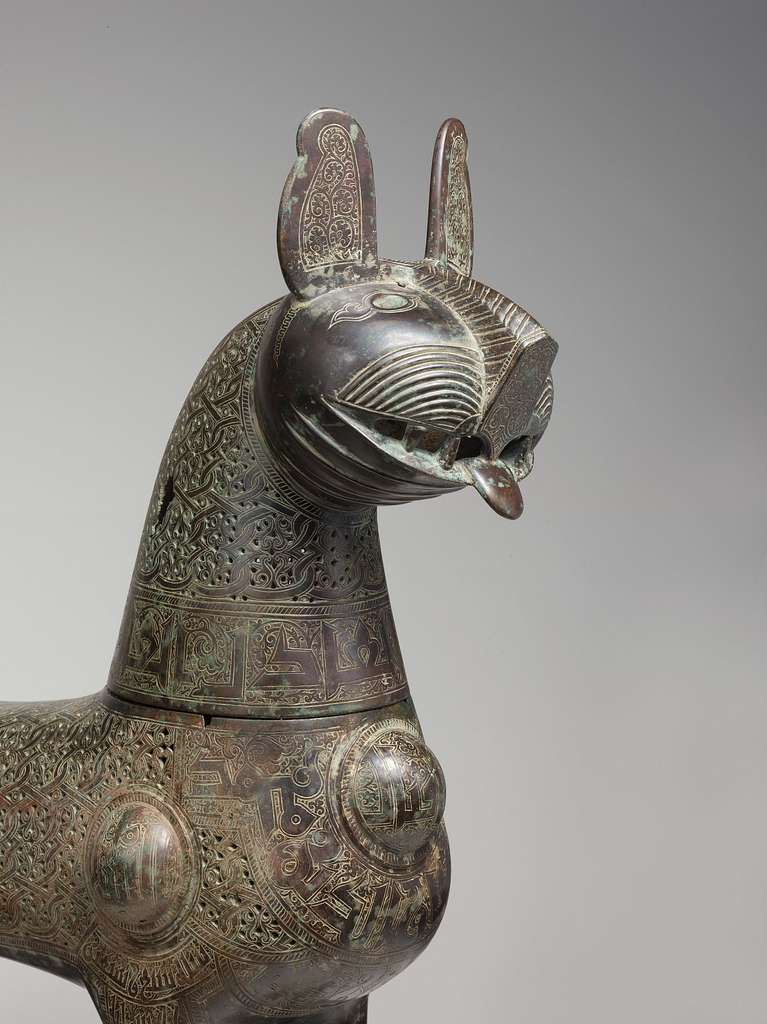
The art and sacralization of scent also became disseminated into eating; foods were perfumed, and people would also perfume themselves before dining (Perry, xxxv). Take for example a recipe from the 13th century Syrian cookbook for quinces with sugar: “when you remove it from the fire, add rose water, musk, raw ambergris, and Qaquilli agarwood” (Perry, p. 20). In a recipe for sikbāj, or royal beef stew, ambergris is combined with aloeswood to fumigate or purify the meat and other ingredients (Averbuch, p. 60).
From the Whale to a Versatile Substance
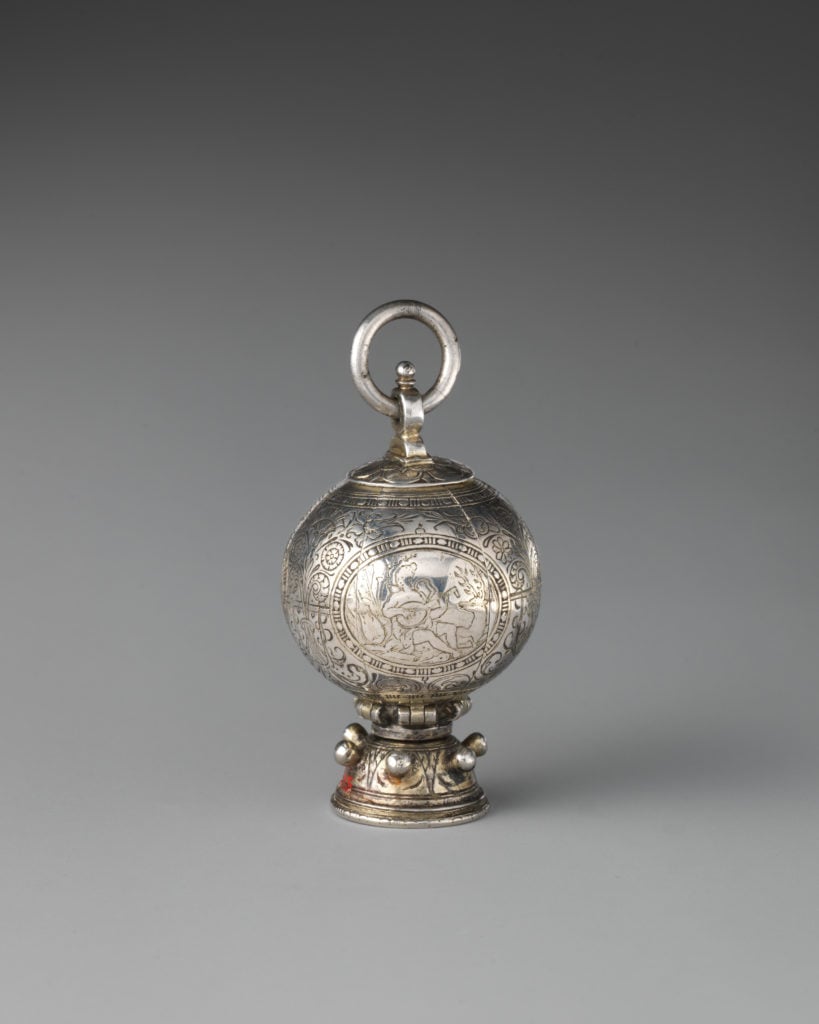
The mysterious nature of this natural object, its rarity, and its scent shaped the contexts of its use across time and space. Its integration into food, medicines, perfumes, incense, and rituals across the Indian Ocean would later be adopted by Europeans. Common combinations with ambergris included aloe wood and camphor, a blend of which with ambergris became known as incense, civet, clove, and musk, sometimes fused all together. These pairings would later become adopted into European recipes for medicine and perfumes alike.
Sources
- Averbuch, B. D. (2013). From siraf to sumatra: Seafaring and spices in the islamicate indo-pacific, ninth-eleventh centuries C.E. (Order No. 3566807, Harvard University). ProQuest Dissertations and Theses
- Clarke, R. “The Origin of Ambergris.” The Latin American Journal of Aquatic Mammals 5, no. 1 (2006): 7–21.
- King, A. (2008). The Importance of Imported Aromatics in Arabic Culture: Illustrations from Pre‐Islamic and Early Islamic Poetry. Journal of Near Eastern Studies, 67(3), 175–189. https://doi.org/10.1086/591746
- Perry, Charles. Scents and Flavors: A Syrian Cookbook, New York City, New York: New York University Press, 2020.
- Read, B. E. Ambergris: Translation And Notes From Old Chinese Literature. Chinese Medical Journal 1932, 46(05): 478-483.
- Soni, Snehdeep, Samita Kalra, Neha Joshi, Divya Rathore, Sangeeta Bala, and Deepak Verma. “Agnijar (Ambergris): A Review Study Of An Animal Product W.S.R In Ayurved Medicines.” World Journal of Pharmaceutical Research 8, no. 6 (April 17, 2019): 401–6.
- Thalal, Muhammad. “Fragrances From Heaven: The Relevance of Smelling in Understanding the Early History of Islam.” Jurnal Ilmiah Islam Futura 20, no. 1 (2020): 35–48.