

Russian expansion into Alaska was driven by the lucrative sea-otter trade and the Russian-American Company’s commercial ambitions. In southeastern Alaska, however, their expansion encountered determined Tlingit resistance. The Tlingit were not passive victims of a technologically superior empire. They exploited familiar terrain, fortified key positions, attacked isolated settlements, disrupted trade, and withdrew strategically when required. The clashes at Sitka in 1802 and 1804 became the best-known episodes, but resistance continued afterwards and elsewhere. These actions limited Russian freedom of movement and demonstrated how Indigenous power could resist colonial expansion.
Russia Looks East
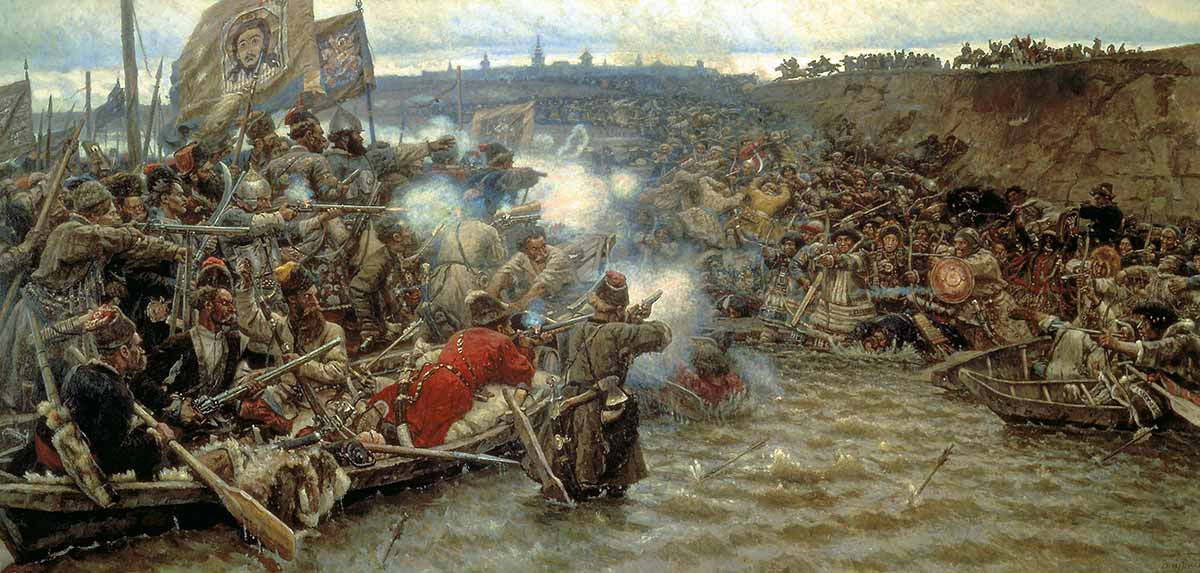
Russian expansion into Alaska was the natural sequel to their conquest of Siberia. For two centuries, Russian Cossacks and soldiers had ventured eastward, warring with the Khanate of Sibir and numerous Indigenous peoples such as the Yakuts, Buryats, and Chukchis. Russians reached the Pacific by 1639 but it was over a century later when Vitus Bering made landfall on the North American coast in 1741. The Siberian fur trade had been depleted by overhunting so an alternative was needed.
Bering claimed the land for the Russian Empire, though its status would not be formalized until 1799. In the meantime, Russian trappers and hunters clashed with the local Aleuts, taking family members hostage so the Aleut would be forced to work for them. Revolts were met with violent reprisals and massacres. The Aleut were also devastated by disease with an estimated 80% of their population dying prior to 1800.
The Russian settlers continued colonial policies that had worked for them in Siberia. They exploited the Aleut as workers, using hostages and the barter economy to their advantage. Any Indigenous resistance was met with brutal force. But for all their power, the Russians were limited to a string of forts and settlements along the coast, lacking the manpower and will to push deeper into the interior.
Russia Comes to Tlingit Country
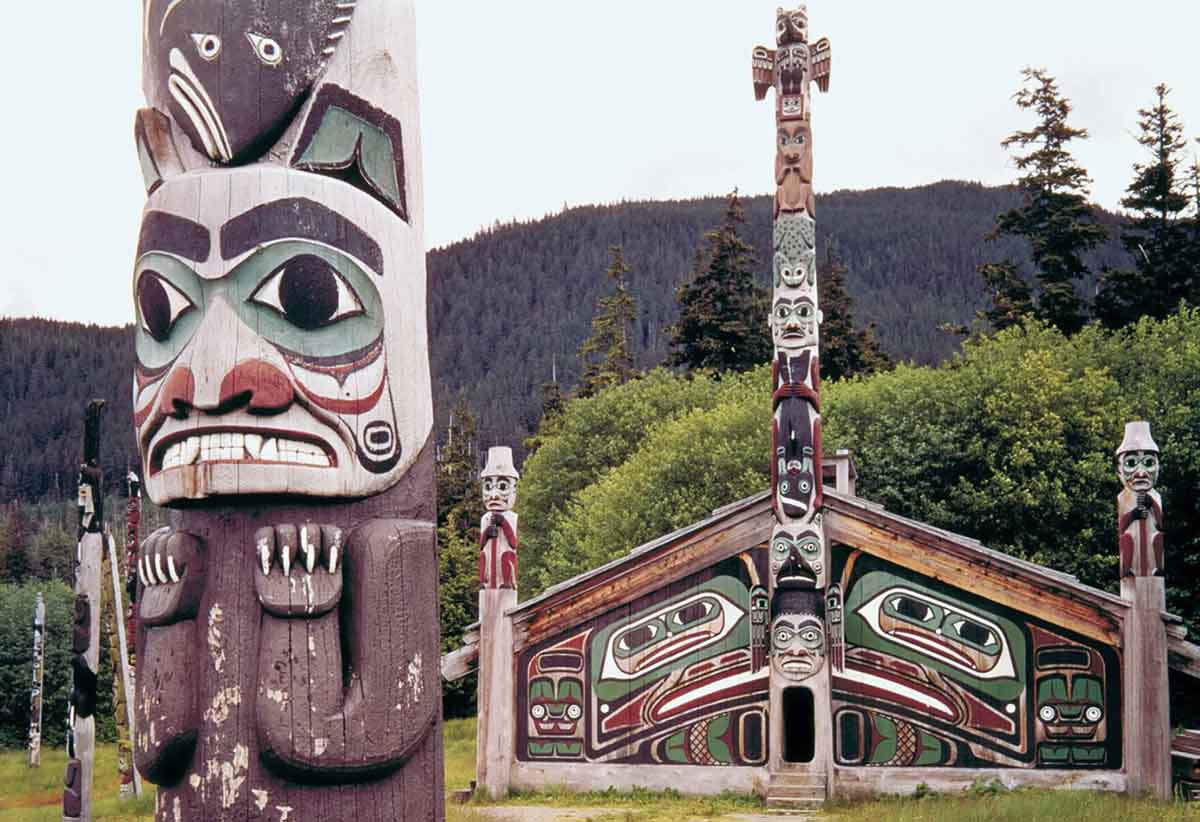
In 1790, Alexander Baranov was appointed manager of the trading operations in Russian America. Concerned by the presence of other Europeans, he purchased land from a local Tlingit clan on what is now known as Baranof Island. Seeking to establish a permanent presence, he sailed to modern-day Sitka in 1799 with a fleet of three ships augmented by over 700 Aleut and 300 other local allies in their own vessels.
Baranov had negotiated with the local Kiks.ádi for the construction of a trade post but instead built a fort, Redoubt Saint Michael. The initial welcome for the Russians faded as they competed for local resources. The Russian habit of intermarrying with the local population as well as their insistence on allegiance to the tsar was infuriating to the Tlingit. The Kiks.ádi were also taunted by other Tlingit clans for doing the Russians’ bidding.
Sporadic violence sparked with several attacks on the Russian fort during the winter of 1799. Baranov returned to Kodiak with the majority of the force, leaving a mix of Russian and Aleut trappers to garrison it. In June 1802, a midday assault on the fort overwhelmed the defenses and the majority of its defenders were killed. The Tlingit torched the buildings and looted the pelts before leaving. A British ship intervened to save some of the survivors, bringing them and the news to Kodiak and Baranov.
Preparation for the Return
For Baranov, the loss was a serious strategic setback. Sitka had been intended as a southern base from which the company could compete with British and American traders and expand control over the rich sea otter grounds of southeastern Alaska. Its destruction threatened both profit and prestige. Russian authority depended upon ensuring that Company settlements could not be destroyed by local resistance.
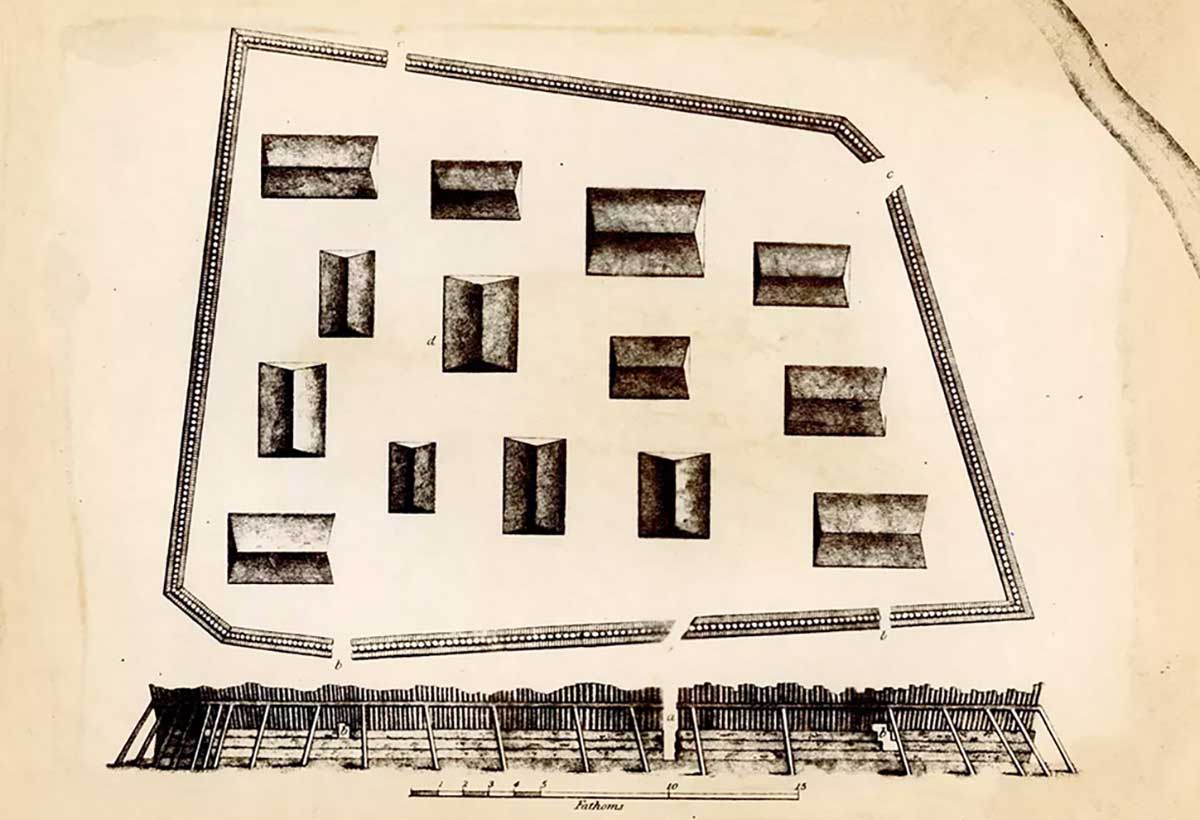
Well aware that the Russians would return, the Tlingit shaman Stoonook urged the Kiks.ádi to construct a new fort capable of withstanding them. Over 1,000 trees were used to build Shís’gi Noow (Fort of Young Saplings) at the mouth of the Indian River. The shallow water would prevent Russian ships sailing in close. They built 14 buildings surrounded by a palisade.
Baranov returned in 1804 with a fleet of four ships commanding over 150 Russian trappers and another 500 Native allies. He first sent envoys to the Tlingit but his demands were rebuffed, the Kiks.ádi only negotiating in order to stall the Russians and gain more time to prepare. However a Tlingit group retrieving gunpowder from their cache was spotted by the Russians and all killed. This was to have severe ramifications for the coming battle as the Tlingit would be short on supplies for a protracted conflict.
The Battle of Sitka, 1804

Baranov personally led the assault on October 1, his ship Neva towed forward by his Aleut allies. Over 150 Russians and Aleuts landed unopposed and approached the Tlingit fort. The Kiks.ádi made no move until the Russians were close before firing volley after volley into their ranks. Many of the attackers broke and fled for their boats.
The Tlingit chieftain K’alyáan, wearing a Raven mask and carrying a blacksmith’s hammer, led a counterattack out of the fort while a second wave of Tlingit surged out of the woods and caught the Russians in a pincer. Baranov was wounded in the fighting and was carried to safety by his troops. The Neva was the only thing that prevented the Russians from being overrun at the shoreline as it fired its cannon at the massed Tlingit lines.
The Tlingit now were forced to endure bombardment from the Russian ships for the next three days. The Russians lacked the strength to mount another landing but nor could the Kiks.ádi counterattack. The destruction of their gunpowder cache and no sign of any reinforcements meant it was now a stalemate.
The women and children and the elderly were sent out first while the warriors remained, only agreeing to evacuate the fort on the fourth day. When the Russians finally landed again on October 5 they were astonished to find the Kiks.ádi had slipped away undetected in the night.
Retreat and Blockade
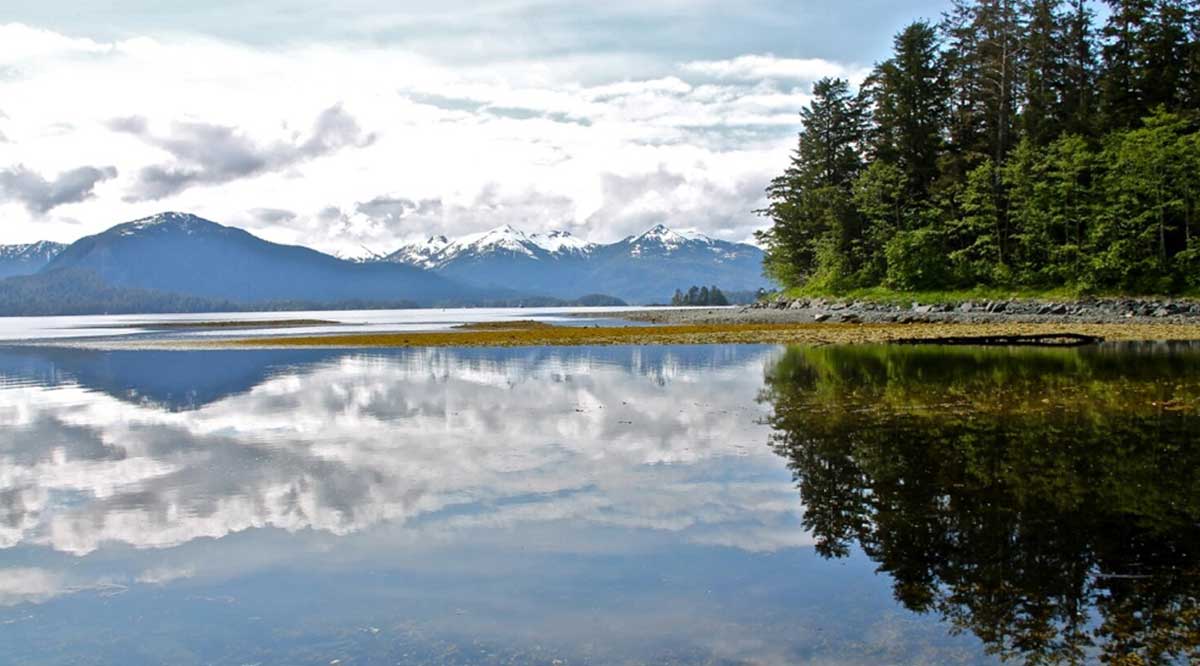
The Tlingit faced an arduous retreat north crossing mountains and bays to Cháatl Ḵáa Noow (Halibut Man Fort). This abandoned stronghold occupied a strategic location, allowing it to dominate access routes to Sitka Sound. From here the Tlingit maintained an economic blockade, warning off other Indigenous traders from Sitka.
They intercepted any canoe spotted, informing them that they remained at war with the Russians and would not allow any to pass. Fewer and fewer canoes risked the blockade run. Volunteers had remained behind on the island. Eight Aleut trappers were killed in Jamestown Bay and another was shot near Archangel. Russian paranoia of the omnipresent Tlingit threat meant hunting parties went out only in large numbers.
The Americans were quick to exploit the situation, setting up a trading post across from the fort at Trader’s Bay where Tlingit could trade with them instead of the Russians. They also rearmed the Kiks.ádi and other Tlingit clans by trading them firearms, further undermining Russian control in the region.
Nor could the Russians rest easy behind fortifications. Sitka was not the only site of devastation. Russian control was still restricted to a few strategic bases that were vulnerable to any concerted action. On August 20, 1805, Eyak and Tlingit warriors attacked the Russian fort at Yakutat, putting it to the torch and killing the garrison and their Aleut and Alutiiq allies. The Russians were paying a heavy price for the conquest of Sitka.
A Limited Rule
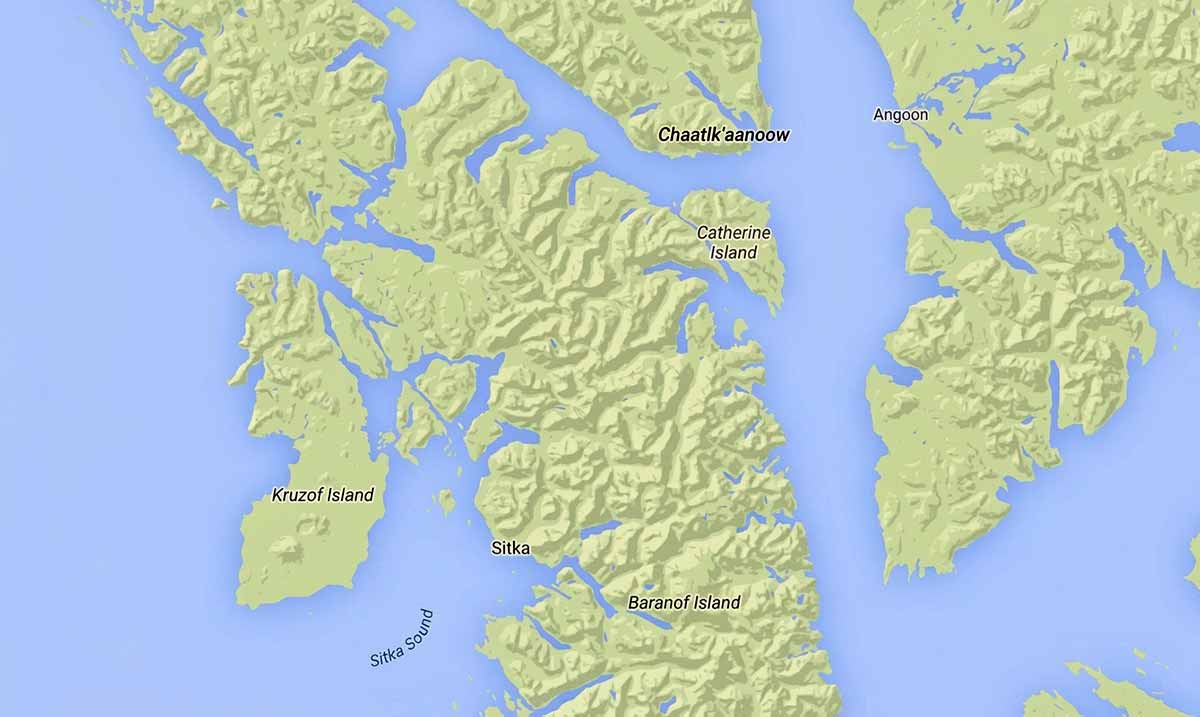
The blockade and skirmishes took its toll. Baranov appealed for peace on a yearly basis from 1807 onward and invited the Kiks.ádi to return. Each year this was rejected until 1822 when they finally accepted. The Kiks.ádi built their homes outside the Russian fortifications though K’alyáan left them a warning that the mountains belonged to the Kiks.ádi and any Russian or Aleut who hunted there would do so at their own peril.
An uneasy peace persisted in Sitka, though conflict would persist across Russian America. Sitka became a microcosm of the Russian colony as the Russians were largely restricted to their coastal forts, unable and unwilling to advance further into the interior. The locals supplied the Russians with food and furs while the Russians advanced their efforts to convert them to the Russian Orthodox Church.
Together, Sitka and Yakutat illustrate why Russian possession of Alaska can not be confused with complete control of it. The Russian-American Company could establish fortified coastal posts, deploy their ships, and exploit the fur trade, but its manpower was severely limited and its settlements depended heavily upon Indigenous labor, trade, and local resources.
Beyond those posts, Native communities retained substantial control. Even within the area of Russian authority, it was impossible to do anything without the support of Indigenous allies. Tlingit resistance to the Russian advance ensured that their authority was always contested. Even by the end of Russian America in 1867, colonization was never completed.