
In 1173, Eleanor of Aquitaine, queen consort of England, was captured as she fled to the Parisian court to meet her sons. Her captor was her husband, King Henry II. Eleanor was the mastermind behind an unsuccessful plot to overthrow Henry. For the following 16 years, Eleanor was the prisoner of her husband. Although her freedoms were restricted, Eleanor continued to live in great comfort and remained an influential political actor throughout the Angevin Empire. Her spirit remained defiant; she would outlive her captor and exercise power once again.
The Great Rebellion of 1173-1174

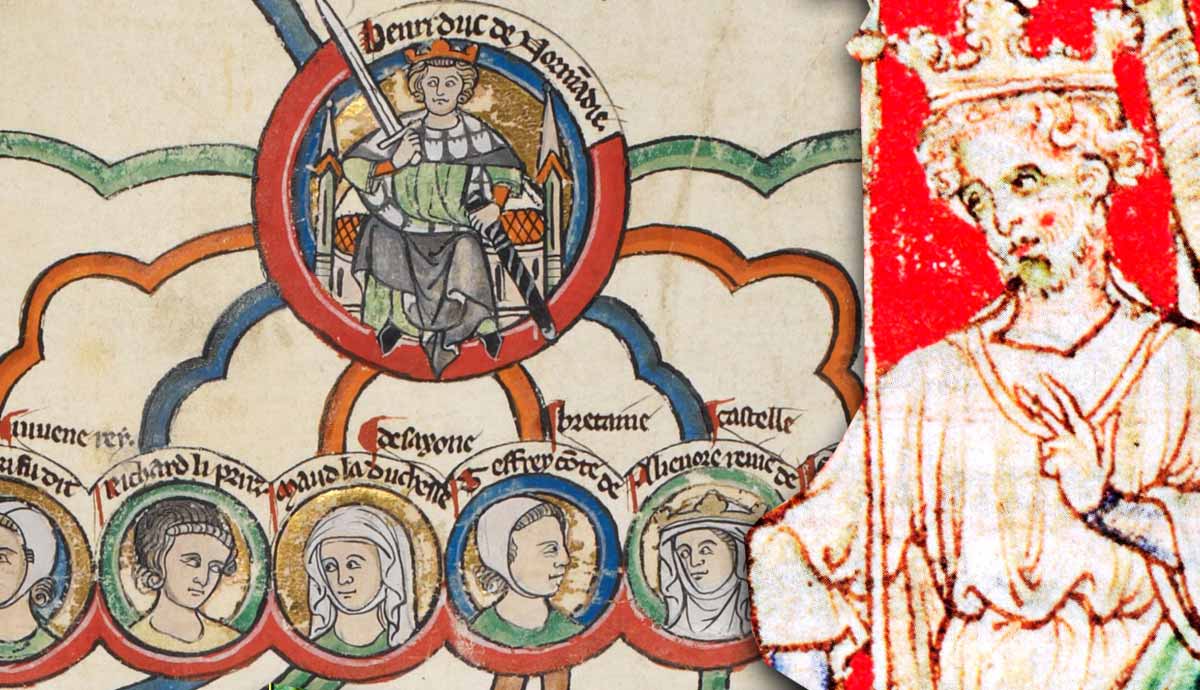
Eleanor, Duchess of Aquitaine, had provided her second husband, King Henry II of England, with an extensive brood of children, including four sons who survived into adulthood. King Henry had taken the unusual step of crowning his eldest surviving son, known as Henry the Young King, in 1170 during his own lifetime. It was intended that he would succeed his father as King of England and rule Normandy and Anjou in addition.
Eleanor’s favorite son, Richard, later known as the Lionheart, was to inherit her patrimony of Aquitaine, where he had ruled alongside her since 1168. Another son, Geoffrey, would acquire Brittany through marriage, and the youngest son, John, would be provided for by his father.
The Young King, however, was ruler in name only and had less power than his younger brothers. An impatient heir, he was accorded the title and status of king without any of its riches. In March 1173, the Young King learned of his father’s plans to award John strategic castles in Anjou, and in a public exhibition of his defiance, he left his father’s retinue and headed to the Parisian court in open revolt.
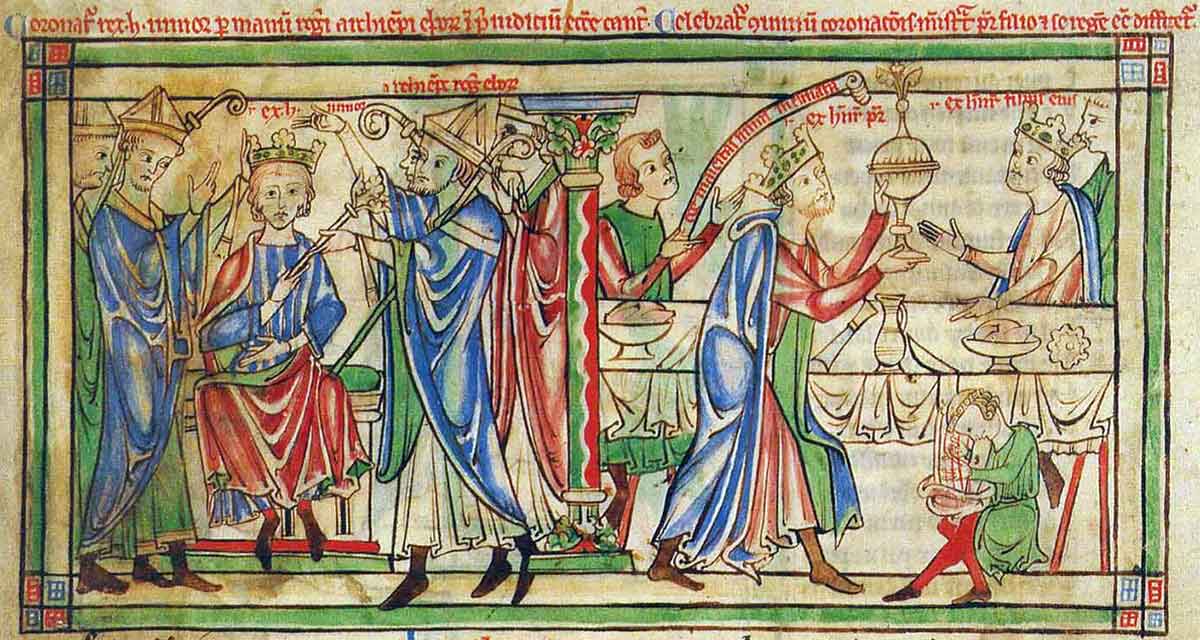
Upon receiving the news, Eleanor sent her teenage sons, Richard and Geoffrey, who were also aggrieved with their father’s handling of the family inheritance, to join their older brother’s rebellion. Word reached the king, who came to the obvious conclusion that Eleanor had been conspiring with their sons. Eleanor suspected Henry intended to absorb her Duchy of Aquitaine into the English kingdom, and she would not stand for such an insult.
Departing from Aquitaine, as Eleanor attempted to join her sons, she was intercepted by her husband’s men. She had disguised herself as a man in an attempt to evade the guards, but her efforts were futile.
Henry had prevented his wife from entering the court of her former husband, Louis VII, but their sons were now under his protection and influence. The rebellion took the form of a series of sieges throughout Henry’s kingdom, and by September 1174, Henry was reconciled with his sons. But in the agreement that was reached, Eleanor was not present, nor was she mentioned in the truce. So, where was Eleanor, and where had she been during the ten months since her capture?
The Incarceration of Eleanor of Aquitaine
One of the wealthiest women of the medieval period was now a prisoner of her husband. Removed from public life to prevent her influence over her children, the fifty-year-old Eleanor was in the custody of her husband, where she would remain for the next 16 years.
Eleanor’s imprisonment was not publicly announced by the king, and initially her whereabouts were unknown. Contemporary evidence suggests she was first confined in France. During this early phase of confinement, she was likely accompanied by her daughter-in-law, Margaret of France, wife of Henry the Young King.
The relationship between the two women would have been complicated by family history: Margaret was the daughter of Eleanor’s ex-husband, Louis VII, by his second wife. Whether the two found any comfort in one another’s company remains unknown, but their shared position within a deeply fractured royal household underscores the political nature of Eleanor of Aquitaine’s imprisonment.
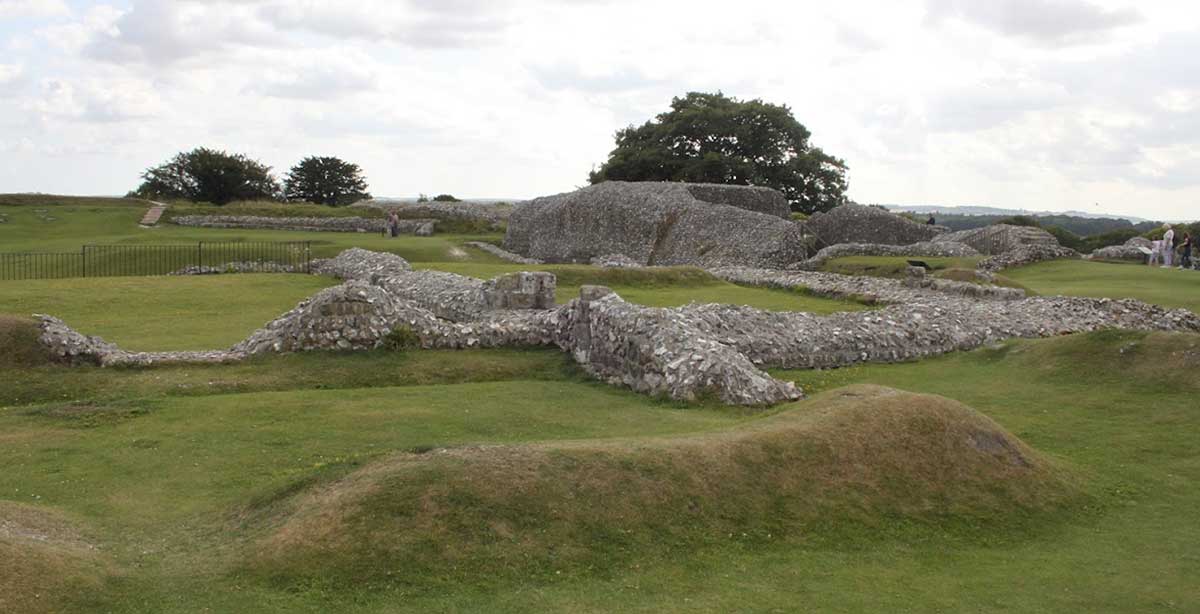
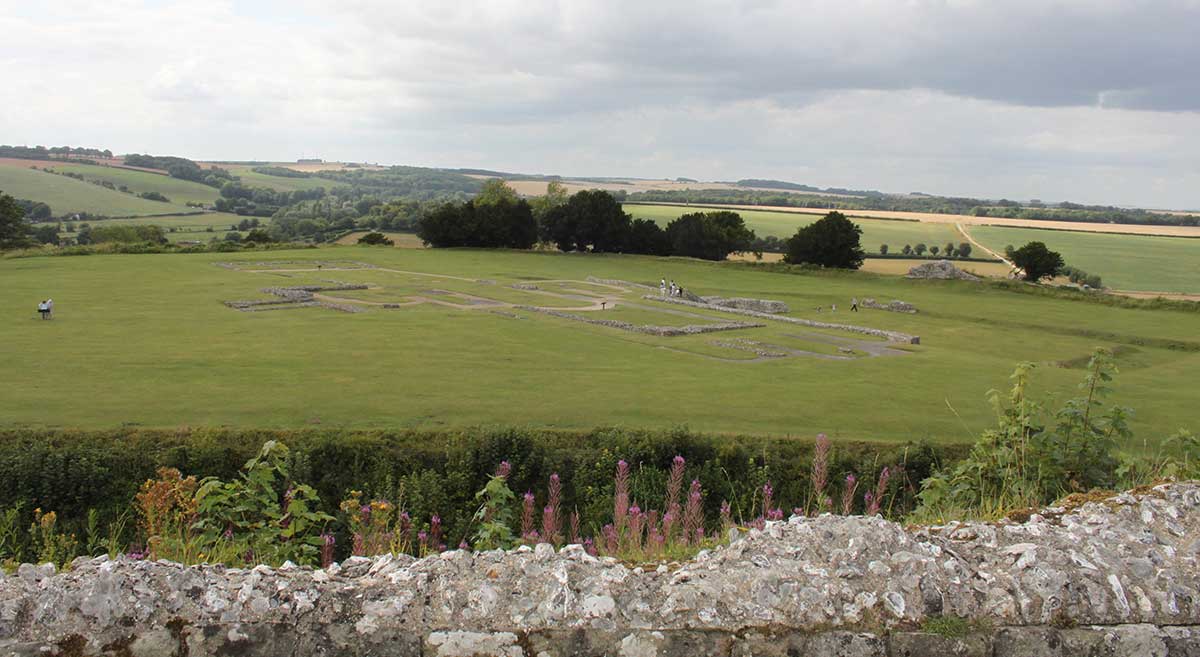
In 1174, Eleanor was brought to England and confined at Old Sarum, also known as Salisbury Castle in Wiltshire. Although subsequently abandoned in favor of the modern city of Salisbury and left in ruins, Old Sarum was a sumptuous royal palace and one of Eleanor’s favorite residences.
Eleanor’s confinement was far from stationary, and she spent time incarcerated at Ludgershall Castle, Wiltshire, and Winchester Castle. The Queen of England was permitted to keep her own household, and pipe rolls from the period suggest she had a lavish allowance that permitted her to purchase fine gowns for herself and for her ladies.
Eleanor was not kept in chains or confined to a dungeon, but she did have many of her freedoms removed. Henry would not permit his wife to control and administer her own lands. The removal from her ancestral lands of Aquitaine was a significant blow to Eleanor, whose ownership of the duchy had permitted her much political autonomy. Her presence at court was limited, thereby restricting her political influence, and her access to her children was regulated by the king.
How Eleanor of Aquitaine Maintained Her Influence as a Prisoner

Eleanor’s house arrest could not entirely curtail the powers of one of the most formidable women in medieval history. Although physically confined, Eleanor remained a significant presence in Angevin politics and English life.
Henry’s treatment of his wife was perceived by contemporaries as unjust. Never before had a Queen of England been confined in such a manner. Although foreign-born, Eleanor quickly established secure ties to England and its subjects that, over time, outweighed those of her husband and sons. Confined to England, she spent more time in the country than Henry and their sons, who were frequently on the continent.
Eleanor began to exert greater influence following the death of her eldest surviving son, Henry the Young King, in 1183. Having once again rebelled against his father, the Young King fell ill and, aware that death was near, wrote a plea to Henry requesting that his mother be treated more leniently. This may explain why, following his death, Eleanor was granted greater freedoms, although she remained under Henry’s custody.
In 1184, she traveled to Winchester to visit her daughter Matilda and her husband the Duke of Saxony. In the same year, she attended the Christmas court at Windsor Castle with her children.
In 1185, Henry used his wife to help resolve a dispute that had arisen between himself and Richard concerning Eleanor’s Duchy of Aquitaine. Henry brought Eleanor to Normandy in an attempt to persuade Richard to relinquish his control over Aquitaine in exchange for the more prestigious title of heir to his father’s kingdoms in England, Normandy, and Anjou. Although she was still technically under house arrest, Henry understood the political influence of his wife and deployed her when necessary to ease tensions within the royal family.
The Death of a King and Eleanor’s Restoration
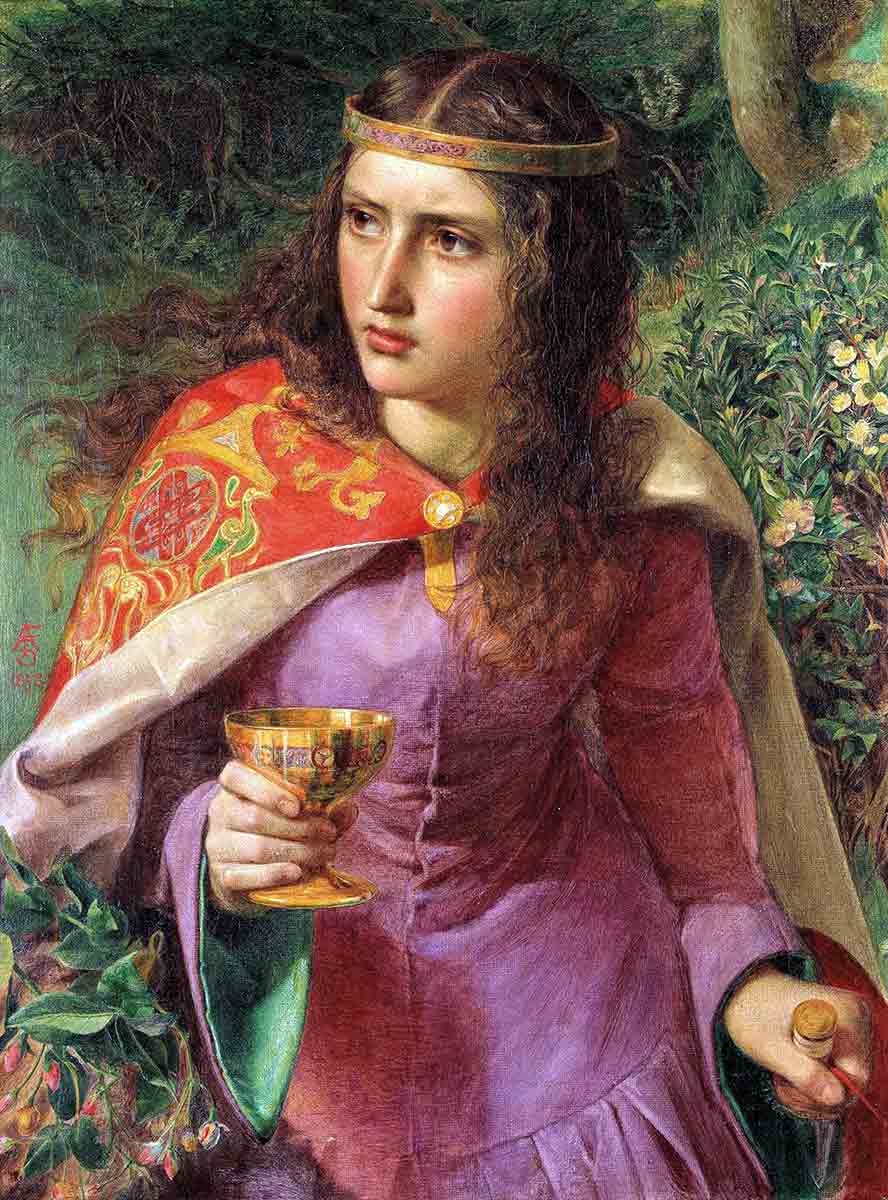
Tensions between Henry and Richard continued until Henry’s death in 1189. In one of his first acts as king, Richard, still in France, ordered his mother to be released from confinement. The famed knight William Marshal was sent to secure her release, but when he arrived in England, he found that Eleanor’s custodians had already freed her and that she had assumed the powers of regent for her son.
The year 1189 marked what may be called a golden age for Eleanor. This was a period in her life during which she enjoyed her greatest freedoms. Released from the constraints of marriage, she was now an independent woman performing a political role in a man’s world.
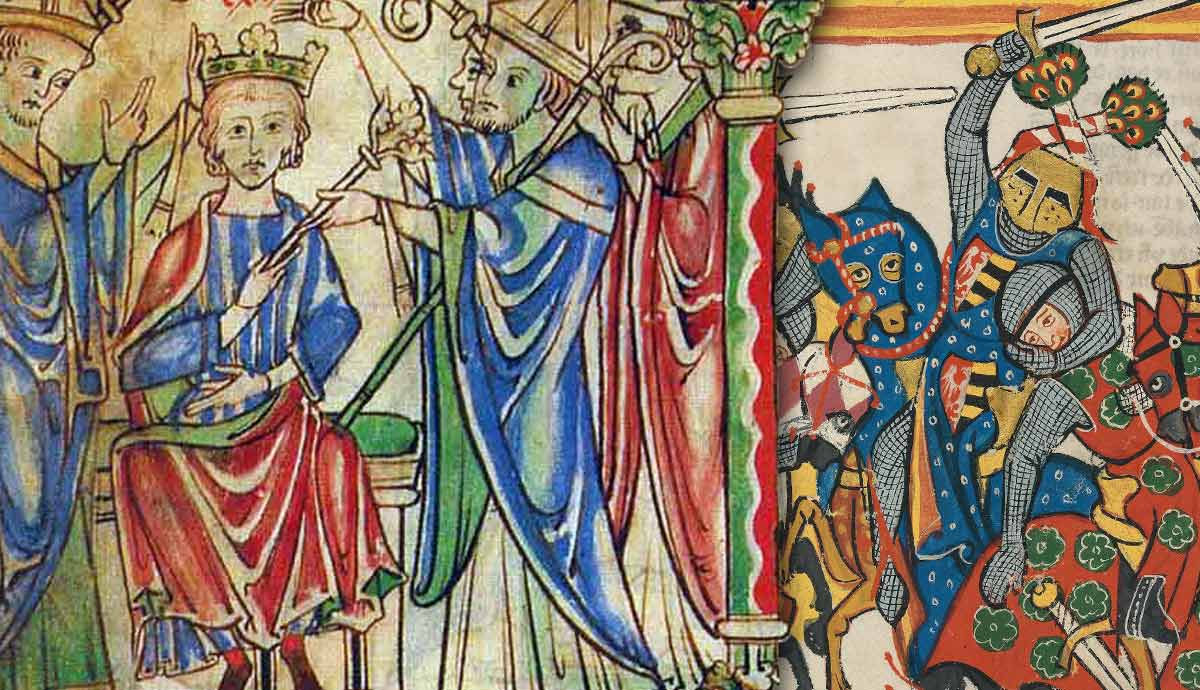
Eleanor immediately began preparations for Richard’s coronation. Richard had spent much of his youth at his mother’s glamorous court in Aquitaine and was little known to his English subjects. To bolster Richard’s popularity, Eleanor reversed some of her late husband’s more unpopular policies and released prisoners. An elaborate coronation was planned, and by the time Richard arrived in England, Eleanor had done much to ingratiate him with his new subjects.
Eleanor continued to exert powerful political influence throughout Richard’s reign. Richard ordered that Eleanor’s word be taken as law in all matters. She thwarted John’s attempts to seize his brother’s throne while Richard was away fighting on the Third Crusade. Upon hearing news that Richard was a prisoner of the Holy Roman Emperor, Eleanor wrote to the Pope demanding papal protection, styling herself “Eleanor, by the wrath of God, queen of England, duchess of Normandy, countess of Anjou and unhappy mother” (Aurell, 2023, p. 132). She personally traveled to Germany to deliver the ransom money she had extracted from Richard’s subjects through taxation.
Was the Imprisonment of Eleanor of Aquitaine a Political Blunder?
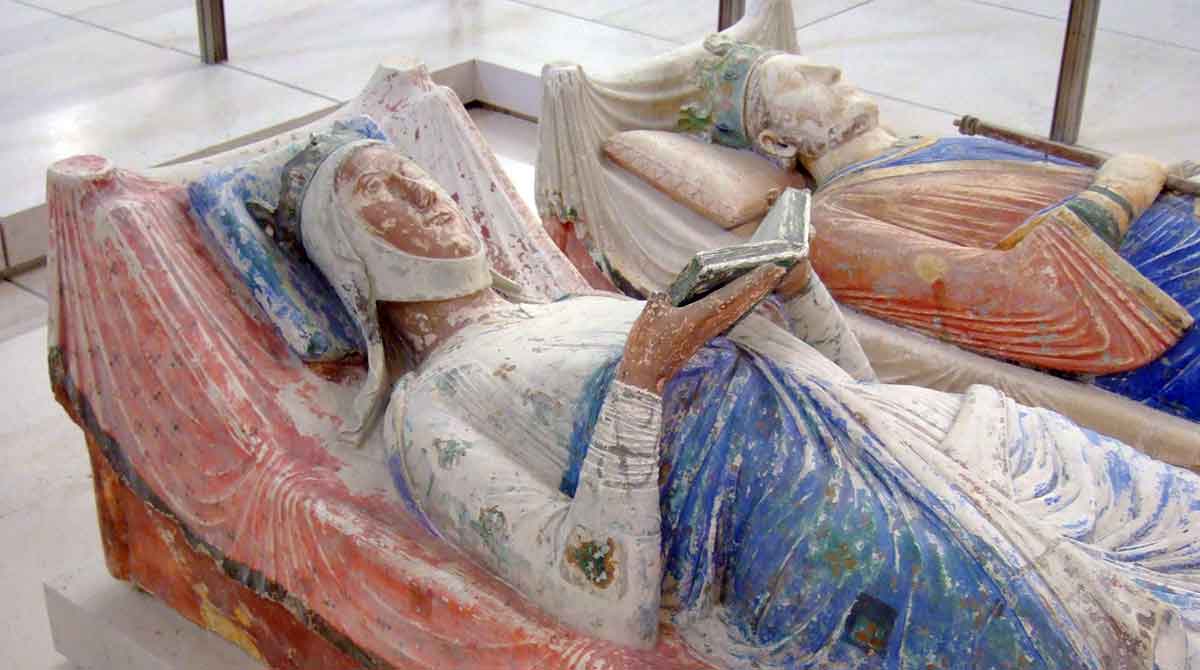
Henry II was an excellent king, one of the most successful rulers of the medieval period. Yet his imprisonment of his wife proved to be among his greatest political blunders. During her sixteen-year confinement, Eleanor did not remain silent, nor was she content to fade into obscurity, as many of her contemporaries might have been expected to do.
Henry blamed Eleanor for the rebellion and for the fractured relationship with his sons, and some contemporaries were content to accept this view. Chroniclers often sought to place responsibility for political strife upon women, whom clerics considered especially susceptible to sin. Although this was the image Henry would have wished to project, the nobility were reluctant to regard Eleanor in such terms. Rather than viewing Eleanor as a bad wife, many instead saw her as a devoted mother, defending the rights of her sons and advancing their interests over that of her husband.
Following her release from confinement, the nobility were quick to forgive whatever transgressions she was supposed to have committed, permitting her attendance at her son’s coronation, traditionally an exclusively male affair.
Henry had hoped to sideline Eleanor and confine her to a mere footnote in history. Instead, she emerged as one of the medieval world’s great political survivors. The vigor she displayed following her release in her mid-sixties until her death in her eighties was remarkable. Henry imprisoned a queen, but he created a legend.
Source
- Aurell, M. (2023). Eleanor of Aquitaine: The art of governing. In A. Norrie, C. Harris, D. A. Messer, E. Woodacre, & J. L. Laynesmith (Eds.), Norman to early Plantagenet consorts: Power, influence, and dynasty (p. 132). Palgrave Macmillan.