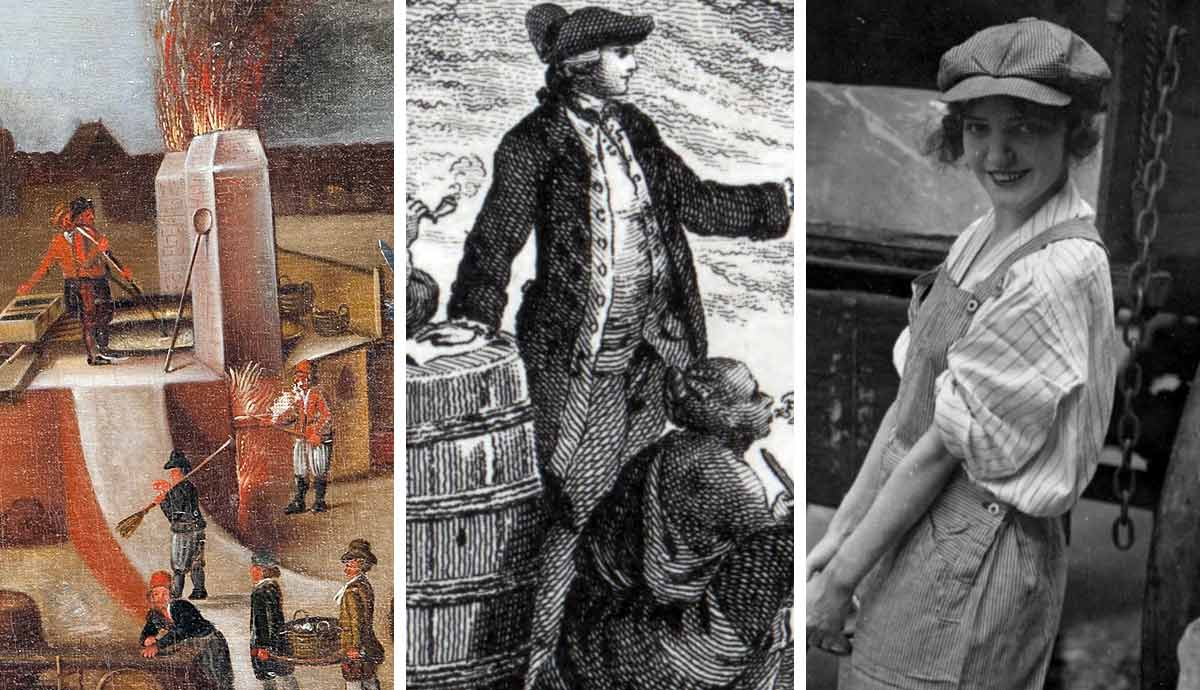

Long-standing border disputes between Maine and its neighbor, New Brunswick, nearly led to full-fledged war in 1838. Small disagreements over timber among lumbermen grew into simmering tensions before they finally exploded. While the conflict didn’t escalate to an all-out military brawl between the United States and Great Britain, both sides prepared for the worst with armed mobilization. The bloodless standoff earned a curious nickname and led to a permanent border that still exists today.
Unclear Borders Left by the Treaty of Paris
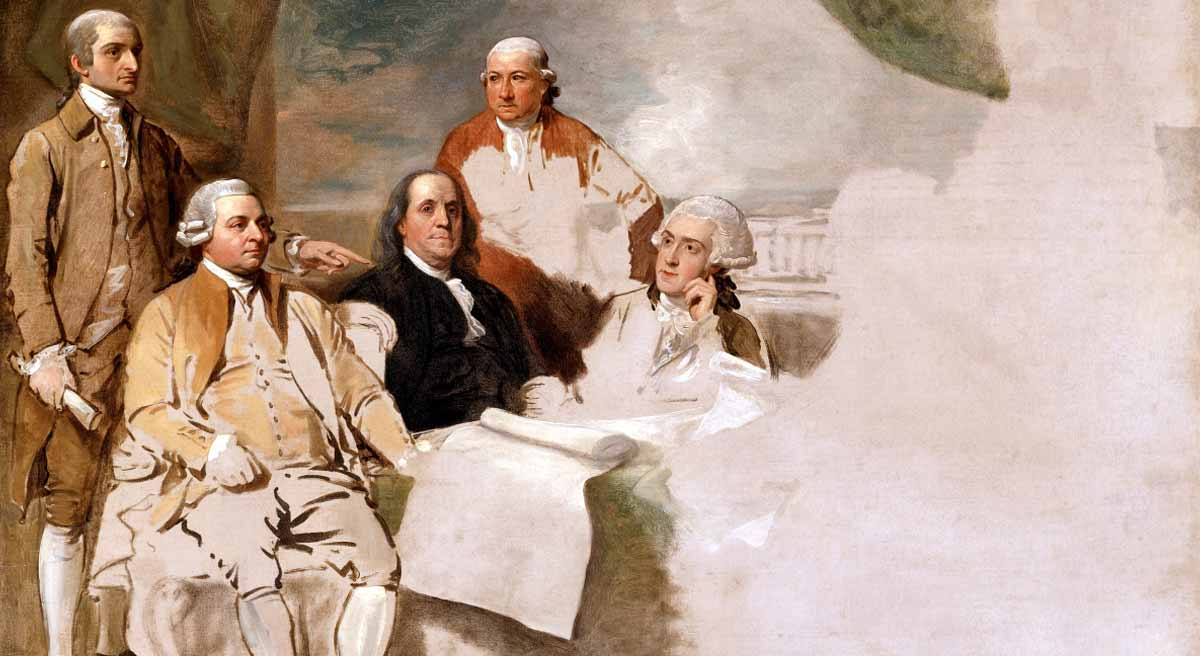
When the United States left Great Britain and became an independent nation as a result of the American Revolution, the concluding factors were outlined in a document known as the Treaty of Paris. In 1793, this treaty formally recognized the United States as an independent nation and outlined the new country’s boundaries, including the divide between it and Canada, a territory of the British. There was just one problem: the treaty listed the northern boundary as “a line drawn due north from the source of the St. Croix River to the Highlands.” The kicker? At the time, the exact source of the river was unknown, and the two countries had different interpretations of where it lay.
In 1831, the two countries called on the king of the Netherlands to act as a neutral mediator and identify a practical boundary. He did, but the opposing sides could not agree on his suggestion. Both nations claimed overlapping land and were unwilling to give it up.
Rising Tensions Over Timber in the Aroostook Valley
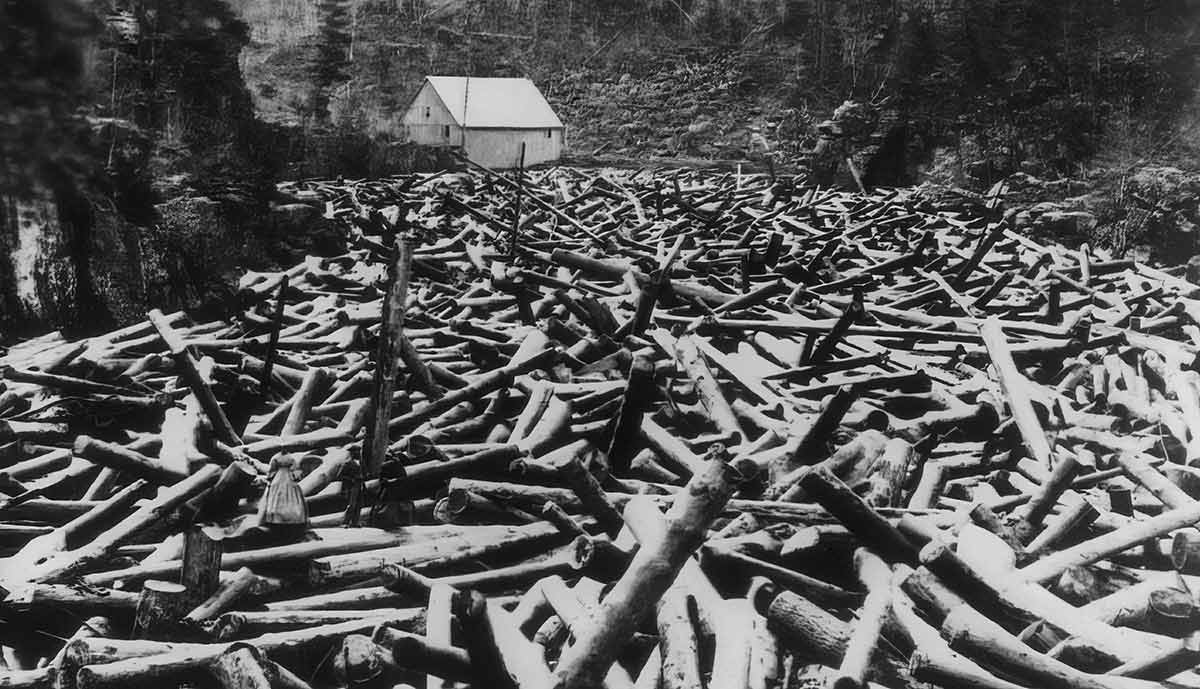
Timber was another factor contributing to the conflict. Britain relied heavily on timber exports from Canada, with two-thirds of its stock coming from New Brunswick. The wood was a hot commodity in Maine as well, with the state economy relying heavily on logging. When loggers from both countries worked in the disputed border territories, competition and dispute broke out. Officials from both nations arrested and fined loggers from the other, and tempers began to boil over.
Mobilization & Standoff Along the Frontier
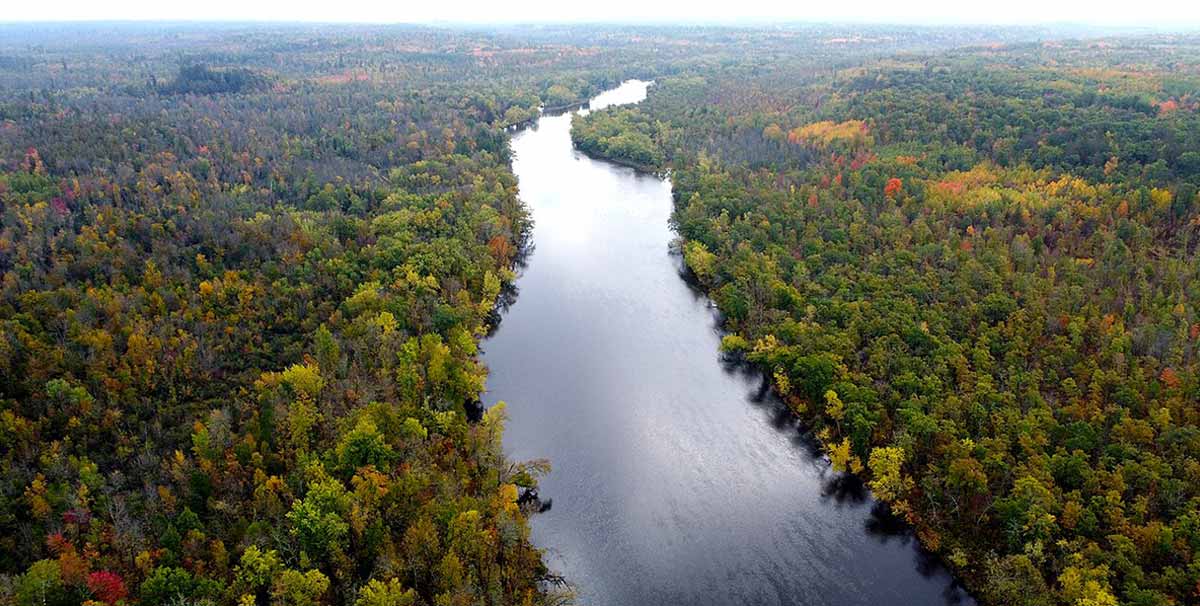
In 1838, Maine governor John Fairfield took a drastic step and sent a group led by Rufus McIntyre to further Maine’s claim on the territory. New Brunswick officials saw this as an invasion and arrested members of the group. The Maine state militia was dispatched in response, and soon military stations were being built by both countries along the disputed borderland, with both soldiers and possemen amassing.
How Rations Gave the Conflict Its Culinary Nickname
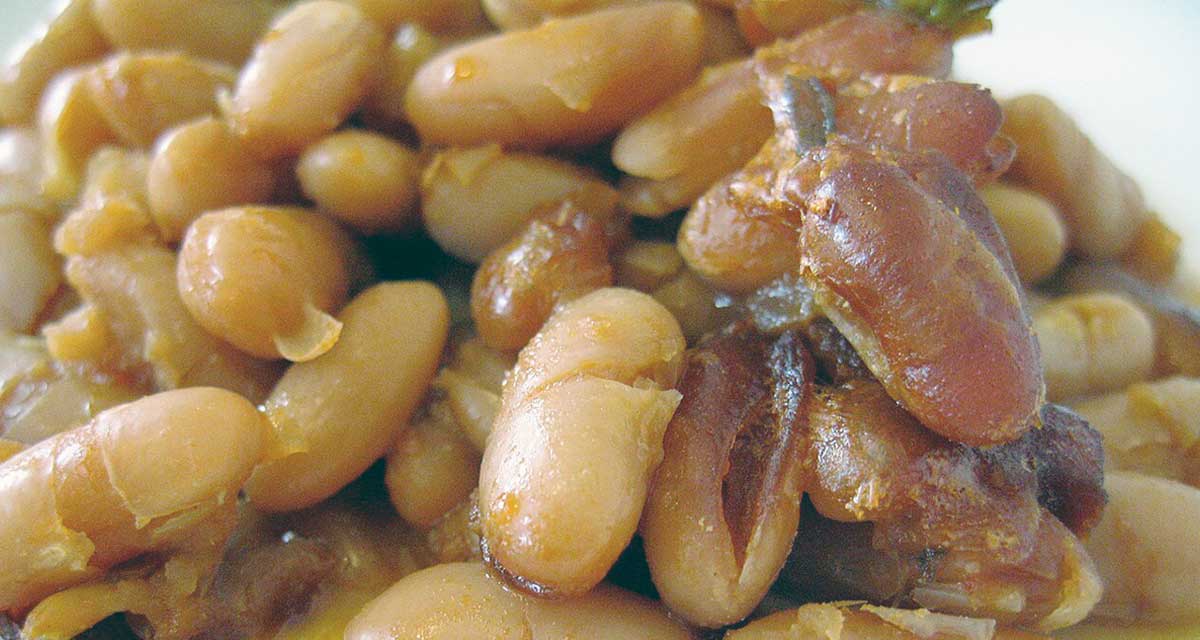
The almost humorous nickname of the conflict, formally known as the Aroostook War, derives from the main rations of men on both sides of the standoff. Salt pork and beans were the daily staple for militiamen and armed posse members alike.
The Webster-Ashburton Treaty & Final Resolution
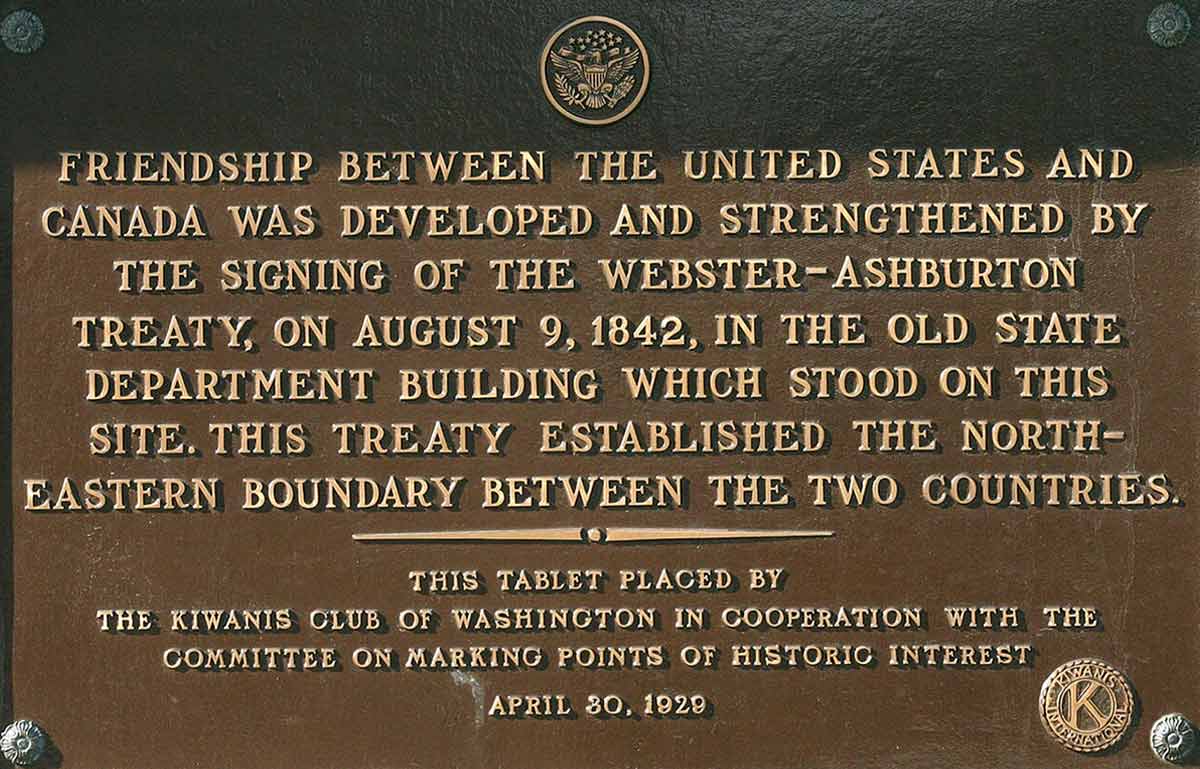
Despite increasing military pressure from both sides, the Aroostook War never escalated into a shooting war. In 1842, British envoy Lord Ashburton and US Secretary of State Daniel Webster met to negotiate a solution. The final agreement resulted in a clear division of the disputed territory with defined borders. It included provisions for open waterway navigation, granting Britain the military transit routes it relied on, but still allowed Maine key productive timberlands. Thankfully, as a result of the Webster-Ashburton Treaty, the Pork and Beans War remained a bloodless American conflict.