
Spain was once the greatest superpower on Earth. Ruled by King Philip II, the empire included nearly all of the Americas and the provinces of the Netherlands. It also had the largest navy in the known world. That all changed when the Spanish Armada attempted to invade England in 1588. The event set off a chain reaction that destroyed Spain’s image of invincibility and shifted Europe’s balance of power.
The Bitter Rivalry That Pushed Spain and England to War
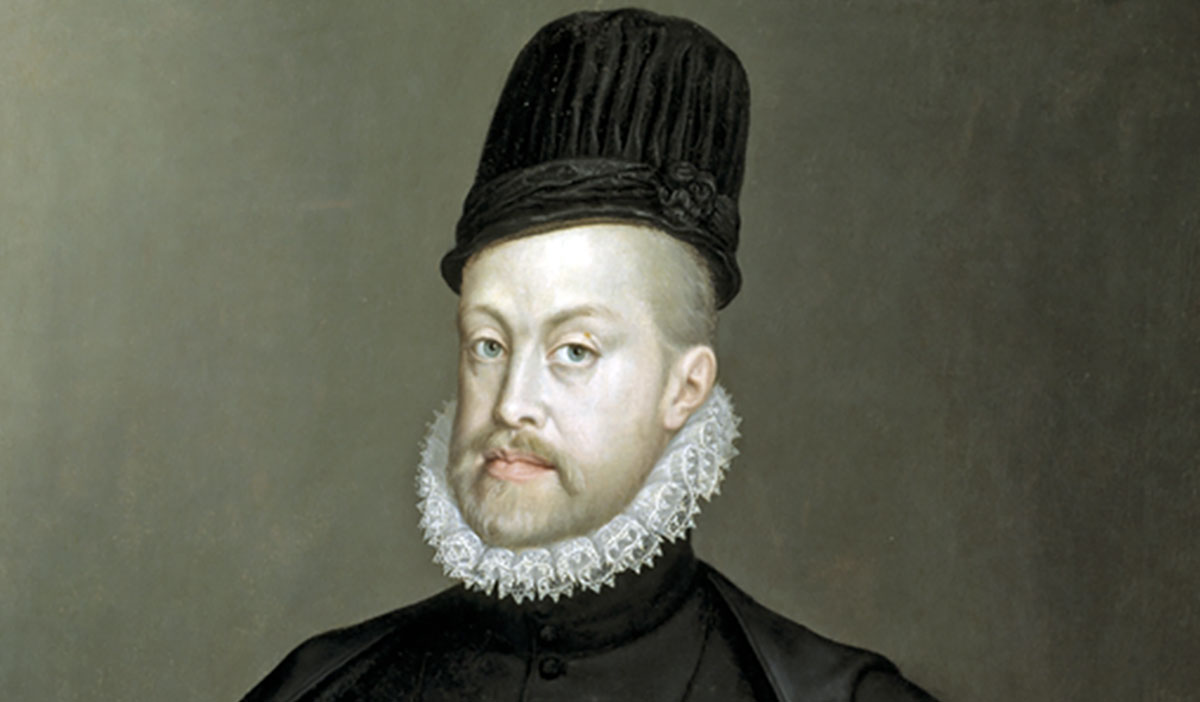
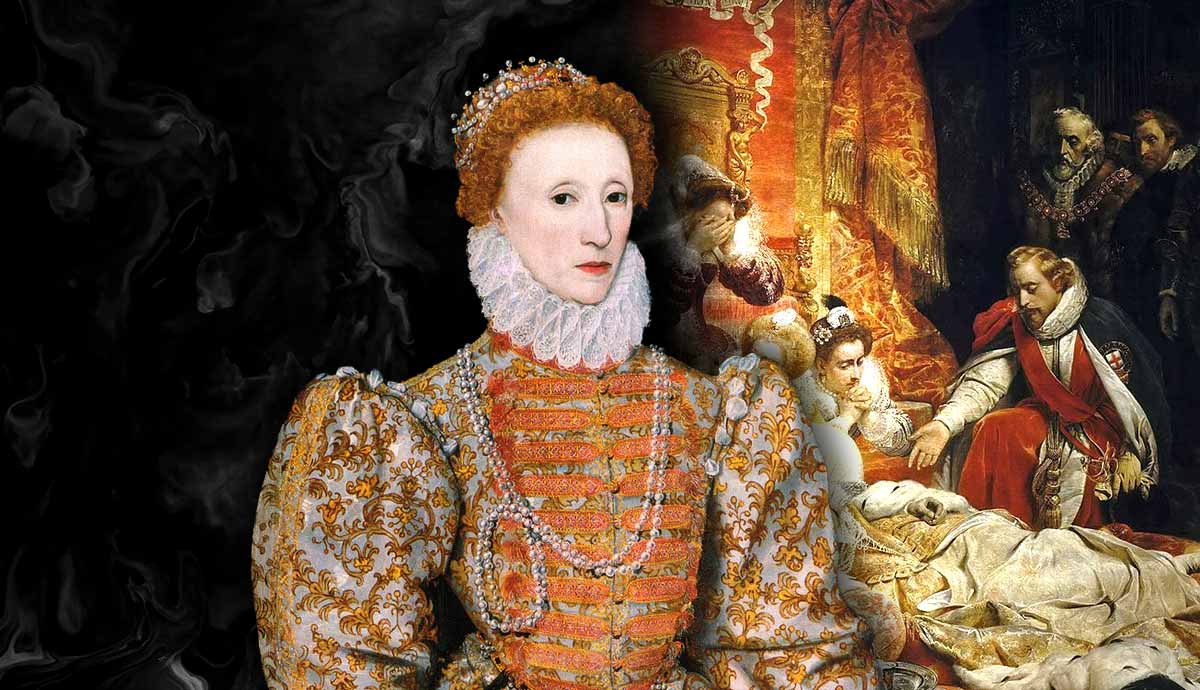
Religious passions, combined with international power politics, created the geopolitical rivalry between the two nations. By the 1580s, for example, England had firmly established itself as a Protestant nation. Queen Elizabeth I had already finalized the English Reformation and severed religious ties with the Catholic Church and Rome in 1559. The move had infuriated King Philip II of Spain, who considered himself the guardian of Catholic Christendom. He regarded Elizabeth’s actions as an unforgivable heresy.
Besides this, a fierce economic war was brewing at sea. English privateers like Sir Francis Drake had been attacking and plundering Spanish treasure ships for decades. The ships transported riches extracted from conquered lands in the Americas to Spain. While Philip II considered the attacks to be outright piracy, the English crown profited from the loot to help supplement its own navy.
Philip II finally found a reason to invade England when Elizabeth I executed her Catholic cousin, Mary Queen of Scots, in 1587. In an attempt to overthrow the Protestant Queen Elizabeth I and restore the Roman Catholic Church in England, he decided to use his most formidable weapon, the Spanish Armada, to exact revenge on England. However, Philip II underestimated the logistical challenge of coordinating such an invasion, and the two parts of this plan were never properly aligned.
The Terrifying Force Behind Europe’s Most Feared Navy
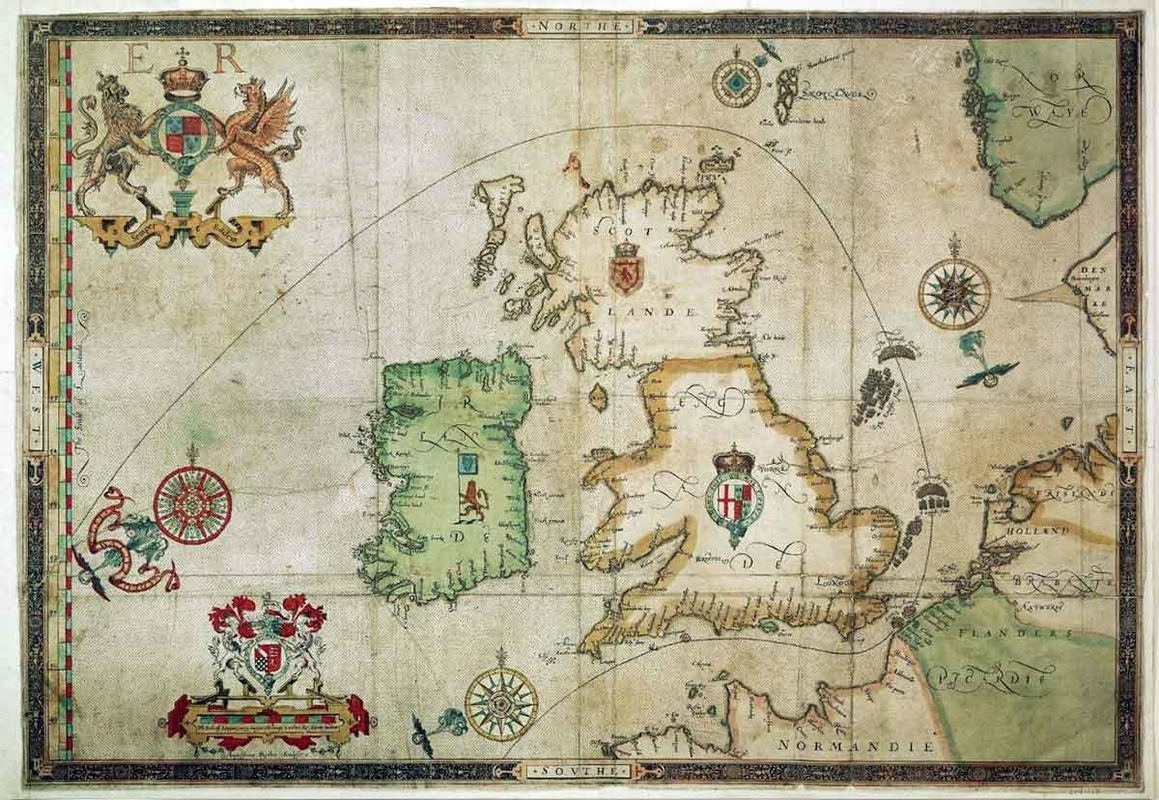
The Spanish Armada was massive. Over 130 ships transported nearly 8,000 seamen and almost 19,000 soldiers. Despite its massive size, the Spanish strategy was complex. To launch the attack, the plan required ships to sail up the English Channel, where they would meet an army of veteran soldiers belonging to the Duke of Parma waiting for them in the Netherlands. The combined forces would then invade England.
In terms of naval warfare, the Spanish were behind the times. Spain’s powerful navy had always focused on boarding and grappling enemy ships with an aim to engage in hand-to-hand combat. It was naval tradition for two ships to pull alongside each other and for hundreds of soldiers to fight it out. Recognizing that this old strategy left fleets vulnerable, the English had thrown off this tradition by building faster ships featuring longer-range cannons designed to disable enemy vessels from afar.
How Panic and Brutal Storms Crushed the Spanish Armada
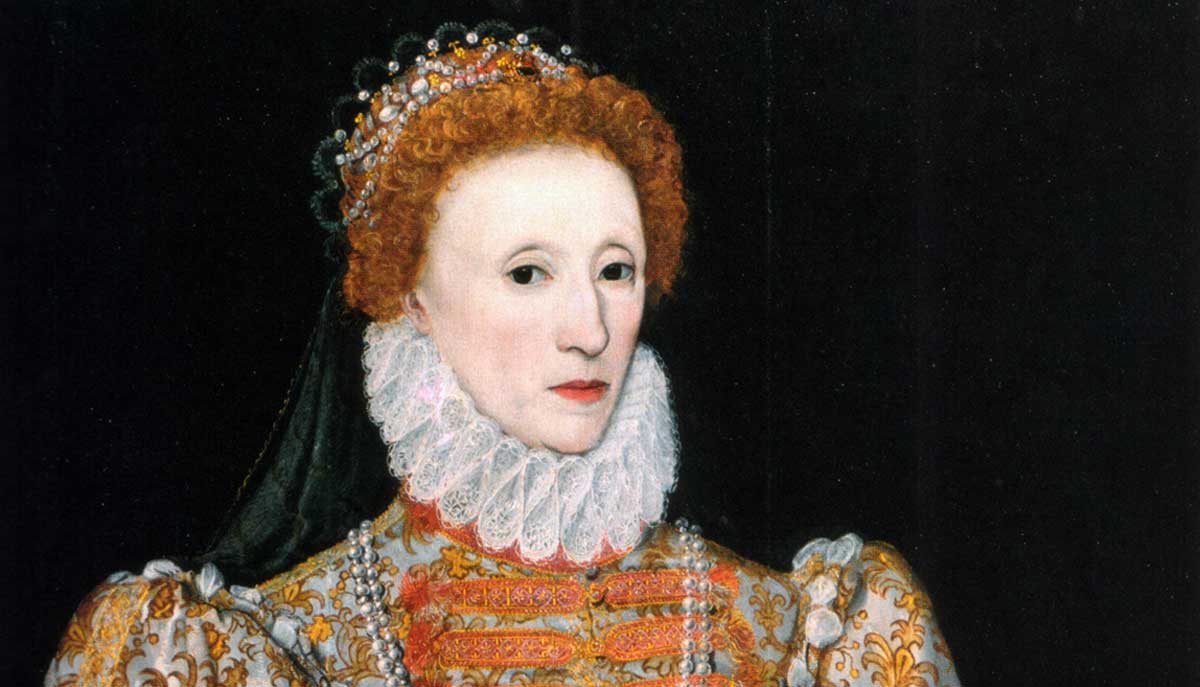
The clash began on July 31, 1588, when the two fleets met in the English Channel. The smaller English ships under Lord Howard of Effingham, Sir Francis Drake, Sir John Hawkins, and Sir Martin Frobisher were able to outmaneuver the slow Spanish galleons and armed merchant vessels while harassing them with cannons. Everything changed on August 7–8, 1588, off the coast of Calais. Waiting for the Duke of Parma’s massive army to join them, the Spanish anchored their fleet in a disorganized cluster. The English sent eight fire ships packed with combustibles directly into the formation and panicked the Spanish, who tried to cut their cables and escape.
It was while attempting to escape around Ireland and Scotland that they encountered the Protestant Wind, a series of violent storms that destroyed the battered Spanish fleet. Already low on supplies and starving, the Spanish suffered thousands of casualties due to storm wrecks. When they limped back to Spain, over half of the fleet and nearly 15,000 soldiers were lost. The Anglo-Spanish War would drag on for 16 years until the Treaty of London was signed in 1604, but ultimately, the era of Spanish dominance had been dealt a heavy blow. This defeat proved that the English navy could successfully defend its home waters against a superior force.
How One Naval Battle Changed Global Power Forever
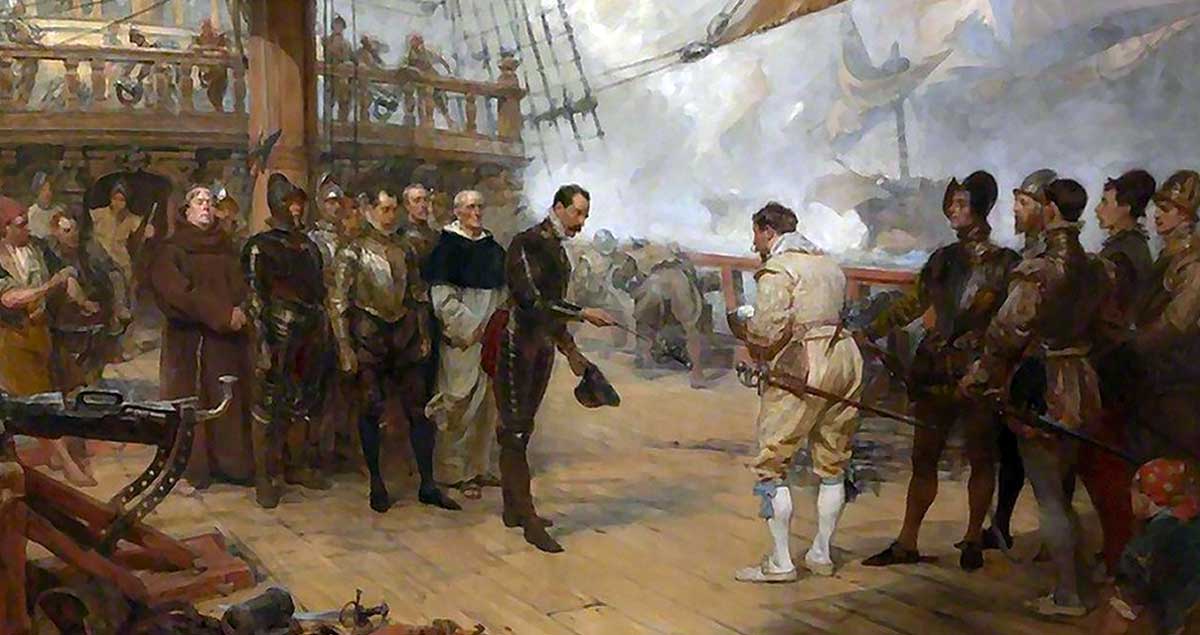
Spain still had the largest navy on paper, but its reputation was tarnished. The nation had also spent a small fortune replacing ships that were either destroyed or needed to be rebuilt, and was effectively bankrupt. The situation slowed down its colonial expansion. Though costly for England, the victory had the opposite effect. Elizabeth’s status was solidified, allowing her to stabilize and expand England’s influence.
The destruction of the Spanish Armada opened up the North American coast for colonization, leading to the founding of Jamestown in 1607. The failure of the Spanish invasion also ensured that most of Europe would stay Protestant. Europe would be split between Catholic and Protestant nations, ultimately leading to the Thirty Years’ War (from 1618 to 1648). This conflict would grind down Spanish power even more.
Essentially, 1588 marked the end of an old world order.