
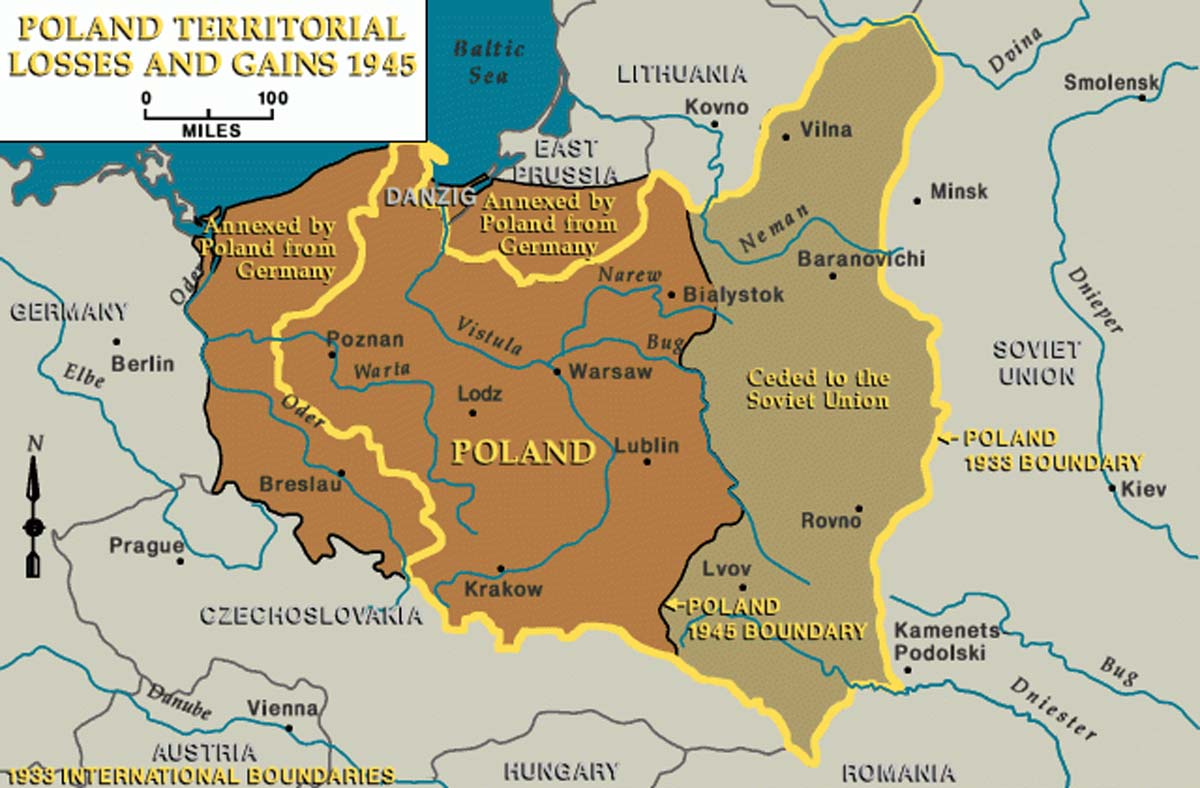
From 1944 to 1950, the governments of Poland, Czechoslovakia, Hungary, Romania, Yugoslavia, and the Soviet Union engaged in a mass deportation of ethnic Germans residing on their territory, either settlers from the Nazi occupation or people who had been living there before 1939. It was one of the largest ethnic cleansings in human history.
Reichsdeutsche and Volksdeutsche: Who Were the Germans Affected?
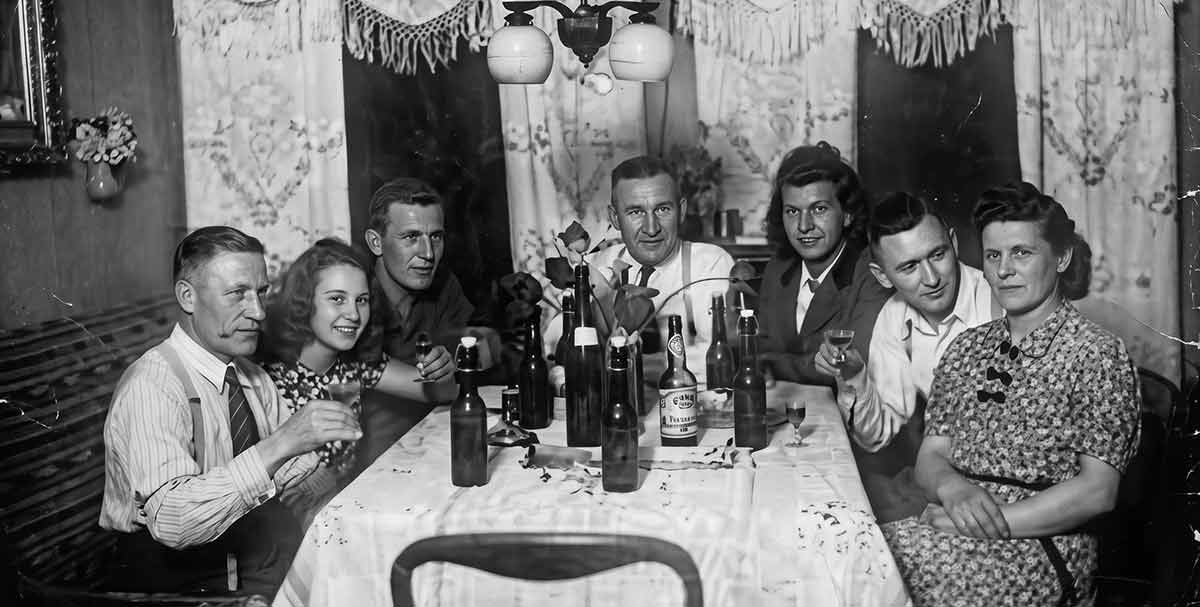
For several centuries, ethnic Germans had settled east of the Oder-Neiße river to accommodate their growing populations and establish small kingdoms, such as the Teutonic state in the Baltic region. From the 11th to the 14th centuries, this settlement pattern was known as the Ostsiedlung.
In the 18th century, Prussia, Austria, and Russia sought to settle German communities among Slavic and Jewish communities to reinforce their imperial control over the territories in question. Most of them remained there for centuries, even after Germany or Austria lost large pieces of territory after the Paris Peace Conference.
In the interwar period, the German diaspora or Volksdeutsche in Central and Eastern Europe consisted of over eight million people. Most were law-abiding citizens of their new countries, but often reluctant to acknowledge the Versailles borders. While some of the Volksdeutsche were willing to support the newly independent countries they lived in, most remained sympathetic to the German and Austrian governments. They formed associations with other Germans to stay politically organized and sought international support every time they felt that their rights were being violated.
This did not prove to be a major issue for Central European governments until the 1930s, when Hitler weaponized the issue by claiming that the Volksdeutsche were being mistreated.
During the German occupation of Central and Eastern Europe in WWII, the authorities elevated the interests of ethnic Germans. The Third Reich created special lists that identified who was a German versus who was not. Hundreds of thousands of Volksdeutsche were drafted into the Wehrmacht and the SS, often forming specialized units. People living in occupied territories became embittered and began to seek vengeance on their German neighbors.
The Potsdam Agreement
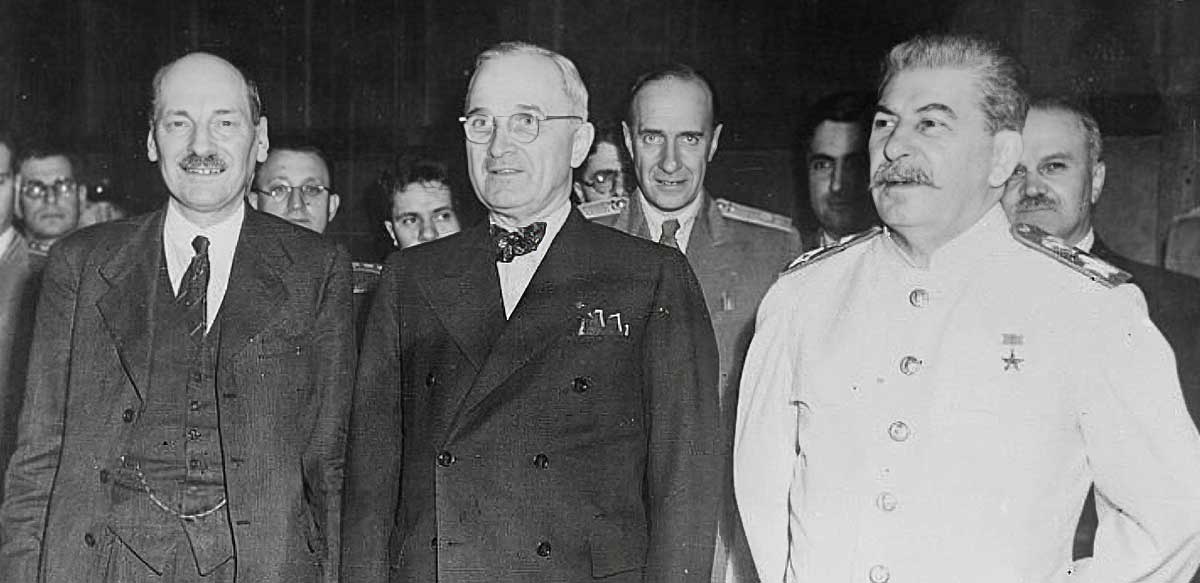
By 1945, the Axis was in full retreat and the Allies were discussing arrangements for the postwar world. After the German surrender, the leaders of the Soviet Union, the United States, and Great Britain met at the Potsdam Conference. They agreed there was a need for a large-scale “transfer” of the German population in Central and Eastern Europe.
During the final months of the war in Europe, millions of Germans had been displaced by advancing Allied forces. To formalize the transfer and try to tame the chaos, the Allied leaders agreed that the German populations in Poland, Hungary, and Czechoslovakia would be sent to Germany or Austria.
Article XII of the Potsdam Agreement explicitly rejected the violent harassment of these people and insisted that the expulsions be done humanely. The Western Allies even asked newly restored European governments to stop the expulsions until they could ascertain how many people it would impact. Stalin had no such scruples. He insisted that the expulsions were to happen as quickly as possible and he urged the new governments in Warsaw, Prague, and Budapest to act.
In hindsight, it seems shocking that these governments were willing to approve such a large-scale forced displacement of people, including families that had lived on their lands for centuries. However, this idea of “population transfer” was very common in the 20th century. Greece and Turkey had ended their conflict in 1919-22 with a mutual population transfer. Stalin was used to deporting entire ethnic groups hundreds of miles from their homes. Additionally, one of the main justifications for German expansion was to rule over the territories where the Volksdeutsche lived. Forcing them into Germany could stop German irredentism in the future.
“Wild Expulsions” to Organized Transfer
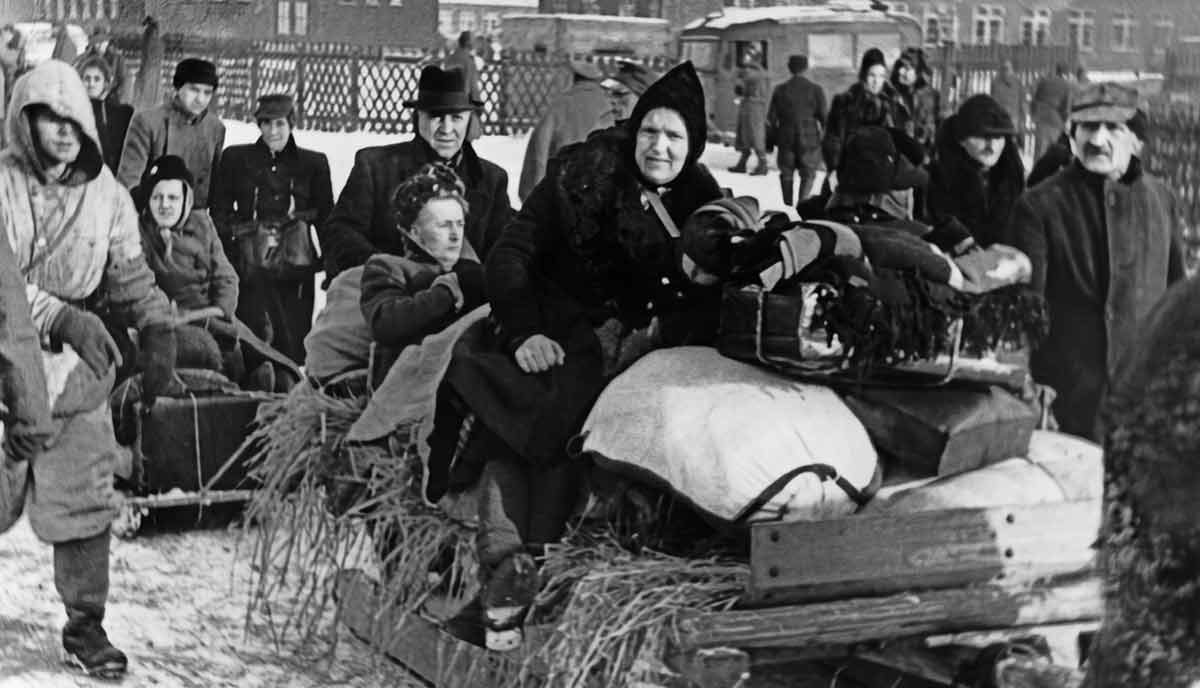
By the time the Allied leadership was meeting in Potsdam, millions of Volksdeutsche and Reichsdeutsche (Germans who lived in territories that had been part of Germany before 1937 but were ceded to neighboring states after the war) were already fleeing. The Soviets had been advancing on the Eastern Front from 1943 onwards and gained the support of local militias armed by communist parties. Other partisan bands, like the Polish AK or the Czech Jan Žižka partisan brigade, hoped to take power as the Axis administration collapsed. People who had suffered under the Nazis and their collaborators now desired to take revenge.
Local partisan groups used the lists of ethnic Germans compiled by the occupation authorities to round up civilians and march them towards the German/Austrian borders. People who resisted were lucky to get arrested; in many cases, they were shot. The Soviet Army often assisted the partisans in these expulsions. Mobs of angry locals robbed and attacked the German refugees as they marched onward. In many instances, German refugees were placed in former Stalags (POW camps) or even concentration camps like Theresienstadt.
Reports of mass death and violence encouraged the Western Allies to insist on more orderly deportations. They hoped to use trains to transport the Germans and insisted that any ethnic German who helped the Allies during the war would not be expelled.
However, the reality on the ground was very different. Few Europeans, even from countries that had allied with Germany, had much sympathy. Many Volksdeutsche and Reichsdeutsche were formerly supporters of the Nazis and had benefited greatly from their rule. Additionally, the new governments being set up in Europe lacked the authority to control their peoples’ worst impulses. Only after the war ended did the expulsions become more organized and “humane.”
The Three Phases of the Exodus
The German exodus took place in three waves. The initial waves of refugees were from people fleeing the Allied advances, fearing that they would be raped or murdered. The refugees were a mixture of Germans who had been living in the contested areas for centuries and those who settled more recently. Thousands who were caught by the Soviet Army were imprisoned, abused, or killed. Their flight was against the wishes of Berlin, which insisted that every German soldier or civilian fight to the bitter end.
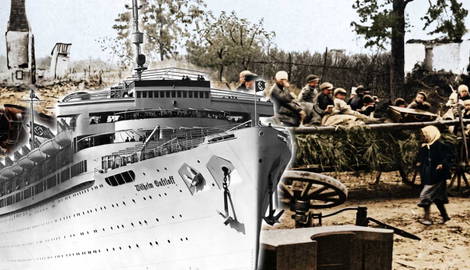
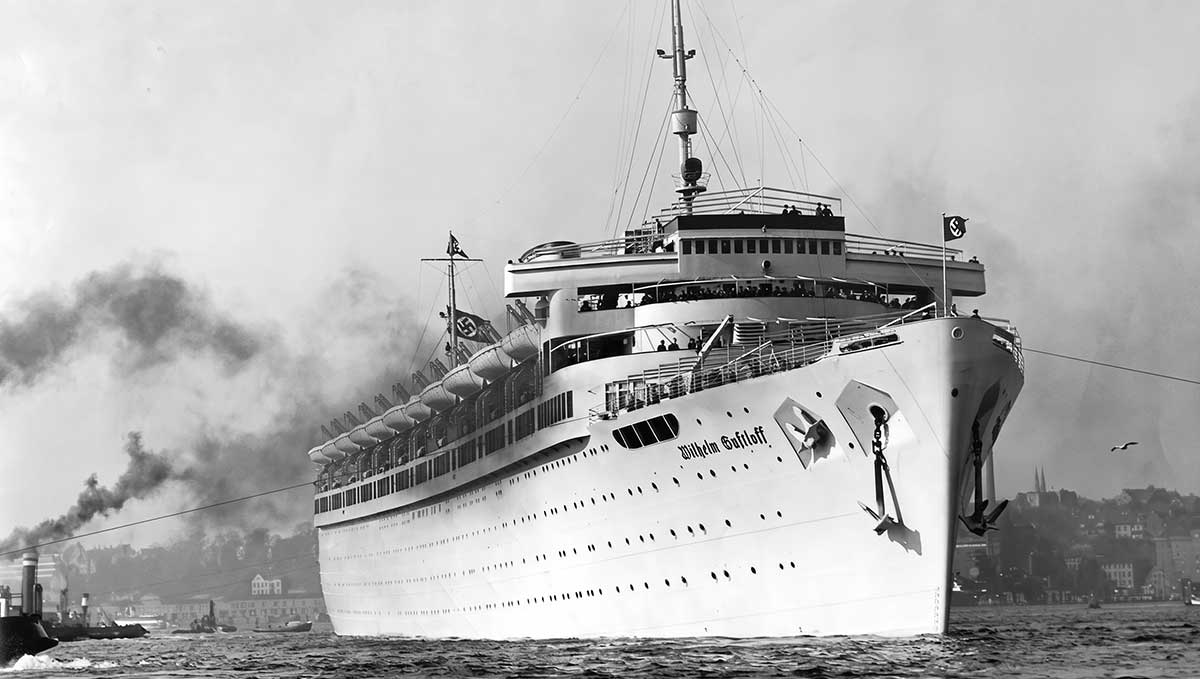
On the Baltic coast, Admiral Karl Dönitz pulled off one of the largest naval evacuations in history by utilizing a fleet of small and large ships to transport German soldiers and civilians from the Courland peninsula and East Prussia to German ports west of the Oder River.
The second phase was the aforementioned “wild” expulsions. No standing orders existed among the Soviets or partisan groups that the Germans had to be expelled. However, there was a considerable desire for revenge and fear that the German settlers or Volksdeutsche would form an insurgency behind Allied lines.
Some of the acts of expulsion proved to be very deadly. For instance, in late July 1945, Czech partisans and Soviet troops murdered hundreds of ethnic Germans in the town of Aussig after an ammo dump exploded, dumping their bodies into the Elbe River. The city of Brno saw 20,000 of its German residents forced to march to the Austrian border, leading to thousands of deaths. These acts were designed to create a reality on the ground that Allied leaders had to acknowledge.
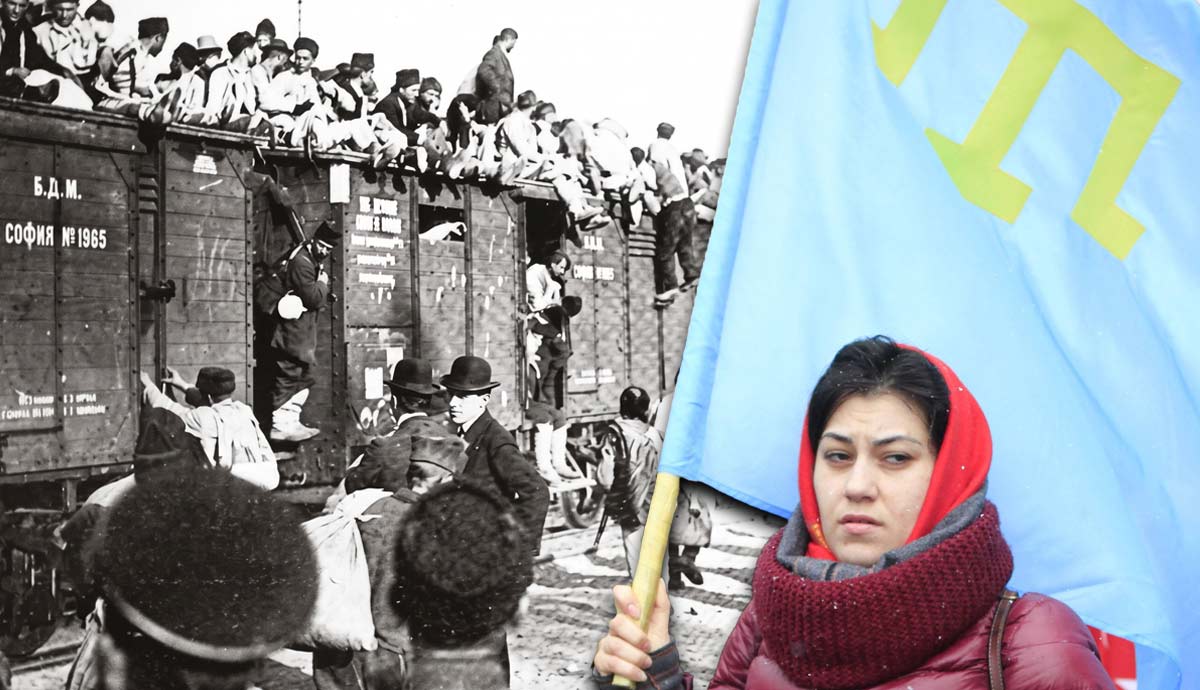
The final phase was the Potsdam-mandated expulsions, in conjunction with other government decisions to push their German communities out. These expulsions were supervised by the Allied Control Council and involved putting 30-50 people in each train car and sending them to designated zones in Germany. These refugees included Reichsdeutsche who found themselves living outside Germany.
The four Allied zones of occupation in Germany were supposed to receive equal numbers of refugees, but they varied greatly in reality. Allied soldiers agreed to help the refugees with processing before they were sent to specified towns and cities. By 1950, this process was largely completed as most Reichsdeutsche and Volksdeutsche had arrived in Germany.
The Human Cost
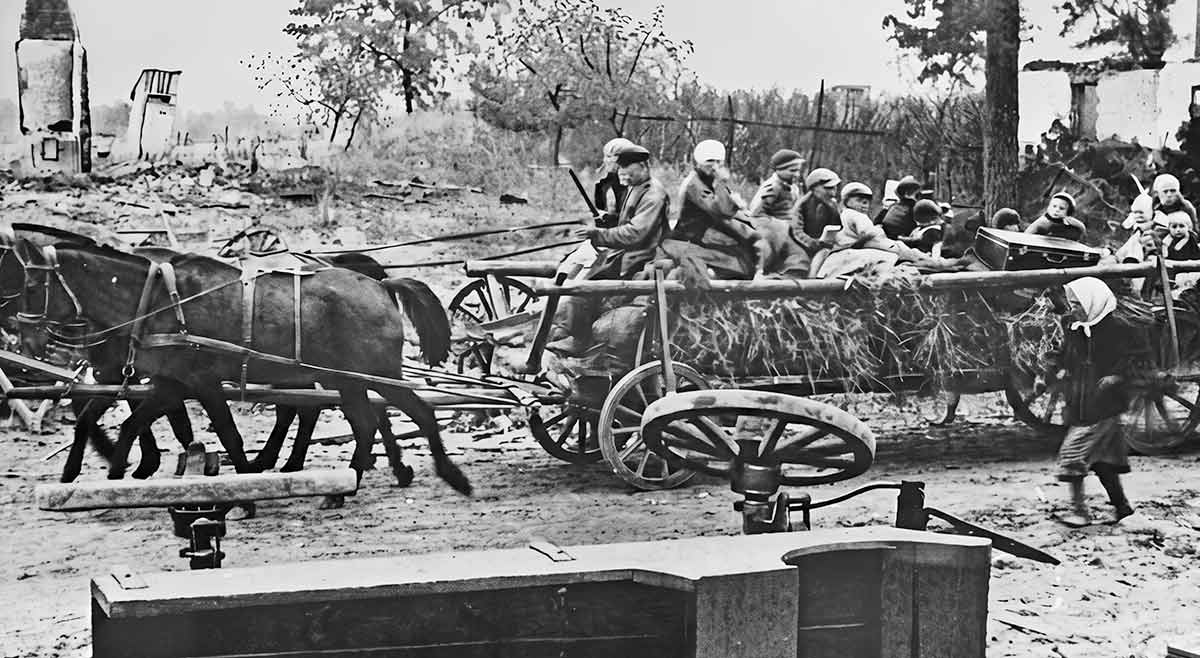
From 1944 to 1950, around 12 million German civilians from outside Germany’s post-1945 borders were deported to East and West Germany. Within several years of the expulsions, most ended up in West Germany, which was transitioning into a democratic state. Many were destitute when they arrived.
For those who had never lived in Germany proper, it was a bewildering experience. A lot of them spoke dialects unknown in Germany and had to compete with other Germans who had lost their homes and family members. Many Germans in Southern Europe were Catholics and struggled to live alongside a majority-Protestant population.
The death toll is not exactly known, but historians estimate that anywhere between 600,000 and 2,000,000 people died during the expulsions. Columns of refugees fleeing the Soviets were strafed by aircraft. Tens of thousands died in maritime accidents during Operation Hannibal, Admiral Dönitz’s evacuation plan. The worst disaster was the sinking of the SS Wilhelm Gustloff by a Soviet submarine in 1945, killing thousands of passengers.
In Czechoslovakia and Yugoslavia, thousands died in internment camps awaiting deportation. Hundreds of thousands of women were raped by the Soviets and partisan units, an appalling atrocity that was covered up for decades. Because many of these refugees fled in winter, the cold took its toll, leading to high rates of frostbite.
Psychologically, the expulsions were one of the most traumatic episodes in modern German history. After the atrocities committed by Germany and the willingness of much of the Volksdeutsche to support the Nazi Party, few people around the world were willing to sympathize with the refugees. In Germany proper, many locals mocked the arrivals as cowards and undermined their efforts to integrate into German society.
How Did the Expulsions Shape Postwar Germany?
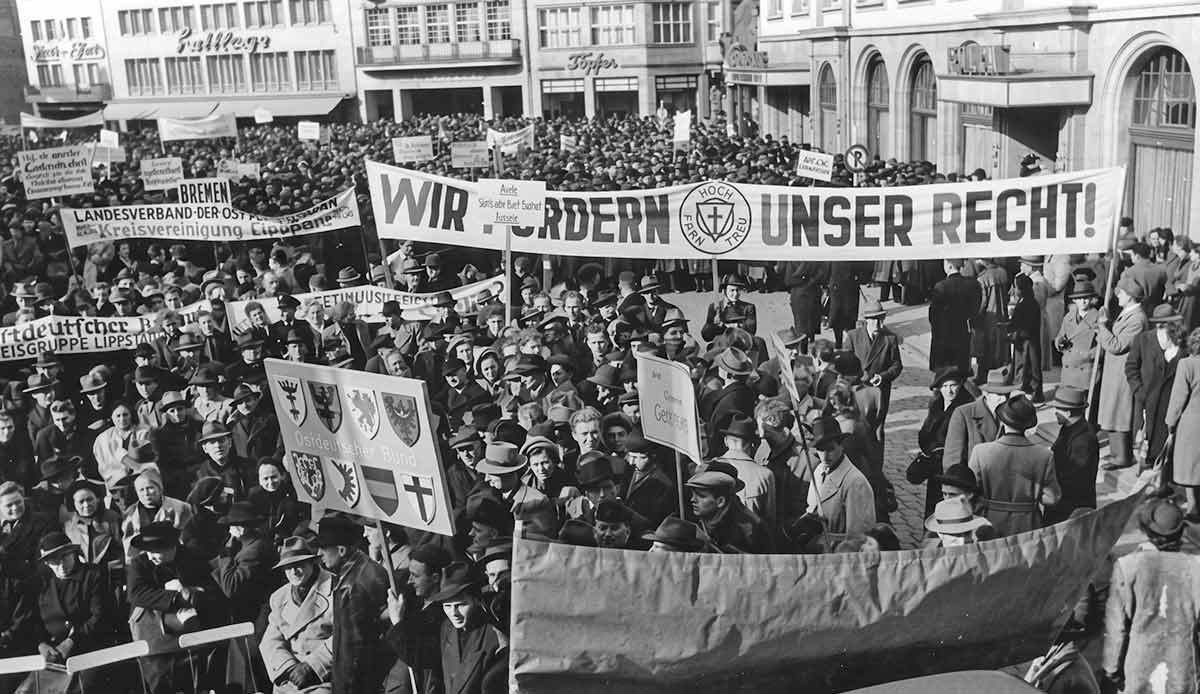
Initially, German society saw the refugees as a burden on their war-torn economy. The refugees had to create a life among the ruins of German towns and cities. Once Germany was divided between East and West, refugee families were often split by the Iron Curtain. However, West Germany benefited greatly from the influx of refugees, which helped rebuild its economy and industrial sector. The refugees filled gaps in the workforce left by the deaths of millions of German men in the war.
The governments in Bonn and East Berlin had different approaches to the refugees. In the east, the communists were unwilling to do much to help the new arrivals. They were forbidden from talking about their experiences or forming organizations. A few of them remained there before the border was shut entirely. In the West, expellees formed organizations such as the BHE Party. Surprisingly, this party and similar groups refrained from supporting irredentist claims over the land that Hitler claimed, hoping to avert the rise of another Nazi party.
In 1952, West Germany passed the Equalization of Burdens Act, which was a massive tax on those whose property survived the war to provide “startup” grants and pensions for the refugees. It was one of the most ambitious wealth-redistribution programs in history.

In the modern era, most countries that expelled their German populations have at least acknowledged the events, if not officially apologized for them. The creation of the European Union and the freedom of movement enabled by the fall of the Iron Curtain have enabled the descendants of the refugees to visit their ancestral homes.
Additionally, some ethnic Germans who were allowed to remain while their compatriots were expelled, have been involved in European politics and society, such as former Romanian president Klaus Iohannis. While the expulsion of Volksdeutsche and Reichsdeutsche is one of the most infamous forced transfers in history, outside of Central Europe, it has faded from memory.