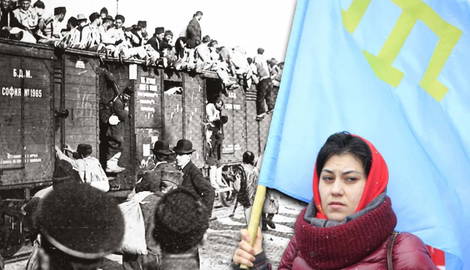

In 1944, the Soviet government decided to forcibly deport almost the entire Crimean Tatar community from the Crimean peninsula to the Uzbek SSR. Ordered by Stalin on the initiative of the notorious secret police chief Lavrenty Beria, the expulsion known as the Sürgünlik, was one of the most infamous acts committed by the Soviet leadership in the 1940s. Although they were later allowed to return to Crimea, the Sürgünlik remains a traumatic experience for the Crimean Tatar community.
The Crimean Tatars in the Early Soviet Era and WWII
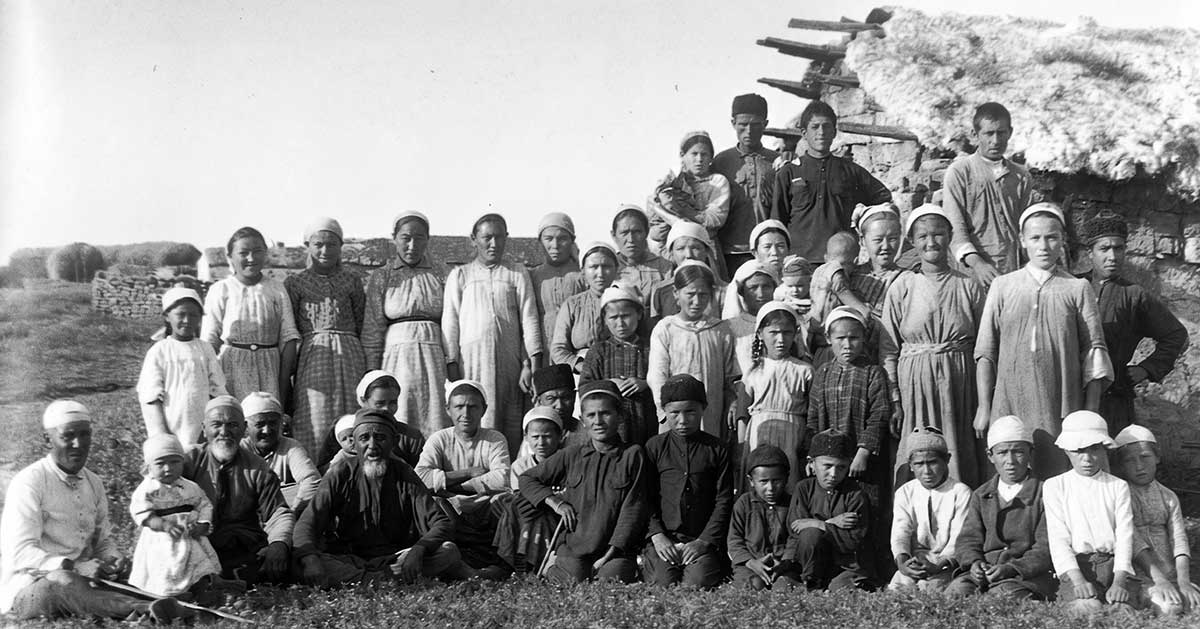
For close to three centuries, the Crimean Tatars had dominated the Crimean peninsula, creating a reputation of being fearsome warriors and conquerors. The Crimean Khanate came to an end in 1783, when Catherine the Great annexed the peninsula, opening it up to Russian settlement. Russian rule proved to be devastating to the Tatars in Crimea, leading to their impoverishment and an exodus to the Ottoman Empire. As a result, the Crimean Tatars welcomed the Russian Revolution of 1917 and sought to form an independent Crimean state.
However, Crimea was seized by the Bolsheviks during the Russian Civil War. There was a failed attempt to create a large Jewish settlement (a Soviet alternative to Zionism), forced collectivization, and increased settlement of Russians and Ukrainians. When the Red Terror began, the peninsula effectively became a gigantic cemetery, with estimates of the number killed ranging from 12,000 to 100,000.
In 1921 to 1923, a famine devastated the Tatar community in Crimea, resulting in tens of thousands of more deaths. While the Soviets were willing to promote Tatar culture and created the Crimean Autonomous Soviet Socialist Republic (Crimean ASSR) within the Russian SFSR to win their support, that ended in the 1930s when Stalin began favoring ethnic Russians throughout the USSR.
In the Second World War, Crimea was subjected to a brutal occupation by German and Romanian forces. Tens of thousands of Crimean Tatars joined the Red Army and fought hard to fend off the Axis advance. After three years of Axis occupation, Soviet forces regained control of the peninsula.
Why Did Stalin and Beria Target the Tatars?
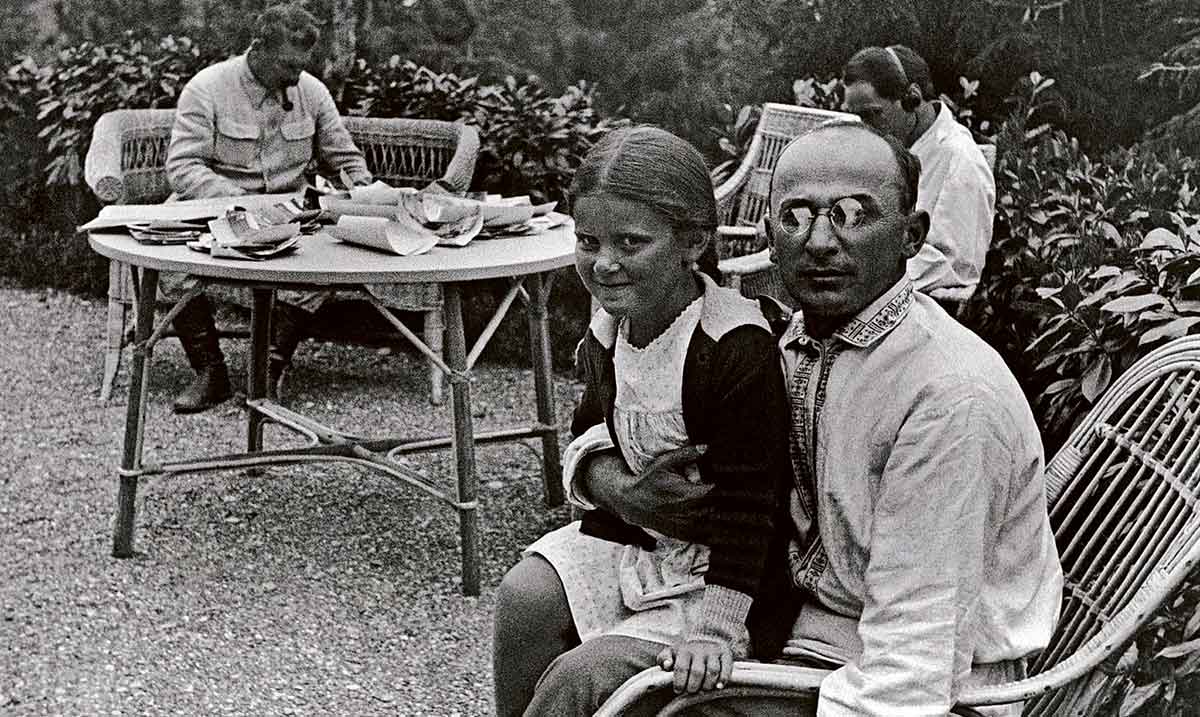
As the Soviets marched on to Berlin, Stalin’s regime began to seek vengeance against anyone perceived to be a collaborator. Entire ethnic groups were to be deported from their lands in an attempt to reinforce Russian control over strategically important territory. Lavrenty Beria, the chief of the NKVD (secret police), was an enthusiastic promoter of this policy of collective punishment.
During the Axis occupation of Crimea, thousands of Tatars served the occupation regime in an attempt to foster German or Romanian support for an independent, noncommunist Crimea. Some even turned over Jews and Roma living in Crimea to the Axis. Even though around 40,000 Tatars served in the Red Army and in the resistance, the Soviet leadership determined that the entire community were collaborators. Additionally, the Kremlin feared that Turkey would attempt to seize the peninsula by force and that the Tatars would help them.
Even as fighting raged on the peninsula in May 1944, Beria sent a memo to Stalin, claiming that Tatars were deserting the Red Army’s ranks in large numbers. A month later, he argued that a large anti-Soviet population in Crimea was intolerable and urged Stalin to act quickly. A day later, Stalin ordered the expulsion to take place under the NKVD’s aegis. NKVD troops began to fan out all over the peninsula to organize the deportations.
The Logistics of the Deportations
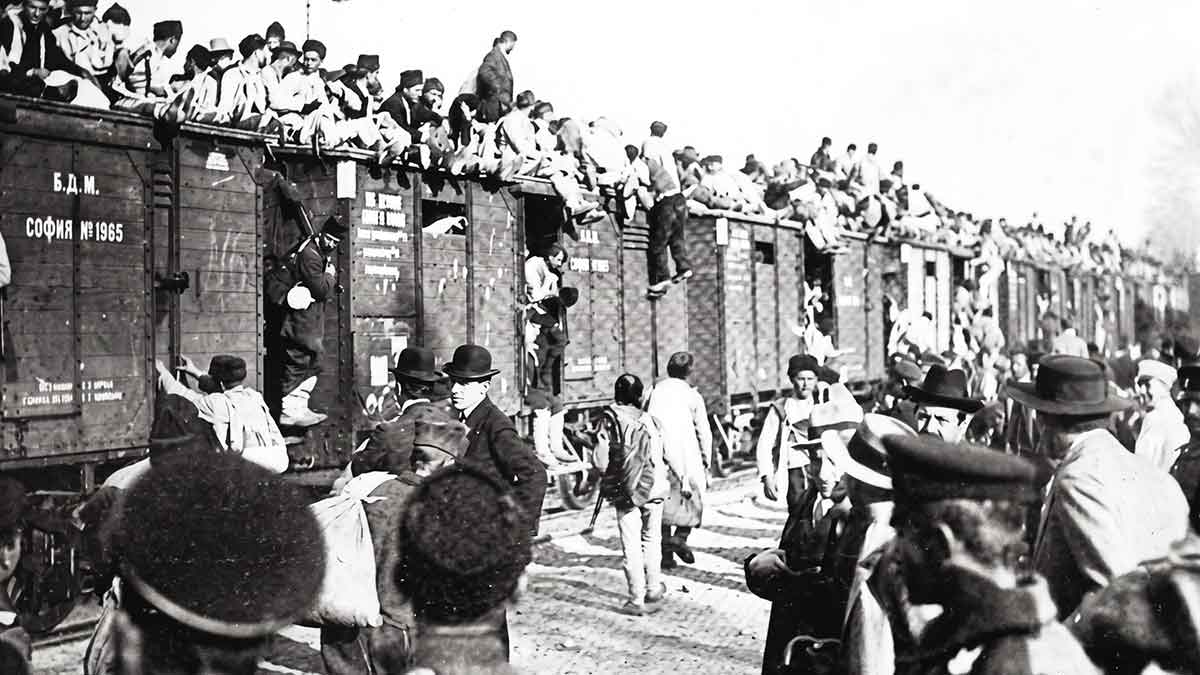
The deportation was carried out with brutal efficiency and cruelty. The NKVD intended to move the entire population in just three days. Prior to the operation, the NKVD and the Commissariat of Transportation assembled 70 trains with around 50 carriages each. Hundreds of trucks were used to move the deportees from their villages and cities to their assigned rail hubs. Beria designated large areas in the Uzbek SSR for the deportees. Some who were found guilty of collaboration were sent straight to the gulags.
At 4:00 in the morning of May 18, 1944, NKVD troops and local police began knocking on the doors of Tatar families all across the peninsula. The locals were given less than half an hour to pack before being taken to the trains. By May 20, and with little resistance, almost every Crimean Tatar was expelled from the peninsula. Over a period of between ten days and three weeks, the transport trains carried the deportees to their new homes across Uzbek SSR. Even Tatars who served in the military, with a few exceptions, were forced to go east as well.
Most of the deportees were immediately ordered to work on kolkhozes (collective farms) and sovkhozes (state farms). They were assigned to help grow cotton harvests and often competed with local Uzbeks for jobs. Some found work in cities like Tashkent, but most remained in the countryside. Around 30,000 to 40,000 worked in industrial zones outside of Uzbek SSR until they were allowed to reunite with their families. The Tatars were not the only ethnic group to be deported from Crimea: the Soviets also deported tens of thousands of Greeks, Armenians, Bulgarians, from the peninsula.
How Did the Soviet State Try to Erase Tatar Culture and Identity?
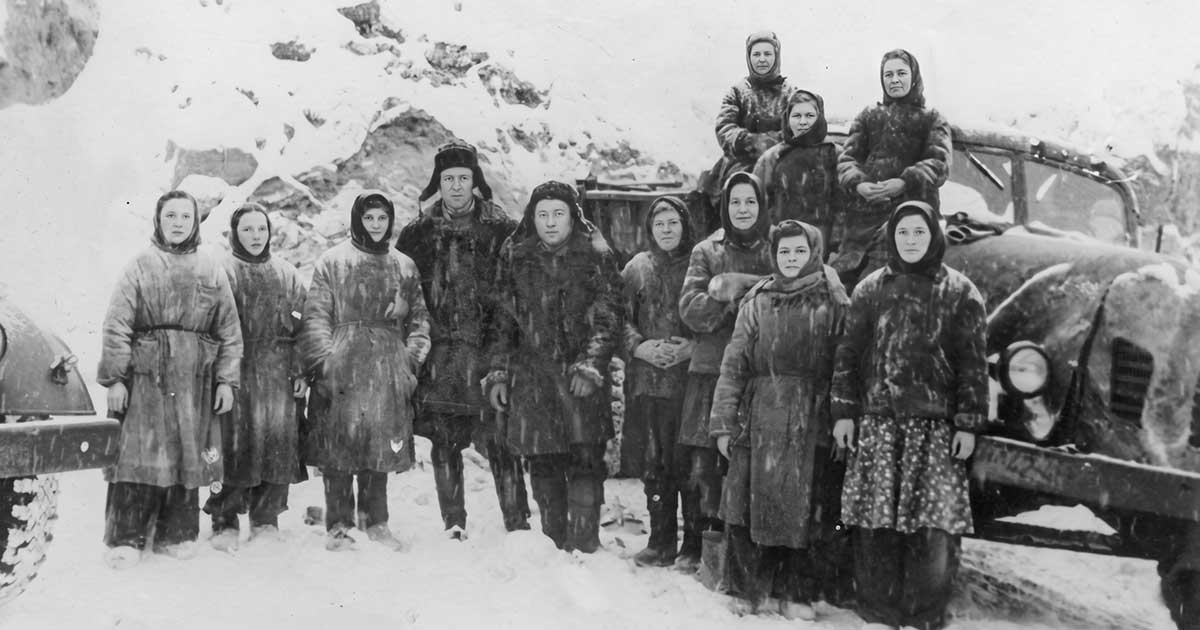
After the expulsions were completed, the Soviet authorities sought to eliminate Crimean Tatar culture and identity. Over 1300 settlements were renamed on the peninsula from their Tatar names to Slavic ones. Mosques, cemeteries, and monuments were torn down. Books and manuscripts in the Crimean Tatar language were destroyed.
To fill the vacant homes across the peninsula, Moscow brought in thousands of settlers from Russia, Ukraine, and Belarus to permanently change the demography. Soviet schools in Crimea downplayed the Tatar contribution to the peninsula’s history.
In 1946, Crimea lost its autonomous status when the Crimean ASSR was downgraded to a standard oblast (province) within the Russian SFSR. The USSR stopped recognizing the Crimean Tatars as an individual community. Instead, they argued that they were the exact same community as the Volga Tatars, a larger community with similar roots on the Volga River. Their identity papers made very little mention of whether or not they came from Crimea. Their language was targeted by the state and many of them were Russified.
In line with his newly announced de-Stalinization policy, Nikita Khrushchev allowed most displaced ethnic groups to return to their homes in 1956. However, Crimean Tatars were exempted from the policy, and Crimea had instead been transferred to the Ukrainian SSR in 1954.
In response to the attacks on their identity, Crimean Tatar community activists began holding protests against the Soviet authorities. Some, like the famed Mustafa Dzhemilev, were arrested for long periods of time. Others testified before the Helsinki Commission to protest their plight. Up to the end of the Cold War, the community continued to protest their ill-treatment by the Soviets.
What Was the Cost of the Expulsions?
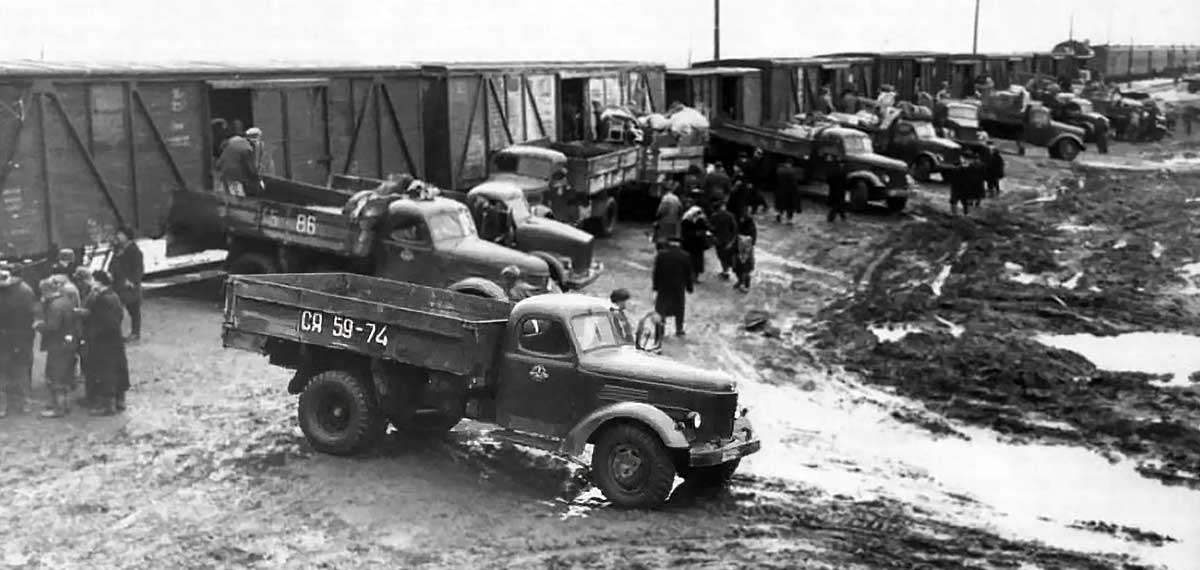
The Soviet deportations were devastating to the Tatars and led to a very high death toll. The train rides to Central Asia were named “crematoria on wheels” and an estimated 8,000 people perished during the transportation alone. Because the train cars were so packed, many families had to stand for most, if not all, of the journey. Food and water were scarce and disease was rampant. Doctors struggled to save those in danger.
The deaths did not end with the trains arriving in Uzbek SSR. Soviet records indicate that as many as 27% of the nearly 200,000 Tatars deported from the peninsula died in the weeks following their arrival in Uzbek SSR. Some Crimean Tatar estimates suggest that the death toll could have been even higher, at 46%. Typhus outbreaks, a lack of immunization to malaria, chronic hunger, and brutal ill-treatment contributed to a near collapse of Crimean Tatar society. Their suffering was exacerbated by the severe change in climate.
Property losses were extensive. 80,000 homes were emptied and occupied by the flood of settlers from elsewhere in the Union. Hundreds of thousands of acres of land were seized, in addition to cattle and other livestock. While Moscow promised meager financial compensation to the people that were deported, most Tatars never received it. The violence and destitution they faced at the hands of the USSR was devastating and has since been designated an act of genocide in multiple Western countries.
The Road Back Home and the Modern Legacy of the Sürgünlik
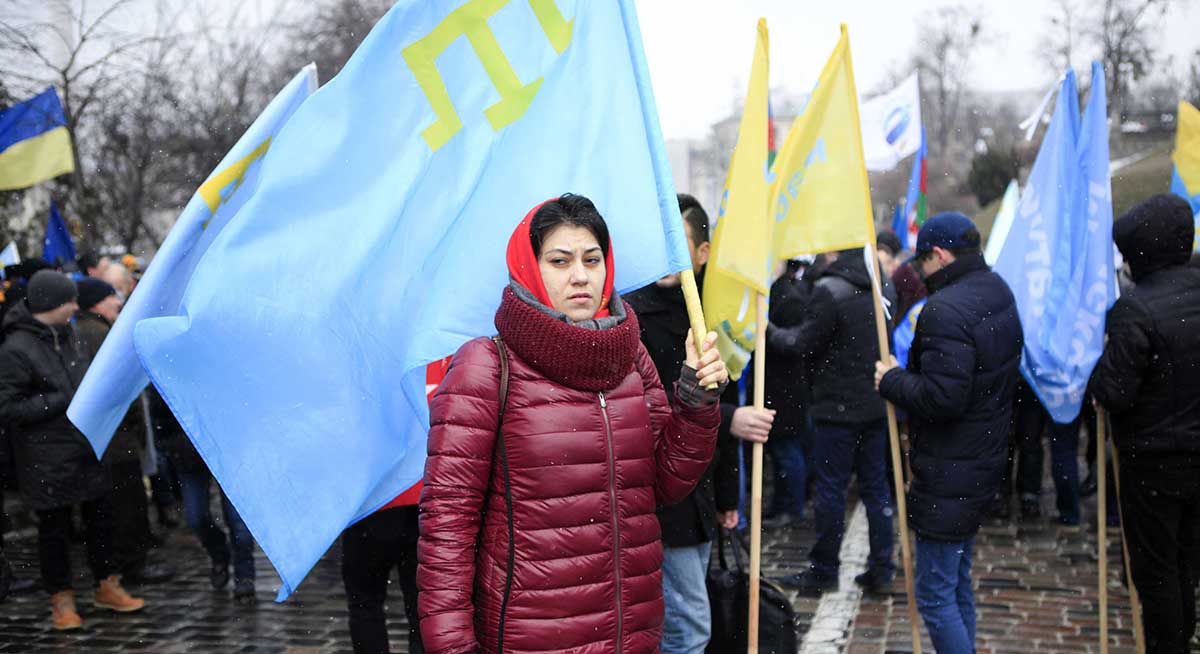
In the decades following the deportations, some of the Crimean Tatars began returning to the peninsula, either by securing work or through unauthorized squatting. The Soviet government opposed any attempt by the community as a whole to return. By the 1980s, however, the Crimean Tatar civil rights movement’s persistence had paid off and more of them began moving to the peninsula to try and reclaim their properties. A 1989 decree by the Soviet parliament declared the expulsions to be a criminal act and some 260,000 people returned to Crimea by 1992.
To represent their interests, the Qurultay (national assembly) and its executive body, the Mejlis, were formed to represent the people’s interests in their homeland. By this point, the Ukrainian government had seceded from the Soviet Union and retained sovereignty over the peninsula. Between 1991 and 2006, Kyiv spent $460 million to help the Tatars return and find new housing. While many remained stateless for a number of years, the Tatars managed to assimilate into Ukrainian society to a large degree.
Certain matters were still very difficult. The local Slavic population was often very hostile to returning Tatars, accusing them of trying to “Turkify” the peninsula. Ukrainian governments alternated between pro-Russian and pro-Western parties, meaning that their treatment of Crimean Tatars also varied. By 2014, matters came to a head with Russia’s annexation of Crimea. While they were not expelled en masse, they faced repression yet again from Russian authorities, leading many to flee to Free Ukraine. The struggles they face today from the Russian invasion of Ukraine are just another chapter in their long struggle for dignity.