
Culinary dishes are part of history. Every slice of pizza or bite of a hamburger has a story behind it, cooked to perfection in the annals of history. While some foods are named after places and were created by ordinary people, other dishes rose to popularity by being connected with fame and renown.
Here are 4 dishes and why they were named after the icons of their day.
How Military Victory at Waterloo Created Beef Wellington
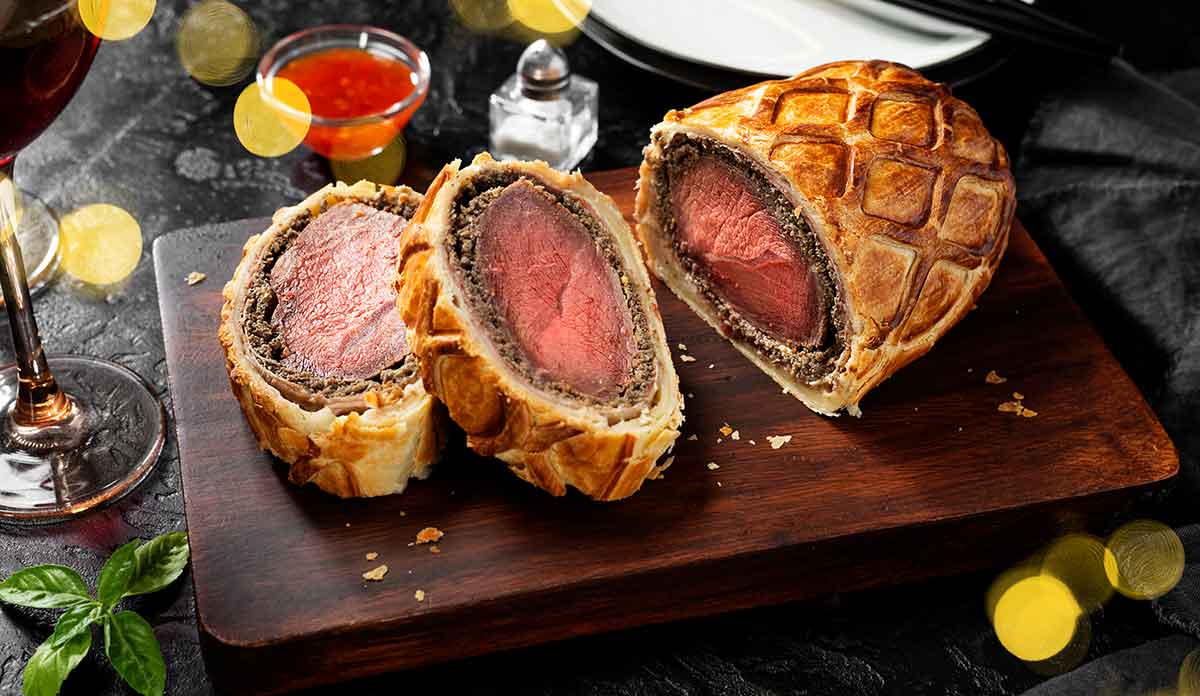
On June 18, 1815, European history was changed forever when Napoleon was defeated for the final time at Waterloo. At the head of this monumental victory was Arthur Wellesley, the 1st Duke of Wellington.
The dish named after him is Beef Wellington, which is beef fillet with various ingredients such as mushrooms, herbs, and black pepper, all wrapped and baked to perfection in puff pastry. Such dishes, however, existed long before the Duke of Wellington took his stand against Napoleon, and according to food journalist Leah Hyslop, it was likely renamed in honor of the Iron Duke.
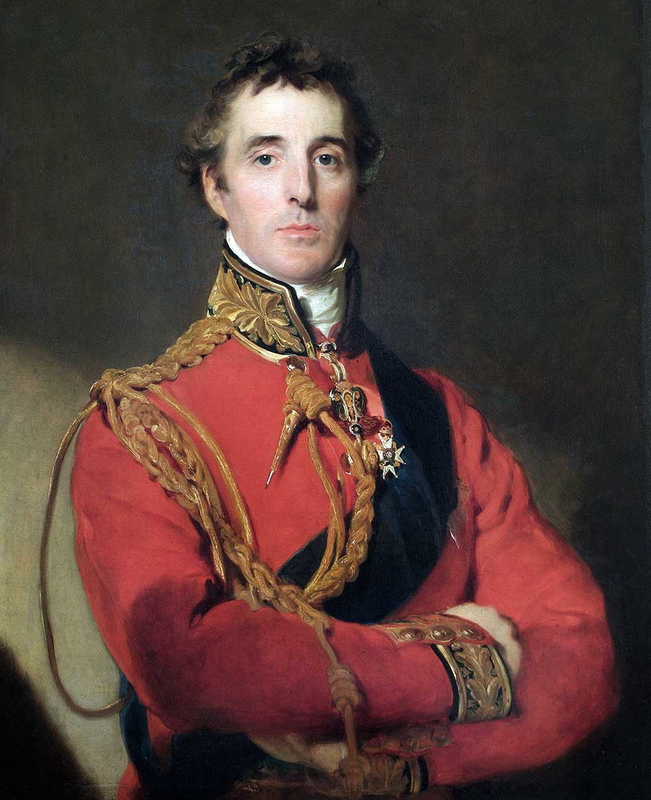
Other theories claim it was popular among British troops in Wellington’s army because of its portable nature, or that it was given its name because of its resemblance to a Wellington boot.
Whatever the case, given the popularity in Britain of meat wrapped in pastry, it is unsurprising that the patriotic Beef Wellington has remained a prominent feature in the culinary tradition of the isle, and has been exported to menus across much of the world, even in the United States where it was a favorite of presidents John F. Kennedy and Richard Nixon.
How Royal Patronage in Naples Gave Rise to Pizza Margherita
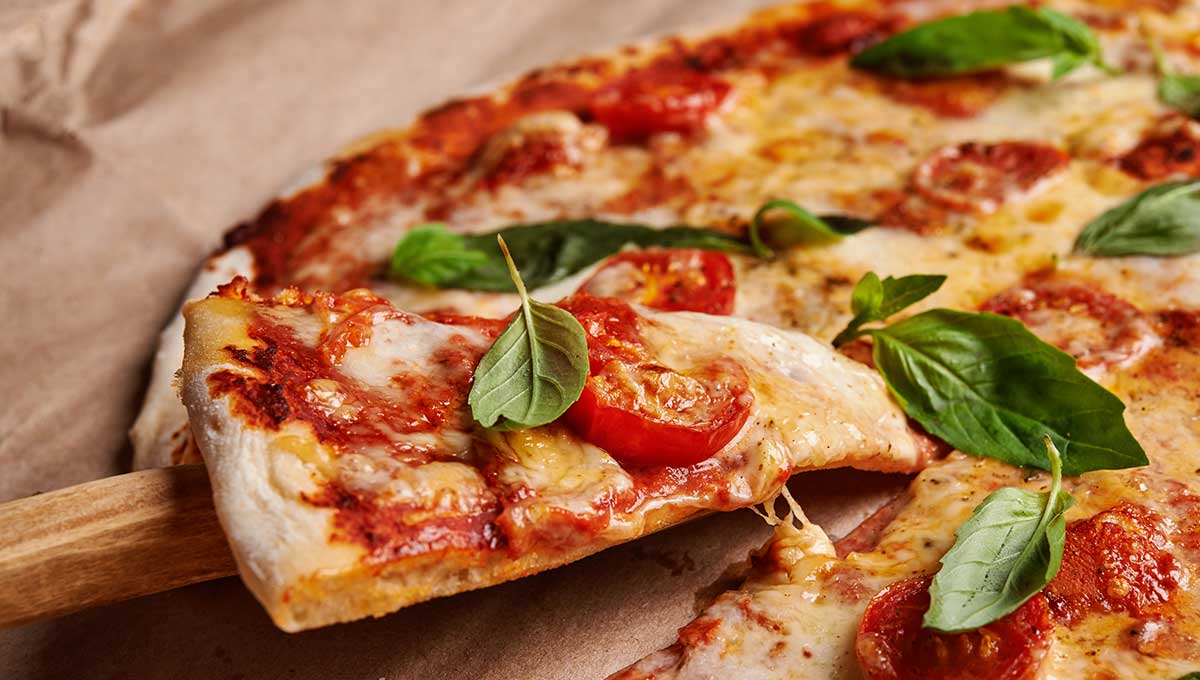
Considered a pizza standard and beloved worldwide, the Pizza Margherita has an interesting origin story.
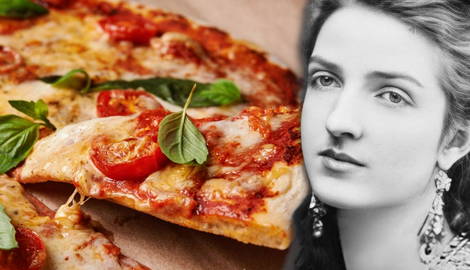
According to legend, it was invented in June, 1889, in honor of Margherita of Savoy, Queen of Italy, who was visiting the Royal Palace of Capodimonte. The chef, Raffaele Esposito, created three different pizzas and presented them to the queen. She chose the pizza with tomato, mozzarella, and basil as her favorite because its colors resembled the Italian flag. And so the “Pizza Margherita” was born.
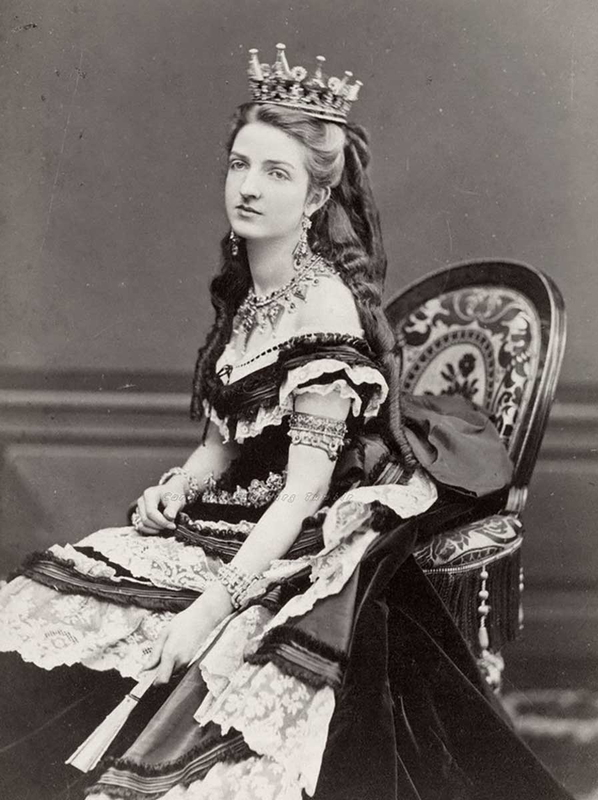
The veracity of this claim is, however, quite doubtful. Modern research disputes this account, claiming it was a marketing ploy by Pizzeria Brandi in the 1930s to bolster business, and that the story was created from a fraudulent letter. Meanwhile, Neapolitan locals claim the name comes from the “margherita” daisy as a reference to the way the pizza is decorated.
Whatever the truth, it seems the Margherita will always be associated with the Italian Queen, whether she had anything to do with it or not!
Why Master Chef Escoffier Invented Peach Melba for an Opera Star
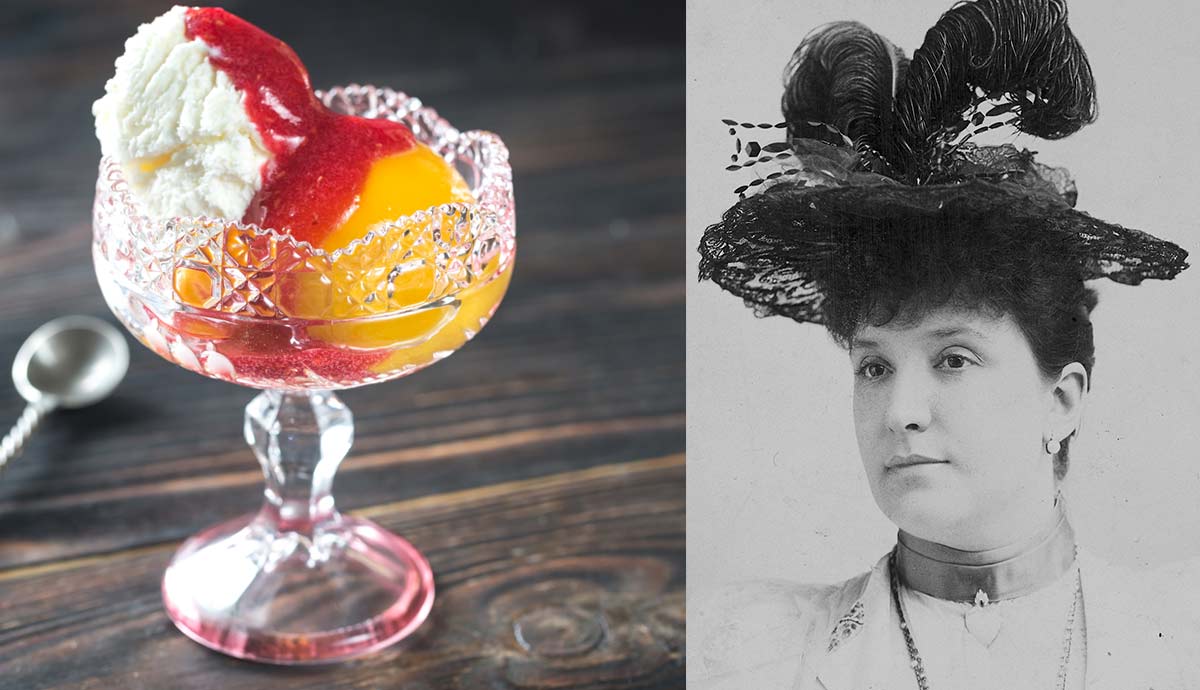
Peaches, raspberry sauce and vanilla ice cream are a winning combination by any metric. This combination was created by famous French chef Georges Auguste Escoffier for Australian opera singer Nellie Melba at the Savoy Hotel.
The details are a bit murky and have generated several theories that muddle the details and the dates and add extra embellishments, such as the chef being so inspired by hearing her sing in the opera Lohengrin that he created the dish in her honor. This was in 1892 to 1893, and the dish was served atop an ice sculpture of a swan. The dish was named “Pêche au cygne” or “Peach with a swan.”
A few years later at the Ritz-Carlton, Escoffier recreated the dessert and renamed it “Pêche Melba.”
In Melba’s own autobiography, Melodies and Memories, the singer claims it was at the Savoy between 1904 and 1905. Escoffier, however, had left the establishment in 1898. So there are questions about this claim too!
What all agree on is that this delicious dessert was created specially for Dame Nellie Melba!
How British Politics and Diplomatic Gifts Shaped Earl Grey Tea
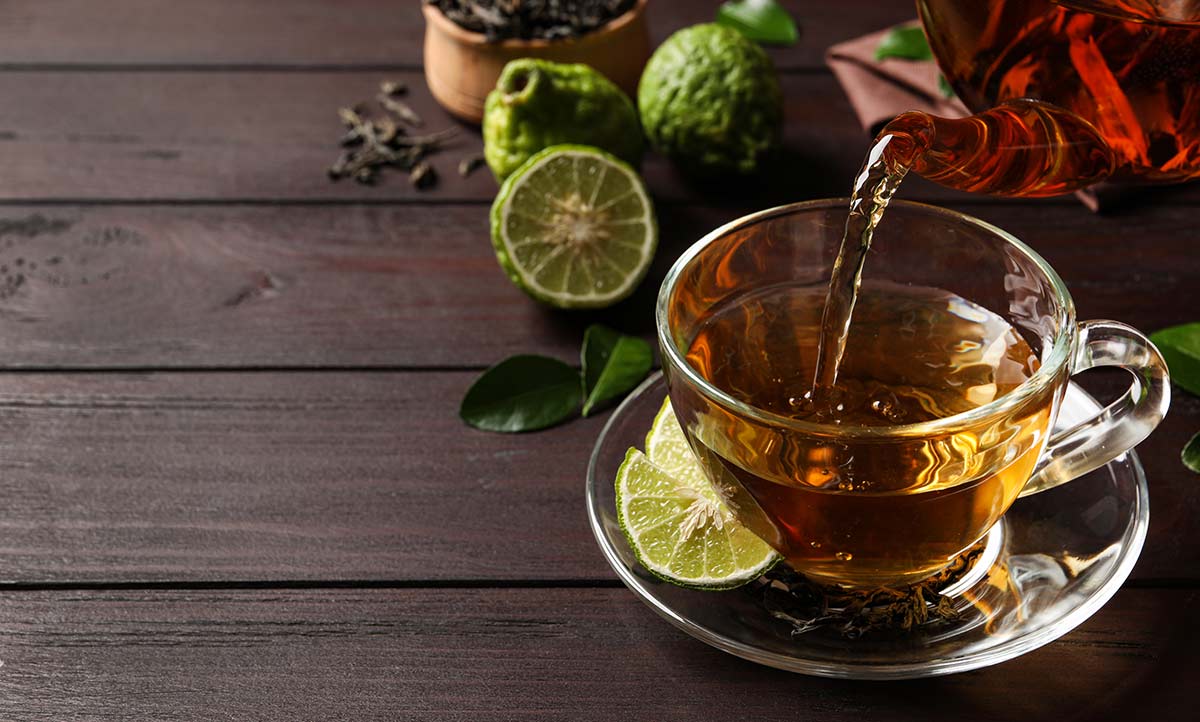
The addition of oil from the bergamot orange (Citrus bergamia) from northern Italy is what gives Earl Grey its distinctive flavor. Named after Charles Grey, the 2nd Earl Grey, the stories, again, are varied.
One story suggests Earl Grey saved the son of a Chinese Imperial official from drowning, and the Chinese gifted the Earl the bergamot-infused tea as a gift. Another story revolves around tea becoming musty while being transported over the ocean. To disguise the damp odor, bergamot was added. One trader, beset with a cargo of musty tea, presented his bergamot-infused version to the famous Earl, hoping for an endorsement, which subsequently came.
Perhaps the tea wasn’t drunk by Earl Grey at all, and perhaps his name was added later as a marketing tactic. But the tea remains associated with Earl Grey anyway, which is unsurprising since it bears his name.
In the modern era, the tea has garnered even more popularity as being a favorite of Jean-Luc Picard, the captain of the USS Enterprise in the Star Trek franchise. Indeed, “Earl Grey, hot” has become one of the show’s most famous catchphrases.
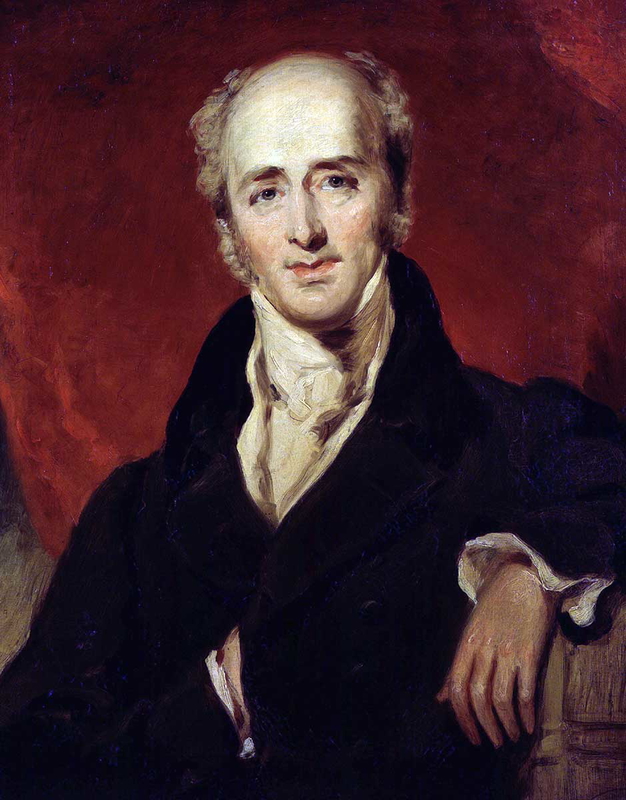
The hows and whys may be a bit up for debate, but these dishes all contain a famous person’s name, and are unlikely to change any time soon. The associations, however they were formed, have stuck and will be remembered, whether truthful or not!