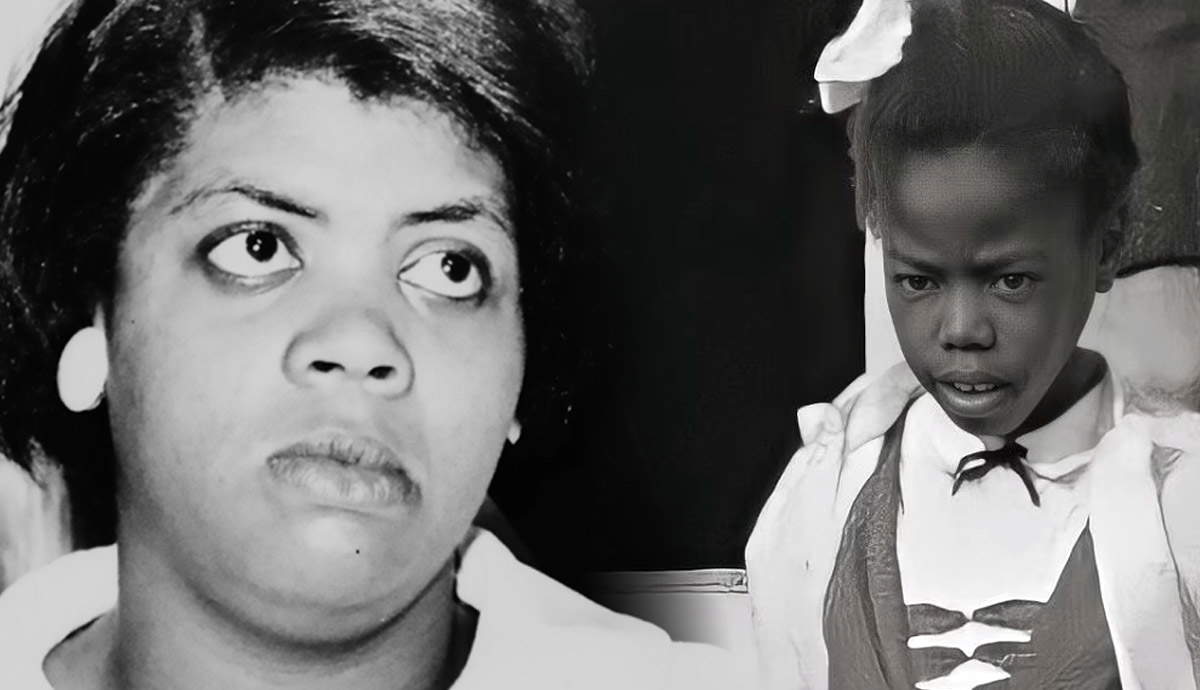

The Civil Rights movement of the mid-20th century left a legacy of discrimination in the United States, but also offered Americans glimpses of human strength, brotherhood, and hope for a brighter future. Civil Rights heroes like Martin Luther King, Jr. and Rosa Parks are collectively remembered in the national consciousness, while some freedom fighters have been largely overshadowed due to a number of factors. One such factor is the presence of potential violence in a movement that was largely framed as focusing on nonviolent resistance. A group of Lumbee tribesmen made their armed mark against racism in North Carolina in 1958, even if the event is often overlooked by history books.
The Lumbee Tribe & Robeson County Before the Clash
Like many Southern counties in 1958, Robeson County, North Carolina, was segregated. However, unlike most areas, where municipal buildings and school systems were separated into Black-white divisions, Robeson County operated under a tri-racial system: Black, white, and Native American. In 1885, the state recognized the Croatan (later renamed Lumbee) Tribe as a third race, dividing them into distinct school systems and state allocations.
The Lumbee Tribe was largely displaced from their homelands during the Revolutionary War and took up residence in what would become the states of North Carolina and Virginia. Though the Lumbee were not federally recognized until 2026, the Lumbee people have remained focused on their history, community, and legacy from the beginning. In 1958, there were 30,000 Native Americans living in Robeson County, many of them Lumbee. The county population also included about 40,000 whites and 25,000 African-American citizens.
James Catfish Cole and the KKK Campaign of Terror
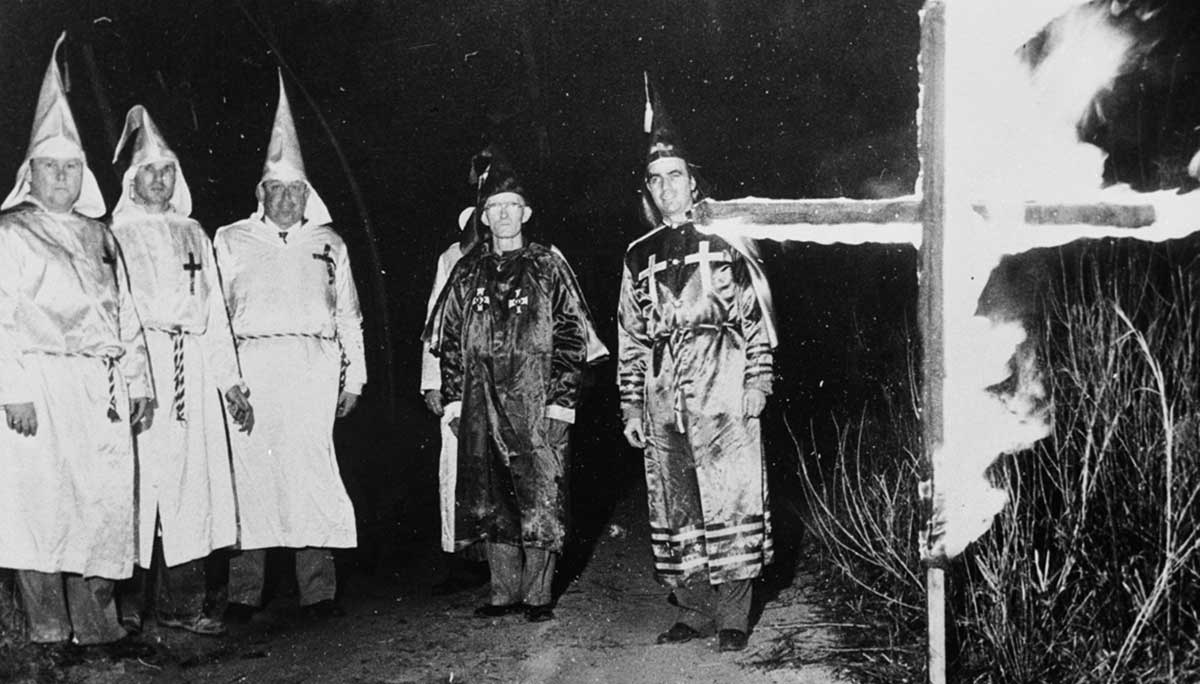
The Ku Klux Klan was active in North Carolina in 1958, and in addition to harassing Black citizens, made it their mission to target the Lumbees in Robeson County. Led by James “Catfish” Cole of South Carolina, the KKK incited cross burnings. On January 13, they burned a cross on the lawn of a Lumbee family that lived in a predominantly white neighborhood, and another in front of the home of a Lumbee woman who was rumored to be dating a white man. Cole invited a newspaperman to the burnings, and articles in the local paper followed. The KKK also made attempts to intimidate the community by gathering caravans to drive through the town after dark, hoping to generate fear.
Riding high on what he viewed as success, Cole planned a KKK rally to be held in Robeson County on January 18.
The Night the Lumbee Routed the Klan at Hayes Pond
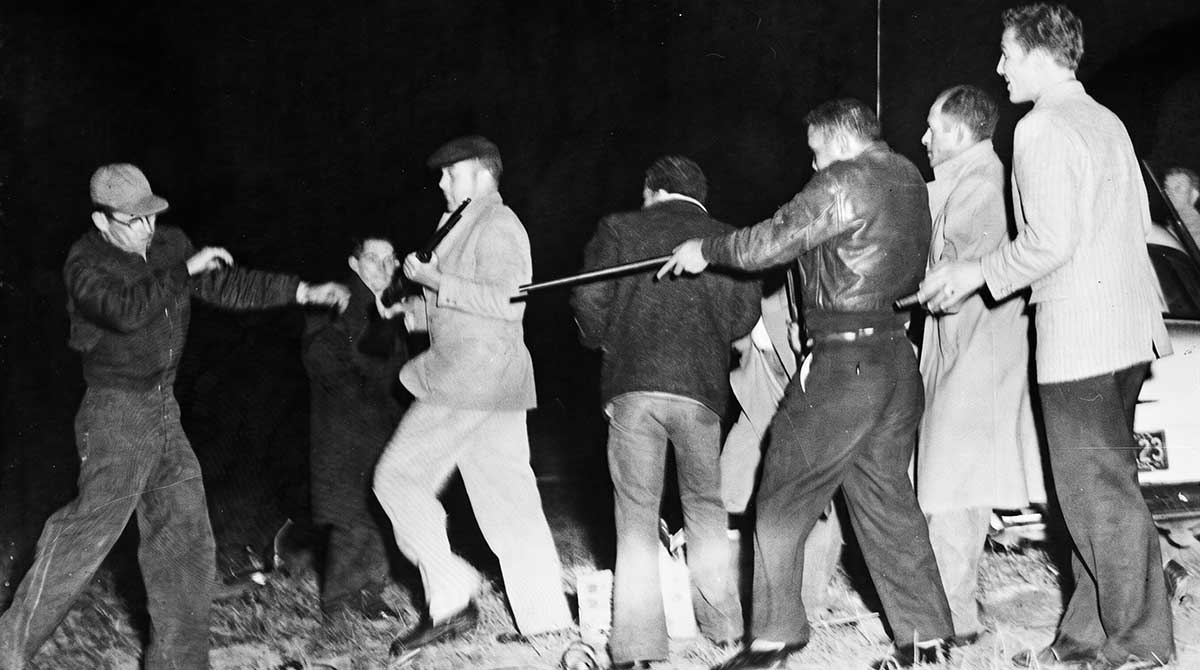
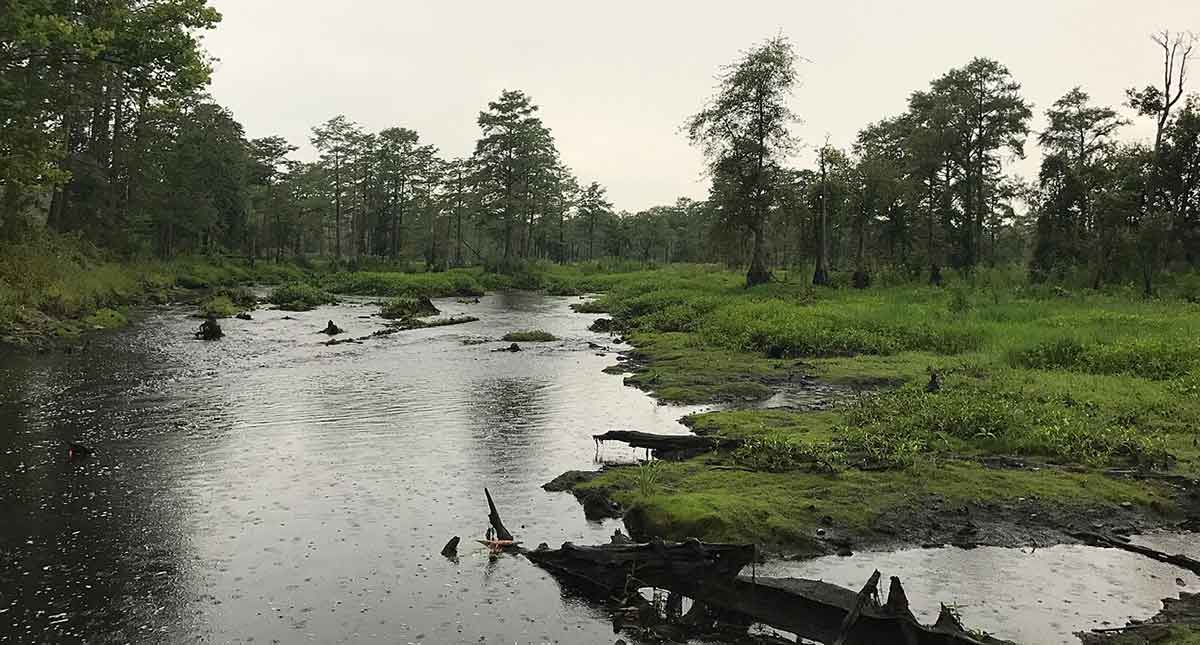
Cole and his followers made sure the rally was public knowledge, announcing it over a loudspeaker from his car. He advertised the gathering as a plan “to put the Indians in their place.” The local Sheriff tried to get the Klan to call off the rally, fearing trouble, but approximately 50 Klansmen gathered at Hayes Pond in Maxton.
The KKK weren’t the only ones showing up to the rally, however. Carloads of Lumbee men, armed with rifles and shotguns, began parking at the site. Though an exact number of Lumbee present is unknown, some estimates range as high as a thousand. One of the tribe members shot out the single lightbulb that lit the center of the meeting, and a fracas ensued. Shots were fired into the air, and the Klansmen took to the fields and woods.
Legal Fallout & The Demise of Catfish Cole
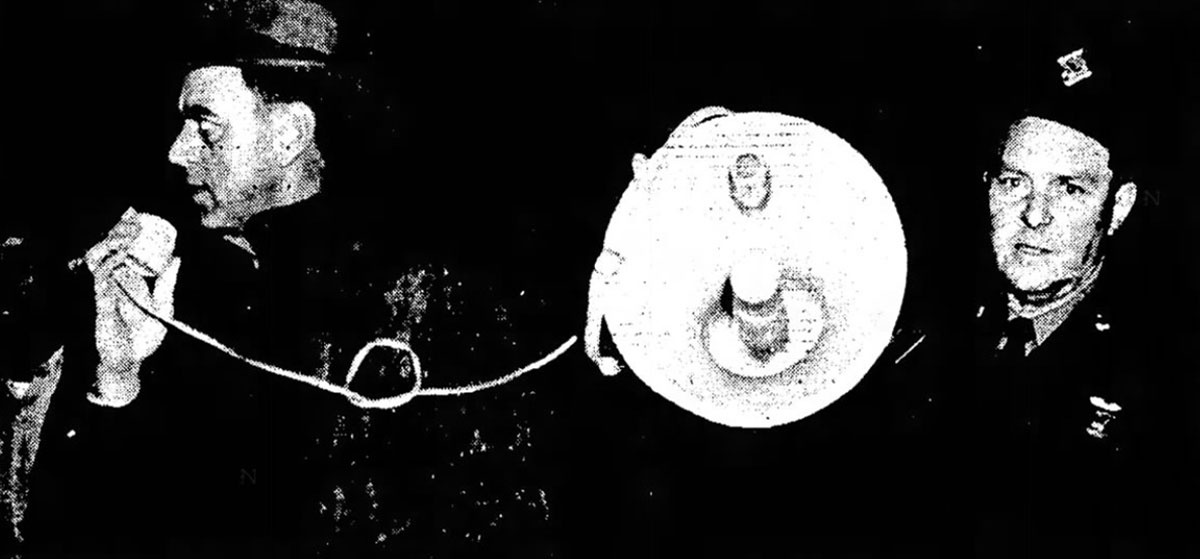
The KKK would never hold another public gathering in Robeson County again. No Lumbee were arrested for their role in the event, but Cole and another Klansman, James Martin, were arrested for creating “a fear of threatening danger to the public peace.” Martin received a fine, and Cole served a short prison sentence. Afterward, he left the Carolinas and died a few years later in a car accident.
The event was covered in the press, with a photo of two smiling Lumbee men wrapped in the KKK banner from the night event appearing in Life magazine.
Why Hayes Pond is Missing from National Civil Rights Memory
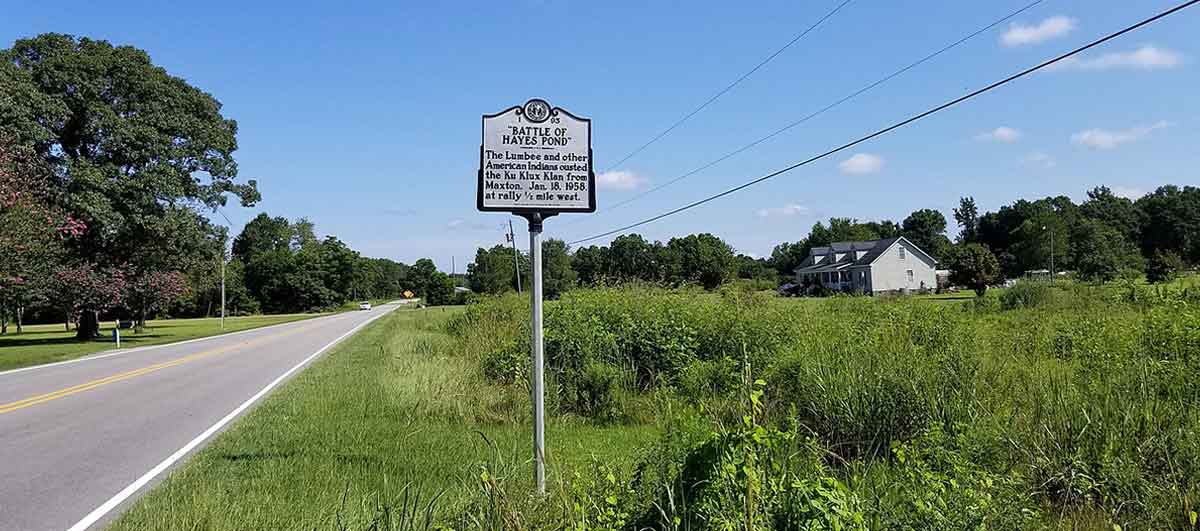
Despite the fact that no one died and the oppressors were ousted from Robeson County, the events at Hayes Pond are largely marginalized from US Civil Rights history. The “battle” strays from the predominant Black vs. white narrative and ideas of nonviolent resistance prioritized and championed by the likes of King.
Still, Hayes Pond is just one example of armed self-defense in the Civil Rights Movement, with others, including Robert F. Williams forming an NRA-chartered rifle club and armed defense squads like the Deacons that played a vital role in Southern resistance.
Regardless, Hayes Pond served as collective action that not only strengthened local culture but also represented steps forward in improving race relations and the fight for native identity. This illustration of effective resistance remains a point of pride in Lumbee history and, though quietly, a pivotal event in the fight for US civil rights.