
America’s journey to independence from Great Britain was years in the making. Even when war came, self-government was beyond the realm of possibility in many minds. However, just over a year after the first shots in the Revolution were fired, sovereignty became reality when a resolution for independence was passed by the Continental Congress. The Fourth of July became an American holiday, Independence Day, celebrated for the first time the following year. Still, the day that many recognize as the anniversary of the country’s independence isn’t the right one; the vote didn’t happen on July 4. How did the mix-up happen?
The Legal Reality: July 2nd and the Lee Resolution
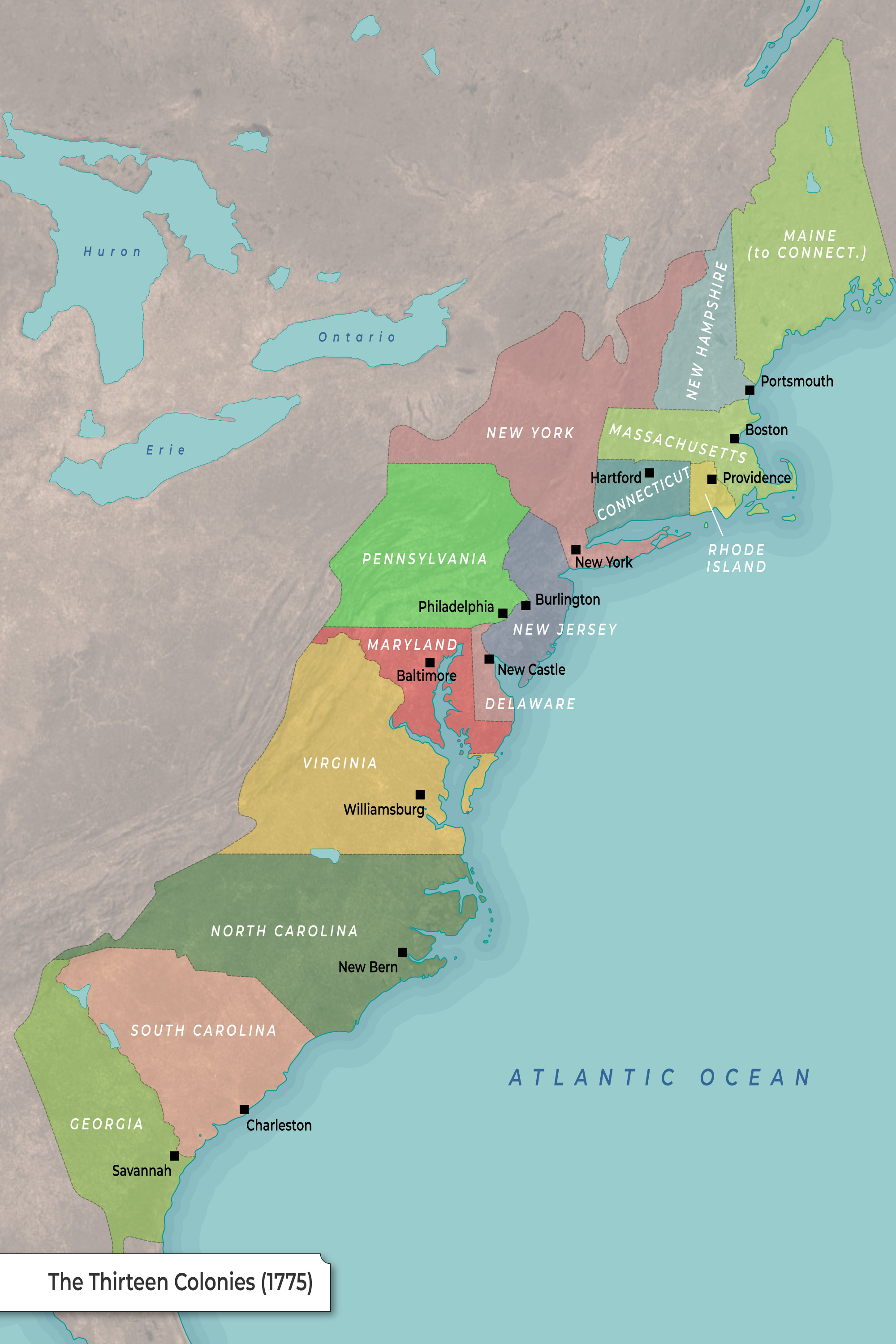
Despite common belief, fledgling America did not go into the American Revolution seeking independence. The colonists were simply seeking representation in their mother country’s government and the ability to exercise what they saw as basic human rights. However, as the war wore on for several years, leaders in the American colonies had reached their breaking point. Whispers of independence began to sweep the countryside. Citizens elected a group of delegates from each colony to work together as a Continental Congress. These representatives, including heavy hitters like Benjamin Franklin, John Hancock, and Thomas Jefferson, became the governing body of the future United States.
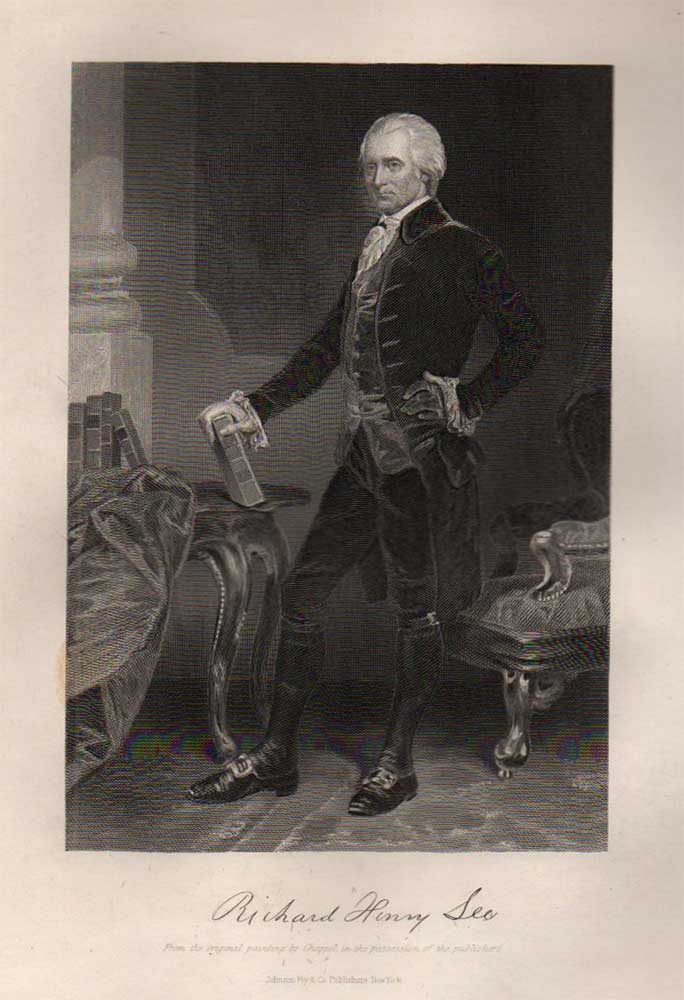
As time went on, the Continental Congress began to see independence as the only hope for American survival. On June 7, 1776, an official resolution was brought to Congress for consideration by representative Richard Henry Lee. Hailing from Virginia, Lee was from a prominent family. He had a long political career, beginning as a justice of the peace in his county in 1757. He went on to serve in the House of Burgesses, the first elected representative lawmaking assembly in the colonies, before being selected for the Continental Congress. The proposal that Lee introduced, now known as the Lee Resolution, stated that “these united colonies are and of right ought to be free independent states.” Lee was suggesting that the colonies officially cut ties with Britain.
The Lee Resolution had multiple components. In addition to a declaration of independence, it included a call to form alliances with foreign entities and a “plan for confederation” to organize the new proposed government. Congress decided to create three committees, one to break down each part of the plan and respond to it. However, the resolution proved to be highly controversial. What the proposal was suggesting was irrevocable and would change life in America permanently. Those in Congress would be taking their own lives into their hands, risking conviction and execution for treason at the hands of the British government.
Amidst the controversy, some of the Congressional delegates did not feel that they had adequate instruction from their home colonies and wanted more time to consider the proposal. This was especially true of the representatives in the middle colonies of New York, Pennsylvania, New Jersey, and Delaware. These congressmen felt that their constituents were coming around to the idea of independence, but were “not yet ripe for bidding adieu to British connection.”
As a result, the Continental Congress elected to table the official vote deciding whether or not to pass the Lee Resolution. In the meantime, a committee was selected to draft an official declaration of independence, as it was strongly believed that the motion would pass when revisited. This committee included Benjamin Franklin, representing Pennsylvania, John Adams, representing Massachusetts, and, of course, Thomas Jefferson of Virginia, whose reputation as the author of the official declaration still accompanies his name today.
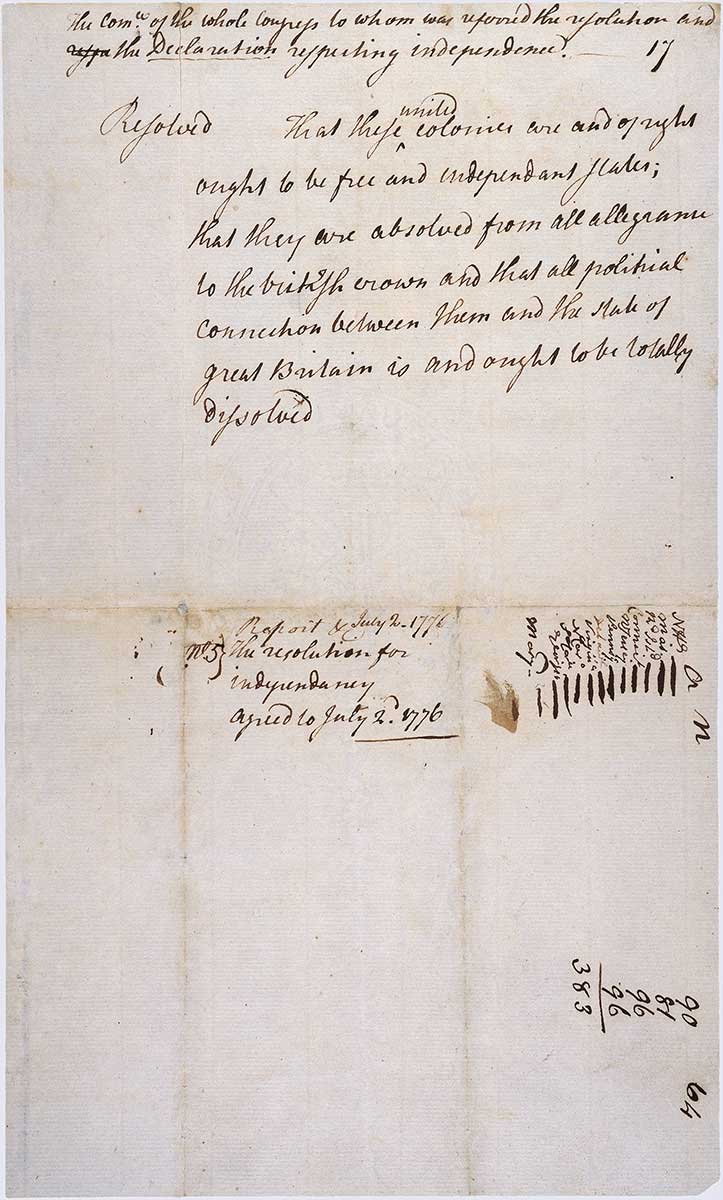
On July 2, 1776, the Continental Congress reconvened to vote on the tabled Lee Resolution. The vote passed, with 12 colonies voting in favor of the Lee Resolution. New York chose to abstain from the vote, but later voted to uphold the Declaration of Independence. As a result, July 2, 1776, went down in history as the day that the American colonies officially and legally broke ties with Britain, their true independence day. Two days later, on July 4, Thomas Jefferson’s eloquent final draft of the Declaration of Independence was officially approved by Congress.
The Fourth of July: The Power of a Press Release

So, if July 2 is the anniversary of the passing of the Lee Resolution and the legal dissolution of the relationship between America and England, why is Independence Day celebrated on July 4? The answer lies in the media. Even in the 18th century, the press was a powerful tool that was used to quickly spread information. John Dunlap of Philadelphia was the official printer to the Continental Congress, and it utilized his services to spread information about the new declaration and its official type. The final draft of the colony’s official Declaration of Independence, the version written by Jefferson, was provided to Dunlap, and he created the first printed version of the document: the Dunlap Broadside.
On the evening of July 4, Dunlap printed an estimated 100-200 copies of the broadside (26 are believed to still exist today). These prints were returned to Congress for distribution and public release. Though it took time for this early “press release” to make its way around the colonies (Georgia didn’t see it until August), it began spreading immediately. In addition to the paper copies, public readings of the Declaration around the colonies became commonplace. Emblazoned at the top of the document was the date of its printing: July 4, 1776—hence the way this date has been embraced by the public as a cause for celebration. Though the Declaration had been approved by Congress, the final copy created for all members to sign was not completed until August 2, when it was marked by 56 delegates. Today, this original document resides in the National Archives in Washington, DC.
The Famous Adams Prediction
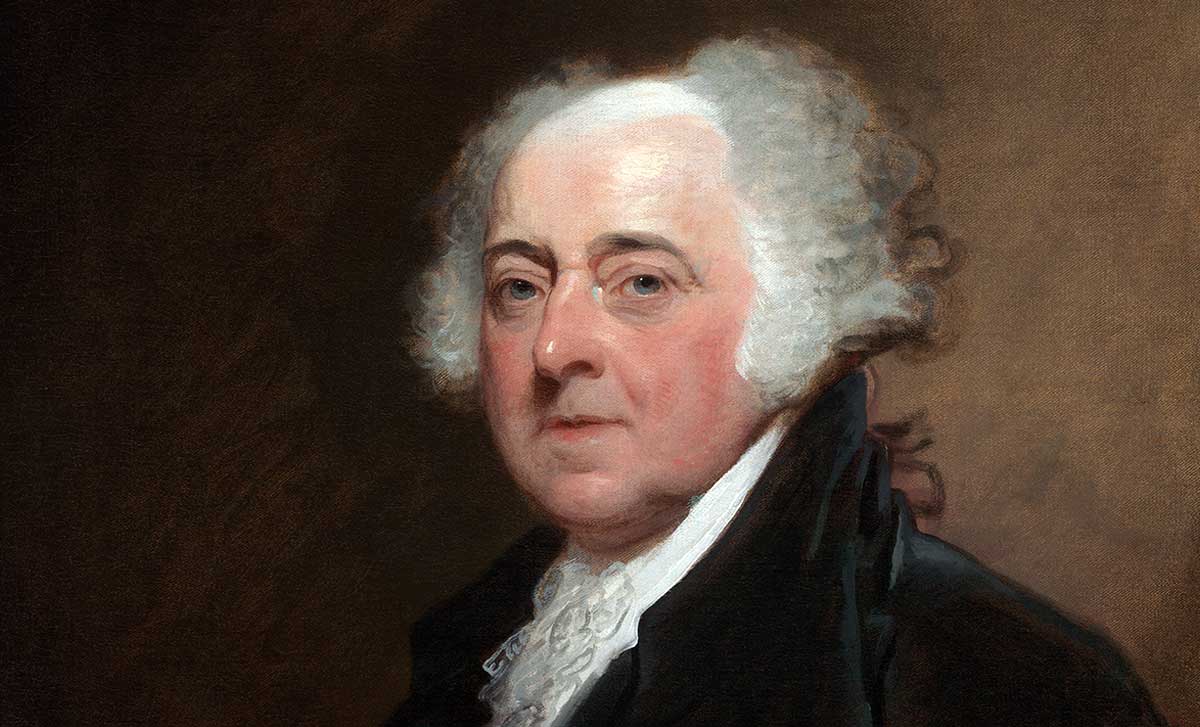
John Adams, for one, was not pleased with the immediate direction that America’s future Independence Day celebrations would take. In a letter to his wife, Abigail, on July 3, the day after he and others in Congress approved the Lee Resolution, he stated that “The Second Day of July, 1776, will be the most memorable Epocha, in the History of America…” In John Adams’ July 3 letter, he predicted that the date of July 2 would be celebrated with “Pomp and Parade with Shews, Games, Sports, Guns, Bells, Bonfires, and Illuminations…”
While his prediction certainly captured the spirit of today’s Independence Day celebrations, his memorialization of the July 2 date would not come to fruition. Though Adams wasn’t necessarily angry about the change in the celebration’s date, he reportedly turned down invitations to July 4 events in protest. Still, he was later recorded as saying, in regard to the fourth: “It is a great day. It is a good day.” Ironically, Adams died on July 4, 1826, and in a strange coincidence, his congressional counterpart, Thomas Jefferson, did as well, 50 years after his version of the Declaration of Independence was adopted.
Why the Fourth Eventually Won the PR War
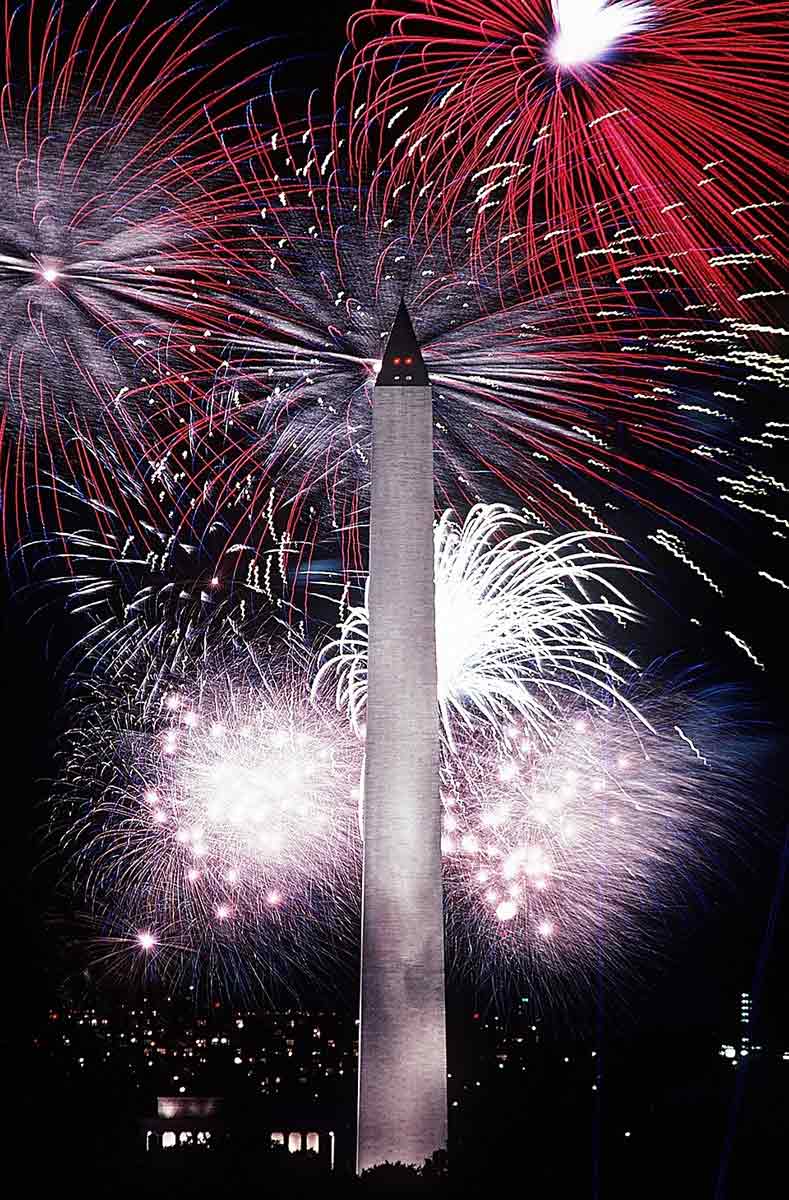
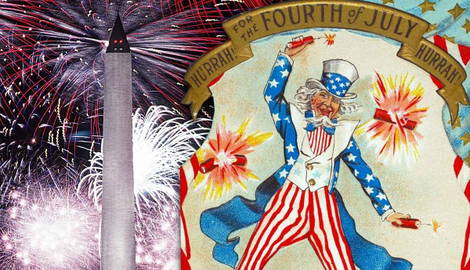
The date of the Thomas Jefferson Declaration has stuck long after the dissemination of the Dunlap Broadsides. The patriotic, powerful words that Jefferson put to paper called to the hearts of war-weary colonists and stayed within their souls for years to come, while the Lee Resolution, in comparison, was a dry legal document. On July 4, 1777, the one-year anniversary of the approval of the Jefferson Declaration, the Sons of Liberty set off public fireworks in Boston. Similar displays took place in Philadelphia, with celebrations around the colonies much like those that Adams predicted in his letter. This holiday only seemed to grow in popularity as time went on.
Despite the early and continuing annual celebrations, the 4th of July didn’t immediately become a federal holiday. In 1781, Massachusetts became the first state to declare it an official holiday. In 1870, it became a federal holiday, but it was an unpaid one for federal employees. Finally, in 1938, Independence Day, July 4, became a federal paid holiday. It remains one today.
While John Adams predicted that July 2 would be America’s independence holiday, and it actually is the correct historical anniversary, the passing of the Lee Resolution failed to “stick” as the US’s great national holiday. Thanks to the power of the press and Thomas Jefferson’s invigorating prose, America’s people chose July 4 as their Independence Day. 250 years later, this tradition persists annually, in fireworks and barbecues throughout the country.