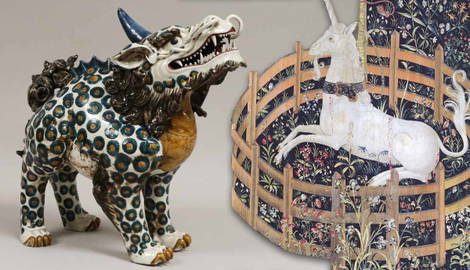

The East Asian kirin is often mistaken for a regional variation of the European unicorn. This is completely wrong, because it doesn’t take into consideration the cultural, artistic, and mythological variations of each creature. The kirin is a chimera of sorts with ox hooves, stag horns, and dragon scales representing true rulership, while the unicorn is a horned horse symbolizing purity and healing. Their distinct histories reveal how ancient European and Asian cultures viewed these mythical beasts.
How Does the East Asian Kirin Differ From the European Unicorn?
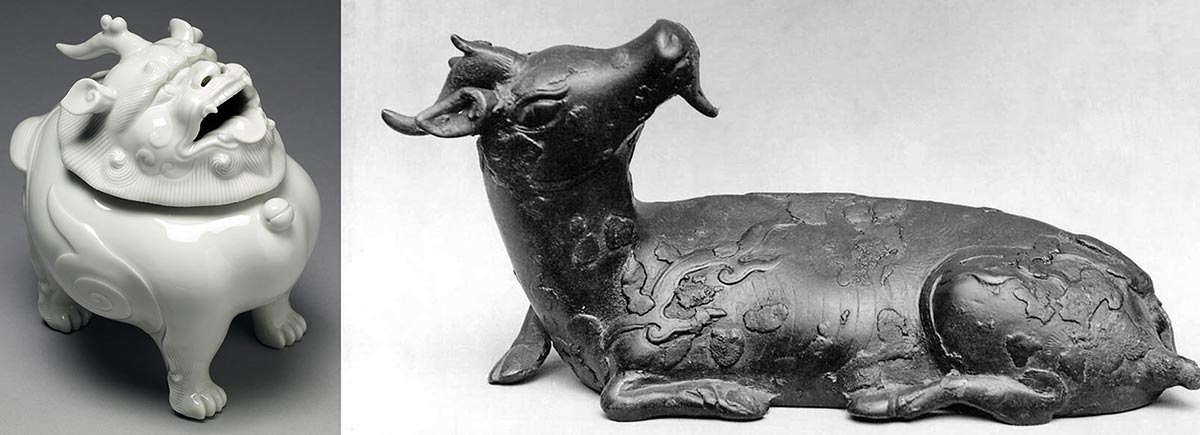
The obvious differences between the kirin and the unicorn are their anatomies. The kirin is referred to as a chimera bearing an ox-tail, dragon scales, and stag antlers with a fiery aura, while the unicorn is a single-horned horse or a goat-like animal. These physical differences are seen in medieval European bestiaries, and the kirin is depicted via East Asian bronze castings. Western translators confused the pair during cultural exchanges in the 19th century.
Benevolent Omens of Statecraft Versus Symbols of Maiden Purity
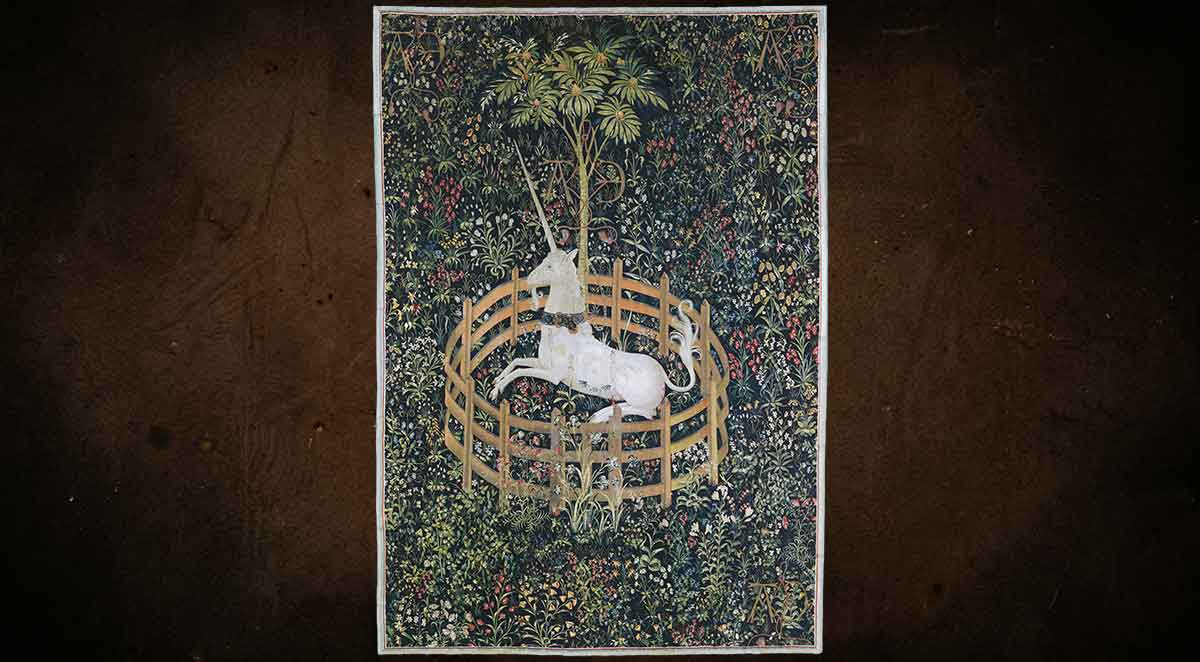
The European unicorn and the East Asian kirin have similar but varying meanings and symbolism. The unicorn is connected to Christian allegories for the purity of Christ or the purity of a virgin. It was often depicted in forest hunts and could only be captured by a virgin. Its horn is also believed to cure any ailment. Meanwhile, the kirin was a sacred beast and peaceful omen that announced the reign of wise rulers or the birth of a great intellect, such as Confucius. The kirin is so peaceful that, according to Buddhist and Daoist traditions, it doesn’t crush a single blade of grass when it walks.
Giraffes and Rhinos in Historical Origin Stories
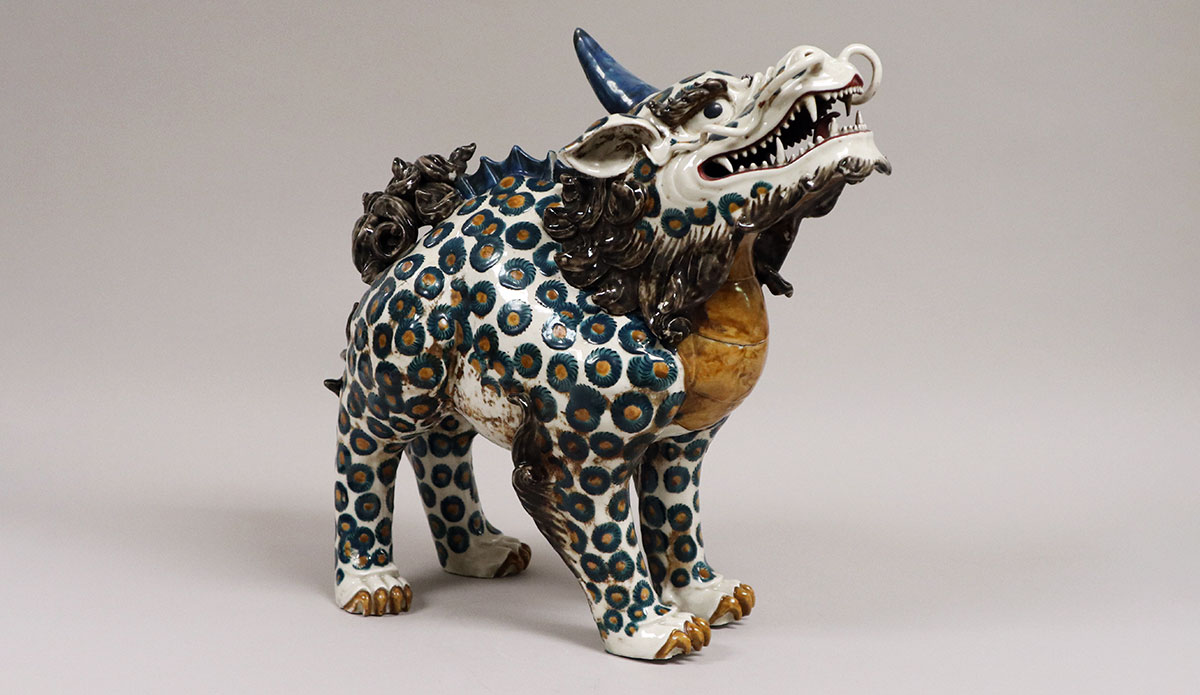
The inspiration for these mythical creatures could come from real-world animals. One possible explanation for the kirin’s existence is that the famous Admiral Zheng He of the Ming Dynasty returned from Africa with a giraffe as a gift to the royal court. Classical Roman and Greek naturalists also might have created the unicorn from wild asses, rhinoceroses, and narwhal tusks for horns. Because of limited travel, education, and wild imagination, real zoology merged with local folklore and myth to create amazing creatures.
Blended Mythology in Modern Fantasy and Pop Culture
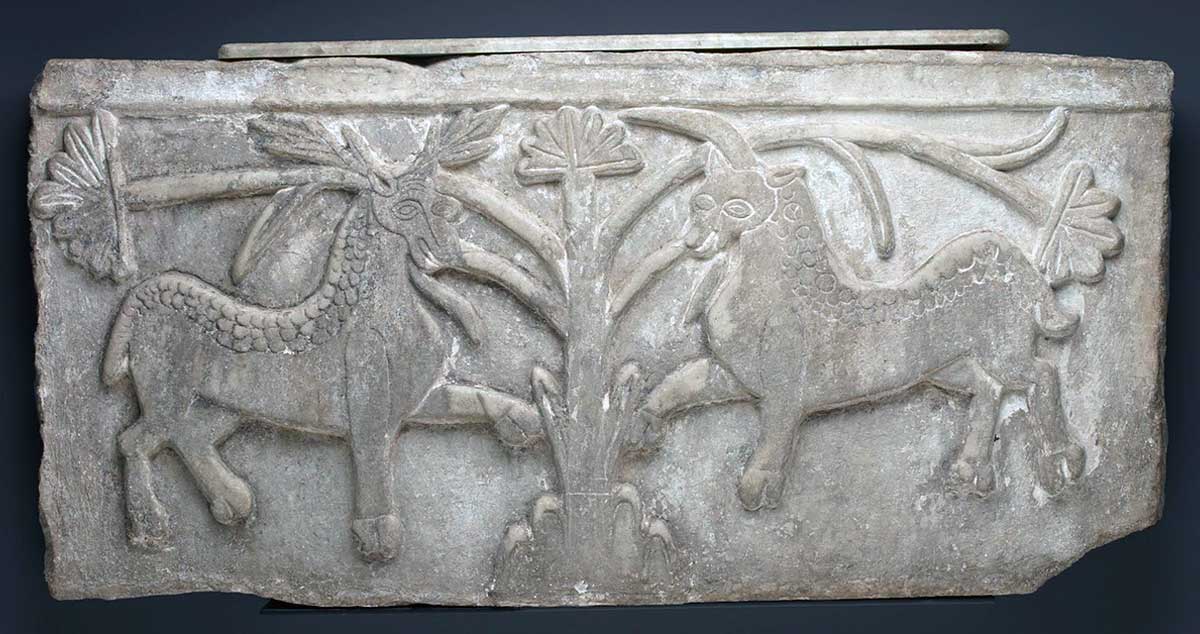
In modern fantasy entertainment, including literature, anime, and video games, the kirin and unicorn traits can be combined into one monster trope, or have their distinct differences. One example is My Little Pony: Friendship is Magic, where unicorns are depicted as magical equines, and in a later season the kirin are introduced as a different species with their classical appendages merged with equine features.
The Last Unicorn animated film and book by Peter S. Beagle remain well-known depictions of European unicorn lore, and the popular children’s television series Mia and Me has many magical unicorns inspired by Gustav Klimt’s artwork. Meanwhile, the Monster Hunter video game franchise, J.K. Rowling’s Fantastic Beasts films, and the Chinese animated series Fog Hill of the Five Elements have the kirin as central plot points.
Despite their distinctive origins, the unicorn and the kirin are united as mythical beasts that enrich global art, history, and myth, each crossing cultural borders in modern times.