
The early migration of humans to the South American continent is a significant chapter in the species’ history. It is a testament to the perseverance, survival, and drive of the first people who ventured beyond the known. For years, scientists argued fiercely about when and how these people arrived on the vast continent. Using the latest technologies, recent breakthroughs in ancient DNA analysis and climate science have painted a much clearer picture of the sequence of events.
How Ice Age Migrants Crossed the Beringia Land Bridge into the Americas
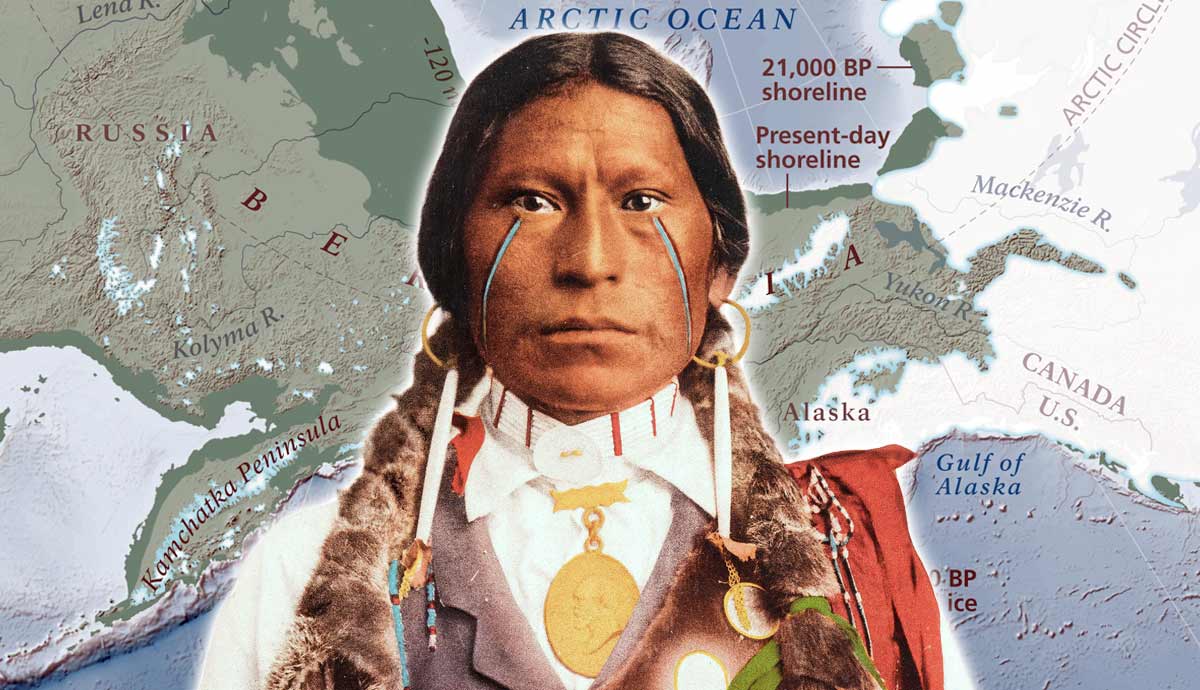
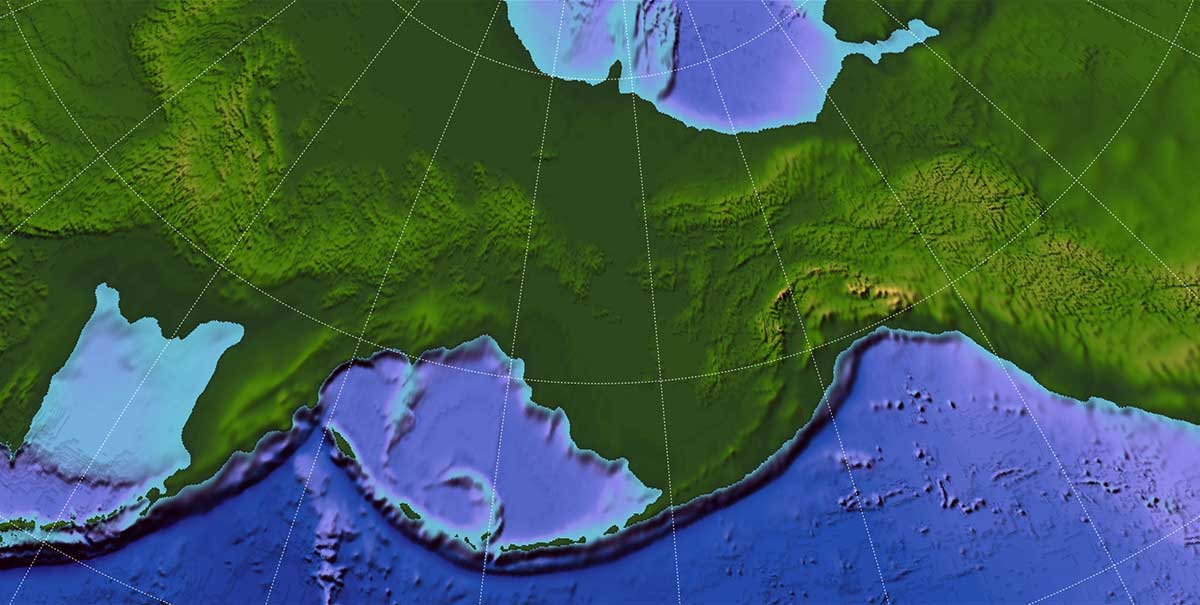
According to widely supported findings, the first settlers in the Americas, including those who reached South America, migrated from Asia into Beringia and then into North America sometime between about 15,000 and 20,000 years ago. During the Last Glacial Maximum, about 31,000 to 16,000 years ago, vast continental ice sheets covered much of North America, and global sea levels dropped significantly. This sea level drop exposed the Beringia land bridge between Asia and North America, connecting Siberia to Alaska.
The land bridge eventually allowed humans to move between the continents. Populations from Northeast Asia that migrated into Beringia eventually became isolated in the region. Two large ice sheets, the Laurentide and Cordilleran, prevented them from migrating farther south, so they lived there for thousands of years.
What Ancient DNA Reveals About the Coastal Route into the Americas
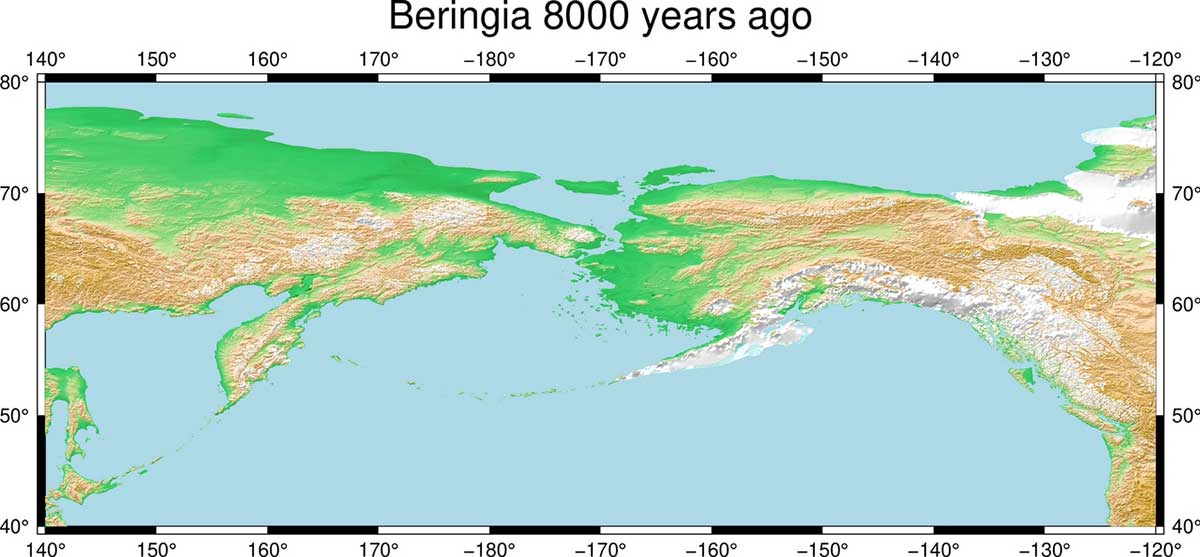
During this isolation, the ancestors of the indigenous peoples of the Americas diverged genetically from their East Asian ancestors. By around 16,000 to 15,000 years ago, the ice sheets began to retreat, allowing human migration southward, including via a route along the Pacific Coast. While some research hypotheses have proposed migration through the central regions of the continent, substantial evidence supports the occurrence of migration along the coast as a primary pathway. This hypothesis is known as the Coastal Migration Theory. Once these groups arrived and settled, they had to learn how to survive in their new homes.
How the First South Americans Mastered the Andes and the Amazon
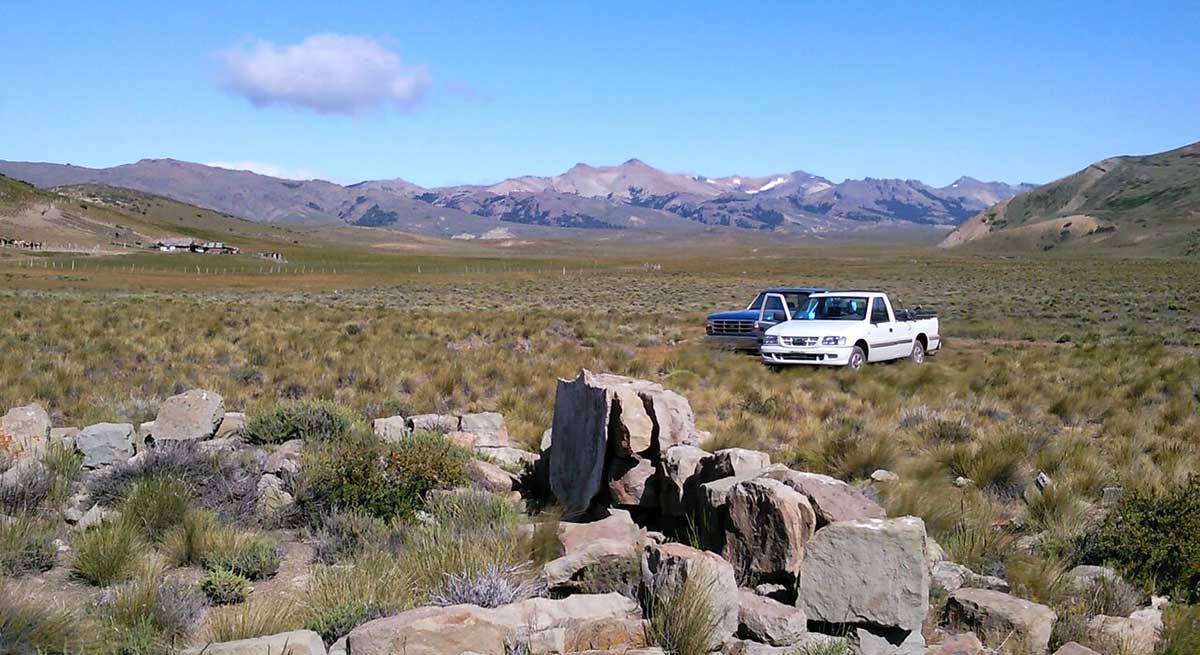
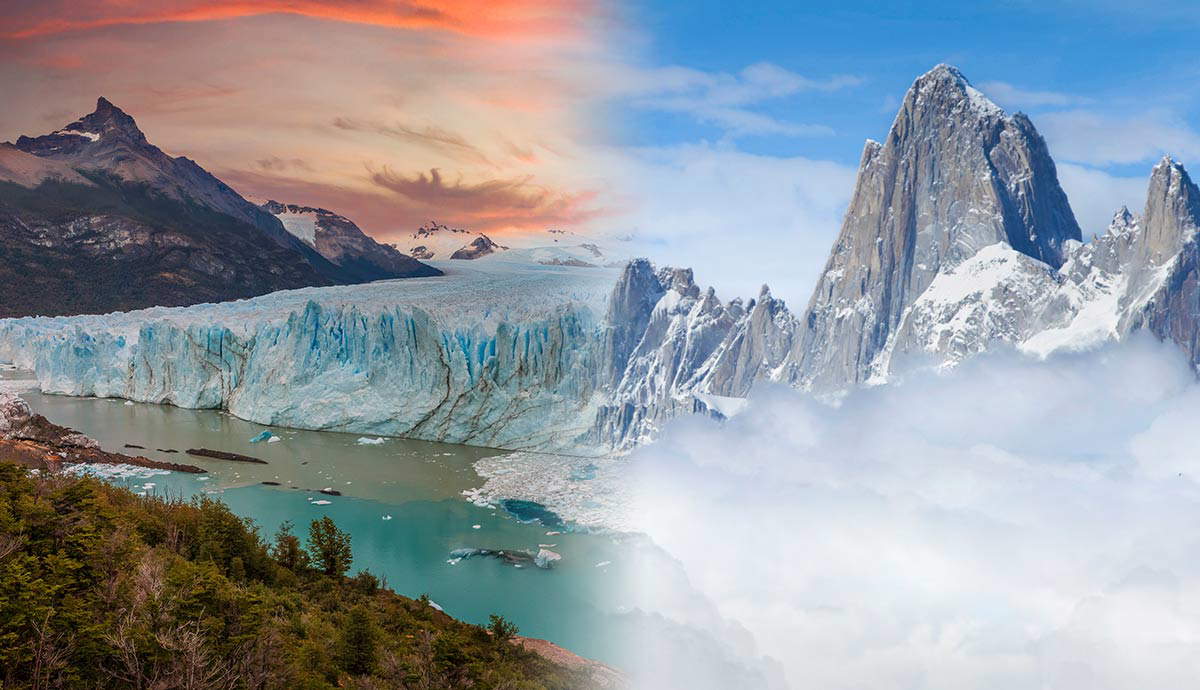
When the first people arrived in South America, they entered a continent with varied climates featuring the high elevations of the Andes Mountains and the diverse geography of the Amazon. They also faced the arid, windy conditions of Patagonia. While those who settled in the mountains in later millennia eventually began domesticating animals such as llamas and alpacas, they also had to make clothes and shelters to help them withstand the cold. Meanwhile, those who lived near the coasts, especially from what is now Ecuador down to Chile, became adept fishermen and shell collectors. This is evidenced by the enormous heaps of shells and fish bones found at various settlement sites known as shell middens. Some of the shell middens are over 5 meters high and stretch for hundreds of meters.
The mounds often served as burial places and sometimes as foundations for houses. Furthermore, civilizations that flourished long after the initial settlement learned how to manage the Amazon. They maintained parts of it by farming certain plants and using controlled burning of small patches of land to expand farming areas and support larger populations. These later groups also planted trees such as cacao and palm, and enriched the soil with charcoal and animal waste for better crop yields. The soil enrichment activities created a dark, fertile soil called terra preta.
The Northeast Asian Roots of South America’s Indigenous Peoples
Genetic samples drawn from ancient human remains and modern Indigenous people support the idea that the original settlers of South America came from a founding group that originated from Northeast Asia. Geneticists believe that there was a process of population bottlenecks in which small groups became isolated and developed unique genetic markers. As the migrants traveled farther south, they split into bands that settled into different ecological zones such as the Andes, the Amazon basin, and the Patagonian steppe.
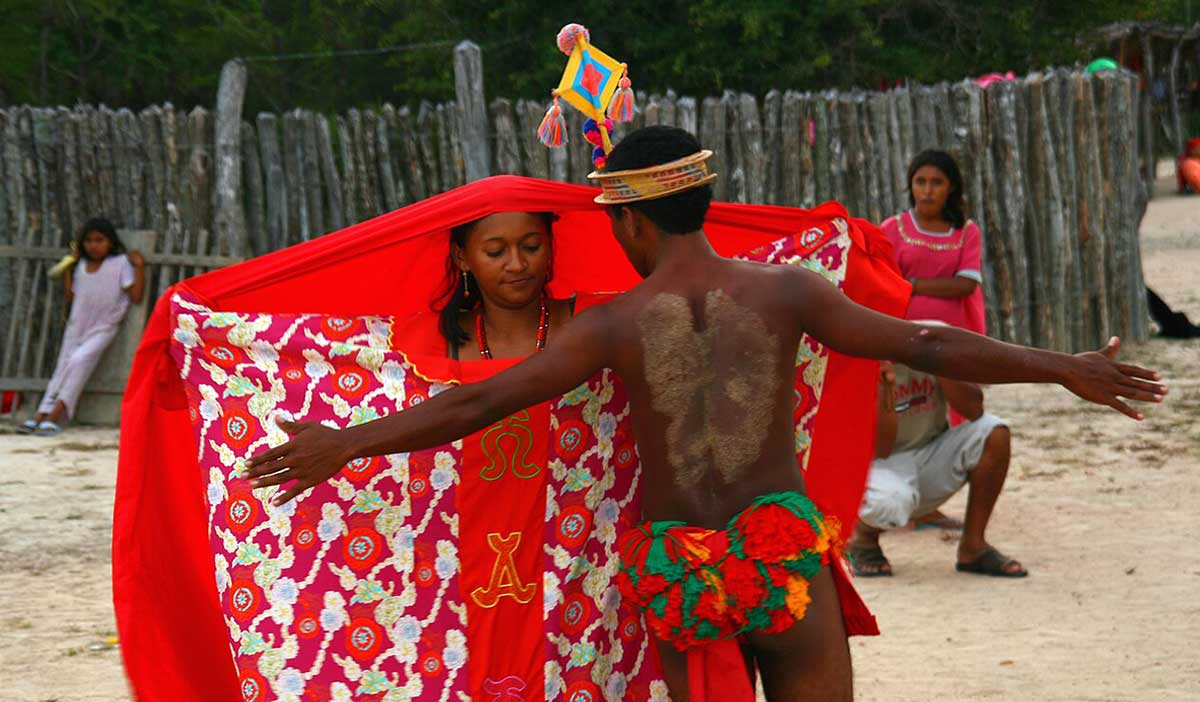
These bands developed detailed local knowledge over generations that allowed them to live in isolation. They learned which plants were medicinal, which animals were safe to hunt, and how to predict weather changes by studying nature. As a result, when the Europeans first arrived on the continent in the late 15th and early 16th centuries, they stepped into a land with hundreds of varied cultures, languages, and ways of life, all descended from the original Ice Age migrants who had crossed Beringia.