
When 1991 brought about the dissolution of Yugoslavia, people debated what its causes were, pointing to nationalism, religion, and simple atavistic aggression as causes. While there is room for the first two as explanations, they often miss the distinct anxieties about Yugoslav federalism that came to the fore earlier in the century.
Read on to understand those anxieties, the rise of fascism in Croatia, and the build-up to World War II in the Balkans, which would unleash a genocidal campaign against Croatia’s Serb, Jewish, and Roma populations.
A Country in Crisis
The Kingdom of Serbs, Croats, and Slovenes was in dire straits throughout its early history as a government. A federal constitutional monarchy founded after World War I, it governed at least six different Slavic ethnicities in addition to Hungarian, Albanian, Jewish, and Roma minorities. The country struggled to develop a viable political path.
Different ethnic parties vied for control, equal representation, and certain degrees of autonomy. It all reached a head in August 1928 when Puniša Račić, an extremist Serbian MP, shot popular Croatian MP Stjepan Radić. This assassination prompted the exact development that the Croat electorate feared: centralized control from Serbia.
The king, Aleksandar I Karađorđevic, abolished the federal constitution on January 6, 1929, renamed the country the Kingdom of Yugoslavia, and imposed a unitary dictatorship. While the move made sense to members of the Serbian political establishment, it alienated the non-Serbian populations.
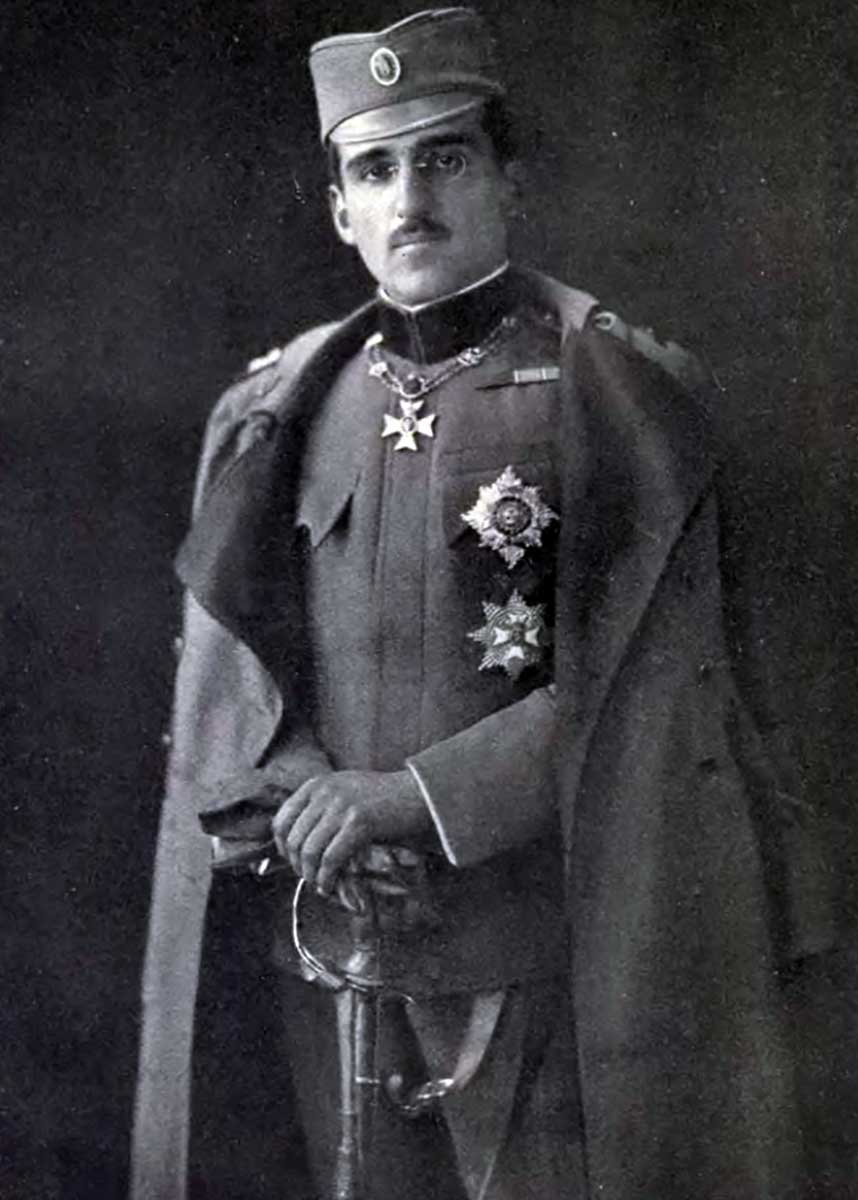
By dissolving parliament and abolishing the constitution, the king turned the Croatian population away from moderation and inadvertently legitimized a much more malicious ideology lurking within Balkan politics: ultra-nationalism.
In 1931, as the Great Depression devastated Europe, ultra-nationalism came to the fore in the form of shootings, bombings, and terror in Croatia. Aleksandar’s visits and overtures failed to alleviate the situation. All allegiance to him in Croatia had gone. In his wake, many angered Croatians embraced a group calling themselves the “Ustasha” or “the uprisers” led by their exiled ideologue Ante Pavelić, who longed to return.
Enter Ante Pavelić
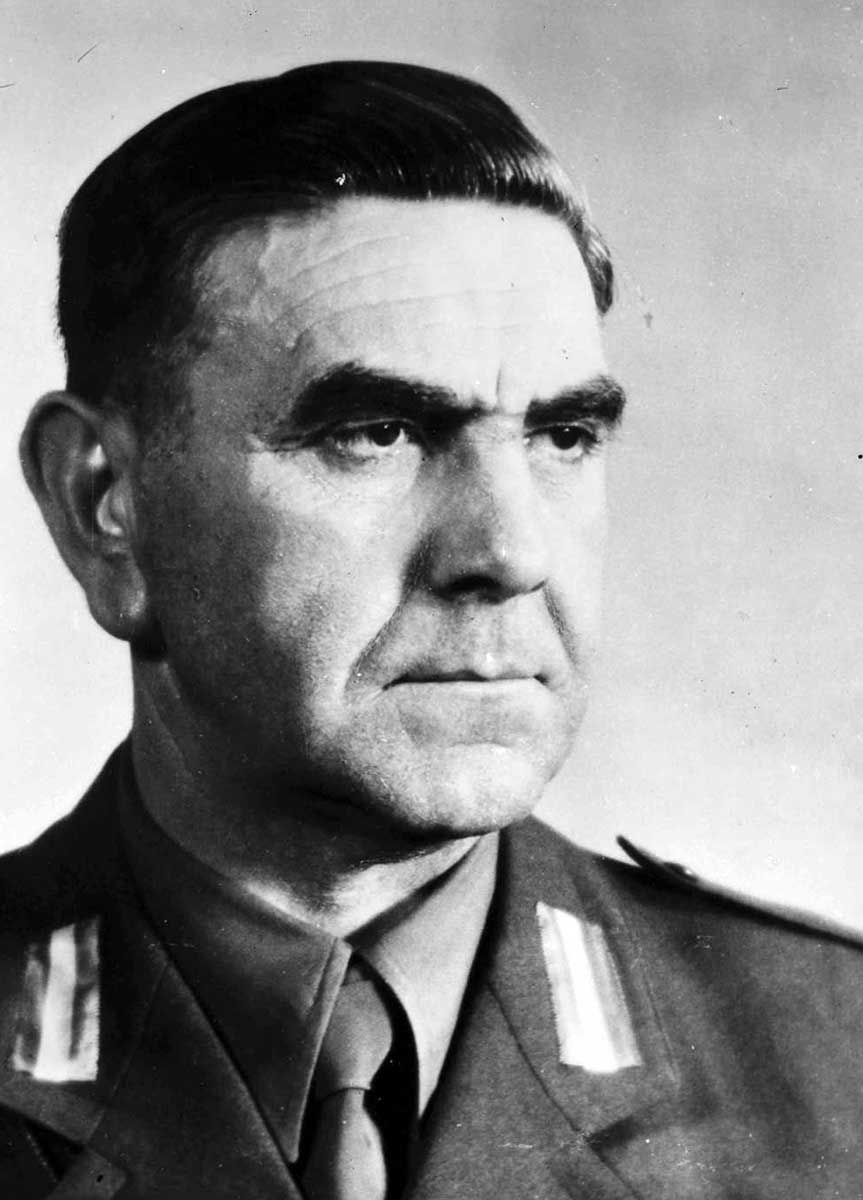
While Aleksandar tried to strengthen his grip on his country, Ante Pavelić, who left Yugoslavia in 1929, rose in importance among Croatian dissidents. This lawyer from rural Croatia enjoyed a modest career as a Croat nationalist MP until 1929 when his ideas grew too radical for the moderate Croatian political establishment.
Pavelić professed his belief in Croatian racial superiority, his absolute opposition to any form of confederate government with Serbia, and Croatia’s right to use any means necessary to expel all foreign forces from its territory. Such ideas, on the fringe of the political establishment in 1929, prompted a response from the Yugoslav government: an in-absentia death sentence.
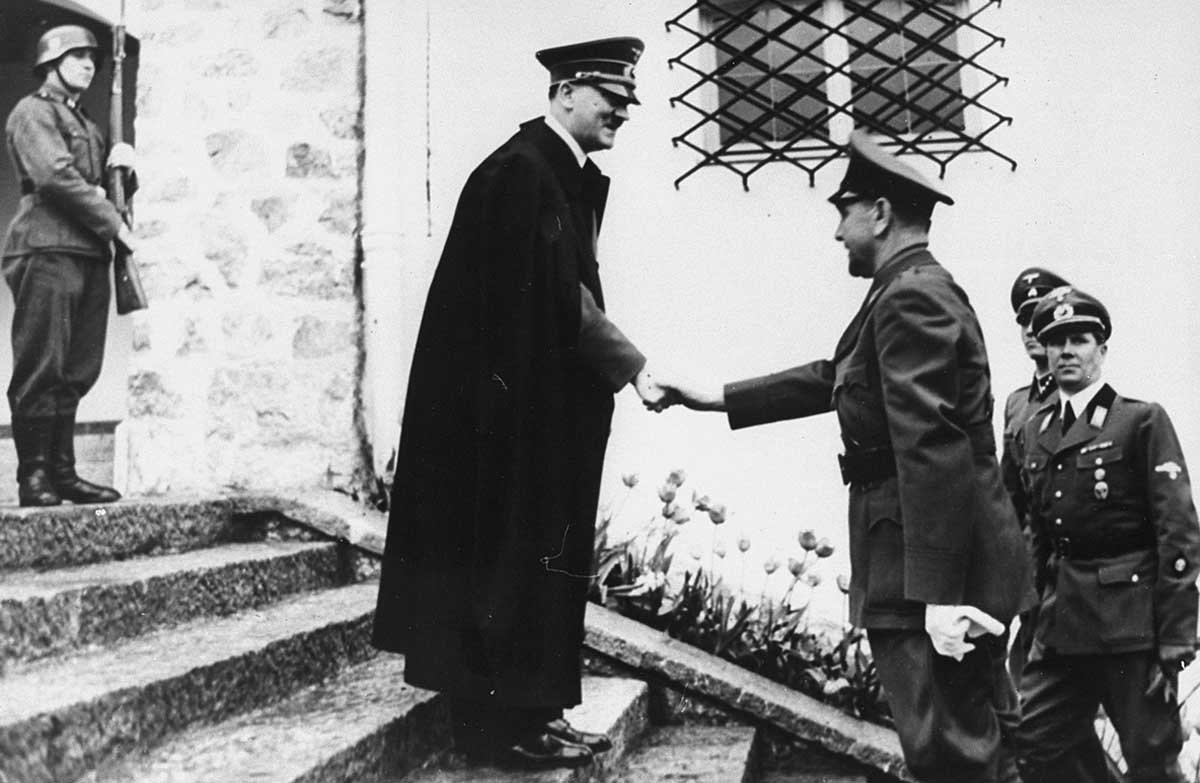
The sentence, however, heightened his radical credentials and led other European radicals, such as Mussolini and eventually Hitler, to take an interest in his separatist ideas and belief in the racial supremacy of the Croats.
He also gained allies among other exiled extremists, particularly those in the Internal Macedonian Revolutionary Organization (IMRO), some of whom agreed to train his Ustasha paramilitaries.
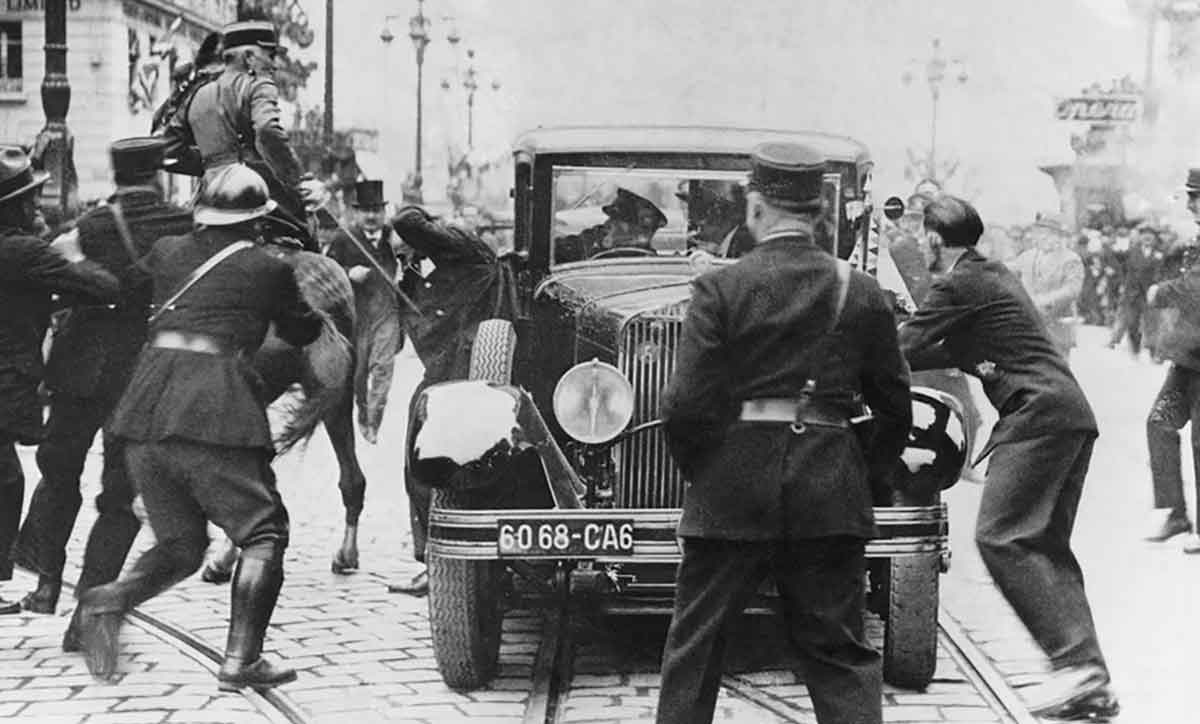
Pavelić’s connections proved decisive in 1934 when King Aleksandar visited France to secure a loan from the government. Pavelić planted two groups of assassins in France: one in Paris and one in Marseille, where Aleksandar was due to arrive.
Minutes after Aleksandar stepped onto the boulevards next to French foreign minister Louis Barthou, assassin’s bullets found both of them. Aleksandar died within seconds.
Only later, after Aleksandar’s cousin Paul had become regent to Aleksandar’s son Peter, did it come to light that Pavelić organized the assassination. The news sent a ripple tearing through Yugoslav society, which was already reeling financially, politically, and socially.
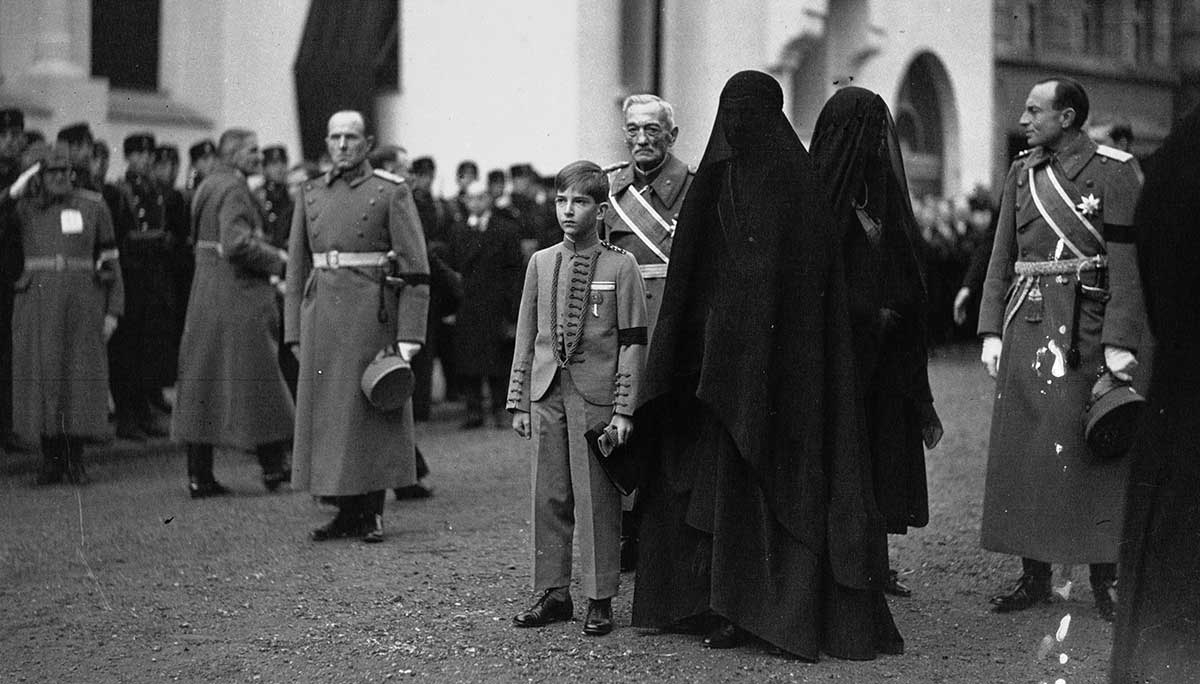
As Paul tried to mend the internal divides within the country, external factors exacerbated the crisis. Hitler’s rhetoric only grew more extreme, and his army occupied the Rhineland in 1936 without consequences. Mussolini’s Italy was in the process of conquering Ethiopia. Germany’s government also issued the Nuremberg Laws, severely limiting the rights of Germany’s Jewish population.
Japan then invaded China in 1937. One year after that, Germany annexed Czechoslovakia and Austria.
The battle lines were appearing. It would not be long until the fight would knock on Yugoslavia’s door.
1941: The Year Fascism in Croatia Blossomed
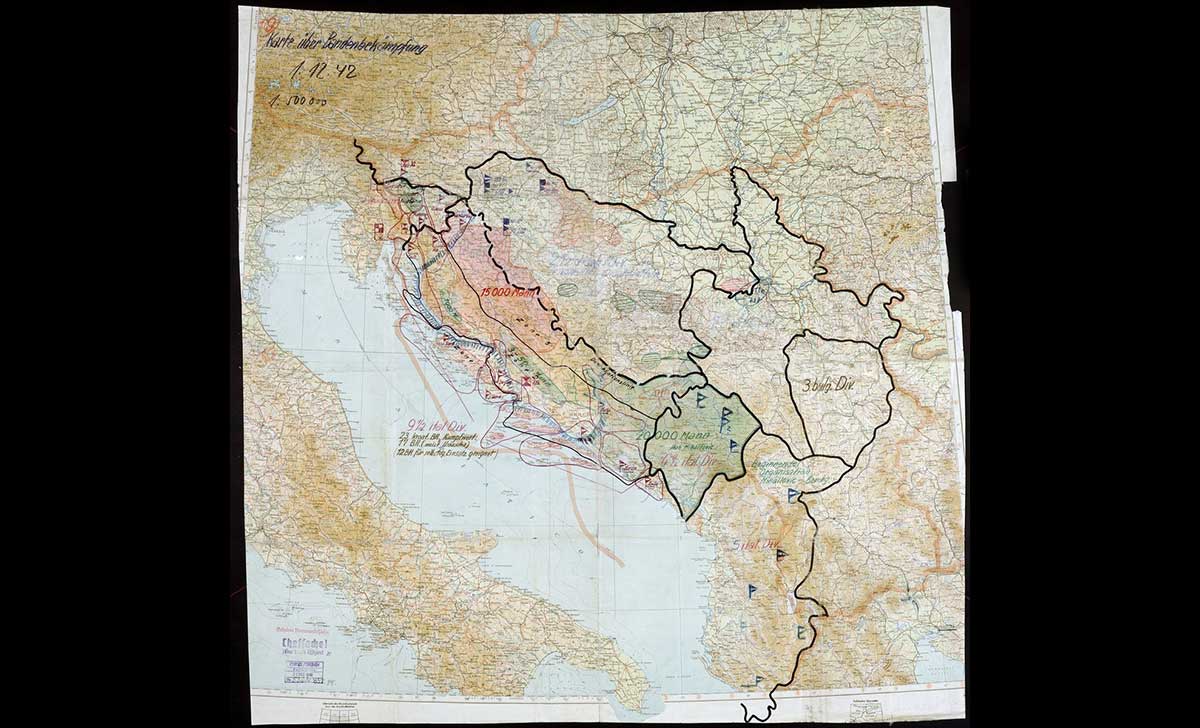
Once World War II broke out in 1939, Yugoslavia struggled to pick a side. For two years, the Yugoslav government watched as their indecision became unsustainable.
By March 1941, the Axis surrounded Yugoslavia. Bulgaria, to its East, had joined the Axis. Albania, to the West, was occupied by Italy. Hungary in the North and Romania in the Southeast had also succumbed to the Third Reich. Greece, in the south, fought back Italian troops.
The government could either side with the Allies and face the Axis invasion without help or surrender to the Axis and face the murderous whims of the powers’ leaders. It could no longer procrastinate. Paul finally decided to take action and joined the Axis, which he thought would spare the country wholesale destruction.
Yugoslavia’s Axis membership was comedically brief. Just two days after Paul announced the decision, the military launched a coup, placing Peter, Aleksandar’s son, on the throne. Peter then sided with Britain, which had no means of helping the country.
This led to an unsurprising occurrence: the invasion of Yugoslavia by the Axis on April 6, 1941. It took the invasion forces only eleven days to force Yugoslavia to surrender.
Hitler decided his forces would occupy Serbia and Slovenia. Bulgaria’s forces would occupy Macedonia. But in Bosnia and Croatia, Hitler and Mussolini rewarded Pavelić for his destabilization of the country and his sworn loyalty to them. The two territories would become a client state called the Independent State of Croatia.
Pavelić’s Return & the Beginning of Genocide
In the same week that Yugoslavia capitulated to the German invasion in April 1941, Benito Mussolini moved to send the exiled Croatian fascist ideologue Ante Pavelić to Zagreb.
Almost immediately, on April 16, the newly returned Pavelić, with the backing of his Italian and German allies, fashioned the leadership of the new Independent State of Croatia (NDH or Ustasha state), with himself at the helm as Poglavnik (Croatian for Führer) in April 1941.
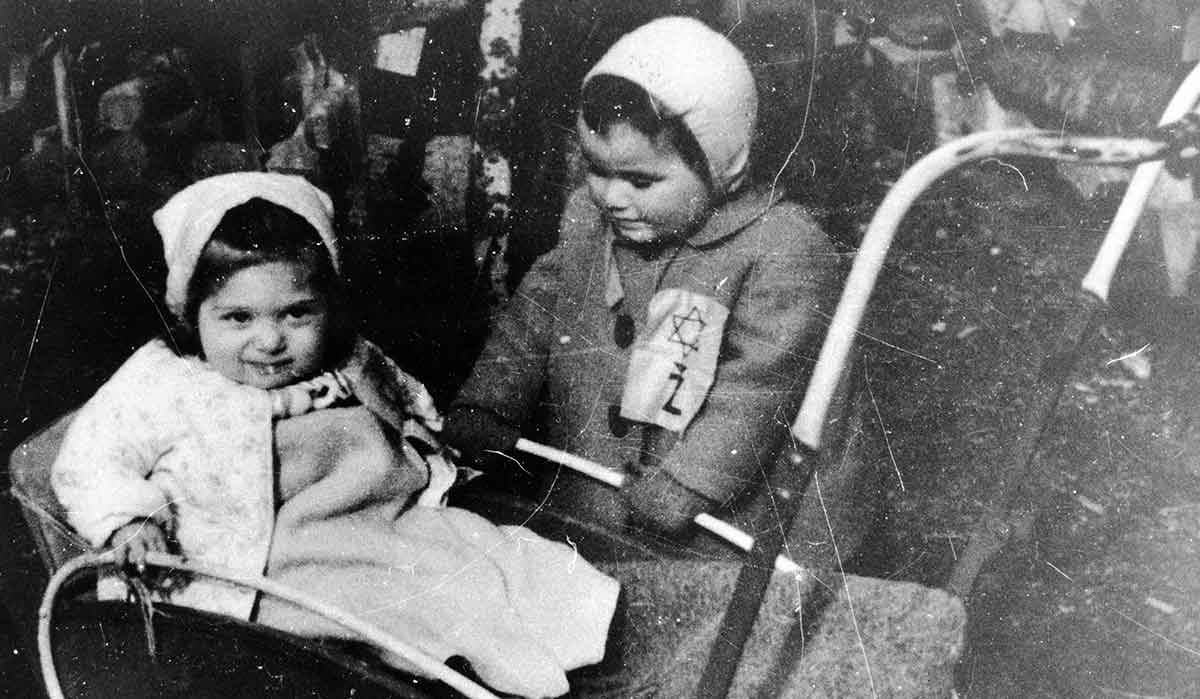
Within the territory of this state, more commonly known as the Ustasha state, were 3.3 million Croats, 700,000 Bosniaks, and 1.9 million Serbs. Pavelic had special plans for this last group, for Croatia’s Jews, and for its Roma.
He demonstrated that plan by ordering the burning of Sarajevo’s oldest synagogue on the same day he became dictator.
His ministers announced in a speech just a few days later that “We shall turn this land into the land of Croats, and cleanse it of Serbs, who have threatened us for hundreds of years” (Adriano, Cingolani, and Vargiu, 2018, p. 189).
Pavelić brought in three fellow ultra-nationalists—Slavko Kvaternik, Dido Kvaternik, and Mile Budak—to design and implement his chilling policy for the Serbs under their rule. Since there were too many Serbs and too few resources to murder all of them, they used simple math: They would kill one-third of the Serbs, convert one-third to Catholicism, and exile the remaining third (Adriano, Cingolani, and Vargiu, 2018, p. 190). The Jews and Roma in the NDH faced an ultimatum: they would either convert to Catholicism or be killed.
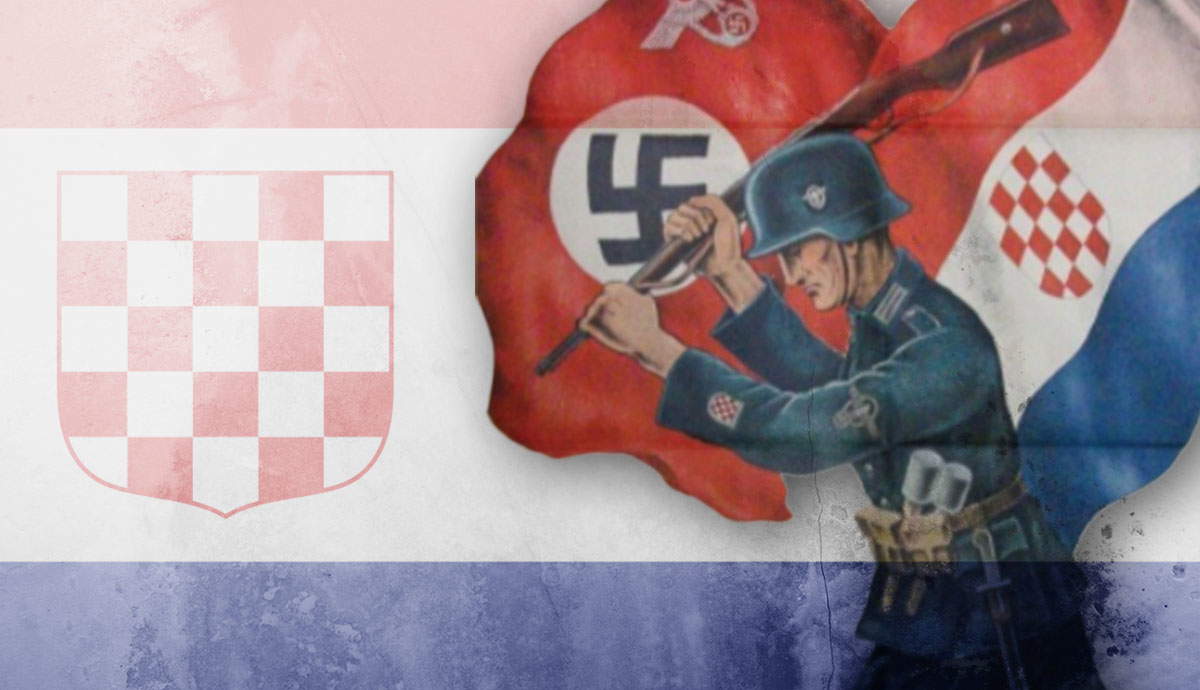
So began fascist Croatia’s inquisition in thirds, an episode that would crawl out of the corners of Serbian memory when Croatia declared independence in the 1990s, using the same checkered standard that Ante Pavelić and his henchmen embraced as the state coat of arms.
References
Adriano, Pino, Giorgio Cingolani, and Riccardo James Vargiu. Nationalism and Terror: Ante Pavelic and Ustashe Terrorism from Fascism to the Cold War. Budapest: Central European University Press, 2018.
Council of Europe. “Factsheet on the Roma Genocide in Croatia.” Factsheet on the Roma Genocide. Council of Europe, n.d. https://www.coe.int/en/web/roma-genocide/croatia.
Glenny, Misha. The Balkans: Nationalism, War, and the Great Powers, 1804-1999. Toronto, Ontario: House of Anansi Press, 2012.
McCormick, Robert B. Croatia under Ante Pavelic. Bloomsbury Publishing, 2014.
Pejaković, Ivo , Vesna Teršelič, and Đino Đivanović. “Slana Concentration Camp 1941.” Documenta: Centre for Dealing with the Past. Documenta. Accessed February 29, 2024. https://documenta.hr/en/slana-concentration-camp-1941/.
Tanner, Marcus. Croatia: A Nation Forged in War. New Haven; London: Yale Nota Bene, 2001.