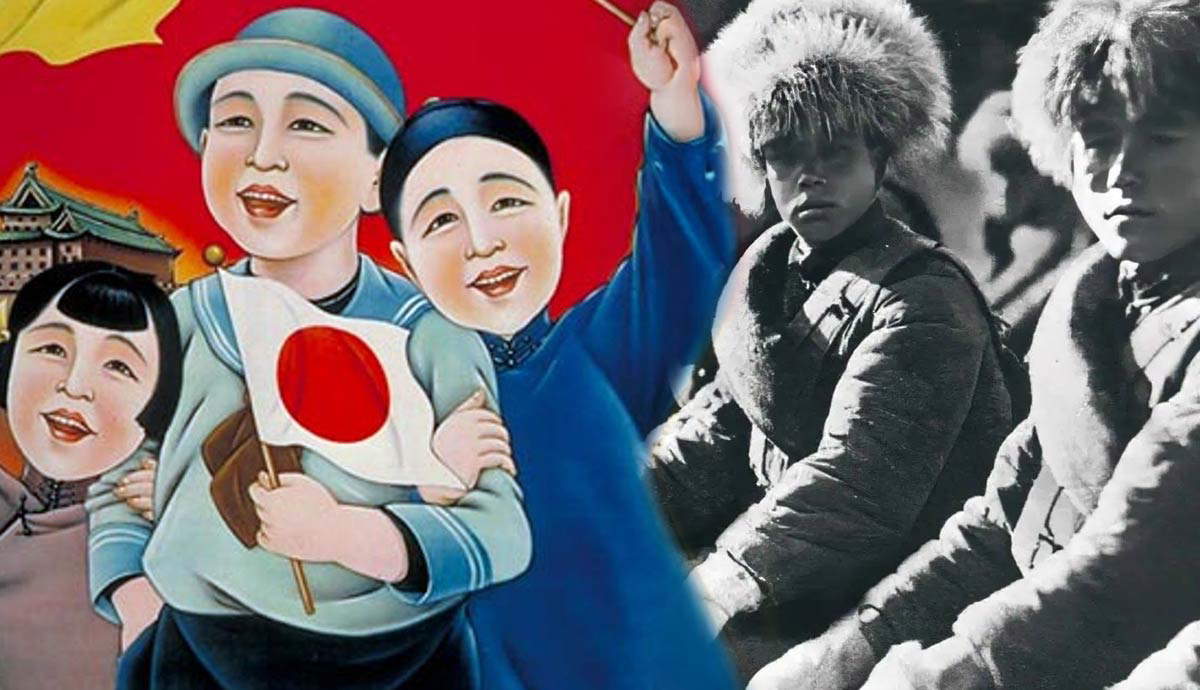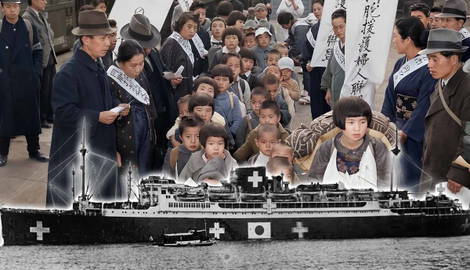

Part of the price that Japan paid for its defeat in WWII was having its overseas civilian populations sent home alongside its military garrisons. This process was harrowing and the postwar government faced major challenges in reintegrating the repatriated colonists into Japanese society.
Japan’s Imperial Dream and the Colonial Reality

When Japan started to expand into mainland Asia in the decades after the Meiji Restoration, it emulated the Western imperialists by encouraging settlement in the territories it conquered. The reasons for this varied; Japan was suffering from overcrowding, it wanted to expand its power elsewhere, and it hoped that a class of settler farmers could bring much-needed revenue into Tokyo’s coffers. After experimenting in Okinawa and Hokkaido, Japan decided to embrace the practice of settling foreign lands.
After taking Formosa (Taiwan) and Korea, Japan began reinforcing its military presence with civilian settlers, often family members of soldiers and occupation administrators. By the mid-1900s, roughly 6% of Formosan residents were Japanese. In Korea, 100,000 Japanese families formed the ruling elite. After WWI, Japan also began settling the Pacific islands it gained from Germany at the Treaty of Versailles. When Japan took control of Manchuria in 1931, it began aggressively settling its new puppet state of “Manchukuo” with hundreds of thousands of people. At the height of WWII, around 3.3 million Japanese civilians were settled in territories across the empire.
By engaging in mass settlement, Japan was able to create a tiered society in its colonies. The Japanese stood at the top: civilians, military personnel, and colonial administrators. In the middle were local collaborators and members of certain ethnic groups favored by the Japanese, while the majority of the native population stood at the bottom. These arrangements naturally enraged millions of people who lived under Japanese rule and posed a major quandary for Allied officials planning for the postwar era.
The Allied Decision to Repatriate the Settlers
When Allied forces advanced across the Pacific and mainland Asia, they found themselves facing Japanese civilians terrified of being harmed by their enemies. On the island of Saipan, local Japanese committed suicide instead of being captured, having been convinced by Japanese troops that the Americans would rape and murder them. When the Soviets marched deep into Manchuria, they witnessed the flight of tens of thousands of Japanese settlers. Allied commanders realized that they needed to manage this problem before it got out of hand.
To reinforce the notion of Japan’s defeat while protecting Japanese settlers from retribution, the Allied leaders decided on forced repatriation at the Potsdam Conference. Article 9 of the Potsdam Declaration ordered all Japanese forces to demobilize and return home. The return of civilians was subsequently organized. This arrangement was reminiscent of the repatriation of ethnic Germans outside Germany and Austria. The American and British navies provided ships to transport the Japanese home. At the same time, over one million Asians in Japan were to be sent back to their home countries.
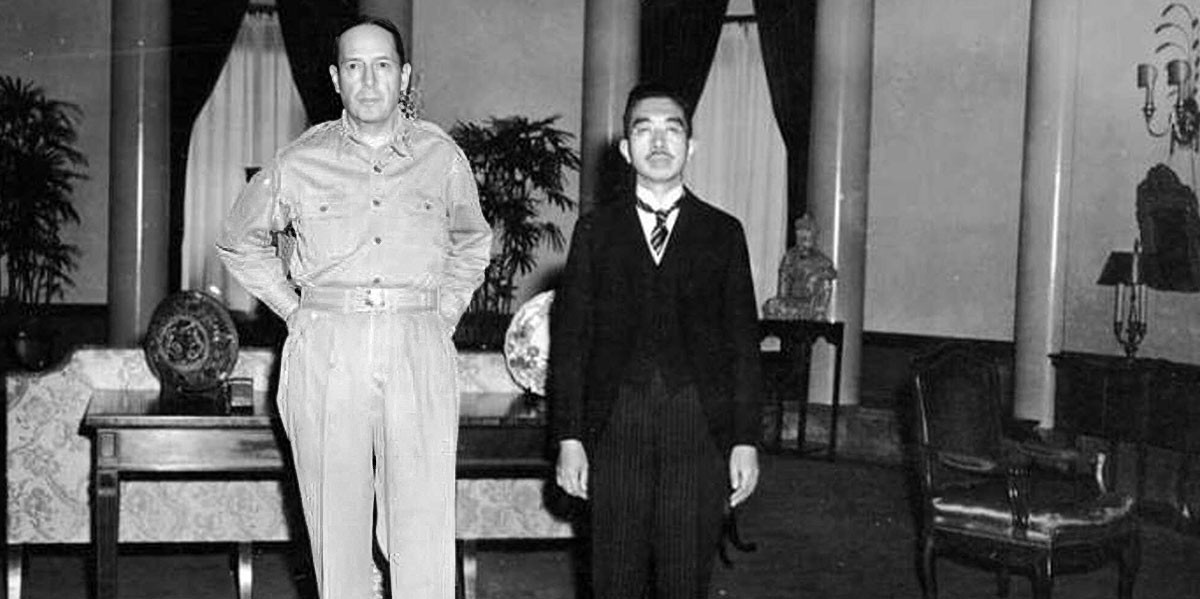
The Supreme Commander of the Allied Powers (SCAP), General Douglas MacArthur was the senior officer in charge of the logistics of the operation. The Shipping Control Authority and the Japanese Merchant Marine were assigned to transport the Japanese home. The new Japanese Ministry of Health and Welfare was to ensure that the deportees could be given housing and work once they arrived. In theory, the operation was supposed to be done humanely. In reality, it was a nightmarish process that proved devastating for the people involved.
How the Exodus Unfolded
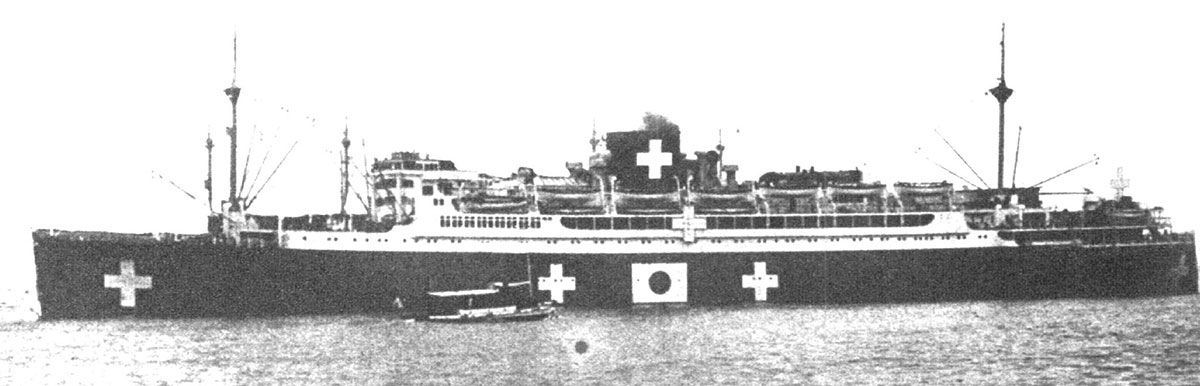
The first mass flight of overseas Japanese civilians took place as the Red Army pushed deep into Manchuria. The Kwantung Army, the Japanese occupation force in Manchukuo, failed to protect the civilians from the rapacious Soviets, forcing hundreds of thousands of them to flee to ports like Harbin. The Japanese navy attempted to transport some of them back to Japan but lacked the ships. Thousands of orphans were abandoned to the Chinese. In the ports, the civilians found that SCAP had arranged for ships to bring them back, saving them from being slaughtered by Soviet troops or vengeful Chinese civilians.
After Japan’s surrender on September 2, the more orderly deportations began. In Korea, the US Military Government ordered all Japanese nationals to leave, including 850,000 civilians. By 1947, all but 1,300 Japanese civilians were out of Taiwan. Many of the ethnic Japanese born in Korea and Taiwan wished to remain, but the locals and new governments were adamantly opposed and the Allies agreed. In the Pacific, Japanese civilians were deported en masse by the US Navy; only offspring of mixed Japanese-Micronesian families were allowed to remain. Lastly, in areas of China seized in 1937, the Chinese government worked quickly to repatriate the Japanese before the Civil War resumed.
The deportation process was efficient and ruthless. Allied troops gathered any Japanese nationals they could find and ordered them into special zones near major ports so that they could be inspected. People were often limited in the personal items they could carry. Few were allowed to sell off their businesses and property before their departure. The ships assigned carried a few thousand people and were quarantined before docking to stop the spread of disease. Within a few years, the overseas Japanese civilian population had returned home.
Returning to Ruins and Social Stigma
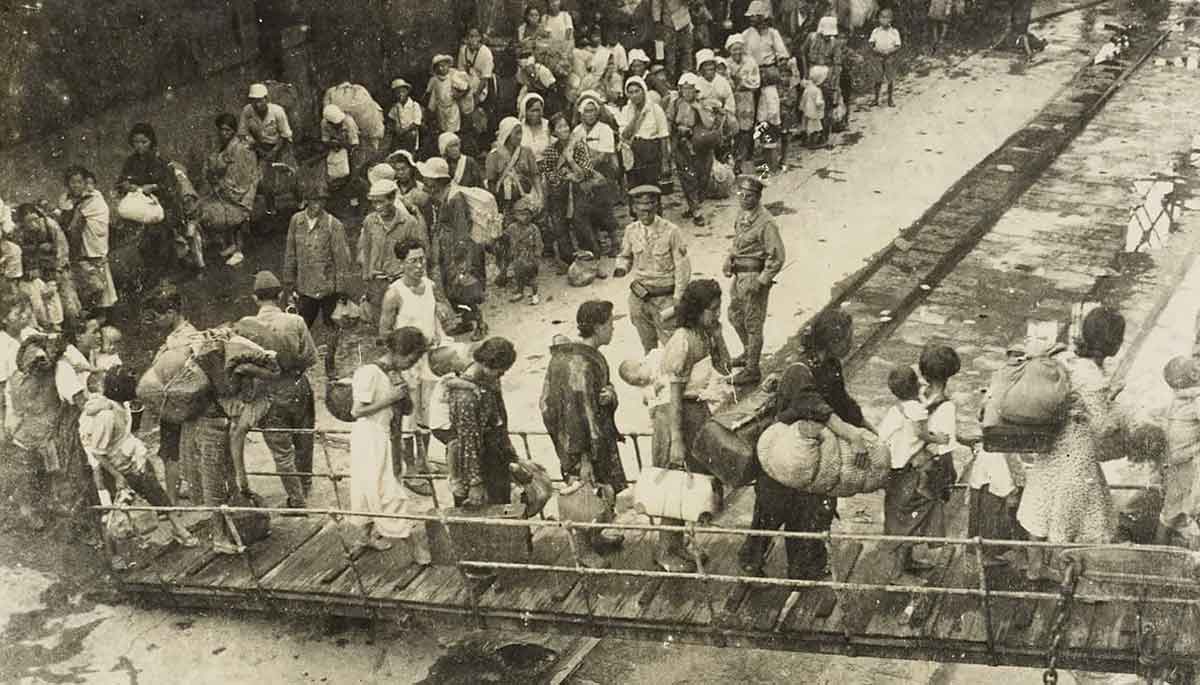
Upon their return to Japan, the deportees were shocked by the devastation of their homeland and the hostile reception from Japanese mainlanders, who had no sympathy for them. Many were sprayed with insecticides as soon as they disembarked. Those returning from Manchuria were sometimes accused of being secret Soviet sympathizers by Japanese ultranationalists angered by the loss of Manchukuo. Others, conversely, faced anger from anti-Japanese, who blamed them for the war.
The arrival of over six million Japanese civilians and servicemen taxed the country’s resources deeply. Japan already faced severe housing shortages as a result of Allied bombing. Additionally, the war had left Japan practically bankrupt. As a result, intense competition broke out between Japanese who spent the war in the home islands and the repatriated settlers and military personnel. Only when Japan’s economy started to boom did these tensions start to die down.
Many deportees had spent decades out of Japan and developed different accents and a modified culture separate from mainlander Japanese. This increased the sense that they were not “authentic” Japanese. For the first few years of the Allied occupation, many lived in special villages constructed for them due to the chronic housing shortage. Within a few years, these villages emptied out as the deportees managed to rebuild their livelihoods.
The Legacy of Silence
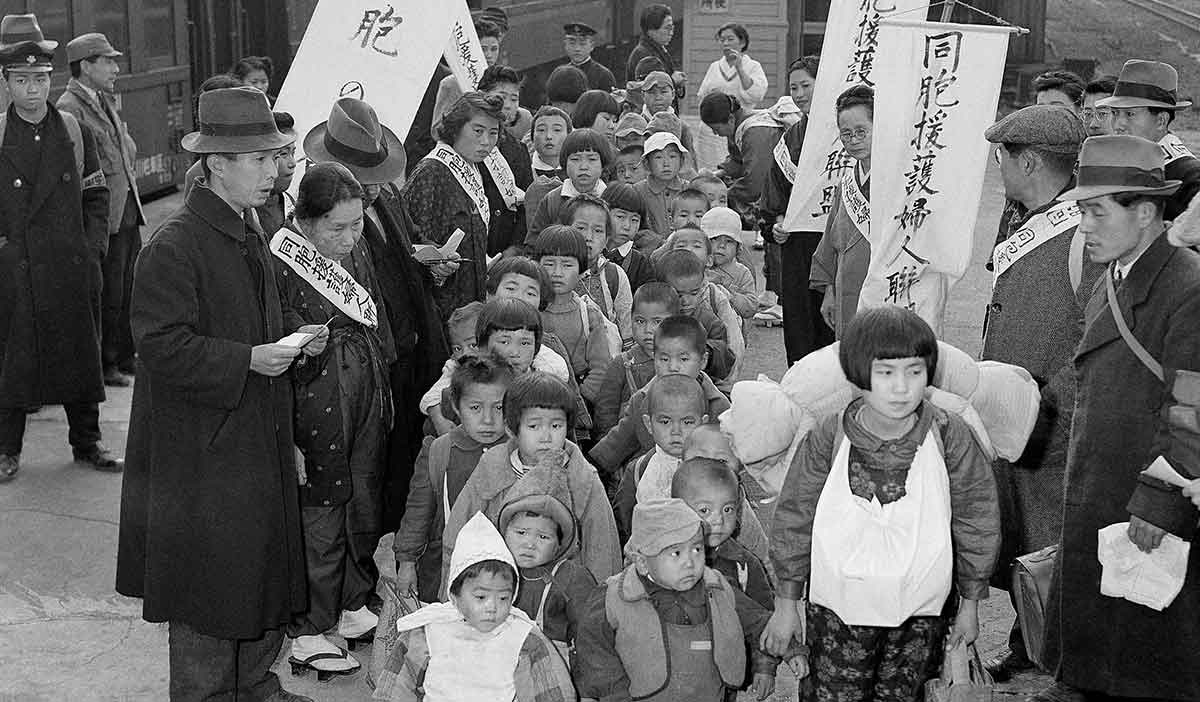
In the decades following WWII, two narratives developed in Japan about their experiences during the war. One was that Japan was a victim of brutal air raids, including the atomic bombings. The other was that the militarists had led Japan down a path of destruction and a new form of nationalism was needed. Neither of these narratives catered for the trauma of the expulsions of the colonial settlers. As a result, Japanese who returned to the home islands found that their experiences elicited little sympathy.
Throughout the most intense phases of the war, Japanese propaganda highlighted the success of the settlement project overseas. The settlers were represented living in luxury and benefiting from Japan’s conquests. This had the unintended effect of embittering mainland Japanese, who suffered through food shortages, totalitarian rule, air raids, and Allied naval blockade. Official narratives after the war sought to erase the memories of the repatriated population as they were not useful to Japan’s postwar narrative. Who cared about the plight of Japanese settlers in Manchuria when so many people died in Operation Meetinghouse?
The Japanese government, struggling to pay for its already-strained services, refused to compensate the settlers for the businesses and property they had lost when being deported. Additionally, Japanese women who had been raped by Soviet troops were taken to a facility called Futsukaichi, where they had abortions forcibly performed on them. When the deportations formally ended in the 1950s, an unknown number of Japanese children adopted by Chinese parents were left behind and briefly forgotten.
How the Repatriation Shaped Modern Japan

Despite the enforced silence and the general traumatic state of postwar Japan, the repatriates were able to slowly integrate into mainstream Japanese society and participate in the postwar economic boom. Many of them were capable workers and managers who helped rebuild Japanese infrastructure. Japanese railways relied heavily on former settlers who constructed rail lines in China and Korea. Former settlers who worked on farms in the South Seas Mandate or in Asia had the option of being given land in Hokkaido, enabling some of them to resume the work they had done in the colonies.
By the mid-1950s, a government survey found that around 60% of the repatriated Japanese had managed to find some form of work and a home. Firms like Nissan and the Furukawa Group hired a lot of former settlers because they used to operate in the colonies and were familiar with their work ethic. However, most of the families continued to remain in poverty for many years.
When Japan and China normalized ties in 1972, some former settlers went to Manchuria to seek news of their abandoned children. They were stunned to find that thousands had survived and many hoped to visit Japan. In the 1980s, the Japanese government began allowing them to visit the home islands.
This finally ended the silence of what happened to the settlers. Literature from people who had lost everything, such as Toyoko Yamasaki’s The Barren Zone (Fumō Chitai), brought back the story of how Japan’s settler colonies imploded. People began demanding compensation for their lost property.
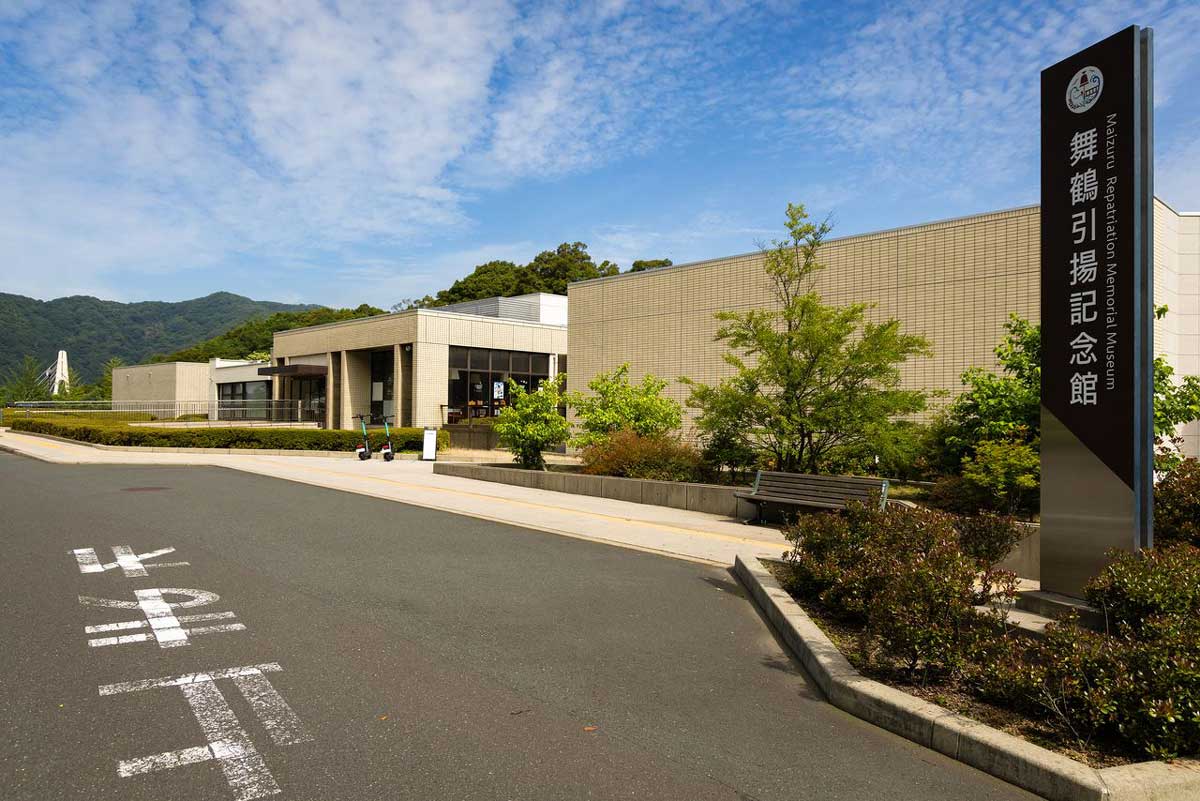
Today, Japan has opened up about the legacy of the colonies and the deportations of the settlers. The Maizuru Museum was opened in the main port that received the expatriates, and the expulsions are included in the Japanese academic curriculum. Just like in post-war Germany, it took a long time for the stories of the settlers and their fates to be exposed to the public eye.