
February 5, 1917: After two months of debate, delegates from the Querétaro Convention signed and ratified the Mexican Constitution, establishing a democratic republic and the direct election of all public offices. Yet for 71 years, one political party ruled Mexico with an iron grip. How did the Partido Revolucionario Institucional turn revolutionary ideals into the longest period of one-party rule in American history? Examining the PRI’s rule shows that democracy requires more than just written principles—it needs strong independent institutions, a democratic culture, and a commitment to transparency and accountability.
La Dictadura Perfecta
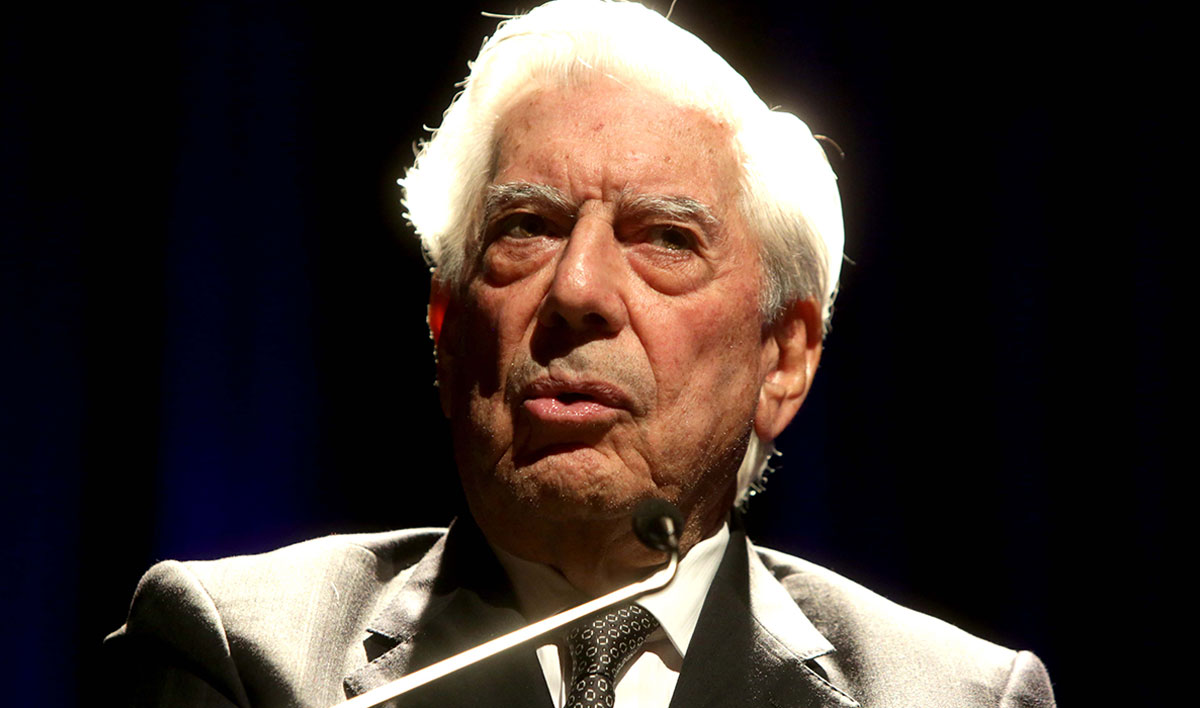
In 1990, Mario Vargas Llosa, Peruvian novelist and Nobel laureate, described the Partido Revolucionario Institucional as “the perfect dictatorship.” He was referring to how the party maintained an outward appearance of democracy despite their hold on power. The Institutional Revolutionary Party, or PRI, avoided many of the features of traditional dictatorships. There was no military junta or single caudillo. Instead, the PRI maintained its control through a combination of electoral manipulation, the incorporation of various interest groups, clientelism, and outright oppression.
Foundations of Power: The Early Days of the PRI
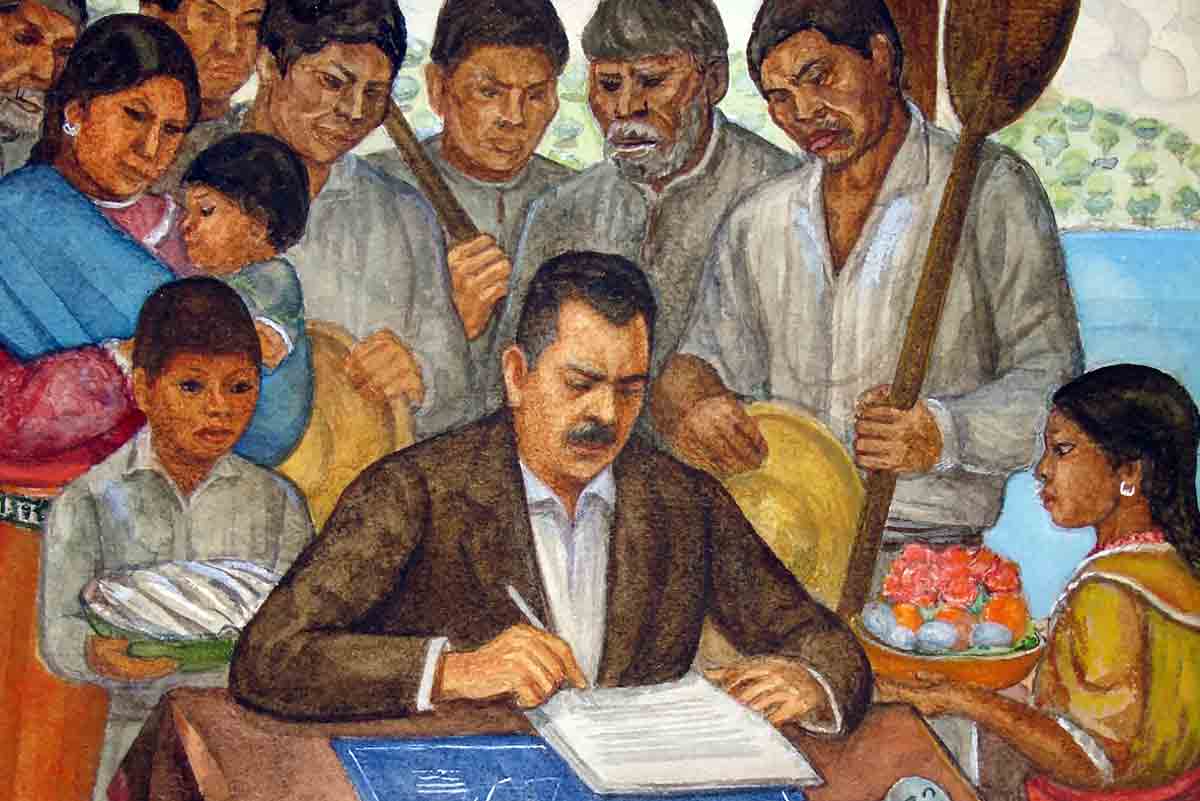
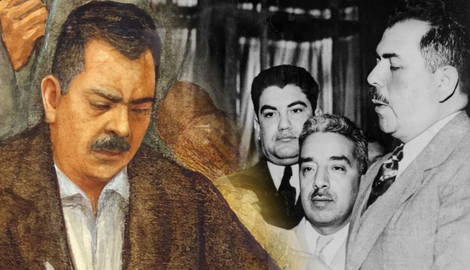
The PRI was originally founded as el Partido Nacional Revolucionario (National Revolutionary Party, PNR) in 1929 by Plutarco Elías Calles. From the outset, the party defined itself as the champion of the revolution. They adopted a populist, nationalist policy agenda, going even so far as to adopt the official colors of the Mexican flag as their own. Lázaro Cárdenas, one of the most revered Mexican presidents, was the leader who laid the true foundations for the political machine that dominated the rest of 20th-century Mexico. His presidency set the stage for decades of PRI control.
Cárdenas joined the Mexican Revolution at eighteen and quickly rose through the ranks, going from first lieutenant to brigadier general in seven years. He remained in the military until 1928, when he ran for governor of his home state of Michoacán. Cárdenas won the PNR nomination as presidential candidate in 1934 and embarked on a nationwide campaign, visiting remote rural areas and using radio to address the nation. The period before Cardenas was known as the Maximato due to the ongoing influence of Calles. In April 1936, with rumors of a Calles coup circling, Cárdenas had Calles exiled to the US.
Building the PRM: A Party of the Revolution
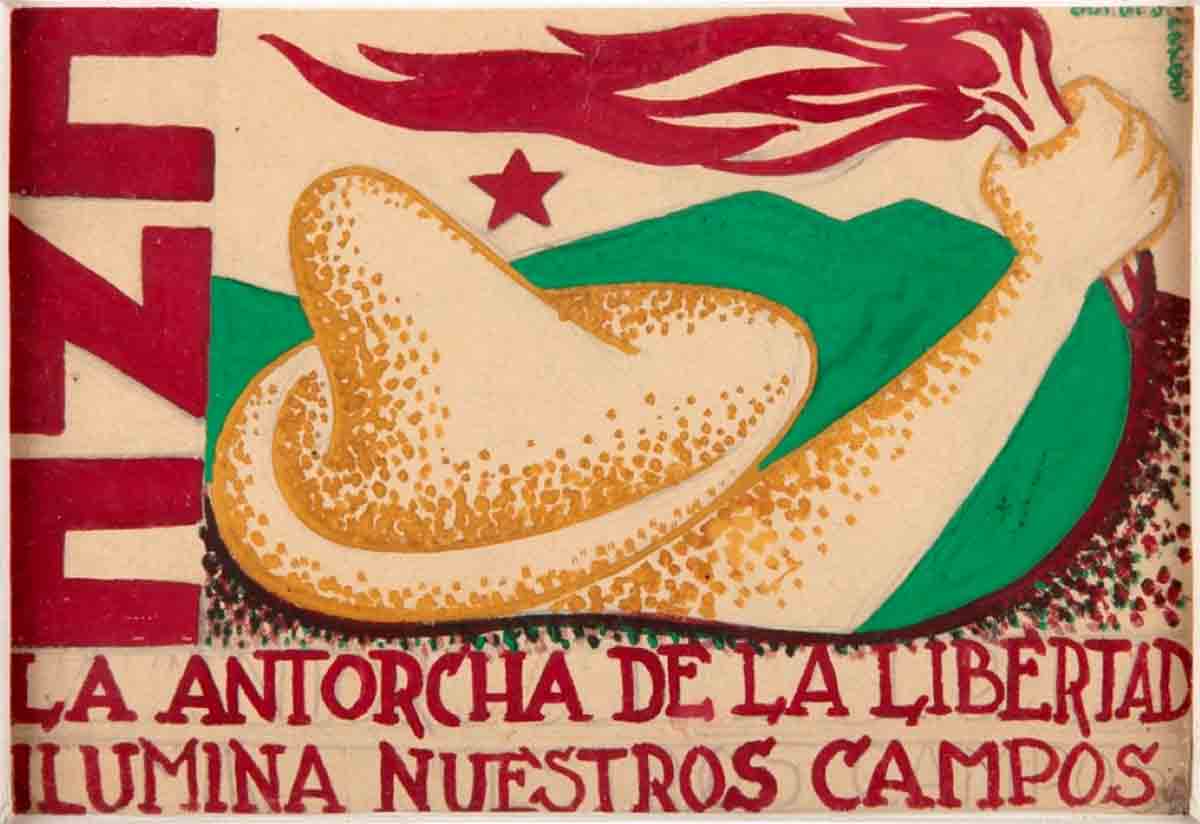
Cárdenas reasserted the power of the Mexican presidency, but it had become clear that presidential authority would need to be based on more than strong man leadership. In December 1937, the party voted to dissolve and reform as the PRM, or Partido de la Revolución Mexicana (Party of the Mexican Revolution). Cárdenas followed a similar move as he had done in Michoacan, incorporating key interest groups into the structure of the party.
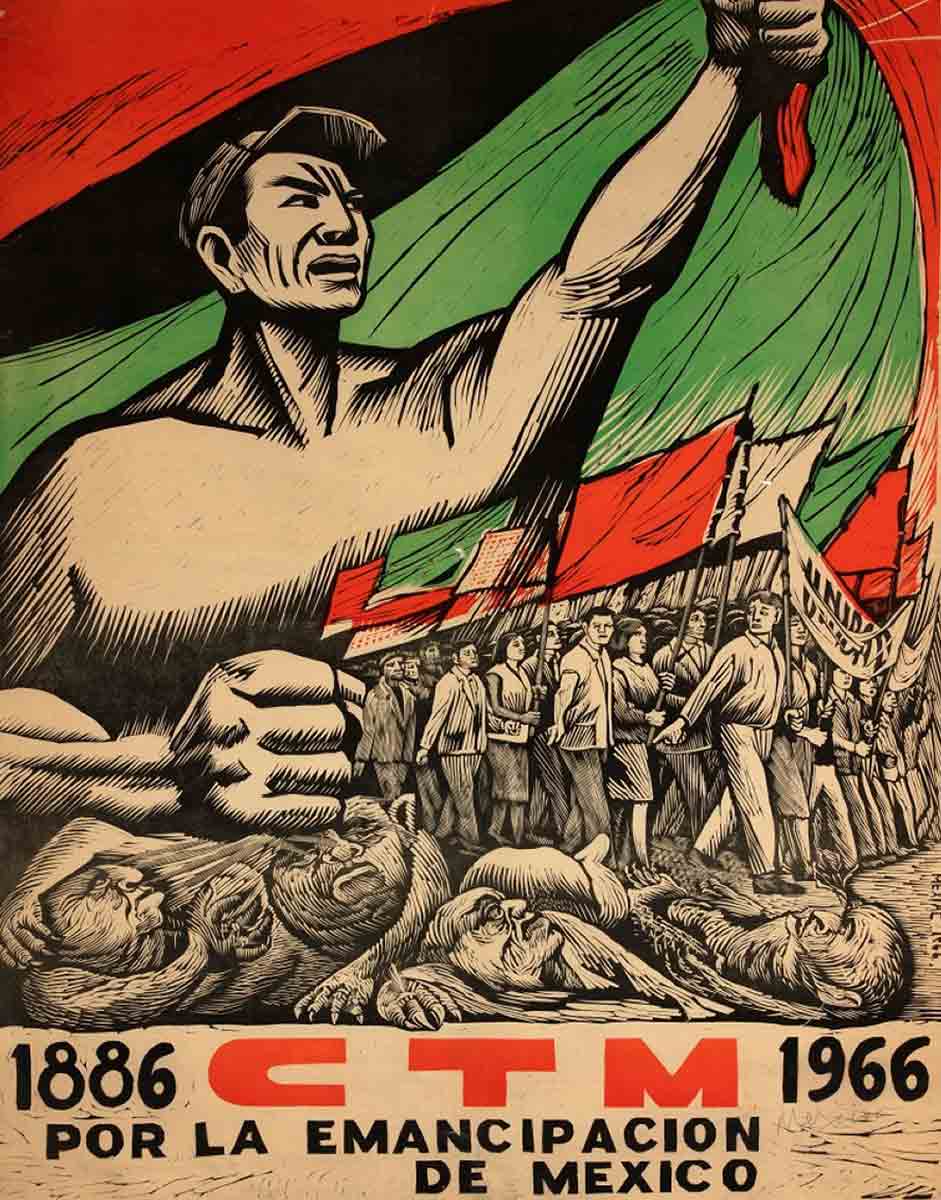
Cárdenas’ PRM’s first pillar of support came from the Mexican armed forces, with roughly 60,000 members. To bring in the labor sector, Cárdenas backed the CTM, el Confederación de Trabajadores de México (Mexican Workers Confederation), the largest workers’ union. The CTM was given a pivotal role in the PRM’s structure. Similarly, the PRM incorporated the CNC, el Confederación Nacional Campesina (National Farmworkers Confederation), which was founded to defend the labor rights of agricultural workers. Cárdenas also incorporated a loosely organized popular sector, representing Mexico’s middle class, professionals, and government bureaucrats. In 1946, this sector would be formally integrated into the system with the formation of the CNOP, Confederación Nacional de Organizaciones Populares (National Confederation of Popular Organizations).
Institutional Strength: Cementing the PRI’s Dominance
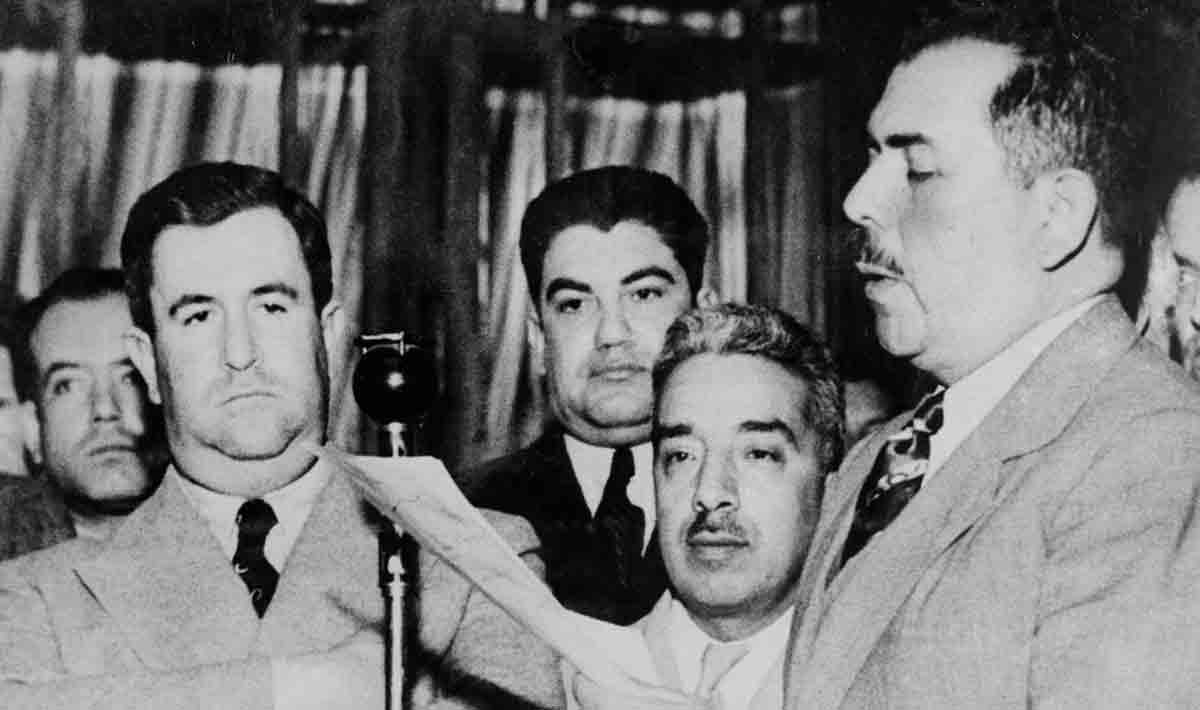
Cárdenas’ explicit aim was to build wide representation within the party of the forces that had driven the Mexican revolution. This benefited both the government and the incorporated interest groups. The government had the political support to embark on wide reforms benefiting these sectors, including nationalization of oil production and sweeping land reforms. At the same time, the unions could move masses in support of the party during elections and political rallies.
The PRM wove itself into every part of Mexican society, from labor unions to agriculture, in a system known as corporatism. While, for example, in the UK and the US, interest groups tend to be autonomously formed and their influence determined by lobbying and financial resources, under the PRM, these groups had a permanent seat at the table and formed an organic part of the ruling party itself, reinforcing its hold on power.
However, building these alliances was not enough. The next piece of the PRM’s hold on power would come with Cárdenas’ successor, Manuel Ávila Camacho (1940-46), and the creation of the Federal Electoral Law.
Tacos de Votos: Recipes for Electoral Manipulation
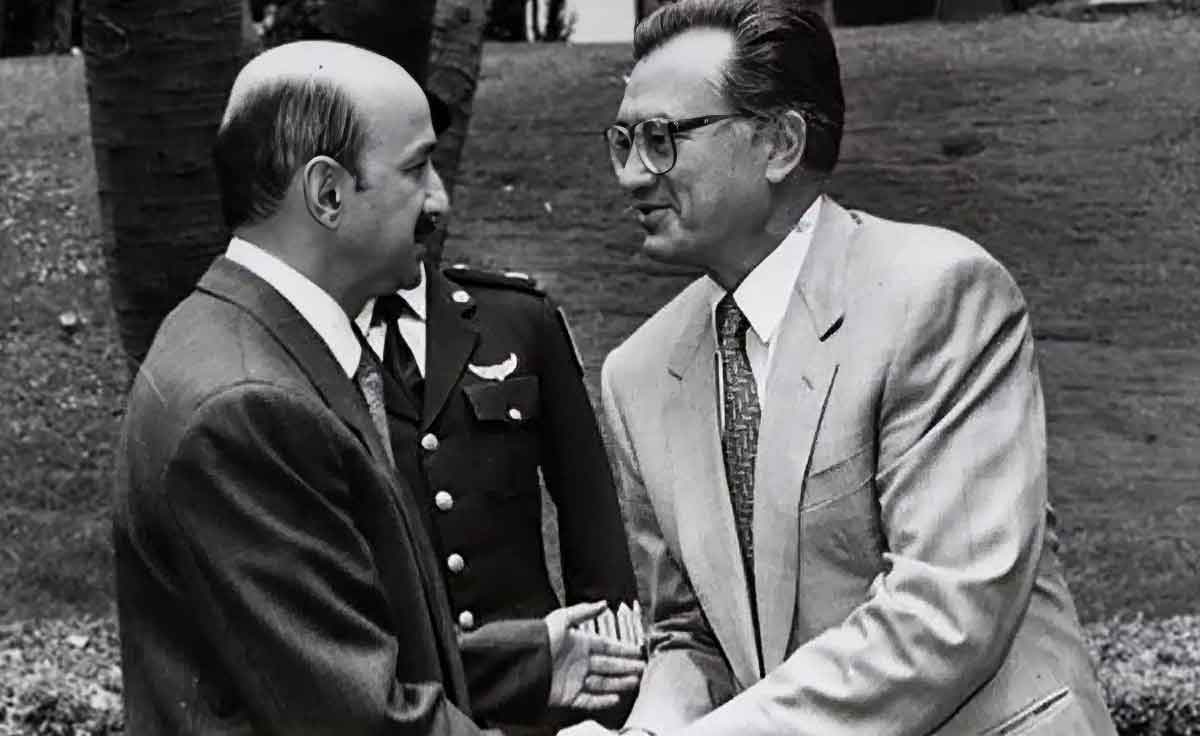
That the PRM absorbed political interests through institutions is clear, but why did no real opposition arise? Although opposition existed, it remained ineffective. Electoral laws crafted by the PRM ensured it was the only party with a realistic chance of winning elections.
In 1946, the PRM was again dissolved and reorganized as the PRI, el Partido Revolucionario Institucional (Institutional Revolutionary Party). In the same year, the party passed the Federal Election Law, and from that point forward, independent candidates were prohibited from entering Mexican elections. Previous presidential races had seen prominent independent candidates challenging the PRI’s hegemony. Furthermore, to register as a political party eligible to nominate candidates, parties were required to have the backing of at least 30,000 supporters, with 1,000 supporters in each of two-thirds of the states and territories of Mexico. Unsurprisingly, few parties could hope to meet these requirements, and even fewer could consistently maintain the support and independence required to act as a true opposition party.
The 1946 Electoral Law also shifted the control, regulation, and verification of presidential and federal legislative elections from the state governments to the Interior Ministry (Secretaría de Gobernación). With this shift, one of the president’s own cabinet ministers was responsible for reporting election results and registering political parties. This gave the sitting president the power to ban the registration of certain parties, effectively modify electoral regulations, and ultimately closely control electoral outcomes.
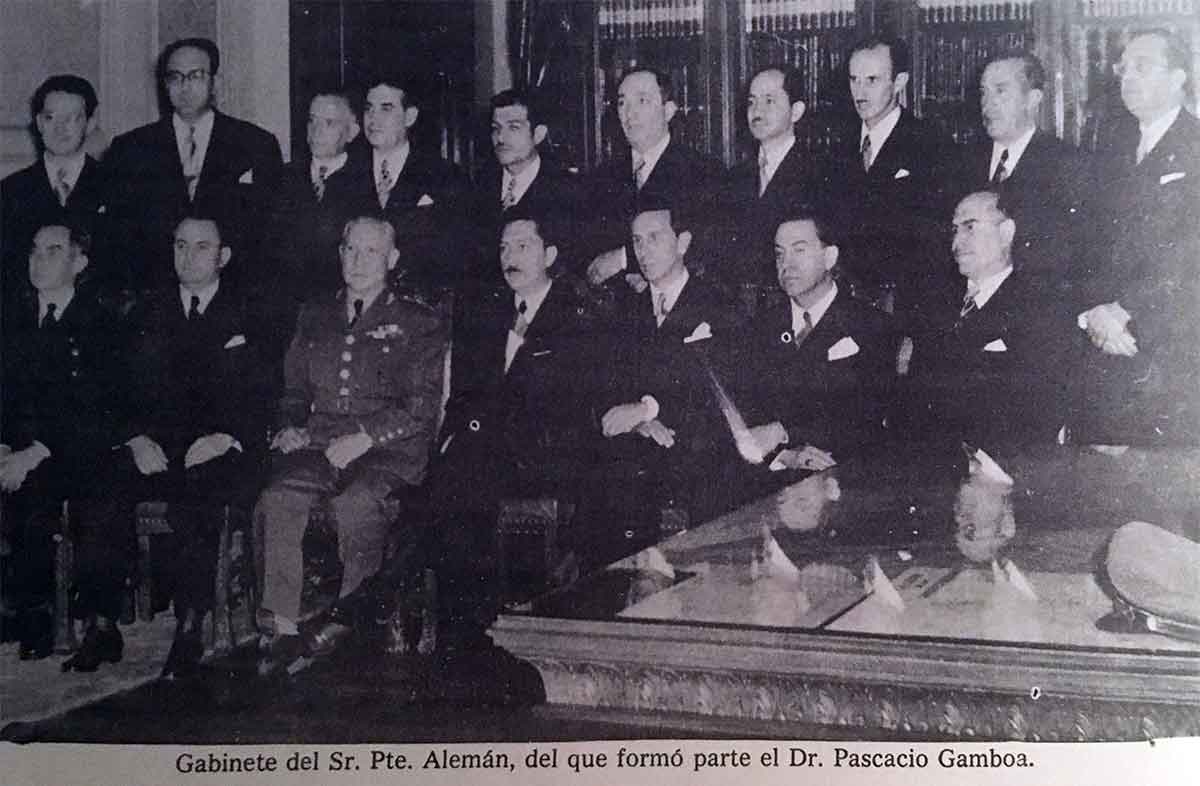
The result was a variety of techniques for electoral fraud, for example, “Tacos de Votos”: not a delicious election day snack but the practice of stuffing ballot boxes with folded wads of ballots. Another technique involved stuffed ballot boxes, urnas embarazadas, which would arrive at the polls full of votes for the ruling party. Occasionally, official results were simply manipulated before release. Since party members controlled the process, there was no legal means by which to challenge these practices.
Clientelism: You Scratch My Back, I’ll Scratch Yours

The PRI also enjoyed a wide base of genuine popular support alongside relatively stable internal cooperation throughout much of its rule. This was thanks to its ability to bestow favors and rewards on its supporters.
Clientelism is a system where powerful individuals or groups, often politicians, provide favors or benefits—like jobs, services, or goods—to people in exchange for their political support. It’s a “you scratch my back, I’ll scratch yours” arrangement, where both sides get something they need. In Mexico, the PRI’s dominance resulted in a clientelistic structure that spread from the poorest voters right up to the president. Within the PRI, the opportunities an individual enjoyed depended on their ability to build connections with higher-ranking politicians. In turn, a politician could depend on their network of subordinates to help them advance by mobilizing political support in exchange for political favors given to those supporters.
The networks of support an individual politician enjoyed within the party were known as camarillas, and the higher up an individual was in the party, the greater the benefits they could give to their supporters. This could be preferential access to new positions or access to funds for a particular initiative that would, in turn, benefit their supporters. Sometimes these favors could be very small. At the bottom of this chain were individual voters, particularly those in deprived urban and rural settings. Their vote for the PRI on election day could be rewarded with a torta (sandwich), a gift, or the opportunity to resolve a problem with the help of a local politician.
¡Sufragio Efectivo, No Reelección!
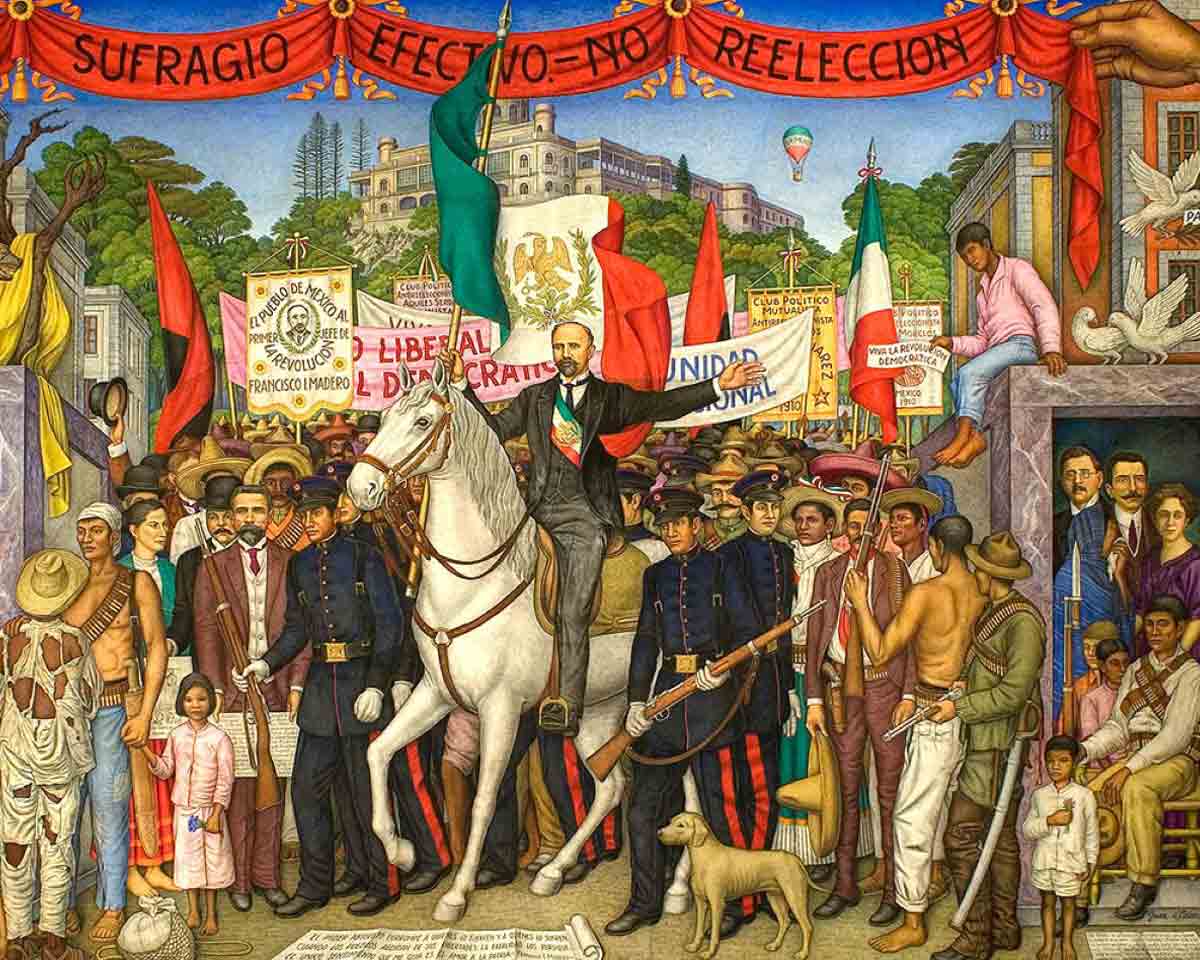
Notably, the PRI’s dominance was perhaps foretold, almost predetermined. Prior to the revolution, Francisco I. Madero’s demand for “no re-election,” a response to the dictatorship of Porfirio Diaz, became a powerful rallying cry. It was, therefore, fitting that it would form a key part of the 1917 Constitution. Since then, all Mexican presidents have served a single term.
The rule has had some unintended consequences and arguably led politicians to place their party above all else. Voters can neither punish nor reward the individuals they have voted for. When each legislator knows they will be out of a job in three years, how can they ensure a continued political career after leaving office? No re-election made party loyalty the most rational course of action for any legislator hoping for future opportunities.
This resulted in a malleable legislative body that largely functioned to rubber stamp executive legislative proposals, rather than engaging in independent lawmaking or challenging the power of the executive. Legislators’ primary preoccupation was to ensure they enjoyed favor from higher-ranking members of the party. The executive, therefore, held immense influence. This was most visible in the presidential succession. Throughout the PRI’s dominance, the sitting president would handpick their successor from amongst the various camarillas, an arrangement that ensured party continuity and loyalty from all levels of government.
Tlatelolco: A Nation in Blood and Silence
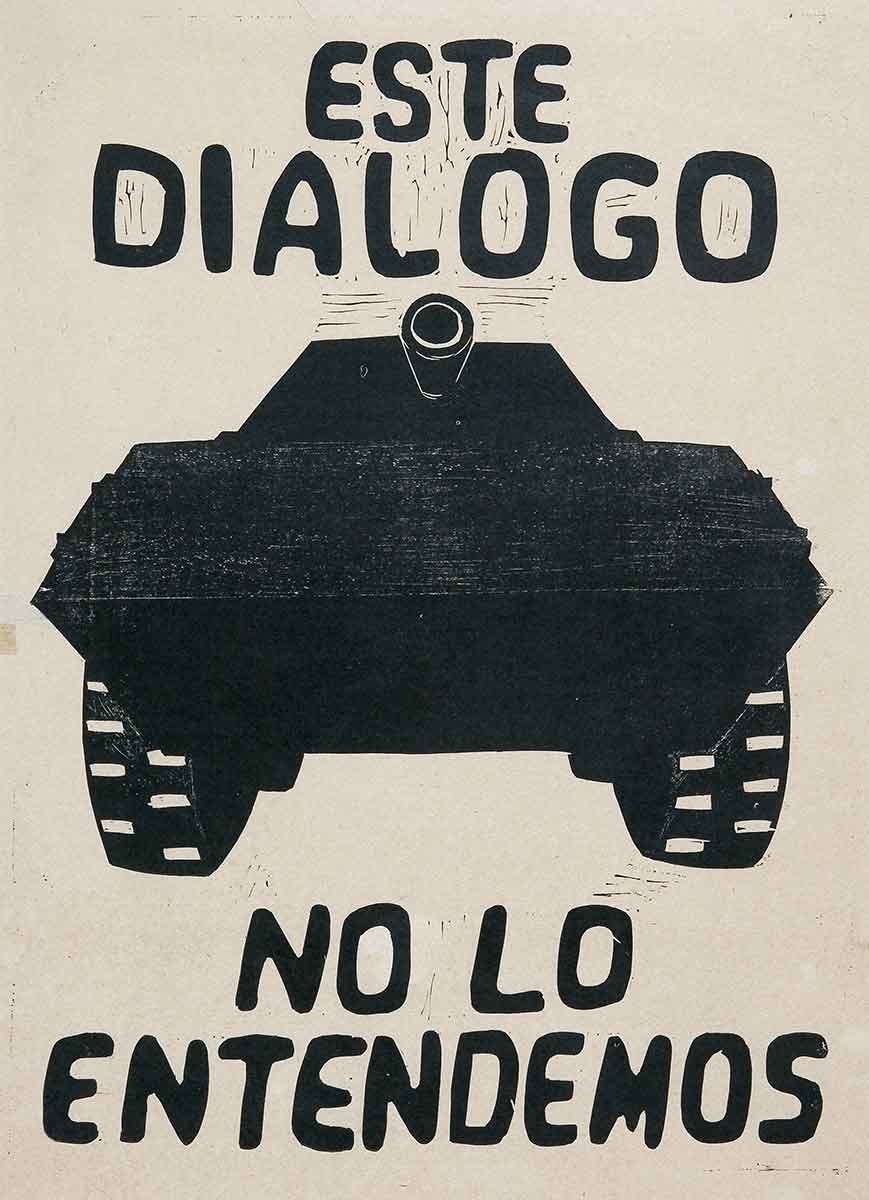
The PRI’s grip on power cannot be fully understood without addressing its repressive tactics. Of the many incidents during its rule, none left a deeper scar on Mexican political memory than the 1968 attack on student protesters in Tlatelolco, Mexico City.
Throughout the 1960s, many Mexican students were drawn to progressive political positions following events such as the Cuban Revolution and the Vietnam War. The PRI looked upon these happenings with significant concern, and many student leaders were closely monitored. Following a fight between police and various students on June 23, 1968, students from several universities organized strikes and marches throughout the capital, painting signs denouncing the PRI and calling for the resignation of the Mexico City chief of police.
The students organized themselves through the formation of the National Strike Council. The council used an elaborate system of committees and changing leadership to prevent the government from co-opting the protests. Over the summer of 1968, the protests continued to grow, as did the increasingly repressive response from the police, and eventually the military. During increasingly tense clashes in September 1968, dozens of students were killed and hundreds injured. The wider public and workers’ unions soon joined the movement in support of the students protesting for justice for police abuses, as well as broader calls for democratic reform.
Finally, the movement came to a horrific crescendo on October 2, 1968. Six thousand protestors had gathered for a march, set to begin from the residential area surrounding the Plaza of Tlatelolco. Finding themselves boxed by a large number of soldiers, organizers decided to remain in place and begin speaking in the plaza. Soon, armored cars began to arrive as helicopters circled overhead. Soldiers took up positions above the apartment blocks. Several students in attendance reported the arrival of plainclothes men with a single white glove and close military haircuts.
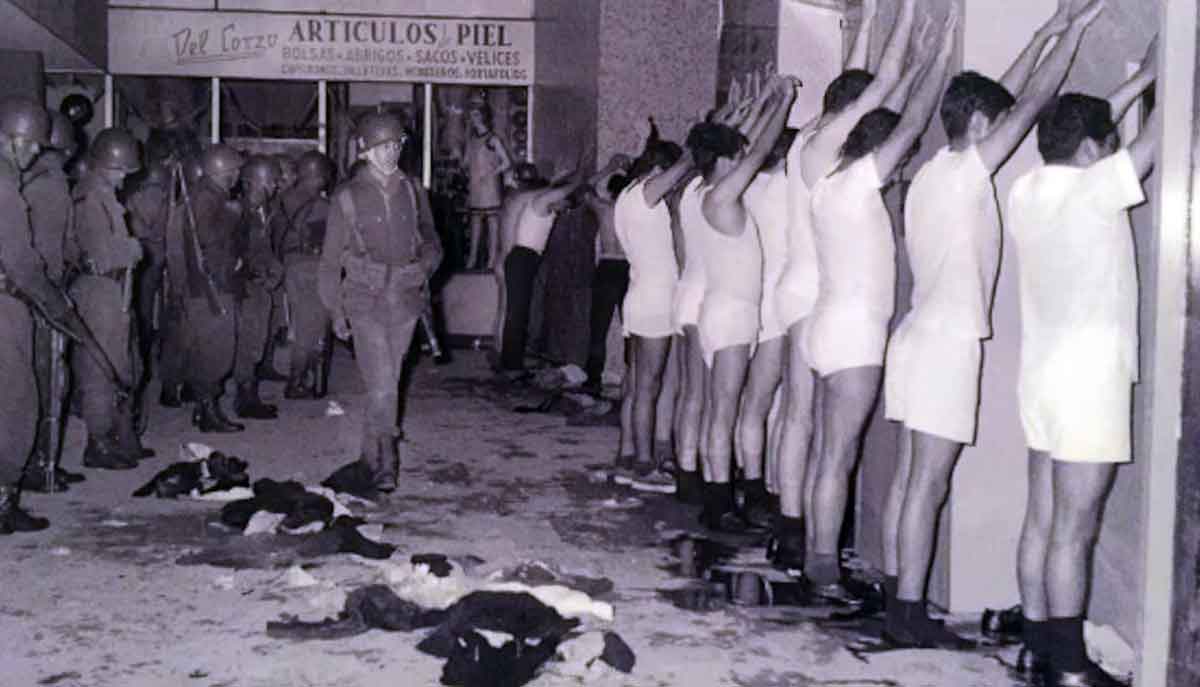
Soldiers opened fire on the main stage and into the crowd. Chaos ensued as the soldiers began beating up protestors and firing indiscriminately. Students, the wider public, and journalists were assaulted, beaten, and killed. Official figures would later claim that just 25 protestors were killed and that they had provoked the police. The actual death toll was likely between 300 and 400. By all appearances, the attack appeared to be organized and premeditated by the highest levels of the Mexican government.
The PRI’s dominance in 20th-century Mexico is a powerful reminder that democratic principles can be hollow without genuine checks on power. Through corporatist institutional control, clientelism, electoral manipulation, and repression, the PRI created a political machine that reneged on the revolutionary promises that brought it to power. By weaving itself into society’s fabric, it blurred the lines between state and party. Its tight, centralized control over the electoral system ensured it would be many years before genuine opposition could emerge. It was not until the year 2000 that Vincent Fox, from the Partido Acción Nacional (National Action Party), won the presidential election, finally ending the PRI’s 71-year grip on power.
Bibliography
Edmonds-Poli, E., & Shirk, D. A. (2020). Contemporary Mexican politics. Rowman & Littlefield.
Camín, H. A., & Meyer, L. (1993). In the Shadow of the Mexican Revolution: Contemporary Mexican History, 1910–1989. University of Texas Press.