
Out of all the indigenous American peoples, the Aztecs had a very bloody and deadly mythology. They believed that the universe had cycled through four previous suns. Each cycle ended when the sun stopped burning, subsequently destroying all civilization with catastrophic events. The current fifth sun was created through the self-sacrifice of the gods and is predicted to end in earthquakes. To prevent the sun from burning out, the Aztecs believed they needed to provide it with an endless stream of human blood.
The Four Destroyed Worlds of Mesoamerican Prehistory
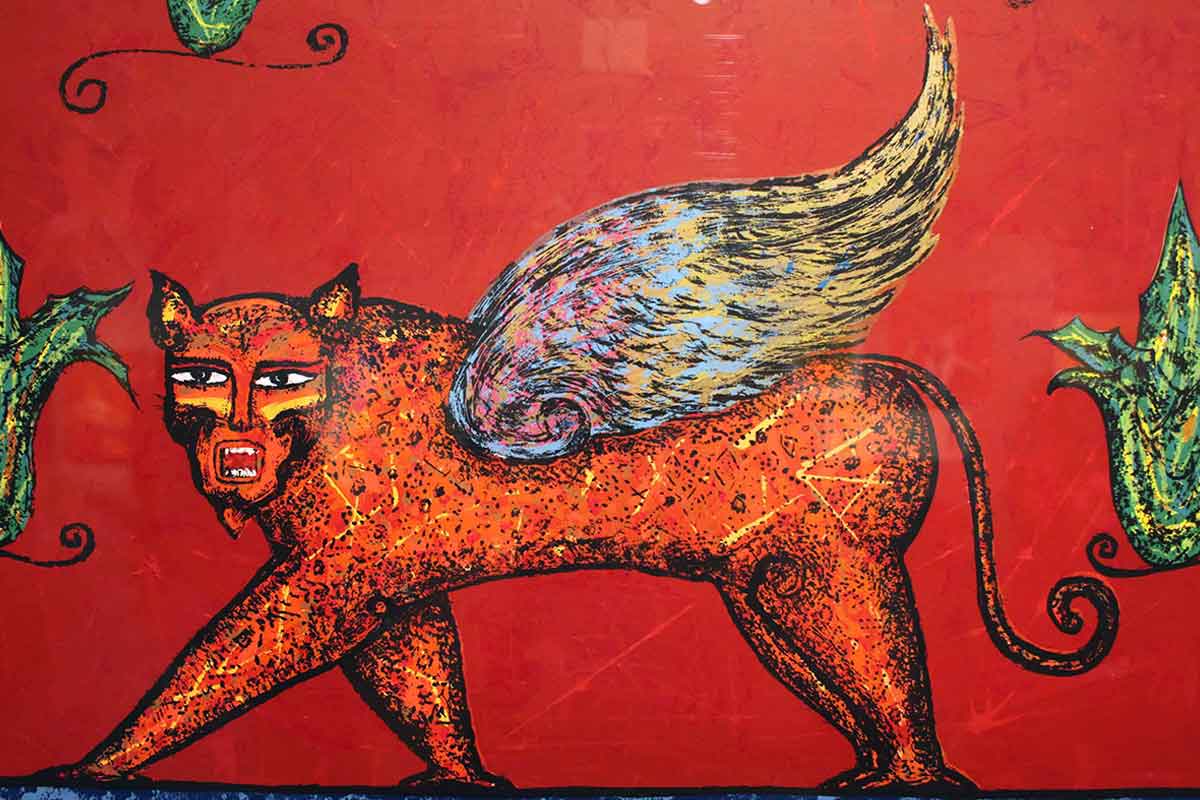
Before the current sun, there were four others known as the Jaguar Sun, the Wind Sun, the Rain Sun, and the Water Sun. When each of these suns burned out, the world was destroyed by catastrophic events related to its name: giant jaguars, hurricane winds, volcanic fire rains, and global floods. The Aztecs were terrified that the world would be destroyed by massive earthquakes, and they did whatever they could to prevent another world-ending event.
The Brutal Clashes Between Quetzalcoatl and Tezcatlipoca
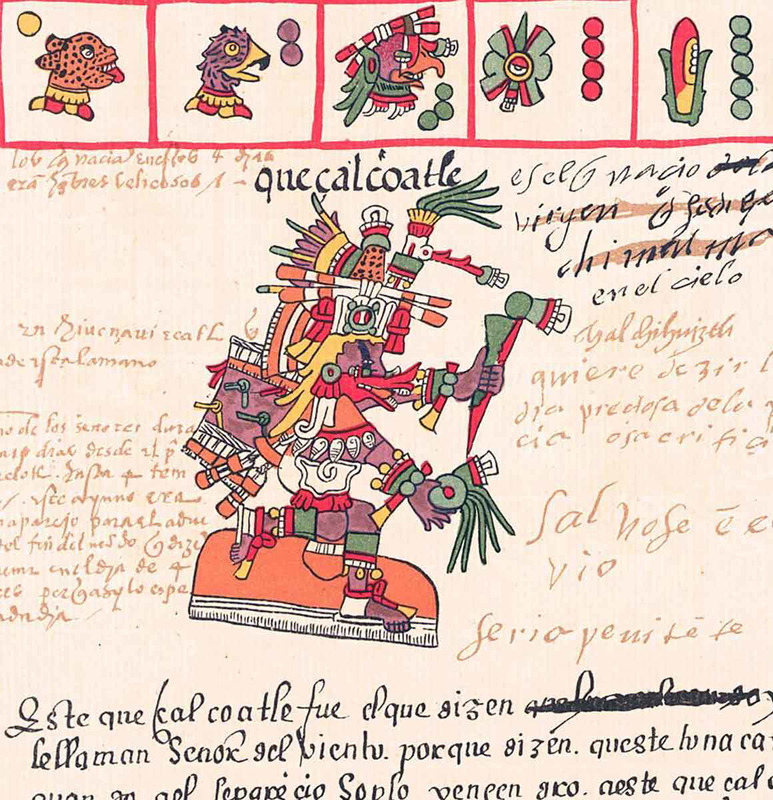
The previous four suns burned out because of the battle between the feathered serpent god Quetzalcoatl and cosmic sorcerer Tezcatlipoca. There was such a rift between the pair that they violently fought and destroyed the four suns in the process. Tezcatlipoca and Quetzalcoatl were so angry and fought so hard that humans were caught in the crossfire and became collateral damage.
Divine Self-Sacrifice and the Birth of the Fifth Sun
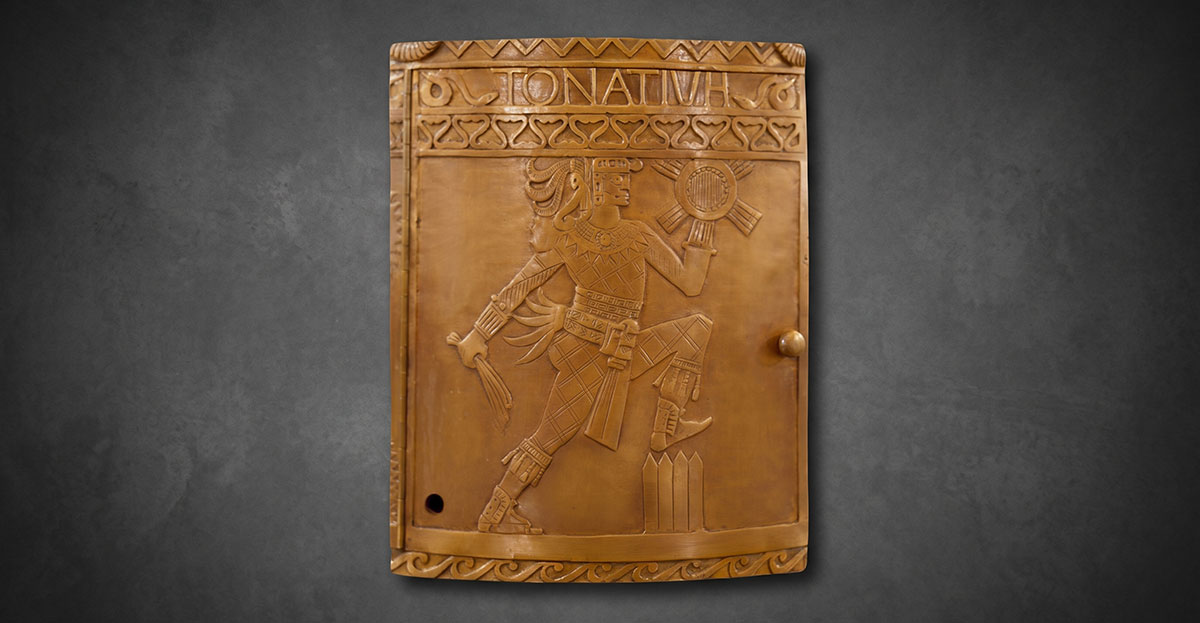
After fighting again, the gods gathered at Teotihuacan and decided to make the fifth and current sun, Tonatiuh. The gods couldn’t conjure the fifth sun out of nothing, so the humble Nanahuatzin offered himself as the sun and became a solar deity when he jumped into the sacrificial pyre.
The sun, however, didn’t budge, and it scorched the earth, killing the humans. To make the sun move and save the humans, the gods realized they needed to sacrifice themselves. One by one, they offered themselves to the wind god, Ehecatl, who could then move the sun and save the earth rather than destroying it.
Why the Aztec Sun Demanded Human Blood to Survive
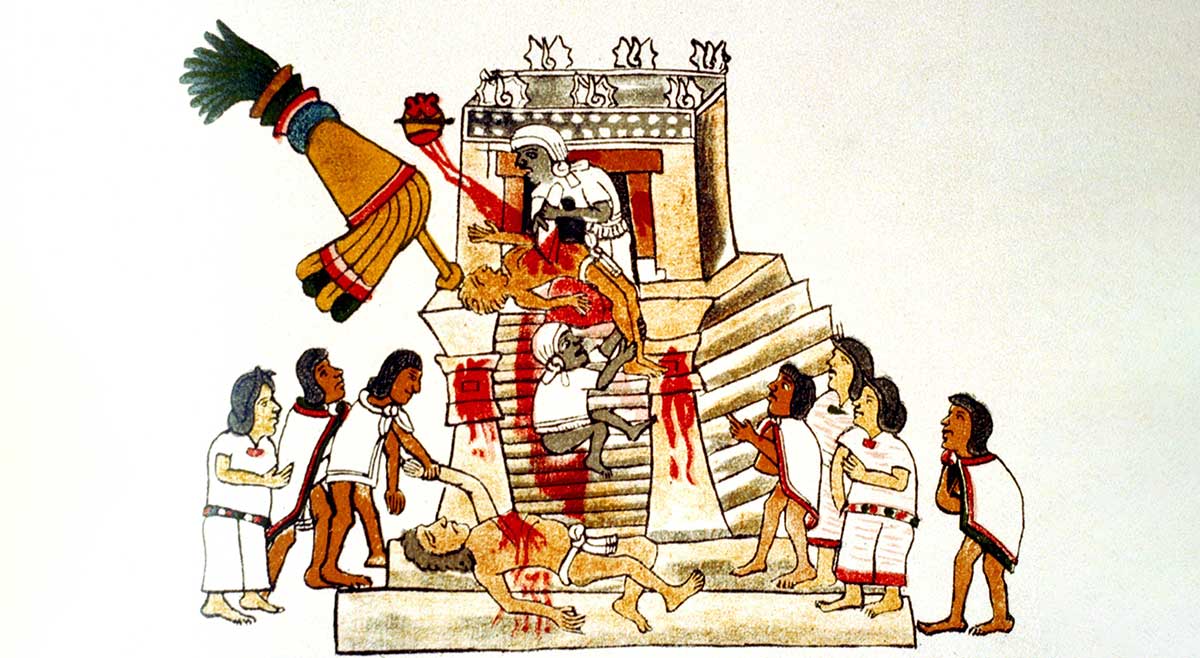
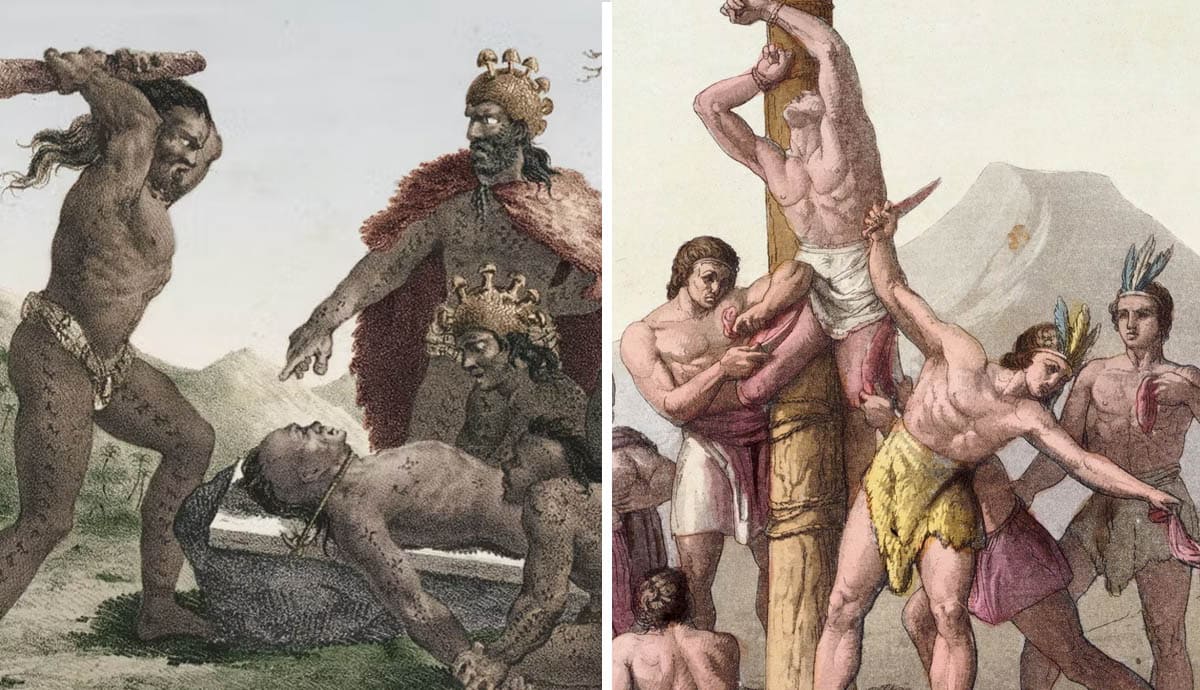
Humans needed to compensate the gods for their self-sacrifice, so the concept of nextlahualli, or human sacrifice, was invented. Humans owed the gods a sacred debt that could only be repaid with life-giving blood. Human sacrifice was a ritual practice in pre-Columbian societies, but what made the Aztec civilization different was how commonplace the sacrifice was. Human sacrifice wasn’t viewed as a punishment; instead, it was a necessary task for cosmic maintenance. When humans were sacrificed, their blood kept the sun Tonatiuh burning because it provided vital energy to nourish it.
Earthquakes and the Impending Cosmic Apocalypse
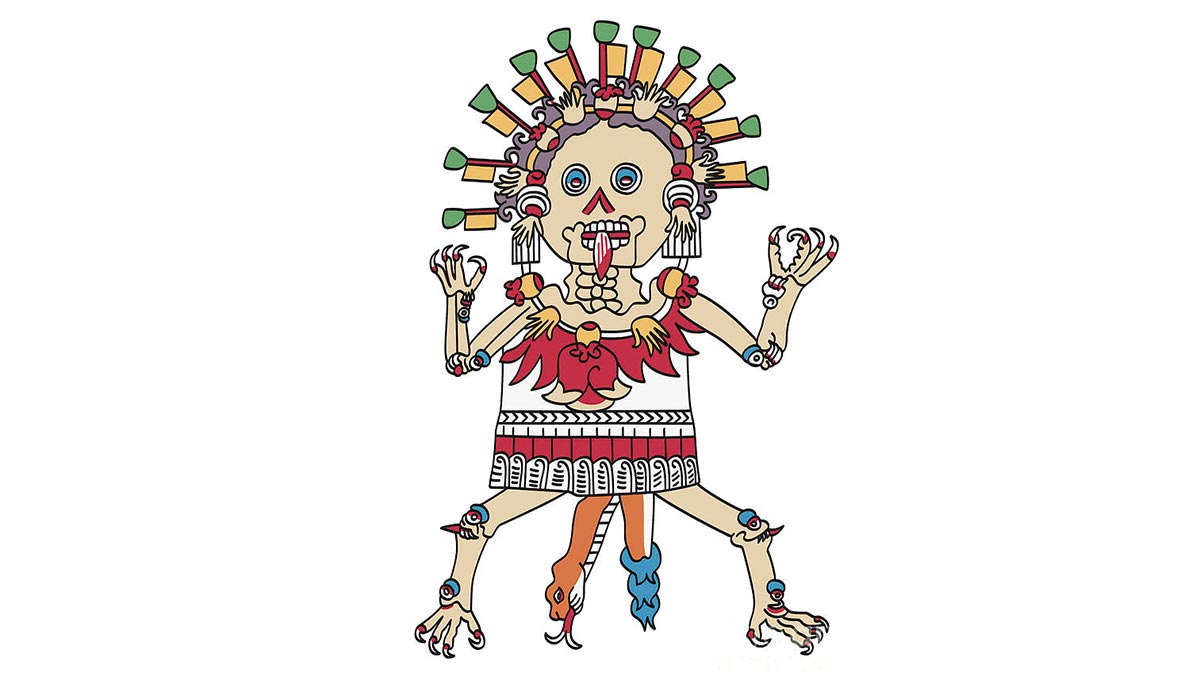
The Aztecs prophesied that the fifth sun, also known as Nahui Ollin, would be destroyed with massive earthquakes. The Tzitzimime were female star gods that wore skirts made of skulls; ironically, they were also associated with fertility. They were ruled by Itzpapalotl and lived in the paradise Tamoanchan. It was believed that if humans couldn’t make a fire start in the chest cavity of a sacrificed human, then the Tzitzimime would descend from the heavens, destroy the Tonatiuh, and end civilization.
Because the Aztecs were so fearful of the world ending, they worked human sacrifice into their everyday activities. It became an aspect of every part of their life, from birth, warfare, economics, and, of course, death.