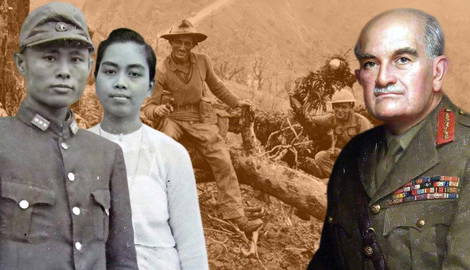

From 1941 to 1945, Burma was a battleground between two empires seeking to control the country. At the start of the war, the Japanese conquest of Burma coincided with the longest retreat in British military history. By 1945, the Allied military machine had transformed into a juggernaut, inflicting enormous losses on the Japanese. Their successes in the Burma Campaign may not have won the war entirely, but they did lead to the transformation of Southeast Asia.
The Japanese Conquest, 1941-1942
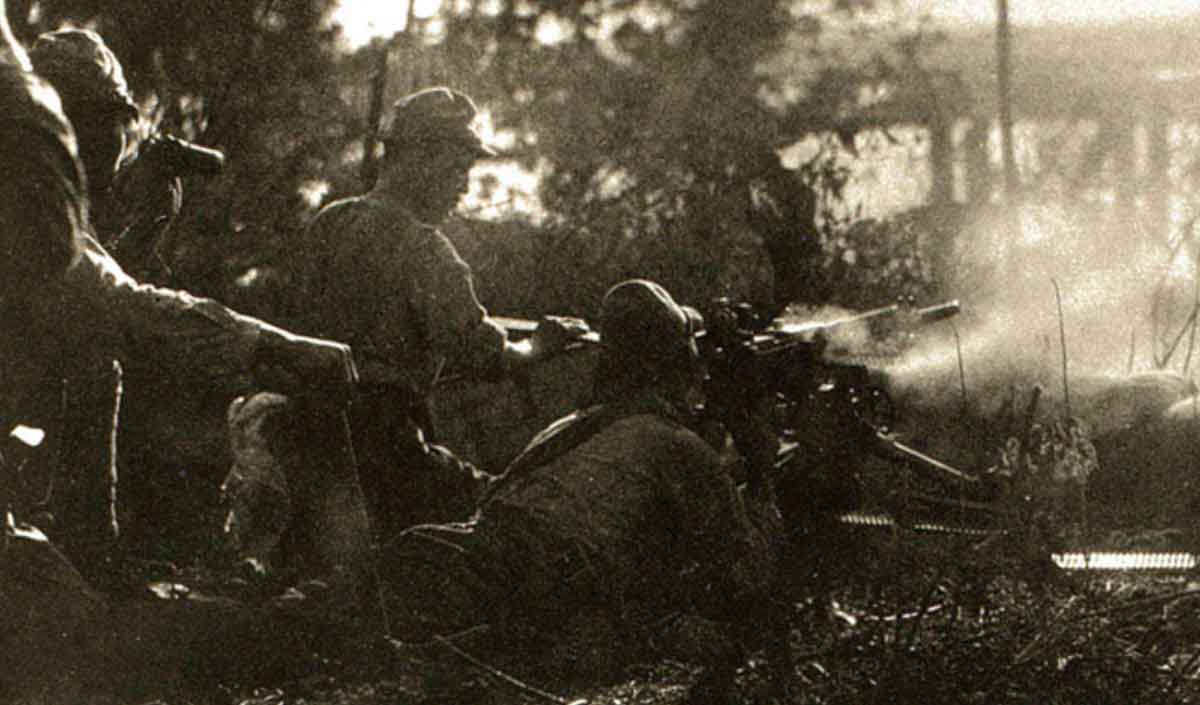
The Japanese Empire brought WWII to Southeast Asia in December 1941 in conjunction with their attack on Pearl Harbor. They hoped to secure access to the raw materials that they lacked in the home islands and to support their war effort against China by cutting off enemy supply routes. As they attacked Malaya and Singapore, Japanese forces massing in Thailand prepared for an attack on British-controlled Burma. The plan was for two infantry divisions of General Shojiro Iida’s 15th Army to attack the capital of Rangoon and advance northward to the Indian border. After launching major aerial attacks, the Japanese advanced into the country with relative ease.
As a result of poor preparation, the British defending the colony were pushed back immediately. The Burma Army had two infantry divisions and one armored brigade strung out all over the country. The Chinese offered reinforcements consisting of two armies, but they were very weak. In a matter of days, Rangoon fell and Allied forces retreated in a panic alongside refugee columns. This compromised Allied control of Burma since the Japanese now controlled the main roads. For the next five months, the Japanese pushed northwest toward the border with India and China, an advance of nearly 1,000 miles.
This retreat, the longest in British history, led to a major panic in Allied headquarters in India. Japanese forces had shown themselves to be superior fighters, had total control of the airspace, and enjoyed support from the local population. They inflicted very heavy losses on their enemies while barely losing 2,000 men. Japan’s success secured their southeastern flank for the rest of the war.
Aung San: Burmese Resistance Leader
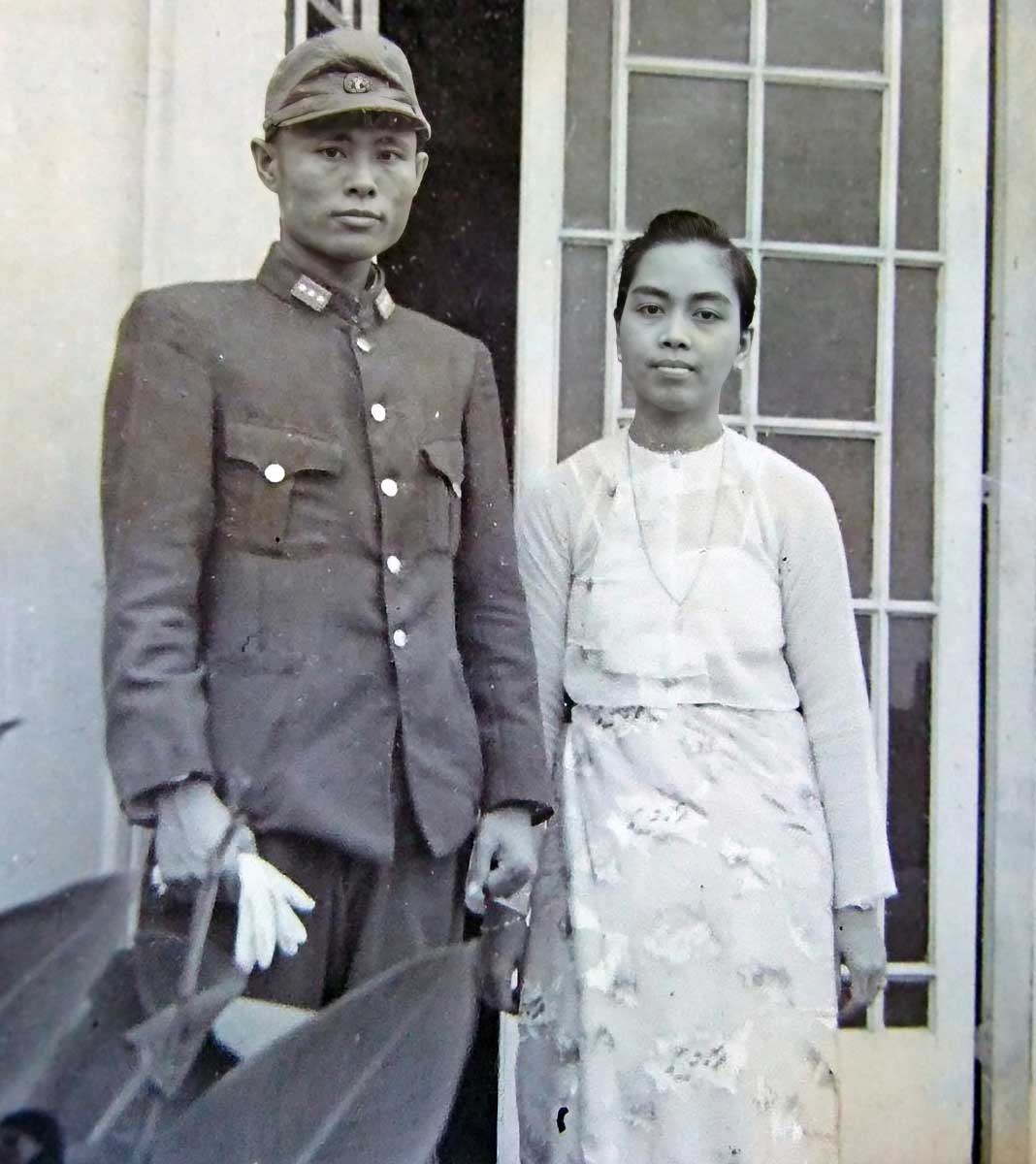
With the invasion came the occupation of Burma. Initially, Japanese forces were welcomed in the colony. Arriving alongside them was popular nationalist leader Aung San and his Thirty Comrades. Many lowland Burmese resented the British and their administration which was dominated by the Indian Civil Service. They had been told that Japan would offer them independence in exchange for assisting the Japanese war effort and, as a result, many Burmese joined the collaborationist Burmese Independence Army. However, many minority communities like the Karens and Rohingya refused and continued to fight the Japanese.
Despite Japan’s prewar pledges, they ended up being a colonial occupier and included Burma within the “Greater East Asia Co-Prosperity Sphere.” Burmese civilians of all backgrounds were required to assist Japan whether they wanted to or not. Tens of thousands became slave laborers. Others were required to hunt down their own people accused of being British spies. This conduct was typical of Japan in its colonies and enraged the Burmese.
While Japan allowed a local administration, they pulled all of the strings and insisted on controlling the colony. Their policy of divide and conquer led to major ethnic violence in the country between the majority Bamar community and minority groups. As a result of these policies, Aung San turned to the Allies in late 1944 and agreed to assist them for the rest of the war. An estimated 250,000-1,000,000 Burmese died due to the Japanese occupation.
The Chindit Columns, 1943-1944
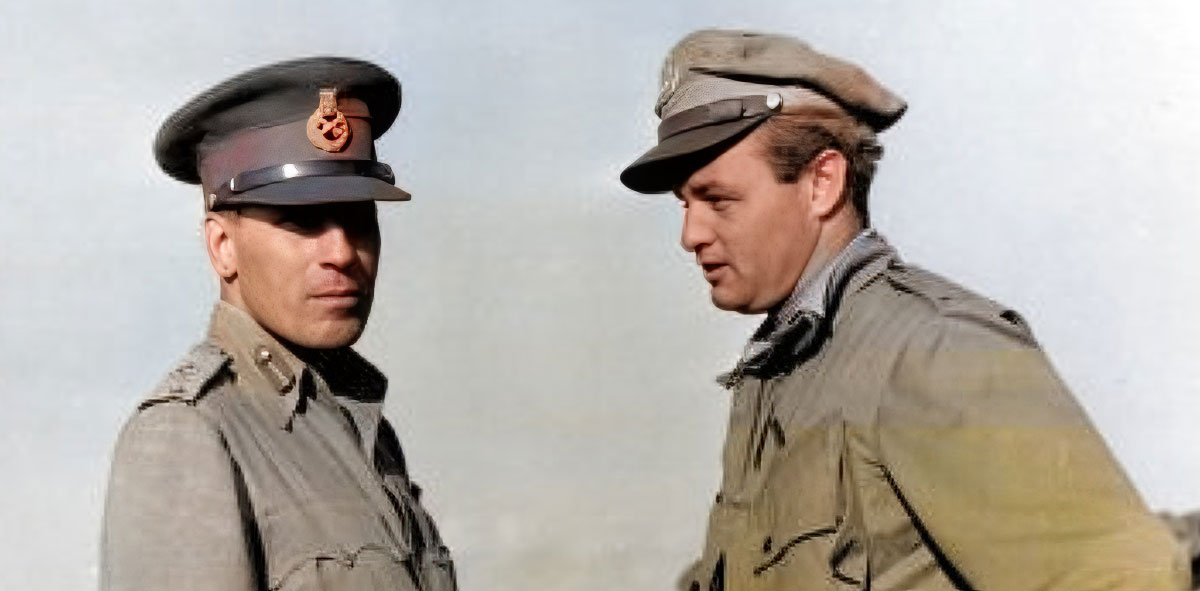
Once the Anglo-Indian forces had retreated into India, they were determined to counterattack and drive the Japanese out. However, they initially lacked the force and confidence to do this. Instead of an immediate counteroffensive, Allied forces would wear the Japanese down with covert operations behind the lines. In 1943, Brigadier Orde Wingate received approval to create a unit known as the Long Range Penetration Force. Built around the 77th Indian Infantry Brigade, this force became known as the Chindits after the Burmese word for lion.
In February 1943, the 77th entered Burma in several small columns as part of Operation Longcloth. They worked closely with local resistance movements and a British intelligence unit known as Force 136. Their operation caught the Japanese off guard and destroyed large amounts of Japanese stores and supplies. Thanks to the dispersion and agility of each column, the Japanese struggled to destroy this force and despite heavy casualties many Chindits managed to return to friendly lines within a couple of months.
Wingate hoped to replicate his success on a large scale. In Operation Thursday, six brigades of British and Indian troops along with an air wing led by USAAF Colonel Philip Cochran were to infiltrate deep into Burma. The initial deployments by air led to the creation of several firebases behind enemy lines, prompting Japanese forces to deploy two infantry divisions to crush this force. The operation unraveled after Wingate’s death in a plane crash, and Allied attention shifted to the Japanese invasion of India.
Japanese Invasion of India, 1944
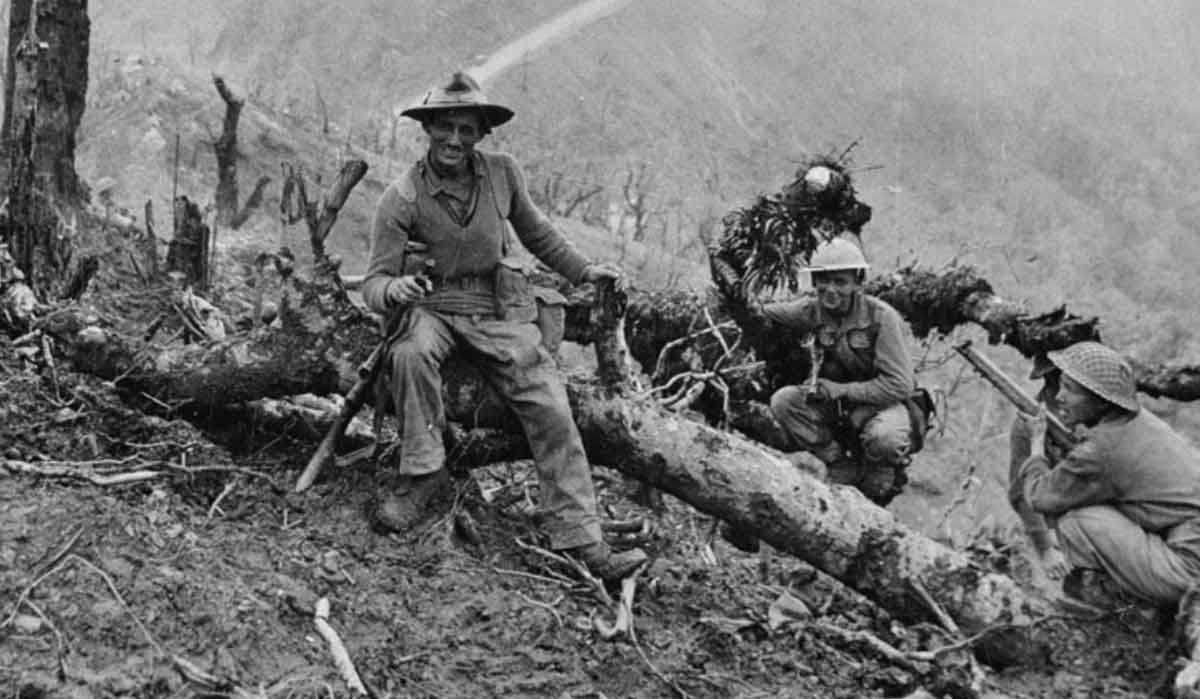
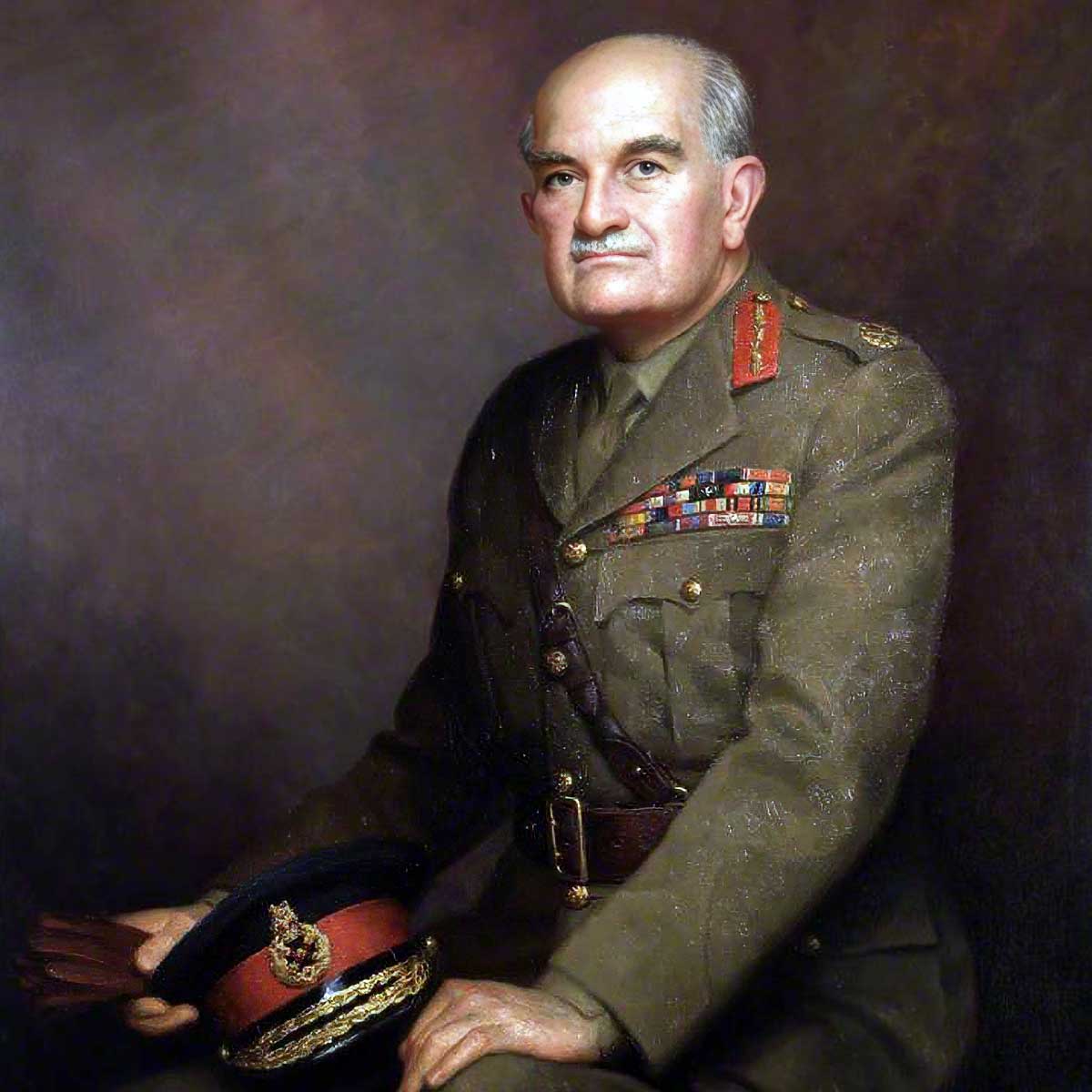
In February 1944, the Japanese High Command took steps to secure their occupation of Burma and preemptively stop an Allied offensive into the colony. In accordance with instructions from Tokyo, General Renya Mutaguchi’s 15th Army was to invade British-controlled India and drive as far inland as he could. Additionally, the Japanese 28th Army was to go on the attack after a failed Allied offensive from the Arakan towards Chittagong. This two-pronged assault would involve five infantry divisions moving with armor and artillery support over treacherous terrain to attack General Bill Slim’s Anglo-Indian 14th Army.
When Japanese forces in the Arakan region advanced towards Chittagong, they ran into the British XV Corps defending positions near the town of Ngakyedauk, more famously known as Admin Box. The Indian Army’s 5th and 7th Infantry Divisions held their positions against repeated Japanese attacks that failed to break through. With major air support and reinforcements, XV Corps stood its ground and repelled the Japanese attacks after several weeks of fighting.
Further north, the main Japanese thrust pushed towards the defenses of two critical towns: Imphal and Kohima. The 15th Army underestimated the Allied strength, which turned out to be two infantry corps. Repeated assaults against Allied positions failed and Japanese air attacks withered in the face of overwhelming Allied aircraft squadrons. Even when the Japanese encircled both towns, air resupply efforts continued, enabling Allied forces to continue the fight. Kohima’s small garrison of two infantry battalions held off an entire Japanese division until being relieved. After 50,000 casualties were sustained, Mutaguchi pulled his forces back into Burma.
Liberation of Burma, 1945
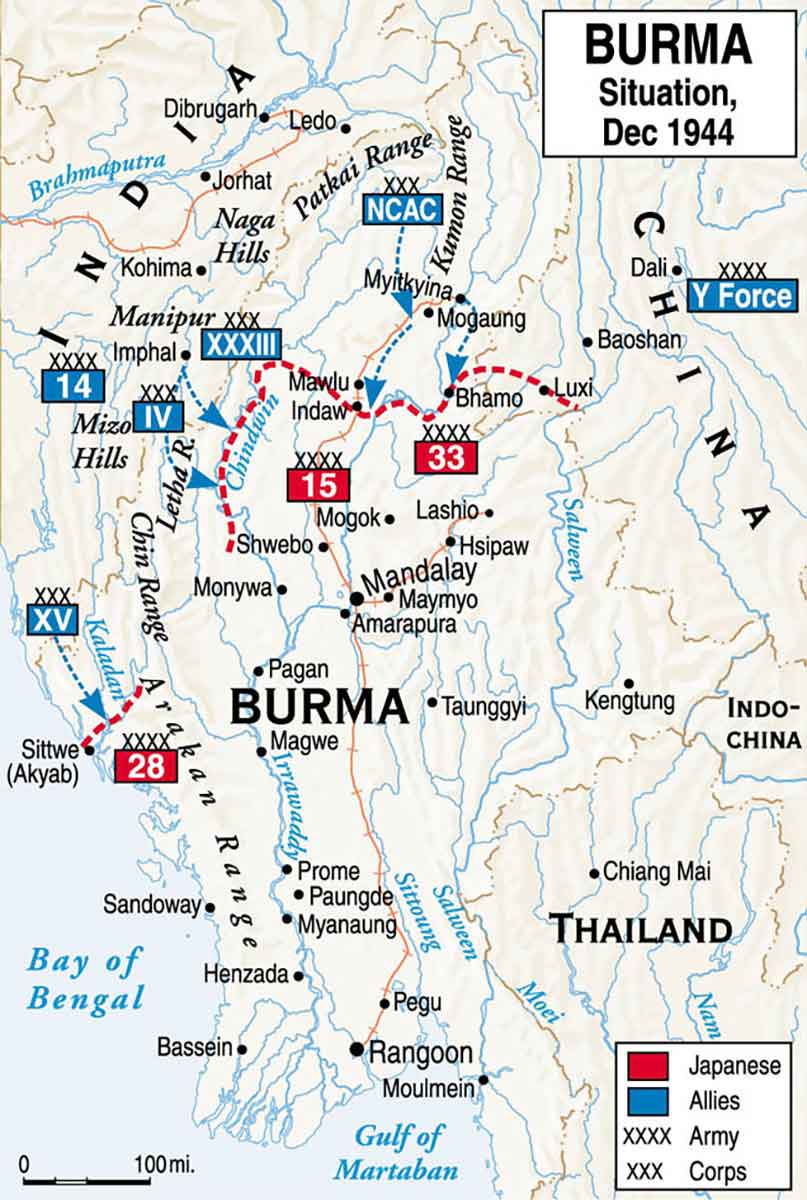
Having decisively weakened Japan’s forces, General Bill Slim and Admiral Lord Louis Mountbatten decided that the time had come for the liberation of Burma. General Slim planned to coordinate a major offensive with British, Indian, and Chinese forces to push the Japanese away from the Chindwin and Irrawaddy rivers. Afterwards, the Allies would continue south towards Rangoon and beyond. They had total air dominance after years of wearing down the Japanese Air Force in the skies. Behind Japanese lines, partisans struck supply lines, making it difficult for Japanese forces to be fully supplied.
In February 1945, the 14th Army advanced in two columns across the Chindwin River. Japanese forces, composed of two battered armies, fell back under heavy fire and Allied forces found themselves in the city of Meiktila. Two Japanese divisions from the 33rd Army counterattacked but were decimated by overwhelming Allied firepower. In the north, a joint Chinese-American force began pushing the Japanese out of northern Burma. Allied forces continued to advance and, in a surprise attack, seized the city of Mandalay. This advance broke the Japanese defenses and their forces streamed southwards to avoid total destruction.
Hoping to avoid the monsoon season that would slow his forces down, Slim continued the assault. On May 1, paratroopers dropped near the city while an infantry division landed just outside the city as part of Operation Dracula. General Heitaro Kimura, the senior officer in Burma, ordered Japanese forces out of the country. Near the Salween River, Allied forces destroyed large numbers of Japanese troops trying to escape to Thailand.
Aftermath and Legacy of the Burma Campaign
When Japan surrendered in August 1945, the Allies had secured control over Burma entirely and were preparing to land in Malaya and Singapore. By this point, Aung San had defected to the Allies. He hoped to convince them that he would be a reliable partner if Burma was granted independence. Thanks to his popularity with the Burmese public, the British were unable to try him for siding with Japan during the war. The new British Prime Minister Clement Attlee was sympathetic to Burmese nationalism and in 1947, he signed an agreement that Burma would gain independence within a year.
For Indian nationalists, the Burma campaign was a critical part of their campaign for independence. Attlee and Mountbatten agreed that independence was a matter of time. Throughout the campaign, Indian and Nepalese troops fought very effectively and helped stop a Japanese invasion of their homeland. Despite the role played by Indian collaborators in the Japanese ranks during the campaign, the majority of Indians supported the Allied war effort and sought to use that as a tool to gain independence. The partition between India and Pakistan in 1947 heralded this new era in Southeast Asia.
Japan hoped to forget the horrors of the campaign. Hundreds of thousands of their countrymen became casualties in that country alone and their brutal occupation policies permanently stained their international image. However, Tokyo did make amends with the independent Burmese government in 1954. They paid $250 million in reparations and economic assistance. In the decades after the war, Allied and Japanese veterans reunited in the country to reconcile. Japanese reconciliation initiatives continue to this day, even while Burma has been afflicted with major unrest after its independence.