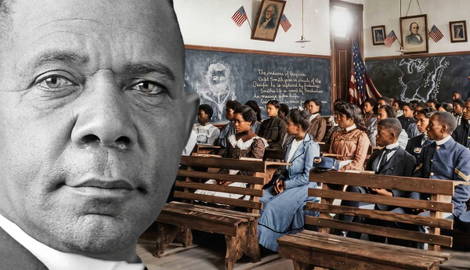

For many years, a burning vision guided Booker T. Washington, an American educator, as he transformed a rural outpost into a powerhouse of learning. The journey began in June 1881 as a 25-year-old Washington arrived to settle in Tuskegee, a rural, Southern town in Alabama. He was there to lead a new school for Black Americans. Expecting there to be at least a building and some school supplies waiting for him, he quickly learned that he had been tasked with not only acquiring facilities and equipment for his students but also developing the school grounds from scratch.
Starting Tuskegee with a $2,000 Budget and Zero Dollars for Land
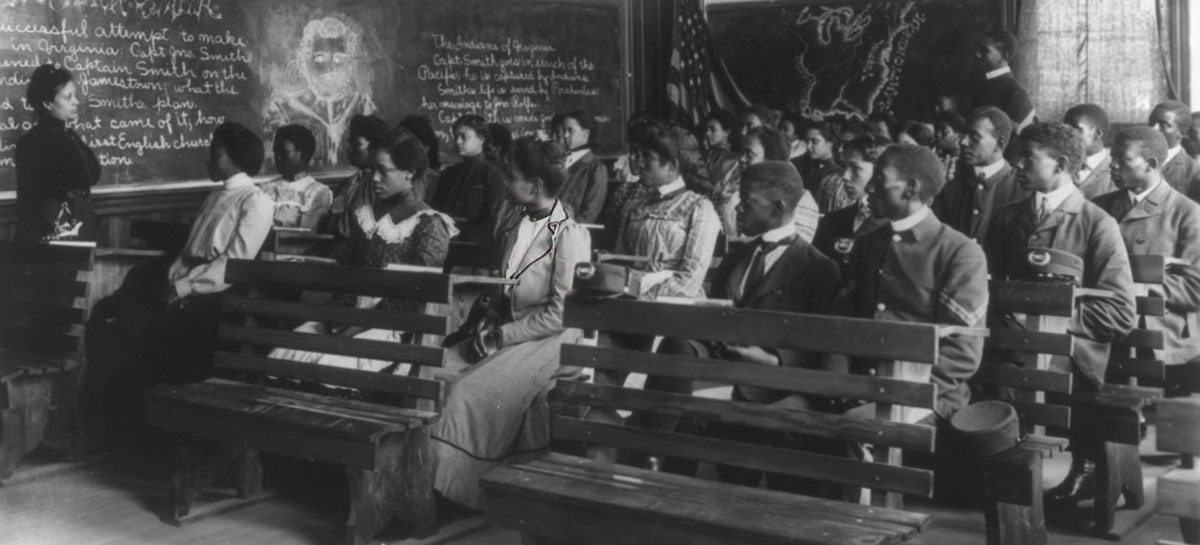
Booker T. Washington faced many initial challenges. The main problem was that the Alabama state legislature had approved an annual budget of $2,000 for Tuskegee, but only for teacher salaries. Not one dollar had been allocated for purchasing land, buying books, or constructing a school building. With no money and the deep-seated prejudices of the post-Reconstruction South brewing against him, Washington transformed the humble teaching assignment into a quest to build an iconic learning institution. Leveraging his training from Hampton Institute, savvy political negotiations, and decades of relentless fundraising from Northern philanthropists and local communities, he built the Tuskegee Normal and Industrial Institute into one of the most prominent academic institutions in America over the course of 34 years.
Born a slave on a small plantation in Virginia in April 1856, Booker T. Washington knew hardship and physical labor from an early age. In 1872, he set out to get a formal education and headed to Virginia’s Hampton Normal and Agricultural Institute. At Hampton, Washington was taught by Union General Samuel Chapman Armstrong, who instilled in him the value of industrial education. When deciding on a leader for Alabama’s new school for Black people, local commissioners consulted Armstrong on their wish to hire a white schoolmaster. Armstrong instead recommended Booker T. Washington.
Turning a Leaky Shanty and a $250 Loan into an Economic Powerhouse
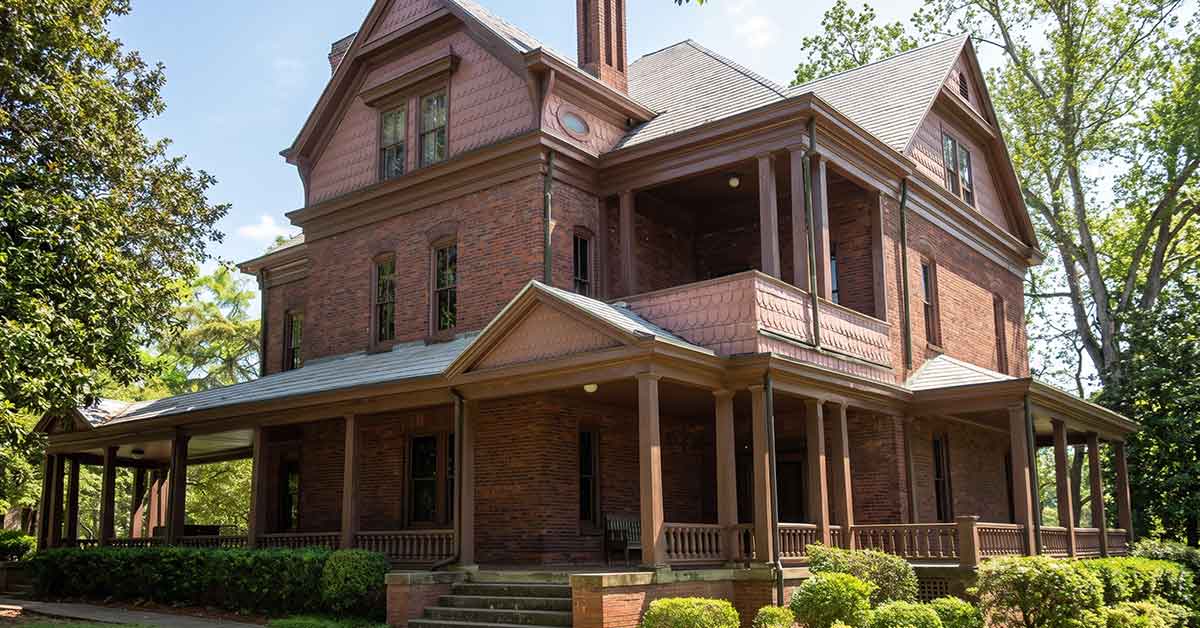
Tuskegee Normal School for Colored Teachers opened its doors on July 4, 1881. Classes were temporarily held inside a leaky, one-room shanty next to the Butler Chapel African Methodist Episcopal Zion Church. To Washington, the temporary quarters were a big issue. If Tuskegee were to achieve permanence, it would need to acquire permanent property. Soon afterward, he personally borrowed $250 from Hampton’s treasurer for a down payment in order to purchase a nearby, abandoned 100-acre farm. By holding festivals and asking local Black and white residents for whatever support they could spare, Washington and the teacher Olivia Davidson paid off the farm in five months. Tuskegee now had a home. With the property secured, Washington organized students to help build the school.
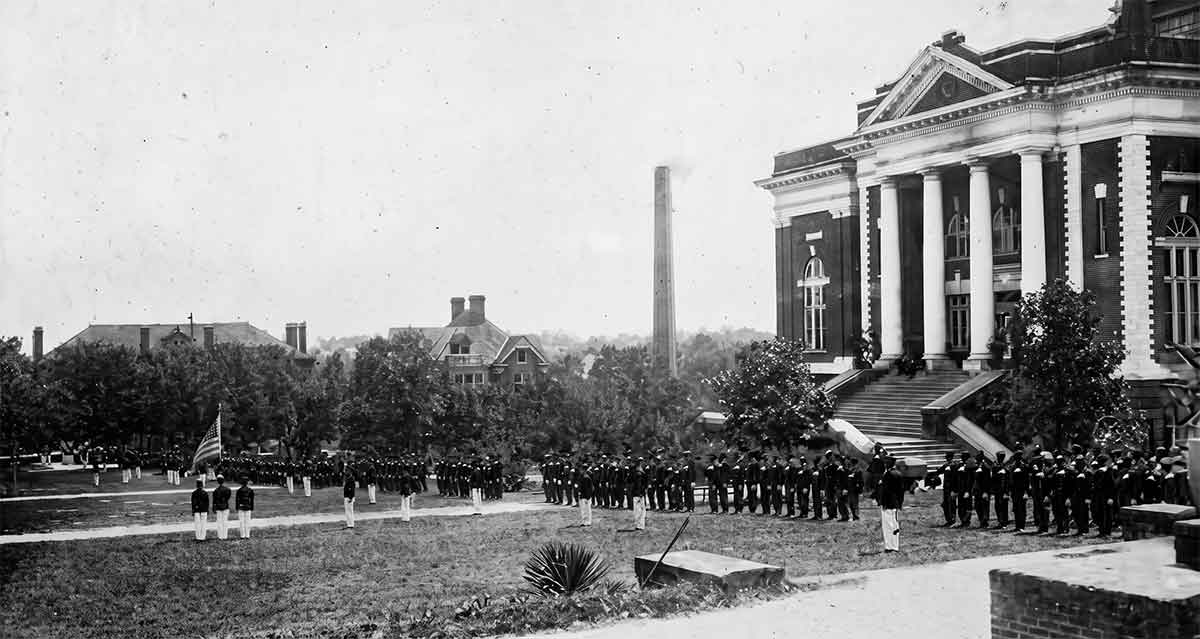
This was partially out of economic necessity, but also part of a larger pedagogical vision. If manual labor had been a hallmark of slavery’s degradation, then Washington was determined to transform it into a tangible symbol of pride, financial freedom, and civic duty. Students began clearing hills, digging trenches, and making bricks. As the school expanded, Tuskegee not only used bricks to build campus structures, but also began selling tens of thousands of sturdy bricks to the mostly white towns nearby.
This was groundbreaking. Black and white inhabitants were now economically linked to one another. Suddenly, both groups gained a practical stake in peaceful local trade. Slowly, the community’s financial ties helped ease some local friction even as wider racial oppression remained. Over the following two decades, Tuskegee expanded to offer training in more than 35 trades.
George Washington Carver and the Wagon That Rescued Southern Farmers
Washington sought out the brightest Black minds and talent from across the country as Tuskegee expanded. Perhaps his most important hire came in 1896, when he recruited the young scientist George Washington Carver from Iowa State Agricultural College to head the newly created Agriculture Department. There, Carver implemented innovative agricultural practices that helped poor farmers break the damaging cycle of debt associated with planting a single crop of cotton.
To teach farmers who could not come to Tuskegee, Booker T. Washington and George Washington Carver developed the Jesup Agricultural Wagon in 1906. It was a traveling school that revolutionized agriculture in the rural South and served as a model for cooperative extension work throughout the country.
Winning Over Gilded Age Tycoons to Fund Tuskegee
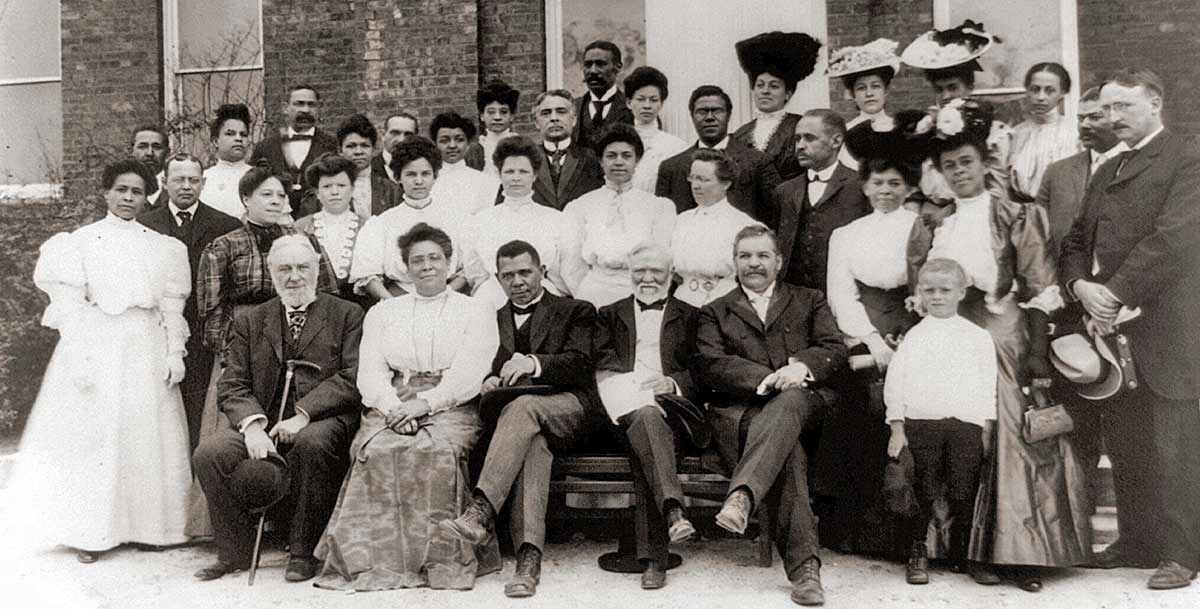
In September 1895, Washington stood before the Cotton States and International Exposition in Atlanta and delivered what would become one of the most famous speeches in American history – an address later called the Atlanta Compromise speech. Promoting industrial education and economic self-reliance, Washington became an overnight national celebrity. He also became a close confidant of some of the country’s biggest philanthropic industrialists. Famous people such as steel magnate Andrew Carnegie, John D. Rockefeller himself, his right-hand man Henry Huttleston Rogers, and Sears, Roebuck and Company president Julius Rosenwald donated large sums of money to Tuskegee.
When Booker T. Washington died on November 14, 1915, at age 59, Tuskegee had become a financially independent juggernaut. Close to 200 faculty members and administrators taught and served more than 1,500 students each year.