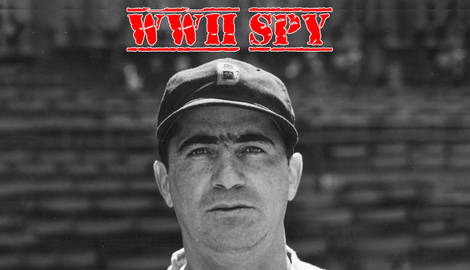

On September 1, 1939, Morris “Moe” Berg played his final game of professional baseball after 15 seasons with five different teams. Coincidentally, World War II began on the same day, when Germany invaded Poland. For millions of Americans like Berg, life would never be the same. Esteemed as “the brainiest man in baseball,” the star catcher soon found himself carrying out dangerous espionage missions for the Office of Strategic Services during World War II, risking his life despite his fame and fortune as a sportsman.
Early Life and Education
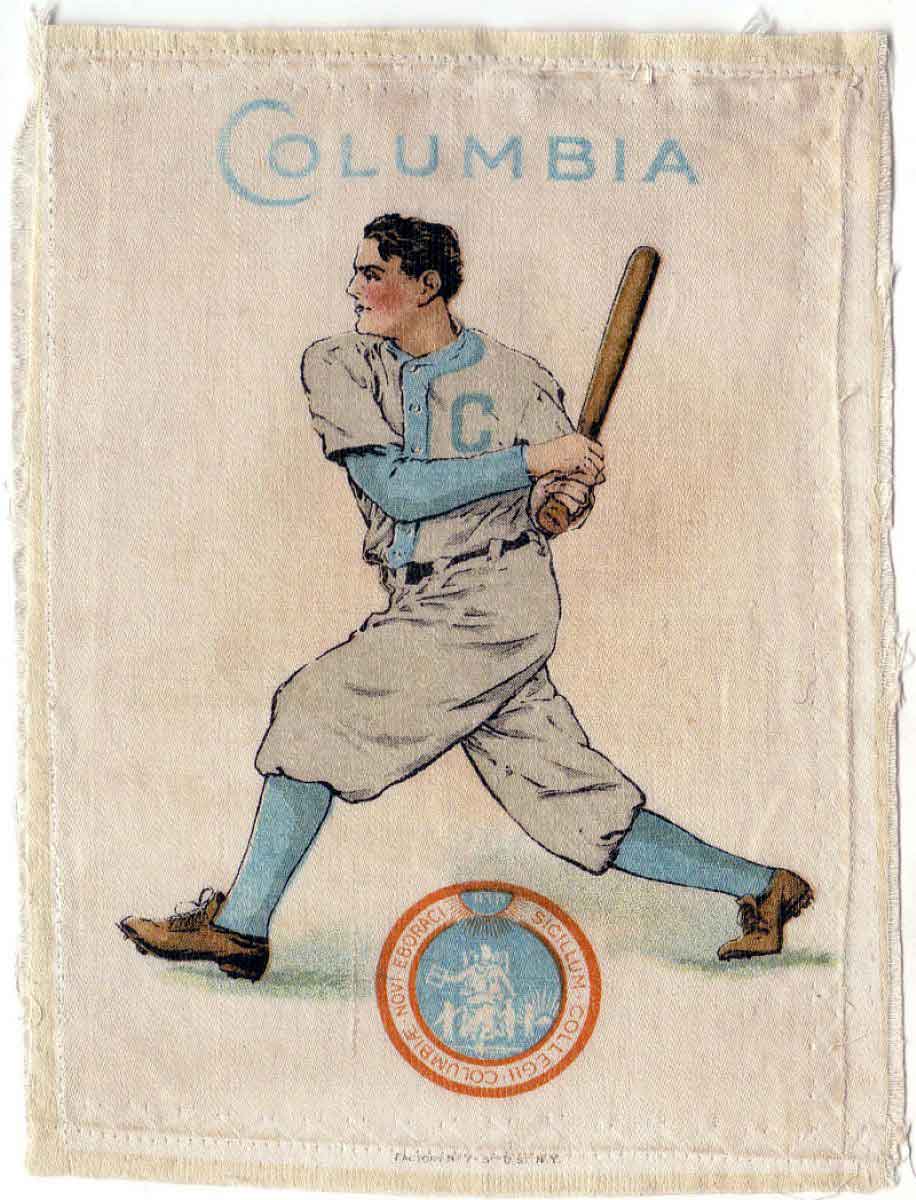
Moe Berg was born in New York City on March 2, 1902. The youngest of three siblings, Berg grew up in a Jewish family supported by his father’s pharmacy work. After moving to Newark, New Jersey, Berg graduated from high school in 1918, where he was a talented baseball player and student. With a passion for academia and sports, Berg did not consider entering the military during World War I. Instead of enlisting, Berg decided to attend college, first enrolling in classes at New York University before transferring to Princeton University.
Berg quickly excelled at Princeton. A modern language major, the future professional baseball star became fluent in multiple tongues including Greek, French, German, Italian, Latin, and Sanskrit. This reputation for unmatched intellect followed Berg throughout his baseball and espionage careers. Simultaneously to his expansive studies, he thrived on Princeton’s baseball team as its starting shortstop and captain during his senior season. After graduating from Princeton, Berg continued his education at Columbia Law School, earning a law degree while remaining active on the baseball field.
With a promising career in sports and law ahead, Berg likely did not expect that nearly two decades later, he would become a national security asset as a spy for the Office of Strategic Services during World War II investigating the development of world-altering weapons of mass destruction. Back in the Roaring Twenties, however, Berg’s athletic career was just getting started.
Baseball Career
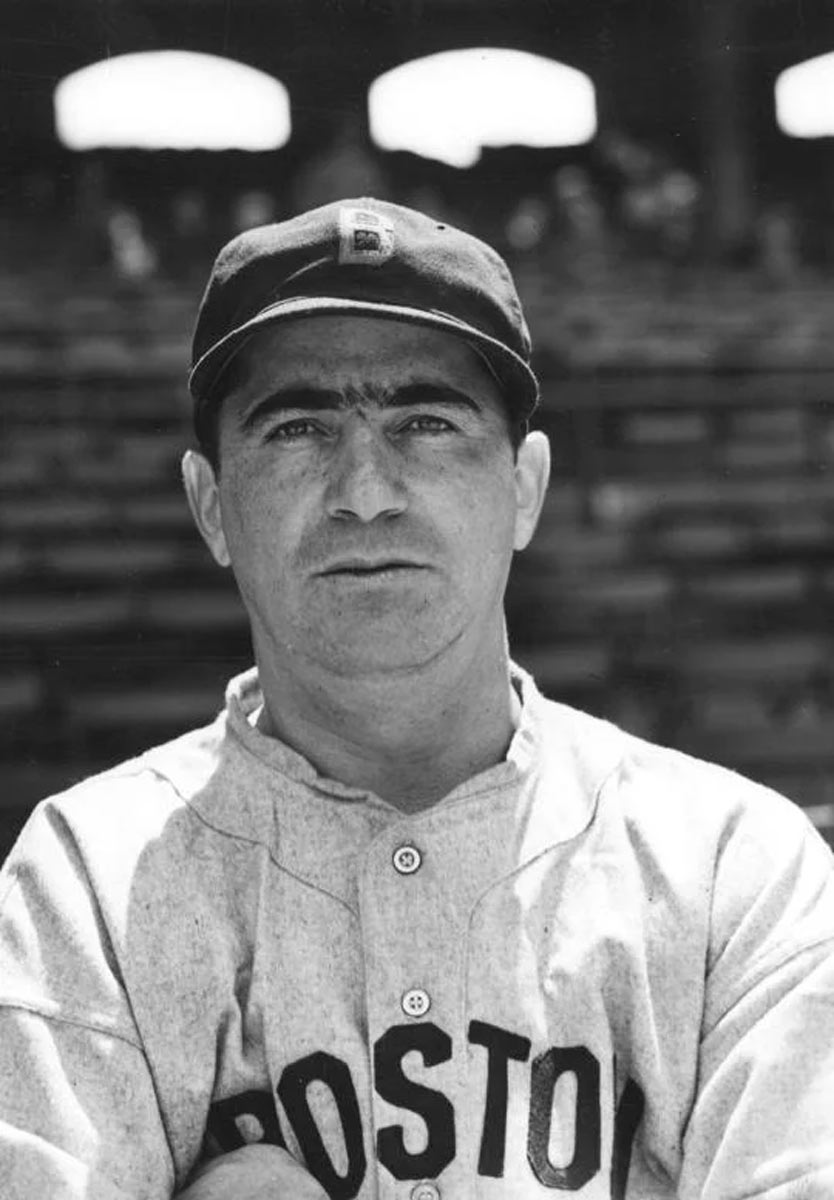
Baseball is known as “America’s pastime” because of the sport’s long history and close ties with popular culture in the United States. Berg’s journey in Major League Baseball was indicative of this relationship. In 1923, Berg started his 16-year career in professional baseball by playing for the Brooklyn Robins, now known as the Los Angeles Dodgers. Historically a shortstop, Berg switched to catcher when needed, soon excelling in the demanding position behind home plate.
Despite his lengthy career, Berg was not known as an offensive standout. With a middle-of-the-road batting average, Berg was instead valued for his reliable defensive skills, knowledge of the sport, and arm strength. These traits allowed Berg to excel as a catcher while assisting his team’s pitchers manage the game by helping navigate when, where, and how to approach dangerous batters. Off the field, fans’ affinity for Berg skyrocketed as his reputation for unusual intelligence became more well-known. As radio dominated early American media, Berg was a regular guest on quiz shows, impressing audiences with his extensive knowledge, which earned him the nickname of the “brainiest man in baseball.”
As Berg’s athletic career progressed, he fulfilled temporary needs in the lineup and on defense for the Chicago White Sox, Cleveland Indians, Washington Senators, and Boston Red Sox. After over a decade and a half on the field, Berg retired from baseball on the same day World War II began with Germany’s invasion of Poland, an unexpected twist of fate for the future spy.
Transition to Espionage

During World War II, President Franklin D. Roosevelt urged Major League Baseball owners to continue playing the sport to show that life in America would carry on as normal. Meanwhile, Berg quickly found work at the Office of Inter-American Affairs as a consultant, where his previous trips to Japan proved useful. There, his exceptional performance and unique background attracted attention from the Office of Strategic Services, the precursor of today’s Central Intelligence Agency.
By 1943, Berg was formally recruited by the Office of Strategic Services for espionage work. Colonel Ellery Huntington, a Wall Street lawyer and intelligence officer, sought Berg’s services as a spy due to the former baseball star’s extensive linguistic and athletic abilities. Fortunately for Huntington, Berg was eager for an active role in fieldwork on the civilian front lines.
Before he could pursue covert missions, however, Berg had to undergo Office of Strategic Services basic training in Maryland. Berg spent weeks perfecting the tradecraft necessary for an intelligence officer in dangerous, high-stakes situations. Among various drills, Berg learned how to decipher codes, employ close combat and assassination techniques, set up surveillance posts, operate state-of-the-art cameras, and function under cover. This training period also allowed Berg to perfect his language skills.
After training, Berg was stationed in the continental United States to hone his craft before moving on to more sensitive mission sets. One of his earliest clandestine assignments was to track the movements of King Peter II, the exiled sovereign of Yugoslavia.
Gathering Intelligence on the German Atomic Bomb
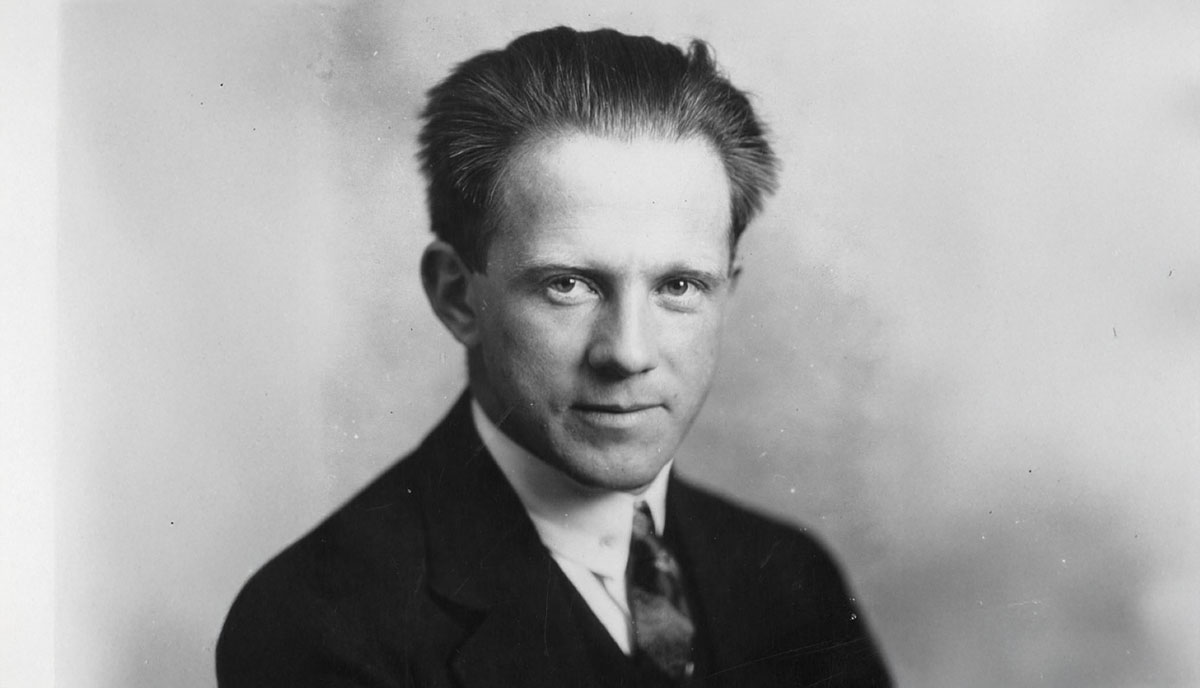
Berg’s most significant and hazardous mission during World War II sent him to Zurich, Switzerland, to observe a lecture by the famous German physicist Werner Heisenberg. His mission was to assess how close Germany was to creating a functional atomic bomb. If the Axis Power was close to weaponization, Berg was authorized to assassinate Heisenberg. Armed with a concealed firearm in his jacket and disguised as a Swiss student, Berg attended the lecture in December 1944.
At the University of Zurich, Berg discreetly attended the brief. Judging Nazi progress of atomic bomb development was entirely up to the lone operative, and as such, he listened closely to Heisenberg. After assessing the presentation, Berg decided that Germany did not present an imminent nuclear threat, and that there was no need to assassinate the famed scientist. This was welcome news for American military and political leaders closely tracking the progress of the Manhattan Project, but did the lecture reveal all of Heisenberg’s secrets? Berg had one more opportunity to make one final assessment.
After the lecture, Berg maintained his cover and infiltrated a dinner party of a close friend of Heisenberg, Paul Scherrer. After eliciting information from a variety of attendees, Berg’s initial thoughts were confirmed: Germany still had substantial progress to make before Hitler could employ a workable atomic bomb. Bypassing additional opportunities to assassinate Heisenberg, Berg returned to the United States safely and reported his findings to the Office of Strategic Services.
Life After World War II
After World War II, the Office of Strategic Services was dismantled, and its responsibilities were divided to the Departments of State and War by President Harry Truman. Two years later, new legislation established the Central Intelligence Agency, and Berg remained an active spy for the organization into the 1950s.
While his new missions were not as intense as his wartime activities, Berg continued to risk his personal safety to gather sensitive information of national importance. He continued overseas espionage in support of American attempts to understand the further development of nuclear weapons. Berg remained an occasional operative for the CIA until his contract expired in 1954. As expected of covert intelligence work, little is known of his postwar missions.
After retiring from a decade-long career in espionage, Berg lived a reclusive life in private with his family. He resided with his brother until 1964 before moving in with his sister, where he remained until his death in 1972 at the age of 70. Unfortunately, Berg’s later life was largely marked by financial instability, refusing to exploit his unique baseball and espionage careers for fame or fortune. While his body physically deteriorated from years of rugged activity on the field and on missions, Berg’s renowned mind stayed sharp in old age and his final years were spent reading at home.
Legacy
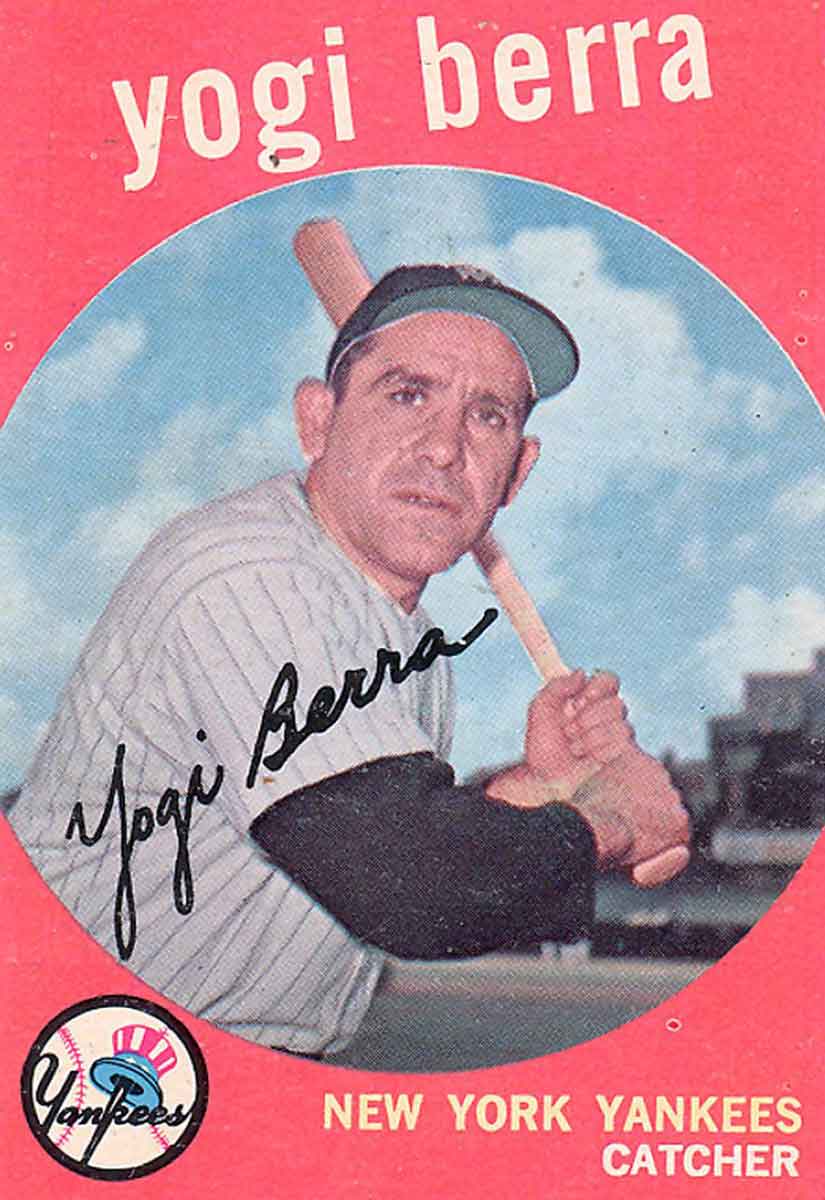
Compared to other World War II veteran athletes in the mid-20th century spotlight such as the New York Yankees catcher Yogi Berra or Boston Red Sox star hitter Ted Williams, Berg’s legacy was somewhat overshadowed during his last decades. However, Berg’s life received increased attention in the years following his death.
After rejecting the accolade during his lifetime, Berg was posthumously awarded the Presidential Medal of Freedom, one of the highest civilian awards in the United States, while Major League Baseball Hall of Fame in Cooperstown, New York, features an exhibit honoring Berg’s career and service. In 2018, Berg’s story was told on national movie screens via the film The Catcher Was a Spy, featuring some of Hollywood’s biggest names.
After a lengthy career in professional sports and eagerly answering his nation’s call to serve during World War II in clandestine style, Berg lived one of the most unique lives in modern American history. While it is rare for successful athletes to risk their lives in wartime service, other athletes have followed in Berg’s exceptional footsteps in more recent times. Most notably, Pat Tillman left behind an NFL career to serve in the War in Afghanistan, where he was killed in 2004.