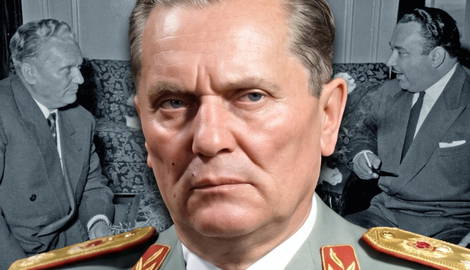

In the years following World War II, Joseph Stalin tightened Soviet control over Eastern Europe, drawing regional governments into Moscow’s orbit. However, Josip Broz Tito, the leader of Yugoslavia, had other plans for his country. Yugoslavia had emerged from the war as an independent power, with the Yugoslav Partisans having liberated most of the country through their own efforts. This enabled Tito to pursue a policy that increasingly clashed with Stalin’s interests. This culminated in 1948 when the Cominform, an advisory body of European communist parties, expelled Yugoslavia from its ranks and condemned Tito’s leadership. Tito refused to change course, and the rift between him and Stalin became one of the first major schisms in the communist world.
Who Was Josip Broz Tito?
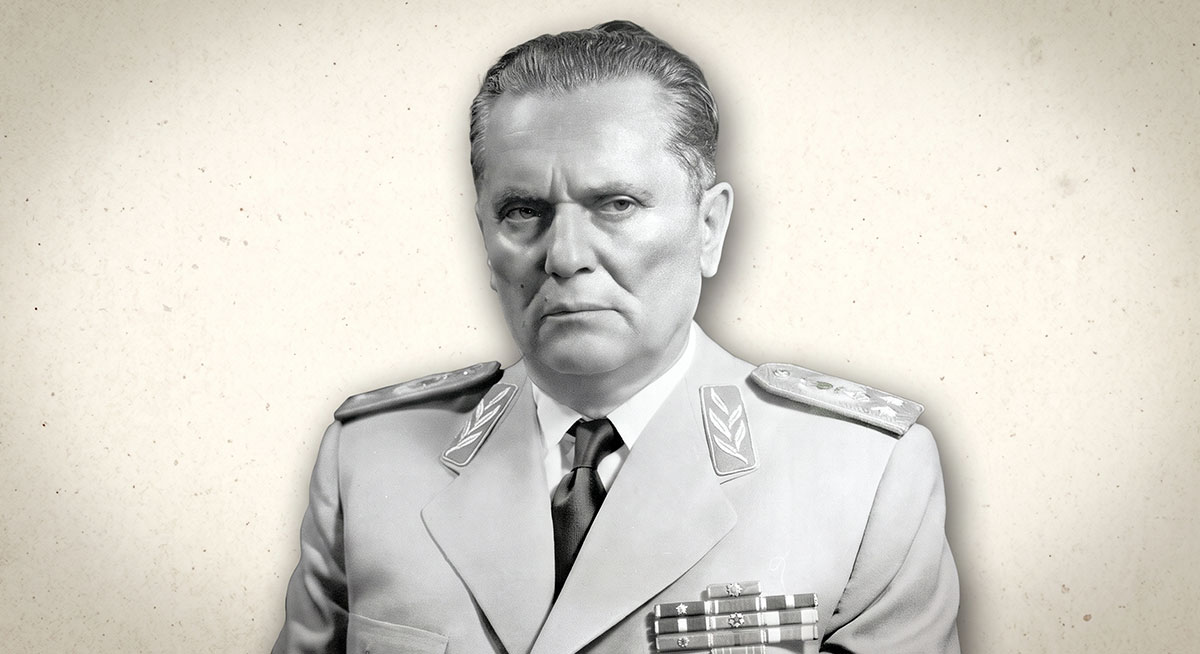
The story of the Yugoslav legend begins in 1892 in Kumrovec, then part of Austria-Hungary. Josip was one of 15 children and grew up in a traditional rural working-class environment. He trained as a metalworker and worked in several cities across Austria-Hungary before becoming involved in the labor movement.
During World War I, he was mobilized into the Austro-Hungarian army and sent to the Eastern Front, where he was captured by Russian forces in 1915. However, his time in captivity brought him into contact with revolutionary politics and the burgeoning Bolshevik movement. Following the Russian Revolution, he aligned himself with the Bolsheviks and the Red Guard. In 1920, he returned to the newly formed Kingdom of Serbs, Croats, and Slovenes and joined the Communist Party of Yugoslavia (KPJ).
The party was forced to operate underground because it did not fit into the prevailing regime. Josip Broz also spent several years in prison due to his activism. Sometime after his release from prison, he acquired the nickname “Tito.” The name held no particular significance but was a traditional one in his native village. In 1937, he became the General Secretary of the KPJ, thereby gaining effective control over the Yugoslav communist movement.
How Tito and the Partisans Built an Independent Yugoslavia
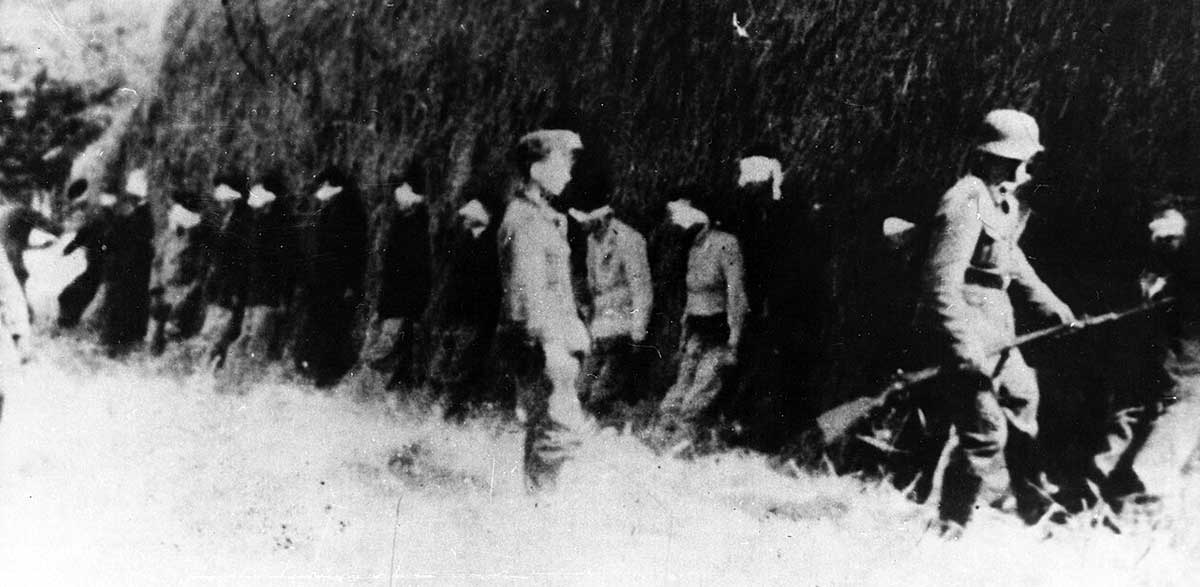
When the Axis powers invaded Yugoslavia in April 1941, they achieved rapid and significant success. Germany and Italy occupied or annexed parts of its territory, while the Independent State of Croatia (NDH) was established under Ustaša leadership. The royal government, led by Peter II, fled abroad, leaving the country without a central authority. Under these conditions, Josip Broz Tito and the Communist Party began organizing armed resistance.
The Partisans launched a major uprising as early as the summer. They soon became rivals to the Chetnik movement led by Draža Mihailović. The Chetnik movement was a Serbian nationalist and royalist resistance movement whose main goal was to restore the Yugoslav monarchy. These two resistance movements increasingly clashed with each other as well as with Axis forces.
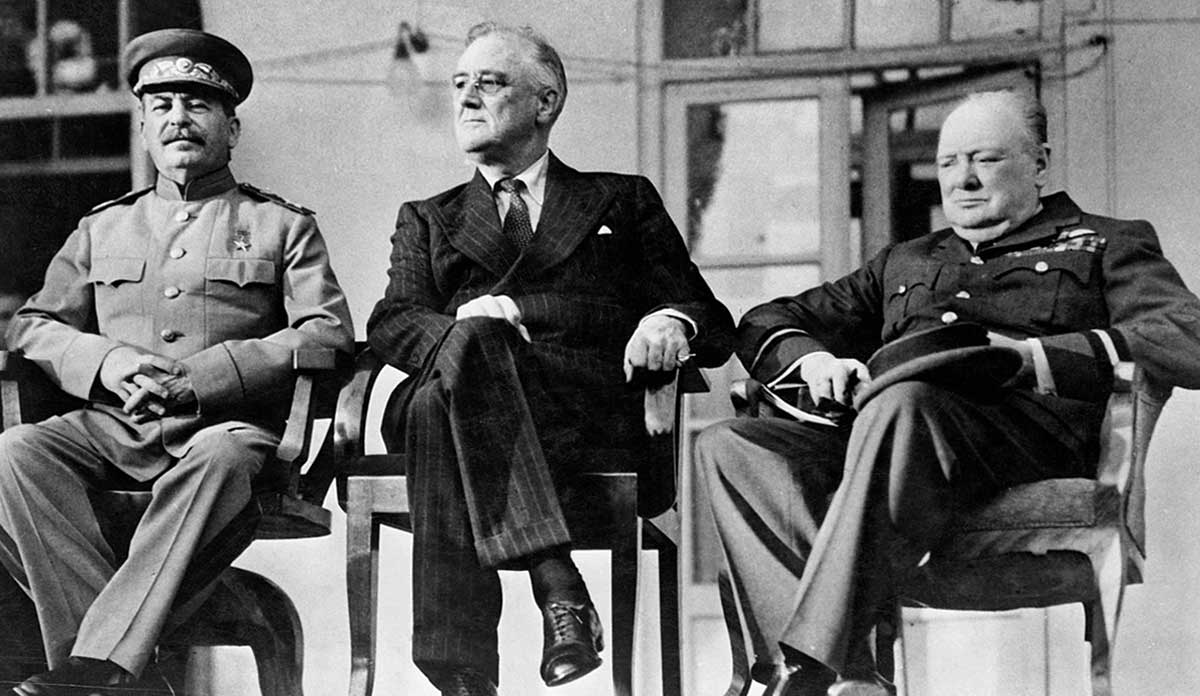
The Partisans were building an alternative state while the war was still going on. The Partisan leadership announced that post-war Yugoslavia would be organized as a federation, not as the former monarchy, and the National Committee for the Liberation of Yugoslavia, headed by Tito, assumed state powers. At the Tehran Conference, the Allies recognized the Partisans as the main Yugoslav resistance force.
Although Soviet forces helped Yugoslavia at the end of the war, particularly during the Belgrade Offensive of September and October 1944, it cannot be said that the Soviet Union brought Tito to power after the complete liberation of the country. The Partisans liberated most of the country without outside help, and Tito’s authority was respected around the world.
Tito and Stalin Become Uneasy Allies
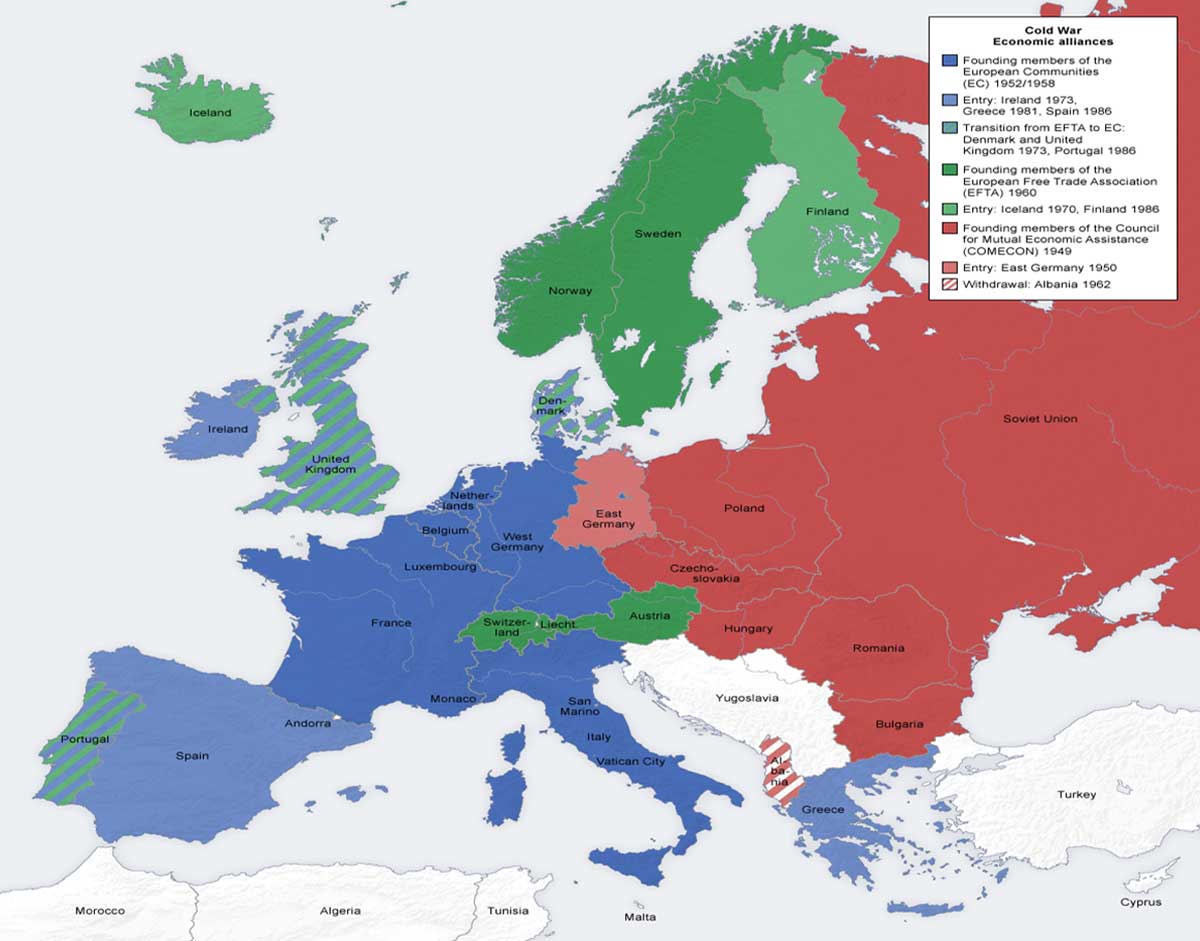
The war alliance between Tito and Stalin was based on a common ideology and a common enemy. The Soviet Union was the leading communist power, and Tito knew it well. However, after the war, Tito led Yugoslavia on a more independent path, which created tensions with Stalin.
Tito wanted Yugoslavia to become the dominant political and economic power in Southeastern Europe and supported closer integration with neighboring communist states, especially Albania, where Tito became close to communist leader Enver Hoxha. Tito also supported the idea of a Balkan federation that would bring together Yugoslavia, Albania, Bulgaria, and perhaps some other communist states. It was not just an idea on paper; negotiations and contracts on close cooperation were actively signed. In essence, Stalin was not opposed to the cooperation of these countries, but he was bothered by Yugoslav initiatives that were increasingly outside of Soviet control.
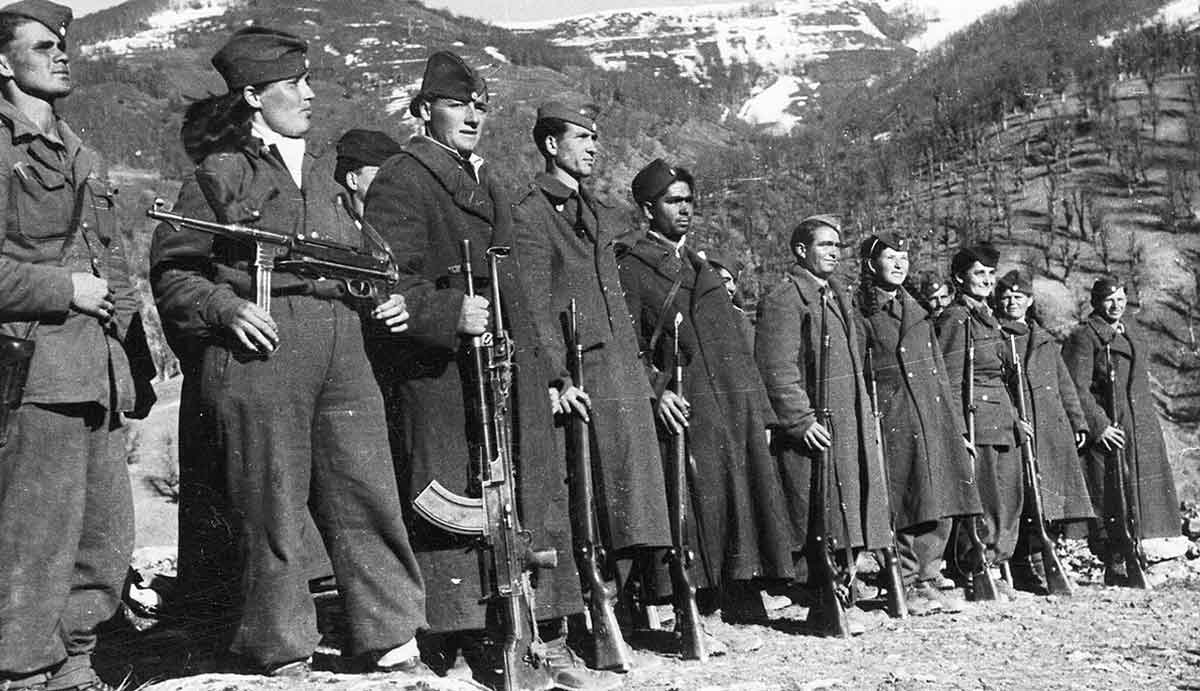
The situation further worsened at the beginning of the Greek Civil War in 1946, when the communists tried to come to power. Tito provided significant aid to the Communist Party of Greece, while Stalin was more cautious because he feared provoking direct conflict with the Western powers.
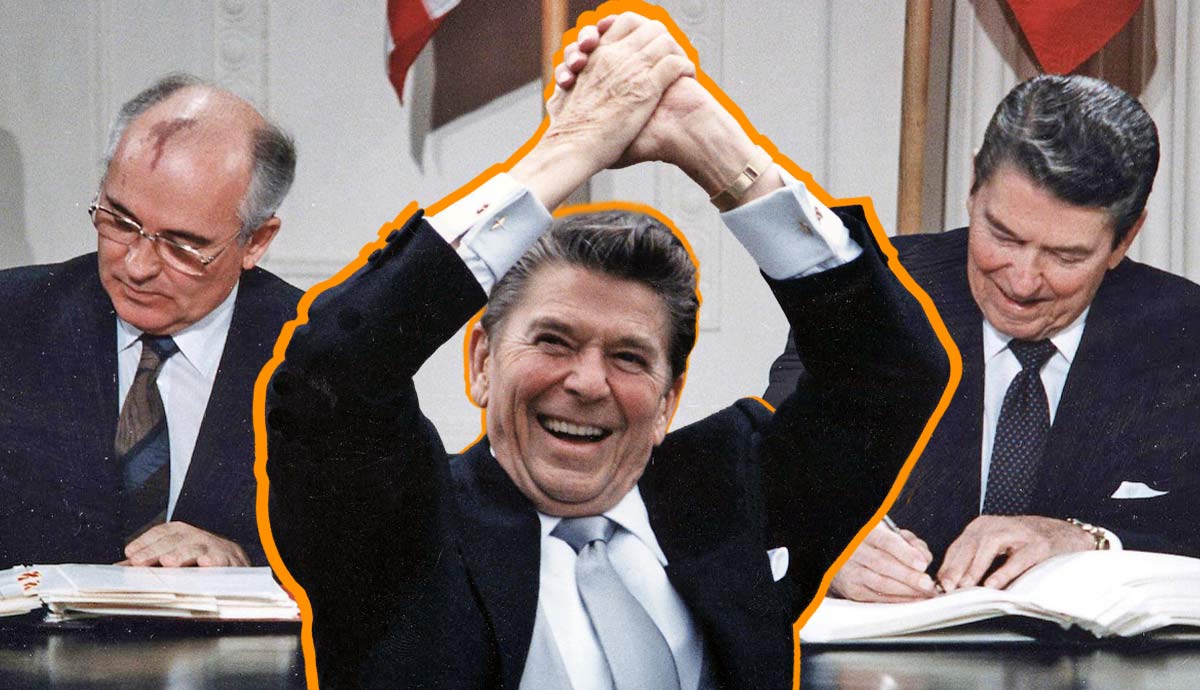
In September 1947, the Cominform was created. It was an organization that would coordinate European communist parties and strengthen cooperation among communists. The Yugoslavs were looking for a more important position in the Cominform because of their significant wartime achievements. Such an attitude was considered hostile by the Soviets. Moscow eventually withdrew its military and civilian advisers from Yugoslavia, and Stalin and Vyacheslav Molotov accused Tito of deviating from Marxism-Leninism in a series of letters.
The Cominform Expels Yugoslavia
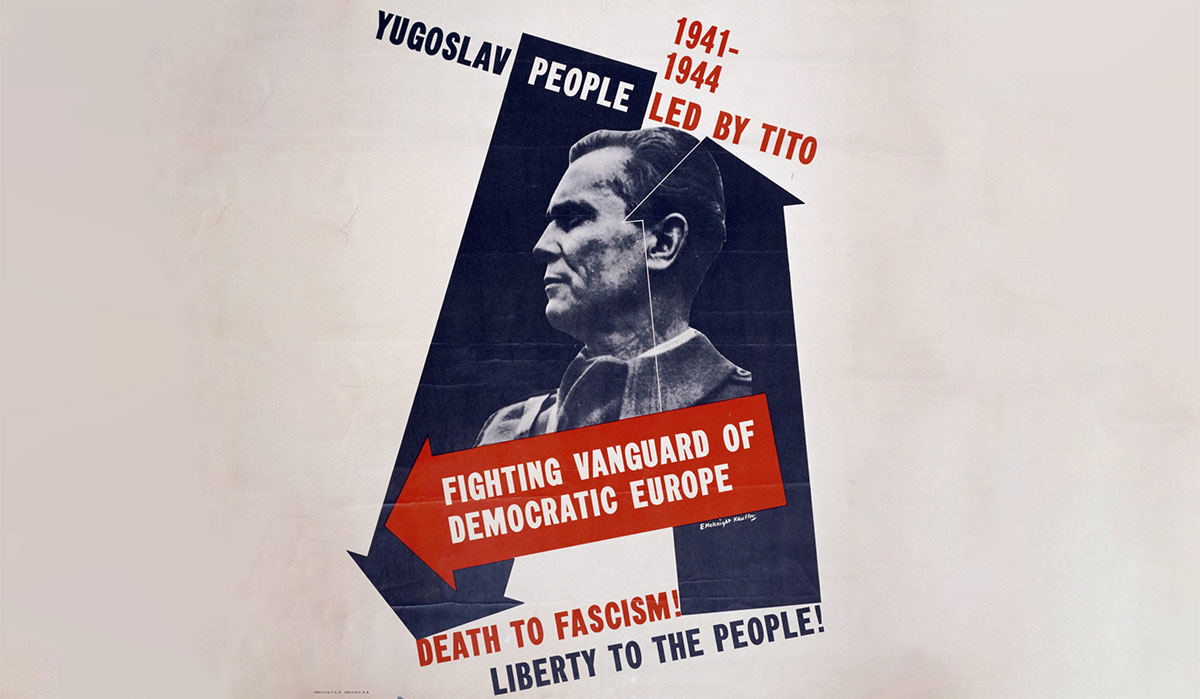
The Cominform met in June 1948 in Bucharest. The meeting was called because of the actions of Yugoslavia, and the Yugoslav delegation refused to participate. Eight other members unanimously adopted the Resolution of the Information Bureau Concerning the Situation in the Communist Party of Yugoslavia. These were the communist parties of the Soviet Union, Bulgaria, Czechoslovakia, Hungary, Poland, Romania, France, and Italy.
The accusations were extensive. In addition to pursuing a hostile policy towards the Soviet Union, the Yugoslav leadership was accused of weakening the role of the working class, taking a wrong approach to the class struggle in the countryside, and not applying Marxist-Leninist principles in an appropriate manner. The resolution proposed that the “healthy forces” within the Yugoslav Communist Party must remove Tito and return to the right path.
“The Information Bureau denounces this anti-Soviet attitude of the leaders of the Communist Party of Yugoslavia, as being incompatible with Marxism-Leninism and only appropriate to nationalists.”
(Resolution of the Information Bureau Concerning the Situation in the Communist Party of Yugoslavia)
Josip Broz Tito, as expected, did not accept the verdict. This turned the conflict into an official schism between the two big communist states. The consequences were immediate. Yugoslavia was politically isolated from the Soviet bloc, and Moscow launched a long-term campaign of pressure on Tito’s government. Tito did not turn to the West. He remained committed to one-party communist rule and socialism, and he considered the Western capitalist powers to be ideological opponents.
The Soviet Bloc Closes In on Yugoslavia
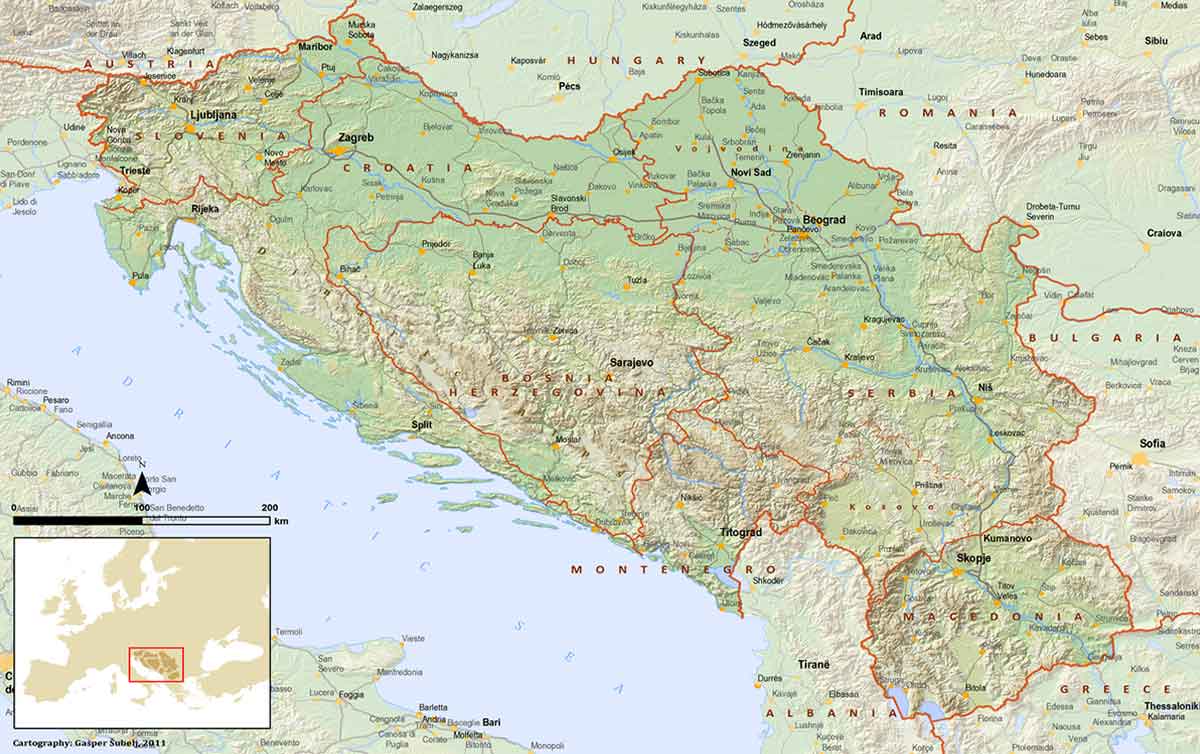
The Soviet Union and its allies gradually reduced the volume of trade with Yugoslavia, canceled or did not renew agreements, withdrew loans, and limited economic cooperation. For Yugoslavia, the consequences were serious, because the Yugoslav economy was largely dependent on these countries.
Propaganda also reached Yugoslavia itself, where inserted elements promoted the idea that Tito’s “nationalism” misled the Yugoslav communists. The Soviet bloc even gathered military forces around the Yugoslav border that were ready to attack if such an order came from the top. Nevertheless, Yugoslavia had a strong and well-equipped army that could not be defeated by the surrounding countries without the direct support of the Soviet Union.
The United States did not harbor any fondness for Tito, yet it viewed his survival as strategically beneficial because he posed a challenge to Soviet control over the communist world. Consequently, the U.S. took a series of measures to prevent the collapse of the Yugoslav economy. Above all, the green light was given for the development of trade and financial relations. This did not mean that Yugoslavia immediately became a Western ally, but it further escalated the conflict between Tito and Stalin.
Moscow’s Failed Assassination Plots on Tito
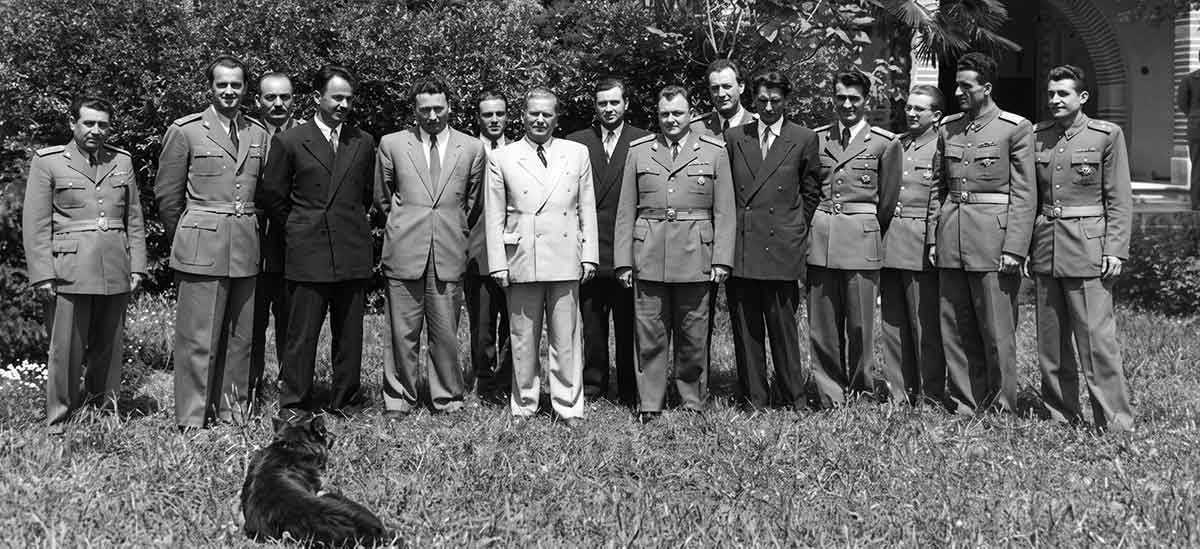
Moscow had to break Yugoslavia from within, and Tito’s death would be the ideal solution. Intelligence points were set up around Yugoslavia to maintain better connections with the internal supporters of the Cominform. Yugoslav authorities responded in the same manner, using the State Security Directorate (UDBA) to detect and suppress suspected Soviet agents and domestic supporters of Stalin.
It seems that there was a clear plan to assassinate Tito. The man in charge was Iosif Grigulevich, an experienced Soviet intelligence officer and assassin who had proven himself on numerous covert missions in Europe and South America. Operating under the identity of Teodoro B. Castro, a Costa Rican businessman and diplomat, Grigulevich became Costa Rica’s representative in Italy and later served as its ambassador to Yugoslavia.
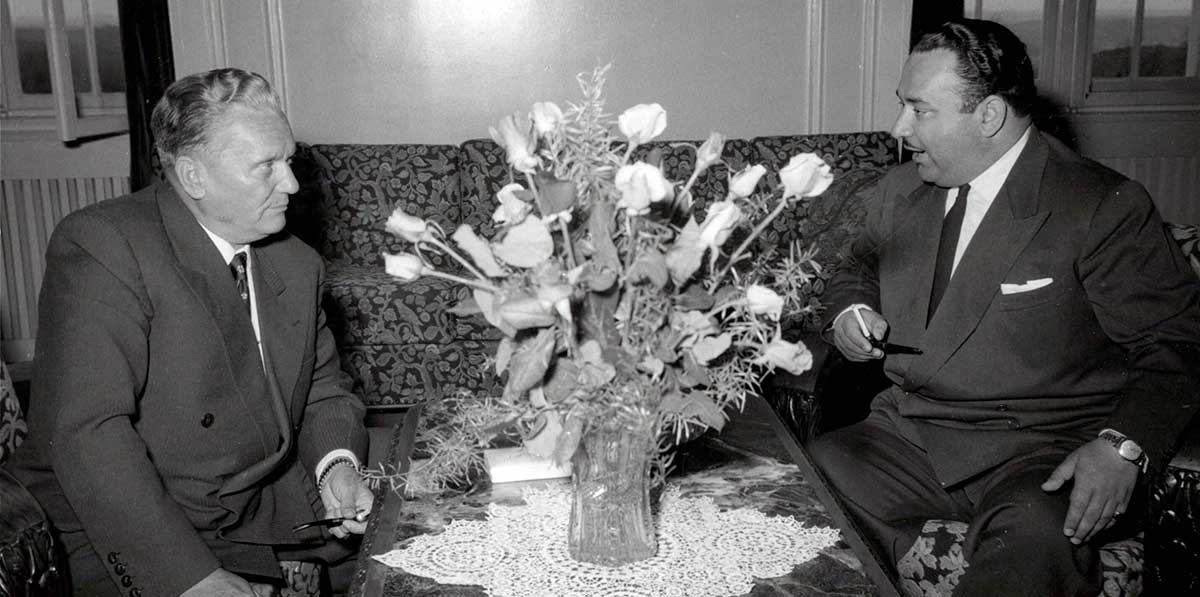
According to certain documents, Grigulevich himself had the task of assassinating Tito. However, the task was not successfully completed before Stalin’s death in 1953. Grigulevich was subsequently recalled to the Soviet Union and abandoned his intelligence career.
We know from Soviet documents that there was another assassination plan in 1952. This time, biological agents and poisons were considered. The existence of these plans proves that there were active discussions about the violent removal of Tito, but they were never carried out. Claims about the exact number of assassination attempts require more caution. Tito himself said in one of his statements that he caught five of Stalin’s killers, and sometimes the number of 22 assassination attempts also appears.
“Stalin: stop sending people to kill me. We’ve already captured five of them, one of them with a bomb and another with a rifle… If you don’t stop sending killers, I’ll send one to Moscow, and I won’t have to send another.”
(Attributed to a famous, though historically unverified, letter from Tito to Stalin.)
Stalin’s death in 1953 ended the most dangerous phase of the conflict between the two communist leaders. However, it still took time to resolve the dispute between Belgrade and Moscow.
Yugoslavia Turns to the West Without Abandoning Socialism
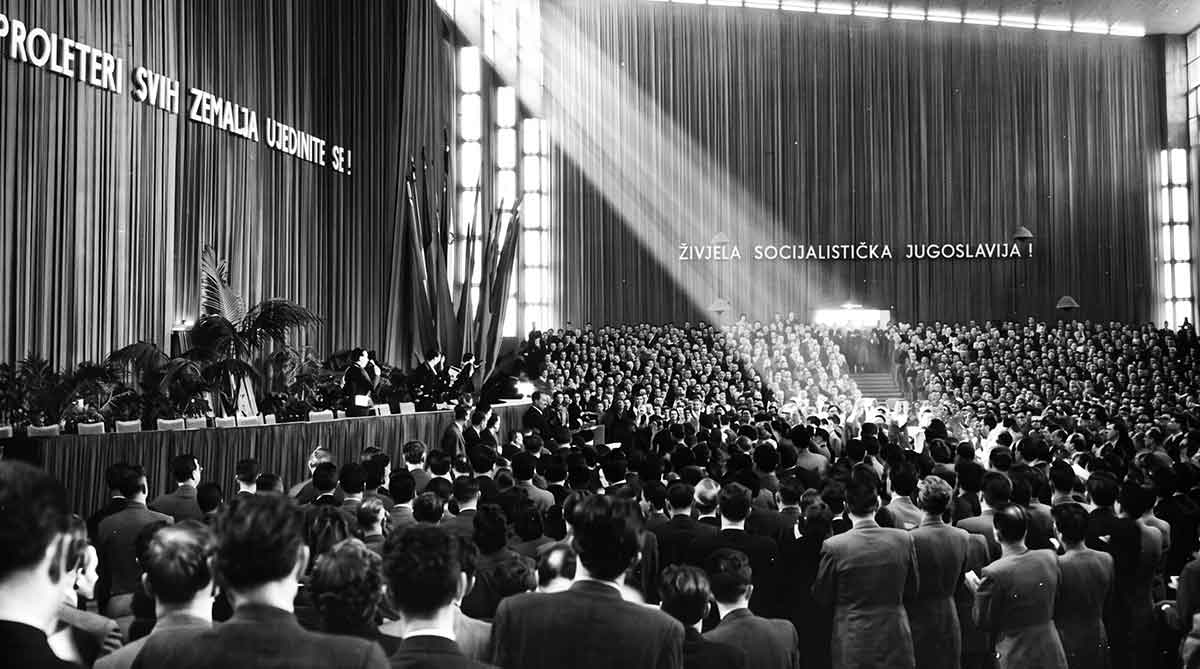
Even after Stalin’s death, Tito faced a serious economic problem in his country. During the Yugoslav conflict with the Soviet bloc, the Western powers decided to help Yugoslavia, and during the 1950s, when Yugoslavia was hit by a terrible drought, they decided to send large quantities of food.
On November 14, 1951, Yugoslavia and the United States signed an agreement establishing an American military aid program. This is something that particularly offended Stalin. The goal was to strengthen the Yugoslav armed forces to protect against possible aggression by the Soviet Union or its satellite states. Josip Broz Tito skillfully maneuvered between the two blocs, and avoided becoming overly tied to any single great power.
In 1953, Yugoslavia joined the Balkan Pact alongside Greece and Turkey. Although Greece and Turkey were NATO members, the Balkan Pact itself was not part of NATO.
Even earlier, in 1950, Yugoslavia had begun seeking a different way to organize its socialist economy by enacting a landmark law introducing workers’ self-management, granting workers’ councils a formal role in enterprise management. This marked a significant departure from the Soviet model of centralized economic management.
Yugoslavia retained state ownership in key sectors and continued with economic planning, while enterprises gained greater autonomy and workers’ councils assumed management responsibilities. Tito thus achieved precisely what Stalin had sought to prevent: a communist state that remained outside Moscow’s control.