Everyday life was difficult in the 19th century, particularly in the city of London. Despite this, many families and children were just as excited about Christmas as we are today. Let us now endeavor to rediscover the true meaning of Christmas simply by exploring the precious traditions of the Victorian working classes. These unfortunate people savored one day of jollity with what little they could afford, and by all accounts were surprisingly grateful for everything they did have. So, how exactly did they celebrate each year?
Christmas in 19th-Century London
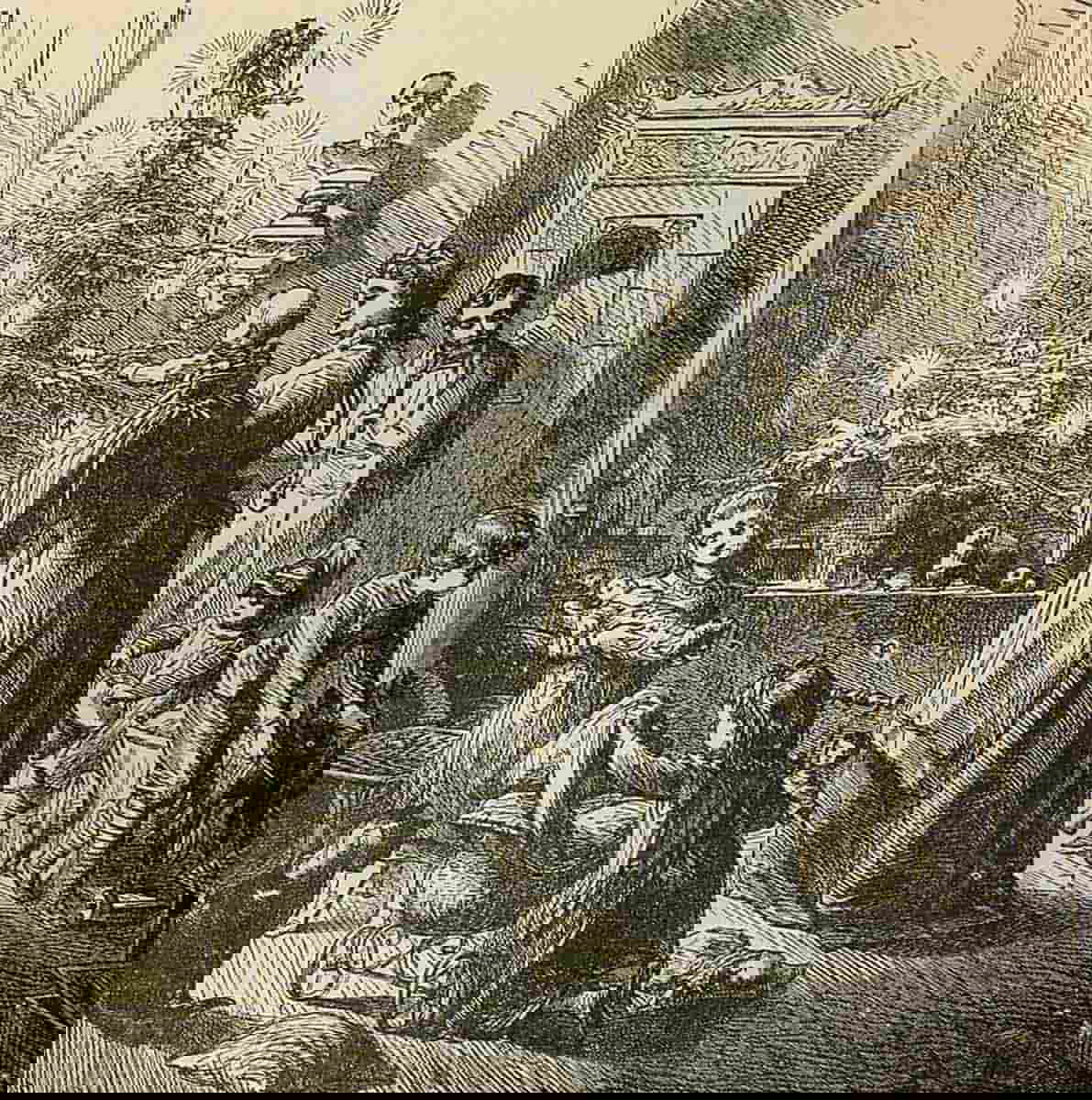
The Victorian Period is remembered as one of poverty and hardship. For a large percentage of the London population, the 19th century was a time of constant struggle. Each day was defined by a selection of burdens, worries, dangers, and troubles. The joys of life were permanently overshadowed by a battle to avoid loss of employment, homelessness, and the ever-present threat of the debtor’s prison or the workhouse.
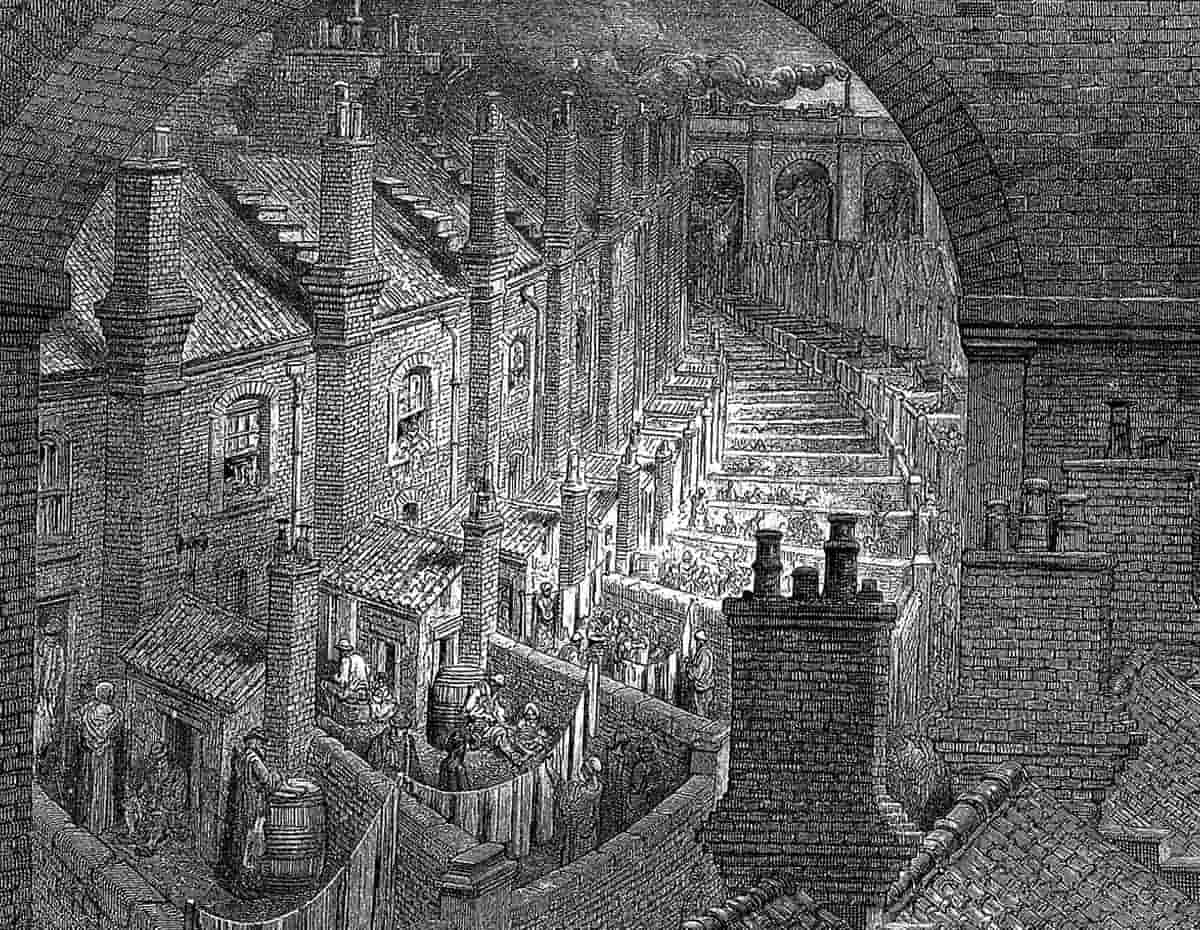
During the year of 1850, there were around 2.3 million people living in London. Tens of thousands of these people, children included, slept each night on the cold, cobbled pavements. A further 16,000 individuals were spread across the 86 workhouses operating in the city, but many families chose homelessness over entering such an institution.
Furthermore, around 30 percent of the population lived in what would now be considered extreme poverty. Many who were lucky enough to afford accommodation lived in unheated, overcrowded, and unsanitary conditions. In such a world as this, how could one possibly think about celebrating Christmas? Despite living in a period of such uncertainty, the Victorians loved Christmas and were even responsible for shaping Christmas traditions as we know them today.
The truth of the matter is that each separate class experienced very different versions of Christmas, all of which were anticipated and enjoyed in equal measure. In this article, we will focus on Christmas as it happened in the homes of the typical, hardworking families—the type of family that filled the majority of houses in the city. These were the sorts of people who endured long and laborious hours for a pitiful wage, but just about managed to scrape by with what they had. Their Christmas budget would not have extended beyond one low-price present for each member of the family, a meager goose, and perhaps a Christmas pudding or a little bottle of brandy.
Of course, Christmases here could not be compared with the opulence and grandeur enjoyed annually by the residents of Buckingham Palace and other great houses, but a more expensive Christmas did not necessarily equate to a better one. Who is to say that the children of Queen Victoria should be any more excited than the children of a poorer family, similar to the Cratchits from A Christmas Carol?
How Are Thy Leaves So Verdant?
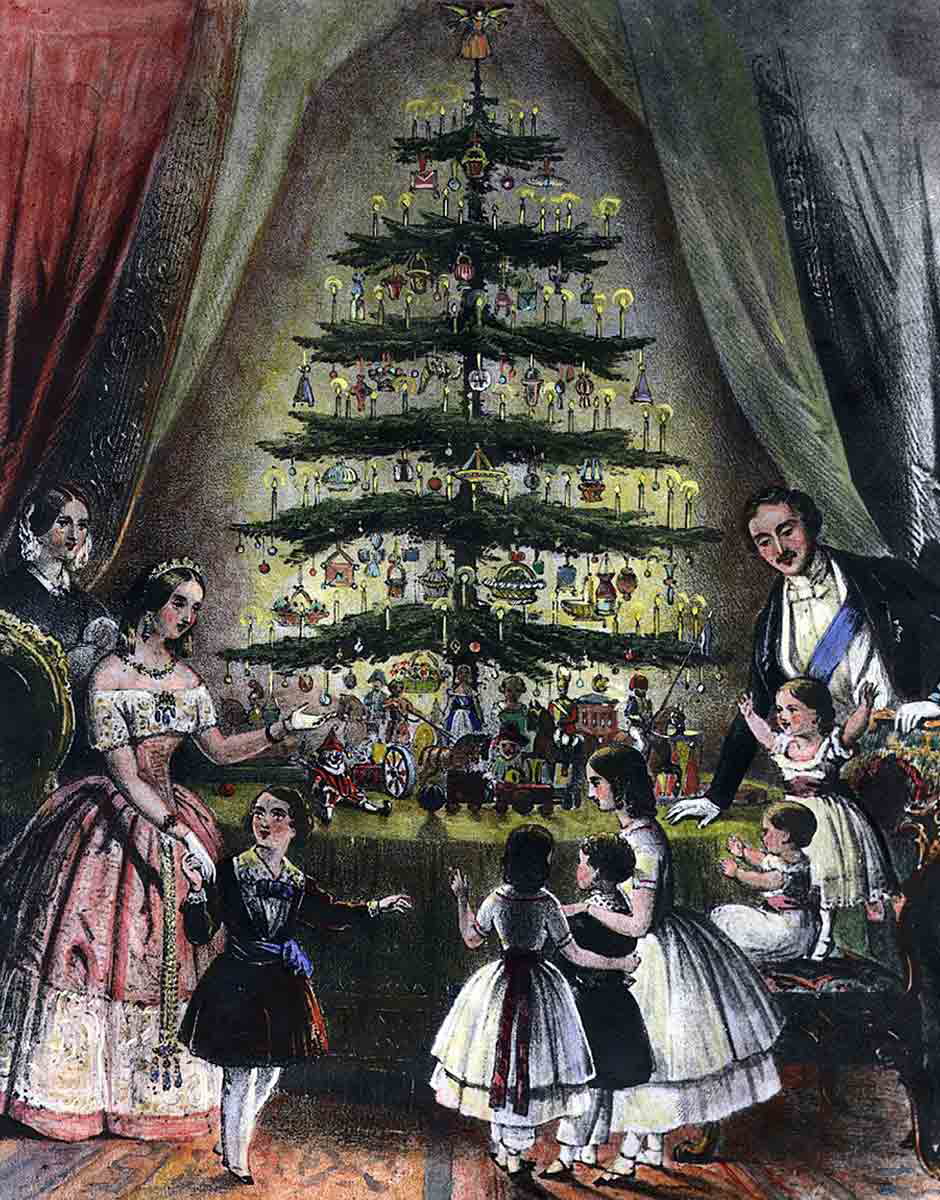
When it comes to Christmas, if there is one thing that the Victorians are famous for, it is the introduction of the Christmas tree to England. By the mid-19th century, the decorating of a tree had become an integral part of Christmas preparations, and there was hardly a family in London that did not partake in the tradition in one way or another.
According to popular and historic tradition, it was Martin Luther, some 300 years previously, who first came up with the idea of decorating a tree at Christmas. His intention was supposedly to commemorate the birth of Christ by creating a display of natural beauty, illuminated with candlelight, and to keep it in his home over the twelve days of Christmas. Legend has it that the idea came to Martin Luther as he walked through a pine forest on Christmas Eve, near his home in Wittenberg in Germany. The sight of the sparkling stars between the branches reminded him of the heavens, and moved him to such an extent that he had a tree of his choosing chopped down and brought into his house. He informed his family that the tree would be a reminder of the coming of Christmas Day and the coming of Christ as the light of the world.
By the 17th century, the idea of the Christmas Tree had become widespread in Germany, particularly in the South. An anonymous chronicler recorded that, at Christmas, the people of Strasburg set up fir trees in their parlors and hung roses cut out of colored paper, as well as apples, wafers, gold foils, and sweets.
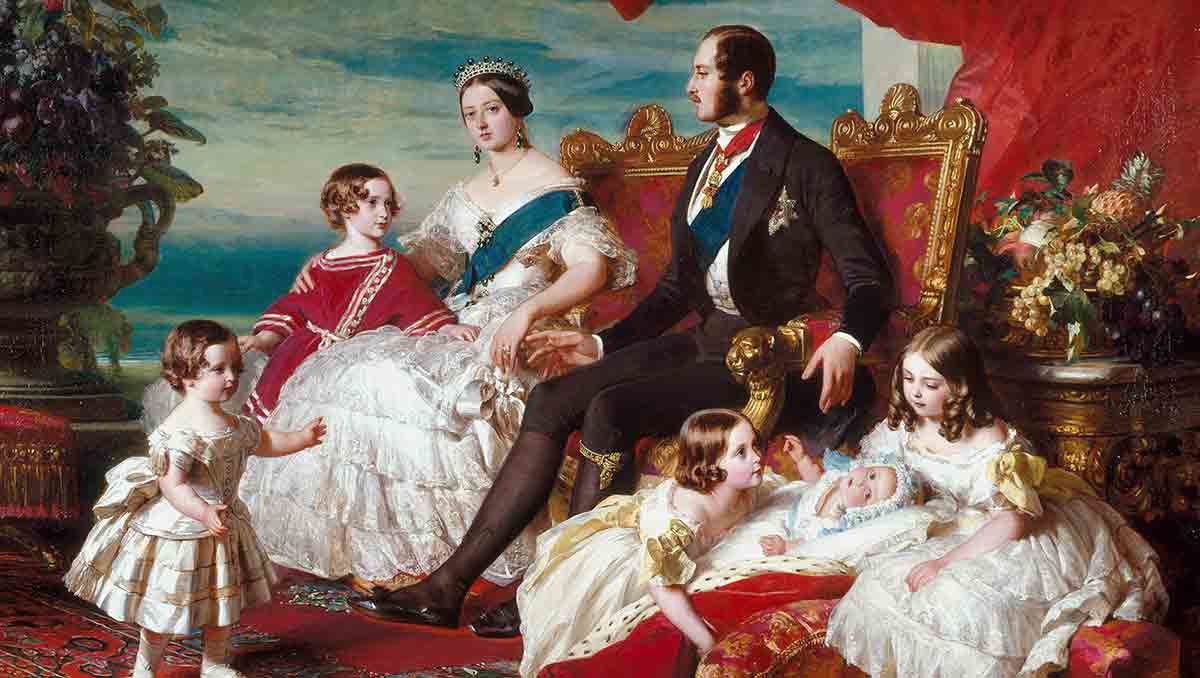
So, how did it happen that the tradition spread so suddenly across Europe and into Britain? As with many other traditions, it is usually Prince Albert, the husband of Queen Victoria, who is credited with the introduction of the Christmas Tree in England. Although he undoubtedly had a part in its popularization, he was by no means the first person to decorate a Christmas tree in Britain.
It was actually Charlotte of Mecklenburg-Strelitz, the wife of King George III, who set up the first known Christmas tree in England. This tree, the first recorded to have appeared in Britain, was erected at Windsor Castle. Charlotte had been born in Northern Germany in 1744, and consequently, when she arrived in London, she brought with her a variety of Christmas traditions and customs.
We know that the young Victoria, the future Queen of England, decorated a Christmas tree in 1832, five years before she inherited her throne. On Christmas Eve, at the age of just 13, she recorded her experience of her Christmas tree in her diary. “After dinner, we then went into the drawing room near the dining room,” she wrote, “and there were two large tables on which were placed two trees hung with lights and sugar ornaments, the presents being placed around the trees.”
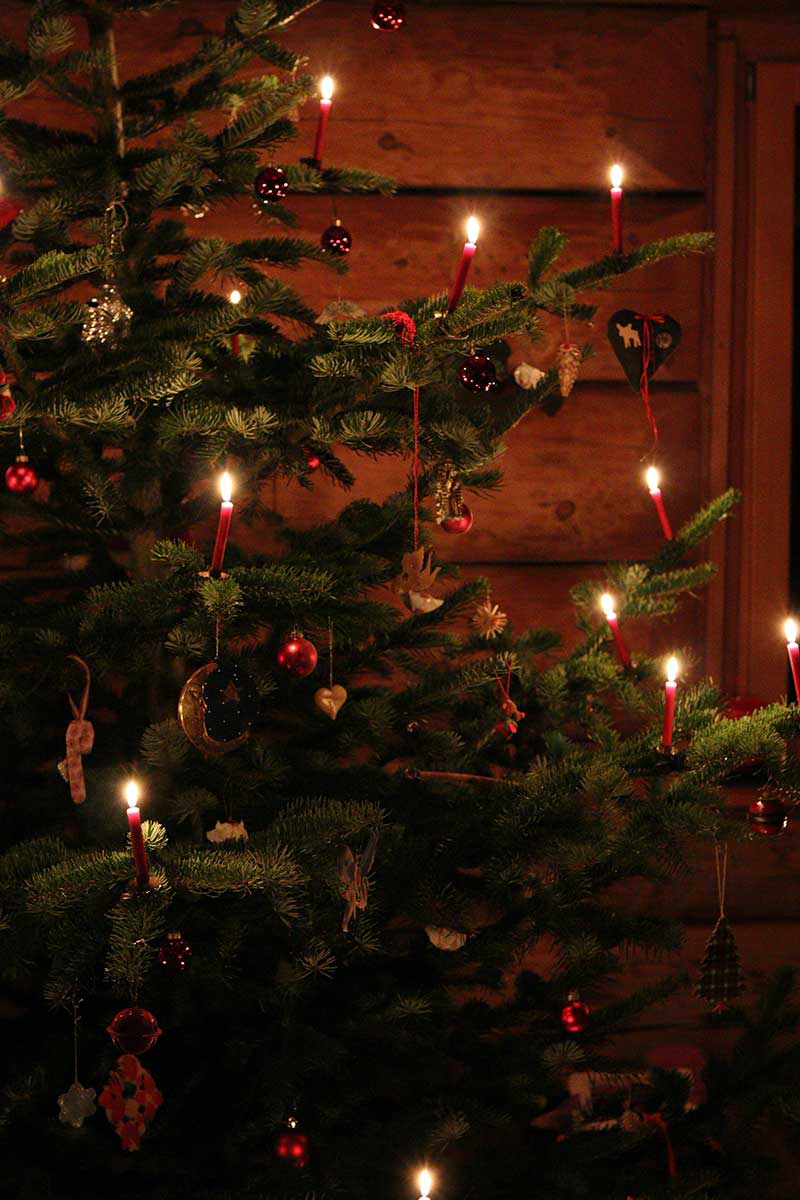
It is now thought that, by the year 1860, there was not a middle-class family in England that did not either keep or know about the tradition of the Christmas tree. As decorations were generally inexpensive, the tradition of the Christmas tree spread into the homes of families of all incomes. Popular and cheap decorations for a tree included real candles, tinsel, and homemade paper chains or cut outs.
Those who had neither room, money, nor desire to keep a Christmas tree may have chosen to decorate their home with cheaper alternatives, such as holly, ivy, mistletoe, and other natural greenery. They may also have appreciated trees erected for public viewing, such as in churches or shop windows. It was customary to decorate on Christmas Eve, gathered around the tree with the whole family.
Sweet Singing in the Choir

In a world where television and internet did not exist, and money was lacking, people learned to make their own entertainment. At Christmastime, particularly on Christmas Eve and Christmas Day, the Victorians loved to sing carols. Carol singing, then also known as wassailing, was commonly performed in a variety of places and for a variety of reasons. It took place in crowded, snowy streets as public performances.
Wassailing took place in churches as part of religious services. It took place with family and friends gathered around the Christmas tree. It took place at Christmas parties, and it took place in residential areas, when people went door to door with their choirs. Whether accompanied by a piano or acapella, whether against the warmth of a fire or in the cold of the winter night air, singing carols was an integral part of Christmas entertainment.
It was during the year of 1880 that the first so-called Carol Service took place. A musically-minded man named E.W. Benson, the bishop of Truro cathedral, held a newly invented ceremony on Christmas Eve. He called his service “Nine Lessons With Carols,” and as expected, it featured nine Biblical readings and nine Carols. When combined, they told the story of Christmas from the Annunciation of the Angel Gabriel to Mary, until the visitation of the Magi and the Epiphany.
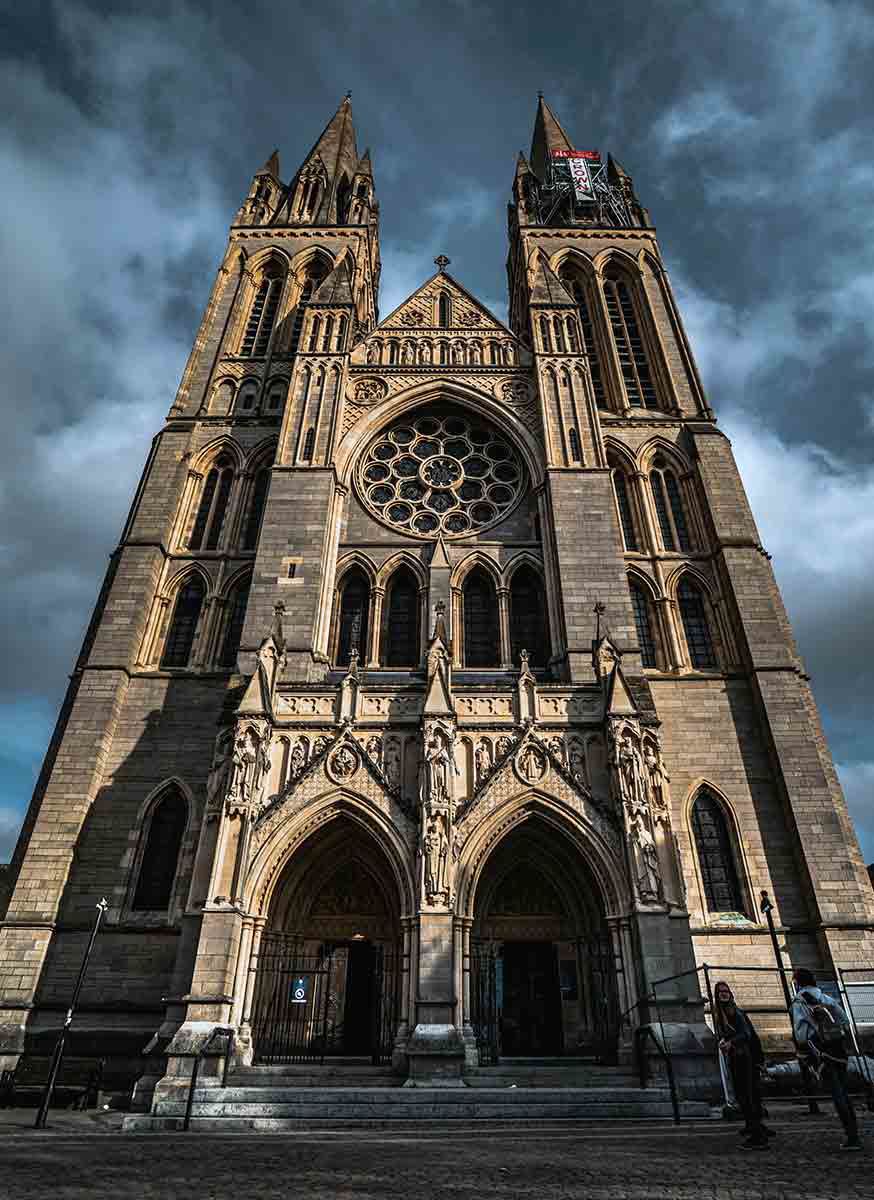
This service was a major event for the Victorian working classes, as the attendance of such services was permitted for all manner of folk. They could attend Church on Christmas Eve and sing amongst the middle classes. Whilst wealthier members of society could afford to pay musicians and choirs for their musical entertainment, Church music was free, and therefore could also be enjoyed by the poor.
It may surprise you to learn that almost all of the carols we sing today were written during the Victorian era. Some, like O Come O Come Emanuel, had been written as early as the 12th century. Others, such as The Boar’s Head Carol, were composed in the 15th, and were sung by the likes of King Henry VIII. But many were written by the Victorians themselves, and this newly-penned selection would have been considered extremely modern during the 19th century. Just a few of the Carols enjoyed by the Victorians include, Good Christian Men Rejoice (c. 1400), The Coventry Carol (1534), God Rest Ye Merry Gentlemen (c. 1650), Hark the Herald Angels Sing (1739), O Come All Ye Faithful (c. 1740), Silent Night (1818), O Holy Night (1847), Once in Royal David’s City (1848), Deck the Halls (1862), In the Bleak Midwinter (1872), and Away in a Manger (1895).
The Goose is Getting Fat
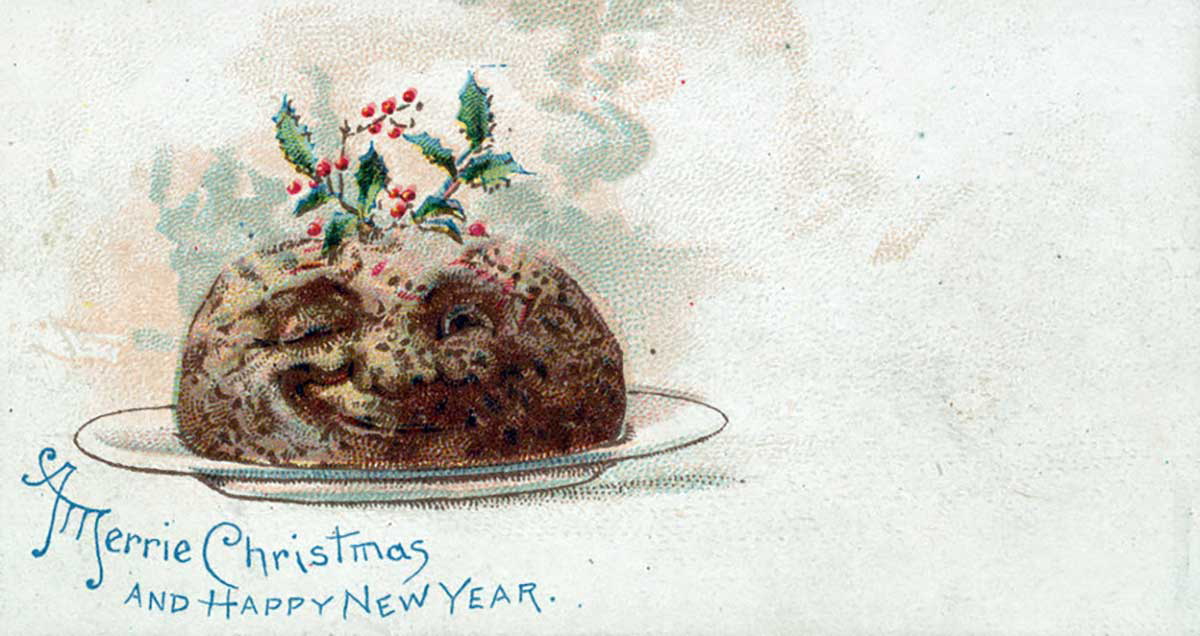
Although the Victorians gave each other gifts for Christmas, these were usually small tokens, and present giving was not the most important thing that happened on the day. At the center of a Victorian celebration was the Christmas Dinner, as it gave time for the whole family to sit down together, partake in a hard-earned feast, and generally enjoy each other’s company.
At the mention of a 19th-century Christmas dinner, one may immediately bring to mind two pictures. The first is of Queen Victoria, sitting at a banqueting table in Windsor Castle with the rest of the royal family. Her table would have been graced with all sorts of expensive and sumptuous delights. Secondly, a picture of the Cratchit family, brought to life by Charles Dickens, as they gathered around a small table and distributed pieces of one of the smallest geese the shop could provide. Despite their differences, both pictures are equally merry.

Popular dishes served on Christmas Day, whether in the households of rich or poor, included roast goose, plum pudding, Christmas pudding, roast chestnuts, warm brandy, mulled wine, Christmas punch, and gingerbread. The courses of wealthy families were somewhat more lavish and may have included a boar’s head, venison, roast beef, oyster soup, roast ham, or roast turkey. Vegetables were equally important to all classes, and root vegetables such as potatoes, parsnips, and carrots were found on tables all over the country. Even sprouts became associated with Christmas dinner during the Victorian era.
In an ideal situation, even in poorer households, Christmas dinner would be accompanied by a roaring fire in the hearth, a selection of greenery to adorn the room, and many smiling faces around the table. The ambience was likely to have been warmer and more inviting than it was at any other time of the year.
All the Little Children That Round the Table Go
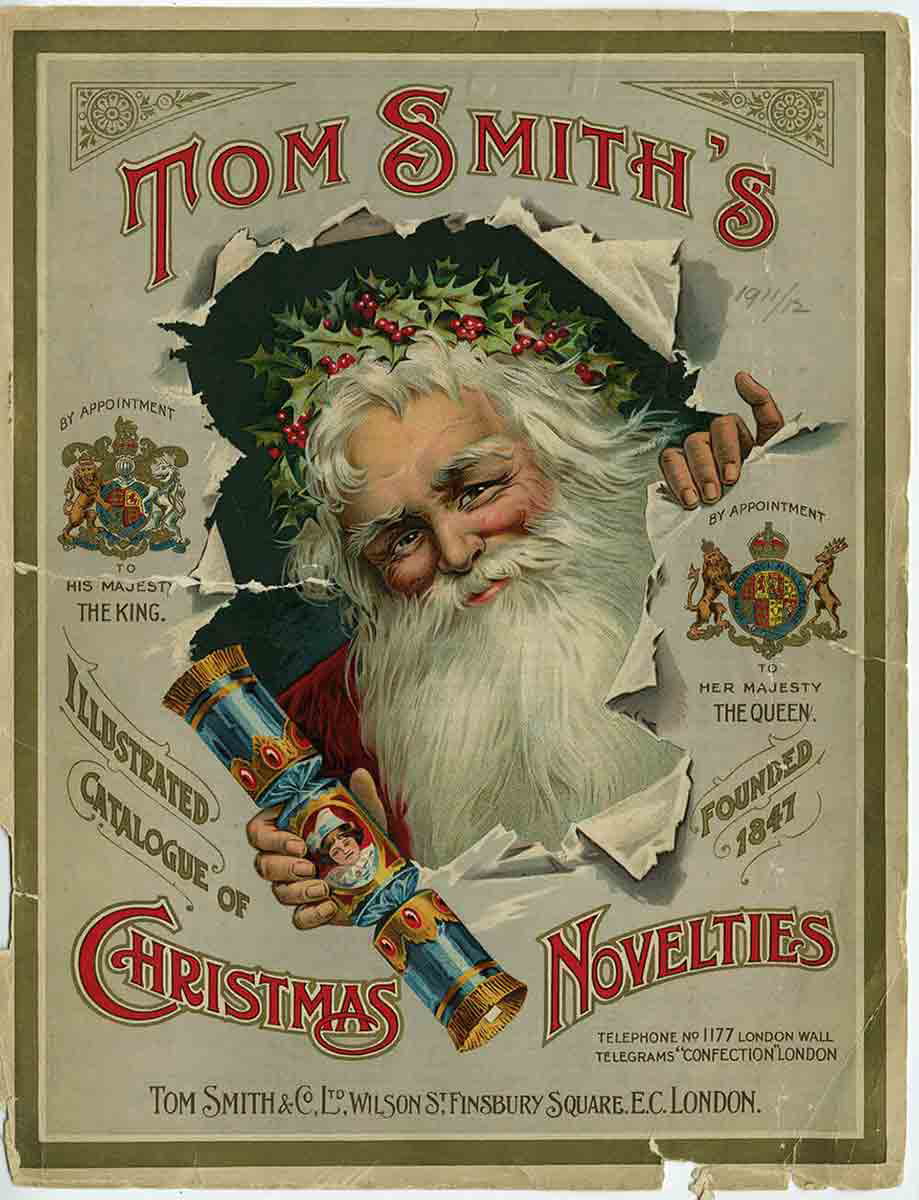
A British baker and confectioner, who lived between the years of 1823 and 1869, established one of our most treasured Christmas lunch traditions. Although he was by trade a sweet-maker, he is now most famous for his invention of the Christmas cracker.
Tom Smith’s inspiration for the Christmas cracker was thought to have been his roaring fire. When he heard the crackle of a log he had just thrown on, he was struck with an idea. He made a long, cylindrical package to replicate a log, and determined that the product would produce a bang when pulled apart.
Inside, patrons would discover something to eat (a sugared almond from his confectioners) and some form of entertainment (a short motto on a piece of paper). Due to the excitement of the bang, the product soon became known as the Christmas cracker.
When he invented and advertised his first Christmas cracker in 1847, little did Tom Smith know that they would endure the centuries and only grow in popularity. It might shock him to realize that an estimated 154 million crackers are pulled each Christmas in the present era.
Glad Tidings We Bring, to You and Your Kin
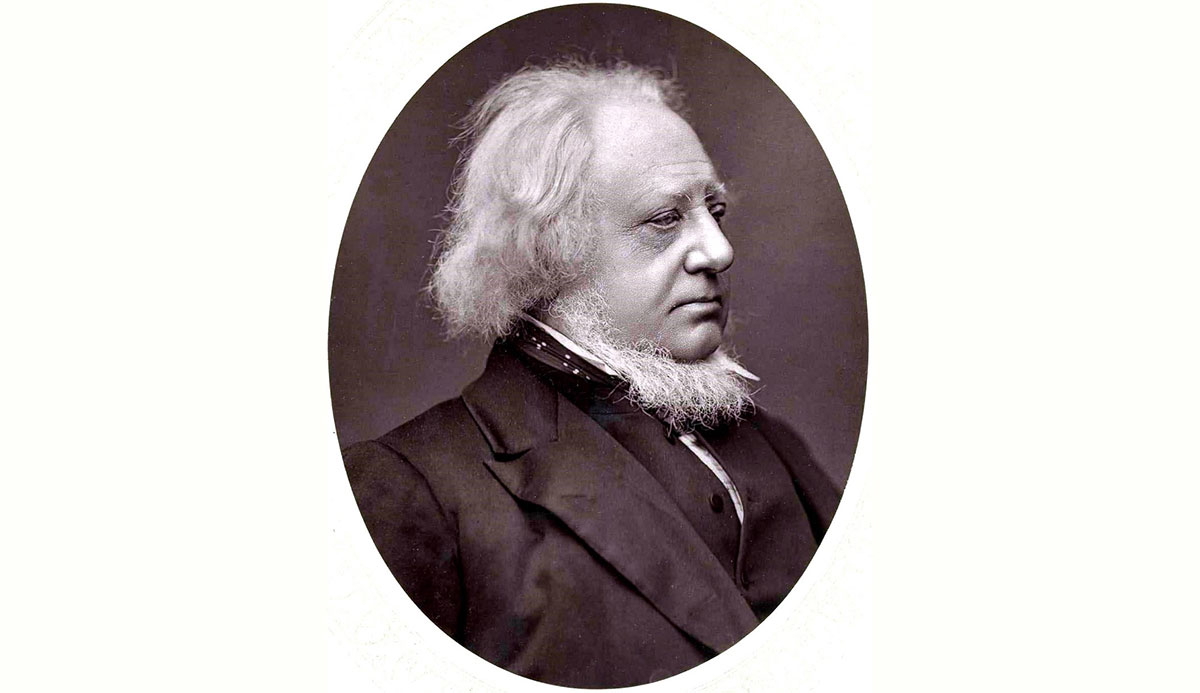
Moving on from the inventor of the Christmas cracker, we come to the inventor of another Christmas staple. Henry Cole, who lived between the years of 1808 and 1882, is credited with the invention of the Christmas card. These cards, which are still sold, written, and exchanged by people all over the world, originally came about during the year of 1843.
The popularity of Henry Cole’s invention was helped along by a variety of factors, including the arrival of cheaper printing techniques, cheaper and easier postage, and the introduction of the Penny Black postage stamp. For the first time, people began to wish each other season’s greetings with a special card rather than a letter.
Common designs for Victorian Christmas cards included pictures of decorated Christmas trees, presents, pieces of holly and ivy, birds such as robins, snow-covered churches and villages, and even musical notes and directions for various Christmas carols.
Let Nothing You Dismay
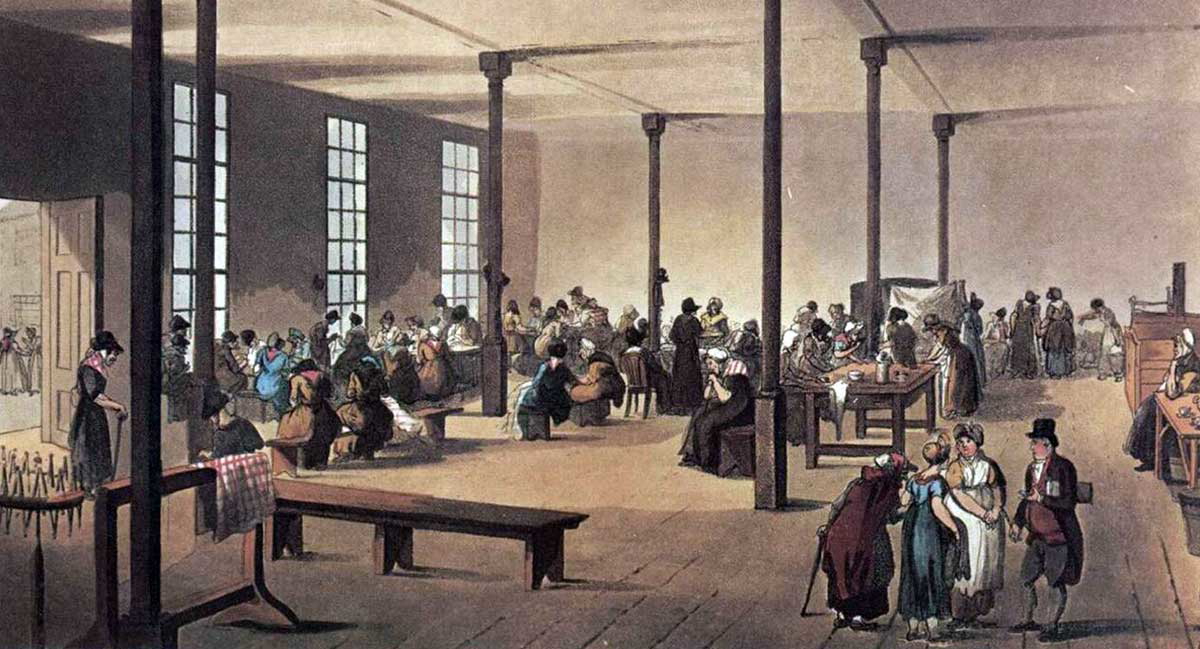
To the many thousands of people living in the workhouse during the 19th century, Christmas Day was pretty much a day like any other. The most that could be expected was some sort of festivity at lunchtime. This came in the form of a plate of roast beef, a little glass of something alcoholic, and, if you were really lucky, a meagre slice of plum pudding. Some children may have been given an apple or an orange.
Whether or not this actually occurred was subject to many factors, such as the current laws regarding the treatment of the poor and the whim of the owner of the institution. There was certainly no day off from work, so if there was no Christmas dinner to be had, Christmas Day could easily have come and gone without so much as a passing mention.
If You Have No Ha’Penny, Then God Bless You
While the fictional Ebenezer Scrooge may have thought of Christmas as a “time for finding yourself a year older and not a penny richer,” or as a “poor excuse for picking a man’s pocket every twenty-fifth of December,” many real Victorians considered Christmas a perfect time for generosity and charitable giving. It was customary, especially on Christmas Eve, for businessmen to be visited by well-meaning people, collecting donations to pass on to the poor in time for Christmas Day.
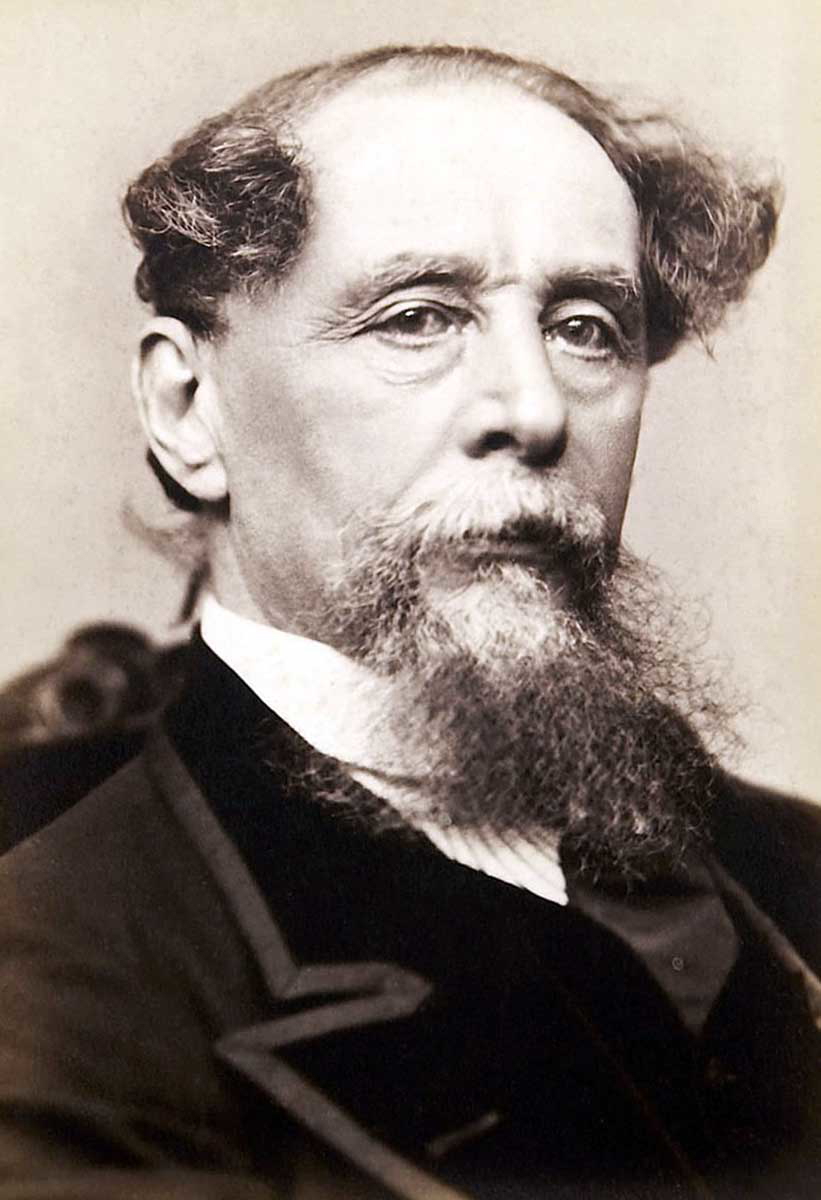
In fact, it was Ebenezer Scrooge himself who actually contributed to a massive increase in yuletide charitable giving; 6,000 copies of A Christmas Carol were published on December 19, 1843, and every single copy had been purchased by Christmas Eve. Influenced by an inspiring tale of warmth and generosity, charitable donations by the middle classes to the poor soared, practically overnight.
Charles Dickens is often remembered by the epithet “the man who invented Christmas,” as he changed the way thousands of people thought of those less fortunate than themselves, particularly during the winter season. Christmas is still thought of as a time for sharing what you have, whether it be a great deal or very little. Many charities continue to appeal during December, in the hope of providing a better Christmas for somebody in need.
Tis the Season to Be Jolly
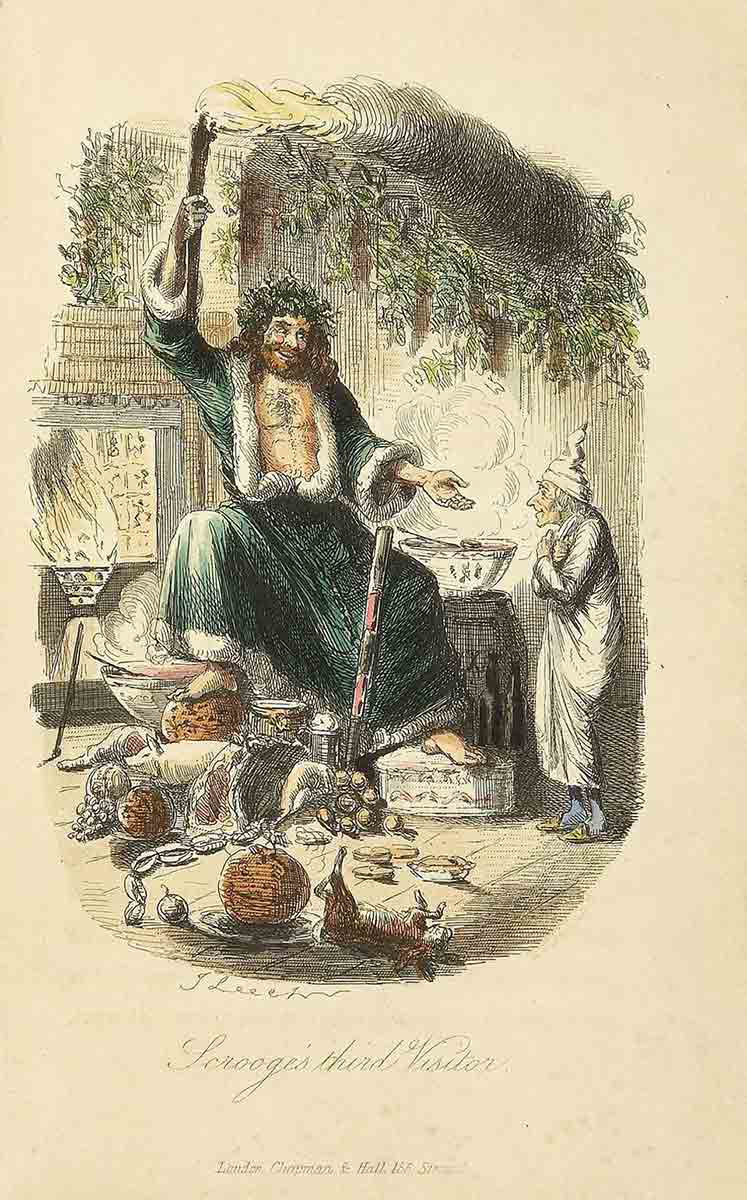
In this article, we have reviewed the main parts of a Victorian Christmas celebration. From the pulling of Christmas crackers to the sending of Christmas cards, from the singing of carols to the enjoying of a hearty Christmas dinner, 19th-century traditions don’t seem so different from our own.
What really stands out about Victorian Christmas, particularly for the most unfortunate of families, is the fact that they relied solely upon the entertainment they could create for themselves. Christmas was uncommercial, by default inexpensive, and acted as one single day of bright hope for the future, amongst a year of other difficulties. The run-up to Christmas was not defined by frantic preparations, hurried Christmas shopping, and a mass accumulation of material goods. Instead, Victorian shoppers went out on Christmas Eve, unhurried and glowing with Christmas spirit, to collect what they needed for themselves and their loved ones. They attended Church, spent time in prayer, and considered Christmas as a time, firstly for the annual remembrance of the coming of Christ into the world, and secondly for love of family and community.
The Victorians captured the true meaning of Christmas and celebrated it in a way that would make many people happier than they might imagine, even today. Undoubtedly, the hardships faced by the Victorian people gave them great cause to appreciate Christmas in a way that really mattered.